

 English
 русский
 Español
 عربى
عربى
YLm series refrigerant pressure gauge
Cat:Pressure Gauge
◆ Model: YLm60 YLm100 YLm150◆ Application: This series of instruments are special instruments for de...
See DetailsContent
In a water treatment plant, a 20 m³/h reverse osmosis train with a new membrane element normally runs at 14 bar feed pressure. After three months, the same system often shows 11 bar at the feed and a differential pressure across the membrane that has risen from 0.8 bar to 1.9 bar. Without a pressure gauge for RO systems, these signs are invisible, and the operator only learns about the problem when the production rate has already fallen. The conclusion is simple: install stainless steel gauges on the feed, concentrate, and permeate lines, select a range that places the operating point in the middle third of the dial, and check the zero point every year.
Reverse osmosis is a pressure-driven separation process. Feed water is pumped through semipermeable membranes, and the purified water passes through while dissolved ions and suspended solids are held back. The driving force is the pressure differential between the feed side and the permeate side. In a brackish water RO plant, this pressure is typically 10 to 15 bar. In a seawater desalination system, it rises to 55 to 70 bar.
A single gauge cannot describe the whole picture. The engineer's task is to measure pressure at the points that separate the causes of a problem. The three essential values are feed pressure, concentrate pressure, and permeate pressure.
For a multi-stage RO train, each stage should have its own feed and concentrate gauges. This way the operator can see which stage is developing a problem. In practice, the differential pressure across a membrane stage should stay below 1.0 to 1.5 bar. When it climbs above 2.0 bar, a membrane cleaning cycle is overdue.
Wetted parts come into direct contact with the feed water, which may contain chlorides, antiscalants, or recycled wastewater components. For this reason, the connecting tube, the Bourdon tube, and the thread must be made of a corrosion-resistant material such as stainless steel. A standard stainless steel pressure gauge is often the correct choice for brackish water RO systems.
Pressure gauges are not decorative. They are the interface between the process and the operator's judgment. The following scenarios are the ones where a good gauge pays for itself in a single working shift.
Cartridge filters protect the high-pressure pump and the membrane from suspended solids. As they load up with debris, the pressure after the filter drops. On a standard skid, a new cartridge typically shows a pressure loss of 0.2 bar, while a heavily loaded cartridge can lose 1.0 bar or more. Operators who change cartridges only on a fixed schedule either waste cartridges or feed a partially clogged filter to the pump. A pressure gauge before and after the filter housing removes the guesswork. When the pressure drop across a 5-micron cartridge filter exceeds 0.7 to 1.0 bar, the cartridge should be replaced.
Every membrane element has a maximum operating pressure and a maximum differential pressure. Exceeding these values causes membrane compression, which permanently lowers the flux. A compressed membrane cannot be restored by cleaning. A high-pressure gauge on the feed line and a concentrate gauge on the brine line give the operator the two values needed to calculate the differential pressure at any time.
Operating below the recommended feed pressure is also risky. Low pressure means low recovery, which means the concentrate side is more concentrated than designed and the risk of scaling rises. The membrane performs best inside the manufacturer's recommended operating window, and a gauge tells you when you are outside it.
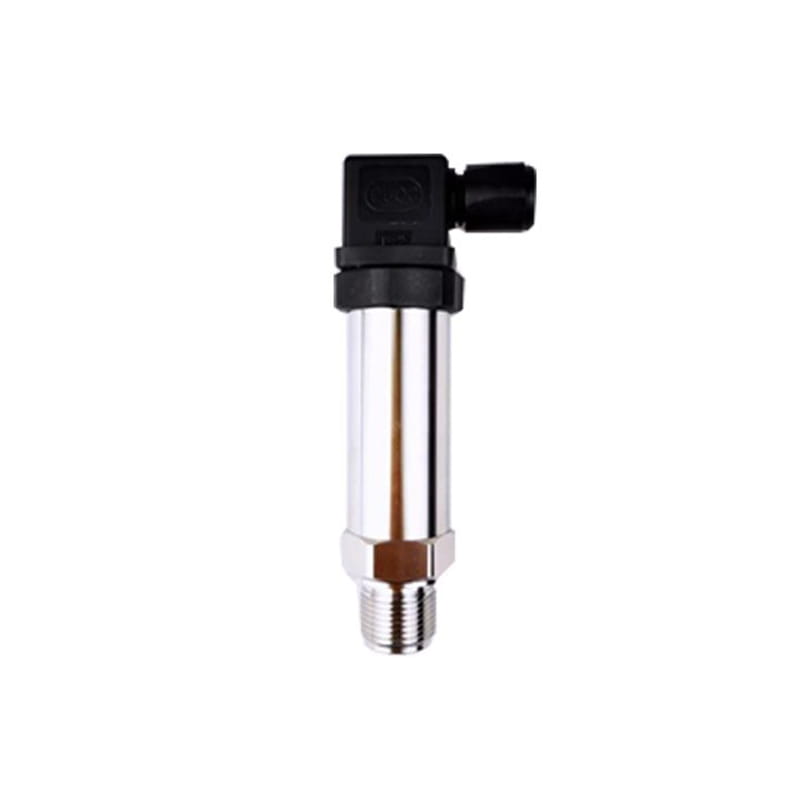 Pressure transmitter YSZKThe Pressure transmitter YSZK is designed for demanding environments, operating effectively in temperatures ranging from -30℃ to 80℃ and humidity levels below 80%. Thi...View Product →
The high-pressure pump is the most expensive rotating component in an RO system. If the feed supply is interrupted or a valve is accidentally closed, the pump can deadhead, which causes cavitation and mechanical seal failure. A pressure gauge on the pump discharge is the fastest way to detect this condition. Many industrial RO units also use a pressure switch for automatic shutdown, but a gauge gives the operator the continuous information needed to spot a declining trend before it becomes a failure.
The selection of a pressure gauge for RO systems comes down to four parameters: measuring range, accuracy, wetted part material, and readout format.
| Parameter | Typical RO Requirement | Why It Matters |
|---|---|---|
| Measuring range | 0 to 16 bar for brackish water; 0 to 100 bar for seawater | The operating point should sit in the middle third of the scale for best resolution. |
| Accuracy class | 1.0 or 1.6 for general instrumentation; 0.5 for critical monitoring points | Small errors in differential pressure calculations can lead to false conclusions. |
| Wetted parts | Stainless steel 304/316; PTFE or Monel coating for aggressive feed water | RO feed water may contain chloride, antiscalant, or recycled wastewater ingredients. |
| Readout format | Mechanical dial for panel visibility; digital display for data logging | Trend analysis and remote monitoring are easier with a digital signal. |
For most brackish water systems, a gauge with a 0 to 16 bar range and stainless steel wetted parts is a solid default. For seawater applications, the range must be extended to 0 to 100 bar. When the feed water is aggressive or contains suspended solids, a diaphragm-sealed gauge isolates the sensing element from the process medium. This extends the service life of the gauge and prevents the measuring system from being blocked by debris.
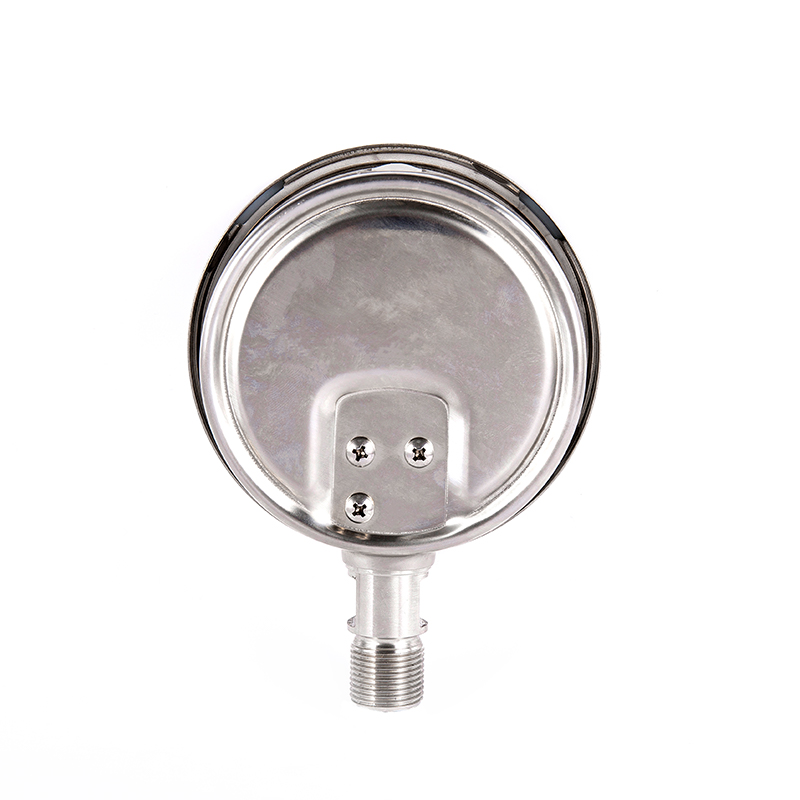 YEB series stainless steel diaphragm pressure gauge◆ Model:YEB60 YEB100 YEB150 ◆ Use: This series of instruments are suitable for measuring the low micro-pressure of gases without explosion danger, non-crystallization,...View Product →
If the RO system is part of a larger water treatment plant with multiple process streams, consider using a pressure transmitter instead of a mechanical gauge for the central monitoring loop. A transmitter provides a continuous 4-20 mA signal to the PLC or SCADA system, making it much easier to record pressure trends over time. For a complete solution, a water treatment pressure and temperature sensor package can cover all process monitoring needs in one hardware set.
The best pressure gauge in the world is useless if it is installed incorrectly or left uncalibrated. The following practices make sure that the gauge you selected keeps doing its job for many years.
Mount the gauge as close as possible to the measurement point, but avoid installing it directly on the pump casing, where vibration is severe. Vibration accelerates wear in the Bourdon tube and causes the pointer to oscillate. Use a snubber or throttling needle when the pressure is pulsating, and install a small isolating valve between the process tap and the gauge. The valve makes it possible to remove the gauge for calibration without shutting down the RO train.
The zero point is the fastest diagnostic check. When the system is depressurized, the pointer should sit on the zero mark. If it does not, the gauge should be rescaled or replaced. For a differential pressure measurement, verify both gauges against the same reference instrument to eliminate offset errors. The calibration interval is usually twelve months, but in highly corrosive or humid environments, a shorter interval may be appropriate.
RO plants are wet, cold, and sometimes warm. The gauge case should have an IP65 rating to keep out humidity and condensation. A polycarbonate window survives impact better than glass. In a washdown area, a stainless steel case is preferable to a painted steel case. When the control panel is remote, use a diaphragm seal or a remote capillary to transfer the pressure signal without bringing the process fluid into the panel.
A digital pressure gauge is a good match for RO plants that require a readable display in low light, or for operators who prefer a numeric readout over a needle. Digital gauges also offer options such as peak hold and local data storage, which are useful during troubleshooting.
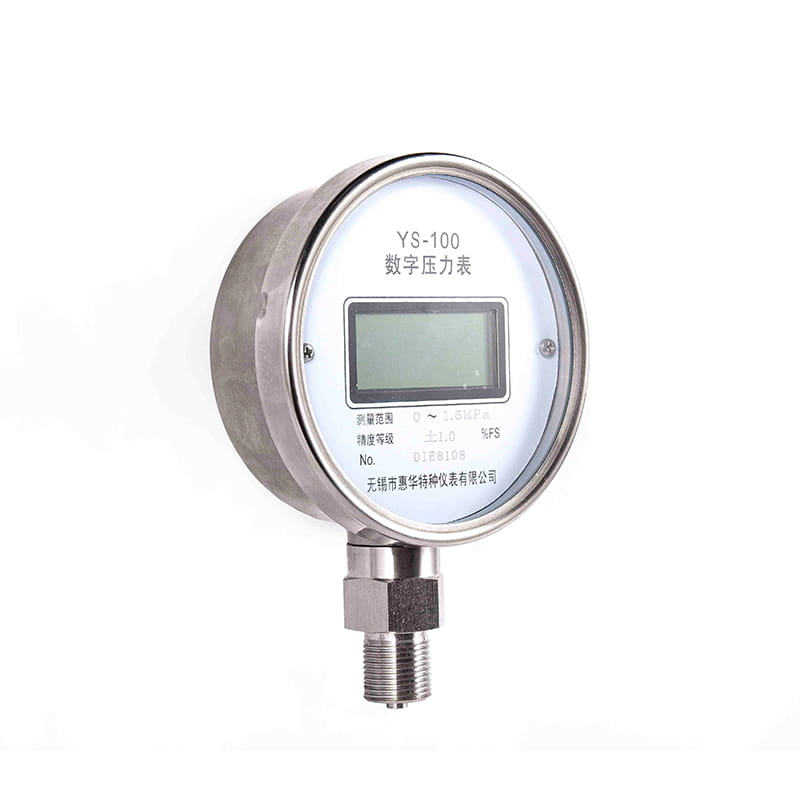 YS series digital pressure gauge◆ Model: YS100 YS150 ◆ Introduction: This digital pressure gauge has beautiful shape, stable performance and accurate measurement; it combines the world's leading micr...View Product →
A pressure gauge for RO systems is a small investment with an outsized return. It tells you when the cartridge filter is exhausted, when the membrane is being strained, and when the pump is at risk. To summarize the practical recommendations:
With the right pressure gauge in place, you can spend less time guessing and more time running the RO system at its optimal performance.
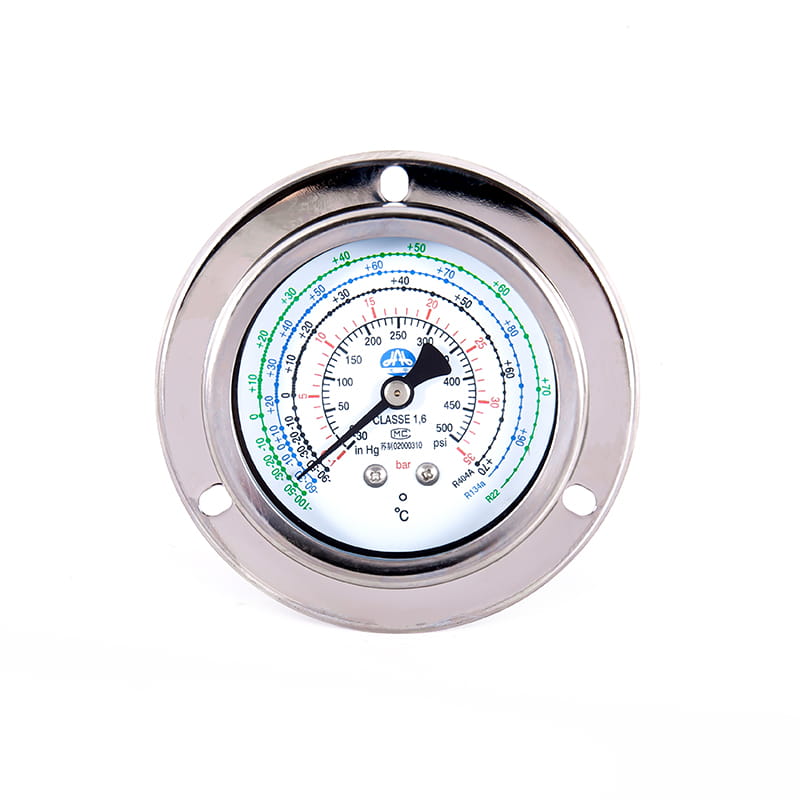
◆ Model: YLm60 YLm100 YLm150◆ Application: This series of instruments are special instruments for de...
See Details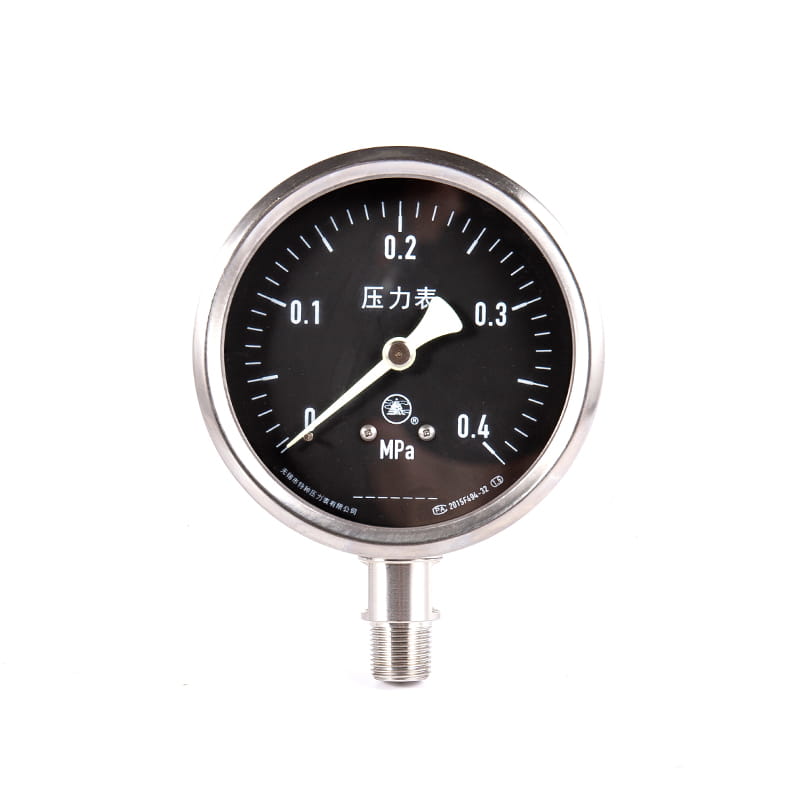
◆ Model: YC40 YC50 YC60 YC75 YC100 YC150◆ Use: This series of instruments are suitable for measuring...
See Details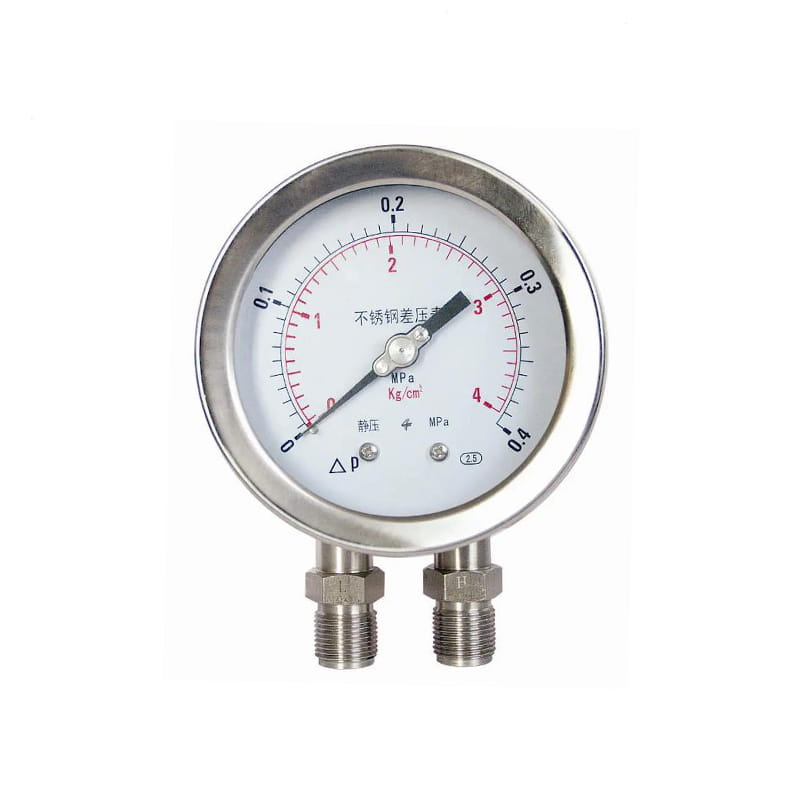
◆ Model: YJY100 YJY150◆ Use: Absolute pressure refers to the pressure which is higher than absolute ...
See Details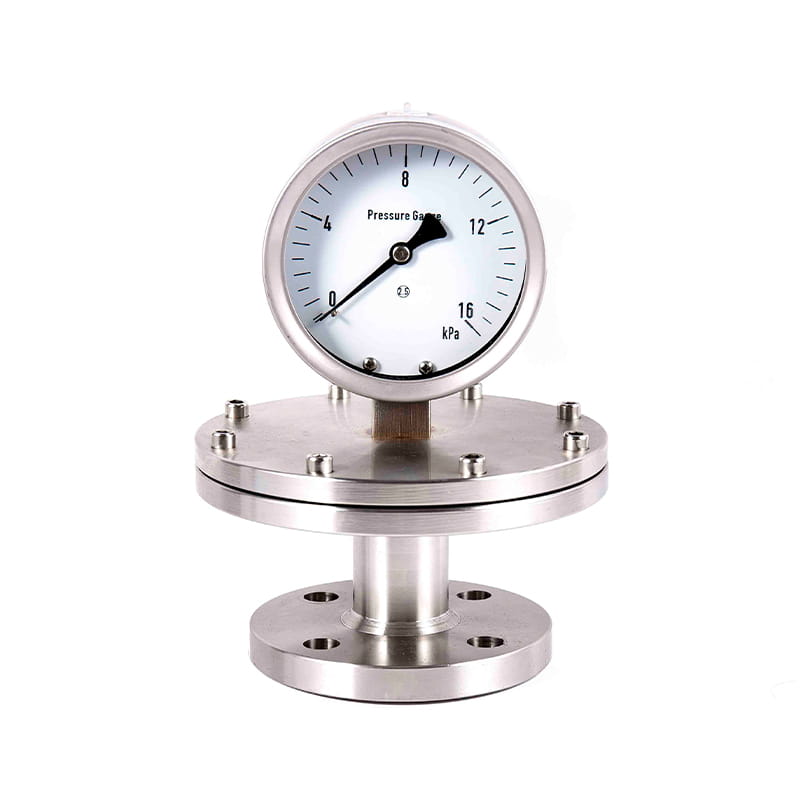
◆ Model: YP100-L YP150-L YP100-F YP150-F ◆ Application: YP series instrument diaphragm and structura...
See Details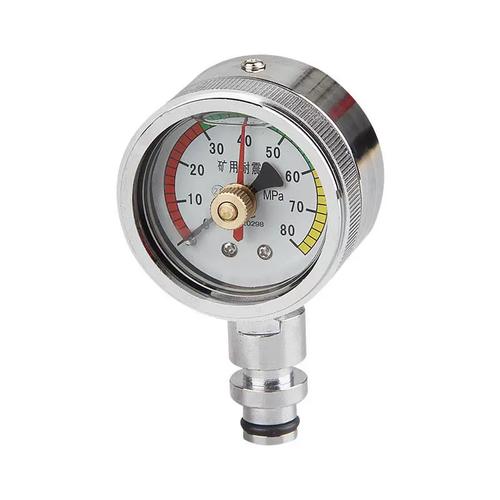
◆ Model: YKY60 ◆ Application: Mining memory pressure gauges is specially designed for underground h...
See Details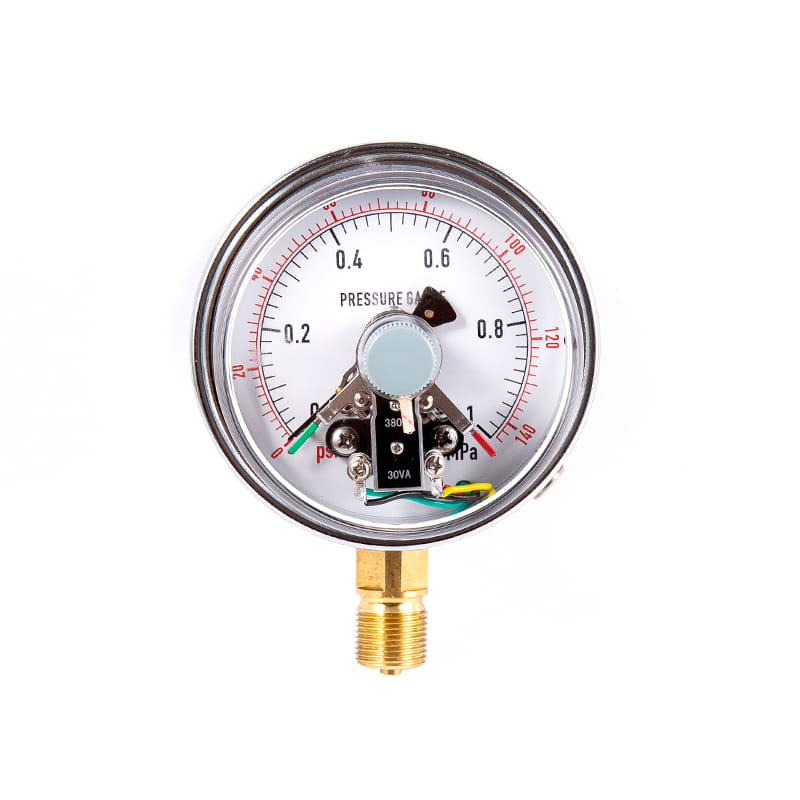
◆ Model: YXCh100 YXCh150 ◆ Application: Reed electric contact pressure gauge is suitable for measuri...
See Details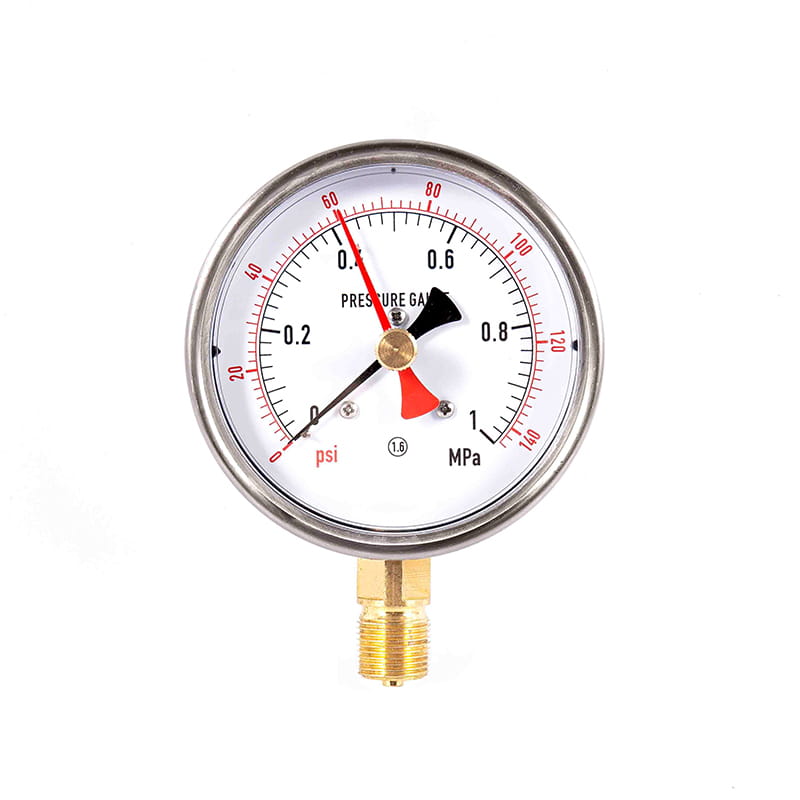
◆ Model: YZS102 ◆ Application: Double-needle double-tube pressure gauges is mainly used in rolling ...
See Details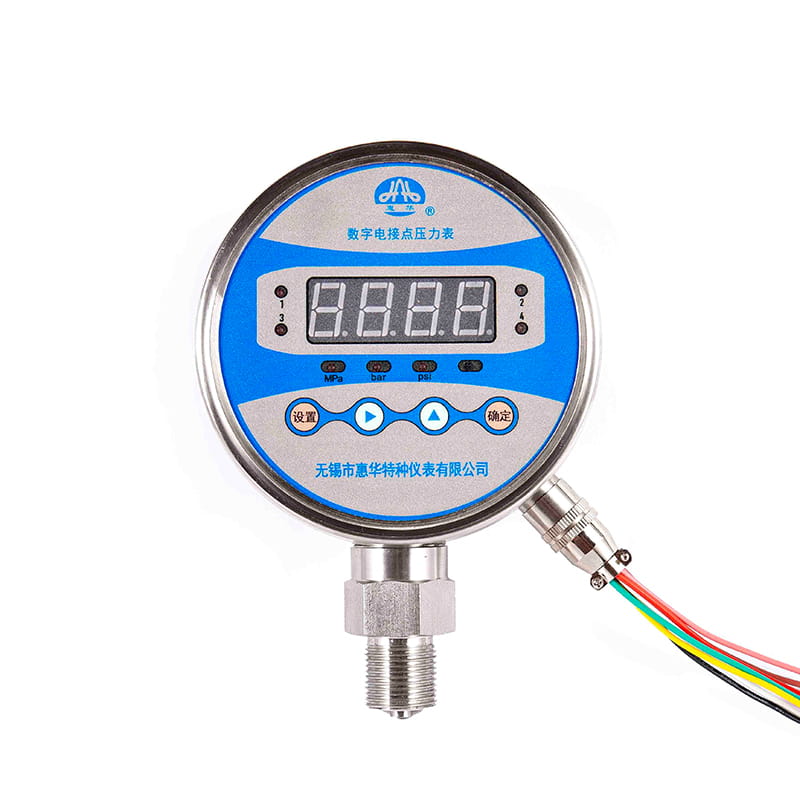
◆ Model: YSX100 ◆ Introduction: Intelligent digital electric word contact pressure gauge is a set o...
See Details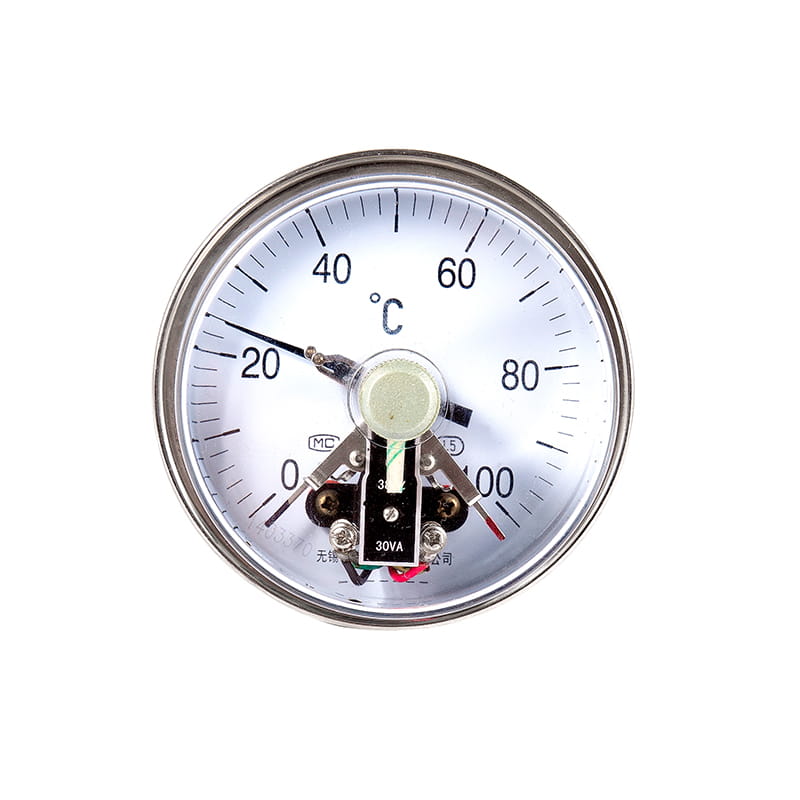
◆ Model: WSSXC-4 ◆ Application: This series of thermometers has the characteristics of no mercury da...
See Details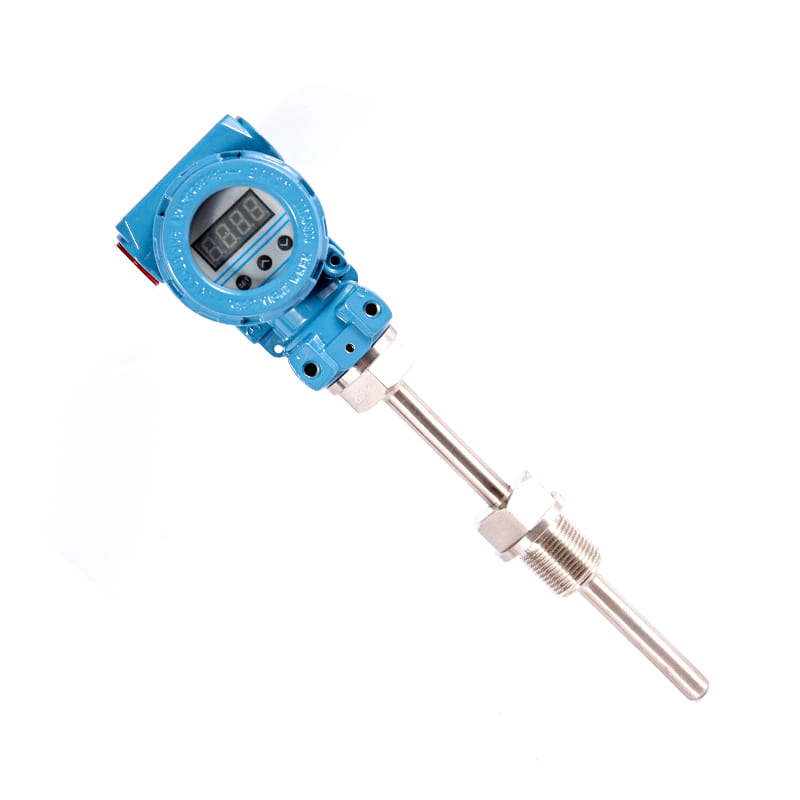
◆ Model: WSZC-1 ◆ Overview: The transmitter is composed of advanced circuit module integration techn...
See Details


