

 English
 русский
 Español
 عربى
عربى
YE series micro pressure gauges/membrane box pressure gauge
Cat:Pressure Gauge
◆ Model:YE60 YE100 YE150 ◆ Use: Membrane box pressure gauge is also called micro pressure gauge....
See DetailsContent
Imagine a natural gas compressor station where the discharge pressure shows 1.05 MPa on a local gauge but 1.12 MPa on the control panel transmitter. The 0.07 MPa discrepancy is enough to trigger a shutdown or, worse, mask a real leak. In every industrial facility, gas measurement instruments are not merely accessories; they are the foundation of process safety, product quality, and energy efficiency. The right selection starts by defining what you need to measure, the behavior of the gas, and the conditions of the installation. By evaluating these three factors systematically, you can avoid false readings, failed certifications, and unnecessary downtime.
This article breaks down the main parameters involved in gas measurement, explains the practical differences between instrument families, and highlights the criteria that determine whether a device will survive in your specific process.
Gas measurement is often treated as a single discipline, but in practice it covers four distinct variables. Each variable has its own set of technologies, accuracy requirements, and failure modes. The four core parameters are:
Many engineers assume a single instrument can cover multiple parameters. Some transmitters can report pressure and temperature simultaneously, but they cannot replace a dedicated gas analyzer. Knowing the primary objective of the measurement helps you narrow the options and avoid overpaying for unnecessary features.
Pressure is the most frequently measured gas variable because it directly indicates whether a line is overpressurized, a filter is clogged, or a regulator is functioning correctly. For clean, dry gases in ambient service, a standard Bourdon tube gauge is sufficient. For low-pressure gas below a few hundred millibars, a capsule gauge provides the needed sensitivity. When the gas is corrosive, an all-stainless steel or PTFE-lined diaphragm gauge protects the wetted parts. If the process requires remote transmission or a 4-20 mA signal to a DCS, a pressure transmitter becomes the appropriate choice.
The selection of a gas pressure instrument depends on the pressure range, the medium's compatibility with wetted materials, and whether the location is hazardous. For example, measuring the pressure drop across a filter on a pneumatic conveying line might involve a differential pressure transmitter rather than two separate gauges. This directly affects maintenance effort: a single transmitter replaces two gauges and reduces the number of potential leak points.
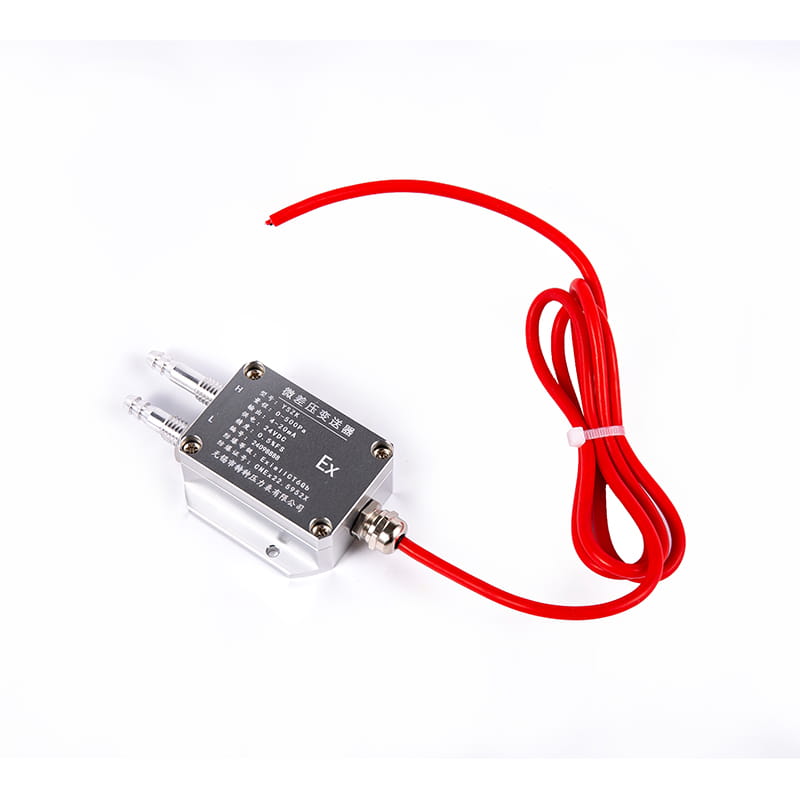 YSZC-6 series wind pressure transmitter with high sensitivity and stabilityThis wind pressure transmitter offers high sensitivity and precision, with overload protection and long-term stability. Its imported sensor and Wheatstone bridge design provide reliable 4-20mA output, making it suitable for measuring gas pressure in combustion and HVAC systems.View Product →
In gas burner control systems, the pressure signal must be fast and repeatable. The gas and air service gauges are specially designed for combustion and HVAC applications, with wetted parts that tolerate the typical gases found in these services. Match the accuracy class to the process, and ensure the range is selected so that the normal operating pressure falls between 30% and 75% of the full scale. This reduces the risk of exceeding the elastic limit and improves reading resolution.
Temperature is closely coupled to gas pressure. Charles's law tells us that a gas can be heated and the pressure will rise if confined. In practice, compressors generate heat, and gas enters a separator at elevated temperatures. A bimetal thermometer installed at the compressor discharge can provide a quick visual verification that the outlet temperature is within design limits. For higher temperatures above 500°C, thermocouples offer a wider range, while PT100 resistance temperature detectors (RTDs) deliver better accuracy below 400°C.
When selecting a temperature instrument for gas, pay attention to the response time and the mounting length. A thermometer that is too short will not reach the center of the flow and will read the wall temperature, causing significant error. For small pipelines, a shorter stem is usually necessary to avoid bending, but the insertion depth should adhere to the manufacturer's recommendation. In hazardous areas, an explosionproof electric contact thermometer can provide both indication and alarm switching in one device.
There are gas applications where pressure and temperature readings are not enough. In semiconductor fabrication, the oxygen level in a nitrogen line must stay below a few parts per million to avoid poisoning the process. In food packaging, the purity of the modified atmosphere determines shelf life. These applications require gas purity instruments, such as oxygen analyzers, dew point meters, or gas chromatography systems, rather than simple pressure gauges.
The upstream side of purity measurement often begins with the preparation of the instrument itself. Oxygen service requires a completely oil-free and cleanable gauge to prevent a reaction between high-pressure oxygen and hydrocarbons. A dedicated gas purity and analytical instrument section can help you identify the recommended products and their applications. Even if you do not need an analyzer, a properly selected gas purity gauge used upstream of an analyzer can prevent contamination from entering the measurement system.
Safety is a separate category of gas measurement that deserves its own consideration. Leakage of combustible gases can create an explosion risk long before the pressure gauges show an anomaly. A gas monitoring alarm system typically uses electrochemical, catalytic, or infrared sensors to detect gas concentration at various points in a plant. These systems are required in refineries, LNG terminals, and engine rooms of ships. The output of the gas detector is usually wired to the control system to activate shutdown valves or alarms.
When you choose a gas monitoring system, verify the certification for the hazardous area, the response time of the sensor, and the expected service life in your environment. A catalytic bead sensor, for instance, can be poisoned by sulfur compounds, while an infrared sensor is more robust but more expensive. The gas measurement instruments in the alarm system must be tested periodically with a calibration gas to maintain their reliability.
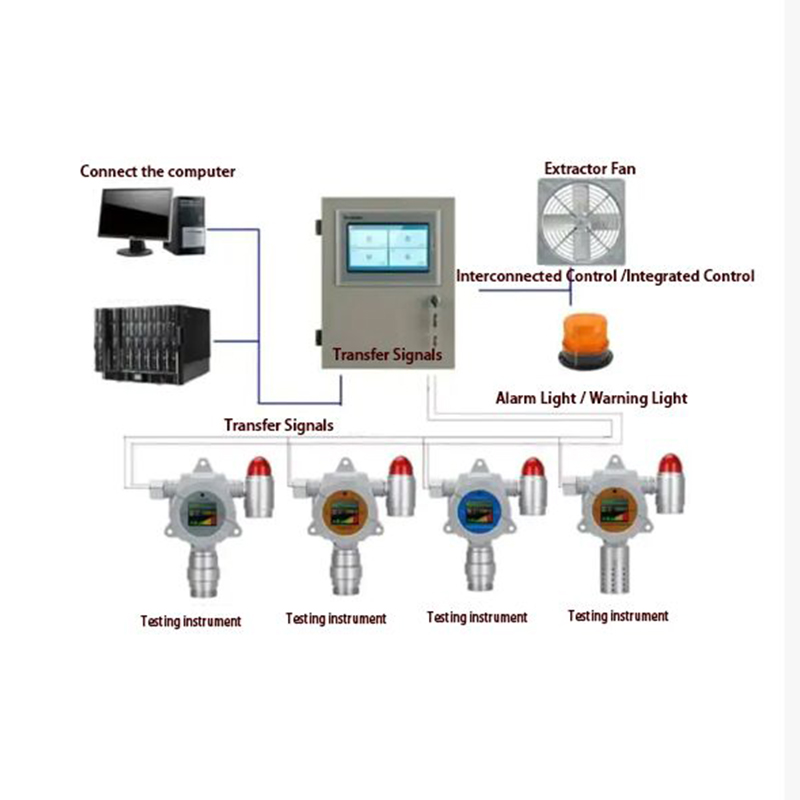 Gas monitoring alarm system with audible and visual alertsThis gas monitoring alarm system features a durable aluminum die-cast enclosure, explosion-proof design, and a clear LCD display. It provides continuous monitoring for combustible, toxic, and oxygen gases, with independent sound and light alarms for early warning and safety compliance.View Product →
The physical location of gas detectors is as critical as the sensor technology. For gases heavier than air, sensors should be placed near the floor; for lighter gases, near the ceiling. The alarm setpoints should be based on the lower explosive limit, expressed as a percentage of the LEL. This is a standard approach that prevents costly false alarms while providing enough response time.
At this point, you have a broad picture of the types of instruments involved. To consolidate the selection process, the table below summarizes the typical instruments for each gas parameter and the highest-priority factors to evaluate.
| Parameter | Common Instruments | Key Selection Factors |
|---|---|---|
| Pressure | Bourdon gauges, capsule gauges, pressure transmitters | Pressure range, wetted material compatibility, vibration resistance, accuracy class |
| Temperature | Bimetal thermometers, RTDs, thermocouples | Temperature range, response time, insertion length, hazardous area rating |
| Flow | Rotameters, turbine meters, differential pressure transmitters | Flow rate, pressure drops, gas density, calibration requirements |
| Purity / Composition | Oxygen analyzers, dew point meters, gas chromatographs | Analyte type, detection limit, sample conditioning, maintenance needs |
| Safety Monitoring | Gas detection sensors, alarm controllers | LEL measurement range, response time, sensor poisoning risk, certification |
Another practice that avoids common mistakes is to choose a manufacturer that offers a broad range of gas measurement instruments. This simplifies spare parts management and ensures consistent calibration procedures across the plant. It also gives you the ability to source special versions with the correct certifications, such as ATEX/IECEx or marine class approval.
Gas measurement is not a one-size-fits-all discipline. It requires a clear understanding of the measured variable, the operational environment, and the safety requirements involved. Begin by specifying the pressure range, temperature conditions, and gas composition. Then, evaluate the instrument's materials, accuracy, and certification. When you do this systematically, the choice becomes straightforward, and the total cost of ownership remains manageable.
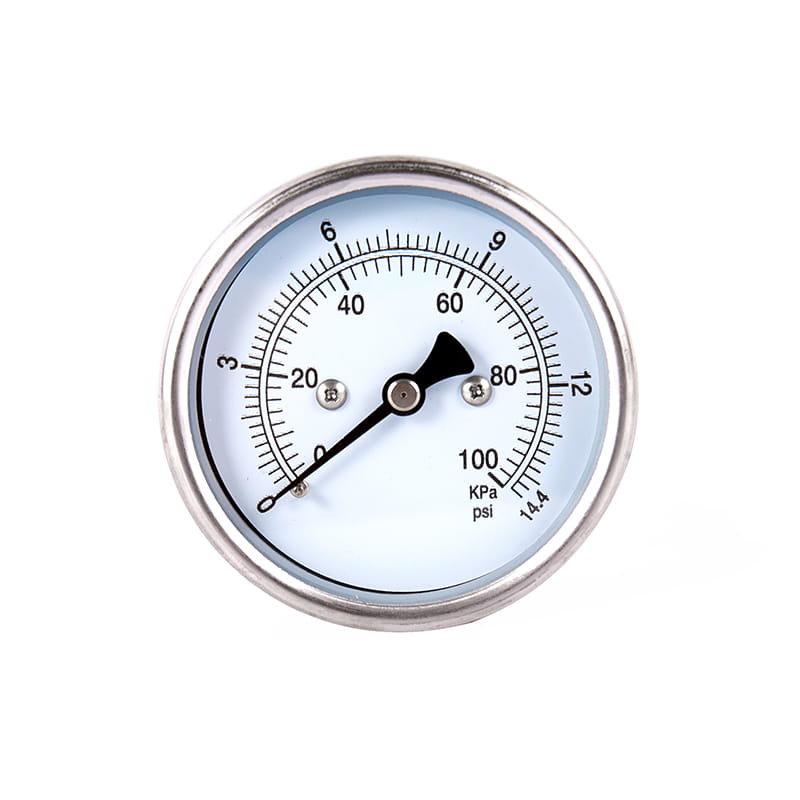
◆ Model:YE60 YE100 YE150 ◆ Use: Membrane box pressure gauge is also called micro pressure gauge....
See Details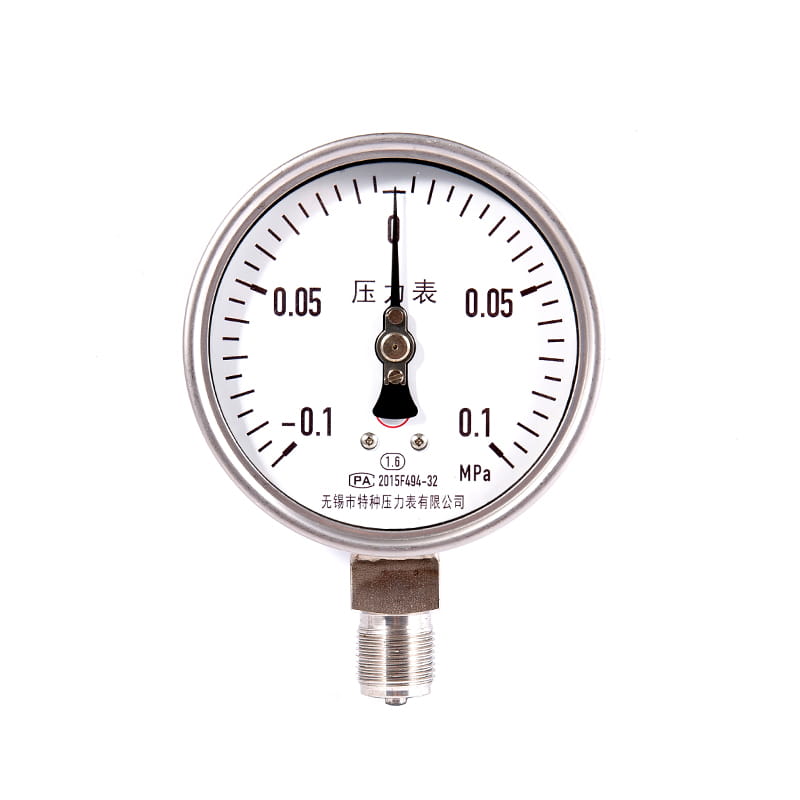
◆ Model: YQ40 YQ50 YQ60 YQ75 YQ100 YQ150◆ Use: This series of gauges are all made of stainless steel...
See Details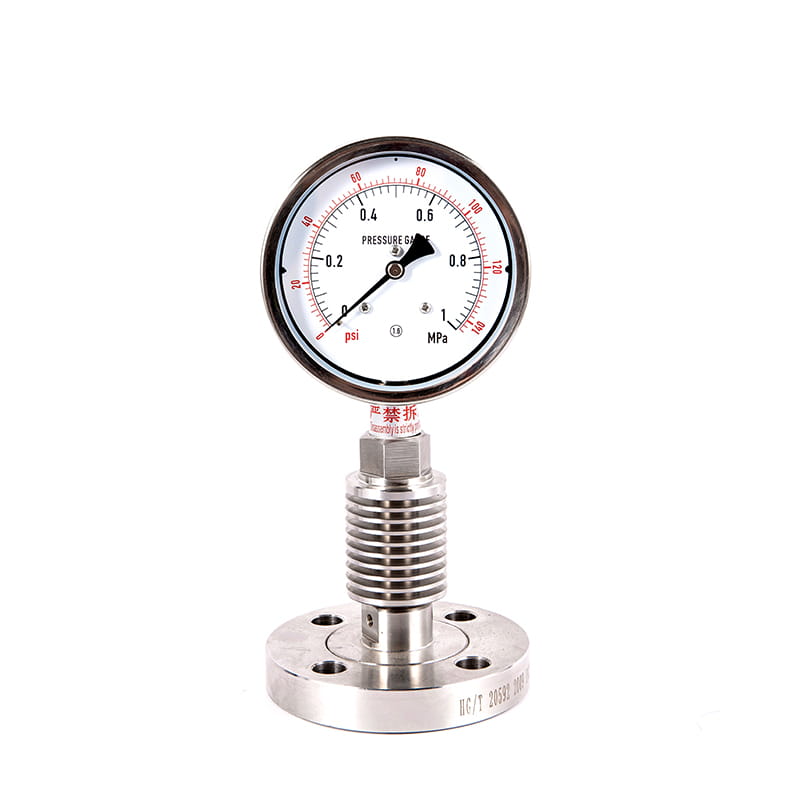
◆ Model: Y¨-ML Y¨-MF Y¨-MG Y¨-MZ Y¨-MK Y¨-MN Y¨-MS◆ Application: Due to the indirect measurement str...
See Details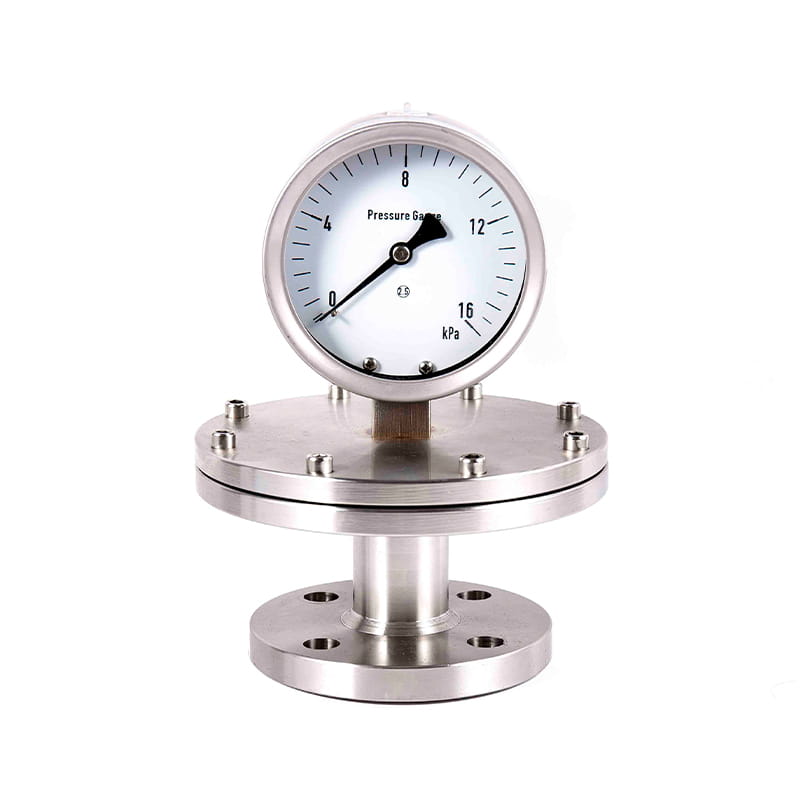
◆ Model: YP100-L YP150-L YP100-F YP150-F ◆ Application: YP series instrument diaphragm and structura...
See Details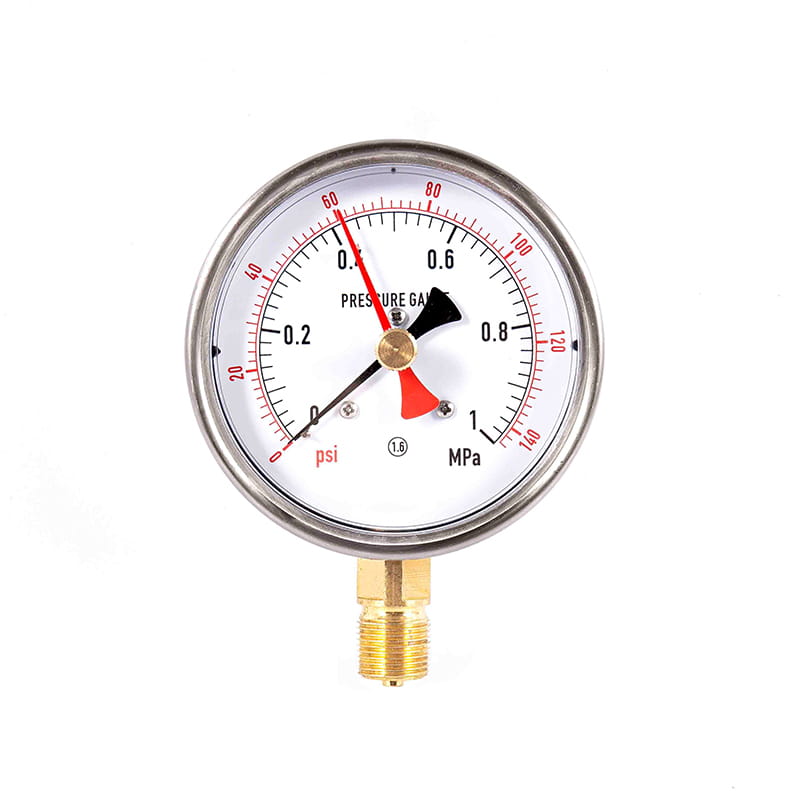
◆ Model: YL40 YL50 YL60 YL75 YL100 YL150 ◆ Needle-retaining pressure gauges is composed of a general...
See Details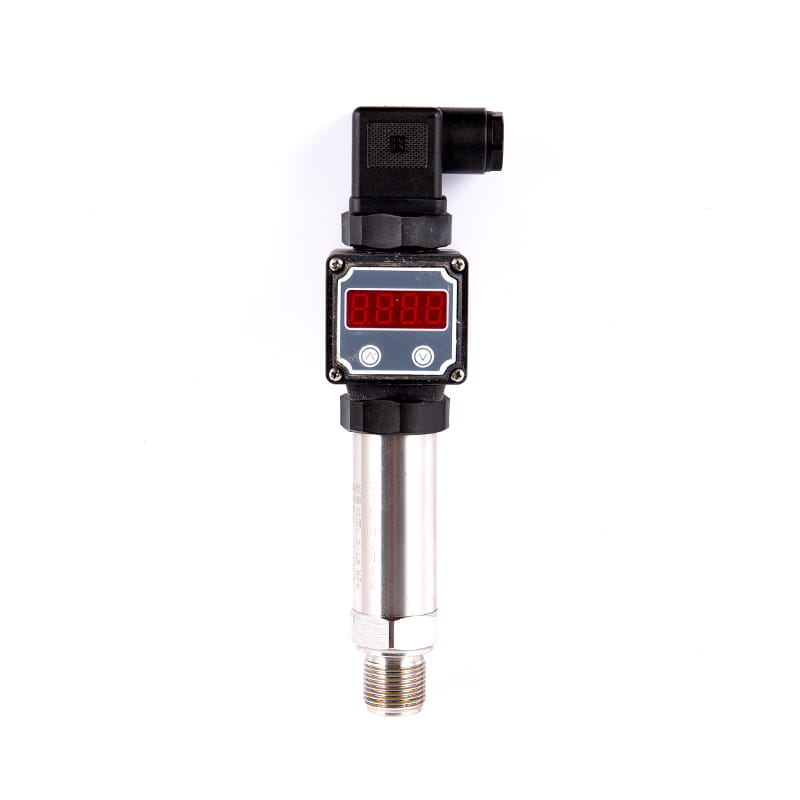
1. Overview This pressure transmitter has high sensitivity, high precision and strong anti-overload ...
See Details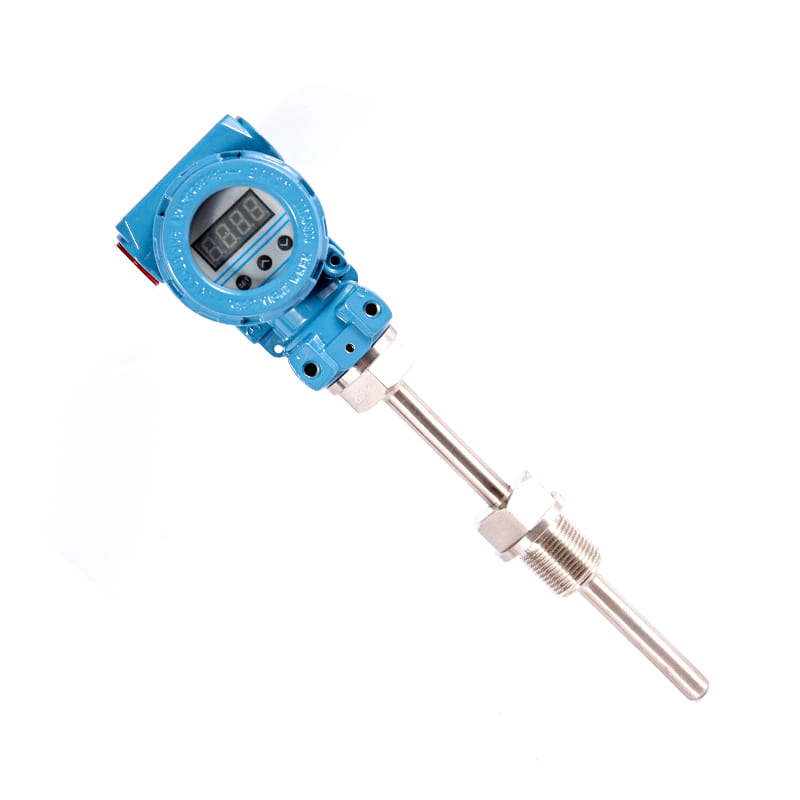
◆ Model: WSZC-1 ◆ Overview: The transmitter is composed of advanced circuit module integration techn...
See Details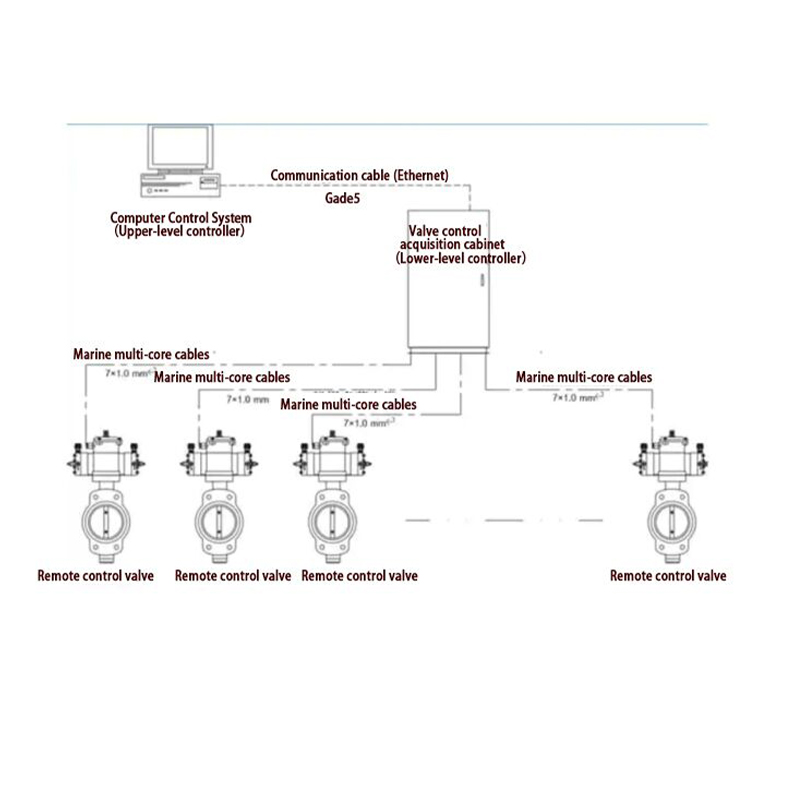
The Valve remote control and liquid level telemetry system enhances operational efficiency by provid...
See Details
The gas monitoring alarm system is designed for optimal safety and usability. It features a user-fri...
See Details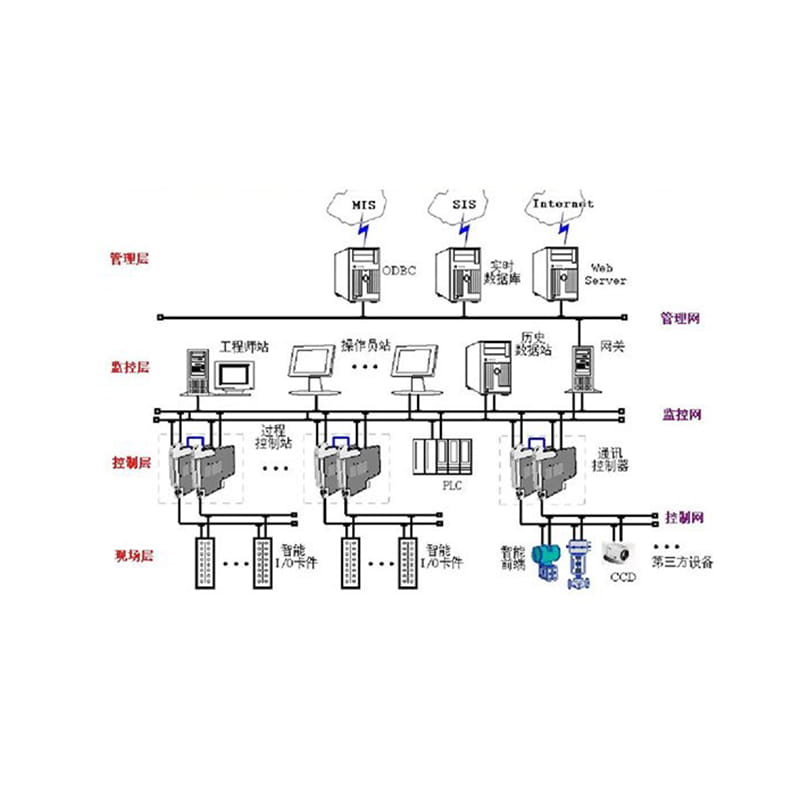
The DCS System is designed with an open architecture, allowing for seamless integration and flexibil...
See Details


