

 English
 русский
 Español
 عربى
عربى
If you have ever balanced on a ladder in a pump room, holding a torch in one hand and a clipboard in the other, you already understand why the Bluetooth pressure gauge has become such a welcome arriv...
News Center
-
-
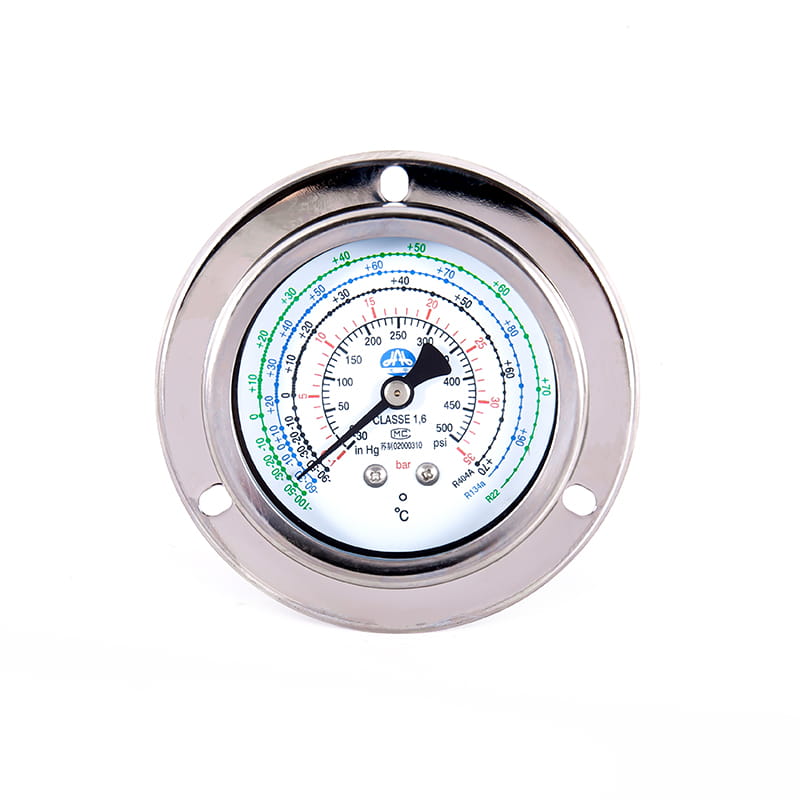
A pressure gauge may look like one of the simplest instruments on your equipment, but it is also one of the most informative. Before the needle even moves, the gauge has already told you a great deal...
-
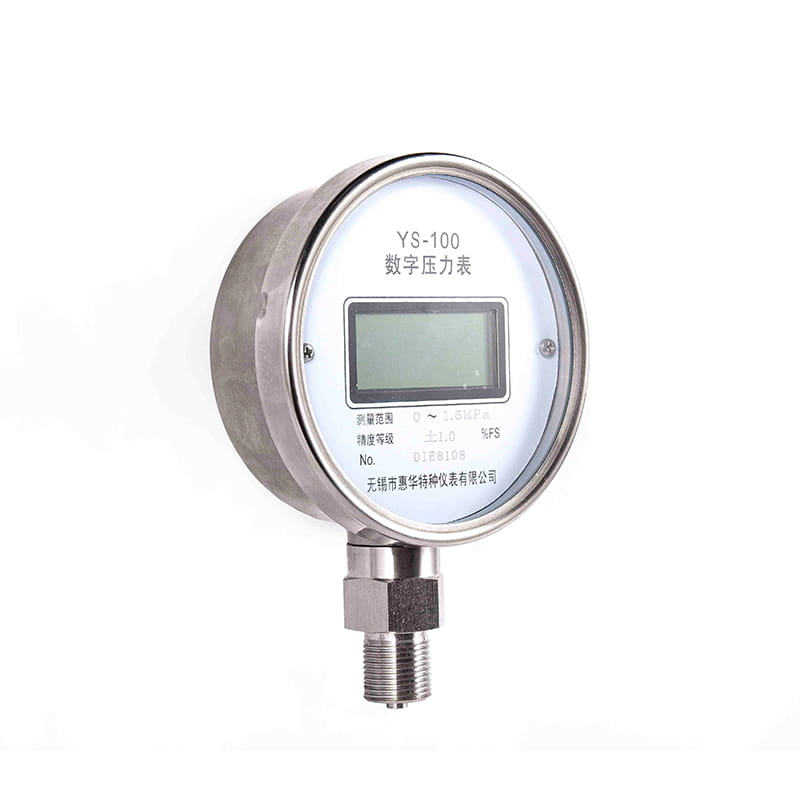
In industrial plants, pressure is one of the most frequently measured process variables. For a long time, taking a reading meant walking to a gauge, reading the dial, and recording the value in a not...
-
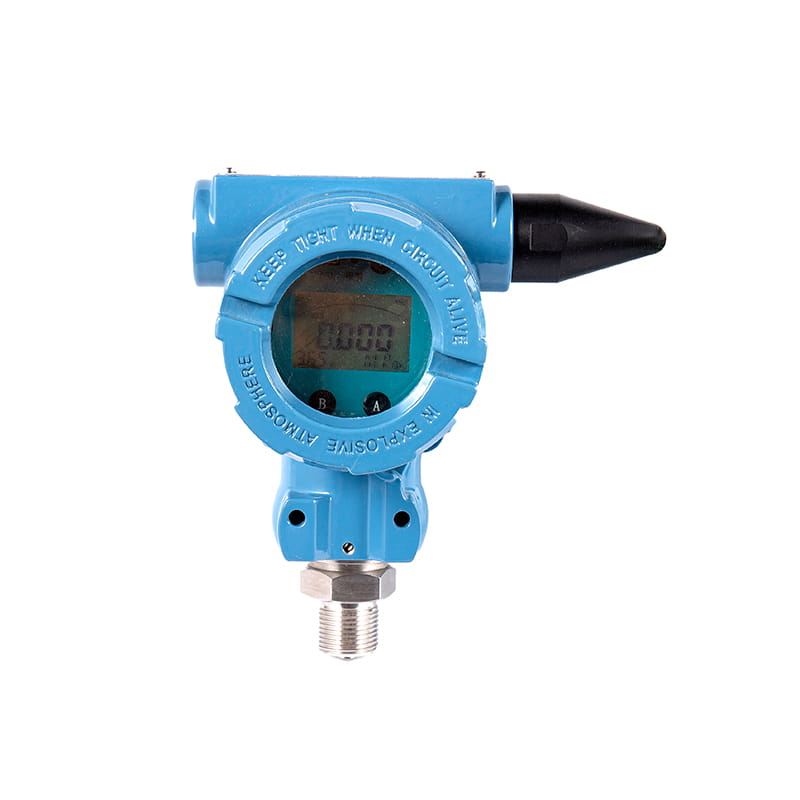
Imagine a natural gas compressor station where the discharge pressure shows 1.05 MPa on a local gauge but 1.12 MPa on the control panel transmitter. The 0.07 MPa discrepancy is enough to trigger a sh...
-
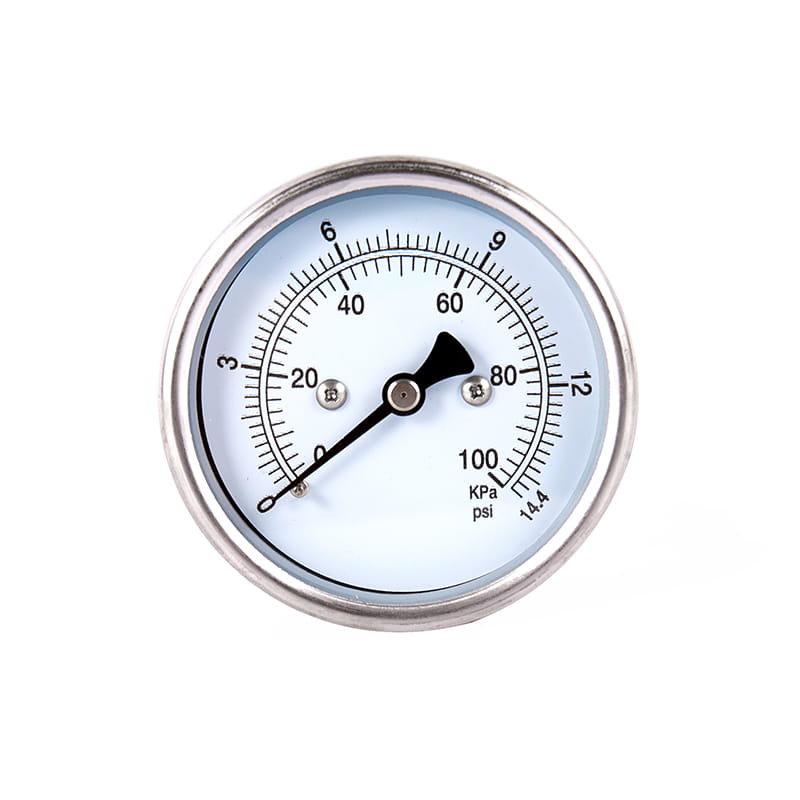
In a water treatment plant, a 20 m³/h reverse osmosis train with a new membrane element normally runs at 14 bar feed pressure. After three months, the same system often shows 11 bar at the feed and a...
-
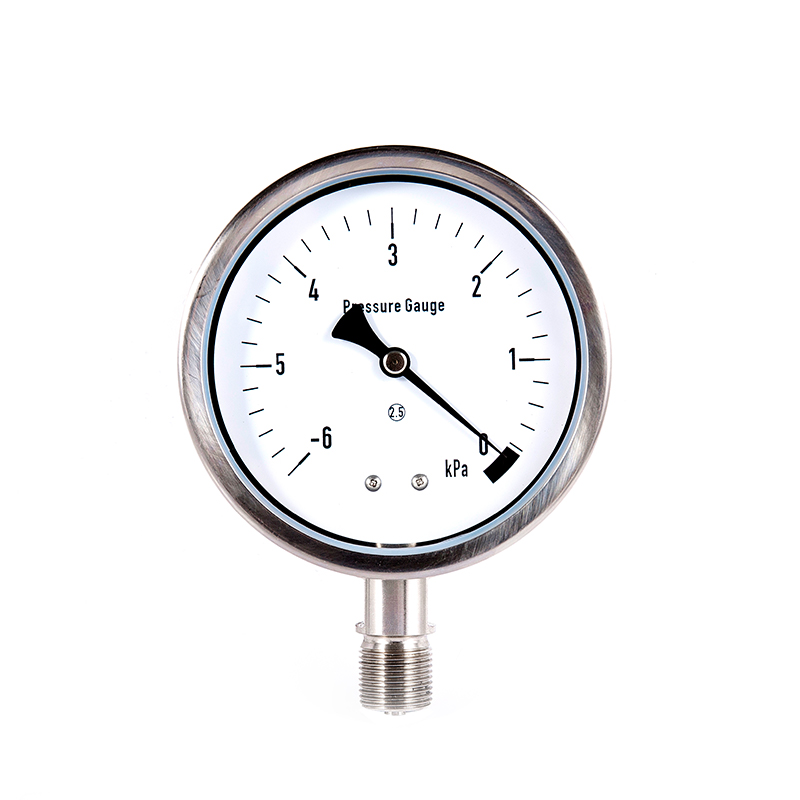
During the commissioning of a hydrogen skid, a project engineer asked me the same question I hear on almost every hydrogen plant: "Can we just use a standard pressure gauge here?" The short answer is...
-
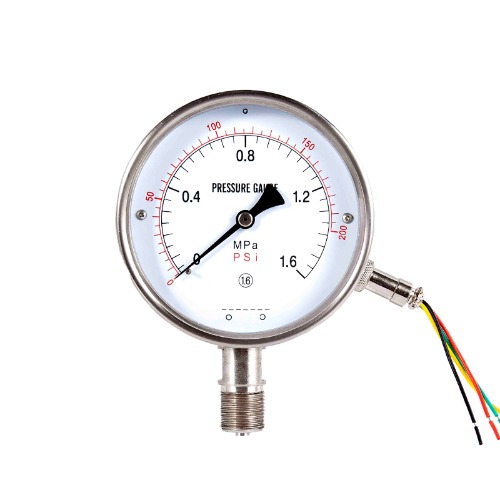
You are standing in front of a pressure gauge that reads zero, yet the process manual calls for an absolute pressure value. This is a common moment of confusion in industrial plants. A gauge pressure...
-
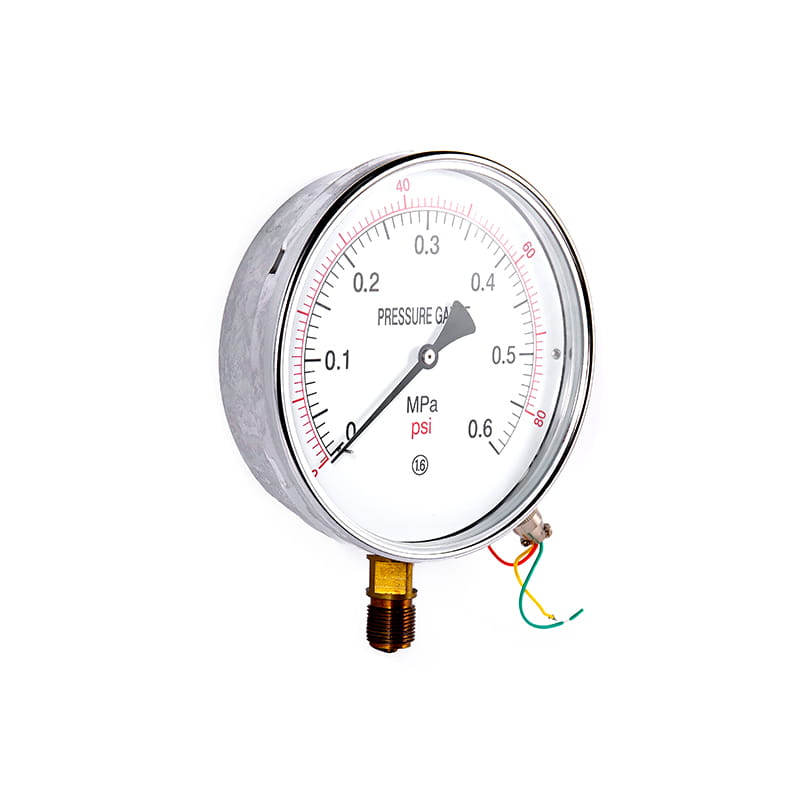
What a Pressure Gauge Does and Why Accuracy Matters A pressure gauge measures the force exerted by a fluid, gas, or steam within a system and displays that reading in units such as psi, bar, or kilopa...
-
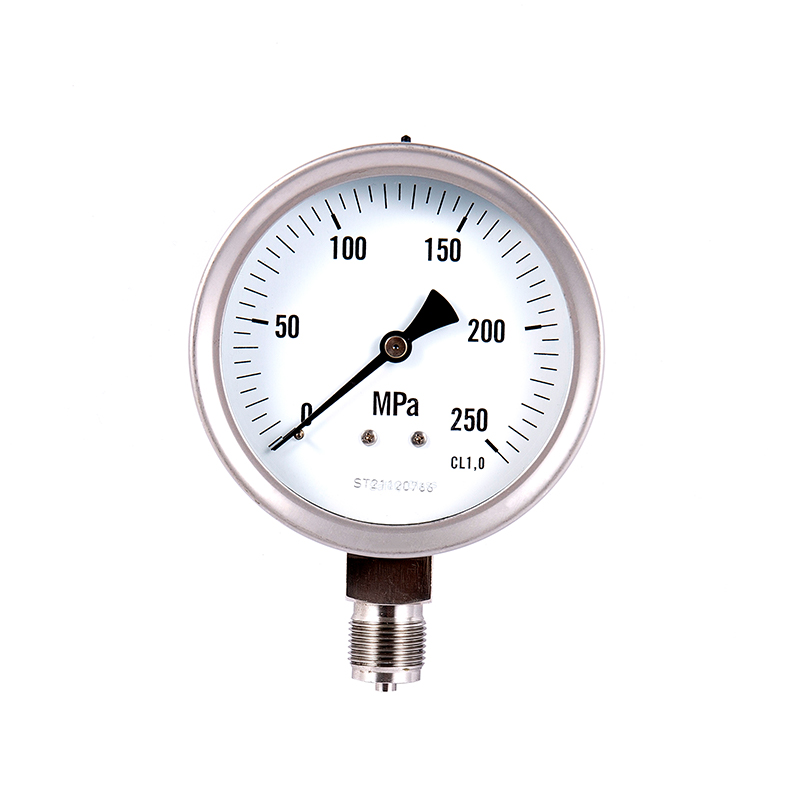
Stainless steel pressure gauges represent essential instrumentation for monitoring fluid and gas pressures across diverse industrial applications, from chemical processing through hydraulic systems an...
Want to know more? Message Us Right Now!
- Products
- Pressure Gauge
- Pressure Transmitter
- Thermometer
- Ship Automation Control System
- DCS/SIS System
- Pressure Instruments Accessories
- Contact Us
- Tel: +86-0510-85182228
- Phone / Whatsapp: +86-18068330053
- Email: [email protected]
- Address: No. 23-24, Lihu Business Park, Binhu District, Wuxi City, Jiangsu Province, China.



