

 English
 русский
 Español
 عربى

YEB series stainless steel diaphragm pressure gauge
Cat:Pressure Gauge
◆ Model:YEB60 YEB100 YEB150◆ Use: This series of instruments are suitable for measuring the low micr...
See DetailsContent
A tailings dam is an unusual piece of engineering. It exists to hold back material nobody wants, it keeps changing shape for decades, and it usually sits far from the plant that depends on it. Monitoring instruments for tailings dams therefore have to do something harder than measure accurately: they have to keep measuring — year after year — through abrasive slurry, storm water, frost, dust and long gaps between inspections.
We manufacture pressure, level, temperature and flow instruments, and a fair share of them end up on exactly this kind of duty. What follows is how we think through the measurement points, and the questions we would ask before choosing a device for any of them.
A process plant can usually afford to swap a faulty transmitter on a Friday afternoon. A tailings facility often cannot, and that single fact reshapes the whole selection process. Four things tend to drive every decision:
Most tailings monitoring programmes come down to pressure, level, differential pressure and temperature, with flow filling in the picture around them. The table below is the short version of how each one earns its place.
| Parameter | Common instruments | Where it is used | What it protects |
|---|---|---|---|
| Pressure | Diaphragm-sealed gauges, pressure transmitters | Slurry lines, pump discharge, pore-pressure lines, underdrain | Reveals blockage, packing and pressure build-up behind the structure |
| Level | Radar, ultrasonic, submersible transmitters, float switches | Pond, thickener, return-water sumps, decant structures | Maintains freeboard and prevents uncontrolled overflow |
| Differential pressure | DP transmitters and DP gauges | Cyclone feed, filters, screens, pipe sections | Gives early warning of restriction before throughput collapses |
| Temperature | RTDs, thermocouples, bimetallic dial thermometers | Seal water, pump bearings, dam-body arrays | Trend shifts can point to seepage or mechanical distress |
Pressure is the parameter that tells you what the structure is feeling. In a sealed piezometer or standpipe installation, a pressure transmitter converts water head into a signal, and the trend over months is usually more informative than any single reading. On the process side, pressure at the pump discharge and along the slurry line shows whether the system is running at its design point or quietly loading up.
Slurry is unforgiving. We normally recommend a flush or large-port diaphragm seal, with a filling fluid chosen for the temperature range, and a gauge or transmitter with a robust case and a decent overpressure margin. Where vibration from pump skids is significant, liquid-filled gauges and snubbers or dampers protect the movement from fatigue. For local indication with an alarm contact at the same point, electric-contact gauges remain a practical, power-free option.
For lines that carry aggressive or crystallising media, our diaphragm seal assemblies keep the measuring element away from the fluid entirely, which also makes cleaning and re-ranging far simpler during a maintenance visit.
Where a continuous signal is needed at the pump discharge or on a control panel, the YSZC5 series pressure transmitter is the model we most often supply for this position — compact, 4–20 mA output, and straightforward to calibrate in the field:
 YSZC5 Series Pressure Transmitter for Continuous Signal DutyA compact 4–20 mA transmitter for pump discharge or panel signals, with field calibration and gauge/slightly differential pressure measurement.View Product →
Pond level is the measurement everyone watches, but the practical work usually happens in less glamorous places: sumps, thickeners, decant towers and return-water tanks. Non-contact radar handles the open pond and the thickener, where build-up and foam make contact devices unreliable, while guided-wave radar copes well with narrower vessels and stilling wells, and ultrasonic remains a cost-effective choice for clean water sums.
For flooded sumps and boreholes, hydrostatic measurement is often the simplest answer. Our submersible level transmitters are built for continuous immersion, with a vented cable and a stainless body that tolerates silty water. Where only a switching action is required — a high-high alarm, or a pump start — float controllers do the job without any electronics at all, which is not a bad thing on a site with unreliable power.
On larger impoundments where the surface is wide and the vapour layer variable, a guided-wave radar level transmitter gives a stable echo and needs very little maintenance attention:
 Guided-Wave Radar Level Transmitter for Wide ImpoundmentsStable echo and low-maintenance level measurement for wide surfaces and variable vapour layers, with up to 80 m range and 4–20 mA/RS485 output.View Product →
Differential pressure is the quiet workhorse of a tailings circuit. Across a filter, a screen, a cyclone or a long section of pipe, the pressure drop tells you how the flow is behaving without needing a flowmeter in the line. A gradual rise is normal wear; a step change is usually a blockage, a valve left in the wrong position, or a pump that is no longer delivering what the trend assumes.
The important details are impulse line routing, proper venting, and isolation valves that let you service the instrument without draining the line. A DP transmitter with a stable zero and a reasonable turndown will serve for years; a poorly installed one will drift every month.
For filter and pipeline monitoring duties, the YSZC8 series differential pressure transmitter is a sound starting point, with the range chosen so that normal operation sits in the middle of the span rather than at the very bottom:
 YSZC8 Differential Pressure Transmitter for Filter and Pipeline MonitoringA stable, high-accuracy transmitter for liquid, gas or steam differential pressure, suited to filter and pipeline pressure-drop monitoring with HART communication.View Product →
Temperature rarely makes headlines at a tailings facility, but it quietly covers three jobs. It protects machinery — pump bearings, gearboxes, seal water — where a rising trend is the earliest warning of trouble. It supports dam-body monitoring, where arrays of sensors look for thermal anomalies that may accompany seepage. And in cold regions it tracks frost depth and freeze–thaw behaviour around pipes and instrumentation.
RTDs and thermocouples handle the electronic side, with transmitters or direct head-mounted conversion depending on cable runs. For local reading on skids and manifolds, bimetallic dial thermometers with stainless cases are still the most reliable thing you can fit, because they need nothing but a well.
Most instrument failures we are asked about are not instrument failures at all. They are siphons that were never fitted, impulse lines that trap air, gauges mounted where an operator cannot read them without climbing, or cable glands that let water in during the first wet season. A few habits pay for themselves many times over:
Before a purchase order goes out, we run through the same list with customers, whether the point is a single gauge or a full monitoring panel:
Tailings monitoring rewards patience more than sophistication. Instruments chosen for the actual medium, installed so they can be serviced, and calibrated against a recorded baseline will outlast more elaborate equipment that was never quite matched to the duty. If you are working through a monitoring layout and want a second opinion on a pressure, level or temperature point, our engineers are always glad to talk it through — that conversation is usually where the useful details surface.
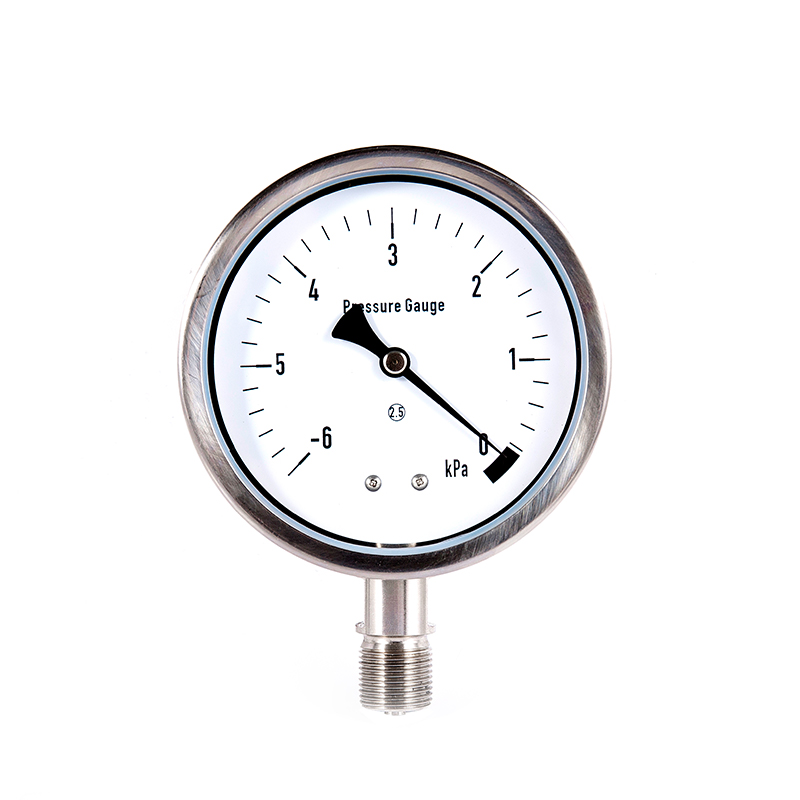
◆ Model:YEB60 YEB100 YEB150◆ Use: This series of instruments are suitable for measuring the low micr...
See Details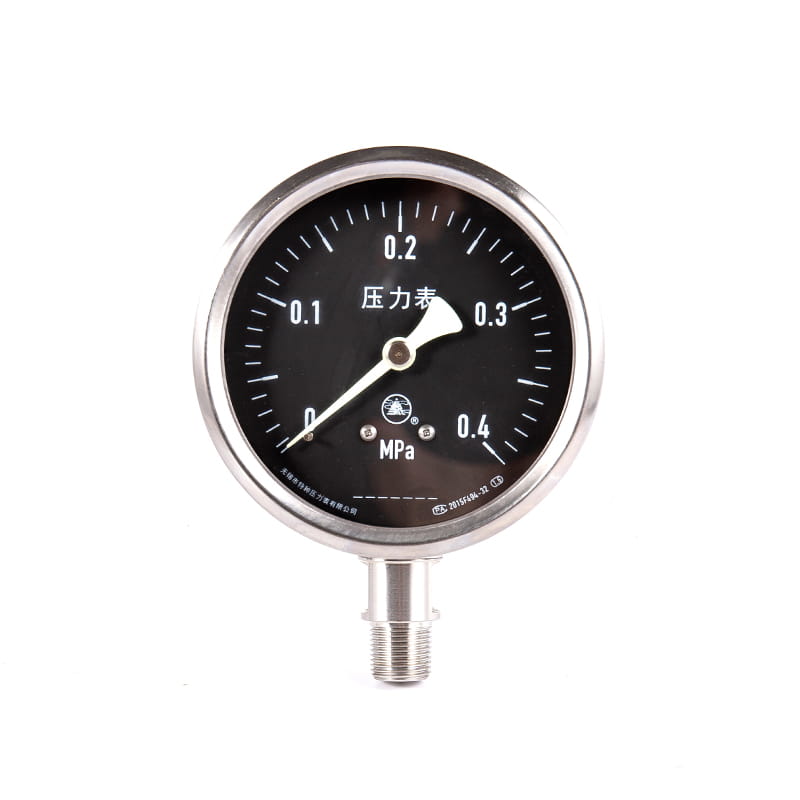
◆ Model: YC40 YC50 YC60 YC75 YC100 YC150◆ Use: This series of instruments are suitable for measuring...
See Details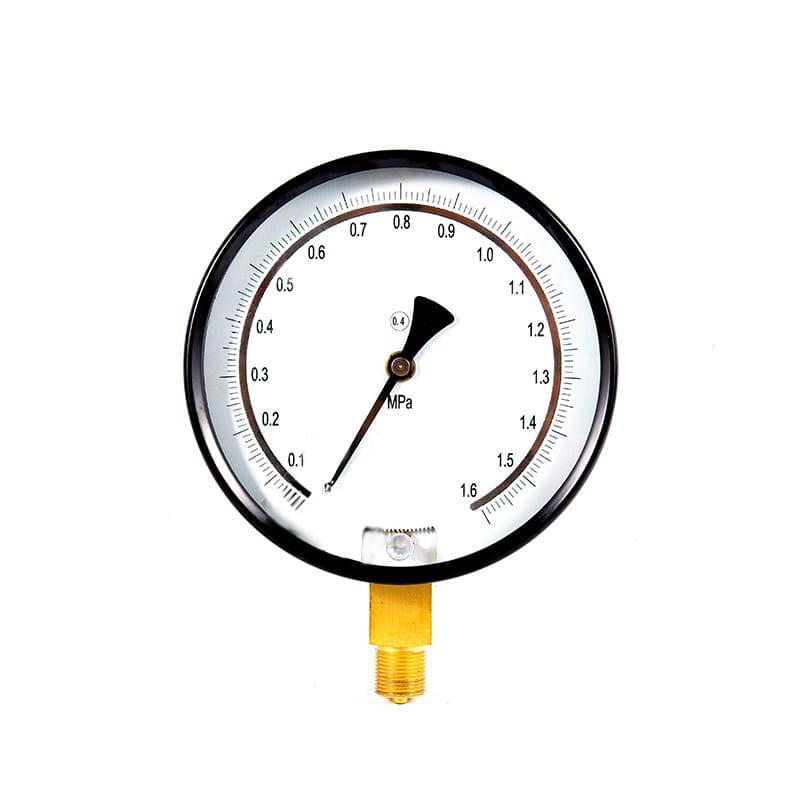
◆ Model: YJ150 YJ150A◆ Use: This series of instruments are mainly used to calibrate industrial or ci...
See Details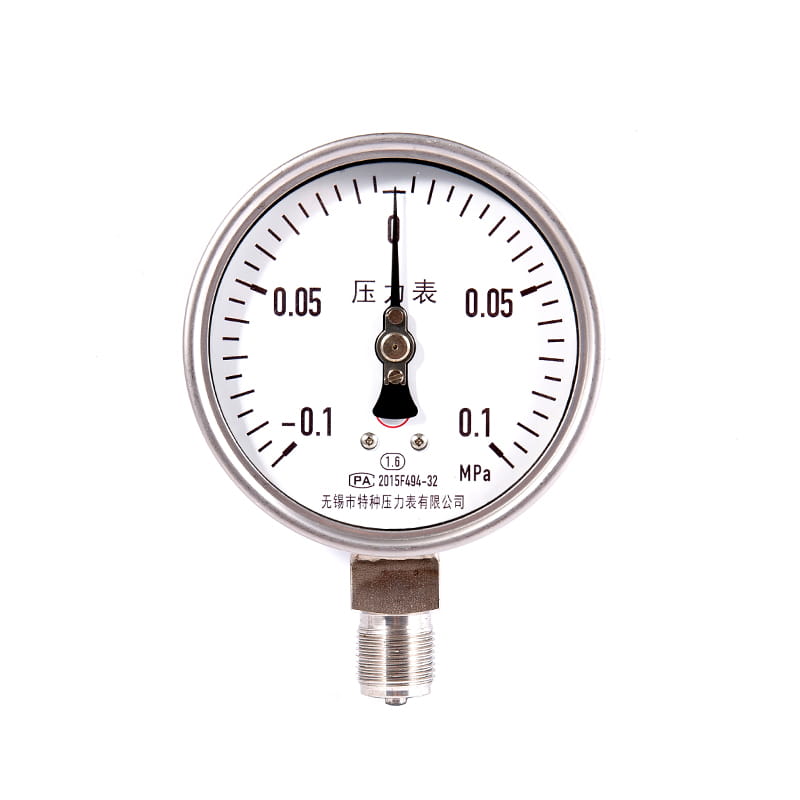
◆ Model: YQ40 YQ50 YQ60 YQ75 YQ100 YQ150◆ Use: This series of gauges are all made of stainless steel...
See Details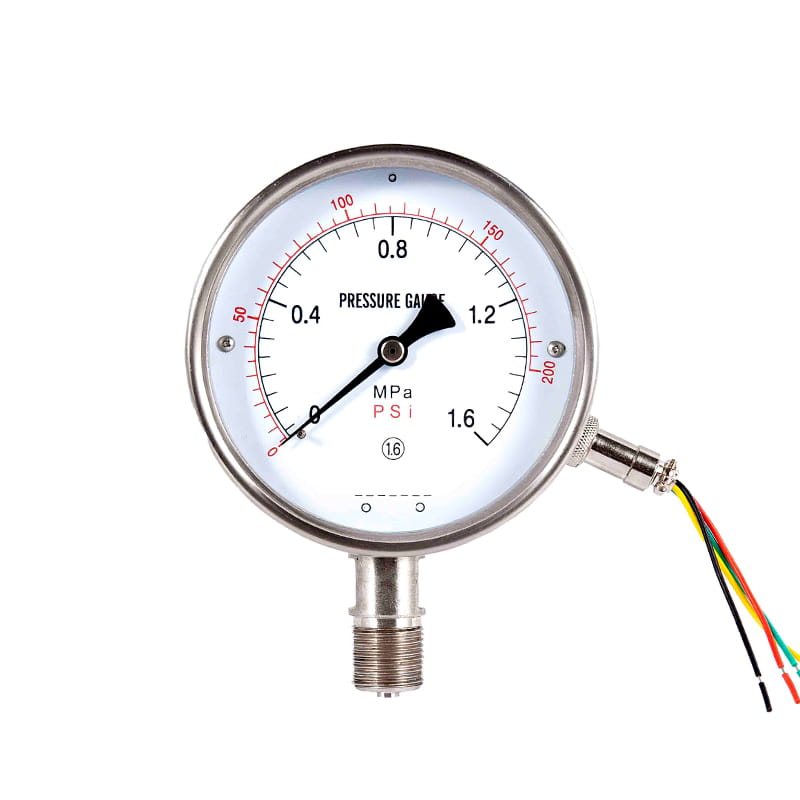
◆ Model: YTZ100, YTZ-150 ◆ Application: This type of instrument is suitable for measuring the pressu...
See Details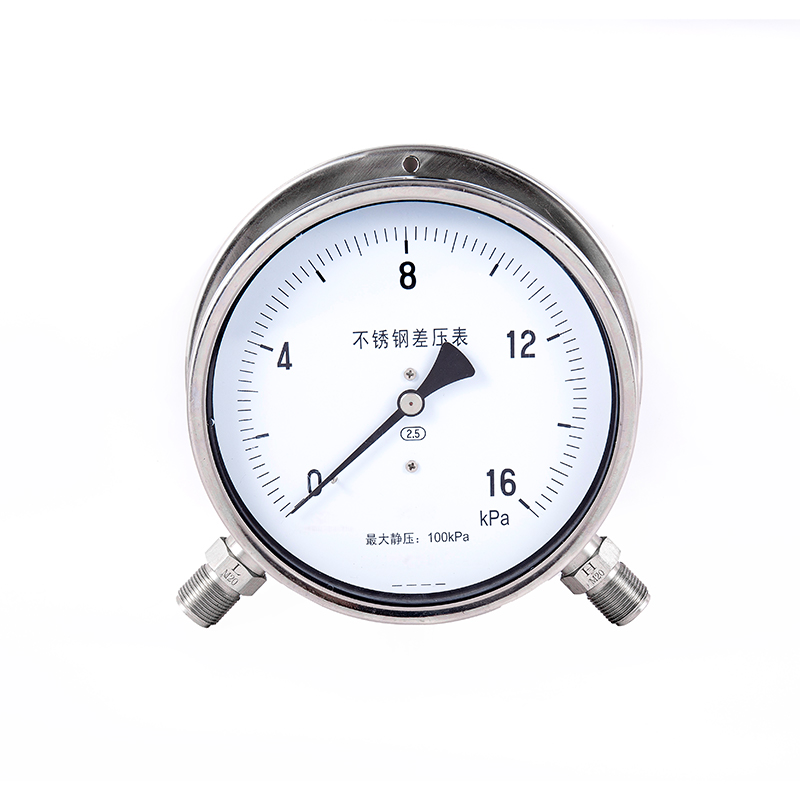
◆ Model: CYBN100 CYBN150 ◆ Application: Earthquake-resistant (seismic) stainless steel differential ...
See Details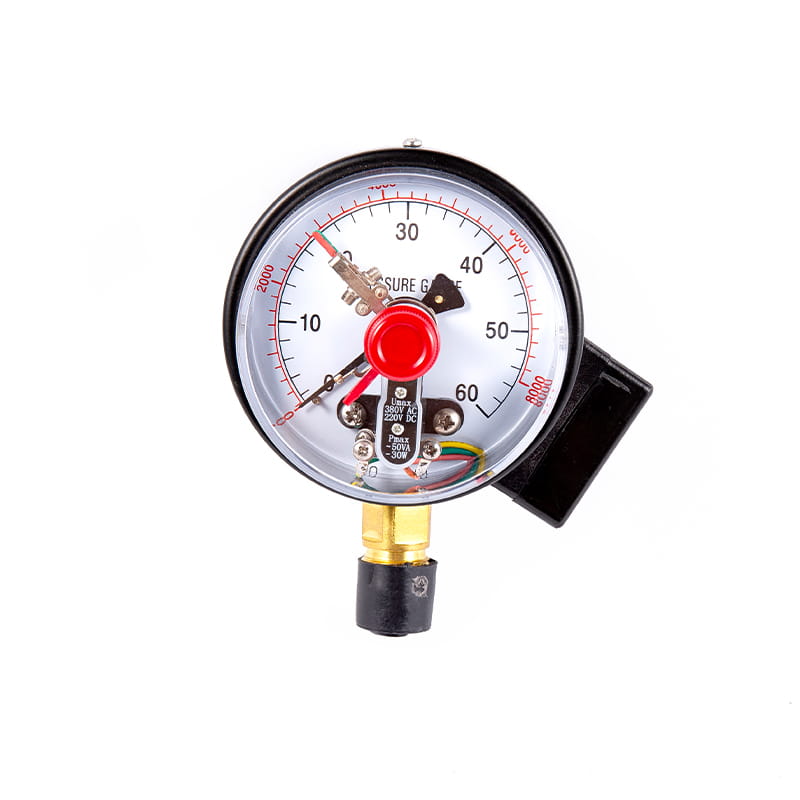
◆ Model: YXC60 YX100 YXC-150 ◆ Application: Magnetic-assisted electric contact pressure gauges is su...
See Details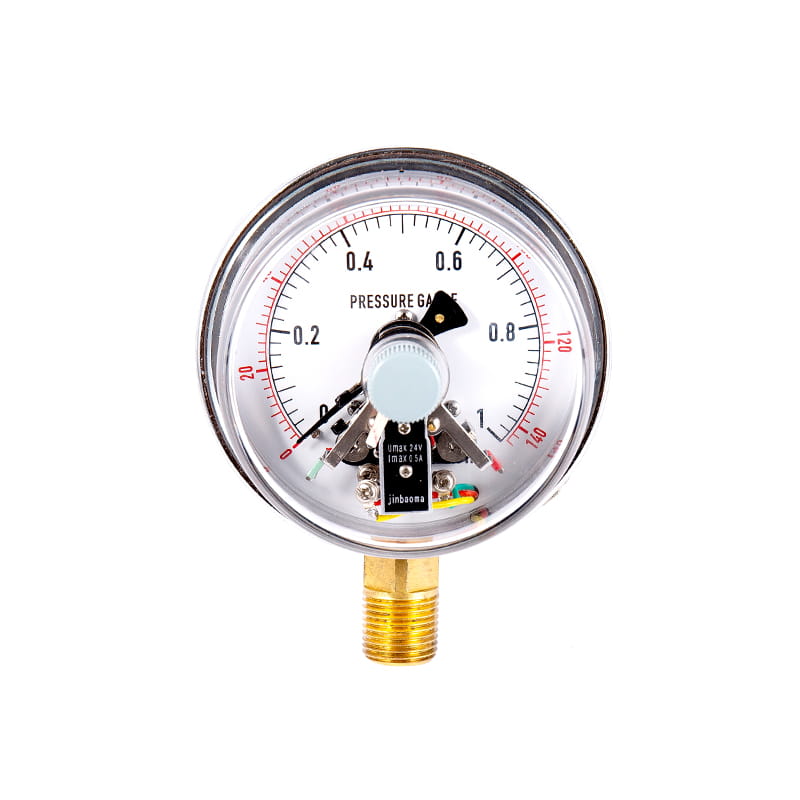
◆ Model: YXCm100 YXCm150 ◆ Uses: This kind of instrument is an ideal alternative to the magnetic-ass...
See Details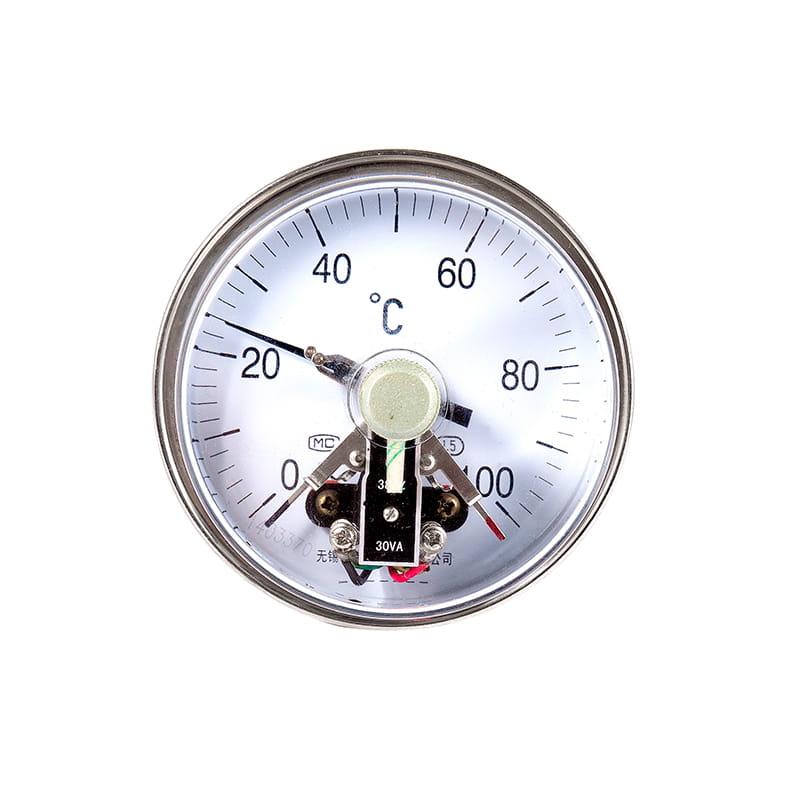
◆ Model: WSSXC-4 ◆ Application: This series of thermometers has the characteristics of no mercury da...
See Details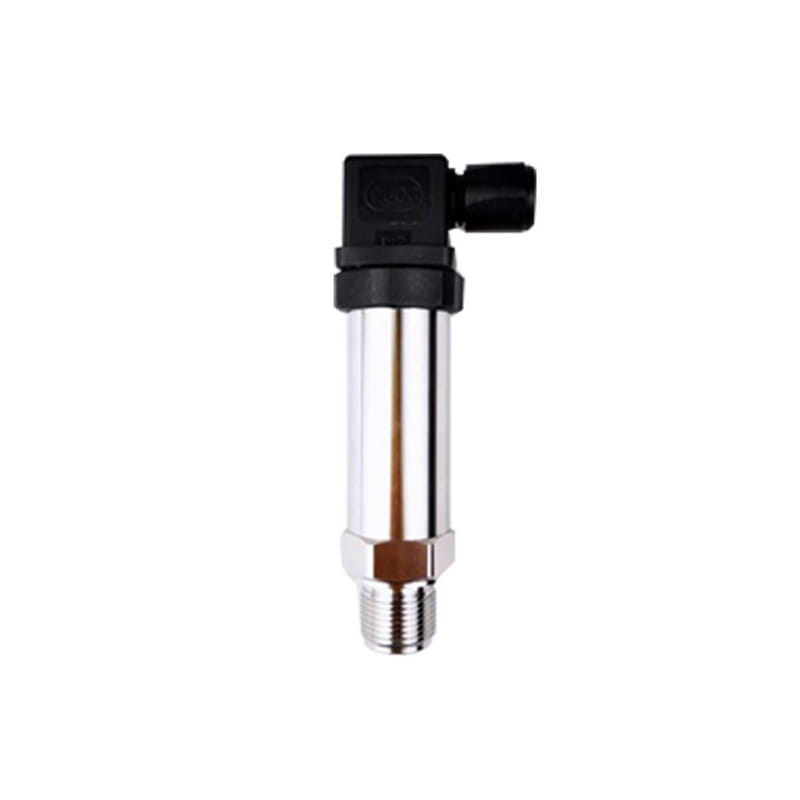
The Pressure transmitter YSZK is designed for demanding environments, operating effectively in tempe...
See Details


