

 English
 русский
 Español
 عربى

YJY series absolute pressure gauge
Cat:Pressure Gauge
◆ Model: YJY100 YJY150◆ Use: Absolute pressure refers to the pressure which is higher than absolute ...
See DetailsContent
Downhole pressure gauges do their job thousands of metres below the wellhead, where nobody can watch them and where a failed instrument usually means a workover. That is why they are specified so carefully, and why the difference between a good installation and a mediocre one often shows up years later as drifting data or a dead channel.
This guide walks through what downhole pressure gauges actually are, the main types used in oil, gas, and geothermal wells, the conditions that decide whether they survive, and the practical points worth checking when you specify, install, and maintain them. We have been building pressure instruments since 2001, so the notes below come from the workshop as much as from the textbook.
A downhole pressure gauge is a pressure sensor installed inside the wellbore, normally close to the producing interval or in a gauge carrier on the tubing string. Most modern downhole gauges measure pressure and temperature together, because the two are inseparable in reservoir analysis: pressure tells you what the reservoir is delivering, while temperature tells you what is happening in the flow path.
The sensing element itself is usually a quartz crystal or a sapphire resonator, chosen for accuracy and long-term stability rather than price. Typical ranges run from a few thousand psi up to 15,000 psi and beyond, with resolution measured in hundredths of a psi. Temperature ratings of 125 to 175 degrees Celsius cover most wells, while high-pressure, high-temperature wells push past 200 degrees Celsius and demand special electronics, solders, and cable materials.
Downhole pressure is the single most useful measurement in a producing well, because almost every decision depends on it, from how hard to draw the reservoir to when to change artificial lift strategy. A permanent gauge turns pressure into a continuous stream of data, so engineers see trends instead of snapshots.
A permanent downhole gauge stays in the well for years, connected to the surface by a control line or an electric cable. It delivers real-time pressure and temperature, which makes it the backbone of intelligent completions and long-term reservoir surveillance. The trade-off is that the gauge and its cable must stay reliable for a decade in a hostile environment, so materials, welding quality, and qualification testing matter far more than a clever feature list.
Memory gauges record to internal memory and are run on wireline, slickline, or on the tubing string, then retrieved so the data can be downloaded. They cost less, need no cable, and remain the workhorse of well testing, drill stem tests, and short campaigns. Accuracy and stability can be comparable to permanent gauges; what you give up is real time.
Surface readout systems use a cable to deliver live data during a well test. Capillary or bubble-tube systems take a different route: a nitrogen-charged capillary tube runs down to an orifice, and the pressure is read at surface with no electronics in the well at all. They respond more slowly, but their simplicity still appeals where gauge life is the biggest risk. Fibre-optic sensors round out the family, offering distributed measurement in a growing number of installations.
Every downhole gauge is really a set of compromises. Temperature, pressure, vibration, and chemistry all pull in different directions, and the table below summarises how each one shapes the hardware.
| Challenge | Typical demand | What it means for the gauge |
|---|---|---|
| Temperature | 125 to 175 degrees Celsius, above 200 in HPHT wells | Quartz sensing elements, high-temperature electronics, and thermal compensation |
| Pressure | 5,000 to 15,000 psi, often cycling daily | Thick-walled housings and a generous overpressure margin |
| Vibration and shock | Continuous vibration from pumps, plus shock while running | Robust carrier mounting, welded internals, vibration-resistant design |
| Corrosion | H2S, CO2, chlorides, and acids in the produced fluid | NACE-compliant metallurgy such as Inconel 718 or MP35N with suitable seals |
| Space and access | Small carriers, limited clearance in the completion | Compact housings and careful cable routing |
| Service life | Five to ten years or more for permanent installations | Long-term stability, drift control, and retrievable design where possible |
We see the same logic on the surface side of a well. Wellhead and steam-line service puts comparable demands on instruments you can actually reach, and our high-temperature resistant pressure gauges are designed around the same priorities: a stable reading, no leaks, and a long service life.
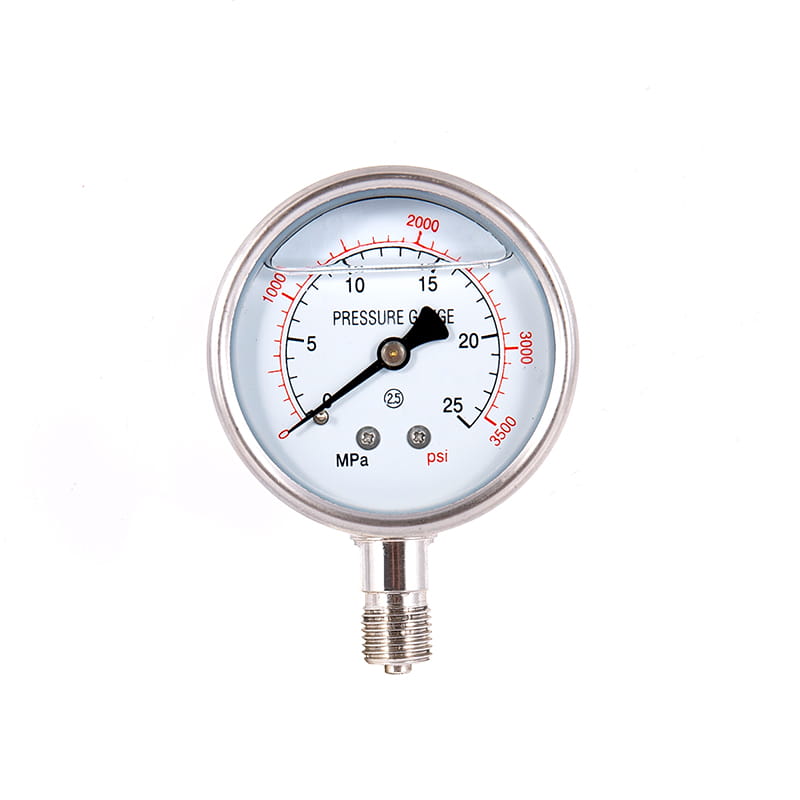 YG High-Temperature Resistant Pressure Gauge SeriesStainless steel YG series gauges handle corrosive, high-temperature media on surface wellhead and steam-line duty, with multiple mounting options.View Product →
Wetted materials decide how long a gauge survives in sour or corrosive service. Inconel 718, MP35N, and 316L stainless steel are common housing and diaphragm materials, while seals are usually FFKM or PTFE where hydrogen sulphide and carbon dioxide are present. Hydrogen embrittlement is a genuine risk for high-strength alloys, so hardness limits and qualification to NACE MR0175 and ISO 15156 are not paperwork; they are survival requirements. Weld quality and helium leak testing matter too, because a few microns of porosity at a diaphragm weld is enough to end a gauge's life early. For the surface side of sour wells, NACE-compliant gauges apply exactly the same metallurgical discipline.
Downhole data is only half the picture. Wellhead pressure, tubing head pressure, and flowline readings put the reservoir in context, and they are usually where you notice a problem first: a rising wellhead pressure can mean a scaled choke or a forming hydrate, while a falling one can point to a leak. On steam injection wells, the surface instruments face temperatures and cycling that are not far behind the downhole side. Our high-temperature pressure transmitters are used in exactly these positions, providing a 4 to 20 mA signal that a control room can act on. Where pressures run high, high-pressure gauges keep the wellhead and manifold readings mechanical, simple, and dependable.
 YSZC-7 High-Temperature Pressure TransmitterStainless steel transmitter with heat-dissipation structure and 4–20 mA, voltage, or RS485 output for surface wellhead pressure monitoring.View Product →
Raw pressure is not the same as usable information. Sampling rate, memory depth, timestamp accuracy, and the way data reaches the historian all decide whether a buildup test can be interpreted properly. A permanent gauge that reports once a minute will miss fast transients, while a memory gauge set to one sample per second fills its memory in days rather than months. At the surface, a smart transmitter makes the wellhead a native part of the control system instead of an isolated dial. Our intelligent pressure transmitters combine local indication with digital communication, which is often the simplest way to bring wellhead pressure into the same system as the downhole record.
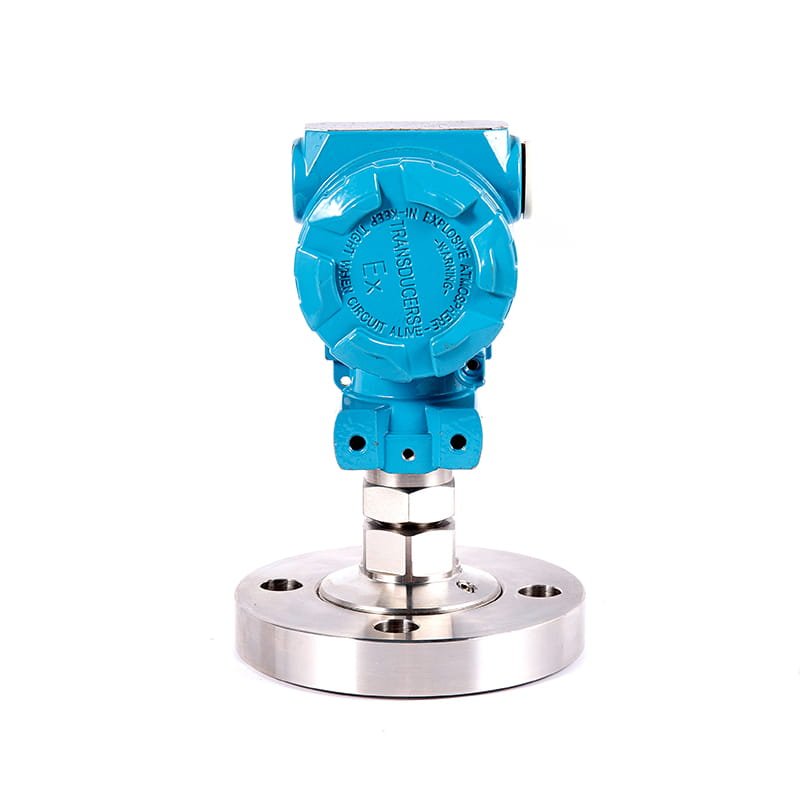 YSZC-7 Intelligent Pressure Transmitter SeriesIntelligent transmitter for liquid, gas, or vapor pressure with HART, S-PORT, 4–20 mA output, and long-term stability for wellhead data integration.View Product →
Calibrate before running with a deadweight tester or a traceable reference, and record the zero and span values. After retrieval, repeat the check so drift becomes a known number instead of a suspicion. This matters more than it sounds: at 15,000 psi, a drift of 0.1 percent is 15 psi, which can shift a calculated reservoir pressure by a meaningful margin. A simple log of dates, references, and measured errors is usually enough to keep a surveillance programme honest.
Downhole pressure gauges are a small part of a well's cost and a large part of its understanding. Get the sensor technology, the materials, and the installation details right, and the pressure record will keep paying back for years. If you would like to talk through the surface side of that loop, from wellhead gauges and transmitters to the accessories around them, we are always glad to help.
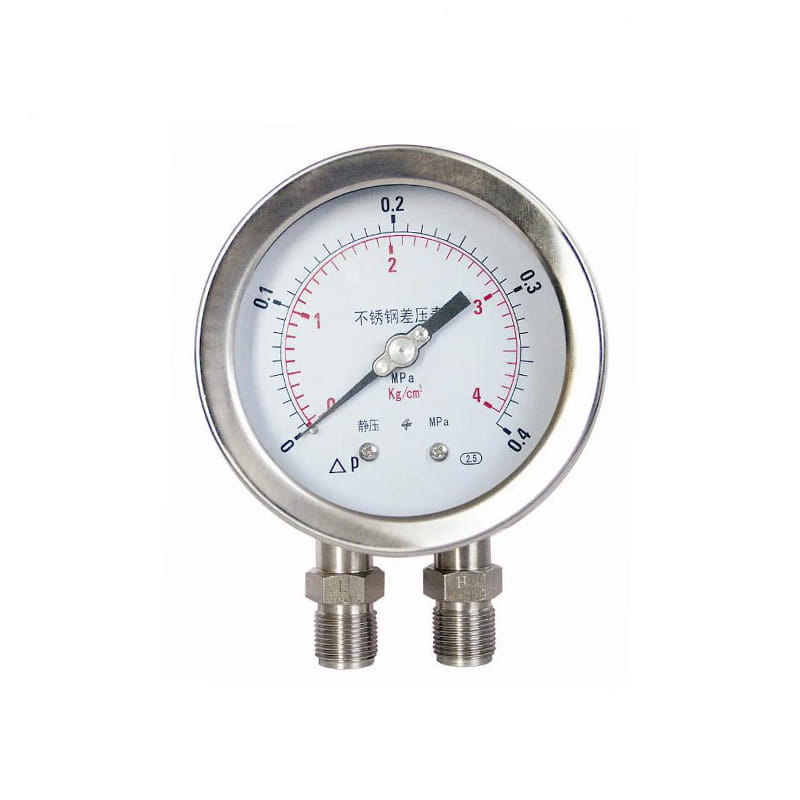
◆ Model: YJY100 YJY150◆ Use: Absolute pressure refers to the pressure which is higher than absolute ...
See Details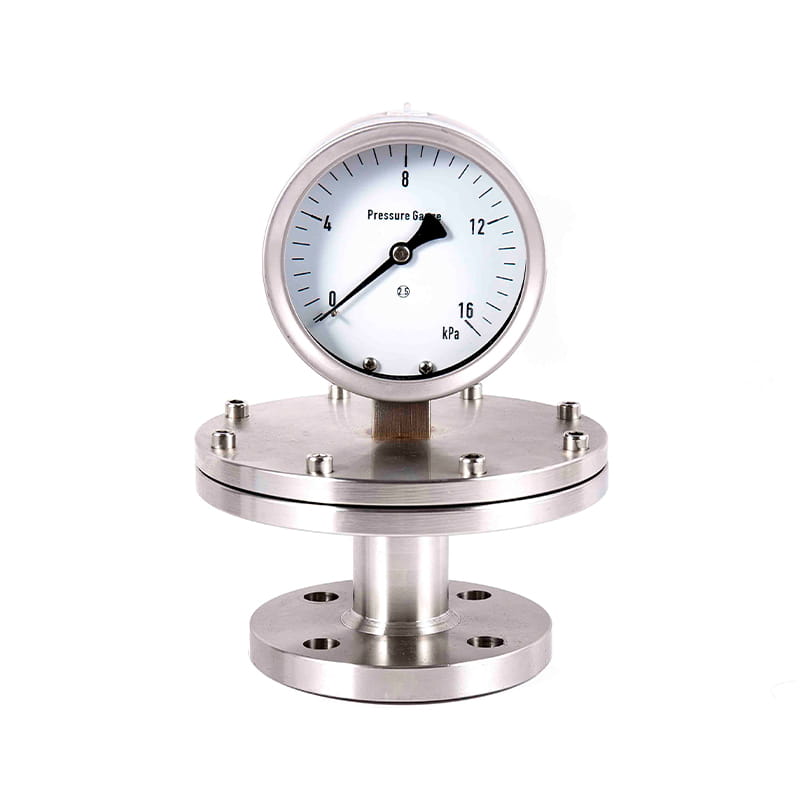
◆ Model: YP100-L YP150-L YP100-F YP150-F ◆ Application: YP series instrument diaphragm and structura...
See Details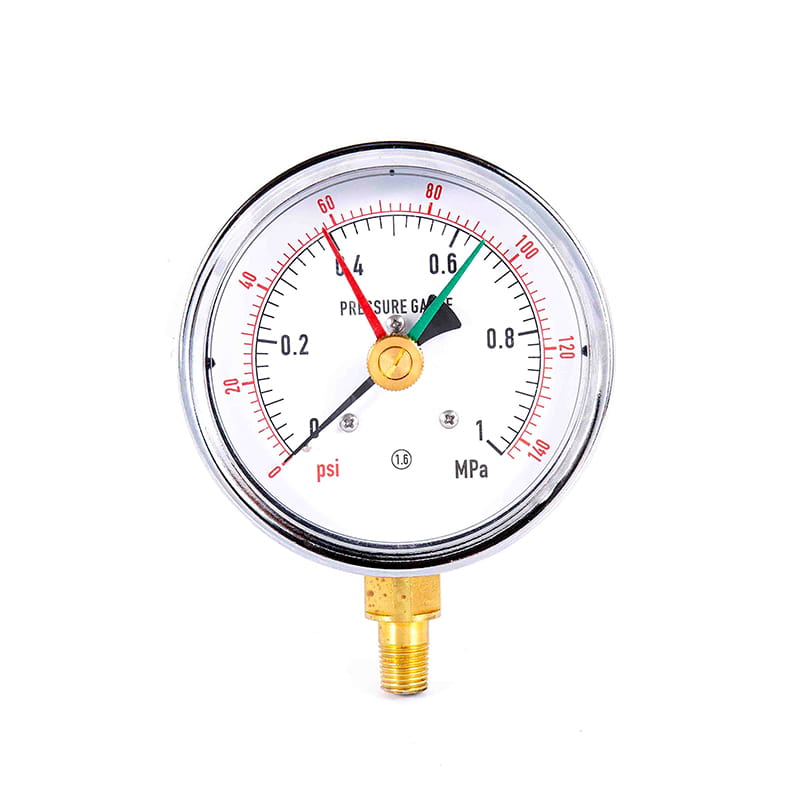
◆ Model: YD40 YD50 YD60 YD75 YD100 YD150 ◆ The main body of the instrument is a general pressure gau...
See Details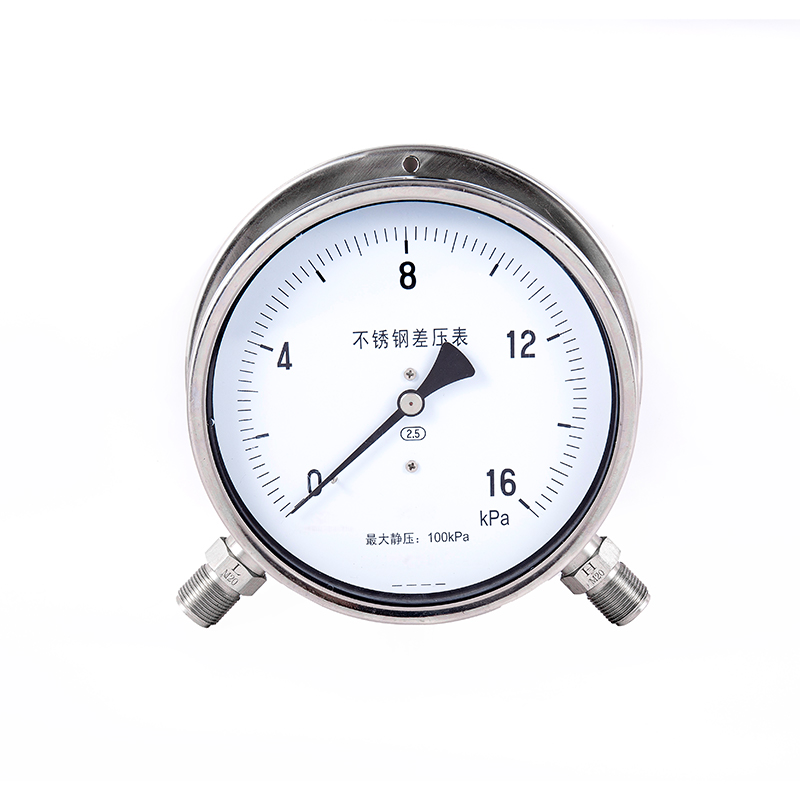
◆ Model: CYBN100 CYBN150 ◆ Application: Earthquake-resistant (seismic) stainless steel differential ...
See Details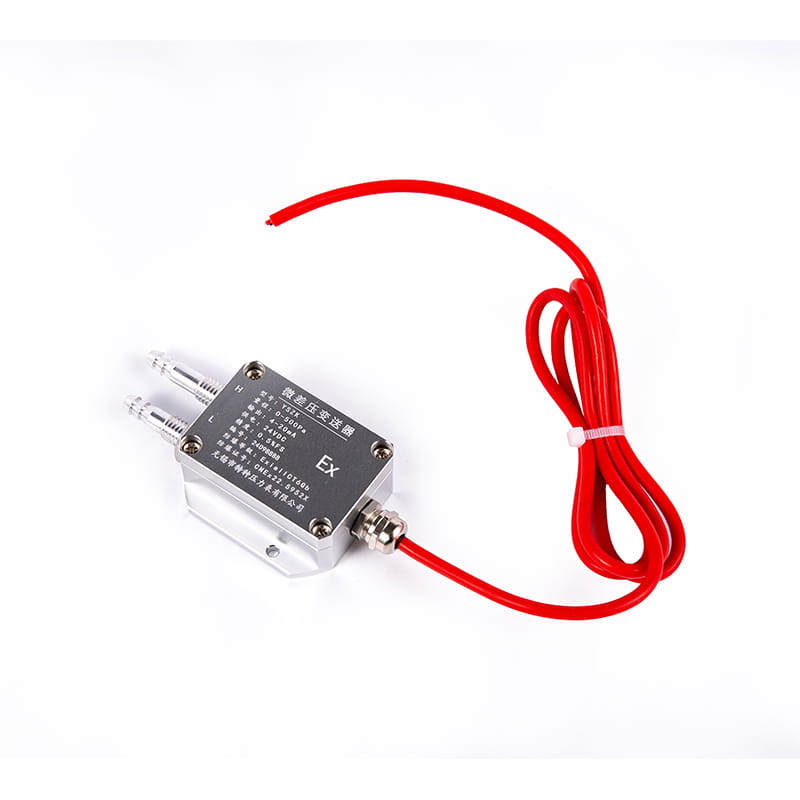
1. Overview This air pressure transmitter has high sensitivity, high precision and strong anti-overl...
See Details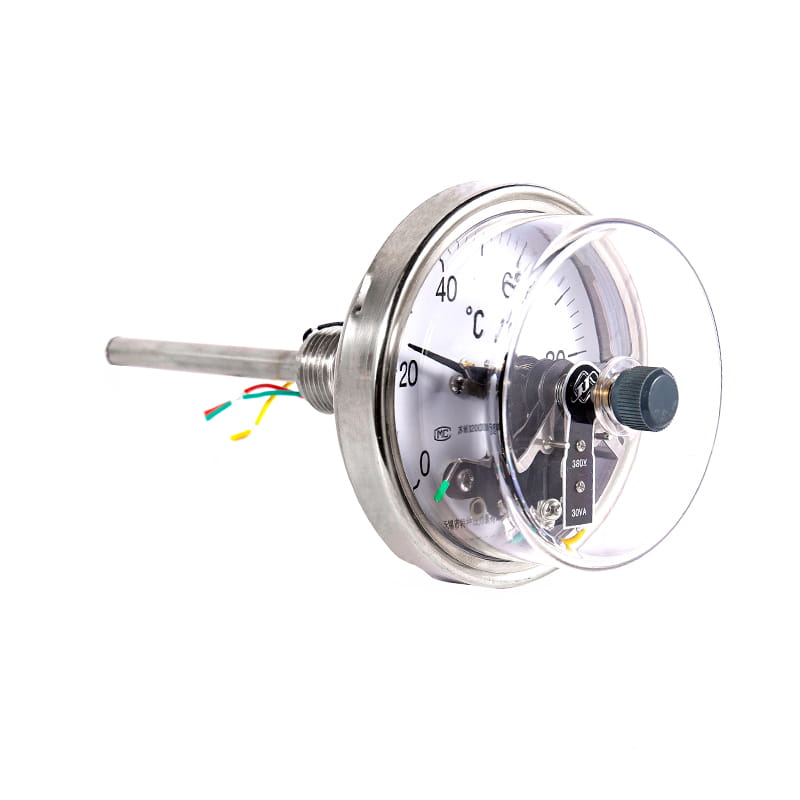
◆ Model: WSSX-4 ◆ Application: The electric contact bimetal thermometer has the characteristics of n...
See Details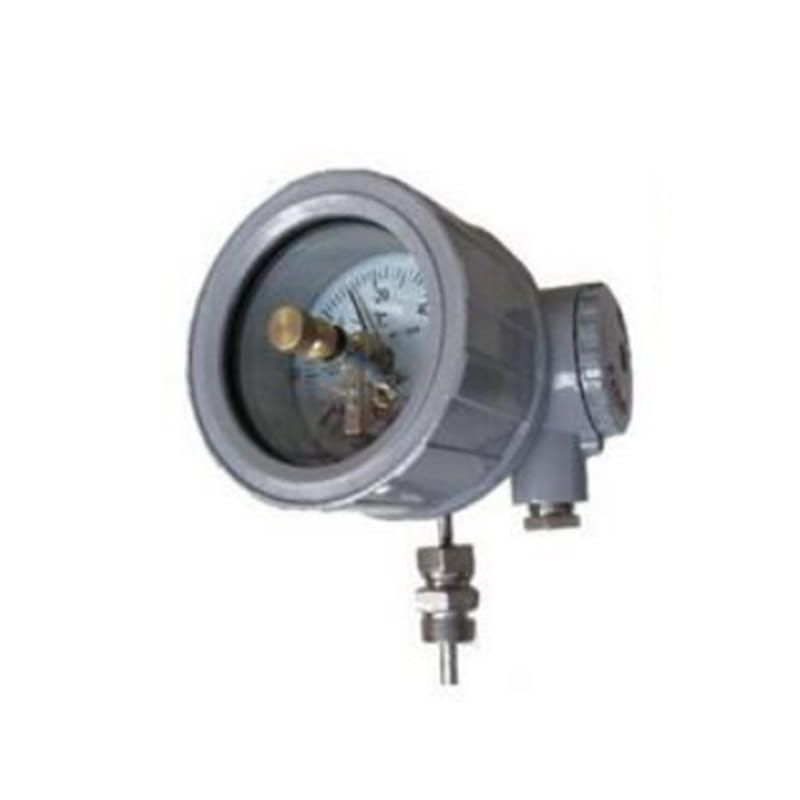
◆ Model: WSSX411B WSSX511B ◆ Introduction: This instrument is in accordance with the national standa...
See Details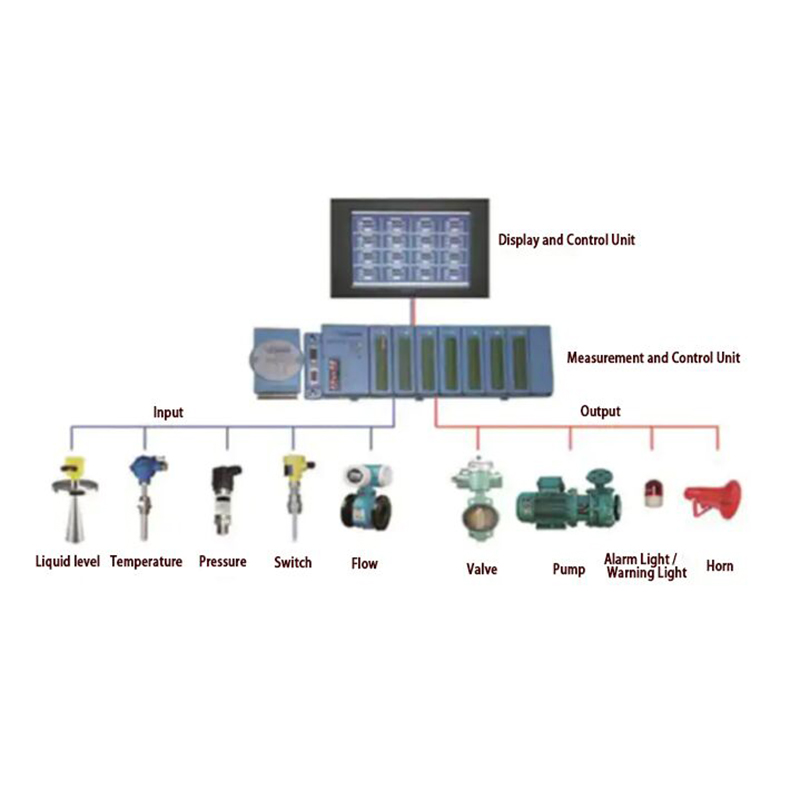
The Liquid cargo monitoring alarm system prioritizes effective agreements, strong security, and stab...
See Details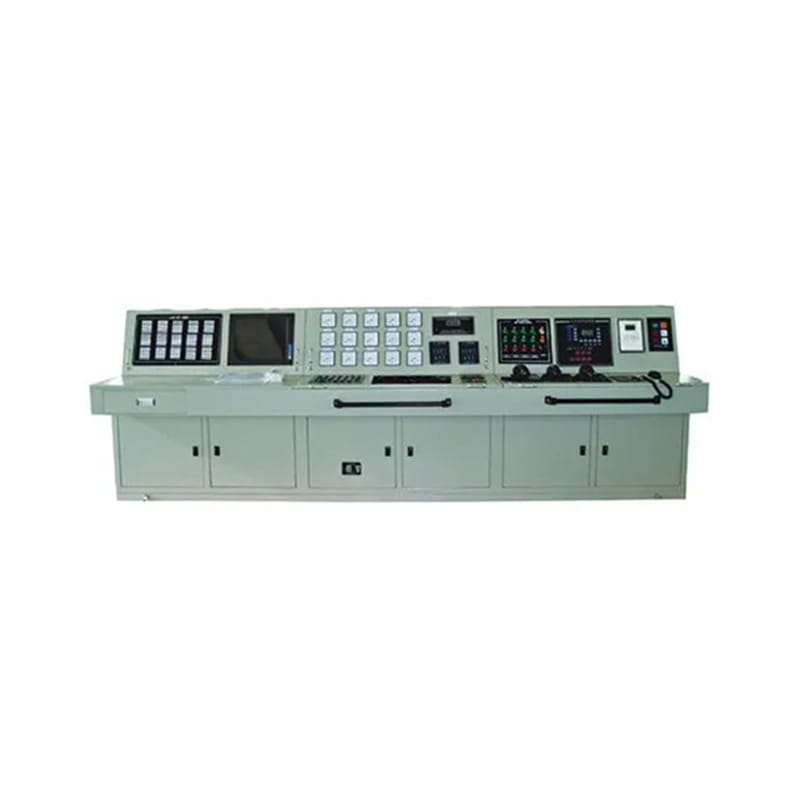
The Engine room monitoring alarm system is crucial for ensuring the safety and efficiency of operati...
See Details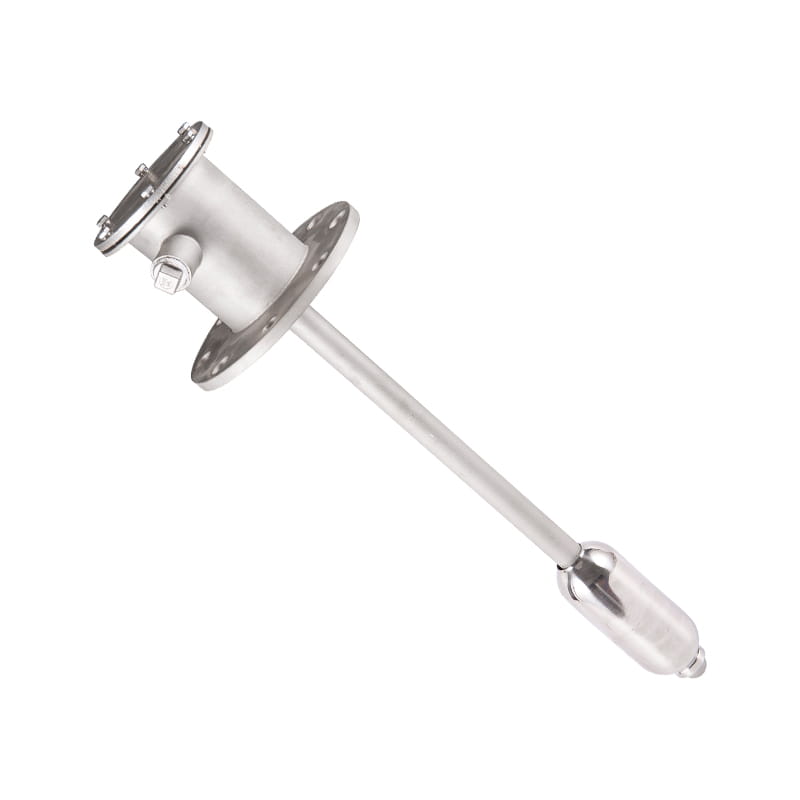
The Float level controller UHK features a simple structure that ensures easy installation and mainte...
See Details


