

 English
 русский
 Español
 عربى
عربى
YEB series stainless steel diaphragm pressure gauge
Cat:Pressure Gauge
◆ Model:YEB60 YEB100 YEB150◆ Use: This series of instruments are suitable for measuring the low micr...
See DetailsContent
Tailings dams rarely fail without warning. Long before anything dramatic happens, the readings start to drift. Pore pressures creep upward, seepage rates change, the decant pond sits higher than the design assumed, a slope moves a few millimetres over a season. The whole purpose of monitoring instruments for tailings dams is to catch those drifts early enough that somebody still has time to respond.
At Wuxi Huihua Special Instrumentation we have been building industrial pressure, level and temperature instruments since 2001, mostly for the unglamorous end of the job: gauges and transmitters that have to keep working in dust, vibration, heat and long stretches with nobody standing next to them. What follows is not a geotechnical monitoring specification. It is a practical tour of the instrument families that make up a tailings monitoring programme, where each of them fits, and what is worth thinking about when you specify them for a site that is hours away from the nearest workshop.
A tailings storage facility is a structure built out of the waste stream itself and then raised again, season after season, as production continues. It is not a finished object with a fixed design life. The embankment you are monitoring this year is not quite the one you instrumented five years ago, and that changes what you expect from every sensor on it.
Most of these sites are also far from everything. They sit in high-UV deserts, in tropical rainfall belts, in mountain valleys that freeze, on coasts where salt air eats connectors. Instruments have to survive a decade of that with intermittent attention, which is a very different requirement from a plant instrument sitting in a climate-controlled room with a technician walking past it every shift.
The signals themselves are slow and small: millimetres of movement, kilopascals of pore pressure, litres per second of seepage. That means drift, offset and long-term stability matter as much as the accuracy figure on the datasheet. An instrument that reads beautifully on day one but wanders by two percent a year will eventually hide a real trend inside its own error.
Monitoring programmes usually blend two families of hardware. The geotechnical side includes vibrating wire piezometers, inclinometers, extensometers, shape arrays, prisms and GNSS stations. The industrial side includes pressure transmitters, level instruments, temperature sensors, flow meters and the valves and accessories around them. The two overlap more than people expect, because a standpipe piezometer is, at the end of the day, a water column that somebody has to measure.
The table below is the short version of a typical monitoring plan. Every row has a trend attached to it, and the trend, not the instantaneous value, is what usually triggers a conversation.
| Parameter | Typical instruments | What the trend tells you |
|---|---|---|
| Pore water pressure in the embankment | Vibrating wire piezometers; standpipe piezometers read with pressure transmitters | Rising pressure reduces effective stress and is the classic precursor to instability |
| Seepage and phreatic surface | Standpipe piezometers, submersible level transmitters, collection weirs | Changing seepage volume or a rising water table points to internal erosion or drainage blockage |
| Decant pond and return water level | Radar, ultrasonic and guided wave level meters, submersible pressure transmitters | Freeboard is a hard limit; pond position also steers the beach and the water balance |
| Beach width and freeboard | Survey, GNSS, prisms, drone photogrammetry | Confirms that the operation is actually building the dam the design assumed |
| Slurry pipeline and cyclone pressure | Diaphragm and heavy-duty pressure gauges, pressure transmitters | Flags blockages, wear and pump problems before they become shutdowns |
| Process and water temperature | RTDs, thermocouples, bimetallic thermometers | Affects density, viscosity and instrument behaviour, and explains odd readings elsewhere |
| Rainfall and ambient conditions | Tipping bucket rain gauges, weather stations, ambient temperature sensors | Separates a real change from a storm event, which is essential for interpreting everything above |
Pore pressure is the parameter that makes engineers nervous, and rightly so. Water pressure inside the embankment pushes the soil grains apart and reduces the effective stress that holds the slope together. When the phreatic surface climbs, the safety margin falls, often without any visible change on the surface.
For the interior of a dam core, vibrating wire piezometers remain the standard choice because they are stable over long periods and tolerate wet cable runs. But there is a large amount of the site that is better served by ordinary industrial instruments: standpipes, seepage collection sumps, underdrains, toe drains and stilling wells. In those places a pressure transmitter installed at a known depth, or a submersible level transmitter lowered into a standpipe, gives you a continuous record for a fraction of the cost.
Selection is mostly about the details. Decide whether you want gauge or absolute reference, and whether the cable must be vented. Give yourself headroom above the highest pressure you expect, because a transducer run near the top of its range is a transducer that will not last. If the water is aggressive, add a diaphragm seal with a fill fluid suited to the temperature. And keep impulse lines short and self-draining; a pocket of trapped air in a water line is one of the most common causes of a reading that slowly stops making sense.
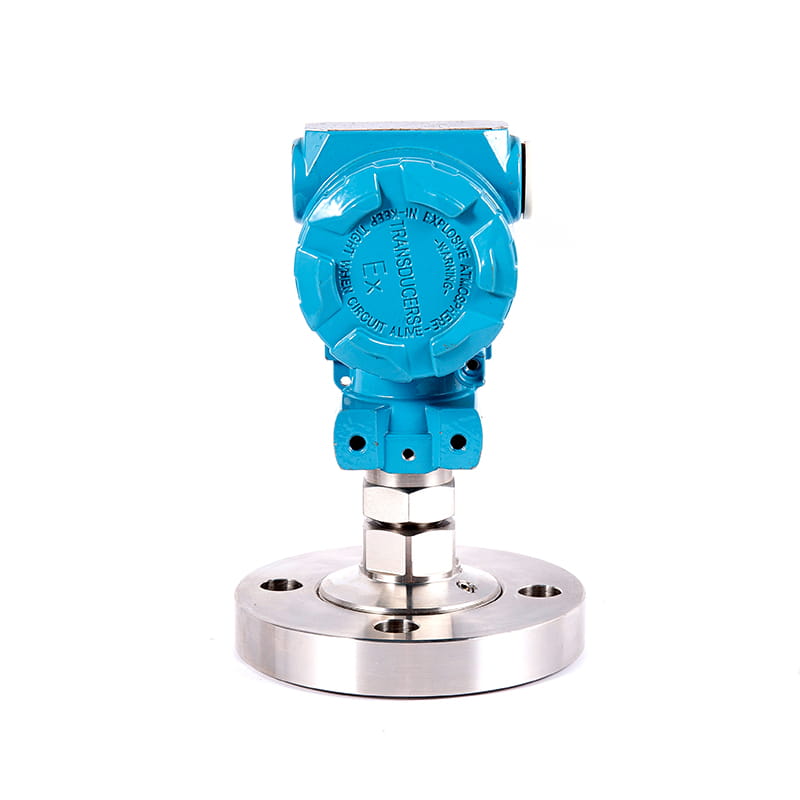 YSZC-7 Intelligent Pressure Transmitter with HART Digital CompensationDigital compensation and HART output suit this pressure transmitter for stable, verifiable measurement in process lines where calibration drift and maintenance access matter.View Product →
Smart transmitters with digital compensation are a good fit for this work because they hold their calibration better across temperature swings, and because a HART or digital output lets you verify the electronics without disturbing the process connection.
Level is where the widest choice of technology lives. Radar and ultrasonic instruments look down at the decant pond from a mast or a bridge and never touch the water, which is a real advantage when the surface is covered in froth or debris. Guided wave radar works well in stilling wells and narrow standpipes, where a free-space beam would bounce off the walls. Submersible transmitters handle sumps, boreholes, tanks, return water ponds and anywhere a cable can be run down to the measurement point.
For the submersible route, the practical questions are simple. Is the cable mechanically protected along its whole run? Is the body genuinely sealed for continuous immersion rather than just splashed? Will silt, sand or ice sit on the diaphragm, and can the diaphragm be cleaned in place? A level instrument that has to be pulled out of a sump every time it silts up will quietly fall out of the maintenance schedule.
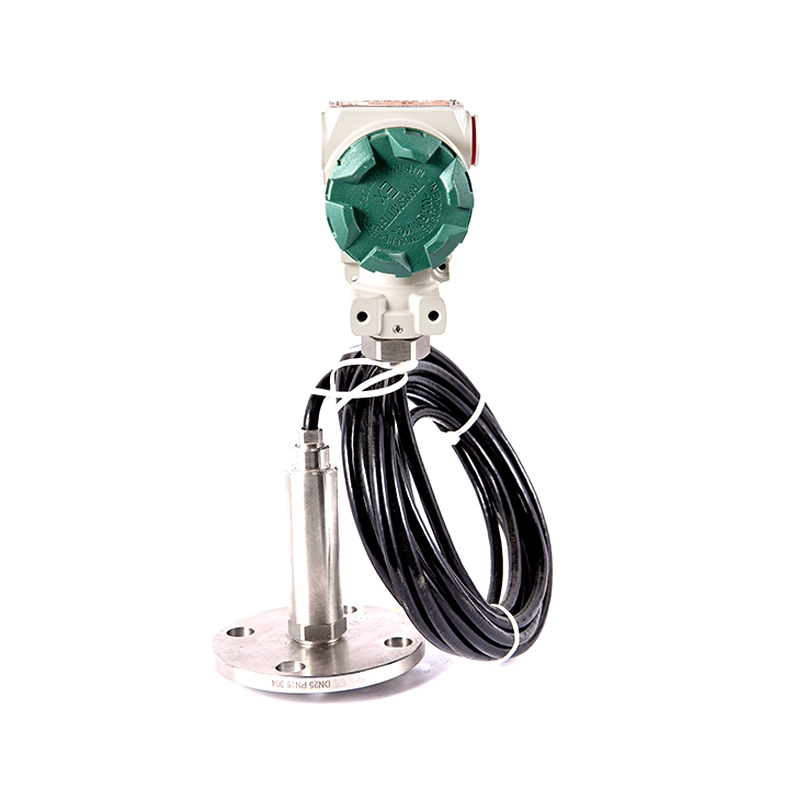 Immersion Level Transmitter with IP68 Sealing and Separated ConverterIP68 sealing and separated converter options make this immersion level transmitter suitable for sumps where continuous immersion and cleaning access matter.View Product →
On large sites, cabling across a tailings beach is often the biggest single cost in the monitoring budget, and it is also the part that fails first. Where trenching is impractical, wireless LoRaWAN process monitoring sensors let you place a pressure or level measurement where the data actually matters and collect it at a gateway near the site office. Treat the radio link as one more instrument to be maintained: check battery and signal strength on the same schedule as your calibrations.
A tailings facility is also a working process plant, and its reliability monitoring borrows heavily from the concentrator. Cyclone feed pressure, pipeline pressure at the pump discharge, reclaim water pressure and differential pressure across filters are all readings that operators check daily, and they double as early warnings for the dam itself. A falling cyclone pressure or a shifting pump curve usually shows up before anyone notices a change in beach geometry.
Slurry is abrasive, and it punishes standard instruments. Diaphragm pressure gauges with a flush or protected sensing element handle the service far better than a bare Bourdon tube, and heavy-duty gauges with reinforced movements are the right answer for the high-pressure side of a hydraulic or pumping circuit. Where the medium is also corrosive, the diaphragm material and the fill fluid do more for service life than any other decision you will make.
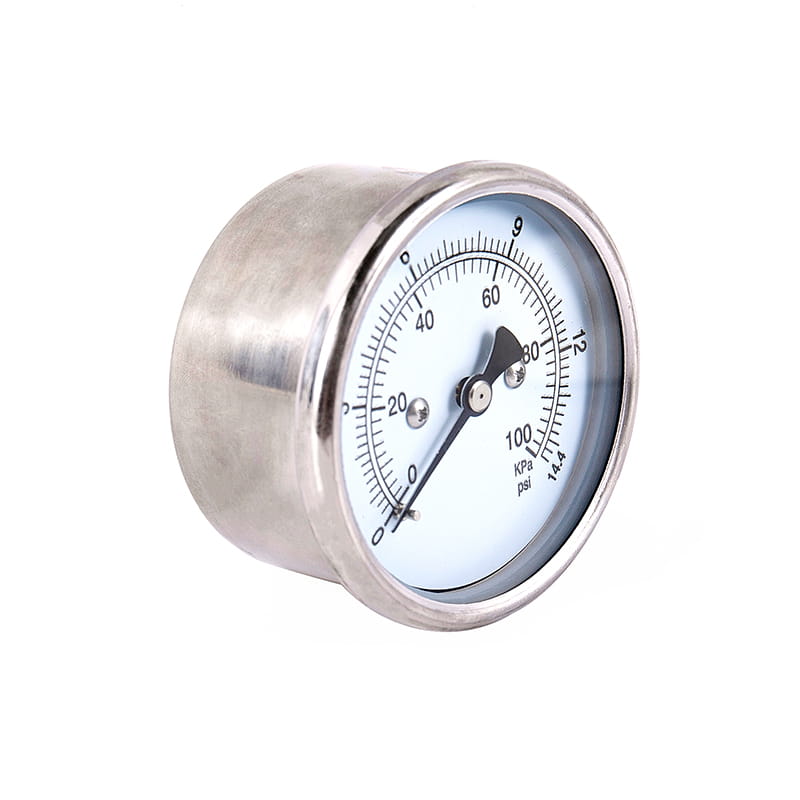 YE Series Membrane Box Micro Pressure GaugeMembrane box element fits clean, non-corrosive gas or vapor low-pressure measurement, and isolation valves make maintenance practical.View Product →
Valves and manifolds deserve a mention here too. A pressure instrument is only as good as the isolation in front of it. Proper needle valves and manifold blocks let a technician bleed, vent and swap a gauge without shutting the line down, which is what makes a maintenance regime realistic in year six rather than just year one.
Temperature looks like the least interesting measurement on a tailings site until something goes wrong. Slurry and reclaim water temperature influence density and therefore every pressure and level interpretation you make downstream. Sub-zero conditions freeze standpipes, crack transmitter bodies and change the behaviour of fill fluids inside diaphragm seals. High ambient heat, especially in direct sun on an unshaded instrument stand, shifts zeros and shortens the life of electronics.
For the process side, RTDs and thermocouples cover slurry, water and pipeline temperature, while bimetallic thermometers remain the dependable local check when someone is standing at the valve looking for a second opinion. For points that are hot, buried or otherwise unreachable, capillary remote thermometers put the dial somewhere a person can actually read it.
Whatever you install, shade it. A simple sun shield and a properly sealed enclosure do more for long-term accuracy in an exposed site than an upgrade in accuracy class, and they cost far less than the recalibration they prevent.
The environment should drive the specification more than the catalogue. If a transmitter will sit on a standpipe through a rainy season, an ingress protection rating that genuinely survives driving rain and dust is not optional. If it will be installed near a fuel farm, a workshop or a hydrocarbon line, it needs the appropriate hazardous-area certification, and the certificate should be for the exact model and temperature class you are ordering, not for a similar one in the same family.
Power and signal deserve the same honesty. Solar and battery systems on a remote site will not tolerate an instrument that draws more than the budget allowed, and long cable runs to a sump on the far side of the beach will not tolerate a signal that needs a clean earth you cannot provide. Where the site is exposed year round, IP68-rated outdoor instrumentation removes a category of failure you would otherwise be troubleshooting every wet season.
Finally, resist changing models mid-life for small savings. Trends are read across years, and a like-for-like replacement keeps the historical record comparable. If you must change the model, range or seal fluid, write it down and mark the date on the chart.
Instruments on a tailings site are usually not maintained by instrument technicians. They are maintained by whoever is on site that week, so the procedures need to be simple enough to survive that reality.
To be clear about what we do and do not do: we do not manufacture vibrating wire piezometers, inclinometers or GNSS equipment. Our work is the industrial measurement layer around them, the pressure, level and temperature instruments that watch pipelines, sumps, ponds, standpipes and process streams, and the accessories that let those instruments be isolated, vented and serviced. With more than thirty product series and several thousand specifications behind us, much of what we ship is adapted to a particular medium, connection or mounting position rather than taken off a shelf.
If you are assembling a monitoring plan for a tailings facility, the most useful thing you can send us is the working condition: what the medium is, what the expected range is, how the instrument will be mounted, and what the site does to it over a year. From there, the instrument selection tends to become obvious, and the arguments left are the ones worth having.
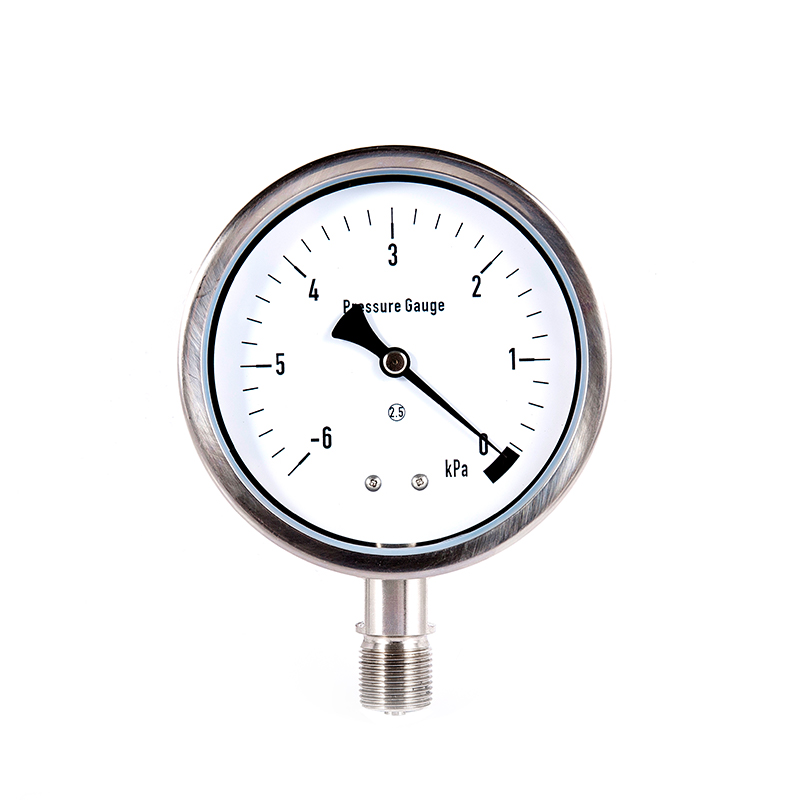
◆ Model:YEB60 YEB100 YEB150◆ Use: This series of instruments are suitable for measuring the low micr...
See Details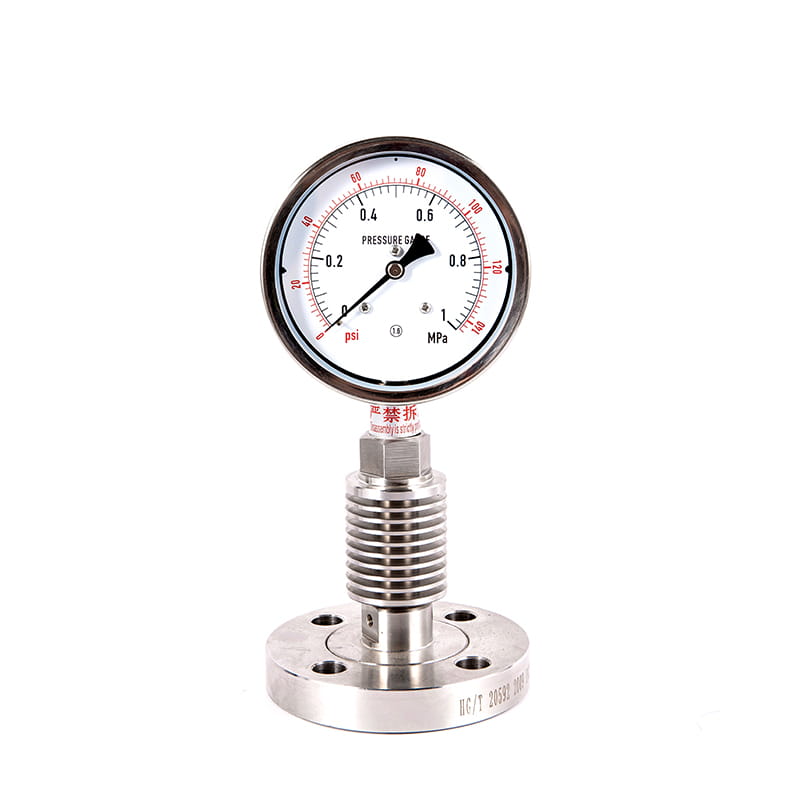
◆ Model: Y¨-ML Y¨-MF Y¨-MG Y¨-MZ Y¨-MK Y¨-MN Y¨-MS◆ Application: Due to the indirect measurement str...
See Details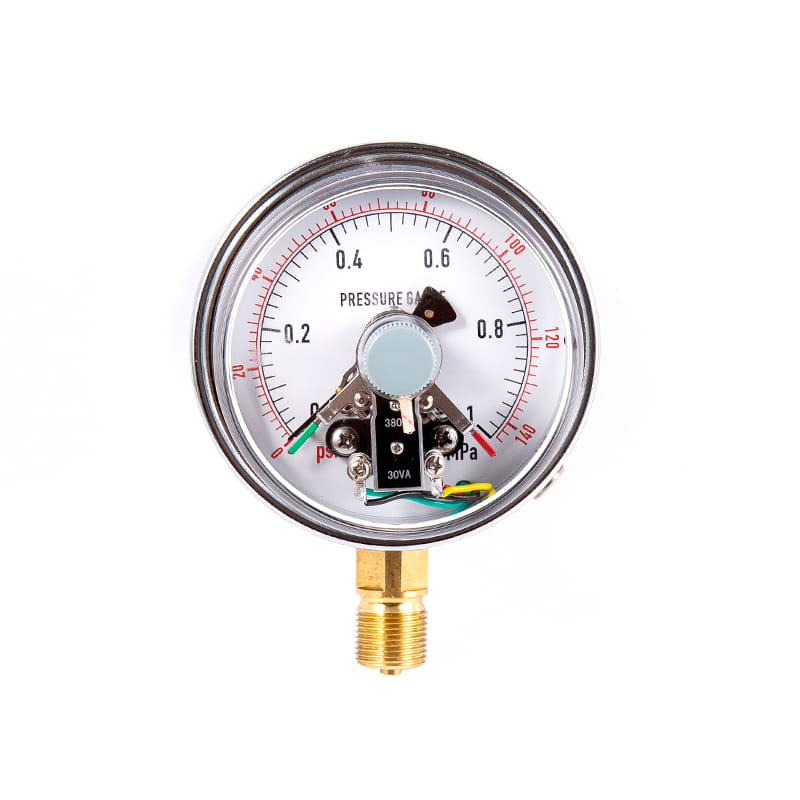
◆ Model: YXCh100 YXCh150 ◆ Application: Reed electric contact pressure gauge is suitable for measuri...
See Details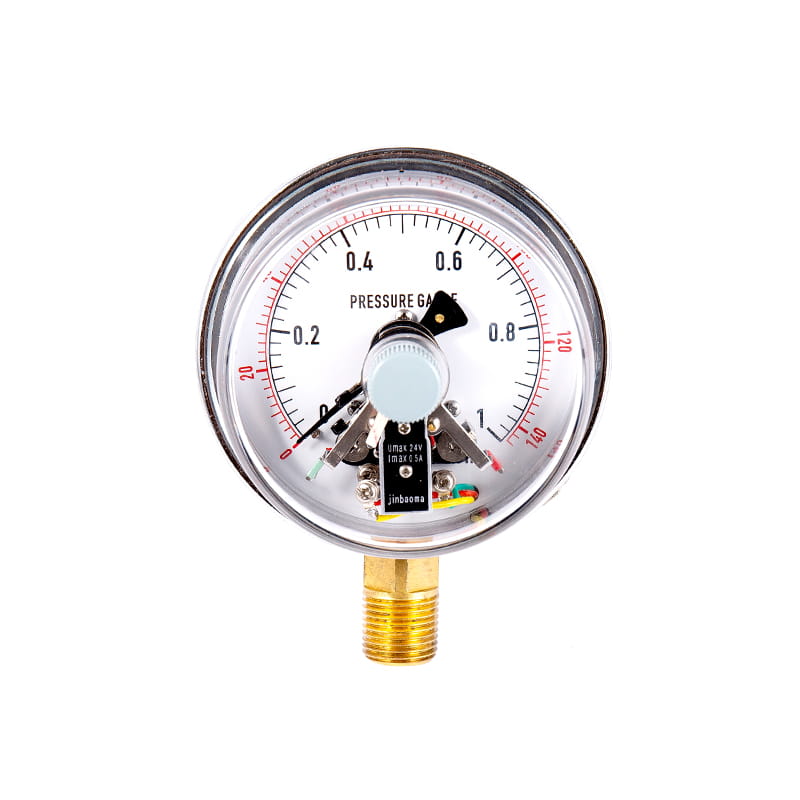
◆ Model: YXCm100 YXCm150 ◆ Uses: This kind of instrument is an ideal alternative to the magnetic-ass...
See Details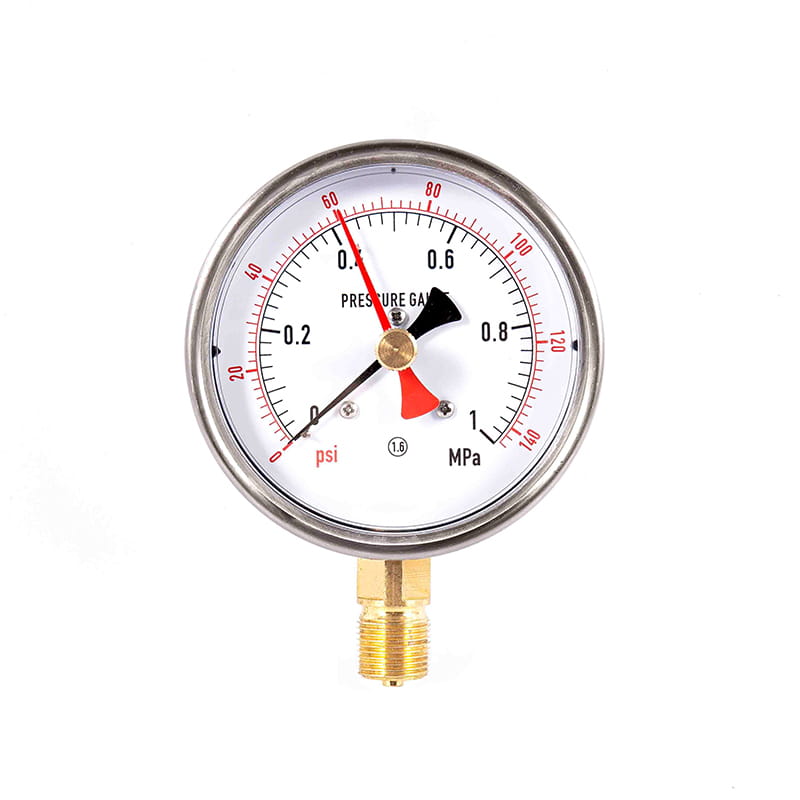
◆ Model: YZS102 ◆ Application: Double-needle double-tube pressure gauges is mainly used in rolling ...
See Details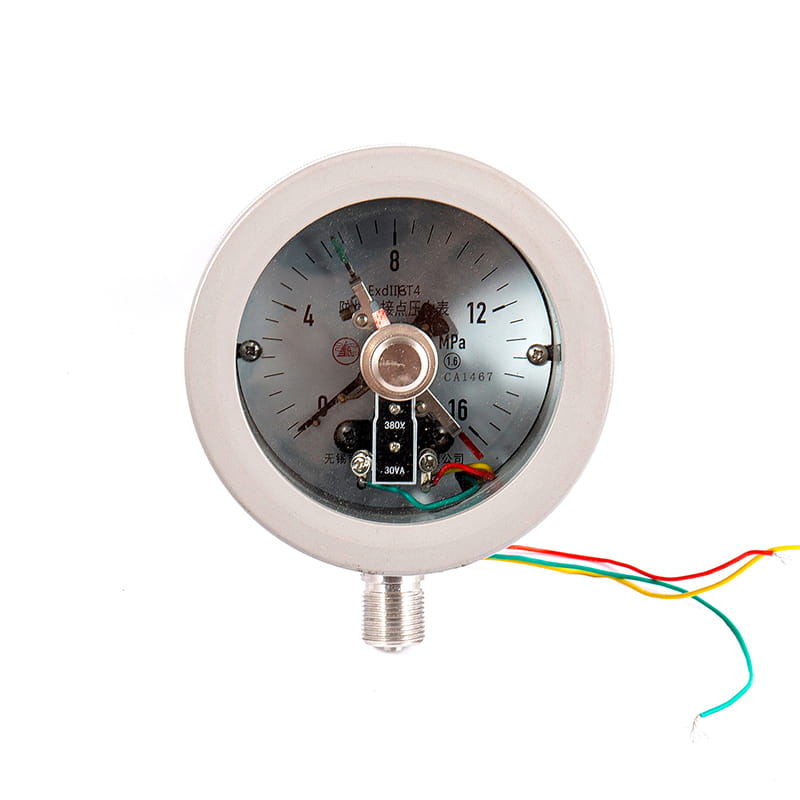
◆ Model: YTX100B YTX150B ◆ Uses: Explosion-proof electric contact pressure gauge is specially used i...
See Details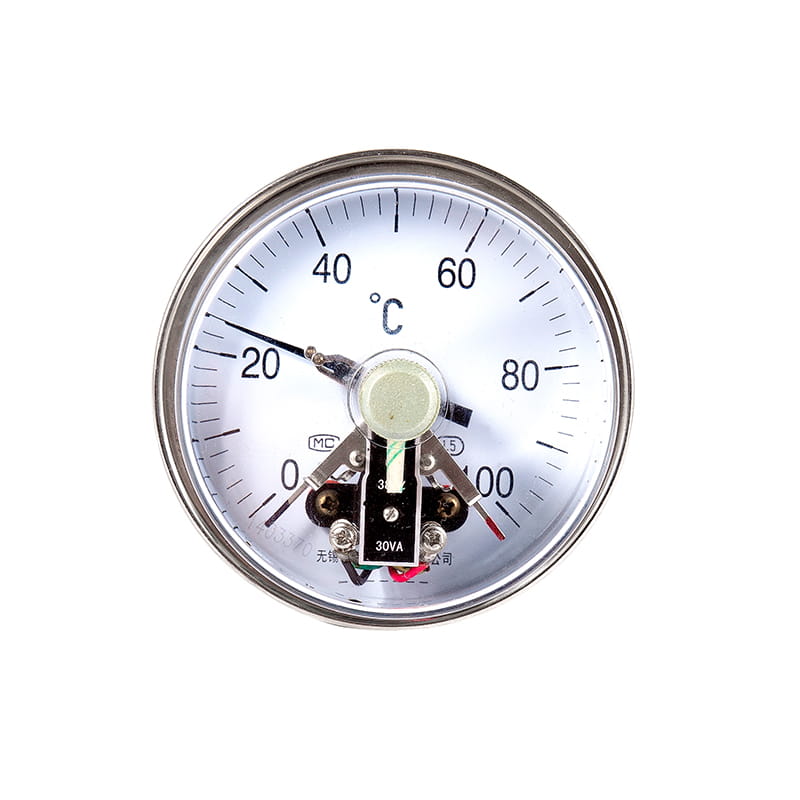
◆ Model: WSSXC-4 ◆ Application: This series of thermometers has the characteristics of no mercury da...
See Details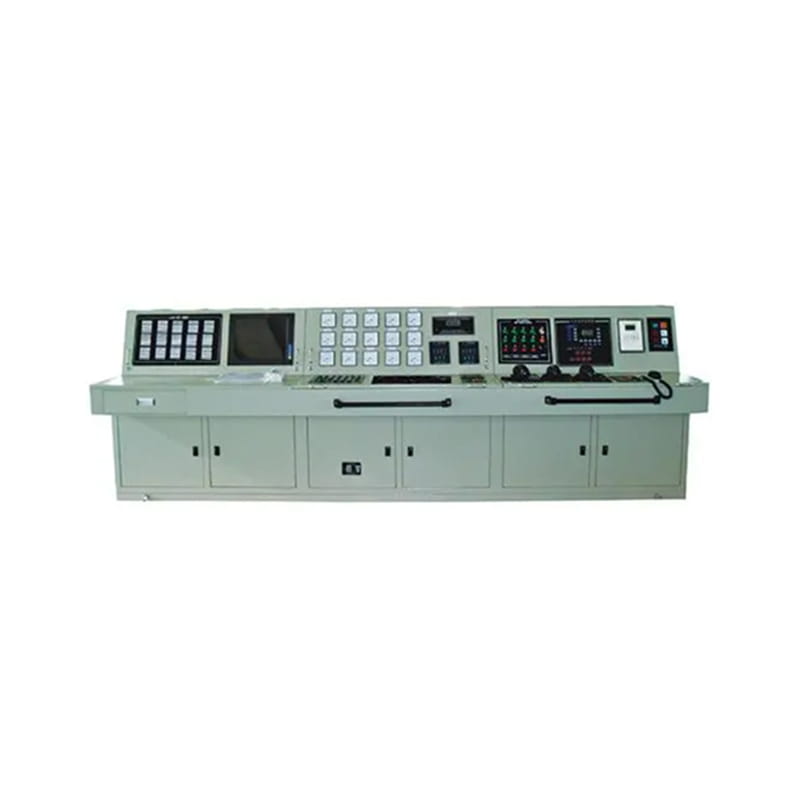
The Engine room monitoring alarm system is crucial for ensuring the safety and efficiency of operati...
See Details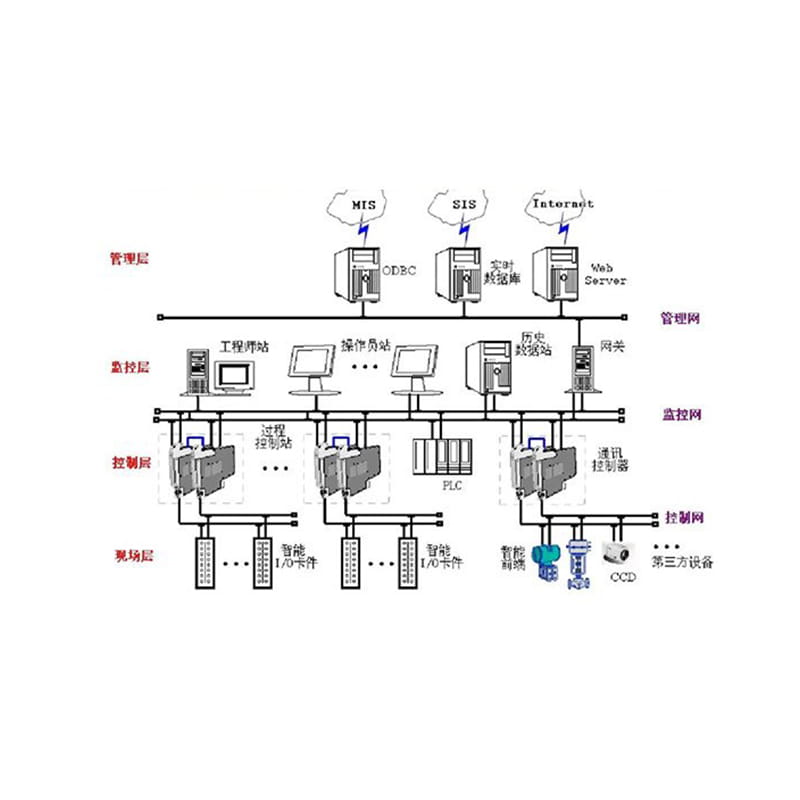
The SIS System is engineered to provide exceptional security and reliability in hazardous environme...
See Details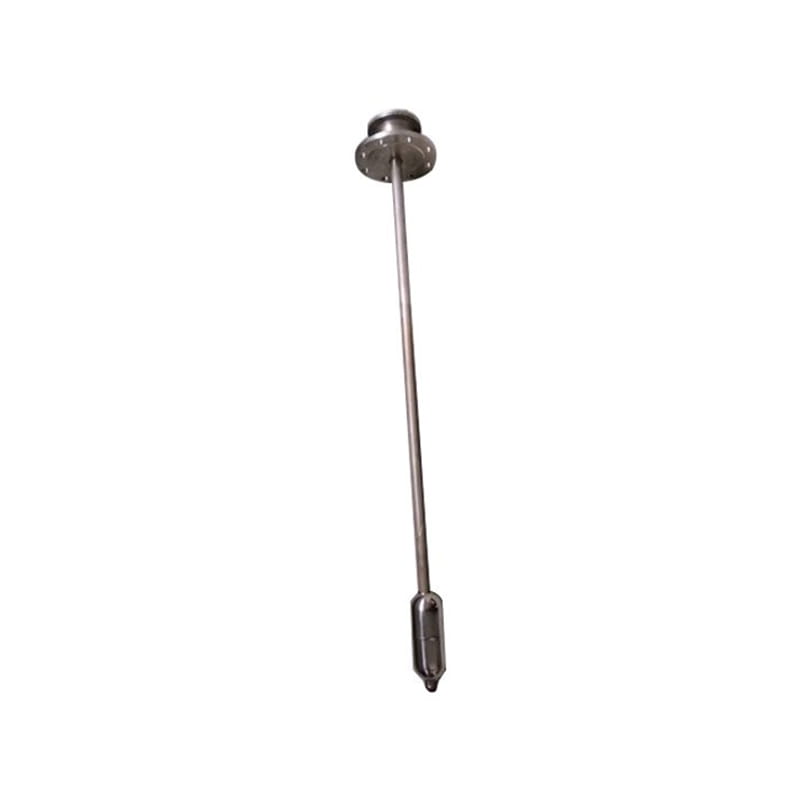
The Float level gauge UHB is engineered for high-precision measurement, providing accurate and relia...
See Details


