

 English
 русский
 Español
 عربى
عربى
YP series diaphragm pressure gauges
Cat:Pressure Gauge
◆ Model: YP100-L YP150-L YP100-F YP150-F ◆ Application: YP series instrument diaphragm and structura...
See DetailsContent
Walk through almost any plant and you will find the same small problem repeated a hundred times. A pressure gauge sits on top of a tank, inside a skid, or high on a boiler wall, in a place that somebody has to visit with a ladder and a clipboard just to write down a number. The reading is fine. Getting to it is the expensive part.
A wireless pressure gauge solves exactly that problem. It measures pressure the same way a conventional instrument does, but it sends the value over a radio link to a gateway, a controller or a dashboard, so nobody has to climb anything. Our team at Wuxi Huihua Special Instrumentation has been building pressure instruments since 2001, and we have watched wireless monitoring move from a novelty to a routine part of plant projects. This guide covers what these gauges really are, how they work, and how to choose one that will still be reliable three winters from now.
Strip away the marketing and a wireless pressure gauge is a complete measuring loop squeezed into a single housing: a pressure element, signal-conditioning electronics, a radio module and a battery. There is no cable gland, no trench, no conduit run and no analogue input card waiting at the other end. In many plants, the installation saving alone pays for the instrument within a single project.
Two design details separate the instruments that last from the ones that disappoint. The first is the pressure element itself. A battery-powered device should not be treated as a throwaway; behind the radio sits the same Bourdon tube, diaphragm capsule or piezoresistive sensor you would find in a wired instrument, and it deserves the same care over wetted materials and pressure range. The second is the local display. Even with radio communication, engineers still want to walk past and read the value with their own eyes during a shutdown or a fault-finding session.
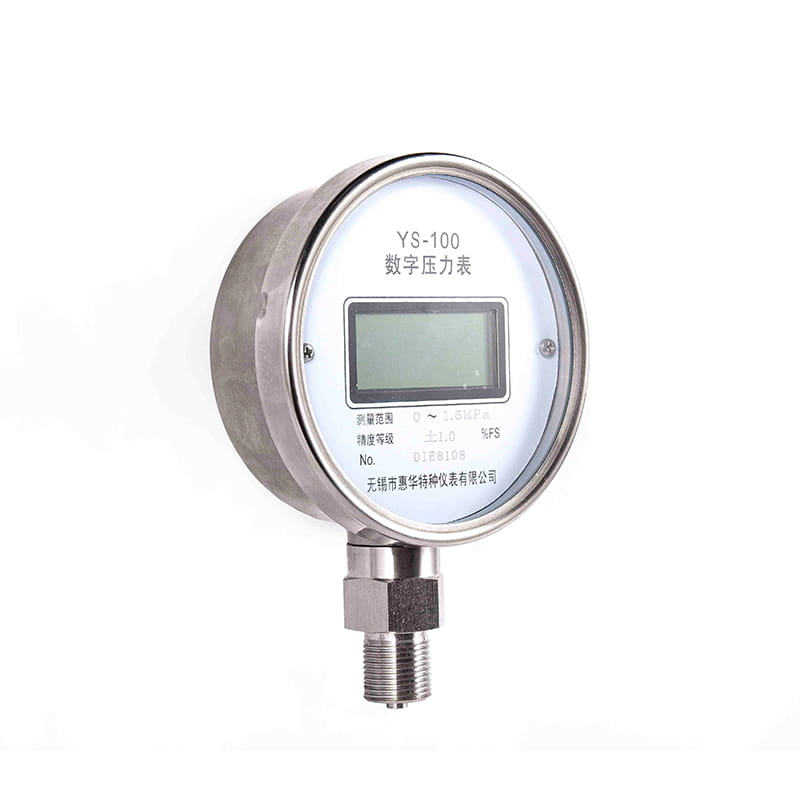 YS series digital pressure gauge◆ Model: YS100 YS150 ◆ Introduction: This digital pressure gauge has beautiful shape, stable performance and accurate measurement; it combines the world's leading micr...View Product →
That is one reason we build digital pressure gauges with a clear LCD alongside our mechanical families. The display is where field verification happens, and the radio is simply a second route for the same number to reach the control room.
Every wireless pressure monitoring system, whatever the name on the label, is made of four parts working in sequence: something that senses pressure, something that converts and processes the signal, something that transmits it, and something that receives and stores it.
Pressure moves the element, and the electronics turn that movement into a stable electrical signal. Here the wireless world borrows directly from the wired one. A 4-20 mA or HART transmitter with a proven sensor behind it will behave far better in the field than an exotic design with no history, because temperature drift, long-term stability and overpressure behaviour are already well understood.
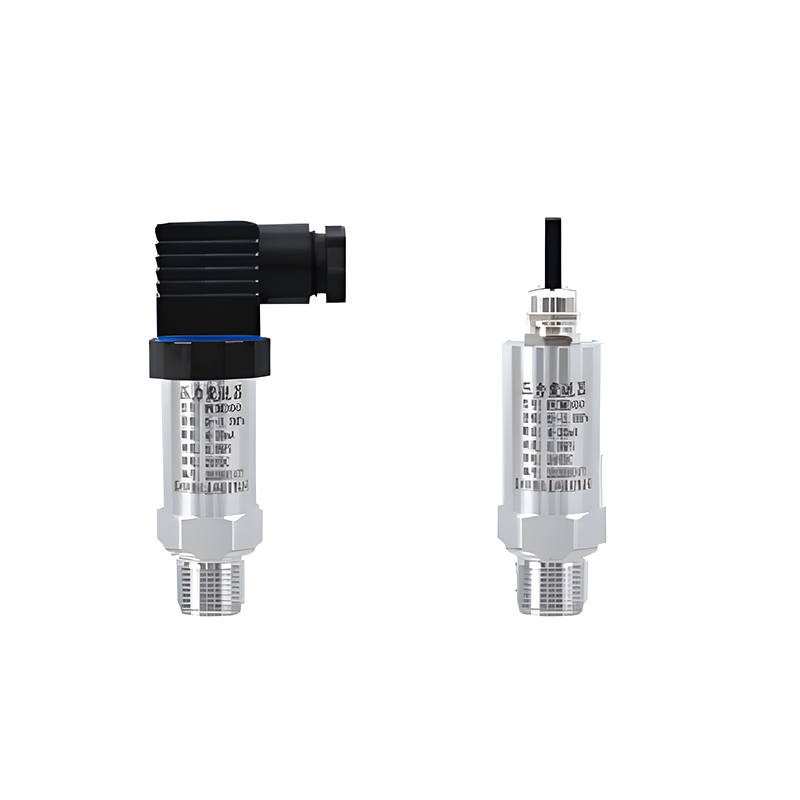 General-Purpose Pressure TransmitterThe universal pressure transmitter uses imported diffusion silicon pressure chips as the sensitive element. It is equipped with a high-precision digital processing cir...View Product →
In practice, most wireless nodes are built around a proven industrial transmitter core that is then sealed and fitted with a radio and a battery pack. That approach keeps the measurement honest and the spare parts list short.
The radio choice determines range, battery life and how easily the data reaches your systems. Short-range Bluetooth is useful for configuration and for reading a gauge from a few metres away. Longer-range options such as LoRaWAN and WirelessHART carry values right across a plant to a gateway, and cellular versions cover sites with no local network at all. What matters is not the protocol name but whether the signal path is realistic. Steel, concrete and dense pipework all take their toll, and a gateway placed at the wrong end of a workshop will not be rescued by a bigger antenna. Our own wireless LoRaWAN process monitoring sensors were developed with that constraint in mind, which is why we always start a wireless project with a coverage walk rather than a product list.
Batteries are where wireless installations quietly succeed or fail. A gauge that reports every second will empty a cell in weeks; the same gauge reporting every fifteen minutes and sleeping in between can run for years. Before ordering, decide how fresh the data really needs to be. A slow trend on a storage tank and a fast interlock on a compressor are very different requirements, and only one of them suits a battery-powered device.
The fastest way to choose badly is to start with the radio. Start with the process instead, work outwards to the electronics, and only then decide on communication. The table below lists the questions we ask customers before quoting, in roughly the order they matter.
| What to check | Why it matters | Typical answer |
|---|---|---|
| Measured medium and wetted material | Aggressive fluids destroy the wrong element within months | 316L stainless steel, PTFE-lined or Monel diaphragm |
| Pressure range and overpressure | Running near the top of a range shortens service life | Working pressure in the middle third of the span |
| Ambient and process temperature | Heat shortens battery and electronics life | Remote mounting or a capillary where needed |
| Accuracy and calibration | Decides whether the data is usable for control or only for indication | 1.6 percent for indication, 0.4 percent or better for test duty |
| Hazardous area classification | Affects housing, certification route and cost | Exd or Exi certified models for Zone 1 and Zone 2 |
| Communication and data destination | Sets the gateway, protocol and realistic battery life | LoRaWAN, WirelessHART or cellular, according to site policy |
| Environmental protection | Washdown, rain and dust ruin poorly sealed housings | IP65 minimum, IP68 for outdoor and washdown duty |
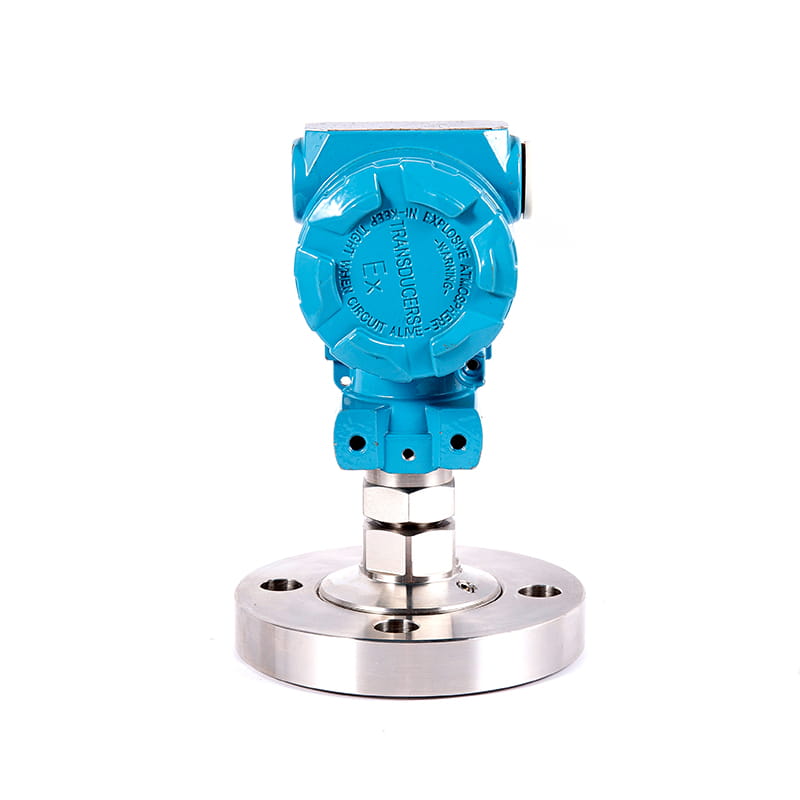 YSZC-7 series intelligent pressure transmitter◆ Application: This instrument is suitable for precise measurement of liquid, gas or vapor level, density and pressure.View Product →
An intelligent transmitter core with HART communication gives you a sensible middle path: proven analogue performance where you need it, digital diagnostics where they help, and a radio module that can be added without redesigning the instrument underneath.
Wireless is a communication choice, not a measurement type, so the usual pressure families still apply:
The wireless part comes afterwards, which is why we keep the same element and connection options across the wired and wireless versions of a range.
Some applications are obvious from the start. Others only become obvious once you have paid for a cable run.
For those outdoor and washdown duties, our range of IP68-rated outdoor instrumentation is built to take rain, hose-downs and dust without complaint.
Not everything about wireless monitoring is obvious from a datasheet. A few habits keep projects out of trouble:
Wireless pressure gauges are not complicated instruments, but they sit at the meeting point of two disciplines: pressure measurement and radio communication. Get the measurement right first, choose the radio for the site you actually have, and be honest about how often you really need the data. Do those three things and a wireless gauge becomes one of the least troublesome instruments in the plant.
If you are working through a project and would like a second opinion on the pressure side of it, our engineers are glad to talk through the medium, the range and the environment with you. That conversation is usually far shorter than the cable run you are trying to avoid.
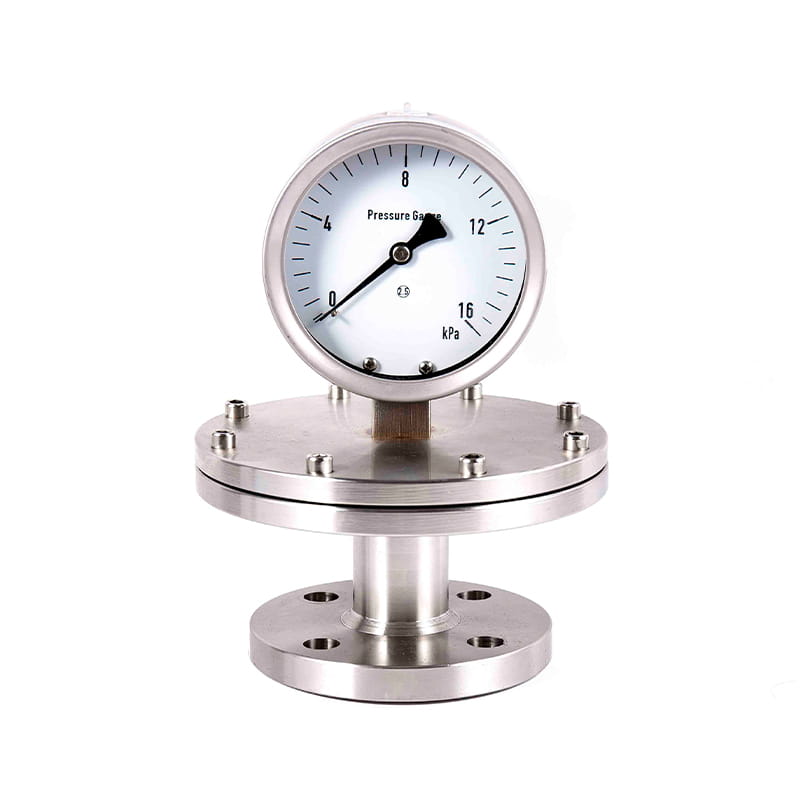
◆ Model: YP100-L YP150-L YP100-F YP150-F ◆ Application: YP series instrument diaphragm and structura...
See Details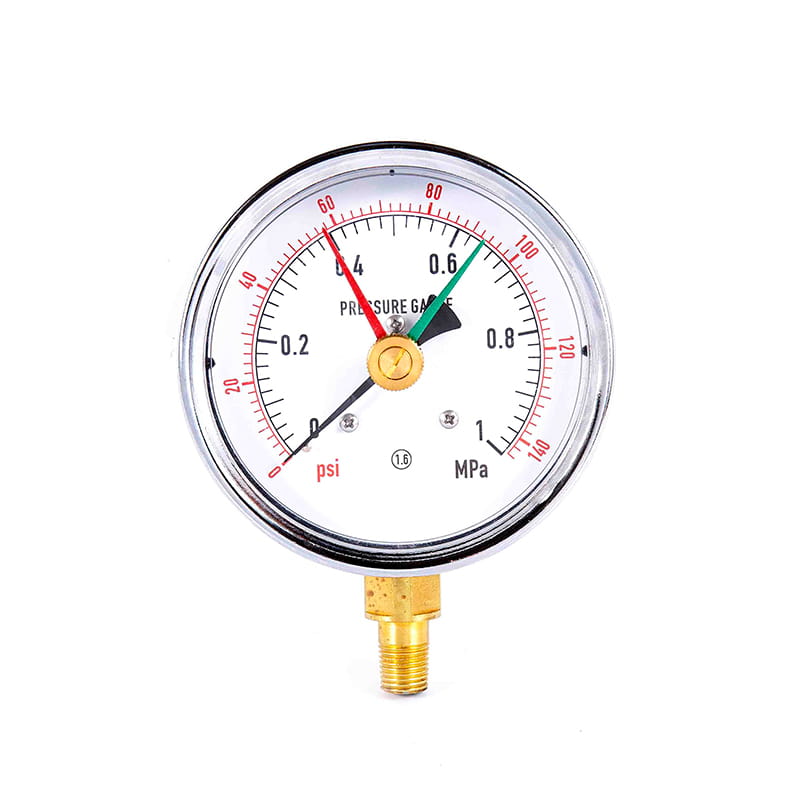
◆ Model: YD40 YD50 YD60 YD75 YD100 YD150 ◆ The main body of the instrument is a general pressure gau...
See Details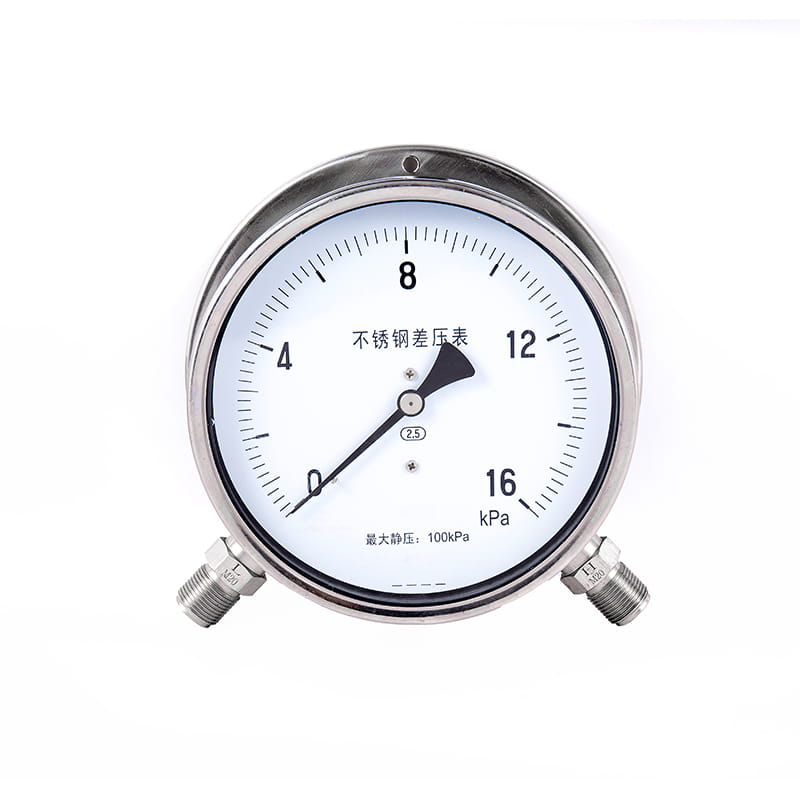
◆ Model: CYB100 CYB150 ◆ Application: Stainless steel differential pressure gauges is suitable for m...
See Details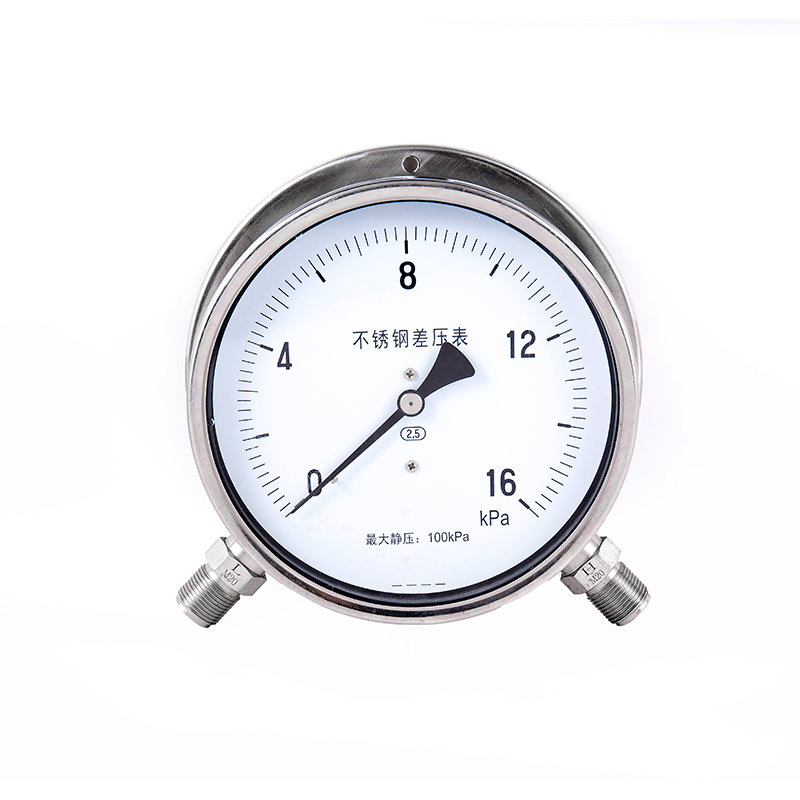
◆ Model: CYBN100 CYBN150 ◆ Application: Earthquake-resistant (seismic) stainless steel differential ...
See Details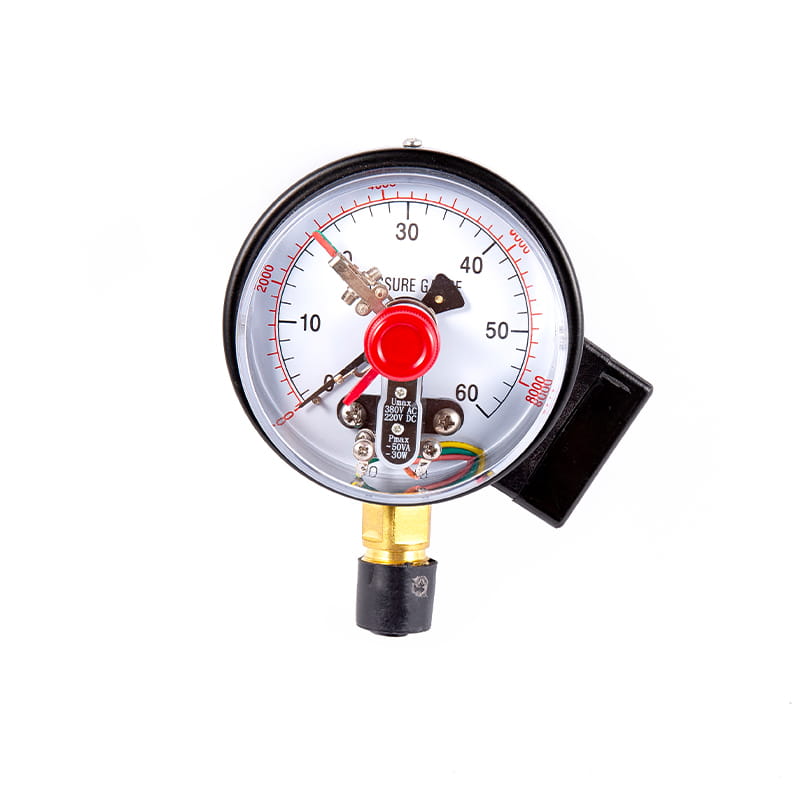
◆ Model: YXC60 YX100 YXC-150 ◆ Application: Magnetic-assisted electric contact pressure gauges is su...
See Details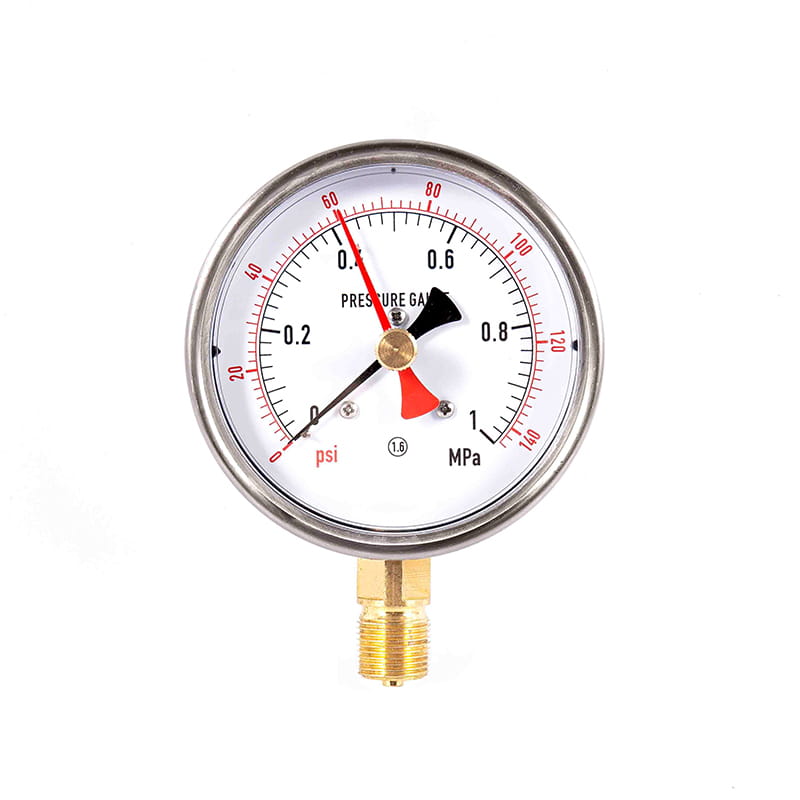
◆ Model: YZS102 ◆ Application: Double-needle double-tube pressure gauges is mainly used in rolling ...
See Details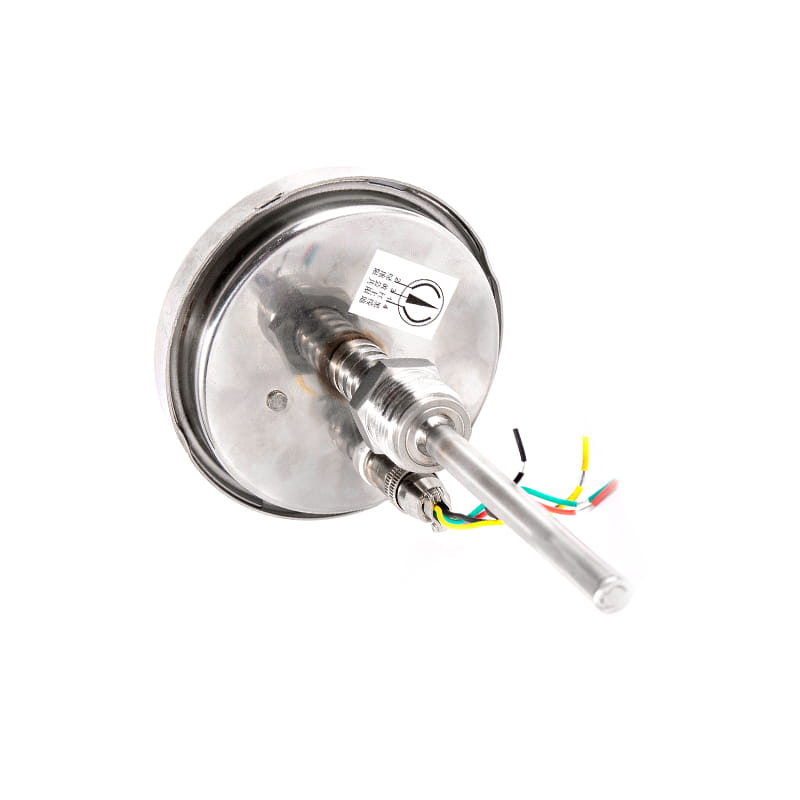
◆ Model: WSSXCh-4, WSSXCh-5 ◆ Application: This series of thermometers has the characteristics of no...
See Details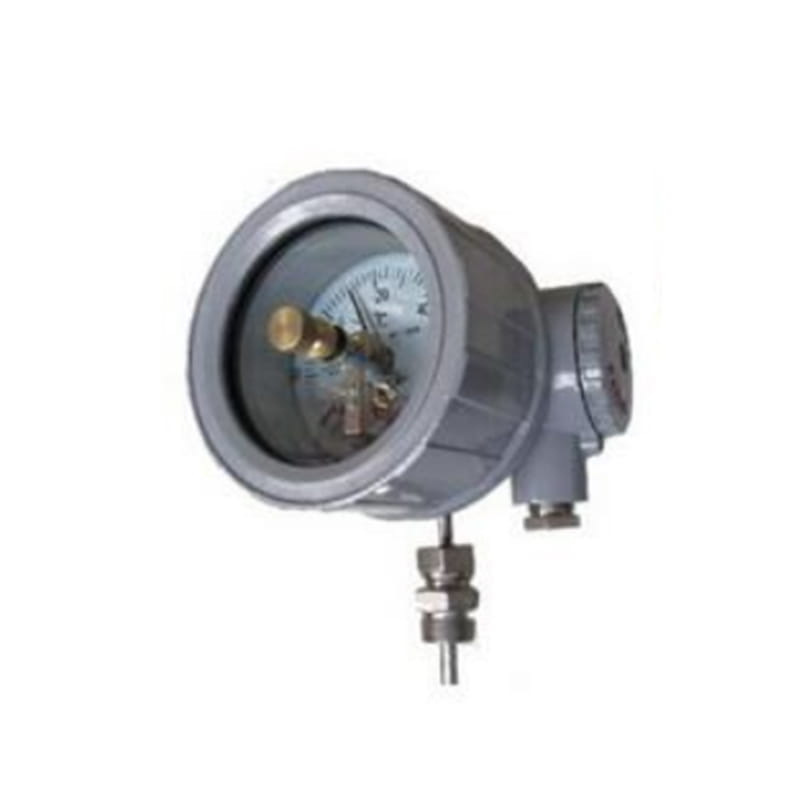
◆ Model: WSSX411B WSSX511B ◆ Introduction: This instrument is in accordance with the national standa...
See Details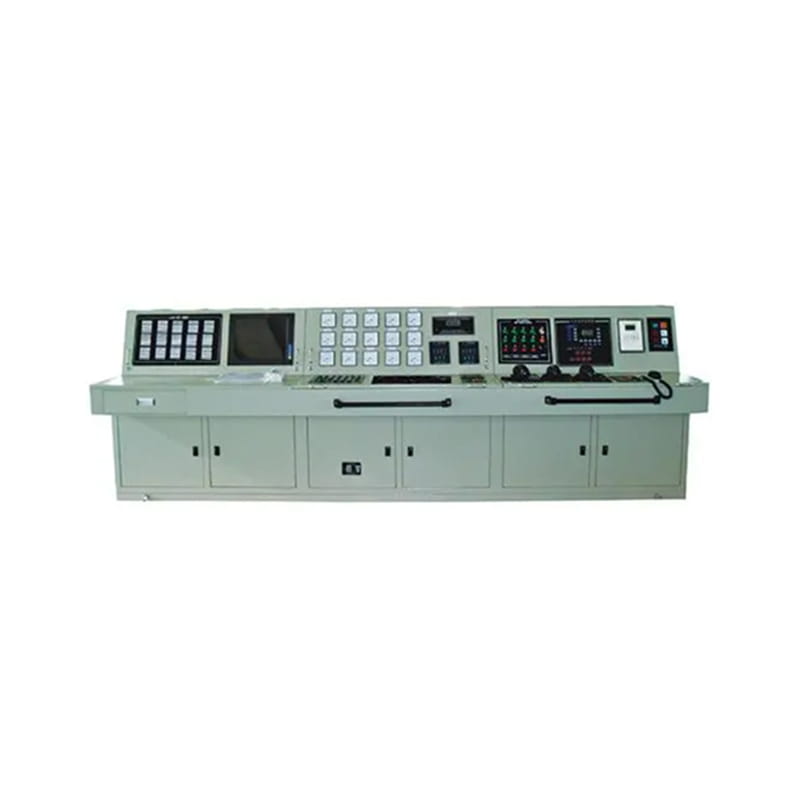
The Engine room monitoring alarm system is crucial for ensuring the safety and efficiency of operati...
See Details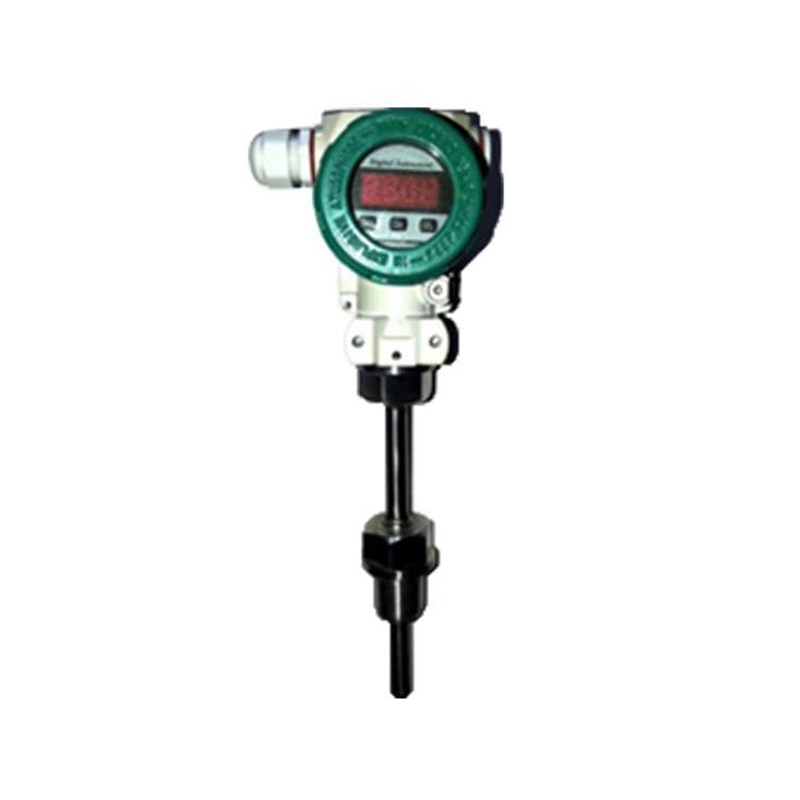
The Temperature sensor WZPK is renowned for its long service life and exceptional stability, making ...
See Details


