

 English
 русский
 Español
 عربى
عربى
YE series micro pressure gauges/membrane box pressure gauge
Cat:Pressure Gauge
◆ Model:YE60 YE100 YE150 ◆ Use: Membrane box pressure gauge is also called micro pressure gauge....
See DetailsContent
If you have ever balanced on a ladder in a pump room, holding a torch in one hand and a clipboard in the other, you already understand why the Bluetooth pressure gauge has become such a welcome arrival on the plant floor. This small piece of hardware takes everything we know about a dependable digital pressure gauge and adds a short-range wireless link, so the reading lands on your phone or tablet instead of staying trapped behind a glass window in an awkward corner. In this guide we will walk through what these instruments actually do, where they fit best, and how to pick one that will still be earning its keep five years from now.
Strip away the marketing language and a Bluetooth pressure gauge is a digital pressure instrument with a low-energy radio module built into the case. The sensing element, the signal conditioning electronics and the display are all essentially the same as a conventional battery-powered digital gauge. What changes is that the measured value can now be pushed out to a paired device within roughly ten metres in open air, and often considerably less when there is a steel panel or a pipe rack in the way.
That short range is not a limitation so much as a design decision. Bluetooth Low Energy is inexpensive, extremely power efficient, and every industrial tablet and smartphone already speaks it. The result is a gauge that can run for months or years on a set of batteries while still delivering live data, trend logging and configuration changes without a single cable.
These two are frequently confused, so it is worth separating them clearly. A Bluetooth gauge is a self-contained instrument with its own display and battery, meant for local reading and periodic logging. A Bluetooth transmitter generally converts a 4-20 mA or HART signal into a wireless data stream, and it may not have a display at all because it lives inside a cabinet or on top of a skid. If your goal is walking a route and collecting readings, you want the gauge. If your goal is feeding a control room, you want the transmitter or a fixed wireless node.
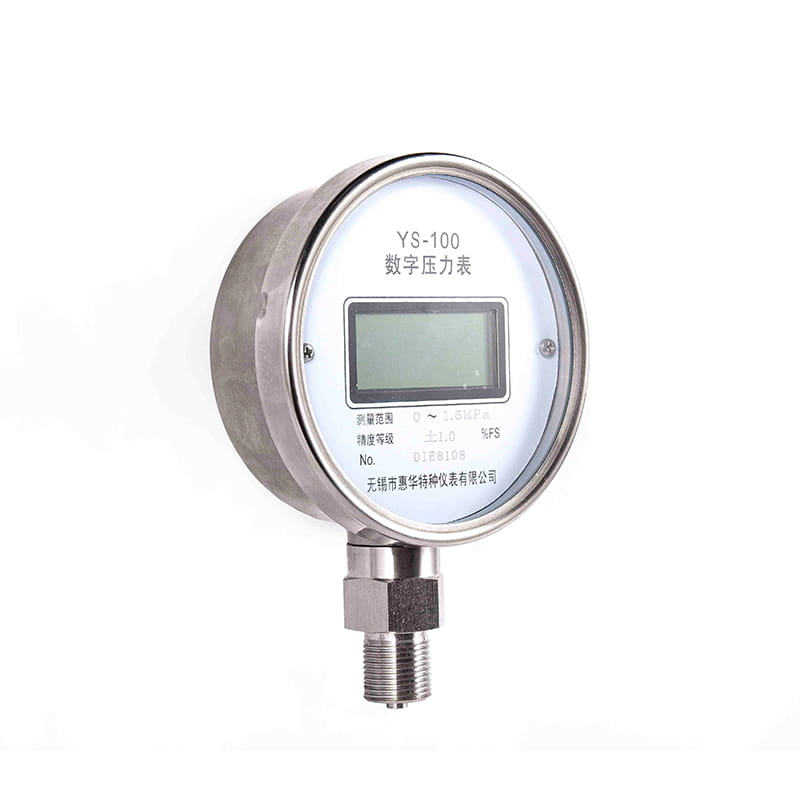 YS series digital pressure gauge◆ Model: YS100 YS150 ◆ Introduction: This digital pressure gauge has beautiful shape, stable performance and accurate measurement; it combines the world's leading micr...View Product →
The case for wireless readings is rarely about novelty. It is about the handful of tasks that are genuinely awkward, slow or risky when they are done the traditional way. Consider a booster skid tucked against a wall, a filter housing at head height, or a hygienic vessel that must not be opened during production. In each case the instrument is fine; it is the act of getting to the dial that costs time and introduces risk.
There is also the question of record keeping. Handwritten readings get transcribed twice, rounded off, and occasionally lost altogether. A gauge that logs to an app and exports a timestamped file removes most of that friction, and it makes trend analysis possible without installing a full supervisory system. If you are already exploring plant-wide digitalisation, the same logic that drives adoption of wireless industrial sensors applies here at a much smaller scale.
Before committing to a specification, it helps to see where this class of instrument sits relative to the options most plants already have on the shelf. The table below is the comparison we usually walk customers through during a first enquiry.
| Comparison point | Bluetooth pressure gauge | Mechanical pressure gauge | Fixed wireless transmitter |
|---|---|---|---|
| Reading method | Local display plus paired device | Dial and pointer only | Remote dashboard or control room |
| Data logging | Built into the app | Manual entry | Continuous, centralised |
| Typical power source | Battery, months to years | None required | Loop power or long-life battery |
| Best suited to | Rounds, commissioning, spot checks | Simple local indication | Permanent remote monitoring |
| Relative installed cost | Moderate | Low | Higher, with infrastructure |
Once you have decided a wireless gauge belongs in your toolkit, the selection process is mostly about matching the instrument to the process rather than to the radio. Four questions cover the majority of failures we see in the field.
Pick a range where normal operating pressure sits between one third and three quarters of full scale. That keeps the sensor in its most accurate band and leaves headroom for surges. Accuracy class matters too: a general-purpose gauge at 1.6 percent of span is fine for routine indication, while a 0.25 or 0.1 percent instrument is what you want when the reading is feeding a calibration record. Check that the app supports the units your team actually uses, including bar, psi, kPa and MPa.
Wetted parts determine service life. Stainless steel 316L covers water, air, most oils and many mild chemicals. For aggressive media you need a diaphragm seal, a PTFE-lined contact surface or a Monel construction, and for oxygen service the instrument must be cleaned and degreased before it goes anywhere near the line. Ingress protection matters just as much: an IP65 case is adequate indoors, but washdown areas, outdoor skids and marine duty call for IP67 or IP68.
Batteries dislike heat, and electronics dislike vibration. High-temperature lines need a siphon or capillary to keep the case within its rated ambient window. Pulsating pressure from pumps and compressors should be damped, either electronically or with a snubber. In explosive atmospheres, a standard Bluetooth gauge is not acceptable unless the enclosure is certified for the zone; intrinsic safety and flameproof variants exist, and they should be specified from the outset rather than retrofitted.
Ask the supplier how the stated battery life was measured. Continuous streaming drains a cell far faster than a reading every few seconds. If you plan to log a long calibration run, make sure the gauge can be powered from a USB supply while it works.
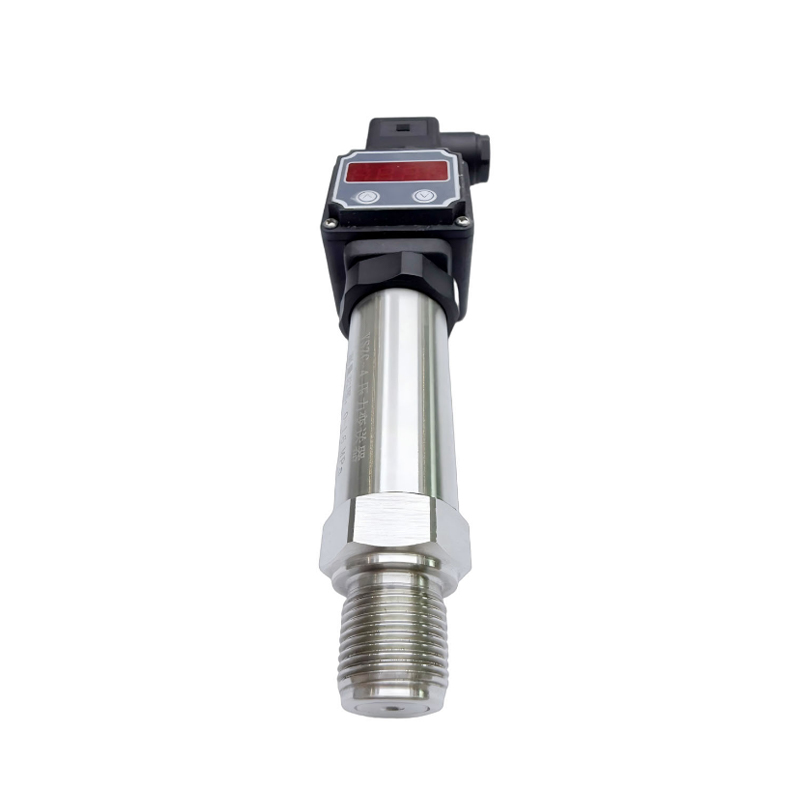 Digital pressure transmitterIt adopts LED or LCD digital tubes to display the real-time pressure value clearly and intuitively at the measurement site. The reading is more accurate than that of t...View Product →
In practice the instruments turn up in a fairly predictable set of places, and in each one the benefit is slightly different.
When a measurement point needs to remain visible to the operator at all times, a hybrid approach often works best: install a fixed local indicator such as a digital pressure gauge with LCD display for everyday viewing, and keep the Bluetooth instrument for commissioning, verification and periodic logging.
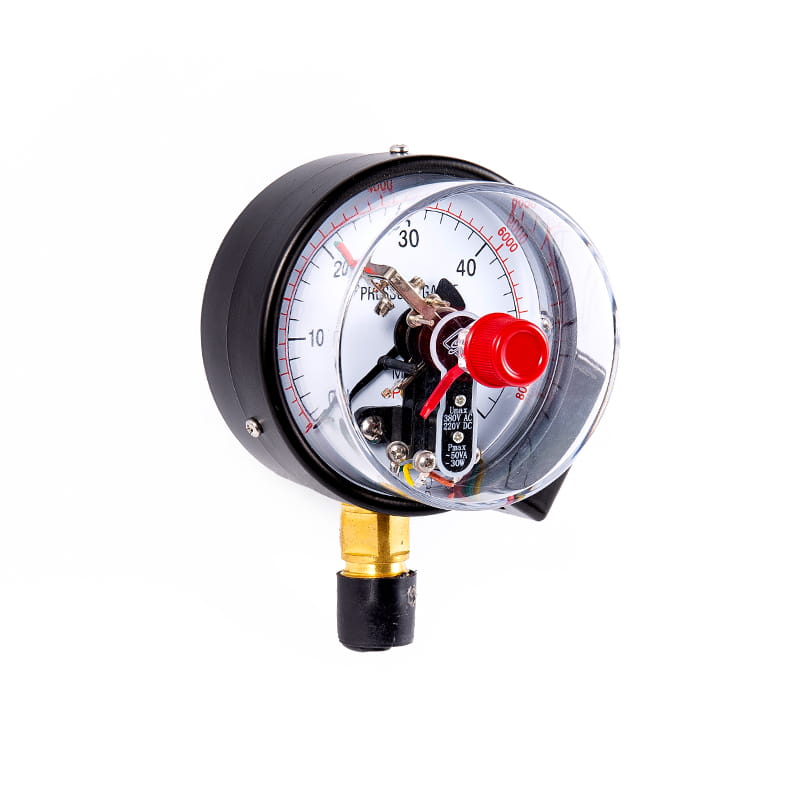 YXC series magnetic-assisted electric contact pressure gauges◆ Model: YXC60 YX100 YXC-150View Product →
The good news is that these instruments are not difficult to live with. A little discipline during installation and a short maintenance routine will keep them accurate for years.
One habit is worth building early: keep the app's log files in the same archive as your calibration certificates. A timestamped measurement history is only useful if someone can find it when an audit or an investigation arrives months later.
Not usually, because it depends on a person or a nearby gateway to collect the data. It is a portable measurement and logging tool, not a continuous process signal. Where the process requires round-the-clock monitoring, a wired or fixed wireless transmitter remains the right answer.
In open air, expect around ten metres. Through a steel enclosure wall, a metre or two. If the gauge lives inside a cabinet, either pair with the door open or use a remote antenna arrangement.
Bluetooth Low Energy pairing uses encrypted links, and most industrial apps apply their own access control. Follow your site's device policy, and avoid pairing production instruments with personal phones.
A Bluetooth pressure gauge will not transform a plant on its own, and it is not meant to. What it does is remove a small, recurring irritation from the working day: the awkward reading, the pencil note, the figure that has to be typed up later. Multiply that saving across a few hundred instruments and a few hundred rounds a year, and the case makes itself. Choose the range and materials carefully, keep the app records tidy, and the instrument will quietly do its job for a long time to come.
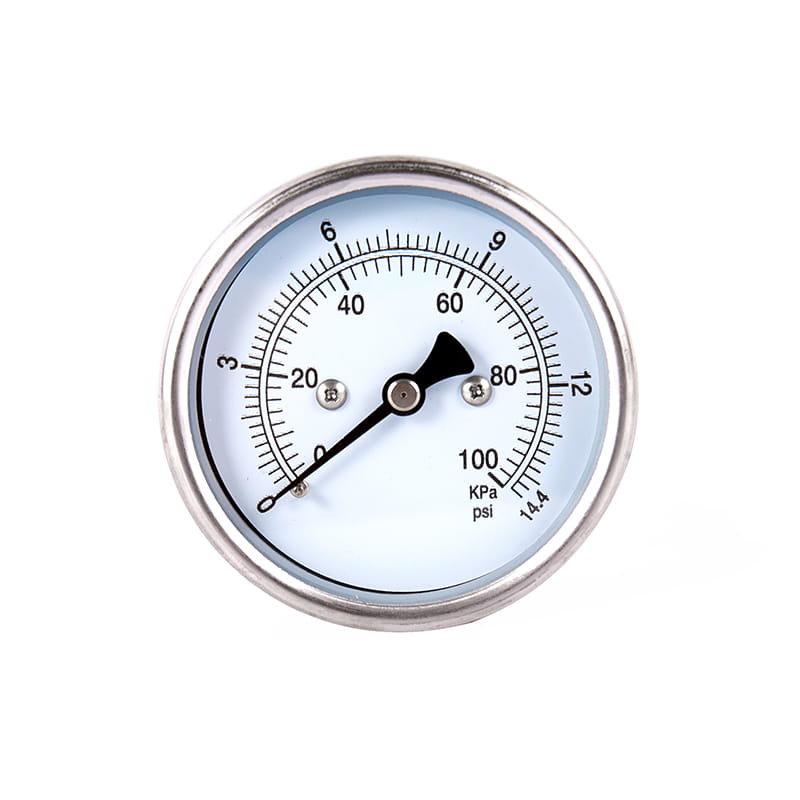
◆ Model:YE60 YE100 YE150 ◆ Use: Membrane box pressure gauge is also called micro pressure gauge....
See Details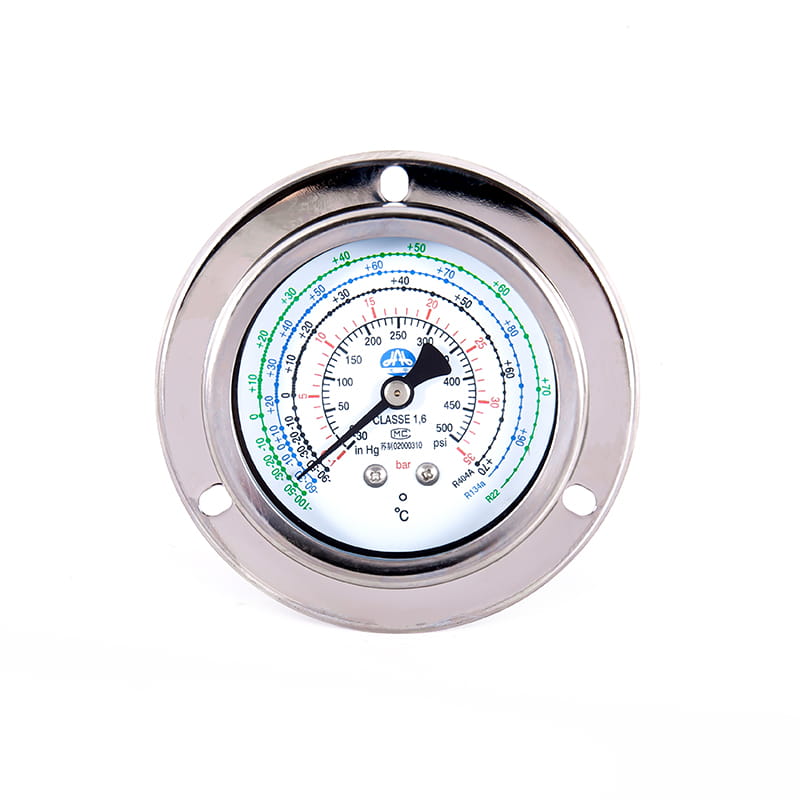
◆ Model: YLm60 YLm100 YLm150◆ Application: This series of instruments are special instruments for de...
See Details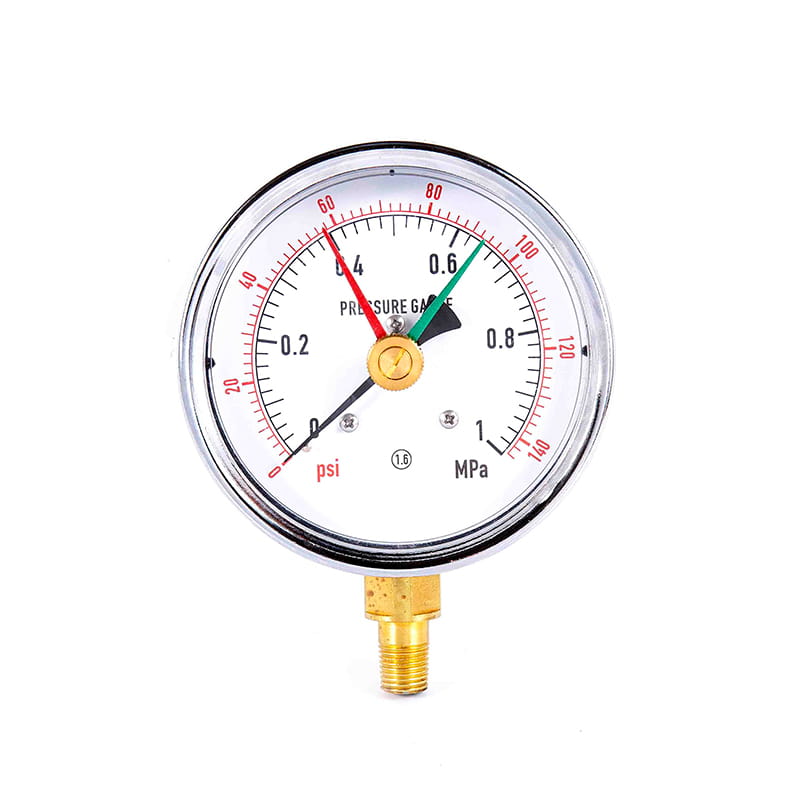
◆ Model: YD40 YD50 YD60 YD75 YD100 YD150 ◆ The main body of the instrument is a general pressure gau...
See Details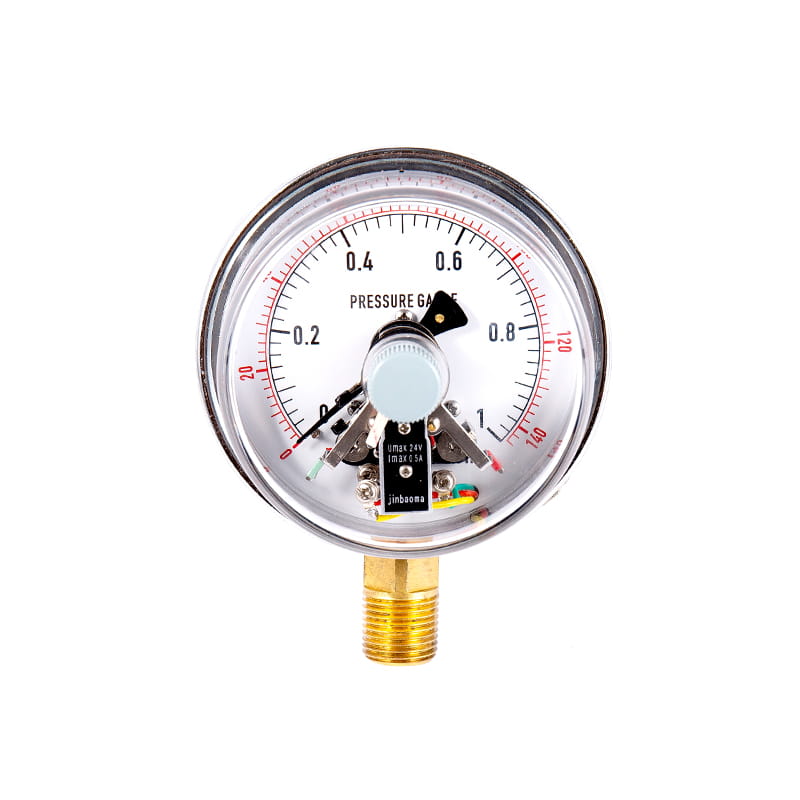
◆ Model: YXCm100 YXCm150 ◆ Uses: This kind of instrument is an ideal alternative to the magnetic-ass...
See Details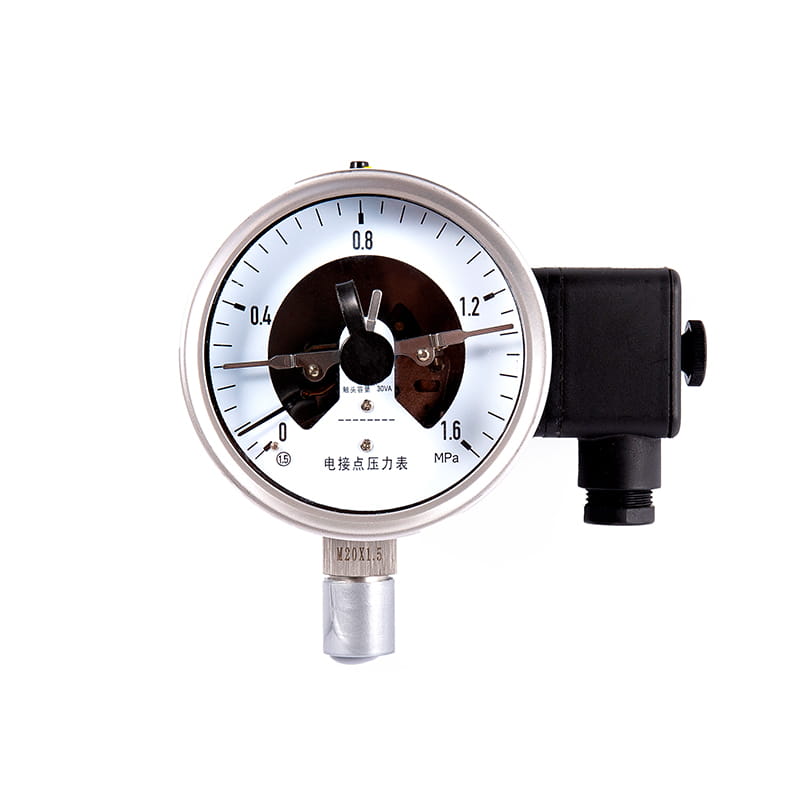
◆ Model: YXD100 YXD150 ◆ Uses: Photoelectric electric contact pressure gauge is a substitute for the...
See Details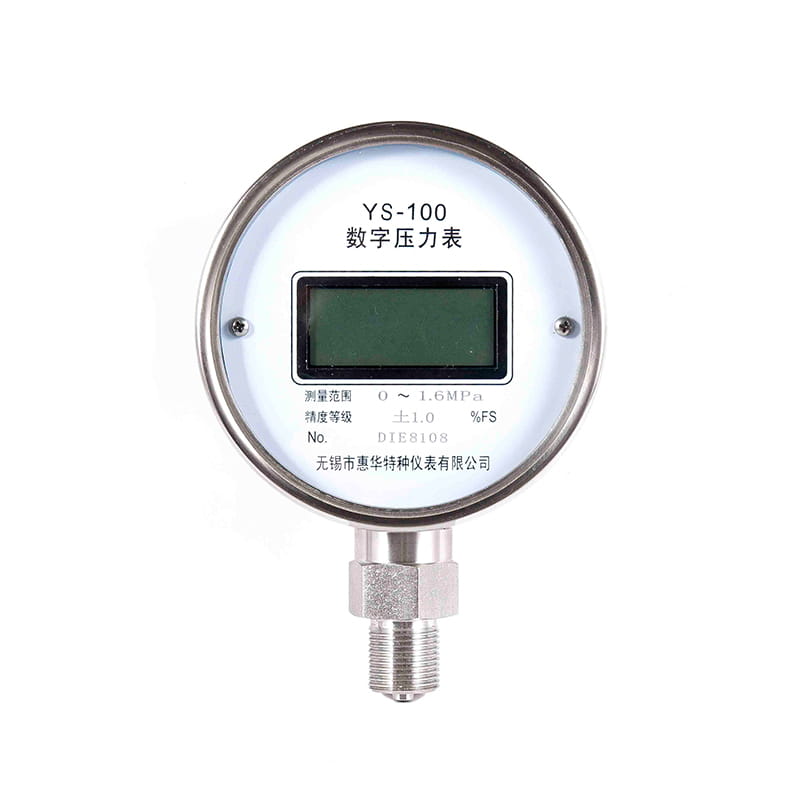
◆ Model: YS100 YS150◆ Introduction: This digital pressure gauge has beautiful shape, stable performa...
See Details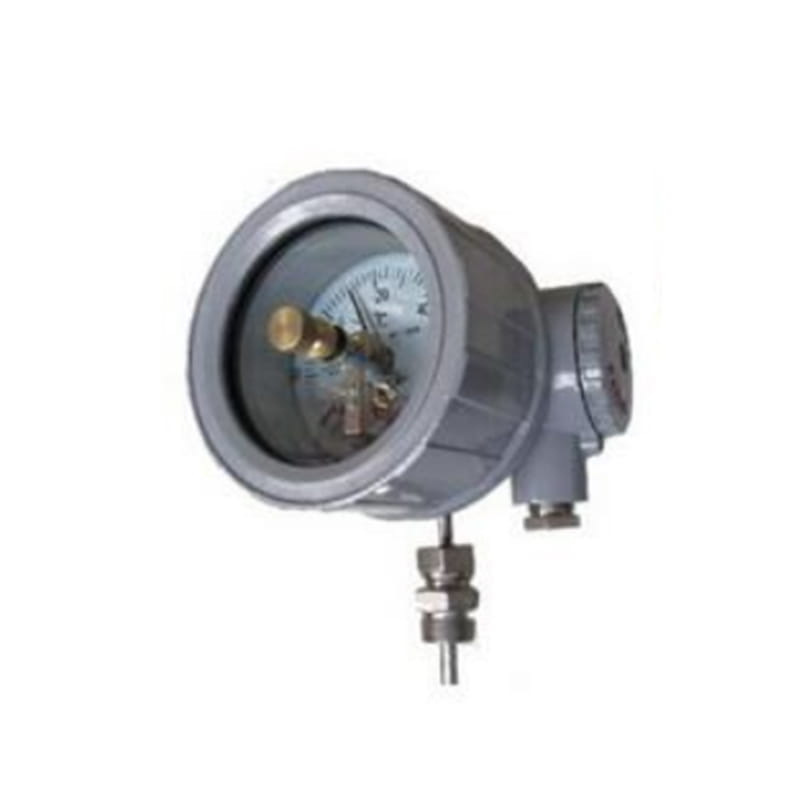
◆ Model: WSSX411B WSSX511B ◆ Introduction: This instrument is in accordance with the national standa...
See Details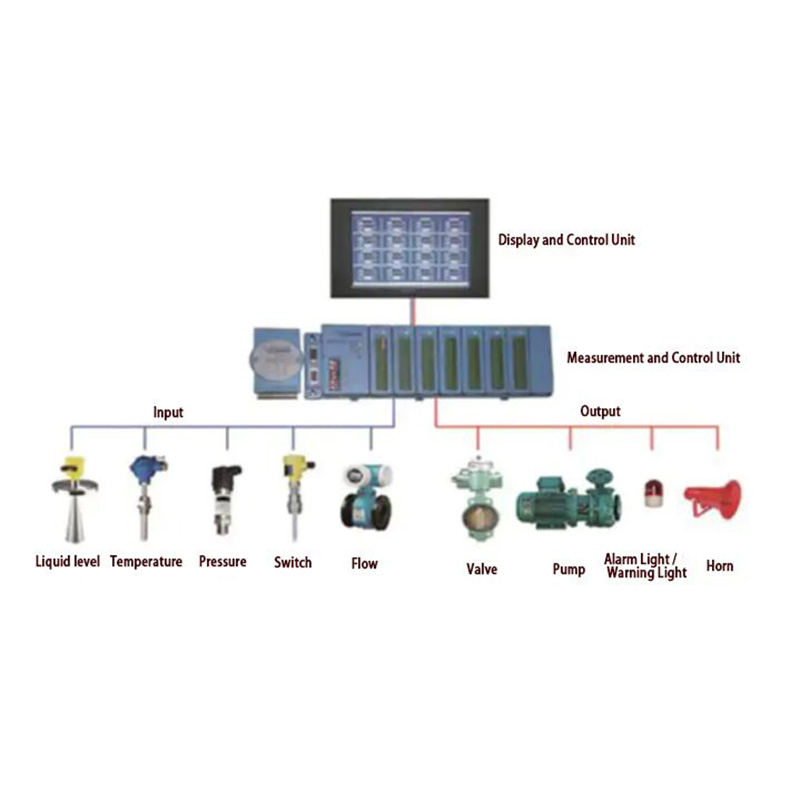
The Liquid cargo monitoring alarm system prioritizes effective agreements, strong security, and stab...
See Details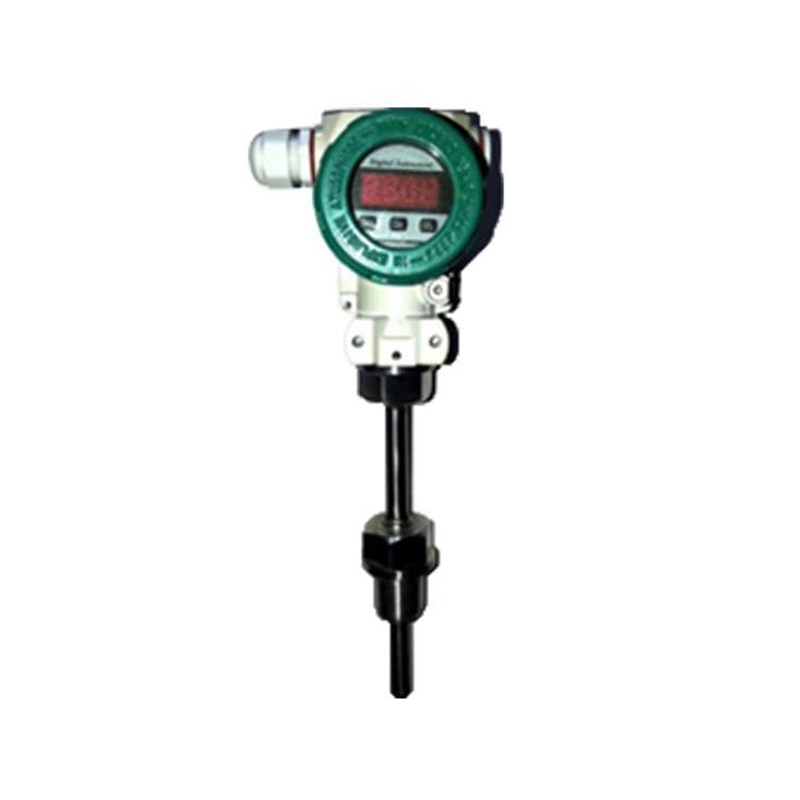
The Temperature sensor WZPK is renowned for its long service life and exceptional stability, making ...
See Details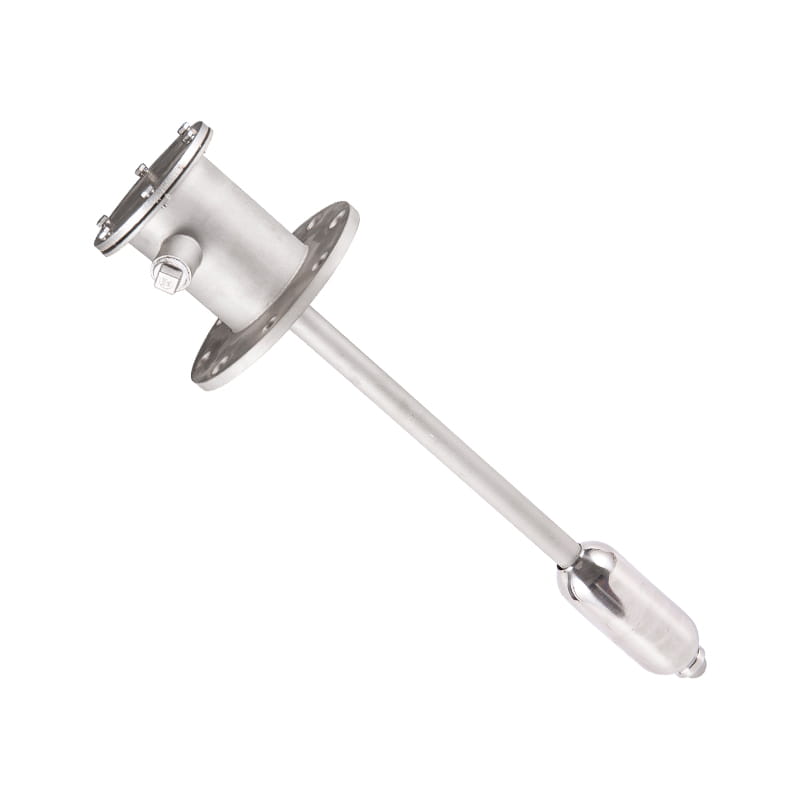
The Float level controller UHK features a simple structure that ensures easy installation and mainte...
See Details


