

 English
 русский
 Español
 عربى

YE series micro pressure gauges/membrane box pressure gauge
Cat:Pressure Gauge
◆ Model:YE60 YE100 YE150 ◆ Use: Membrane box pressure gauge is also called micro pressure gauge....
See DetailsContent
Sooner or later, every plant engineer runs into the same problem: the pressure reading matters, but the cable route does not exist. Maybe the gauge sits on a rotating header, a remote tank farm, or a skid that gets moved twice a year. Maybe the trenching quote came back larger than the instrument budget. That is usually the moment someone asks whether the gauge can simply go wireless.
We have been building pressure instruments since 2001, and we have watched wireless pressure measurement move from a novelty to a genuinely useful tool. It is not magic, and it does not replace a properly wired transmitter in every case. But in the right spots, it saves real money and real headaches. Here is an honest look at what these devices do, where they fit, and what to check before you buy.
A wireless pressure gauge is still a pressure instrument first. Inside the case you will find the same familiar parts: a Bourdon tube, a diaphragm capsule, or a piezoresistive sensor that deflects as pressure changes. What makes it wireless is everything wrapped around that sensing element — a signal conditioner that converts deflection into a digital value, a low-power radio module, a battery pack, and firmware that decides when to wake up, take a reading and transmit it.
Most units also keep a local display, and that detail matters more than people expect. A technician standing at the gauge can still read pressure without opening a laptop or waiting for a dashboard to refresh. The radio is a convenience layered on top of a working gauge, not a replacement for one.
This is also why the quality of the pressure side still decides everything. A superb radio bolted to a mediocre sensing element will deliver bad data very reliably. When we build a wireless assembly, the pressure element is chosen exactly as it would be for a wired unit — by media, range, temperature and required accuracy — and the radio is selected afterwards.
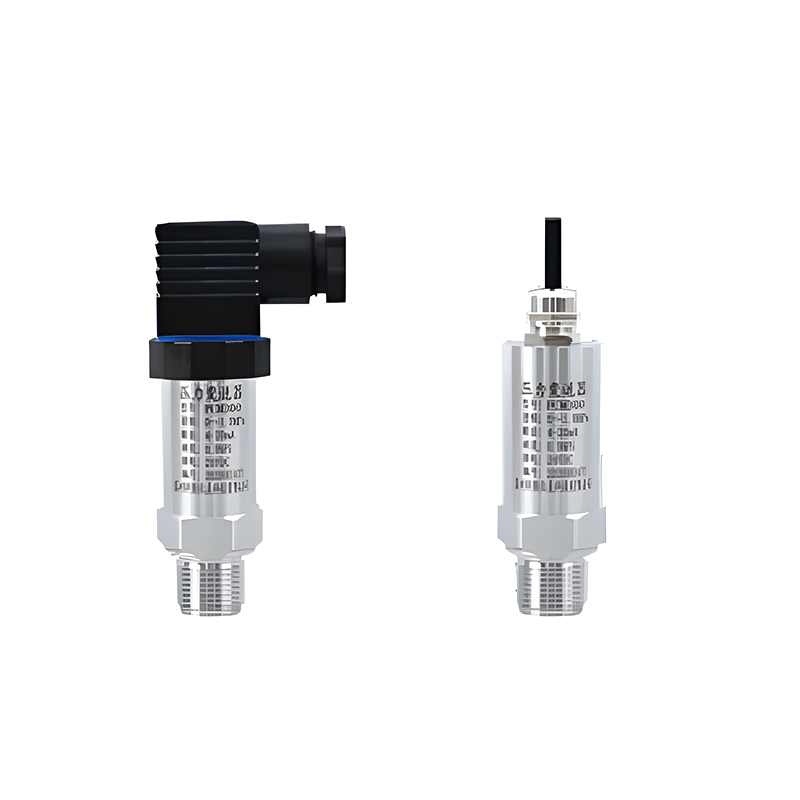 General-Purpose Pressure Transmitter for Wired MeasurementA wired universal pressure transmitter with diffusion-silicon sensing, wide range and current/voltage outputs; choose it when measurement performance and reliable installation matter.View Product →
Wireless wins on installation, not on performance. A wired transmitter will almost always give you faster updates, tighter accuracy and no battery to think about. A wireless device wins when the cost of getting a cable to the measurement point — in labour, conduit, tray, trenching, permits or downtime — is larger than the value of that extra performance.
| Aspect | Wired instrument | Wireless gauge |
|---|---|---|
| Installation effort | High: cable, tray, glands, terminations | Low: mount, seal, pair, done |
| Update rate | Continuous or millisecond-level | Seconds to minutes, set by policy |
| Power | Loop or mains powered | Battery, typically one to five years |
| Accuracy potential | Highest available options | Good, limited by sampling, not by sensing |
| Data security | Physically contained | Depends on network encryption |
| Weak point | Cable damage and routing cost | Battery life and radio coverage |
The radio choice usually follows whatever gateway the site already trusts. The main families we see in the field are:
If you are planning a LoRaWAN rollout, our wireless LoRaWAN process monitoring sensors page covers the practical side of gateway placement and payload design.
Battery life is arithmetic, not a promise. Take the radio's transmit current, multiply by transmission duration, add the sensor warm-up and the sleep current, then divide the battery capacity by the daily total. A gauge that reports every ten seconds and one that reports every fifteen minutes can differ by a factor of fifty in battery life while measuring exactly the same pressure. Decide how fresh the data really needs to be before you fall in love with a specification sheet.
After two decades of field work, we see wireless pressure measurement paying off most clearly in a handful of situations:
Differential pressure is a particularly good fit, because filter condition changes slowly and a reading every few minutes is more than enough. A compact differential transmitter paired with a battery-powered radio node handles that job neatly.
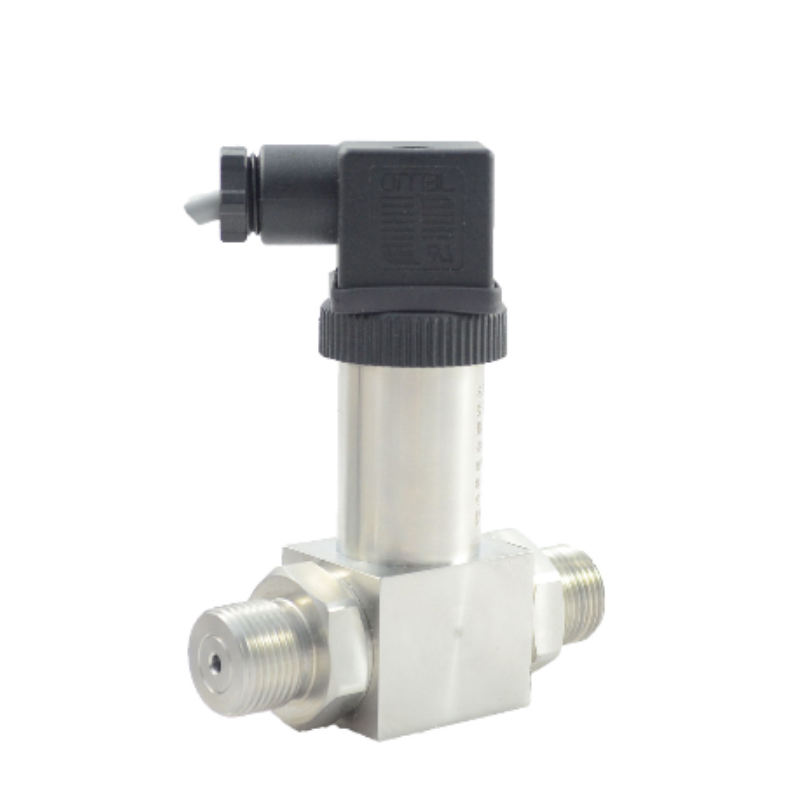 YSZC-7 Compact Differential Pressure TransmitterA compact stainless-steel differential pressure transmitter with selectable threaded ports and multiple signal outputs, useful for slow-changing measurements such as filter monitoring.View Product →
Wireless instruments have constraints that wired ones simply do not, and being clear about them up front saves disappointment later.
Most wireless problems are installation problems wearing a technical disguise. A few habits keep projects boring, which is what you want.
For step four, a good digital gauge is the simplest reference you can carry up a ladder. It gives a clear number, holds a peak value, and does not need a network to tell you the truth.
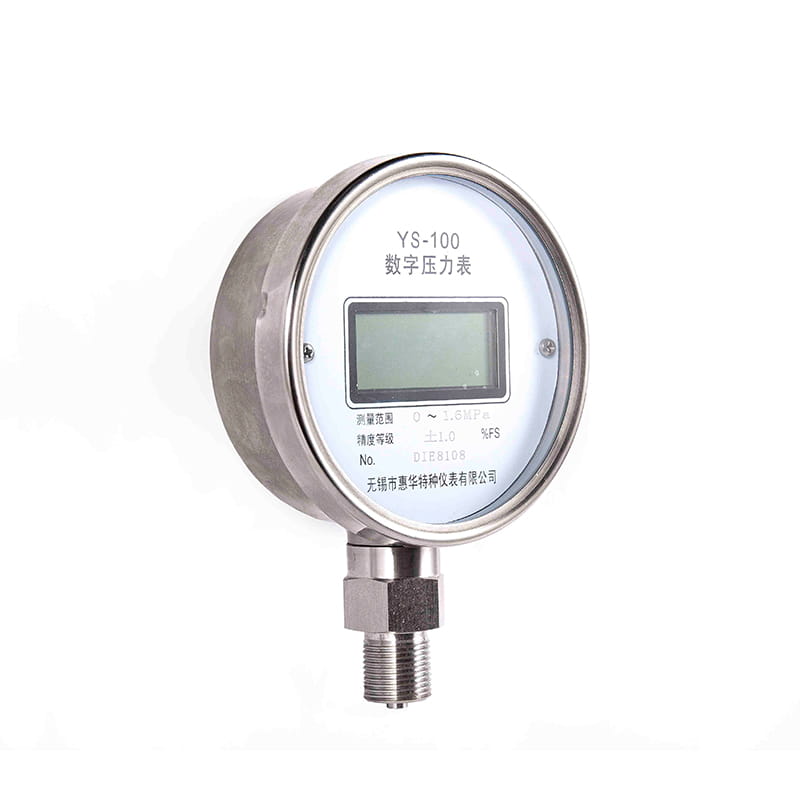 YS Series Digital Pressure GaugeA stainless-steel digital pressure gauge with peak memory and clear LCD display, useful as a portable reference for pressure checks and calibration.View Product →
Wireless or not, the wetted parts still have to survive the process. Clean water and dry air are easy. Brine, caustic soda, food product and sour gas are not. In those cases the answer is usually a diaphragm seal or a fully stainless steel wetted body, with the radio module sitting safely outside the process connection. Do not let the excitement of a battery-powered gauge distract from the material selection that determines whether it survives the first year.
It is also worth checking whether the site needs certification for explosive atmospheres or marine use. Those requirements do not change because the signal travels through the air instead of a copper core.
The sensing element can be identical, so single-reading accuracy is often the same. What changes is how much of the process you actually see. Sampling interval, not sensor quality, is usually the real limit.
Between one and five years is typical, but it is entirely a function of reporting frequency, ambient temperature and radio distance. Ask for the current budget in milliampere-hours rather than a single headline number.
On most designs, yes. A local dial or LCD is one of the most useful features in practice, especially during commissioning and troubleshooting.
Wireless pressure measurement is a practical answer to a specific question: how do I get reliable pressure data from a point where cabling is expensive, difficult or simply impossible? When that question matches your situation, the technology delivers. When it does not, a wired instrument remains the better engineering choice, and any honest supplier should say so.
If you are weighing up a project, our wireless industrial sensors overview shows the wider family of pressure, temperature and level devices that can share one network, which is often where the real savings appear. Tell us the medium, the range, the mounting point and how often you need a reading, and we will help you work out whether wireless is the right answer or whether a simpler solution will serve you better for the next fifteen years.
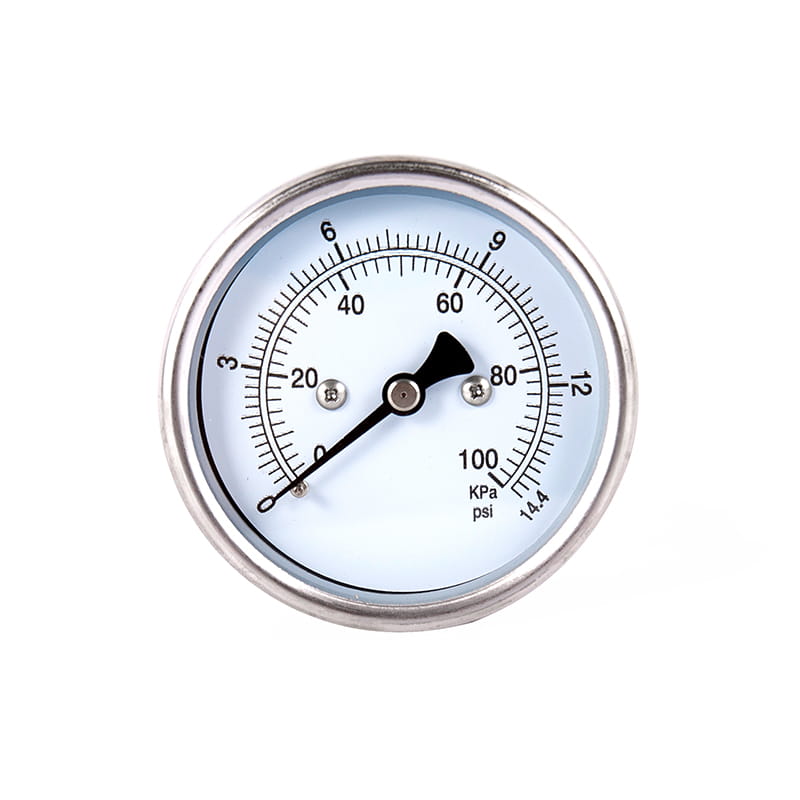
◆ Model:YE60 YE100 YE150 ◆ Use: Membrane box pressure gauge is also called micro pressure gauge....
See Details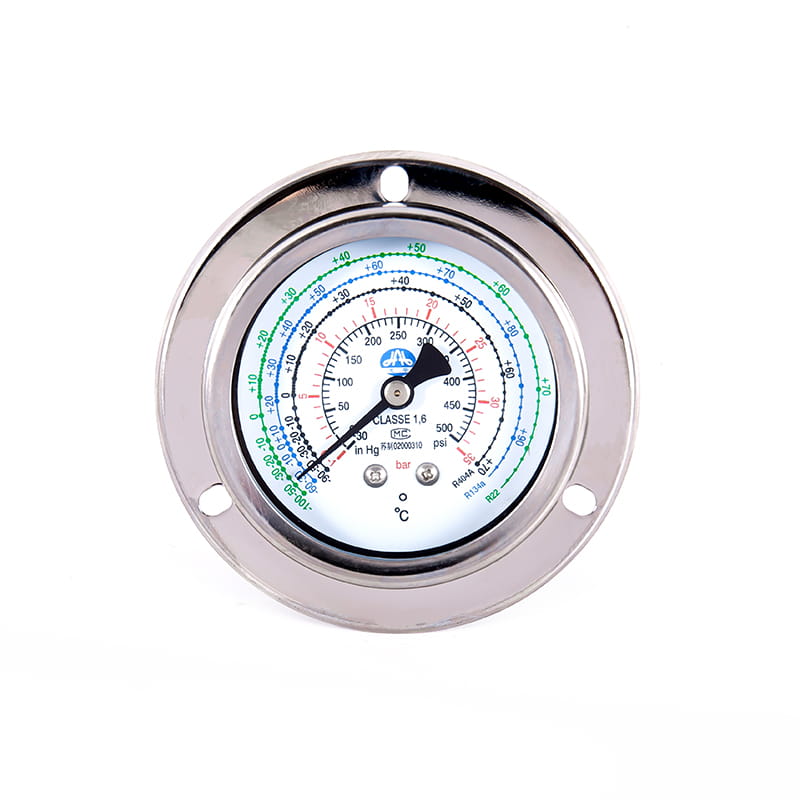
◆ Model: YLm60 YLm100 YLm150◆ Application: This series of instruments are special instruments for de...
See Details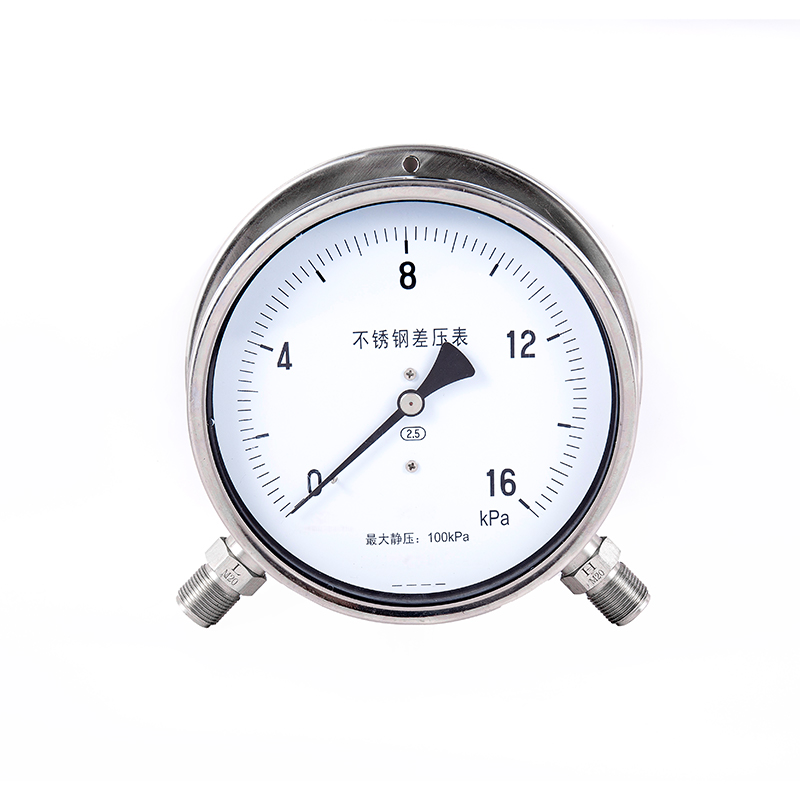
◆ Model: CYBN100 CYBN150 ◆ Application: Earthquake-resistant (seismic) stainless steel differential ...
See Details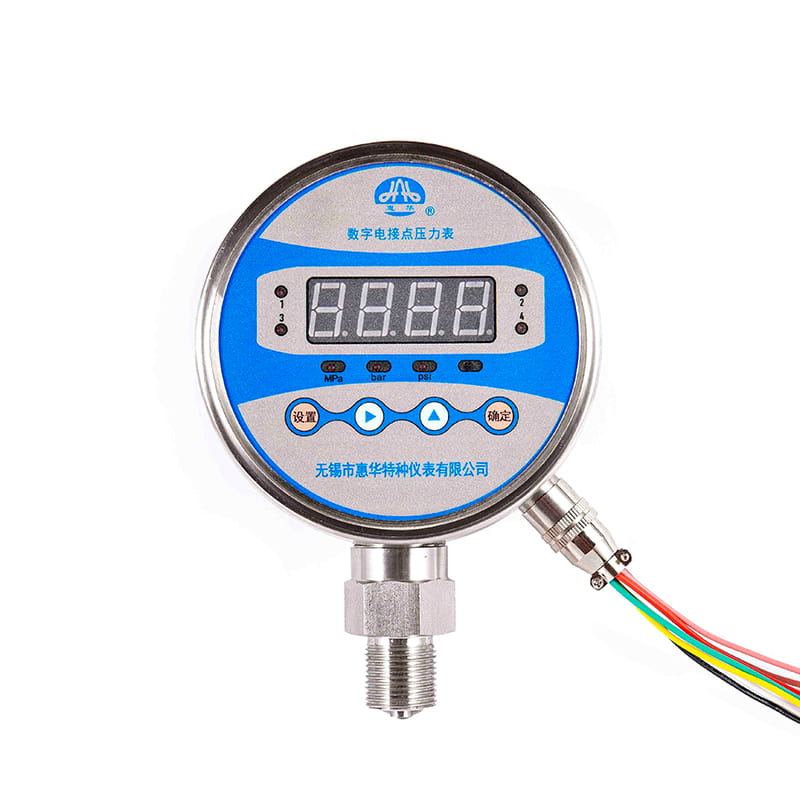
◆ Model: YSX100 ◆ Introduction: Intelligent digital electric word contact pressure gauge is a set o...
See Details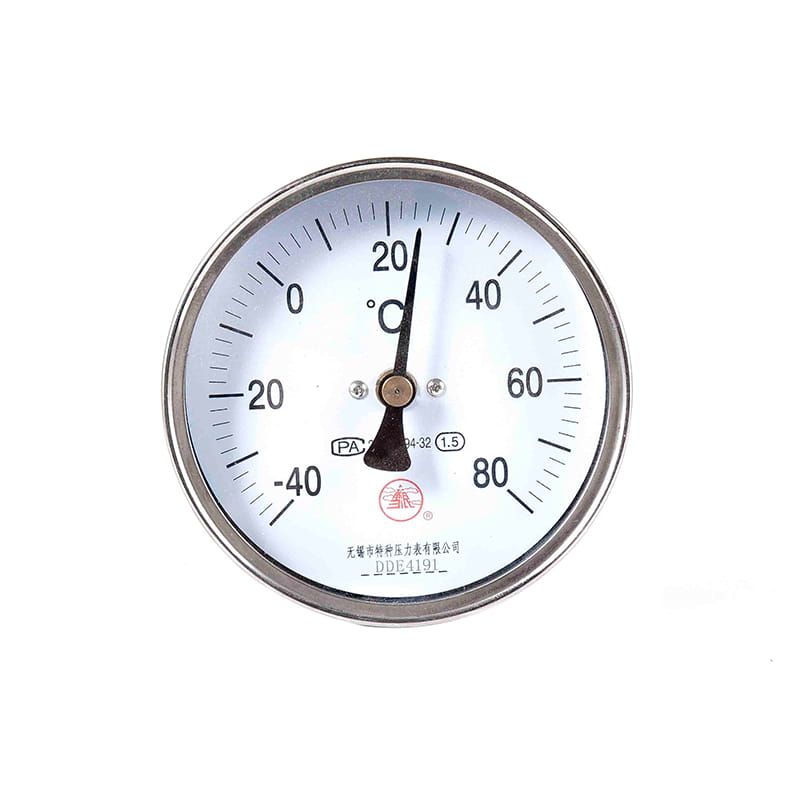
◆ Model: WSS-3 WSS-4 WSS-5 ◆ Application: Bimetal thermometer has the characteristics of no mercury ...
See Details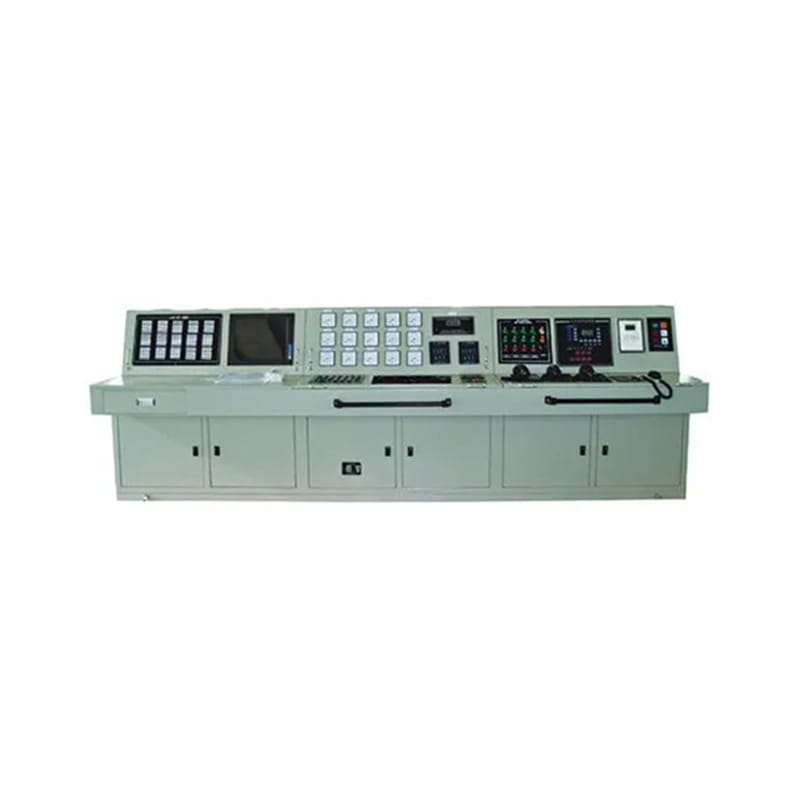
The Engine room monitoring alarm system is crucial for ensuring the safety and efficiency of operati...
See Details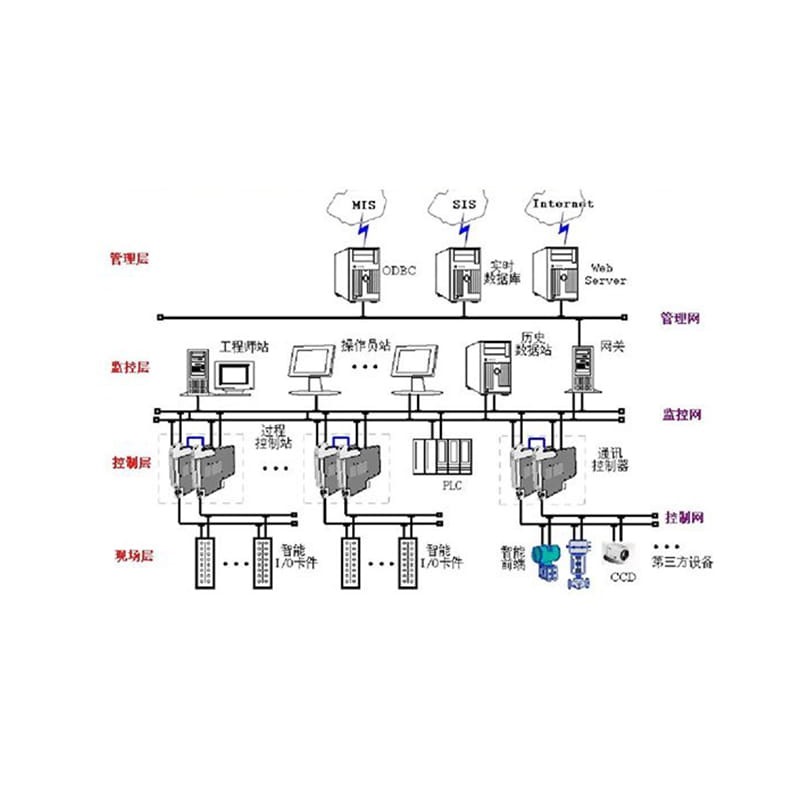
The SIS System is engineered to provide exceptional security and reliability in hazardous environme...
See Details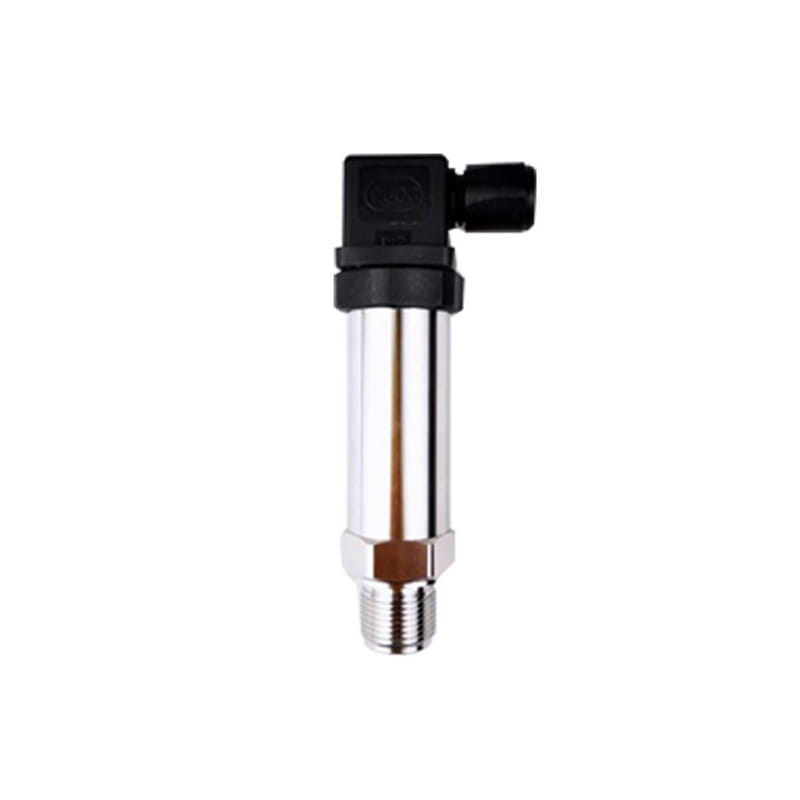
The Pressure transmitter YSZK is designed for demanding environments, operating effectively in tempe...
See Details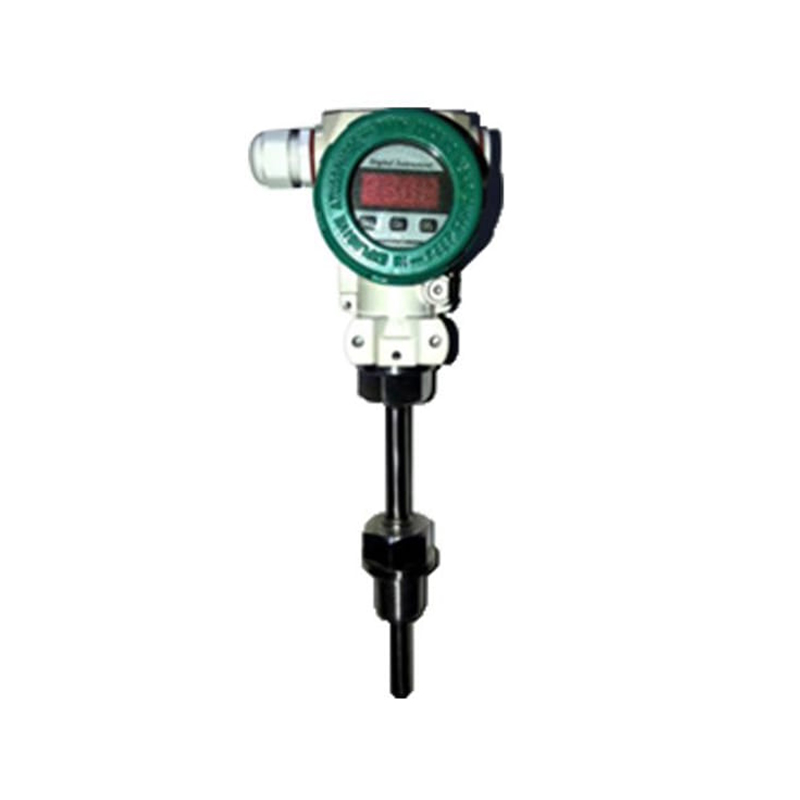
The Temperature sensor WZPK is renowned for its long service life and exceptional stability, making ...
See Details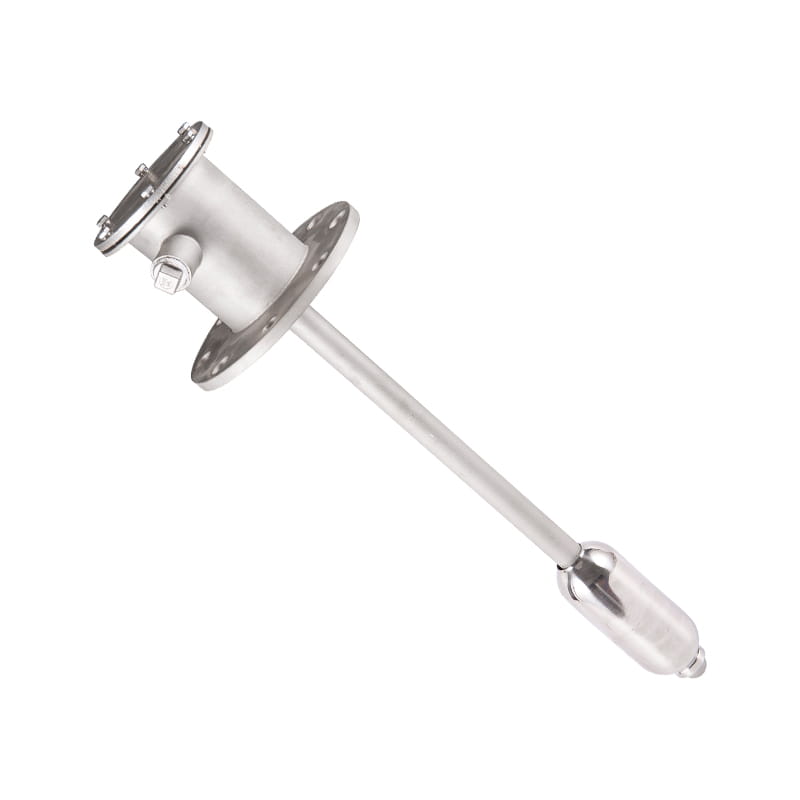
The Float level controller UHK features a simple structure that ensures easy installation and mainte...
See Details


