

 English
 русский
 Español
 عربى

YEB series stainless steel diaphragm pressure gauge
Cat:Pressure Gauge
◆ Model:YEB60 YEB100 YEB150◆ Use: This series of instruments are suitable for measuring the low micr...
See DetailsContent
A hydrocarbon processing unit is an unforgiving place to measure anything. Between the preheat train and the flare header, an instrument may meet 400 °C process fluid on Monday, a vacuum start-up on Tuesday, and a pump discharge that shakes a gauge glass loose by Friday. Sour gas, hydrogen-rich streams, amine, caustic and cycling pressure all arrive at the same small wetted surface: the diaphragm, the Bourdon tube, the thermowell tip.
We have been building instruments for these duties since 2001, and the questions from refinery and petrochemical engineers have not changed much. What will survive here, what will hold accuracy, and what can we actually maintain with the crew we have? This guide sets out how we think about hydrocarbon processing measuring instruments, from the simple pressure gauge on the pump to the guided wave radar on the separator.
The part that fails first is rarely the mechanism. It is the material, or the way the instrument was matched to the line. A gauge that reads perfectly on a water header will cloud its window in a hydrotreater if the wetted parts were never chosen for the stream, and a transmitter that holds calibration in a clean utility can drift in a sour gas line where the diaphragm sits unprotected.
Sour service is the classic example. Wet hydrogen sulphide above a certain partial pressure attacks high-strength steels and can crack a socket or a Bourdon tube from the inside out, with no visible warning on the dial. That is why oil and gas duty usually calls for materials qualified to NACE MR0175 / ISO 15156, which is why we keep a dedicated range of NACE-compliant gauges for oil and gas service alongside our standard stainless lines.
Vibration and pulsation come next. A gauge mounted downstream of a reciprocating pump or a fast-closing valve sees pressure spikes far above the steady reading, and the pointer starts to lie within months. Liquid filling, a proper dampener and a sensible range choice solve most of it, but only if someone thought about it at the specification stage.
Finally, there is the paperwork: area classification, temperature class, IP rating, and for some sites, oxygen-clean or marine class requirements. None of these are difficult on their own. They become difficult when they are discovered after the instrument is already on the pipe.
For local indication, a mechanical gauge remains hard to beat: no power, no configuration, and any operator can read it in the dark with a torch. On pump discharges, filter outlets, control valve upstream and downstream points, and utility headers, we usually recommend a stainless steel case with liquid fill, a 100 mm dial, and a range that puts normal operation near the middle of the scale. Where the line is exposed to pump vibration or seismic movement, a filled, movement-damped gauge is the difference between a five-year instrument and a five-month one.
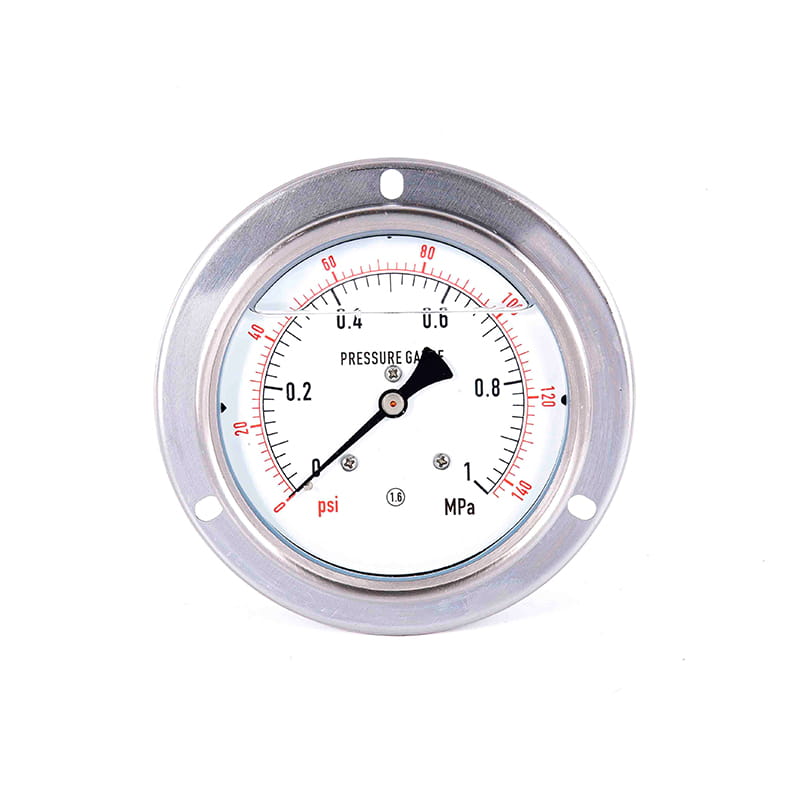 YN Series Liquid-Filled Seismic Pressure GaugeFor local pressure readings on vibrating or pulsating lines, this liquid-filled gauge offers diameters from 40 to 150 mm and IP65 protection.View Product →
Once the reading has to reach a control room, a transmitter earns its cost. A 4–20 mA or HART unit with an intelligent sensor gives you turndown, remote zero and span, and diagnostics that tell you the impulse line is blocked before the unit trips. For column and separator pressure we lean toward smart gauge pressure transmitters; for level and flow on closed vessels, differential pressure transmitters with three-valve manifolds do most of the work.
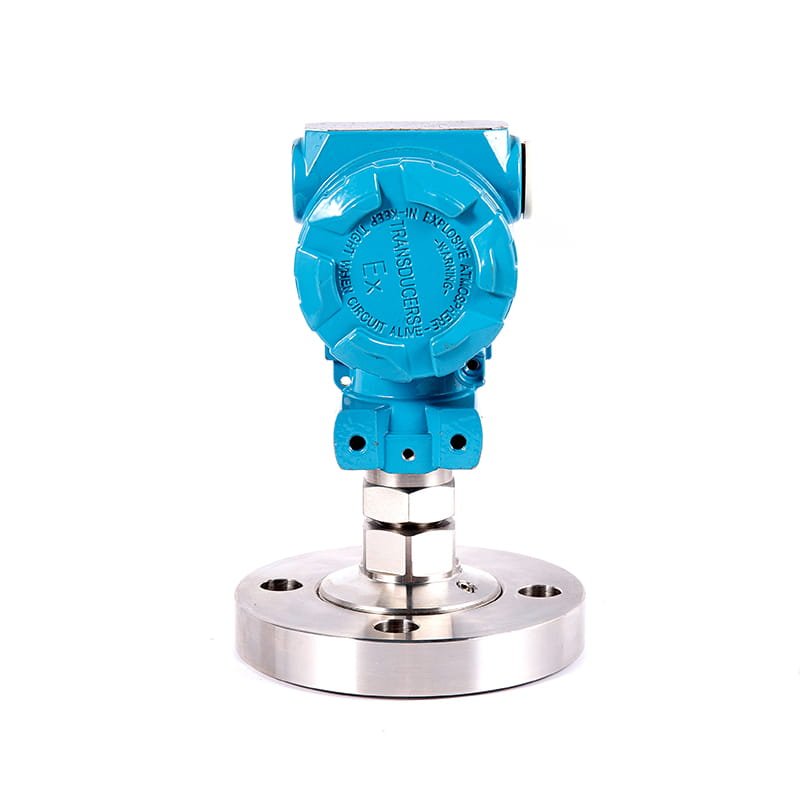 YSZC-7 Intelligent Pressure Transmitter for Level and PressureWhen readings must reach the control room, this HART 4–20 mA transmitter provides high-accuracy pressure, level, and density measurement with 100:1 turndown.View Product →
When the fluid will eat a normal diaphragm, a diaphragm seal is the practical answer. A PTFE-faced or Monel diaphragm, flange-mounted and flush to the line, keeps the corrosive medium away from the measuring element, and a capillary lets you put the transmitter where a technician can actually reach it. On hot process lines, a siphon or condensate leg does the same job thermally: it keeps live steam and hot oil off the element.
Temperature tends to be the parameter with the most instruments per unit, and the least attention paid to the thermowell. Type K, J, T, E and N thermocouples cover most furnace, reactor and line duties, while PT100 and PT1000 resistance sensors are the better choice wherever accuracy matters below roughly 400 °C. Bimetallic dial thermometers still hold their place for local checks on headers and bearing lines, and electric-contact versions are a simple way to trip an alarm without a transmitter.
Two details decide whether the reading is believable. The first is immersion: the sensing tip should sit well into the flowing stream, not in a dead pocket near the wall. The second is the transmitter, whether integrated in the head or mounted remotely, because a good sensor behind a poorly ranged transmitter is still a bad measurement. On high-temperature service where the read point is far from the vessel, a capillary remote thermometer keeps the indicator where people can see it.
Level measurement in hydrocarbon service usually comes down to the product. For clean liquids and interface layers in separators, guided wave radar is steady and largely unaffected by vapour, foam or changing density, and it needs no moving parts in the vessel. Non-contact radar suits larger tanks and viscous or dirty products, while ultrasonic instruments are a good fit for water sumps and open channels.
 26 GHz Guided Wave Radar Level TransmitterFor clean liquids and interface layers in separators, this guided wave radar meter measures up to 80 m with 0.25% or 0.5% F.S. accuracy.View Product →
Do not overlook the humble float. A float level controller or a magnetic float gauge is often the most maintainable answer for pump control and high-level alarms, and it fails in a way everyone on site understands. Whichever route you take, check the dielectric constant of the product, the presence of a stilling well, and how the probe will be cleaned during a turnaround.
For most process lines, flow is inferred rather than measured directly: an orifice plate or a wedge with a differential pressure transmitter across it. That arrangement is reliable and well understood, but it lives or dies on impulse line routing, on the manifold, and on whether the transmitter is ranged for the actual flow envelope instead of the maximum. Where a simple local reading is enough, a variable-area rotameter or a turbine meter gives a direct number with little commissioning effort, provided the straight runs upstream and downstream are respected.
Most of a refinery or petrochemical site is classified, so flameproof and intrinsically safe designs are the norm rather than the exception. ATEX and IECEx certification, correct temperature class, and cable entries that match the enclosure are all part of the specification, not an afterthought. Intrinsic safety keeps the field instrument light and easy to service; flameproof enclosures survive rougher handling but demand disciplined installation.
Beyond the certificate, look at what the process actually asks for. Amine and acid service often needs a different wetted material from a clean hydrocarbon line, and this is where our notes on pressure measurement in chemical plants tend to be useful to process engineers specifying across both units. Oxygen service, chlorine and hydrogen each carry their own cleaning and material rules, and it is far cheaper to settle them on the data sheet than in the field.
Small fittings decide whether a good instrument lasts. A siphon above a steam line, a Z-type dampener on a pulsating discharge, a gauge cock for isolation, an overpressure protector on a low-range gauge that might see a spike, and a needle valve or manifold that lets a transmitter be isolated and vented safely: none of these are expensive, and all of them are far cheaper than an unplanned shutdown.
The table below is the shorthand version we use in conversation with process and maintenance engineers. It is a starting point, not a substitute for the data sheet.
| Duty | Usual recommendation | What to watch |
|---|---|---|
| Clean hydrocarbon line, local reading | Liquid-filled stainless steel gauge, 100 mm dial | Range so normal pressure sits mid-scale |
| Wet sour gas or high H2S | NACE-compliant gauge or diaphragm-sealed transmitter | Confirm materials against ISO 15156 |
| Hot process or steam header | Gauge or transmitter with siphon, high-temperature fill | Keep the element away from live temperature |
| Separator level and interface | Guided wave radar or differential pressure | Check dielectric constant and foam |
| Filter or strainer monitoring | Differential pressure gauge or transmitter | Protect against one-sided overpressure |
Before an enquiry goes out, we usually work through the same short list:
None of this is exotic. Most of the difference between an instrument that lasts a decade and one that is replaced at the first turnaround comes down to three decisions made early: the right wetted material, the right range, and an installation that a technician can work on. If you are specifying hydrocarbon processing measuring instruments for a new unit or replacing a troublesome point, send us the data sheet and a sketch of the installation. We will tell you honestly what we would put there, and what we would not.
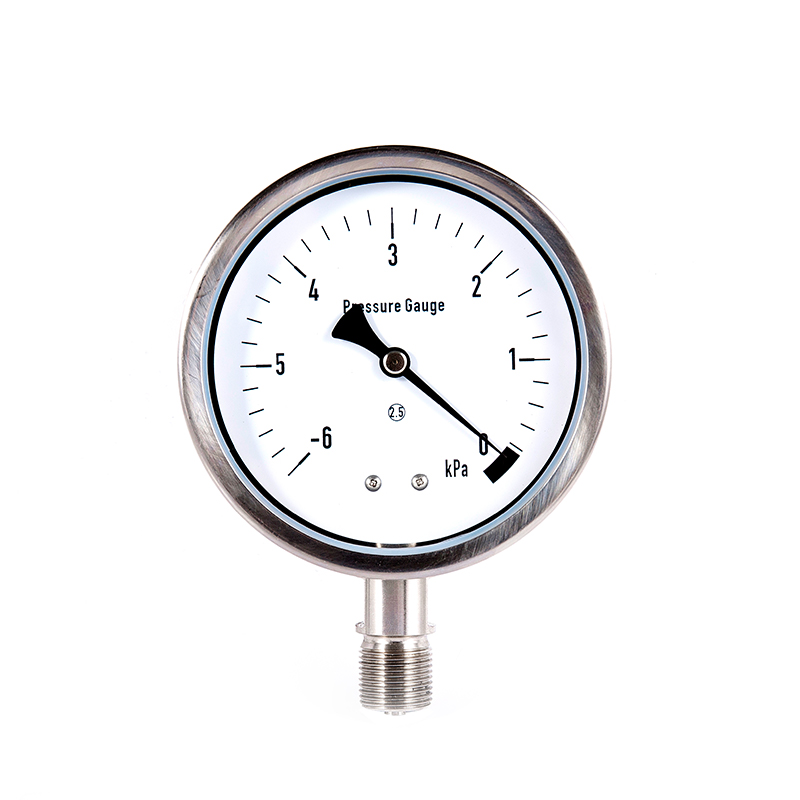
◆ Model:YEB60 YEB100 YEB150◆ Use: This series of instruments are suitable for measuring the low micr...
See Details
◆ Model: YD40 YD50 YD60 YD75 YD100 YD150 ◆ The main body of the instrument is a general pressure gau...
See Details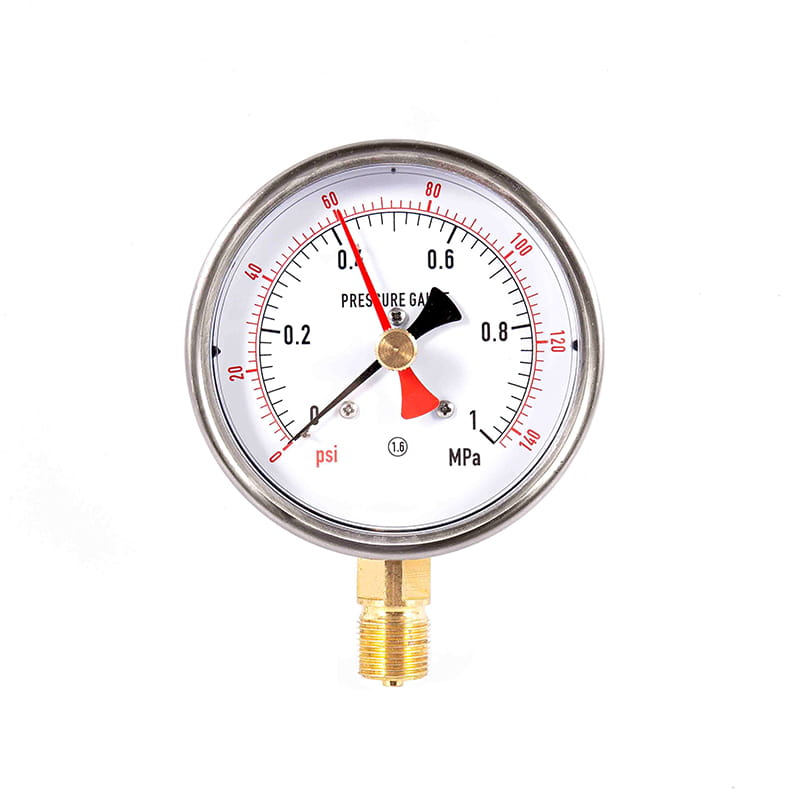
◆ Model: YL40 YL50 YL60 YL75 YL100 YL150 ◆ Needle-retaining pressure gauges is composed of a general...
See Details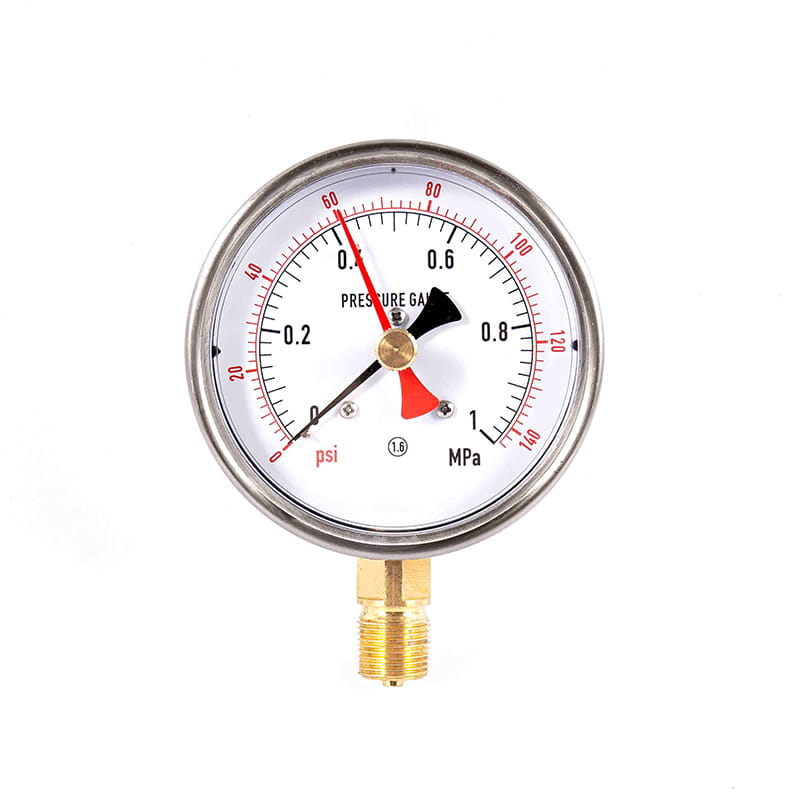
◆ Model: YZS102 ◆ Application: Double-needle double-tube pressure gauges is mainly used in rolling ...
See Details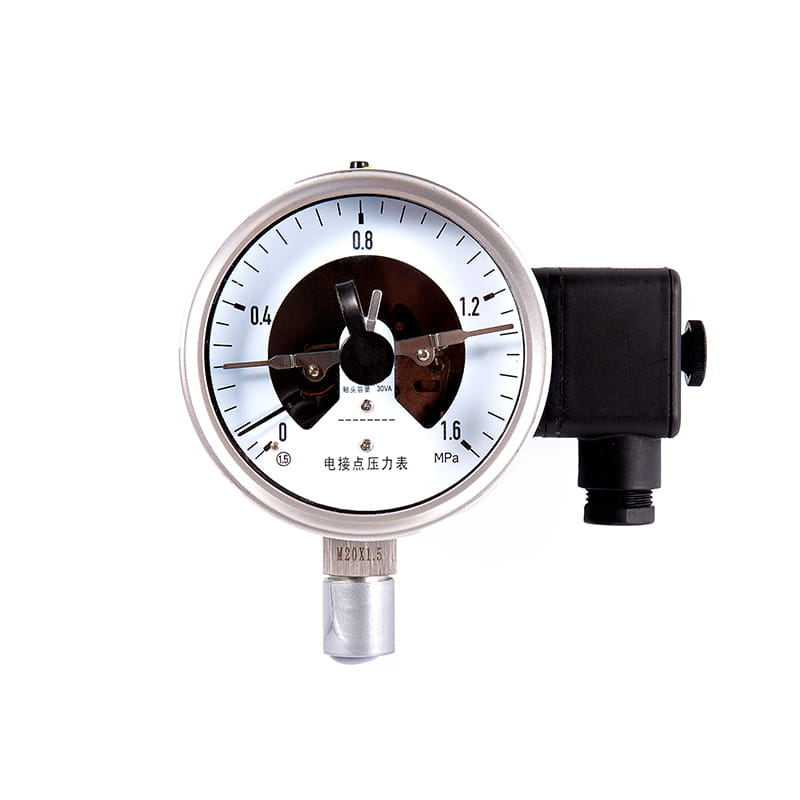
◆ Model: YXD100 YXD150 ◆ Uses: Photoelectric electric contact pressure gauge is a substitute for the...
See Details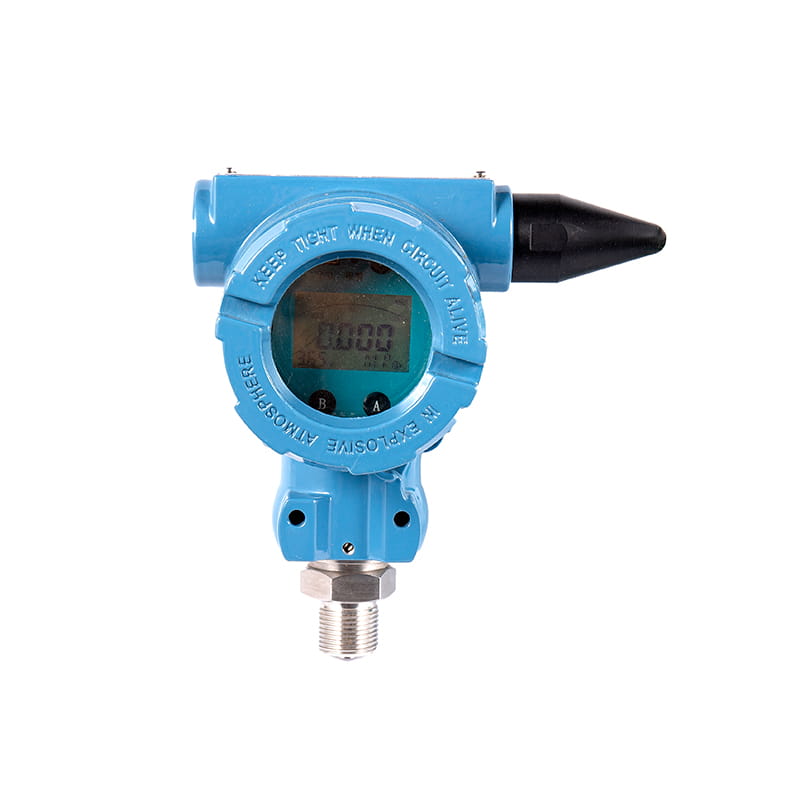
1. Overview This pressure transmitter has high sensitivity, high precision and strong anti-overload ...
See Details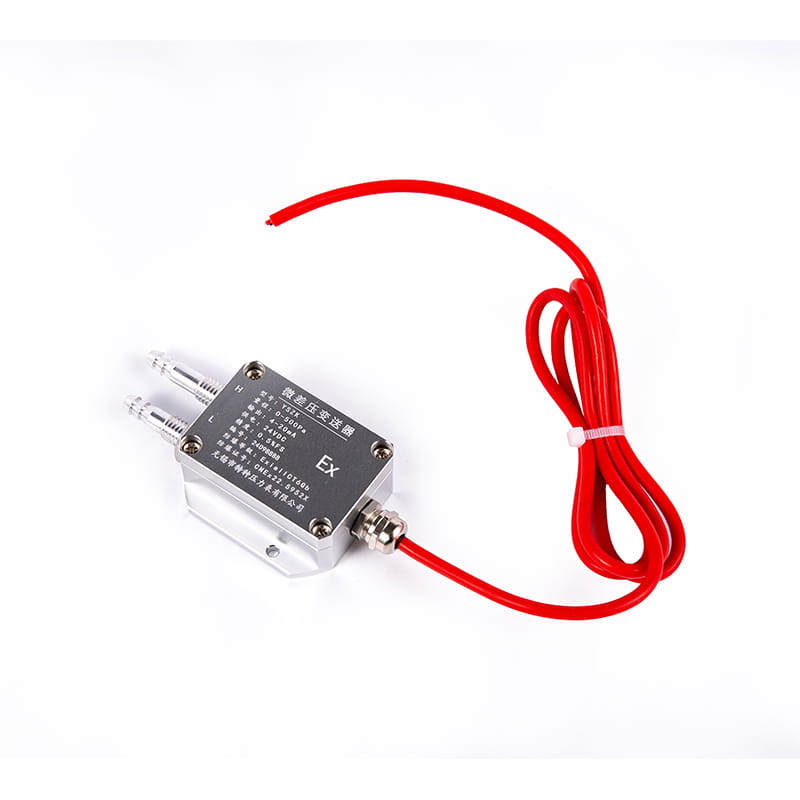
1. Overview This air pressure transmitter has high sensitivity, high precision and strong anti-overl...
See Details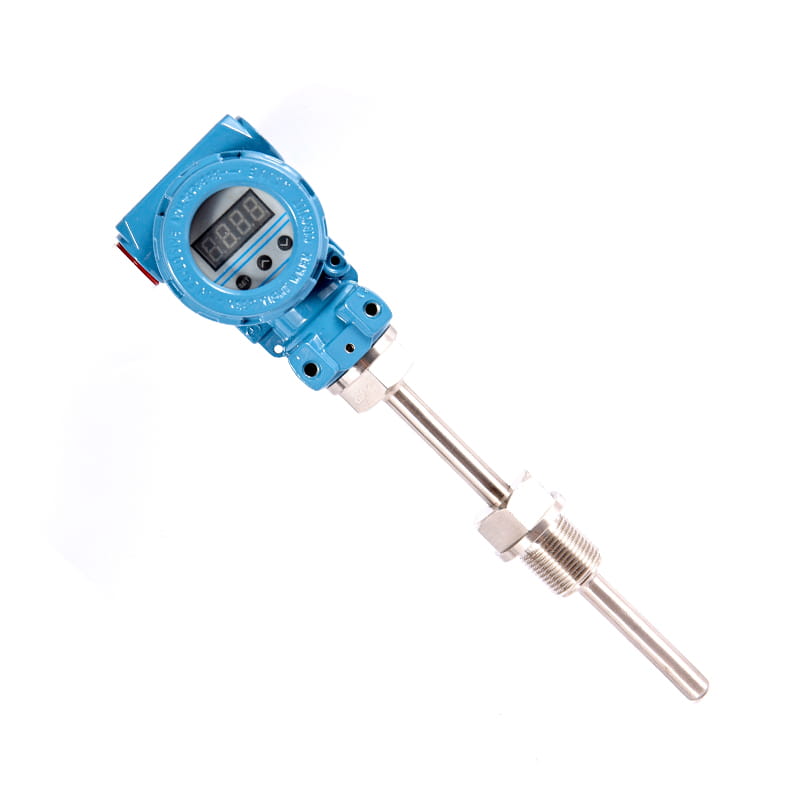
◆ Model: WSZC-2 ◆ Overview: The transmitter is composed of advanced circuit module integration techn...
See Details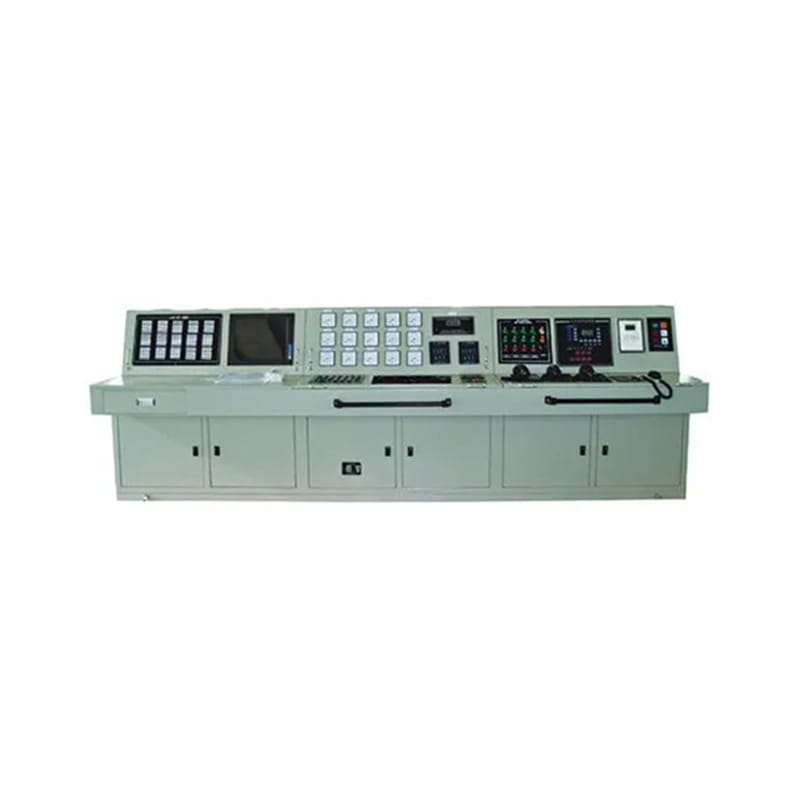
The Engine room monitoring alarm system is crucial for ensuring the safety and efficiency of operati...
See Details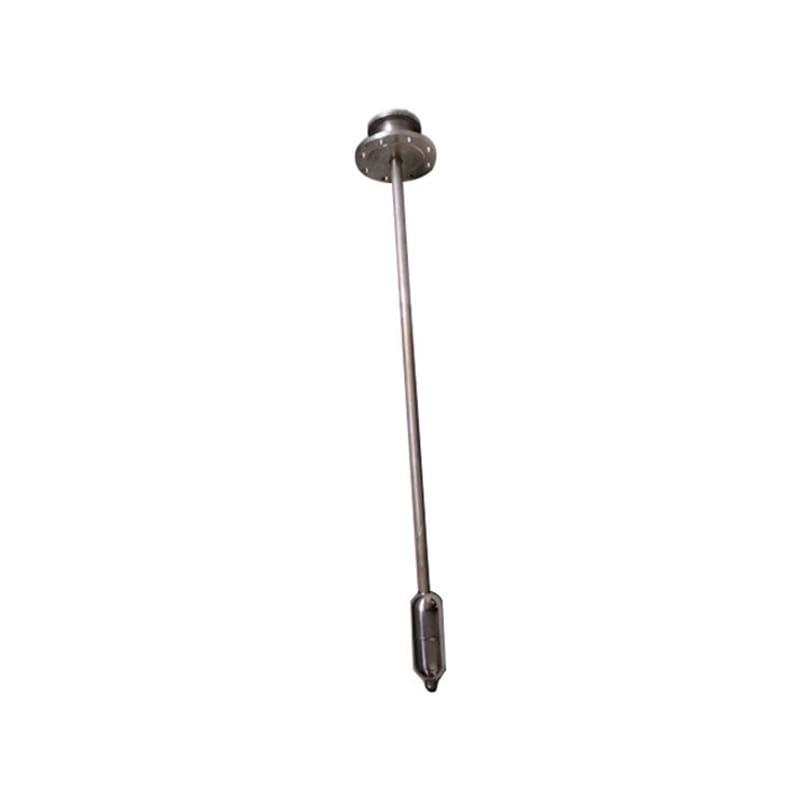
The Float level gauge UHB is engineered for high-precision measurement, providing accurate and relia...
See Details


