

 English
 русский
 Español
 عربى
عربى
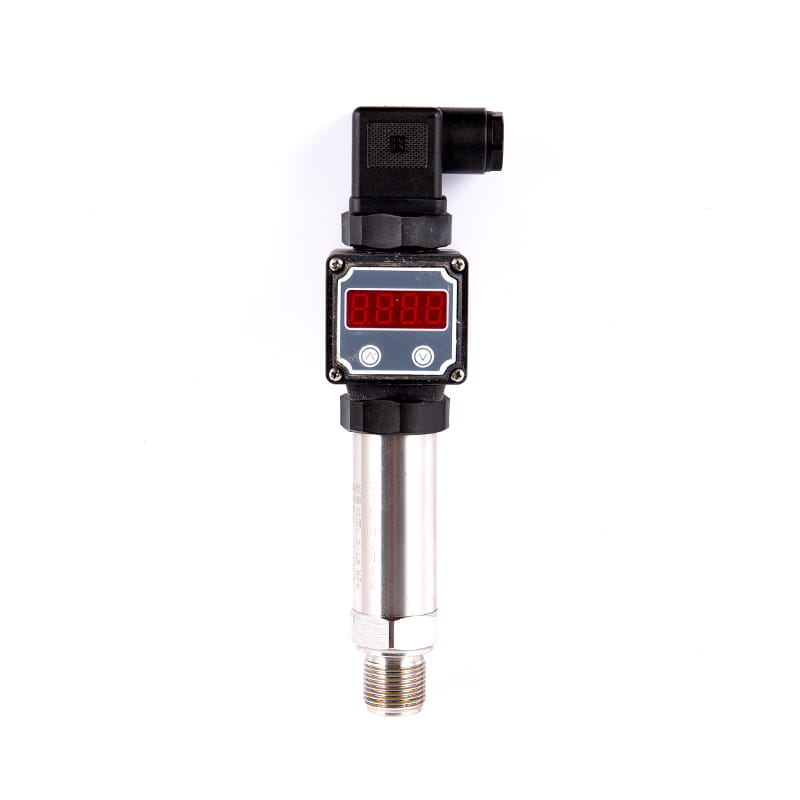
What Is a Pressure Transmitter and How Does It Function? A pressure transmitter is an industrial instrument that measures the pressure of a liquid, gas, or steam within a process system and converts t...
News Center
-
-
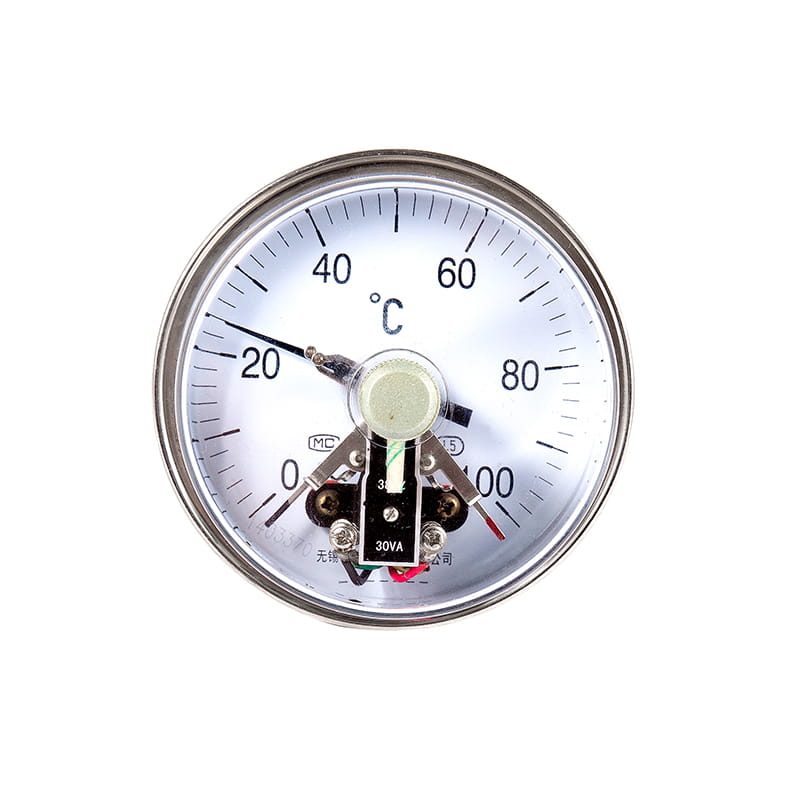
What Is a Bimetallic Thermometer? A bimetallic thermometer is a mechanical temperature measuring device that relies on the physical properties of two different metals bonded together to indicate tempe...
-
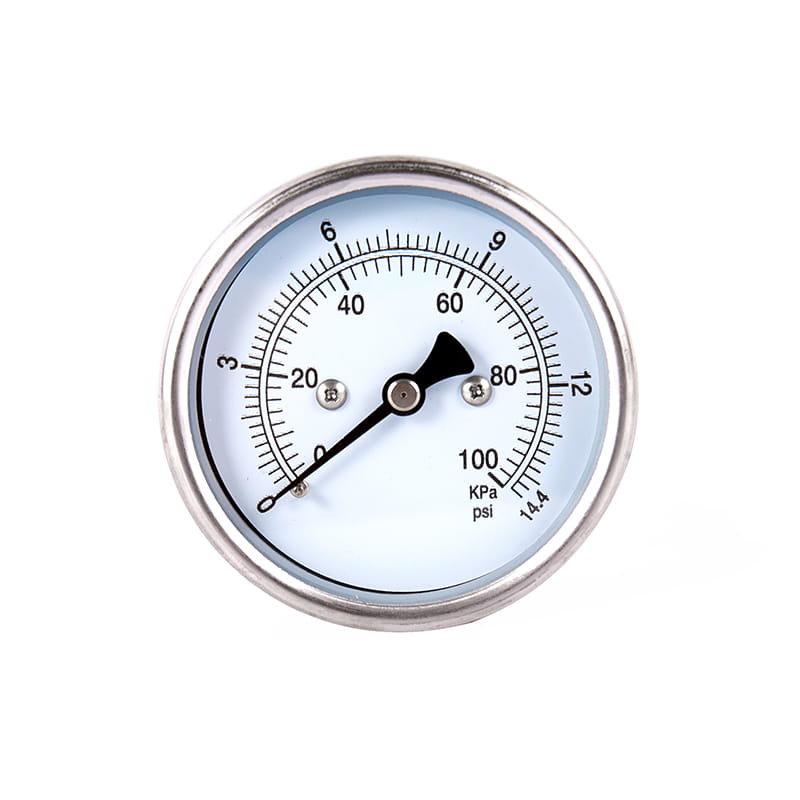
Why Choosing the Right Pressure Gauge Matters Pressure gauges are simple-looking instruments, but selecting the wrong one for an application can lead to inaccurate readings, premature failure, or even...
-
Why Pressure Transmitter Maintenance Deserves Attention Pressure transmitters play a critical role in monitoring and controlling processes across industries such as oil and gas, water treatment, manuf...
-
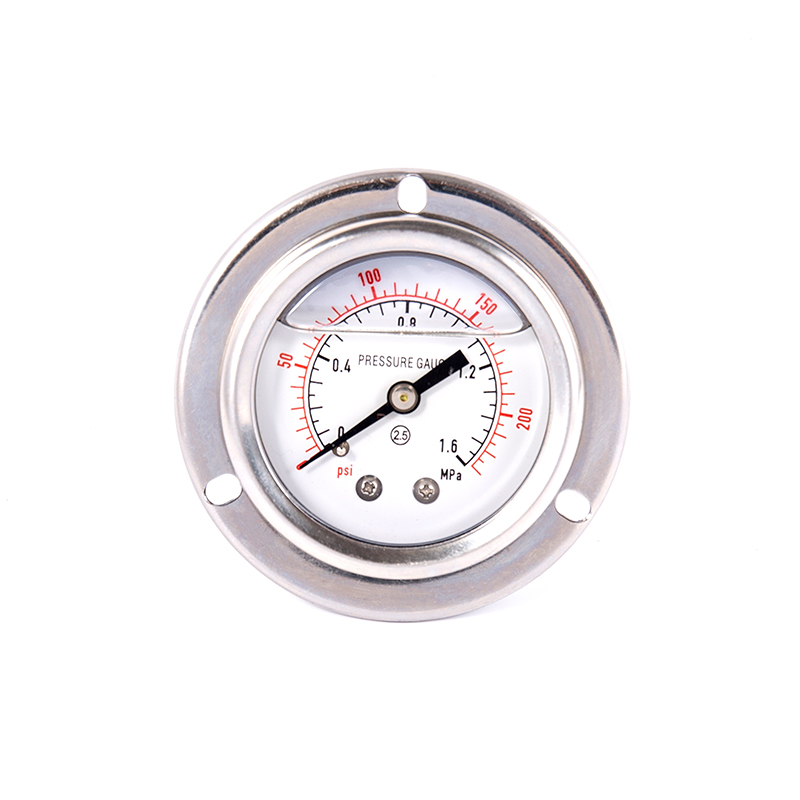
What Is a Pressure Gauge A pressure gauge is a mechanical or electronic instrument used to measure the pressure of a gas or liquid within a system, typically displaying the reading in units such as ps...
-
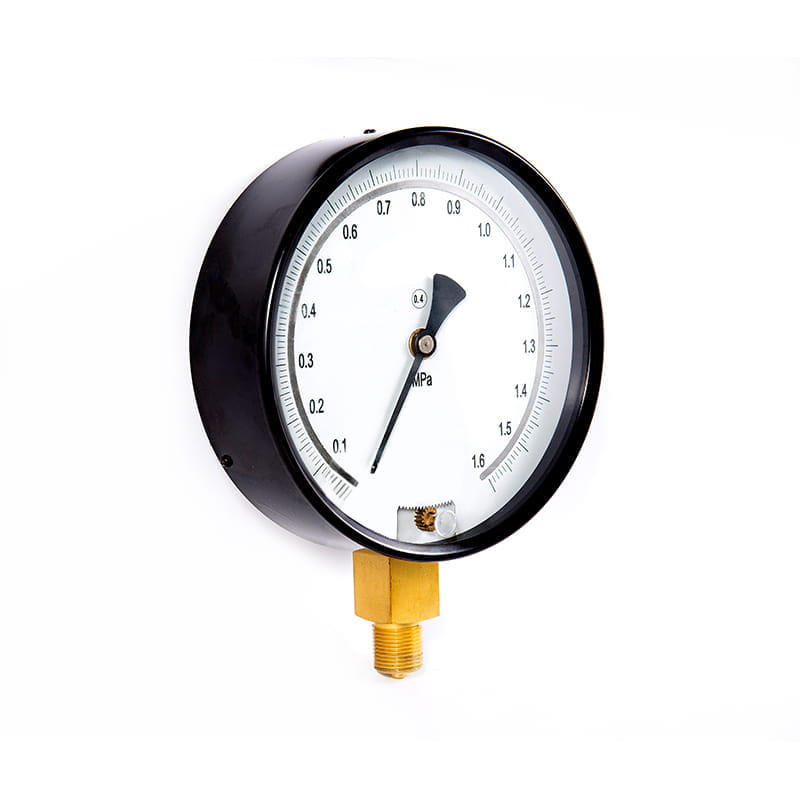
Why Getting Pressure Gauge Selection Right Matters Pressure gauges are among the most common instruments found in industrial facilities, yet they are frequently under-specified or selected without suf...
-
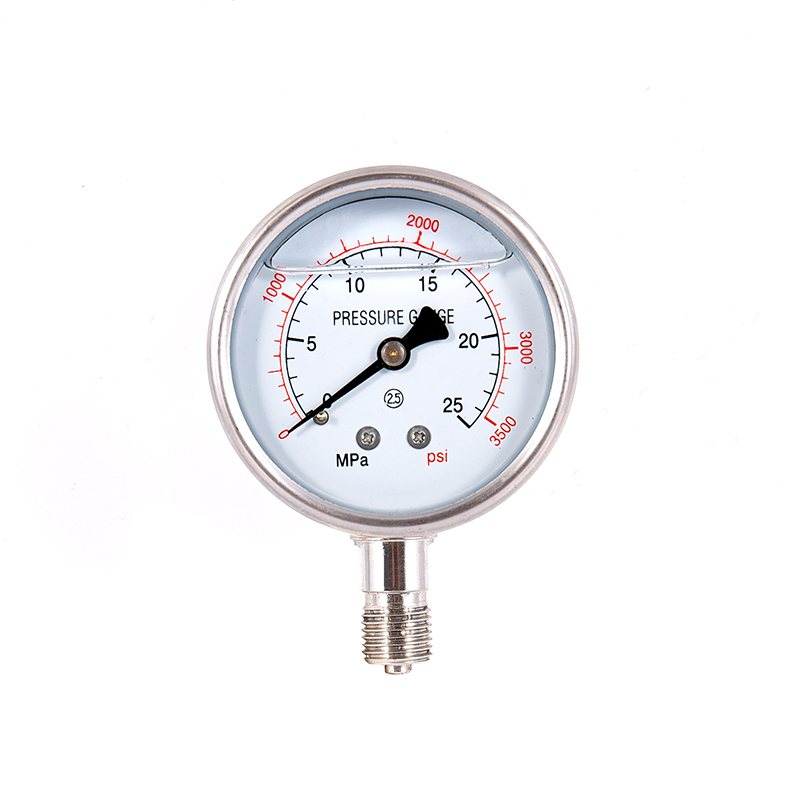
Pressure gauges are among the most widely used measurement instruments in industrial settings, found on boilers, hydraulic systems, compressors, pipelines, and laboratory equipment alike. While they a...
-
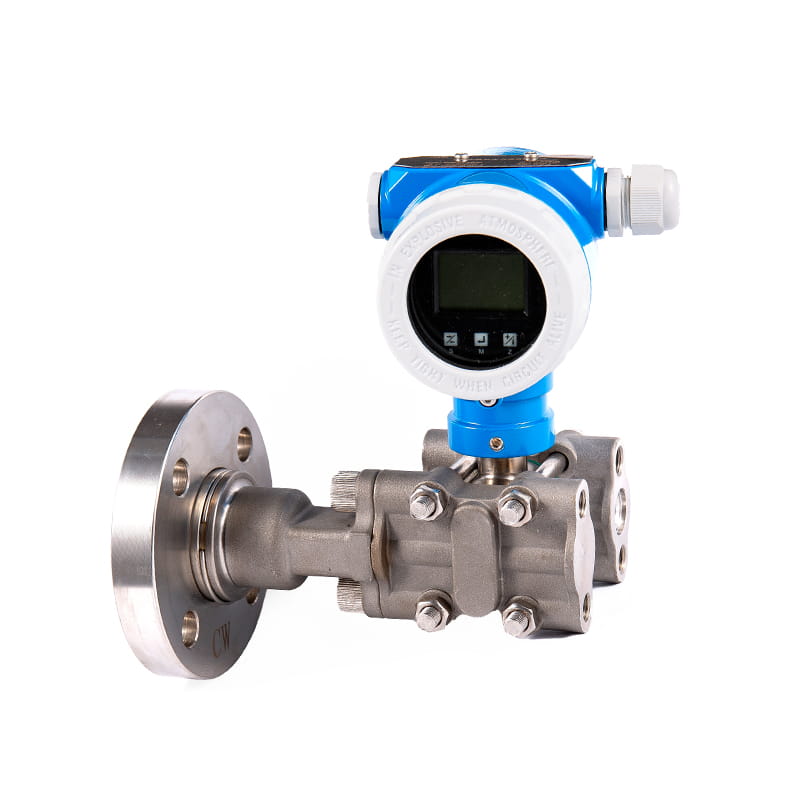
What Is a Pressure Transmitter? A pressure transmitter is a device used to measure pressure in liquids, gases, or steam and convert that measurement into an electrical signal. This signal, typically i...
-
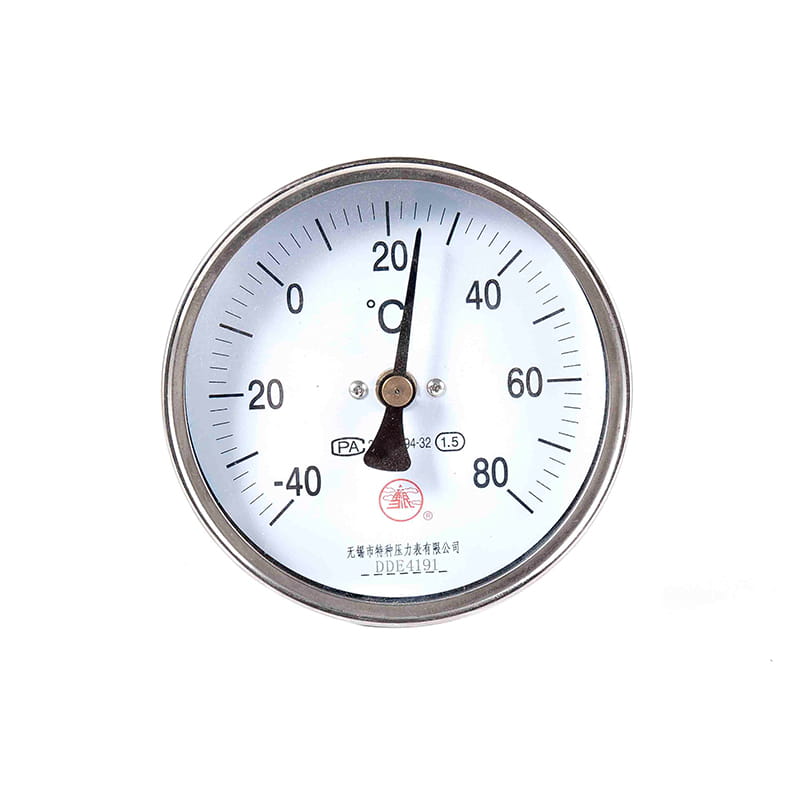
Bimetallic thermometers have been measuring temperature reliably in industrial, commercial, and food service environments for well over a century — and they remain one of the most practical, durable,...
Want to know more? Message Us Right Now!
- Products
- Pressure Gauge
- Pressure Transmitter
- Thermometer
- Ship Automation Control System
- DCS/SIS System
- Pressure Instruments Accessories
- Contact Us
- Tel: +86-0510-85182228
- Phone / Whatsapp: +86-18068330053
- Email: [email protected]
- Address: No. 23-24, Lihu Business Park, Binhu District, Wuxi City, Jiangsu Province, China.



