

 English
 русский
 Español
 عربى
عربى
YN series 100% copper connection earthquake-resistant (seismic) pressure gauge
Cat:Pressure Gauge
◆ Model: YN40 YN50 YN60 YN75 YN100 YN150◆ Use: This series of instruments have good shock resistance...
See DetailsContent
A pressure gauge measures the force exerted by a fluid, gas, or steam within a system and displays that reading in units such as psi, bar, or kilopascals. These instruments are used across nearly every industry that involves piping, tanks, compressors, or hydraulic systems, from HVAC installations and water treatment plants to chemical processing facilities and automotive service shops. While a pressure gauge might seem like a simple component, choosing the wrong type or the wrong range for a given application can lead to inaccurate readings, premature gauge failure, or in more serious cases, safety hazards from undetected overpressure conditions.
Selecting the right pressure gauge involves understanding the specific demands of the system it will monitor, including the type of media being measured, the expected pressure range, environmental conditions, and how the reading will be used, whether for simple visual monitoring or as part of an automated control system.
Pressure gauges are built around different internal mechanisms, and each type is suited to specific applications based on how it senses and displays pressure changes.
| Gauge Type | Sensing Mechanism | Common Uses |
| Bourdon Tube | Curved tube straightens under pressure, moving a pointer | General industrial use, compressors, boilers, hydraulic systems |
| Diaphragm | Flexible diaphragm deflects under pressure | Low-pressure applications, corrosive or viscous media |
| Capsule | Sealed capsule expands with low-pressure gas | Very low pressure gas measurement, HVAC systems |
| Digital | Electronic sensor converts pressure to a digital signal | Applications needing high precision, data logging, or remote monitoring |
Bourdon tube gauges are the most widely used pressure gauge design because they are mechanically simple, reliable, and cost-effective across a broad pressure range. Inside the gauge, a curved metal tube straightens slightly as pressure increases, and this movement is translated through a linkage system to rotate a pointer across a dial. This design works well for general industrial monitoring, though it is generally less suited to extremely low-pressure applications, where a diaphragm or capsule gauge offers better sensitivity.
Digital pressure gauges use an electronic sensor to convert pressure into an electrical signal, which is then displayed numerically rather than through a mechanical pointer. These gauges typically offer higher accuracy and easier readability, particularly in environments with vibration or where precise readings are needed for quality control or regulatory documentation. Many digital gauges also support data logging or remote transmission, making them valuable in facilities that require continuous pressure monitoring as part of an automated control system.
One of the most common mistakes when selecting a pressure gauge is choosing a range that does not match the actual operating conditions of the system. A general rule followed by many engineers is that normal operating pressure should fall within the middle third of the gauge's full scale range. Gauges consistently operated near the top of their range are subject to greater wear and are more likely to experience reading drift over time, while gauges operating too far below their range may lack the resolution needed for precise readings.
For systems with pressure spikes or surges, it is also important to select a gauge rated to handle occasional overpressure events without damage, even if normal operating pressure sits comfortably within the recommended range. Reviewing system specifications and consulting manufacturer guidelines before finalizing a gauge range helps avoid both premature failure and inaccurate readings.
The materials used in a pressure gauge's wetted parts, meaning any component that comes into direct contact with the measured media, must be compatible with the fluid or gas being monitored. Using an incompatible material can lead to corrosion, gauge failure, or contamination of the process media itself.
Proper installation significantly affects both the accuracy and lifespan of a pressure gauge. Gauges should be mounted in a location that avoids excessive vibration, since constant vibration can cause pointer flutter and accelerate internal wear on mechanical components. For systems with pulsating pressure, such as reciprocating pumps or compressors, installing a snubber or using a liquid-filled gauge can dampen fluctuations and protect the internal mechanism from repeated stress.
Routine calibration checks are essential for maintaining accuracy over time, particularly in industries where pressure readings factor into safety compliance or quality documentation. Many facilities establish a calibration schedule based on gauge criticality, checking high-importance gauges more frequently than those used for general reference monitoring. Visual inspection for signs of damage, such as a cracked lens, bent pointer, or fogged dial from moisture intrusion, should also be part of routine equipment checks, since these issues often indicate a gauge that needs replacement before it fails or provides a misleading reading.

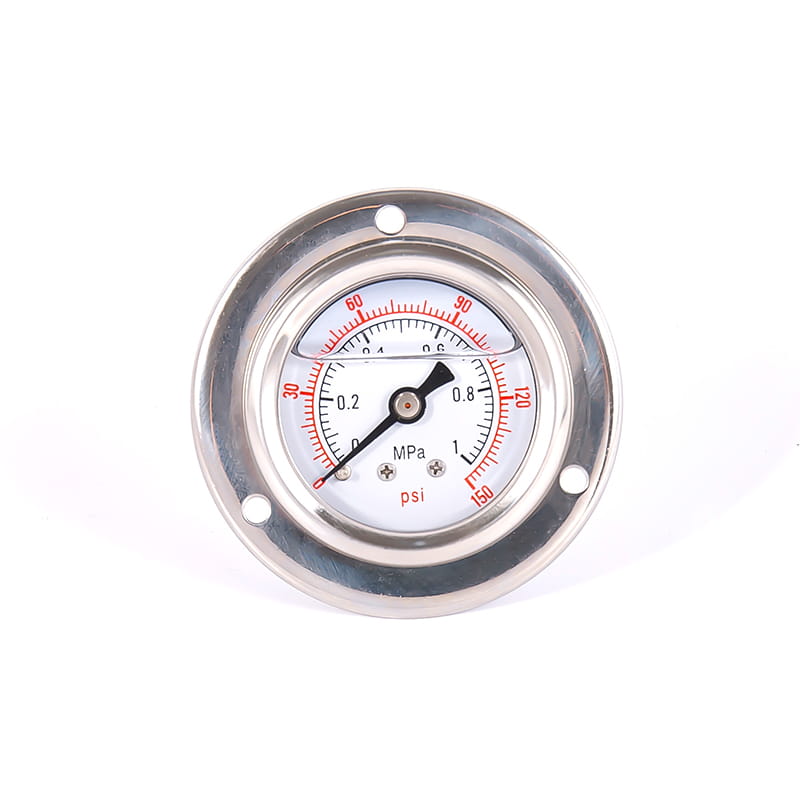
◆ Model: YN40 YN50 YN60 YN75 YN100 YN150◆ Use: This series of instruments have good shock resistance...
See Details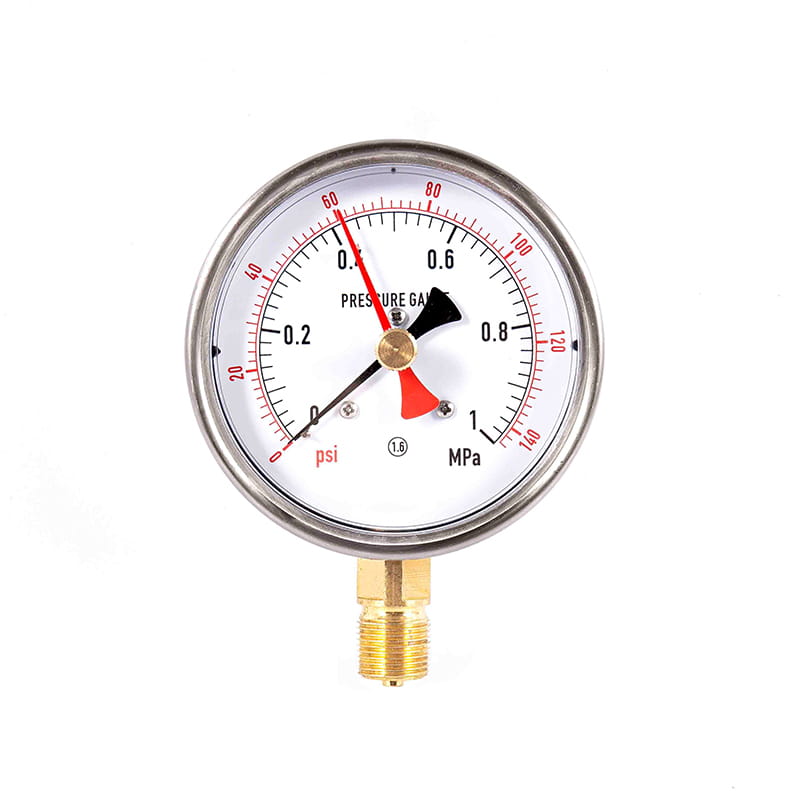
◆ Model: YL40 YL50 YL60 YL75 YL100 YL150 ◆ Needle-retaining pressure gauges is composed of a general...
See Details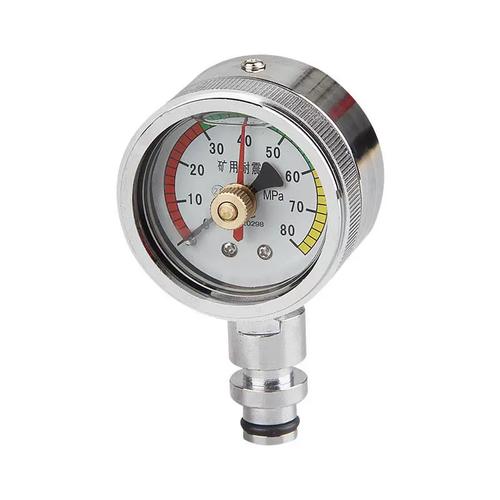
◆ Model: YKY60 ◆ Application: Mining memory pressure gauges is specially designed for underground h...
See Details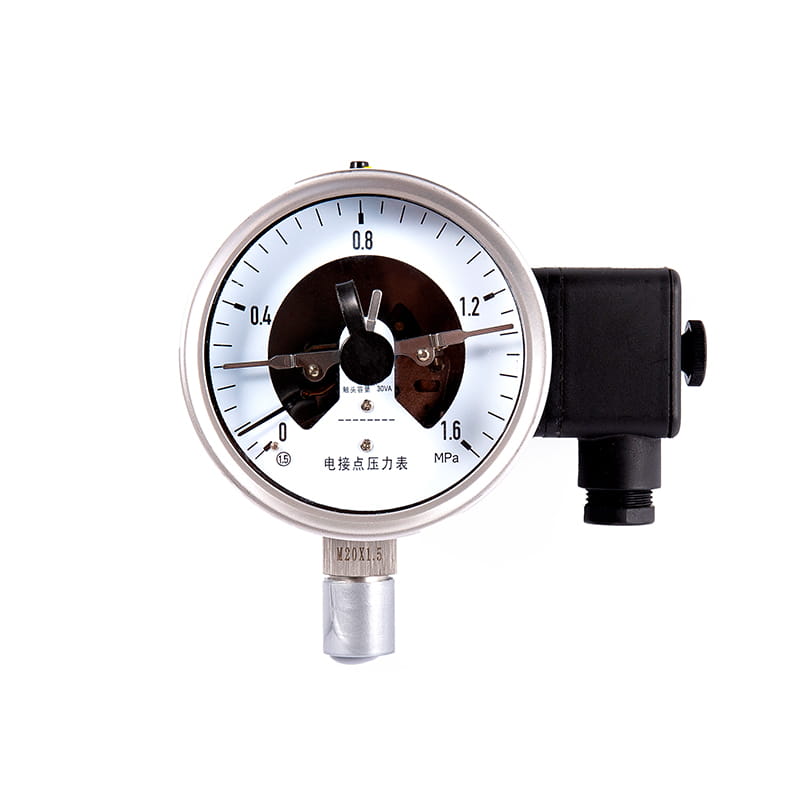
◆ Model: YXD100 YXD150 ◆ Uses: Photoelectric electric contact pressure gauge is a substitute for the...
See Details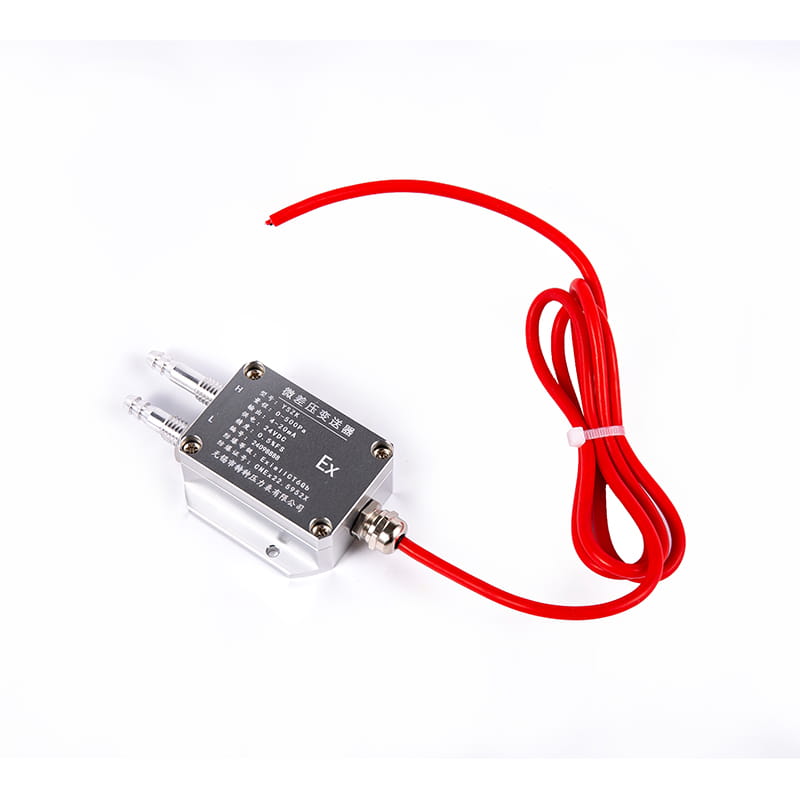
1. Overview This air pressure transmitter has high sensitivity, high precision and strong anti-overl...
See Details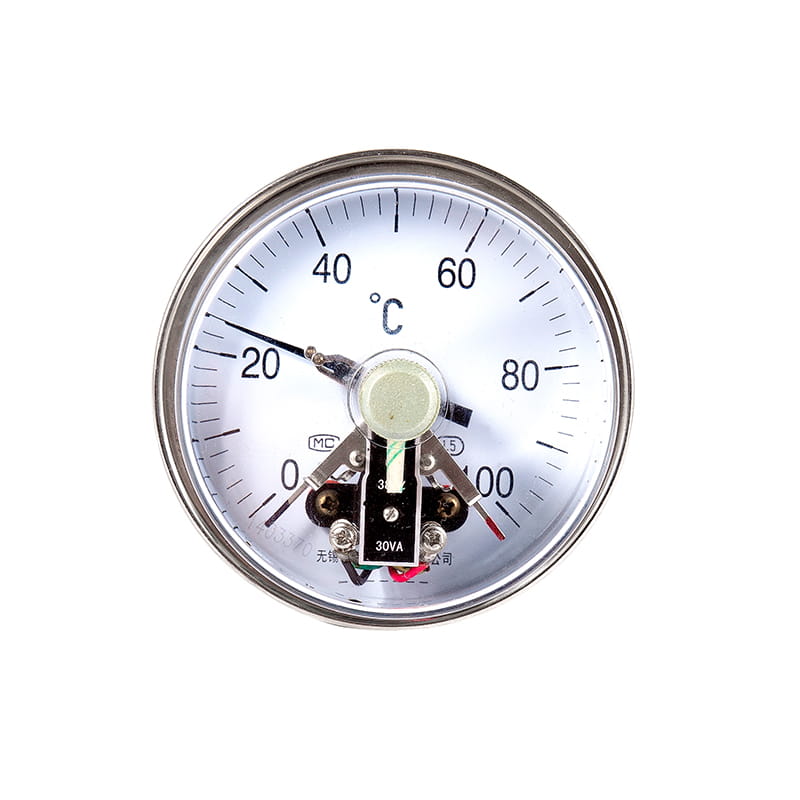
◆ Model: WSSXC-4 ◆ Application: This series of thermometers has the characteristics of no mercury da...
See Details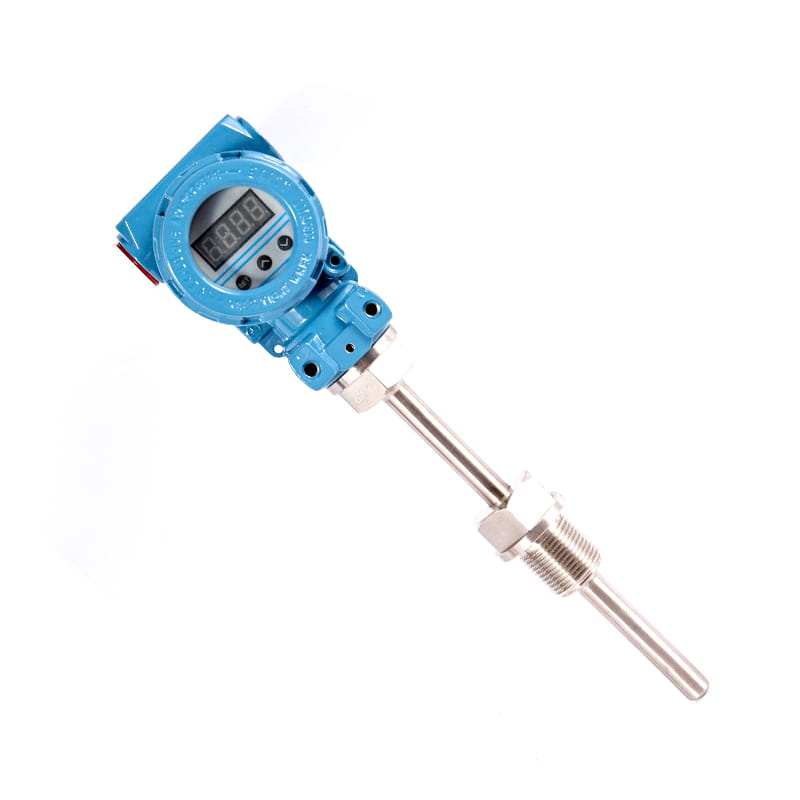
◆ Model: WSZC-2 ◆ Overview: The transmitter is composed of advanced circuit module integration techn...
See Details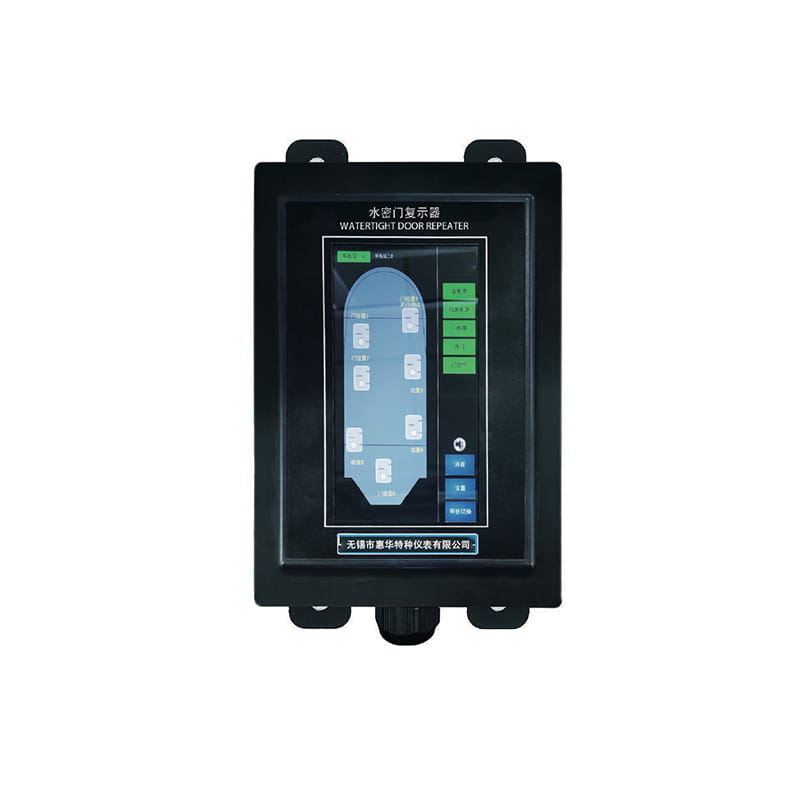
The waterless door alarm system emphasizes the interaction between humans and machines, addressing t...
See Details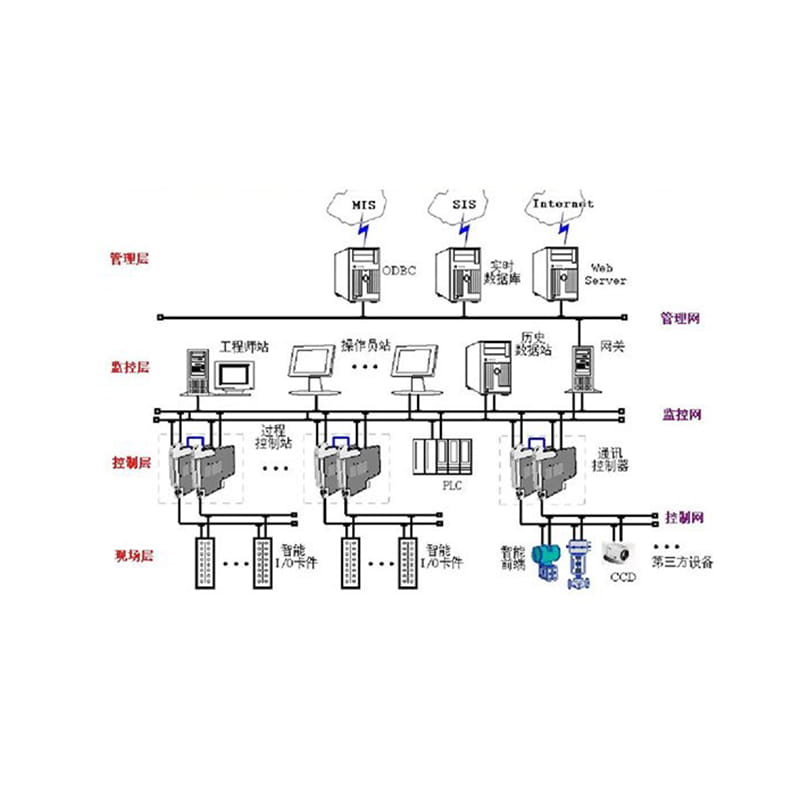
The DCS System is designed with an open architecture, allowing for seamless integration and flexibil...
See Details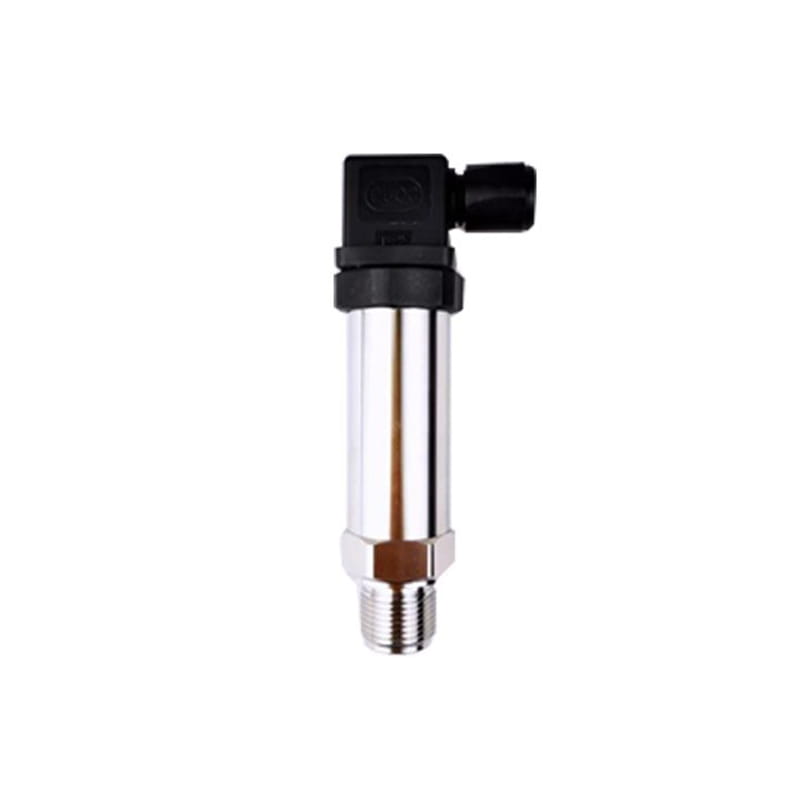
The Pressure transmitter YSZK is designed for demanding environments, operating effectively in tempe...
See Details


