

 English
 русский
 Español
 عربى
عربى
YG high temperature resistant pressure gauge
Cat:Pressure Gauge
◆ Model: YG60 YG100 YG150◆ Use: All parts of this series of gauges are made of stainless steel, and ...
See DetailsContent
You are standing in front of a pressure gauge that reads zero, yet the process manual calls for an absolute pressure value. This is a common moment of confusion in industrial plants. A gauge pressure reading and an absolute pressure reading are not interchangeable, and choosing the wrong one can lead to incorrect measurements, safety issues, or unreliable process data. The short answer is that gauge pressure uses atmospheric pressure as its zero point, while absolute pressure uses a perfect vacuum as its zero point. This article explains the difference, why it matters, and how to select the right type for your application.
Gauge pressure is the pressure measured relative to the surrounding atmospheric pressure. When you read a standard pressure gauge, the needle typically shows zero at atmospheric pressure. If the measured pressure is higher than the atmosphere, the gauge reads a positive value. If the pressure is lower than the atmosphere, it reads a negative value, which is commonly called vacuum.
The mathematical relationship is simple:
Gauge Pressure = Absolute Pressure - Atmospheric Pressure
This means a gauge pressure reading changes with the local atmospheric pressure, even if the actual absolute pressure in the vessel remains unchanged. That is why a gauge calibrated at sea level can read slightly differently when installed at a high-altitude site, unless it is corrected for local atmospheric conditions.
Most industrial pressure measurements are gauge pressure because they compare the system pressure to the ambient environment. Hydraulic systems, pneumatic lines, water pumps, and compressed air systems typically use gauge pressure. The pipes and tanks in these systems are designed to withstand the pressure difference between the inside and the outside, so gauge pressure is the practical value for structural stress and leakage checks. For everyday plant pressure monitoring, a general-purpose pressure gauge is often enough for these tasks. To understand more about where this type of measurement is used, see the article on gauge pressure applications in industry.
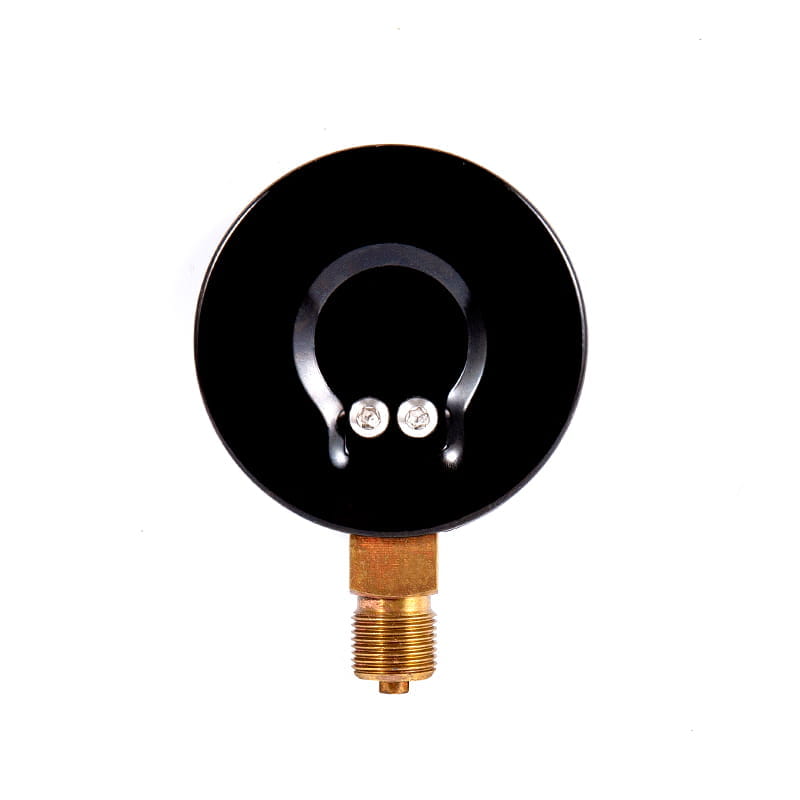 Y series general stainless steel pressure gauge Manufacturers, Factory - Wuxi HuWuxi Huihua is China OEM/ODM Y series general stainless steel pressure gauge Manufacturers and Factory, Wholesale Y series general stainl...View Product →
Absolute pressure is measured relative to a perfect vacuum, which means it includes atmospheric pressure in the reading. A pressure of 1 atmosphere equals about 101.325 kPa, or 14.7 psi, at sea level. An absolute pressure sensor always references zero to a sealed vacuum chamber inside the instrument.
Absolute Pressure = Gauge Pressure + Atmospheric Pressure
Because the zero point is fixed at the universal vacuum, absolute pressure readings are not affected by altitude, weather, or changes in ambient atmospheric pressure. This makes absolute pressure the correct choice for calculations that require a consistent physical reference, such as thermodynamic equations, gas law calculations, and vapor pressure measurements.
Vacuum systems, distillation columns, and processes that involve evaporation or boiling often rely on absolute pressure. Barometric pressure monitoring, altitude measurement, and vacuum coating equipment also use absolute pressure references. In some chemical reactors, controlling the absolute pressure is necessary to maintain precise reaction conditions. If your process requires absolute pressure values, you need an instrument designed with a sealed vacuum reference, such as an absolute pressure gauge.
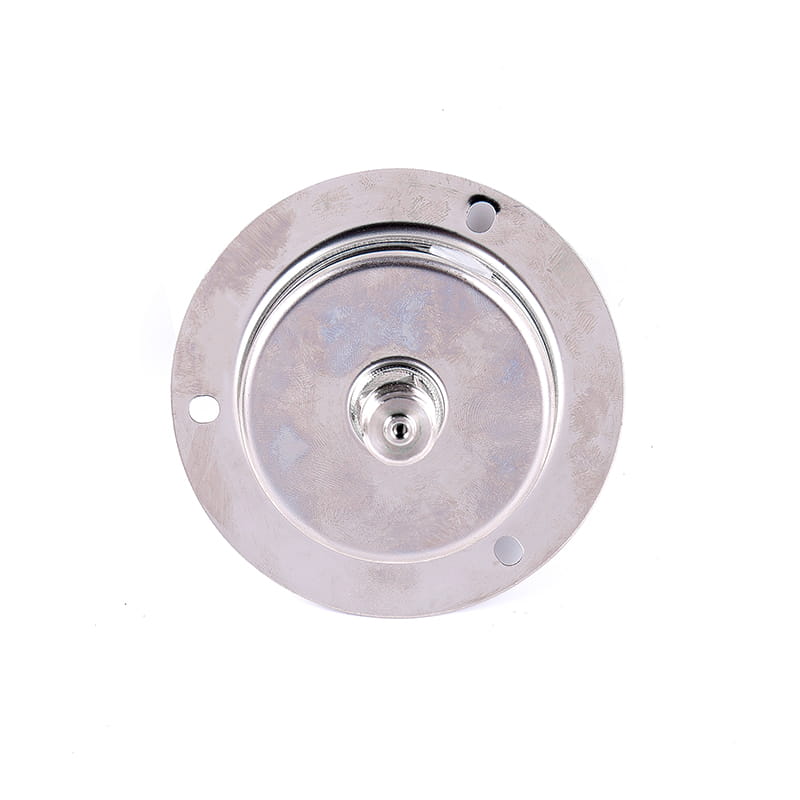 YJY series absolute pressure gauge Manufacturers, Factory - Wuxi Huihua Special Wuxi Huihua is China OEM/ODM YJY series absolute pressure gauge Manufacturers and Factory, Wholesale YJY series absolute pressure gauge, ...View Product →
The table below summarises the main differences between the two measurement types. These distinctions affect both sensor design and field interpretation.
| Feature | Gauge Pressure | Absolute Pressure |
|---|---|---|
| Zero reference | Atmospheric pressure | Perfect vacuum |
| Reads zero at | Local atmospheric pressure | Full vacuum |
| Effect of altitude | Changes with atmospheric pressure | No effect, because zero is fixed |
| Typical value at sea level | 0 bar at atmospheric pressure | About 1.013 bar at atmospheric pressure |
| Sensor design | Open to ambient air through a vent | Sealed vacuum reference chamber |
| Main applications | Hydraulics, pneumatics, pumps, pressure vessels | Vacuum processes, distillation, weather, thermodynamics |
The most important practical difference lies in the reading itself. A gauge pressure of zero does not mean no pressure; it means the pressure is equal to the surrounding atmosphere. An absolute pressure of zero means a perfect vacuum. If you confuse these references, you can make a product specification by several tenths of a bar, which is significant in many process calculations.
The choice depends on what the instrument is expected to control or indicate, not on the process medium alone.
Vacuum applications often require more than one reference standard. A gauge pressure vacuum reading of -0.5 bar is equivalent to an absolute pressure of about 0.513 bar at sea level. Many plants use vacuum and compound pressure gauges because they show both positive and negative gauge pressure on one dial. However, for low-pressure processes where the absolute level matters, a dedicated absolute pressure instrument is the safer choice.
When specifying a pressure instrument, consider these factors beyond the gauge versus absolute distinction.
An absolute pressure gauge needs a stable internal vacuum reference, which adds complexity to the manufacturing process. This generally means a higher price than a comparable gauge pressure model. If your application only needs gauge pressure, you can save cost by selecting a standard pressure gauge. If you do need absolute pressure, verify the calibration range and ensure the instrument has a valid reference certificate before installation.
Gauge pressure instruments are affected by local atmospheric changes. A plant located at 2000 meters above sea level will have a lower atmospheric pressure than one at sea level. A gauge that is zeroed at sea level would read about 0.2 bar above the true gauge pressure when installed at altitude. This error may be acceptable for some non-critical hydraulic systems, but it can create problems for process control. Absolute pressure gauges avoid this issue because their zero reference never changes.
If you are connecting pressure instruments to a control system, check whether the transmitter outputs a 4–20 mA signal and whether it is configured as gauge or absolute. Many modern transmitters can be configured for either reference, but the internal sensor must still be physically capable of absolute measurement. Look at the datasheet specifications before ordering.
In summary, gauge pressure is measured against the atmosphere, while absolute pressure is measured against a perfect vacuum. For most hydraulic, pneumatic, and water system applications, gauge pressure is the natural and cost-effective choice. For vacuum processes, distillation, and thermodynamic calculations, absolute pressure is the correct reference. When in doubt, look at the existing instrumentation in your plant and check whether the manual refers to “gauge pressure” or “absolute pressure.” A clear understanding of this difference prevents measurement mistakes and makes your instrument selection process much smoother.
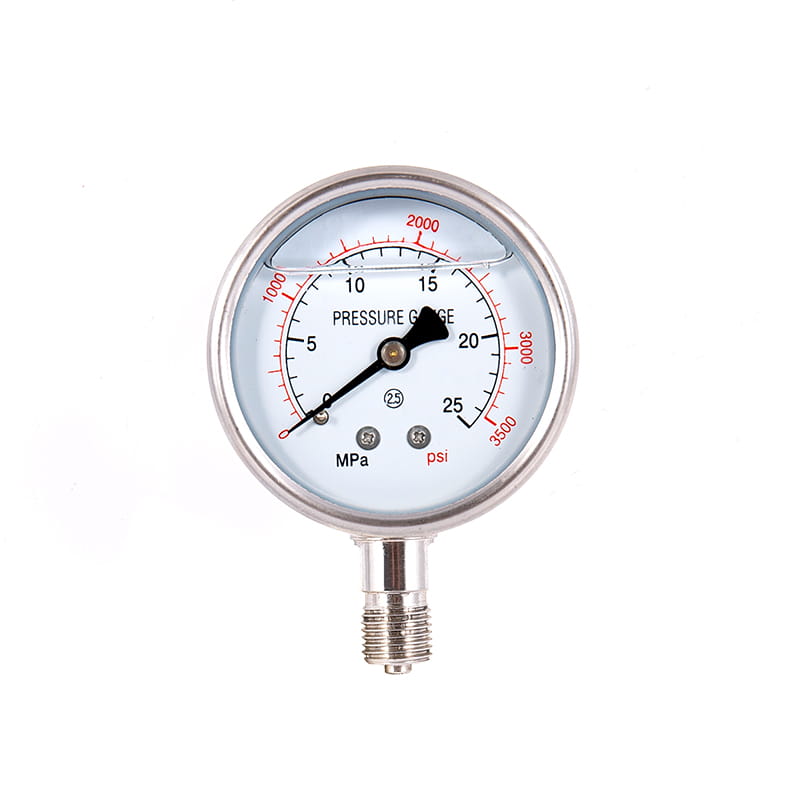
◆ Model: YG60 YG100 YG150◆ Use: All parts of this series of gauges are made of stainless steel, and ...
See Details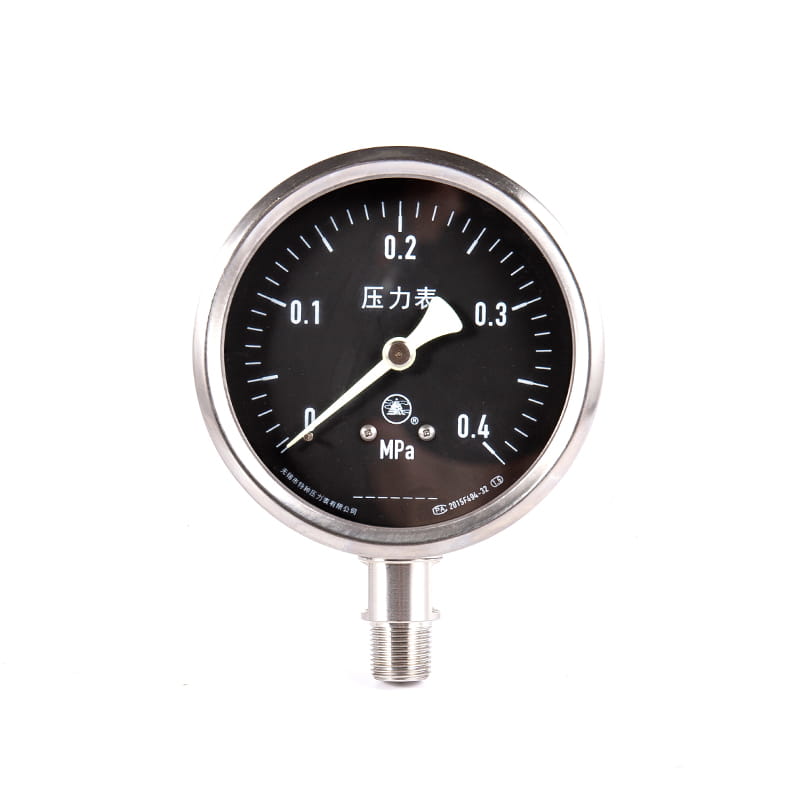
◆ Model: YC40 YC50 YC60 YC75 YC100 YC150◆ Use: This series of instruments are suitable for measuring...
See Details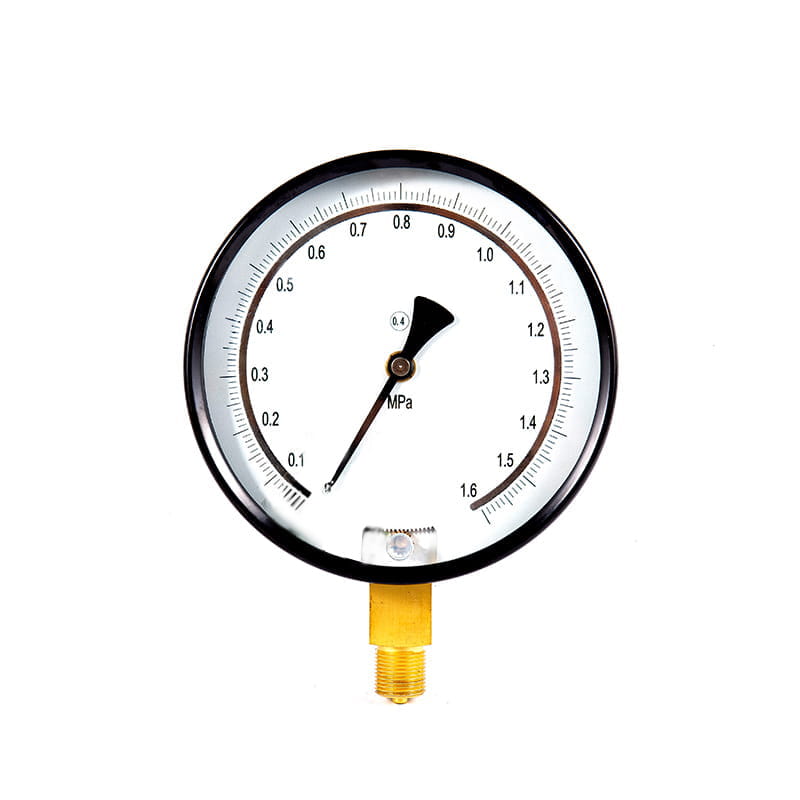
◆ Model: YJ150 YJ150A◆ Use: This series of instruments are mainly used to calibrate industrial or ci...
See Details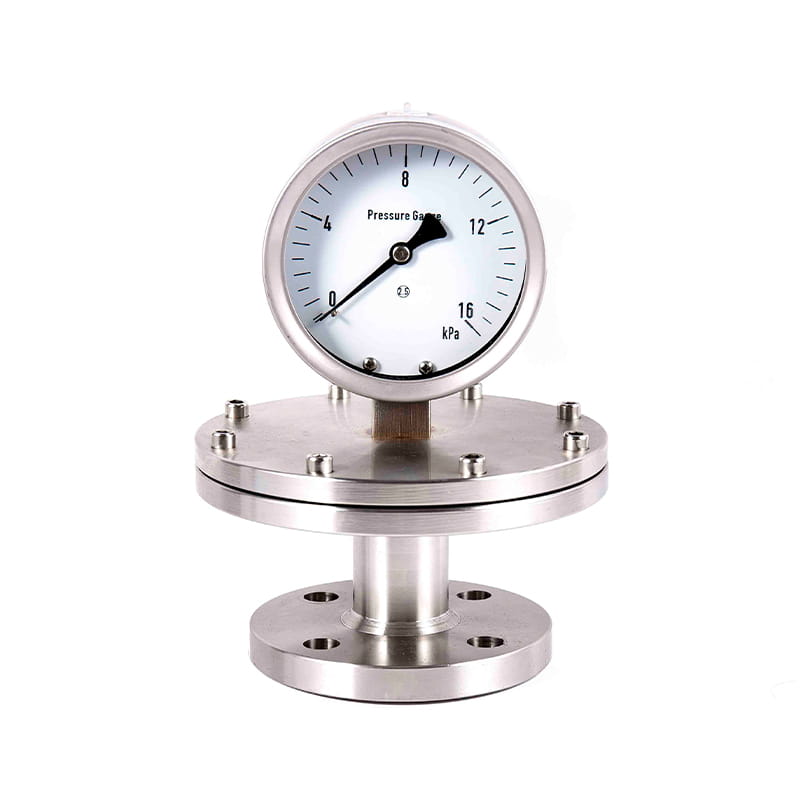
◆ Model: YP100-L YP150-L YP100-F YP150-F ◆ Application: YP series instrument diaphragm and structura...
See Details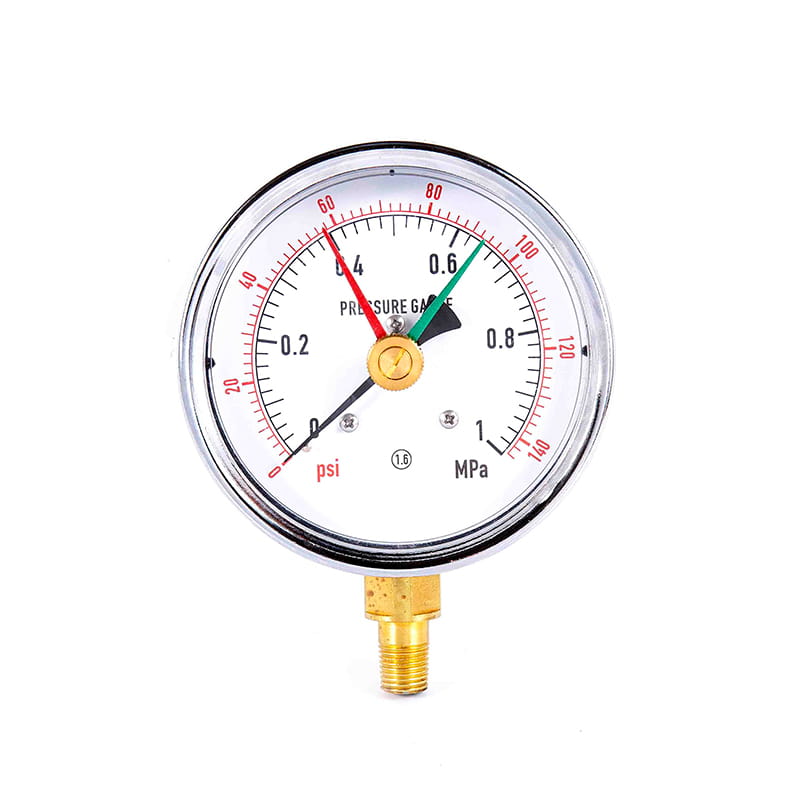
◆ Model: YD40 YD50 YD60 YD75 YD100 YD150 ◆ The main body of the instrument is a general pressure gau...
See Details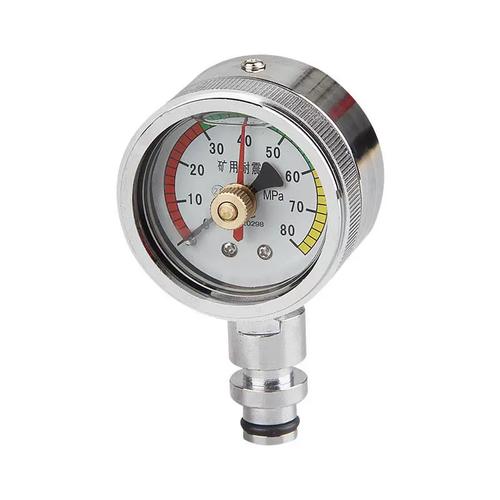
◆ Model: YKY60 ◆ Application: Mining memory pressure gauges is specially designed for underground h...
See Details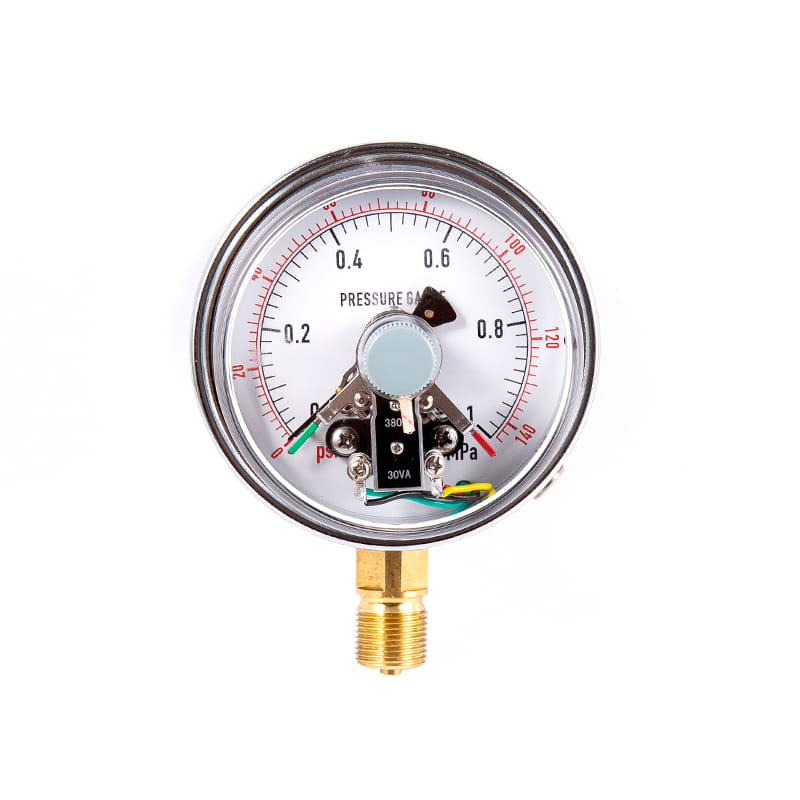
◆ Model: YXCh100 YXCh150 ◆ Application: Reed electric contact pressure gauge is suitable for measuri...
See Details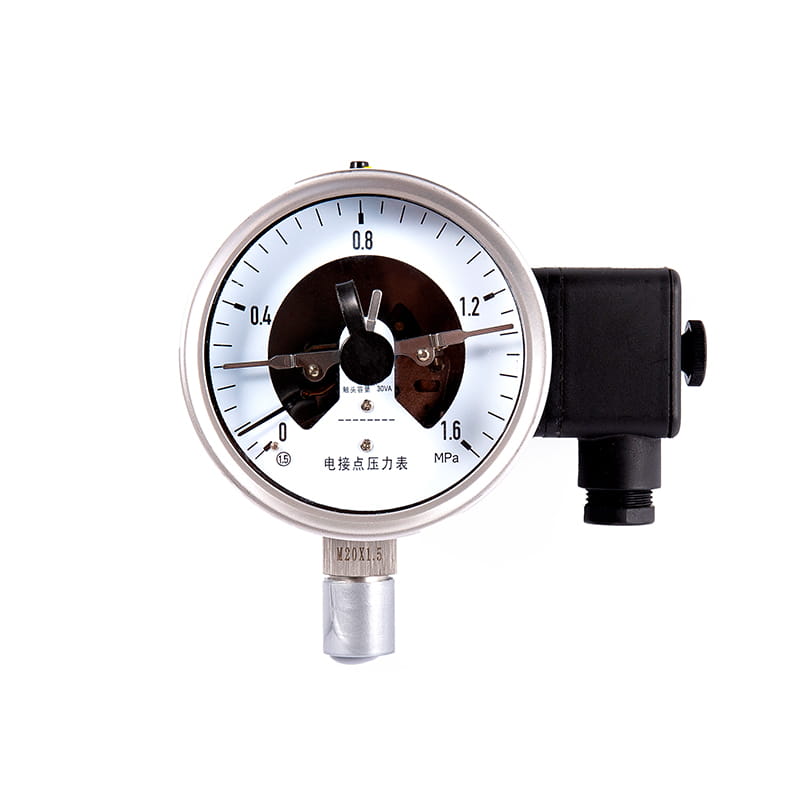
◆ Model: YXD100 YXD150 ◆ Uses: Photoelectric electric contact pressure gauge is a substitute for the...
See Details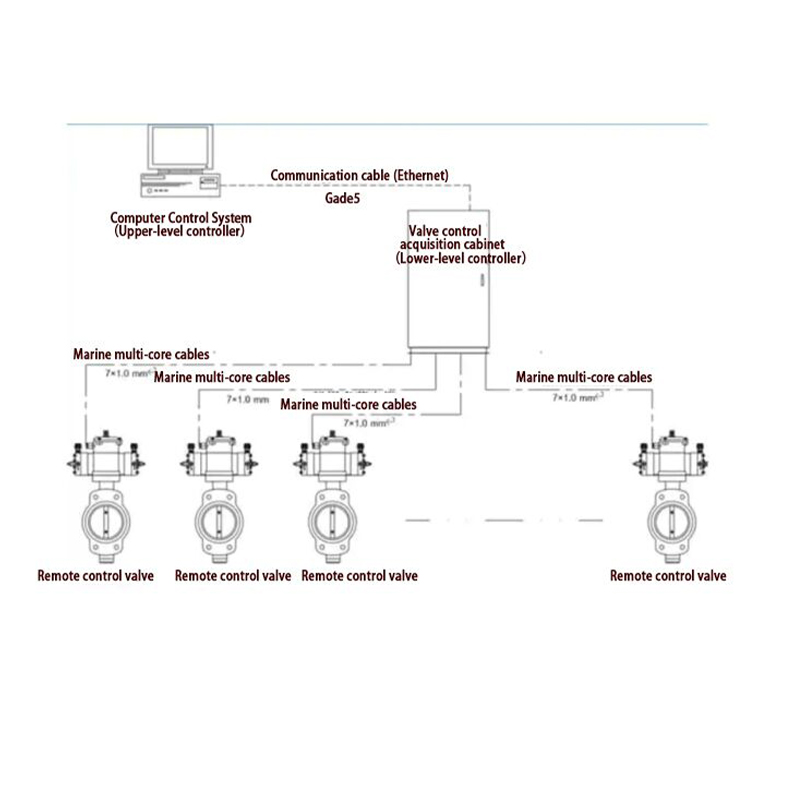
The Valve remote control and liquid level telemetry system enhances operational efficiency by provid...
See Details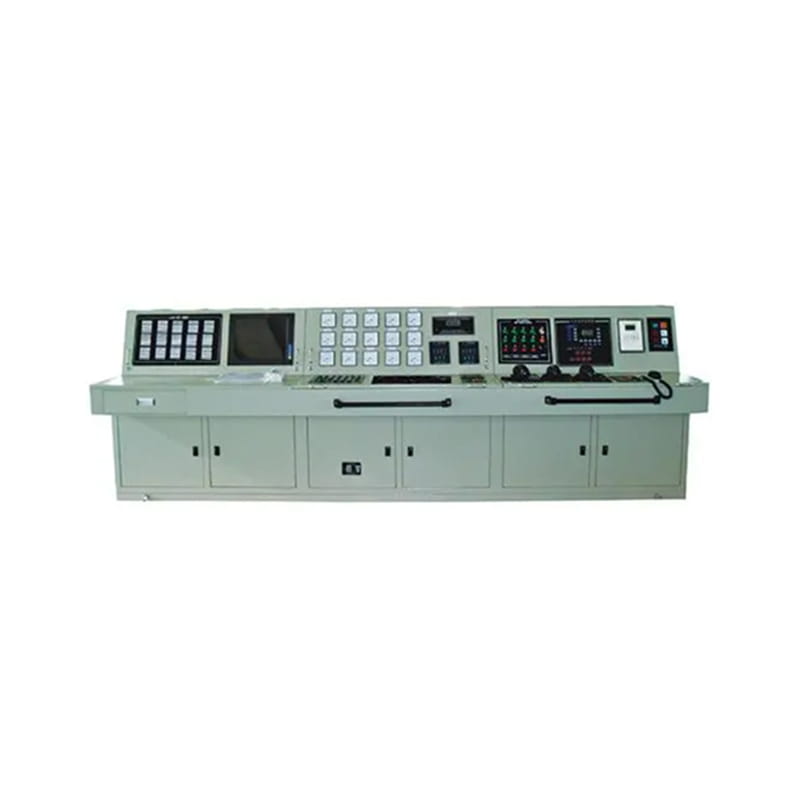
The Engine room monitoring alarm system is crucial for ensuring the safety and efficiency of operati...
See Details


