

 English
 русский
 Español
 عربى
عربى
YLm series refrigerant pressure gauge
Cat:Pressure Gauge
◆ Model: YLm60 YLm100 YLm150◆ Application: This series of instruments are special instruments for de...
See DetailsContent
Stainless steel pressure gauges represent essential instrumentation for monitoring fluid and gas pressures across diverse industrial applications, from chemical processing through hydraulic systems and compressed air networks. The safety version designation signifies enhanced design features incorporating protective mechanisms preventing catastrophic failures that could endanger personnel or damage equipment. Understanding the critical design elements, safety standards, material properties, and selection criteria for stainless steel safety pressure gauges enables engineers, maintenance professionals, and procurement specialists to specify instruments optimally suited for specific applications while ensuring reliable operation and regulatory compliance. This comprehensive selection guide explores every dimension of stainless steel safety pressure gauges, from fundamental operating principles through advanced safety features, international standards and certification requirements, material science considerations, and practical selection strategies enabling businesses to deploy pressure monitoring systems delivering accurate measurement, operational reliability, and personnel protection across demanding industrial environments.
Pressure gauges measure fluid or gas pressure through mechanical mechanisms converting pressure force into visual needle deflection indicating pressure magnitude on calibrated scales. The fundamental measurement principle employs a Bourdon tube, a curved metal tube that straightens proportionally to applied pressure, mechanically linked to a needle that rotates across a pressure scale. This proven design has remained largely unchanged for over 150 years, reflecting its fundamental reliability and simplicity enabling accurate, dependable measurement across diverse pressure ranges and media types. Stainless steel construction enhances corrosion resistance essential for harsh environments, aggressive media exposure, or marine applications where standard steel would corrode rendering instruments inoperative.
Safety version pressure gauges incorporate enhanced protection mechanisms preventing catastrophic failures that could release pressurized fluid or gas explosively damaging equipment and potentially injuring personnel. The critical safety feature involves a robust case construction preventing shrapnel generation if internal components fail under extreme overpressure conditions. Additional safety mechanisms include pressure relief devices limiting maximum pressure exposure, back-pressure connections preventing reverse pressure damage, and robust connection threads preventing accidental disconnection under pressure. These safety enhancements distinguish instruments suitable for hazardous applications from basic gauges appropriate only for low-risk situations.
The glycerin-filled gauge variant represents an important safety innovation, employing viscous fluid damping that minimizes needle oscillation from pressure fluctuations. This damping improves measurement accuracy by reducing needle flutter obscuring true pressure values, while simultaneously protecting internal mechanisms from shock loads that could cause premature failure. The glycerin also provides superior lubrication protecting mechanical components from wear, extending instrument service life and maintaining calibration accuracy throughout years of operation. Stainless steel cases with glycerin filling provide optimal combination of corrosion resistance, measurement stability, and operational reliability for demanding applications.
Multiple international standards establish minimum performance requirements and safety specifications for pressure gauges, with compliance demonstrating that instruments meet rigorous engineering and safety criteria. EN 837-1 represents the primary European standard governing bourdon tube pressure gauges, specifying accuracy classes, connection requirements, and safety features. ASME B40.100 provides equivalent American standard establishing comparable requirements for North American applications. ISO 7241 addresses hydraulic fluid power connections, ensuring compatibility between gauges and hydraulic systems. Selection of standards-compliant instruments ensures that gauges meet established safety and performance expectations worldwide.
Accuracy class designation indicates instrument measurement precision, with Class 0.6 instruments accurate to within 0.6% of full scale, Class 1.0 gauges within 1%, and Class 2.5 within 2.5% of full scale measurement range. High-precision applications including laboratory calibration and critical system monitoring demand Class 0.6 instruments, while general industrial applications typically accept Class 1.0 or 1.6 accuracy. The accuracy class selection represents balance between measurement precision requirements and cost considerations, with higher precision instruments commanding premium pricing. Selection of appropriate accuracy class prevents unnecessary expenditure on excess precision while ensuring that chosen instruments provide adequate measurement confidence for specific applications.
Pressure Equipment Directive (PED) compliance ensures that instruments meet European safety requirements for equipment containing pressurized media. The directive mandates technical documentation, design verification, and conformity assessment demonstrating that instruments comply with essential safety requirements. CE marking visible on compliant instruments provides confidence that products meet established European standards. For applications involving hazardous fluids or potentially dangerous pressure levels, PED compliance provides essential assurance that instruments meet stringent safety criteria protecting personnel and equipment from pressure-related hazards.
Stainless steel construction provides superior corrosion resistance essential for applications involving moisture exposure, aggressive media contact, or harsh environmental conditions. Standard stainless steel 304 composition provides adequate corrosion resistance for most industrial applications, offering excellent resistance to atmospheric corrosion, mild chemicals, and moisture exposure. Stainless steel 316 provides enhanced molybdenum alloying conferring superior corrosion resistance in marine environments or aggressive chloride-containing media, justifying premium pricing for applications demanding exceptional durability. Material selection reflects specific application requirements, with 304 stainless proving sufficient for general industrial use while 316 stainless becomes necessary for coastal, chemical processing, or other corrosive environments.
The complete stainless steel construction extending to internal Bourdon tubes and mechanical components ensures comprehensive corrosion resistance throughout the instrument. Brass or other non-stainless components create electrochemical corrosion pathways enabling deterioration despite stainless steel external construction. Sealing materials including glycerin fill and elastomer gaskets must also resist media exposure, with appropriate material selection ensuring long-term reliability in aggressive media applications. Comprehensive stainless steel construction represents true corrosion-resistant design ensuring that instruments maintain functionality and accuracy despite challenging environmental exposure.
Stainless steel case construction provides mechanical protection preventing damage to sensitive internal mechanisms while creating robust containment preventing catastrophic failure consequences. The dense metal structure effectively contains internal failures preventing projectile generation if components fracture under extreme overpressure. The structural strength of stainless steel enables thinner wall designs reducing instrument weight compared to heavier alternative materials, while maintaining necessary protective capability. The combination of corrosion resistance and mechanical protection makes stainless steel the optimal material for safety-critical pressure measurement applications.
| Material Type | Corrosion Resistance | Typical Applications | Cost Level |
| Carbon Steel | Poor | Dry gas, indoor use only | Low |
| Stainless 304 | Good | Industrial, moisture exposure | Moderate |
| Stainless 316 | Excellent | Marine, chemical processing | High |
| Aluminum Alloy | Moderate | Lightweight, aviation | Moderate |
Pressure range selection represents the primary specification decision, with instruments rated for specific maximum operating pressures. Selecting instruments with full-scale ranges appropriately matching typical operating pressures ensures optimal measurement accuracy and instrument longevity. A gauge with full-scale rating of 0-100 bar provides more accurate readings for pressures near 80 bar compared to an oversized 0-300 bar instrument whose scale resolution proves inadequate for precise measurement at lower pressures. Conversely, undersizing instruments subjects them to chronic overpressure exposure potentially causing accelerated wear or failure. The selection should provide comfortable operating range with typical pressures residing in the middle half of the gauge scale.
Connection type compatibility with existing system piping or hose connections represents another critical specification, with common options including bottom center connections, back connections, or radial configurations. EN 837-1 standard specifies 1/4 inch NPT or M14x1.5 metric threads as typical connections, ensuring compatibility across most applications. The connection location influences gauge installation orientation, with bottom-center connections enabling vertical installation while back connections suit horizontal orientations. Adaptation fittings enable installation of gauges with non-standard connections, though such adaptations introduce leak risks and add expense that could be avoided through proper specification selection.
Fluid media compatibility assessment ensures that internal components including Bourdon tubes, gaskets, and sealing materials resist chemical attack from monitored fluids. Glycerin-filled gauges prove ideal for hydraulic systems where light oils require damping fluid compatibility. Dry gauge options suit gas applications where glycerin contamination would prove problematic. Specialized liquid fills including silicone oil accommodate extreme temperature applications where glycerin viscosity would change unacceptably. The selection should reflect specific media exposure ensuring that gauge components remain functionally stable throughout extended service life.
Proper installation protects gauges from damage and ensures accurate readings reflecting true system pressures. Isolation valves upstream of gauges enable safe removal for maintenance or replacement without system depressurization. Snubbers or restrictor fittings dampen pressure pulsations protecting sensitive instruments from shock loads that could accelerate wear. Three-way ball valves enable gauge removal while maintaining system isolation and safety. These installation accessories enhance instrument protection and extend service life enabling decades of reliable operation.
Regular calibration verification ensures that instruments maintain measurement accuracy essential for process control and safety monitoring. Annual calibration against reference standards identifies drift requiring remediation through adjustment or instrument replacement. Gauges experiencing impacts or operating in extreme conditions require more frequent verification preventing undetected accuracy loss that could compromise system monitoring. Documentation of calibration history provides evidence of proper maintenance supporting regulatory compliance and demonstrating due diligence in safety-critical applications.
Visual inspection for leakage, corrosion, or mechanical damage provides early warning of developing problems enabling preventive intervention before failures compromise safety or measurement accuracy. Stainless steel construction minimizes external corrosion, though connection areas warrant inspection for potential weeping or contamination accumulation. Replacement of damaged or inaccurate instruments prevents reliance on unreliable information that could enable equipment damage or personnel injury through inadequate pressure monitoring.
Duplex gauge pairs provide automatic changeover enabling continuous monitoring while permitting maintenance or replacement of individual instruments without system interruption. This reliability-critical configuration suits applications where pressure monitoring cannot be interrupted without production loss or safety risk. Electric transmitters attached to mechanical gauges enable remote monitoring and automated data logging supporting advanced process control and compliance documentation. Digital displays can supplement mechanical needles enabling precise reading from remote locations while maintaining analog backup for emergency situations.
Specialized accessories enhance functionality including snubbers for pulsating systems, restrictor valves for precise control, and needle stops preventing mechanical damage from extreme overpressure. These add-on features enable optimization for specific applications, improving reliability and measurement quality compared to basic instruments. Selection of appropriate accessories during initial specification prevents costly retrofitting and enables optimal system design from inception.
Stainless steel safety pressure gauges represent essential instrumentation for reliable, accurate pressure monitoring across demanding industrial applications. Proper selection considering pressure range, accuracy requirements, material compatibility, and safety features ensures deployment of instruments delivering years of reliable service protecting personnel and equipment. Investment in quality instruments from reputable manufacturers justifies premium pricing through extended service life, improved accuracy, and enhanced safety compared to marginal cost savings from low-quality alternatives.
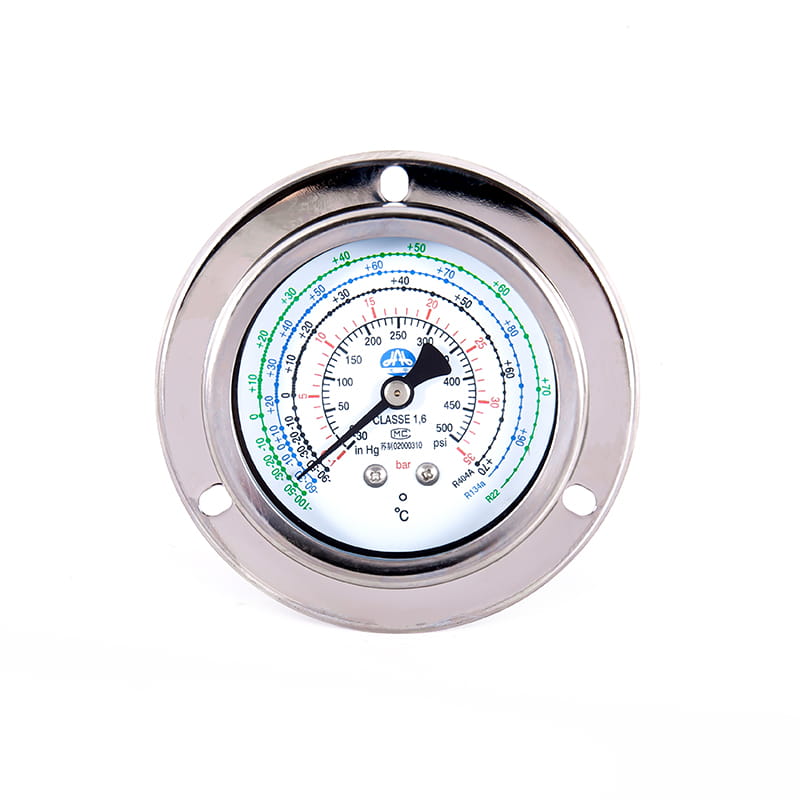
◆ Model: YLm60 YLm100 YLm150◆ Application: This series of instruments are special instruments for de...
See Details
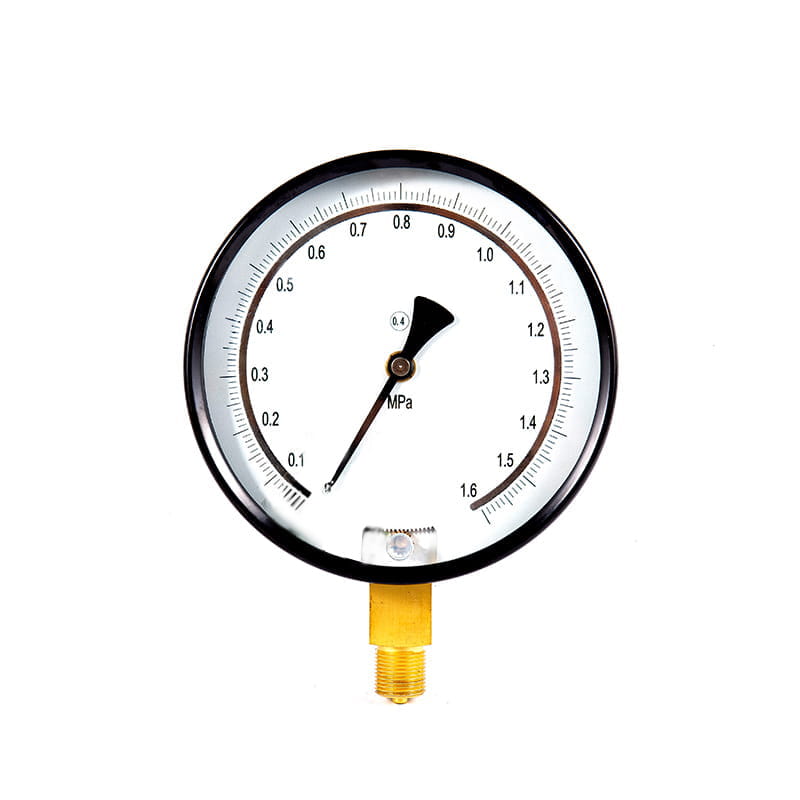
◆ Model: YJ150 YJ150A◆ Use: This series of instruments are mainly used to calibrate industrial or ci...
See Details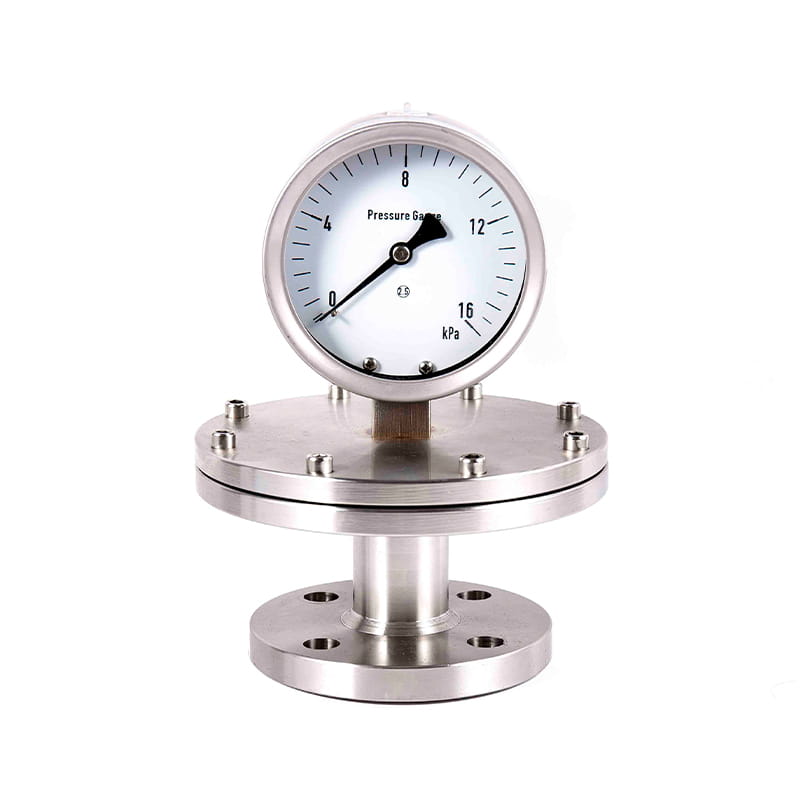
◆ Model: YP100-L YP150-L YP100-F YP150-F ◆ Application: YP series instrument diaphragm and structura...
See Details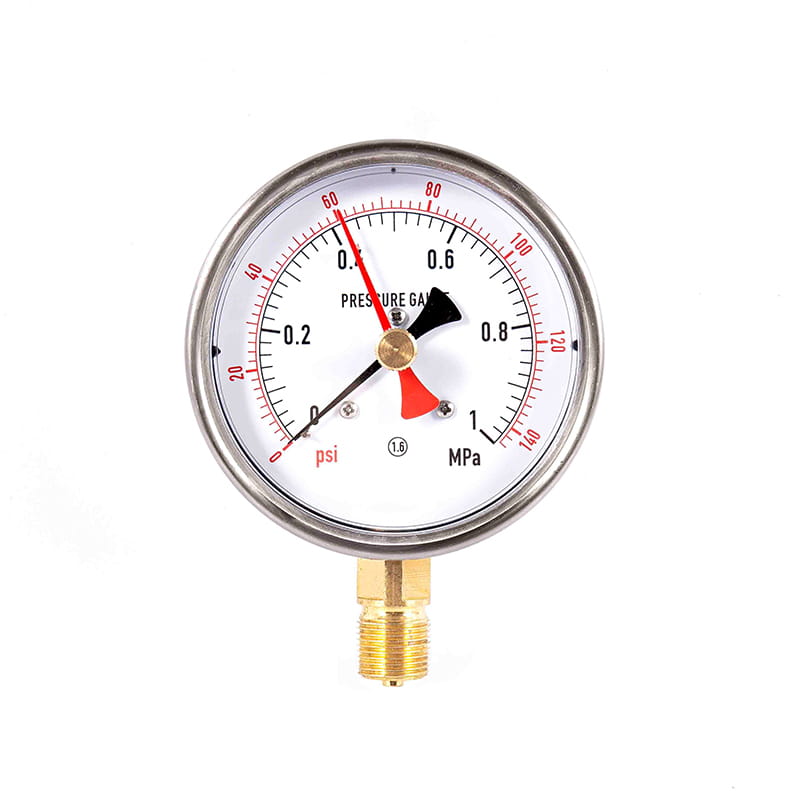
◆ Model: YL40 YL50 YL60 YL75 YL100 YL150 ◆ Needle-retaining pressure gauges is composed of a general...
See Details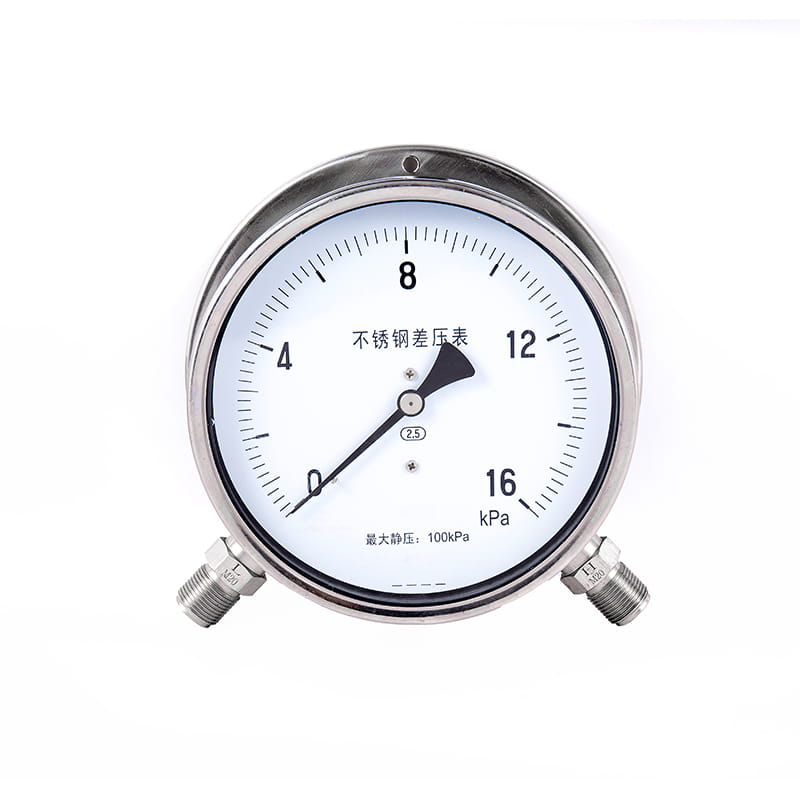
◆ Model: CYB100 CYB150 ◆ Application: Stainless steel differential pressure gauges is suitable for m...
See Details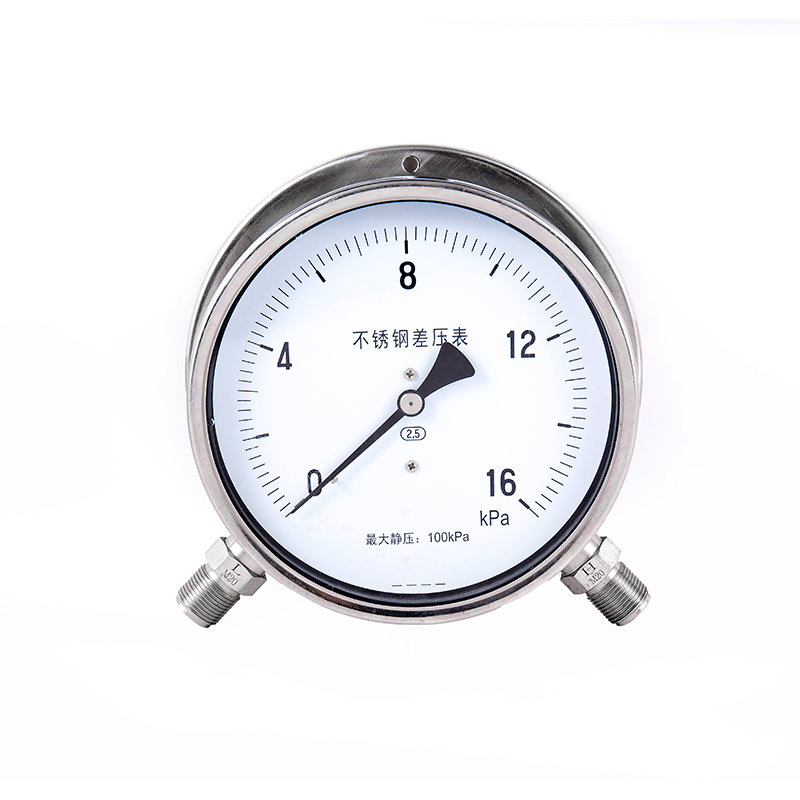
◆ Model: CYBN100 CYBN150 ◆ Application: Earthquake-resistant (seismic) stainless steel differential ...
See Details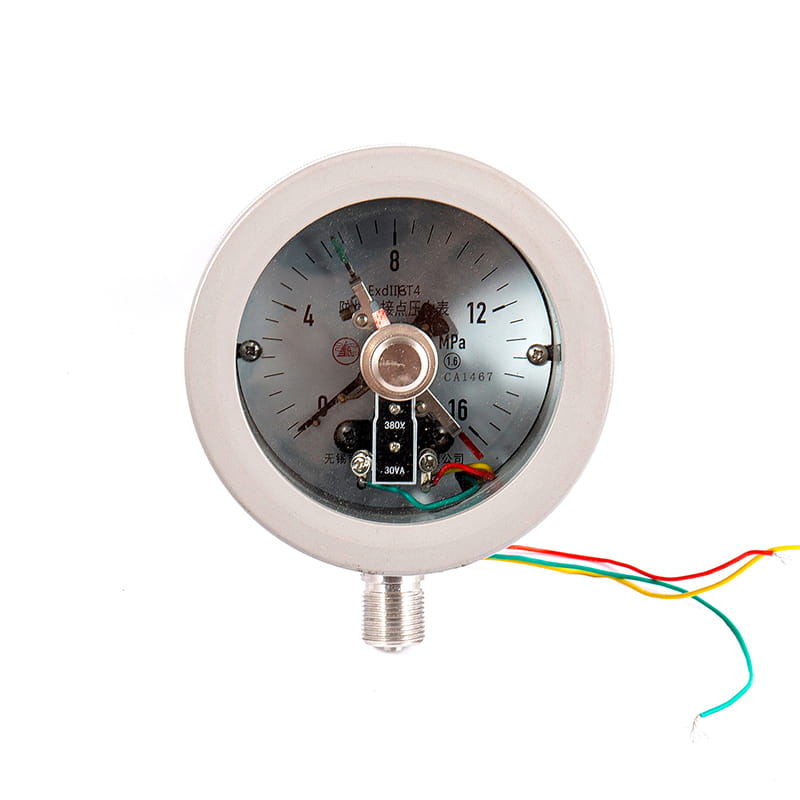
◆ Model: YTX100B YTX150B ◆ Uses: Explosion-proof electric contact pressure gauge is specially used i...
See Details
◆ Model: WSSX411B WSSX511B ◆ Introduction: This instrument is in accordance with the national standa...
See Details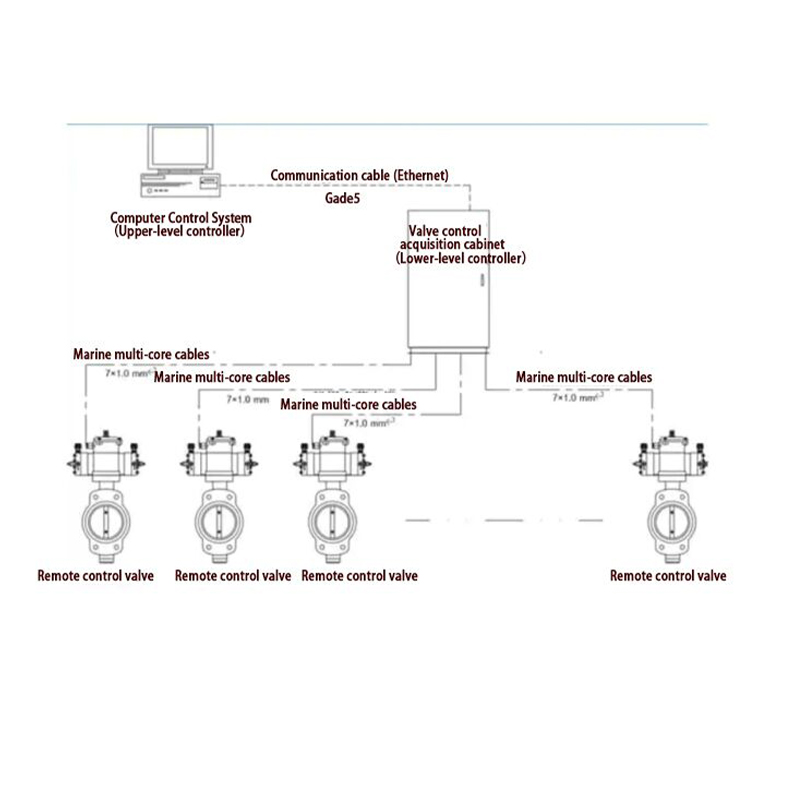
The Valve remote control and liquid level telemetry system enhances operational efficiency by provid...
See Details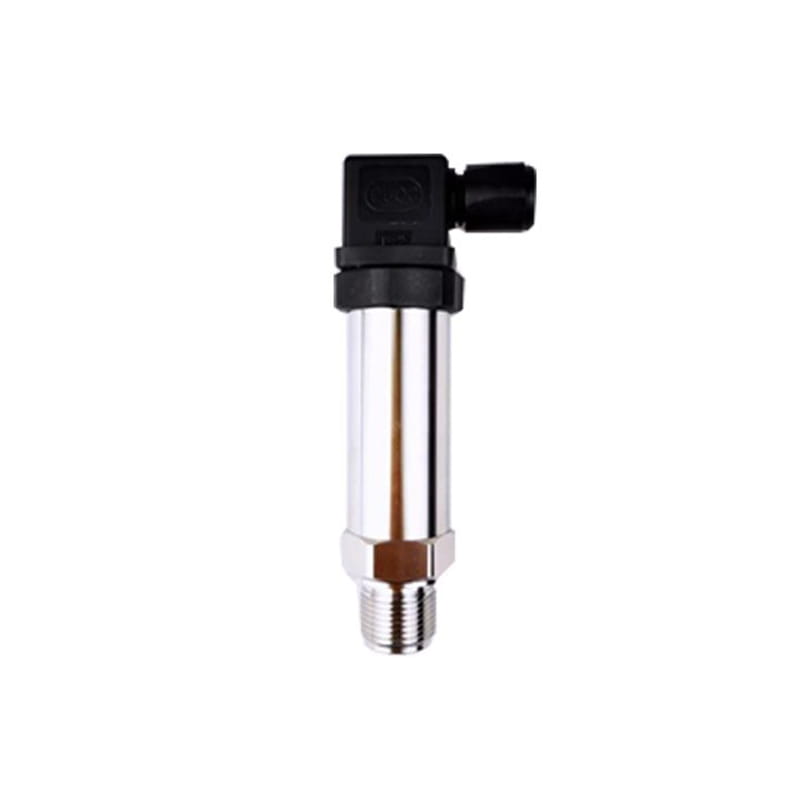
The Pressure transmitter YSZK is designed for demanding environments, operating effectively in tempe...
See Details


