

 English
 русский
 Español
 عربى
عربى
YE series micro pressure gauges/membrane box pressure gauge
Cat:Pressure Gauge
◆ Model:YE60 YE100 YE150 ◆ Use: Membrane box pressure gauge is also called micro pressure gauge....
See DetailsContent
A pressure transmitter is an industrial instrument that measures the pressure of a liquid, gas, or steam within a process system and converts that physical measurement into a standardized electrical signal, typically a 4 to 20 milliamp current or a digital communication output. This signal is then transmitted to a control system, data logger, or display device, allowing operators to monitor process conditions in real time and enabling automated control systems to make adjustments based on the measured pressure value.
Pressure transmitters are foundational components across nearly every industrial sector, from oil and gas processing to water treatment, chemical manufacturing, and HVAC systems. Their reliability directly affects process safety, product quality, and operational efficiency, making proper selection, installation, and maintenance of these devices a critical consideration for any facility relying on accurate pressure monitoring.
Understanding how a pressure transmitter converts physical pressure into an electrical signal requires examining the sensing element at its core, along with the supporting electronics that process and transmit that measurement.
Most pressure transmitters use a flexible diaphragm that physically deflects in response to applied pressure. This diaphragm separates the process fluid from the transmitter's internal sensing components, protecting sensitive electronics from direct exposure while still allowing pressure to be accurately measured through the diaphragm's mechanical movement.
Behind the diaphragm, a sensing element detects the deflection and converts it into an electrical signal. Common sensing technologies include piezoresistive strain gauges, which change electrical resistance in response to mechanical strain, and capacitive sensors, which measure changes in capacitance as the diaphragm moves closer to or further from a fixed reference plate. Each technology offers distinct trade-offs in terms of accuracy, response time, and suitability for specific process conditions.
Once the raw sensor signal is generated, internal electronics amplify, linearize, and convert this signal into a standardized output format. This processed signal is then transmitted via wired connection, most commonly using the 4 to 20 milliamp current loop standard, or through digital protocols such as HART, Foundation Fieldbus, or wireless communication standards depending on the transmitter's design and the facility's control system requirements.
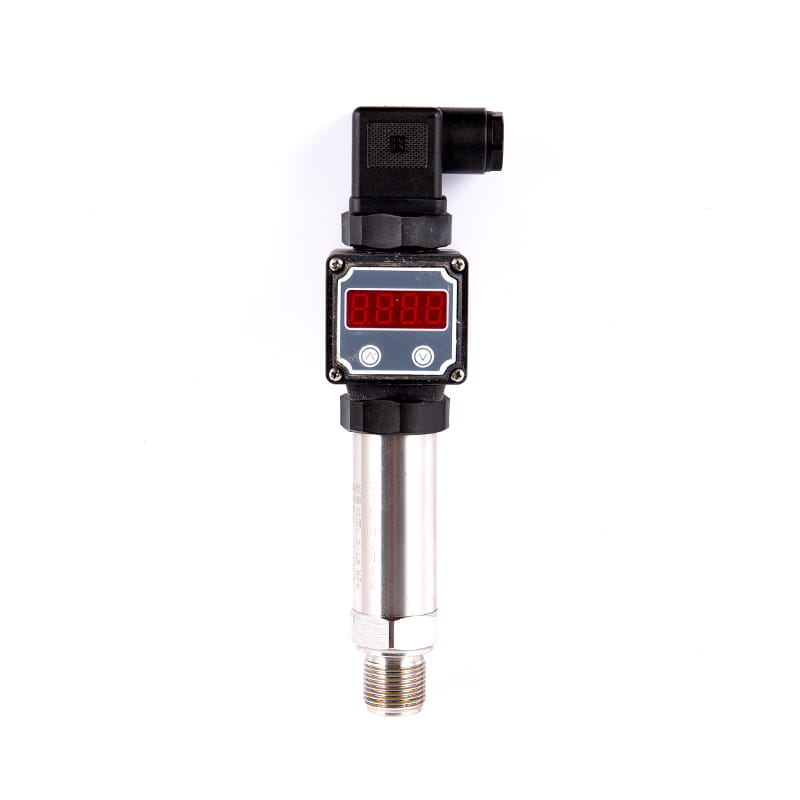
Pressure transmitters are available in several configurations, each suited to different measurement requirements depending on the reference point used for the pressure reading and the physical characteristics of the process being monitored.
Gauge pressure transmitters measure pressure relative to ambient atmospheric pressure, making them the most commonly used type for general industrial applications such as monitoring tank pressure, pump discharge pressure, or compressed air systems.
Absolute pressure transmitters measure pressure relative to a perfect vacuum reference rather than atmospheric pressure, making them essential for applications such as vacuum system monitoring or precise barometric pressure measurement where atmospheric variations would otherwise introduce measurement error.
Differential pressure transmitters measure the difference between two separate pressure points, commonly used for flow measurement across an orifice plate, filter differential monitoring to detect clogging, or liquid level measurement in closed tanks using the hydrostatic pressure principle.
Selecting the appropriate sensing technology for a specific application depends on factors such as required accuracy, process fluid characteristics, and environmental conditions at the installation site.
| Sensing Technology | Typical Accuracy | Best Suited For |
| Piezoresistive Strain Gauge | Good | General industrial process monitoring |
| Capacitive Sensor | Excellent | High-precision applications, custody transfer |
| Resonant Sensor | Very High | Critical measurement applications requiring long-term stability |
While capacitive and resonant sensing technologies generally offer superior accuracy and long-term stability, piezoresistive strain gauge transmitters remain widely used across general industrial applications due to their favorable balance of cost, durability, and adequate performance for most standard process monitoring needs.
Beyond sensing technology, several additional specifications must be evaluated to ensure a pressure transmitter performs reliably within its intended application.
Overlooking any of these specifications can result in inaccurate readings, premature sensor failure, or in more serious cases, safety hazards in facilities handling flammable or hazardous process materials.
Pressure transmitters serve critical monitoring functions across a wide variety of industrial sectors, each with distinct measurement challenges and accuracy requirements.
Pressure transmitters monitor wellhead pressure, pipeline pressure, and separator vessel conditions, often requiring hazardous area certifications and robust construction to withstand harsh environmental conditions found in upstream and midstream operations.
Treatment facilities rely on pressure transmitters for monitoring pump discharge pressure, filter differential pressure to detect clogging, and hydrostatic level measurement in tanks and clarifiers, supporting both process control and regulatory compliance monitoring.
These industries often require transmitters with specialized wetted materials resistant to corrosive or reactive process fluids, along with hygienic design features for pharmaceutical applications where product contamination must be strictly controlled.
Proper installation practices significantly affect the accuracy and reliability of pressure transmitter readings over the equipment's operational lifespan.
For transmitters not directly mounted to the process, impulse lines connecting the transmitter to the process connection point must be properly sloped and sized to prevent trapped air pockets in liquid service or condensate accumulation in steam or gas service, both of which can introduce measurement errors.
Installing transmitters away from sources of excessive vibration or extreme temperature fluctuation helps maintain long-term accuracy and prevents premature sensor drift or mechanical fatigue in the sensing diaphragm.
Regular calibration verification is essential for maintaining pressure transmitter accuracy over time, since sensor drift can occur gradually even in properly installed and maintained instruments. Most facilities establish a calibration schedule based on the criticality of the measurement point, with safety-critical applications typically requiring more frequent verification than general process monitoring points.
Periodic inspection of the diaphragm and wetted components for signs of corrosion, buildup, or mechanical damage helps identify potential issues before they result in measurement errors or transmitter failure. Additionally, verifying that impulse lines remain free of blockages or trapped gas pockets during routine maintenance helps ensure the transmitter continues to provide an accurate representation of actual process pressure conditions.
Pressure transmitters serve as essential monitoring instruments across countless industrial applications, converting physical pressure measurements into reliable electrical signals that support both process control and safety systems. By carefully evaluating sensing technology, specification requirements, and installation best practices, along with maintaining a consistent calibration schedule, facilities can ensure accurate, dependable pressure measurement throughout their operations for years of reliable service.
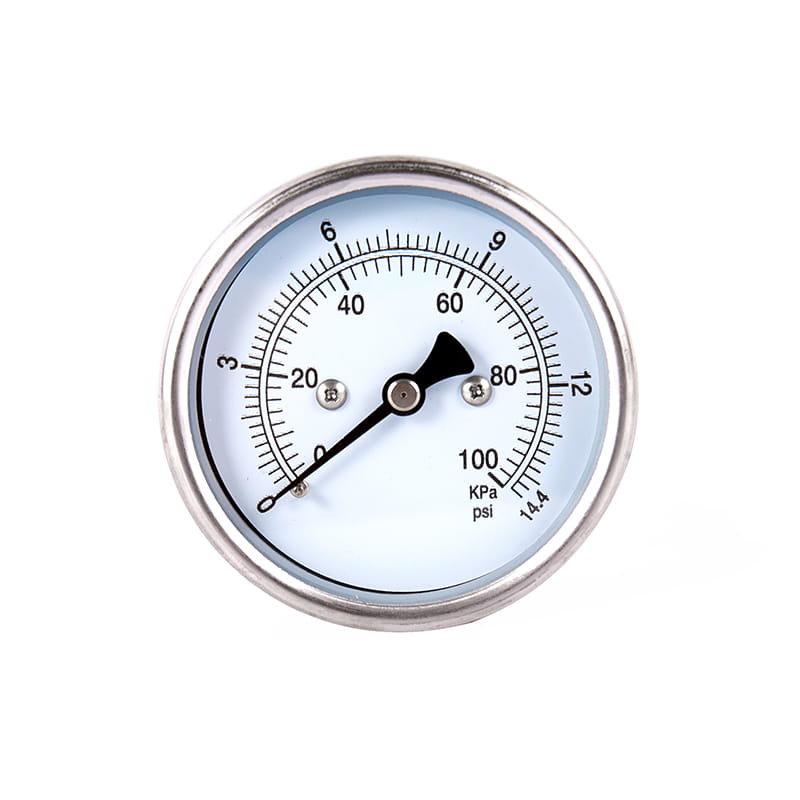
◆ Model:YE60 YE100 YE150 ◆ Use: Membrane box pressure gauge is also called micro pressure gauge....
See Details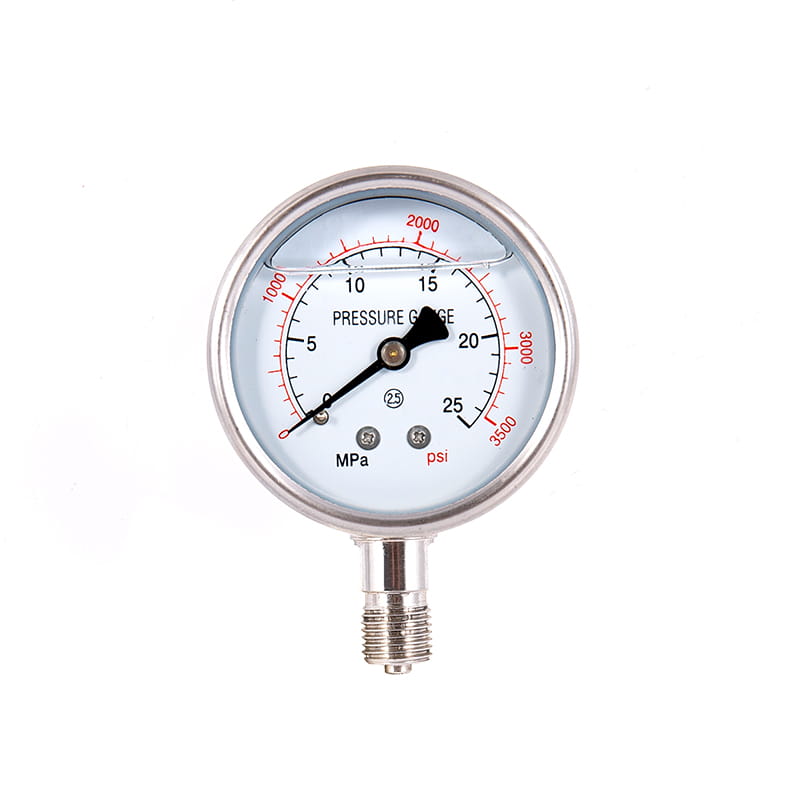
◆ Model: YG60 YG100 YG150◆ Use: All parts of this series of gauges are made of stainless steel, and ...
See Details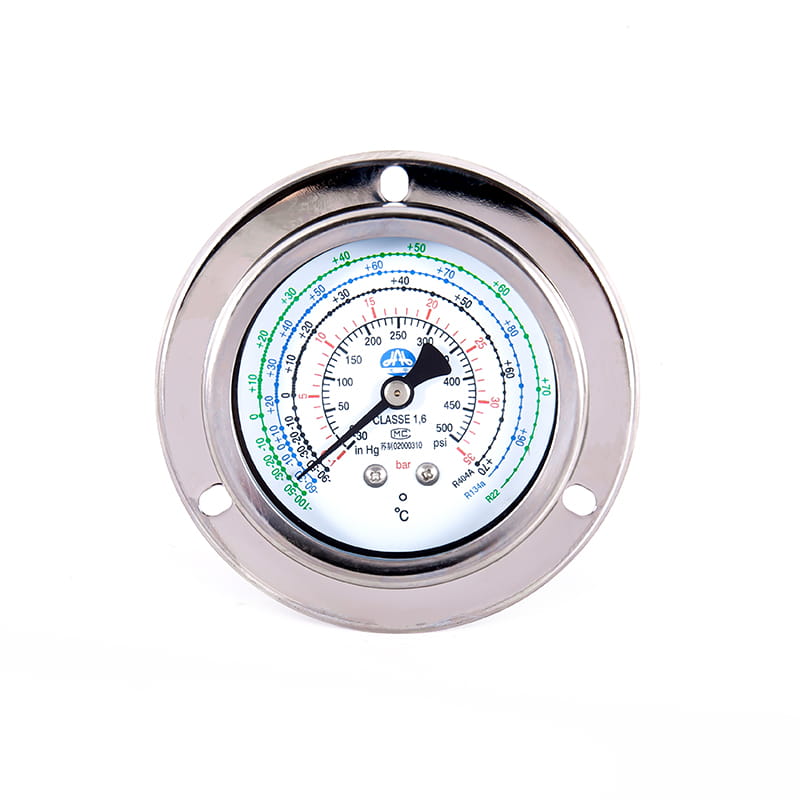
◆ Model: YLm60 YLm100 YLm150◆ Application: This series of instruments are special instruments for de...
See Details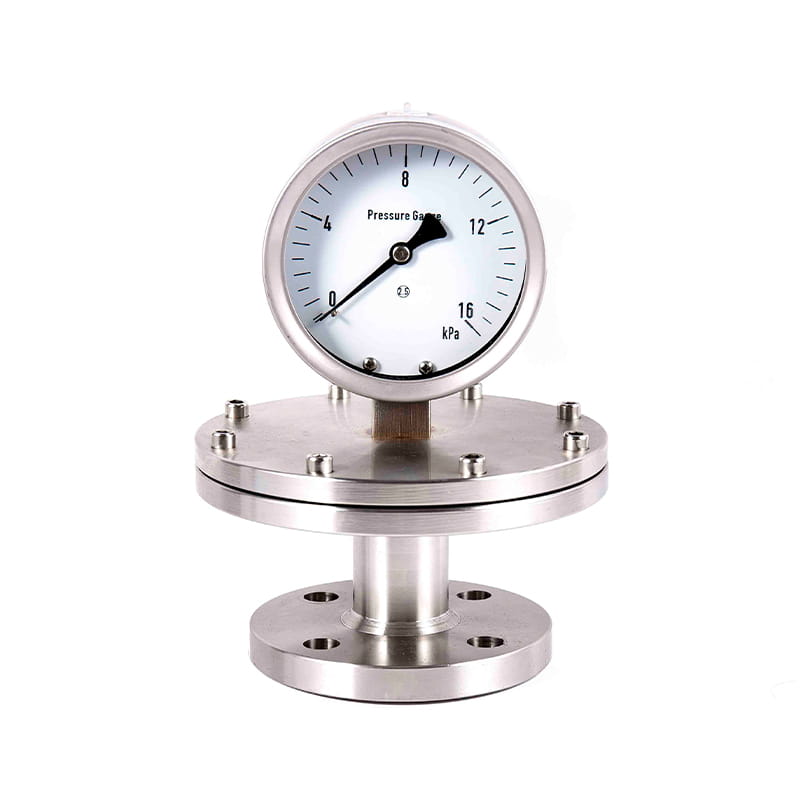
◆ Model: YP100-L YP150-L YP100-F YP150-F ◆ Application: YP series instrument diaphragm and structura...
See Details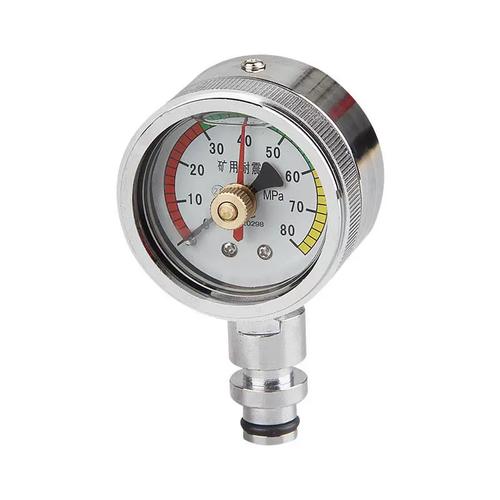
◆ Model: YKY60 ◆ Application: Mining memory pressure gauges is specially designed for underground h...
See Details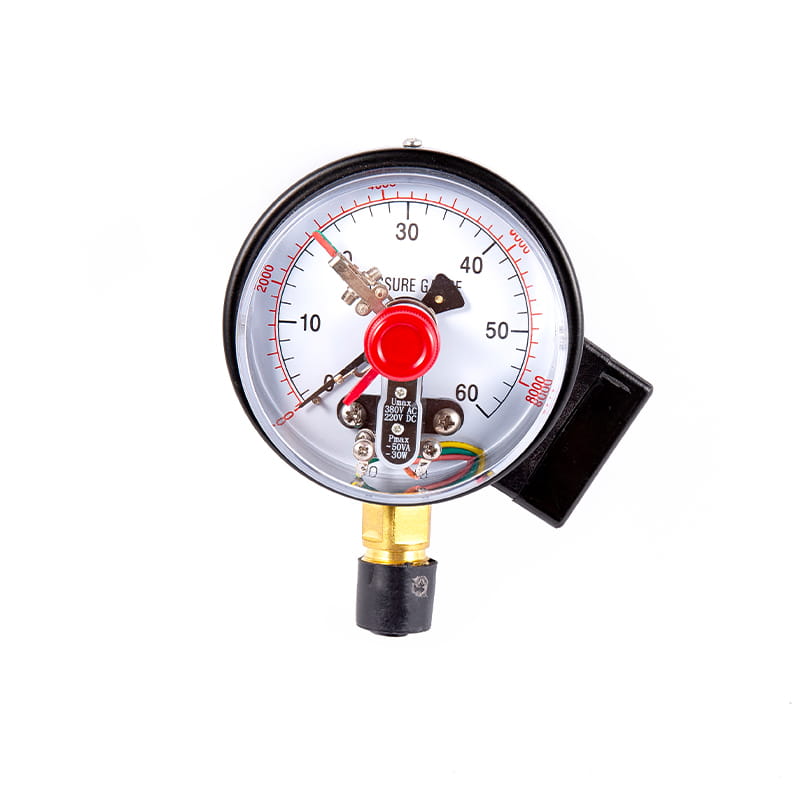
◆ Model: YXC60 YX100 YXC-150 ◆ Application: Magnetic-assisted electric contact pressure gauges is su...
See Details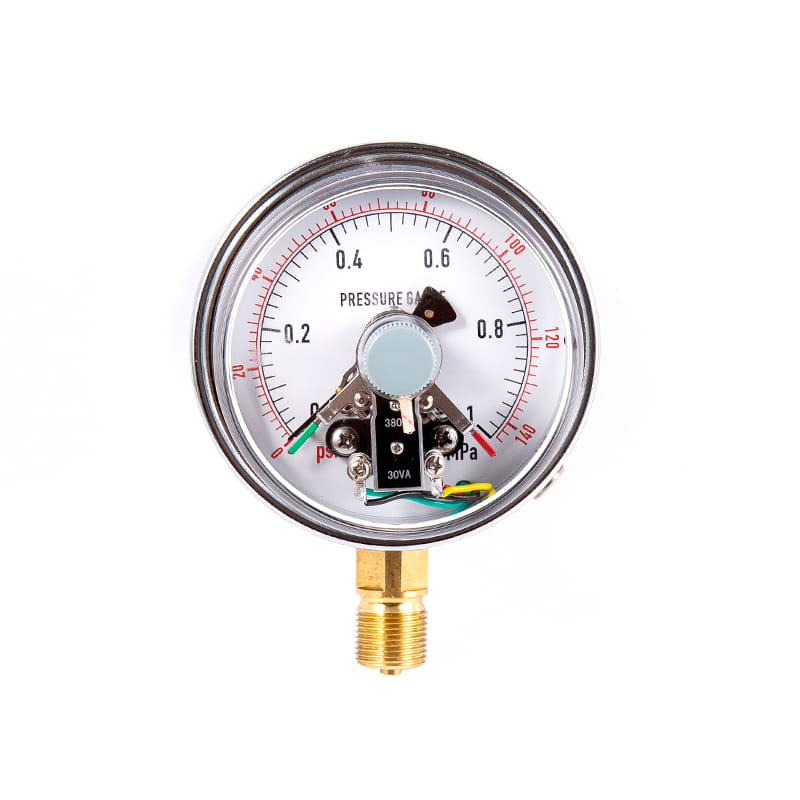
◆ Model: YXCh100 YXCh150 ◆ Application: Reed electric contact pressure gauge is suitable for measuri...
See Details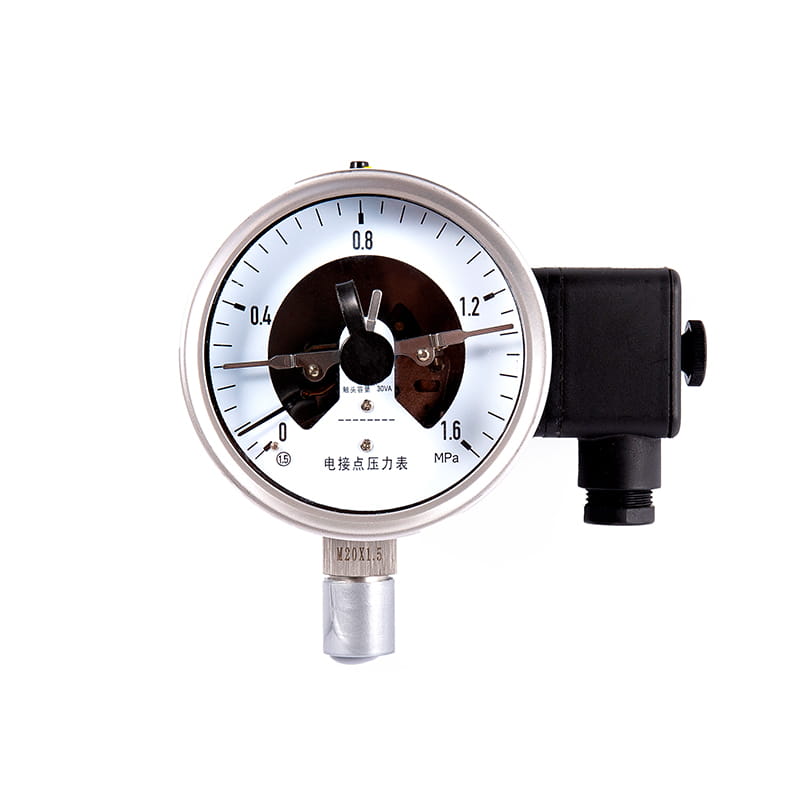
◆ Model: YXD100 YXD150 ◆ Uses: Photoelectric electric contact pressure gauge is a substitute for the...
See Details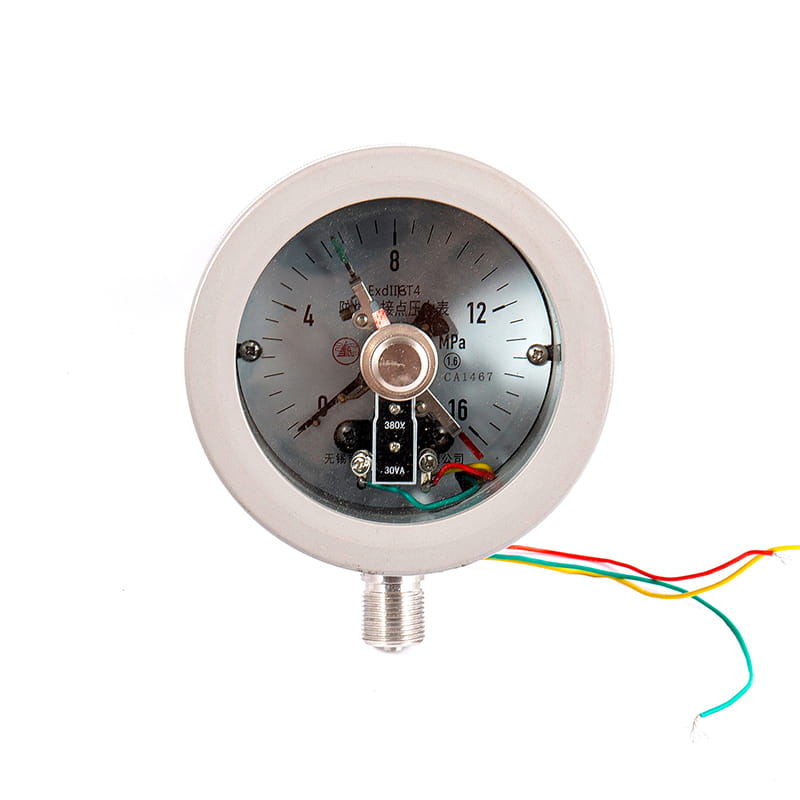
◆ Model: YTX100B YTX150B ◆ Uses: Explosion-proof electric contact pressure gauge is specially used i...
See Details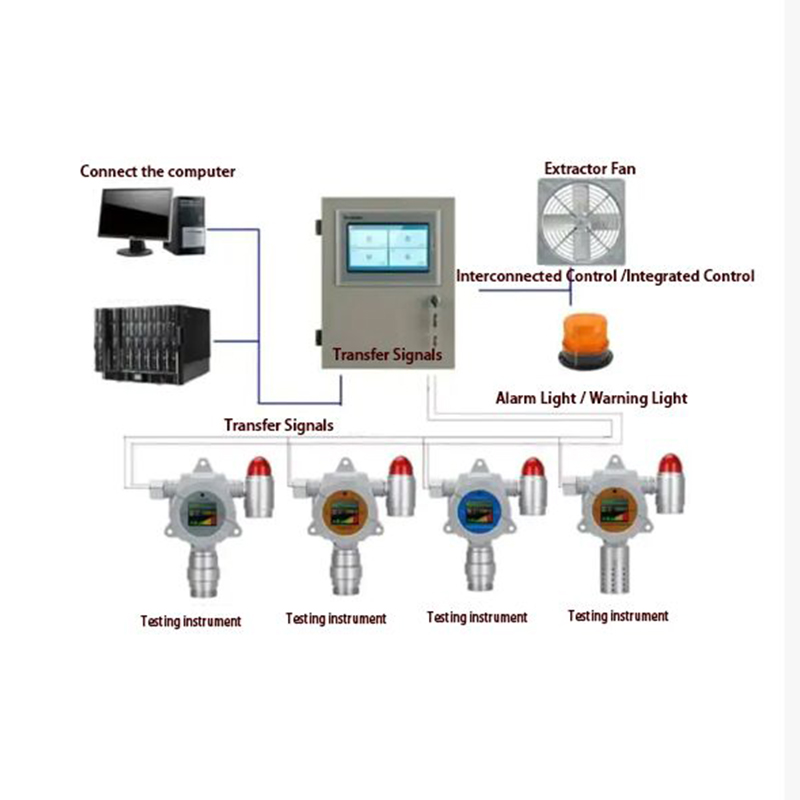
The gas monitoring alarm system is designed for optimal safety and usability. It features a user-fri...
See Details


