

 English
 русский
 Español
 عربى
عربى
Y series general stainless steel pressure gauge
Cat:Pressure Gauge
◆ Model: Y40 Y50 Y60 Y75 Y100 Y150 Y200 Y250◆ Use: This series of instruments is suitable for measur...
See DetailsContent
A bimetallic thermometer is a mechanical temperature measuring device that relies on the physical properties of two different metals bonded together to indicate temperature changes without requiring any electrical power source. This makes it a popular choice in industrial, commercial, and residential settings where a durable, self-powered temperature reading is needed. Unlike digital thermometers that depend on sensors and batteries, bimetallic thermometers operate purely on mechanical principles, making them reliable in harsh environments where electronics might fail.
These thermometers are commonly seen in applications such as HVAC systems, food processing equipment, industrial piping, and even household oven dials. Their simple design, combined with long-term durability and minimal maintenance requirements, has kept them relevant even as digital alternatives have become more widespread.
The core mechanism behind a bimetallic thermometer relies on the principle of differential thermal expansion. Two strips of different metals, typically steel and copper or brass, are bonded together to form a single strip or coil. Because each metal expands and contracts at a different rate when exposed to temperature changes, the bonded strip bends or curls when heated or cooled.
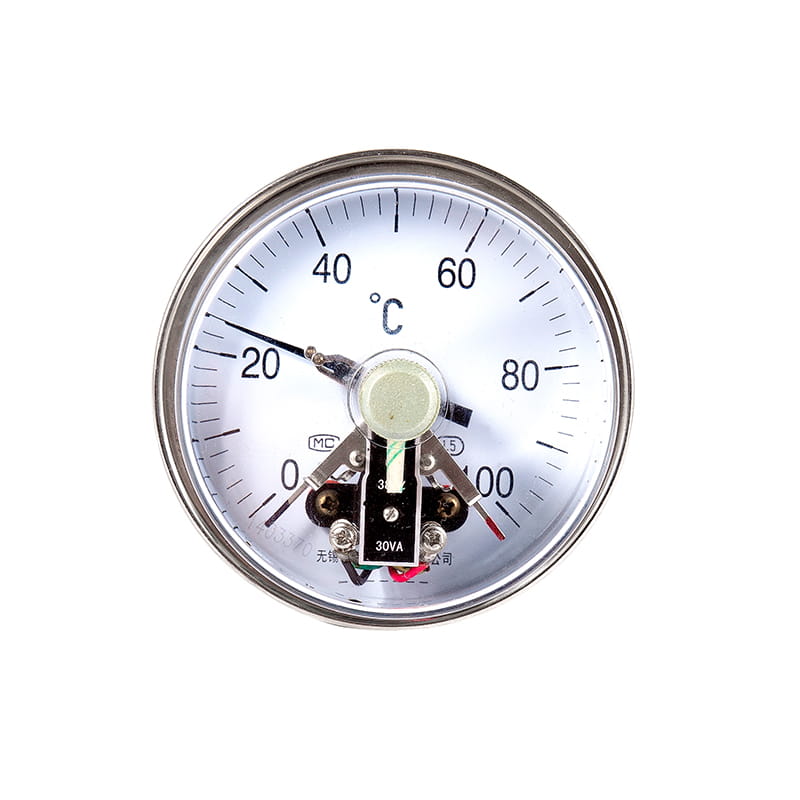
When temperature rises, the metal with the higher coefficient of thermal expansion expands faster than the other, causing the strip to curve toward the metal with the lower expansion rate. This bending motion is mechanically linked to a pointer on a calibrated dial, which moves proportionally to the degree of curvature, providing a visual temperature reading.
Many bimetallic thermometers use a spiral or helical coil design rather than a straight strip, since coiling the bimetal increases the length of the strip within a compact housing. This design amplifies the mechanical movement for a given temperature change, resulting in more precise and readable measurements on smaller dial faces.
Because of their rugged construction and independence from external power, bimetallic thermometers are used across a wide range of industries. The table below highlights common applications and the reasons they are well suited to each.
| Industry | Application | Why It's Used |
| Food Processing | Cooking and storage temperature checks | Durable and easy to sanitize |
| HVAC Systems | Duct and pipe temperature monitoring | No power source required |
| Manufacturing | Process temperature control | Reliable in high-vibration settings |
| Home Appliances | Oven and grill temperature dials | Low cost and long lifespan |
| Chemical Processing | Tank and reactor temperature checks | Resistant to harsh environments |
Bimetallic thermometers come in several configurations designed for different mounting requirements and reading orientations. Choosing the right type depends on how and where the thermometer will be installed.
Bimetallic thermometers offer several practical advantages that make them a preferred choice in many settings, though they also come with limitations that should be considered before selecting one for a specific application.
These thermometers require no external power source, making them ideal for remote or hazardous locations where wiring is impractical. Their mechanical simplicity also translates to lower long-term maintenance costs and a longer operational lifespan compared to more delicate electronic sensors. Additionally, their robust construction allows them to withstand vibration, moisture, and temperature extremes better than many digital alternatives.
On the downside, bimetallic thermometers typically offer lower precision than digital sensors, with accuracy often within one to two degrees rather than fractions of a degree. They also lack the ability to transmit data electronically, which limits their use in automated monitoring systems that require remote data logging or integration with control software.
Proper installation significantly affects the accuracy and longevity of a bimetallic thermometer. The stem should be inserted to a sufficient depth within the medium being measured, since shallow insertion can result in readings that reflect ambient temperature rather than the actual process temperature. Manufacturers typically specify a minimum immersion depth to ensure the sensing coil is fully exposed to the measured environment.
Routine maintenance includes periodic calibration checks against a known reference temperature, since mechanical components can drift slightly over time due to metal fatigue or repeated thermal cycling. Cleaning the dial face and housing regularly also helps maintain readability, particularly in environments with dust, grease, or moisture exposure. Many industrial models include a recalibration screw on the back of the dial, allowing technicians to make minor adjustments without replacing the entire unit.
Selecting the correct bimetallic thermometer depends on factors such as temperature range, stem length, dial size, and mounting orientation relative to the installation point. For high-temperature industrial processes, thermometers rated for wider ranges and constructed with corrosion-resistant materials like stainless steel are generally preferred. For food service or residential use, smaller, cost-effective models with standard temperature ranges are usually sufficient.
Considering the specific environment, including exposure to moisture, chemicals, or vibration, helps ensure the chosen thermometer performs reliably over its expected service life. Consulting manufacturer specifications for accuracy tolerance and stem length options can further help match the thermometer to the exact application requirements.
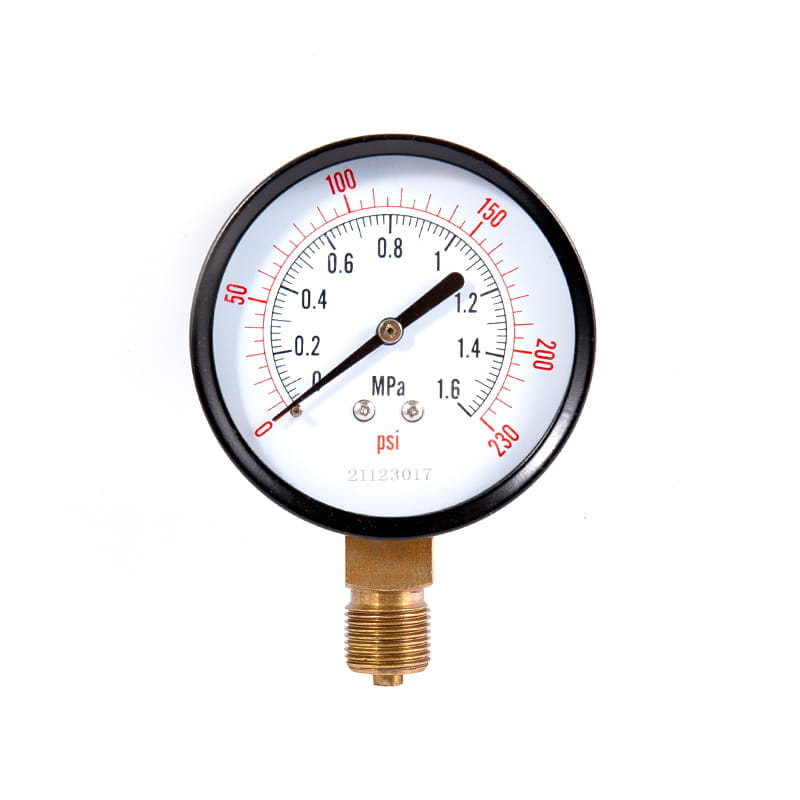
◆ Model: Y40 Y50 Y60 Y75 Y100 Y150 Y200 Y250◆ Use: This series of instruments is suitable for measur...
See Details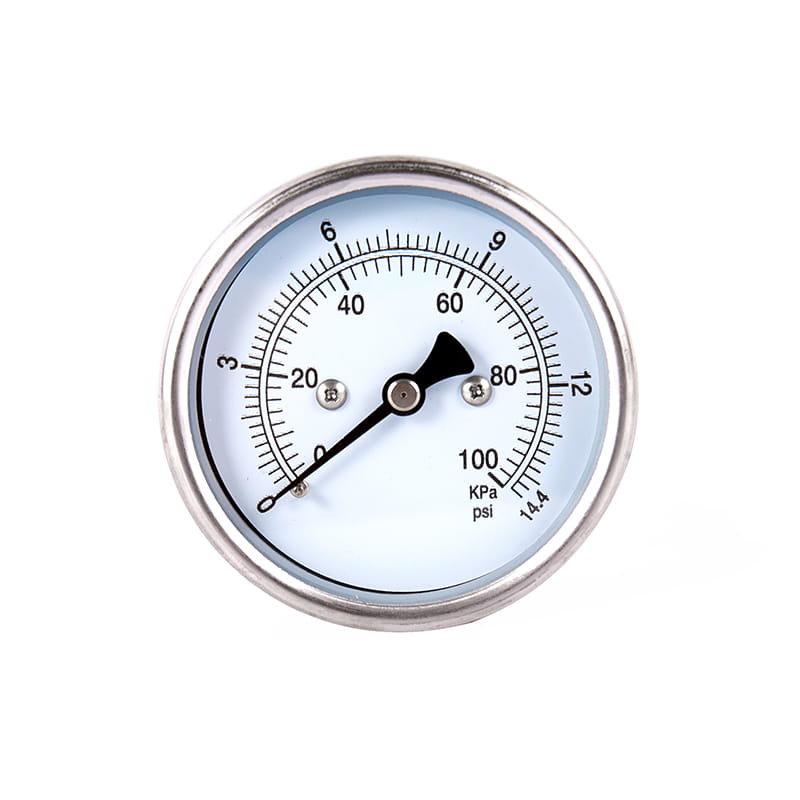
◆ Model:YE60 YE100 YE150 ◆ Use: Membrane box pressure gauge is also called micro pressure gauge....
See Details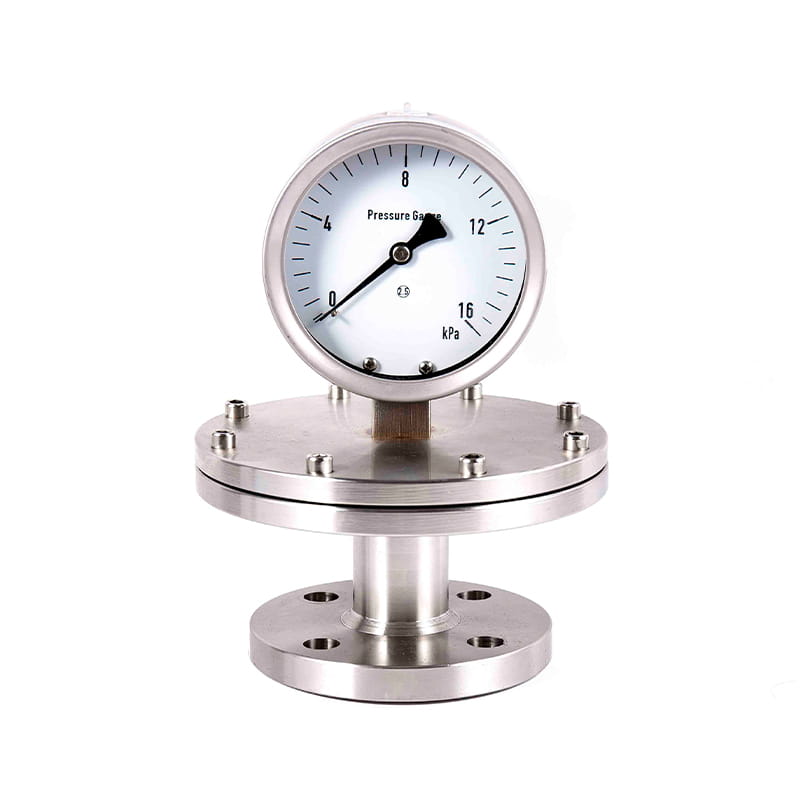
◆ Model: YP100-L YP150-L YP100-F YP150-F ◆ Application: YP series instrument diaphragm and structura...
See Details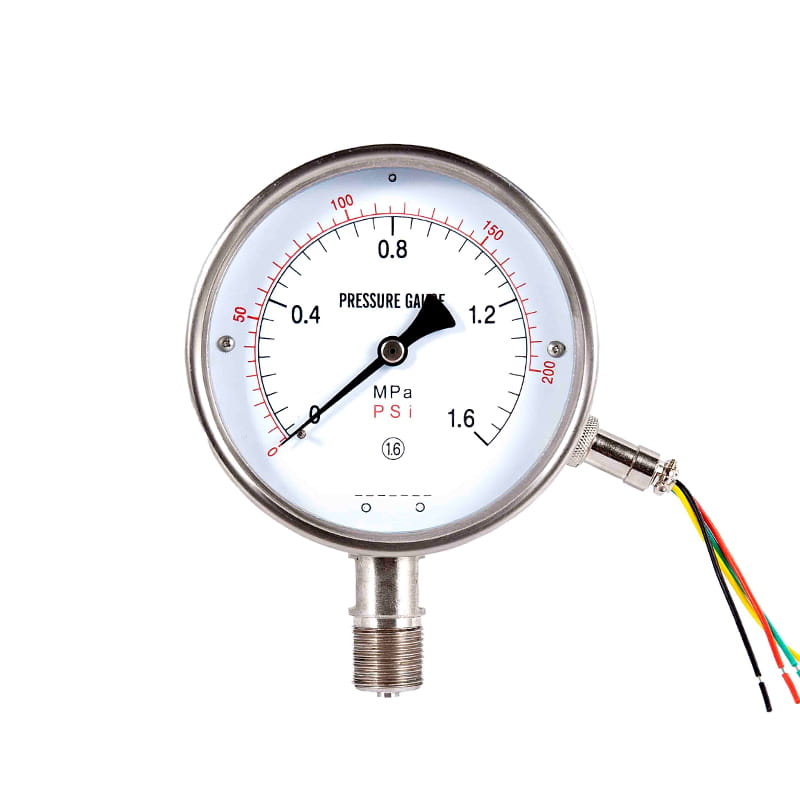
◆ Model: YTZ100, YTZ-150 ◆ Application: This type of instrument is suitable for measuring the pressu...
See Details
◆ Model: WSSXC-4 ◆ Application: This series of thermometers has the characteristics of no mercury da...
See Details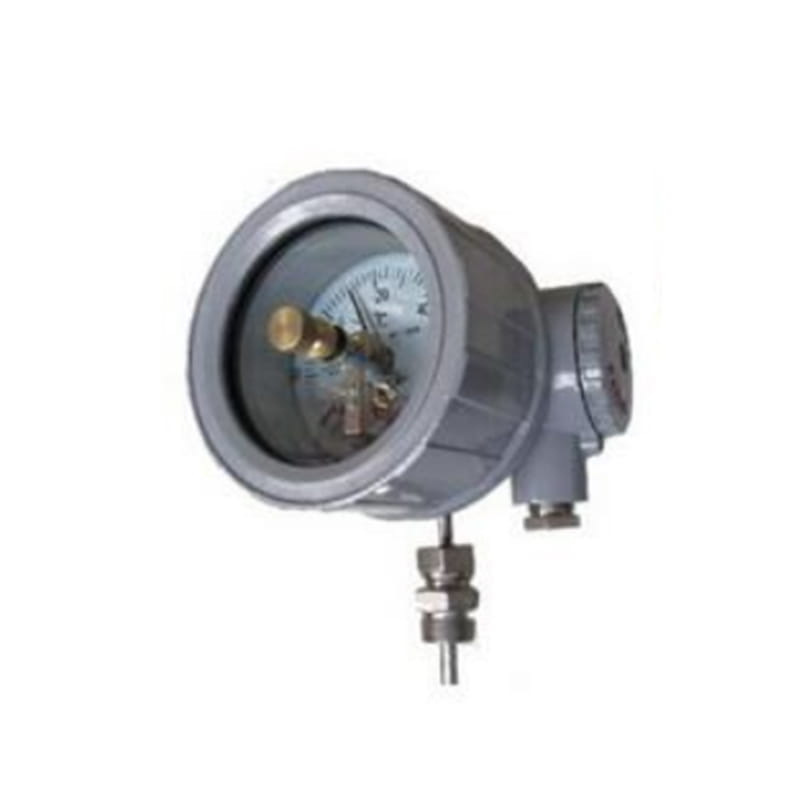
◆ Model: WSSX411B WSSX511B ◆ Introduction: This instrument is in accordance with the national standa...
See Details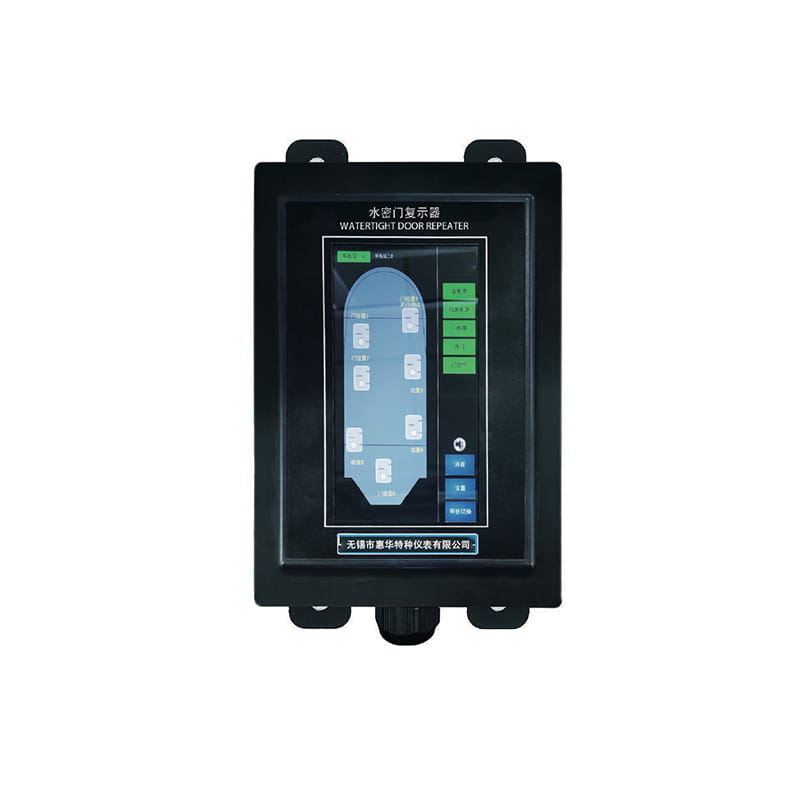
The waterless door alarm system emphasizes the interaction between humans and machines, addressing t...
See Details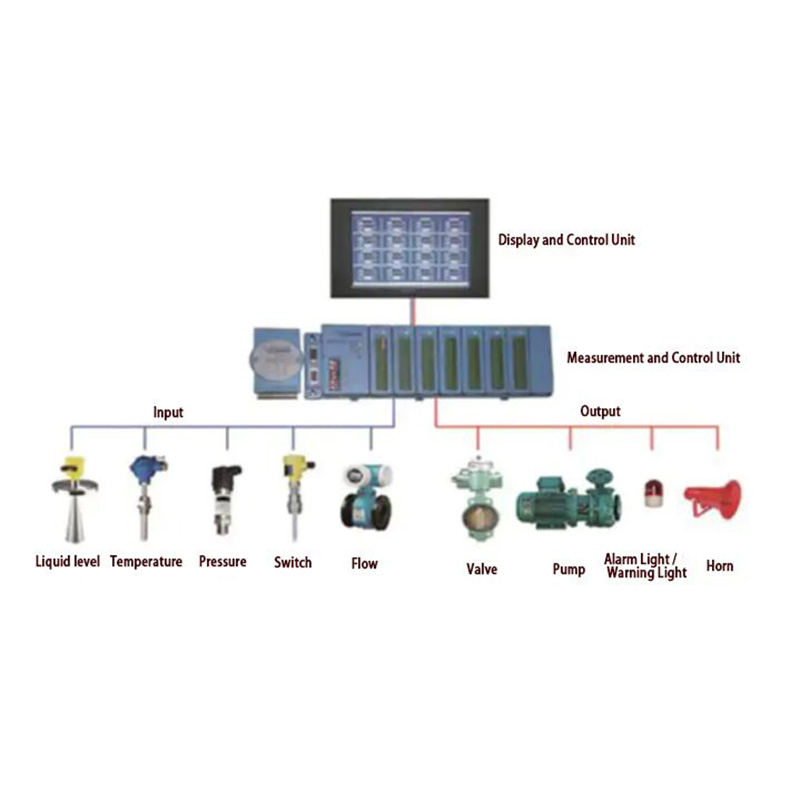
The Liquid cargo monitoring alarm system prioritizes effective agreements, strong security, and stab...
See Details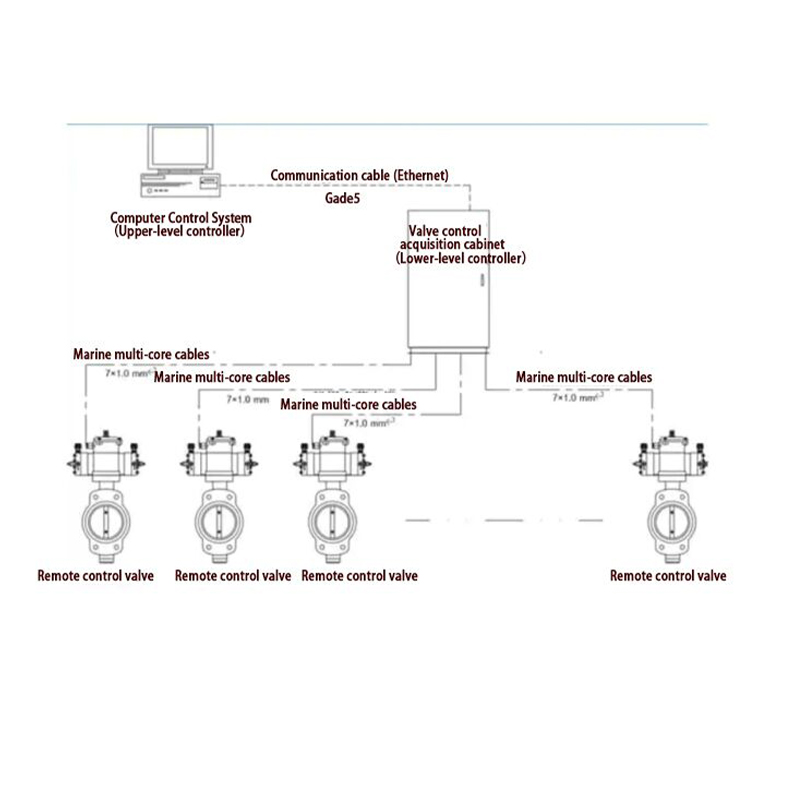
The Valve remote control and liquid level telemetry system enhances operational efficiency by provid...
See Details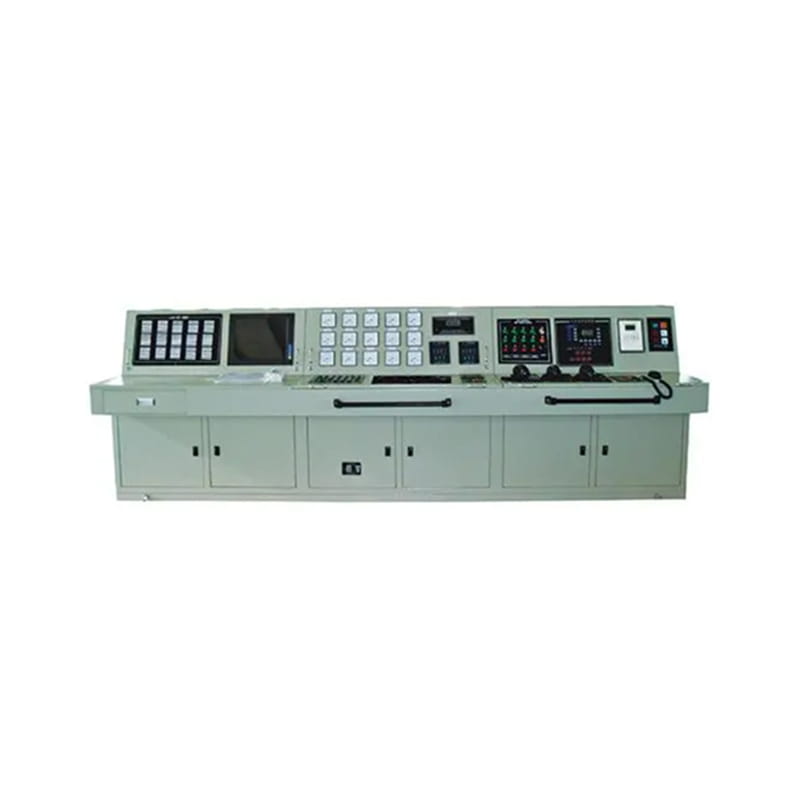
The Engine room monitoring alarm system is crucial for ensuring the safety and efficiency of operati...
See Details


