

 English
 русский
 Español
 عربى
عربى
YL series needle-retaining pressure gauges
Cat:Pressure Gauge
◆ Model: YL40 YL50 YL60 YL75 YL100 YL150 ◆ Needle-retaining pressure gauges is composed of a general...
See DetailsContent
Pressure gauges are simple-looking instruments, but selecting the wrong one for an application can lead to inaccurate readings, premature failure, or even safety hazards in industrial systems. A gauge that's mismatched to its operating environment—whether due to incorrect pressure range, incompatible materials, or poor vibration resistance—can give false confidence in system performance or fail entirely when it's needed most. Because pressure gauges are used across such a wide range of industries, from HVAC systems to chemical processing and hydraulic equipment, there is no single gauge that works universally. Understanding the key factors that influence gauge selection helps engineers and maintenance teams choose equipment that delivers accurate, reliable readings for years rather than replacing failed units repeatedly.
The most fundamental step in selecting a pressure gauge is identifying the actual operating pressure of your system and choosing a gauge rated appropriately for that range. A common guideline is to select a gauge where your normal operating pressure falls between 25% and 75% of the gauge's full scale range, since operating too close to the maximum reading shortens the gauge's lifespan and reduces accuracy. For example, if your system typically operates at 150 psi, a gauge with a 0-200 psi range would push readings too close to the top of the scale, while a 0-300 psi range keeps your operating pressure comfortably within the ideal zone. It's also important to account for pressure spikes or surges that may occur during startup, shutdown, or abnormal conditions, since a gauge that's technically adequate for steady-state operation might still be damaged by momentary pressure surges beyond its rated capacity.
Pressure gauges come in several mechanical designs, each suited to different pressure ranges and levels of precision. Understanding these distinctions helps narrow down options quickly.
Bourdon tube gauges are the most common type, using a curved metal tube that straightens slightly under pressure to move a needle across the dial. They're versatile, cost-effective, and suitable for a wide range of pressures, making them the default choice for many general industrial applications.
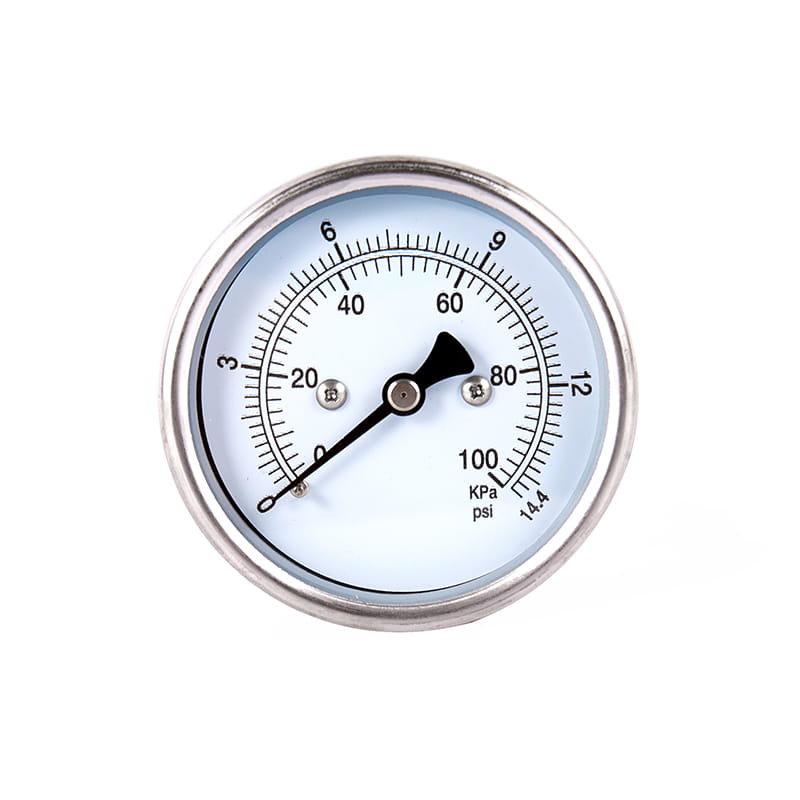
Diaphragm gauges use a flexible membrane that flexes under pressure, making them well-suited for low-pressure applications or systems involving viscous, corrosive, or particulate-laden fluids that could damage the more delicate internals of a Bourdon tube gauge.
Digital gauges use electronic pressure sensors to display readings on a numeric screen, offering higher precision and often the ability to log data or transmit readings remotely. These are increasingly popular in applications requiring precise monitoring or integration with automated control systems.
The materials used in a pressure gauge's wetted parts—the components that come into direct contact with the process fluid—must be chemically compatible with whatever medium is being measured. Stainless steel is a common choice for its broad corrosion resistance and durability in demanding environments, while brass fittings are often used in less corrosive, lower-cost applications like water or air systems. For highly corrosive chemicals or extreme temperature applications, specialized alloys or diaphragm seals made from materials like Hastelloy or Monel may be necessary to prevent premature gauge failure. Choosing an incompatible material can lead to internal corrosion, seal degradation, or even catastrophic gauge failure, so consulting a chemical compatibility chart for your specific process fluid is a worthwhile step before finalizing a purchase.
Where and how a gauge will be installed significantly affects which features you need beyond basic pressure measurement. Gauges exposed to constant vibration, such as those mounted on pumps or compressors, benefit from liquid-filled cases, since the fluid dampens needle flutter and extends the internal mechanism's lifespan. Outdoor installations or environments with washdown procedures require weatherproof or hermetically sealed cases to prevent moisture intrusion. Extreme ambient temperatures, whether very hot or very cold, can affect both the accuracy and physical integrity of standard gauges, making temperature-rated models necessary for applications like outdoor tanks in cold climates or equipment near furnaces and boilers.
| Environmental Condition | Recommended Feature |
| High Vibration | Liquid-filled case |
| Outdoor or Washdown Areas | Weatherproof or hermetically sealed case |
| Extreme Temperatures | Temperature-rated internal components |
| Corrosive Atmosphere | Stainless steel or coated case material |
Dial size affects how easily a gauge can be read from a distance or in low-light conditions, with common sizes ranging from 1.5 inches for compact installations up to 6 inches or larger for control panels viewed from farther away. Consider where the gauge will be mounted and how far the typical viewer will stand from it when selecting an appropriate size. Connection type and thread size must also match your existing piping or fitting standards, whether that's NPT (National Pipe Thread) common in the United States or BSP (British Standard Pipe) used more widely internationally. Getting this detail wrong means the gauge simply won't thread into place, so confirming your system's existing connection standard before ordering saves an unnecessary return or delay.
Pressure gauges are rated by an accuracy class, typically expressed as a percentage of the full-scale reading, with common grades including 2-1-2% for general industrial use and 1% or better for applications requiring higher precision, such as calibration labs or critical process monitoring. Higher accuracy gauges cost more but are necessary when small pressure deviations could affect product quality or safety margins. Regardless of accuracy class, all gauges benefit from periodic calibration checks against a known reference standard, since mechanical wear and material fatigue can gradually shift readings out of specification even in well-maintained equipment. Facilities in regulated industries often follow a defined calibration schedule, documenting each check to demonstrate ongoing measurement reliability during audits or inspections.
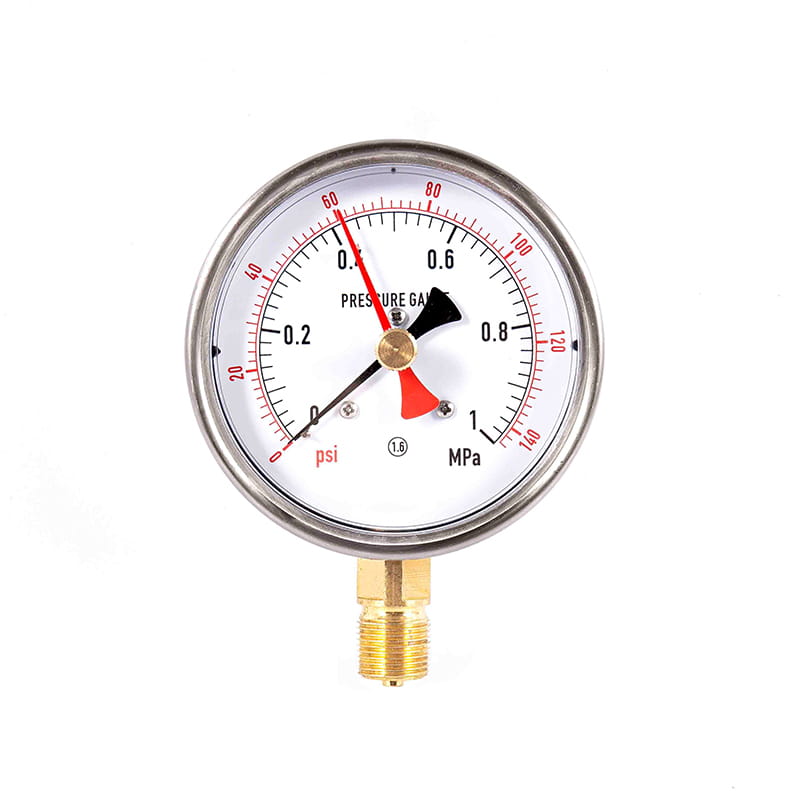
◆ Model: YL40 YL50 YL60 YL75 YL100 YL150 ◆ Needle-retaining pressure gauges is composed of a general...
See Details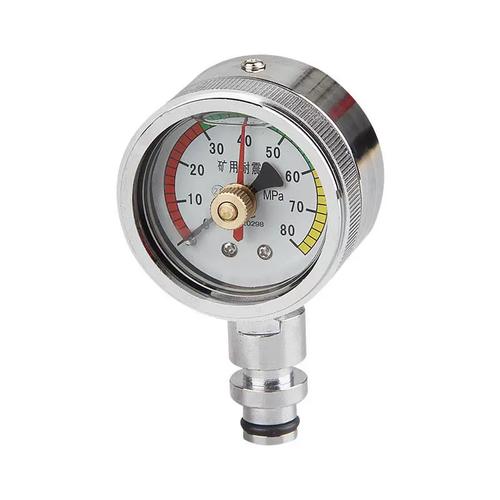
◆ Model: YKY60 ◆ Application: Mining memory pressure gauges is specially designed for underground h...
See Details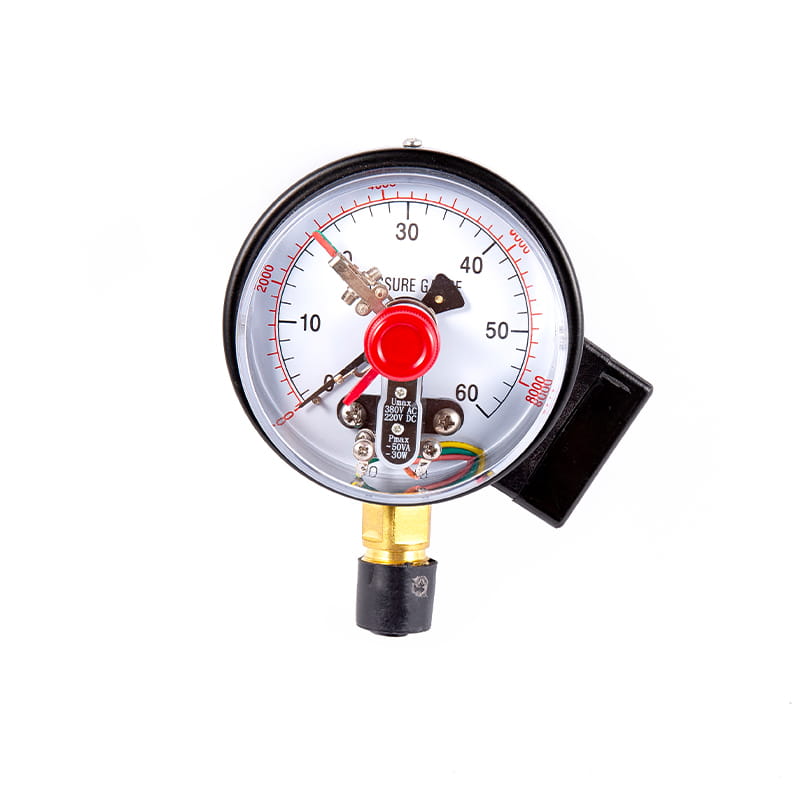
◆ Model: YXC60 YX100 YXC-150 ◆ Application: Magnetic-assisted electric contact pressure gauges is su...
See Details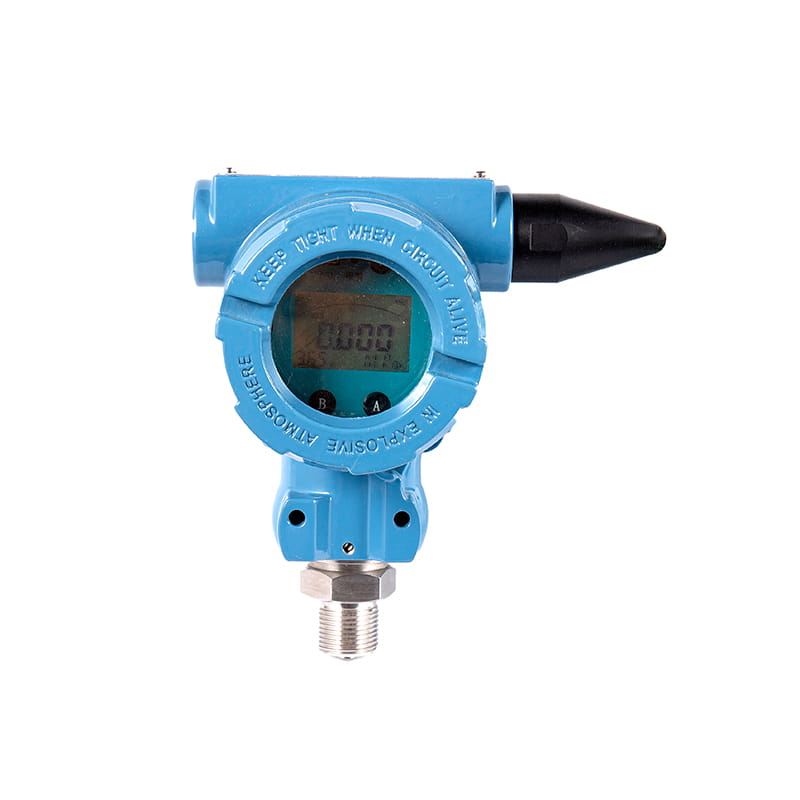
1. Overview This pressure transmitter has high sensitivity, high precision and strong anti-overload ...
See Details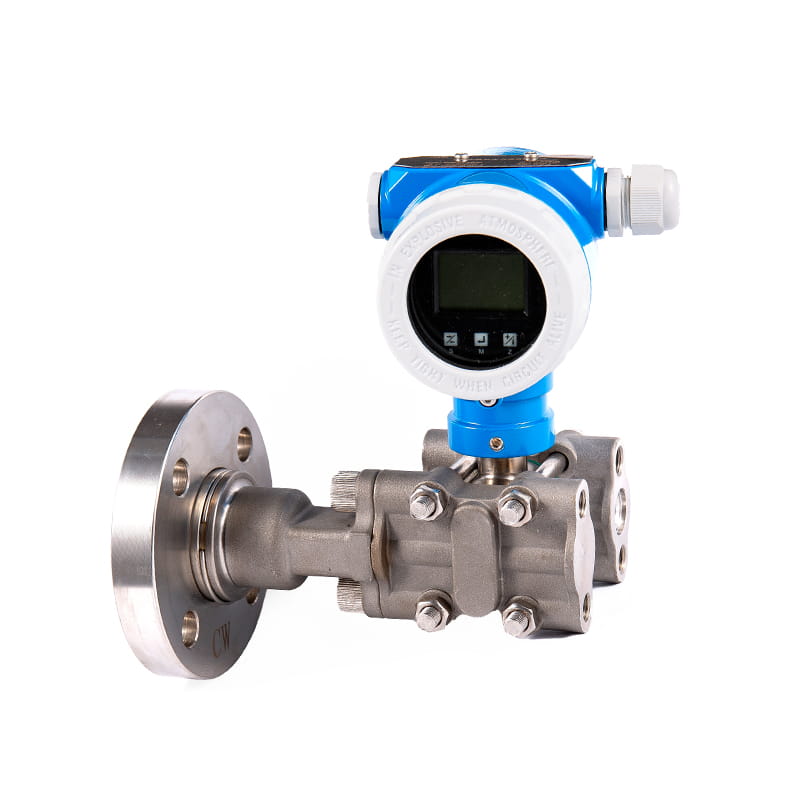
◆ Model: YSZC-8 ◆ Application: This instrument is suitable for precise measurement of liquid level d...
See Details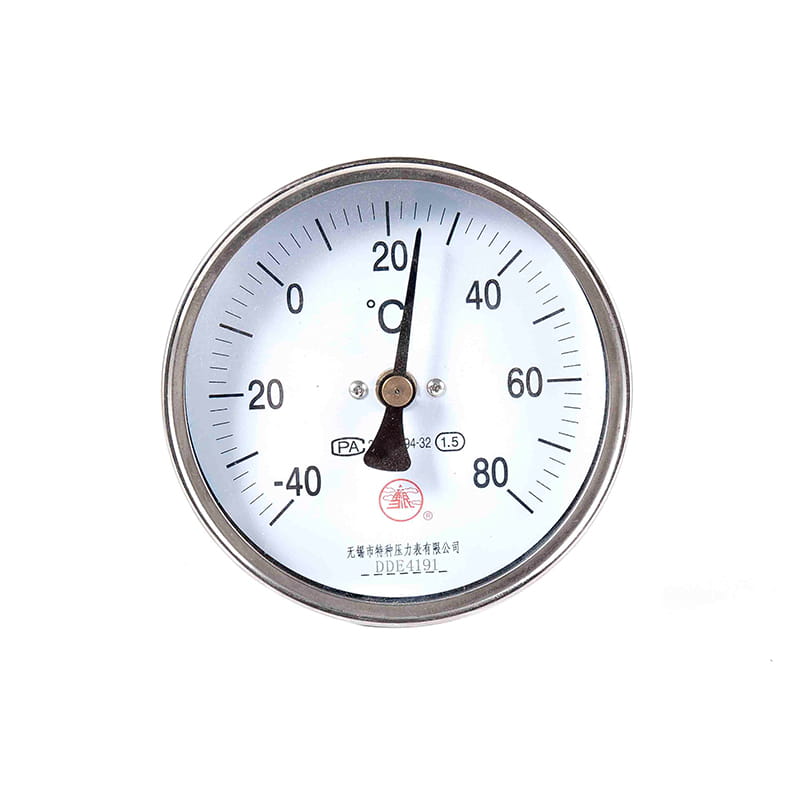
◆ Model: WSS-3 WSS-4 WSS-5 ◆ Application: Bimetal thermometer has the characteristics of no mercury ...
See Details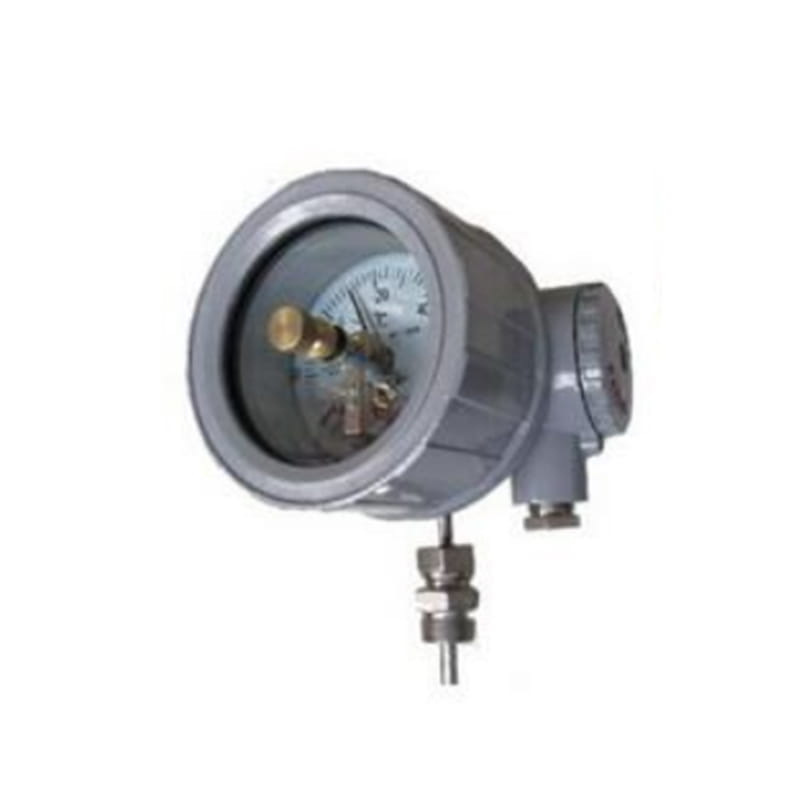
◆ Model: WSSX411B WSSX511B ◆ Introduction: This instrument is in accordance with the national standa...
See Details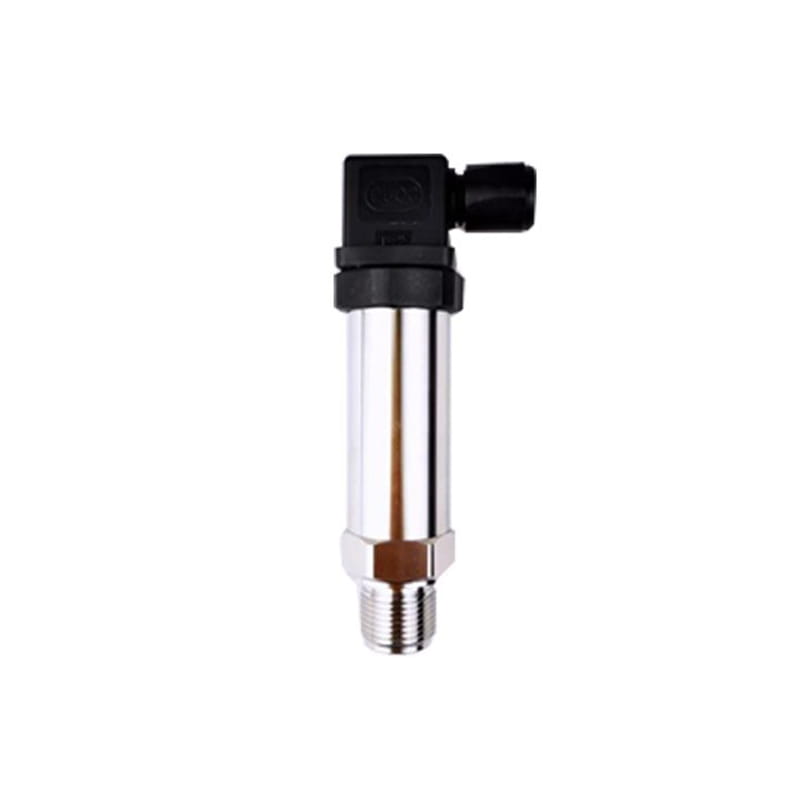
The Pressure transmitter YSZK is designed for demanding environments, operating effectively in tempe...
See Details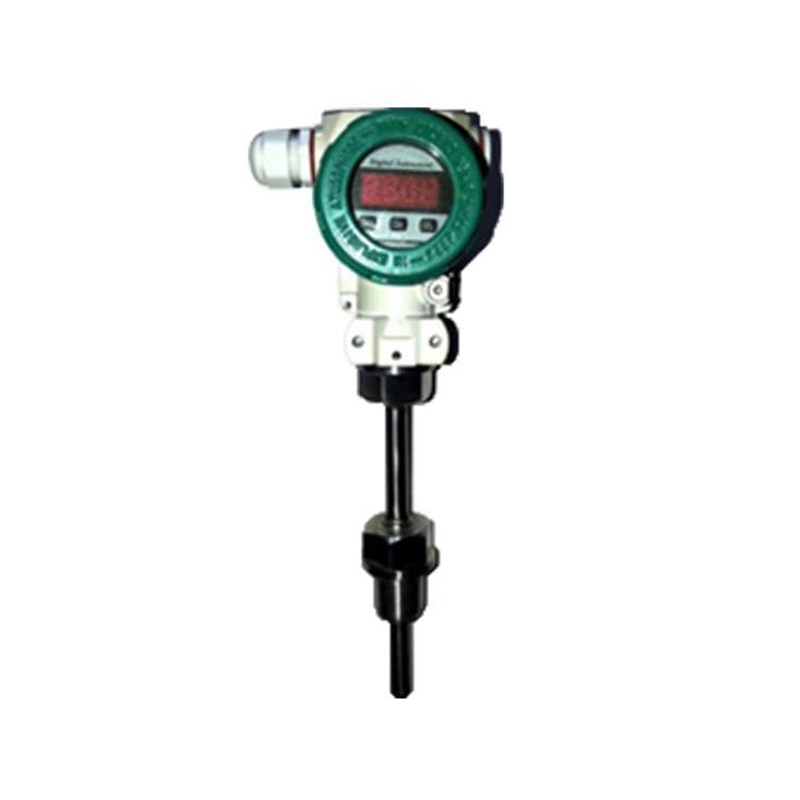
The Temperature sensor WZPK is renowned for its long service life and exceptional stability, making ...
See Details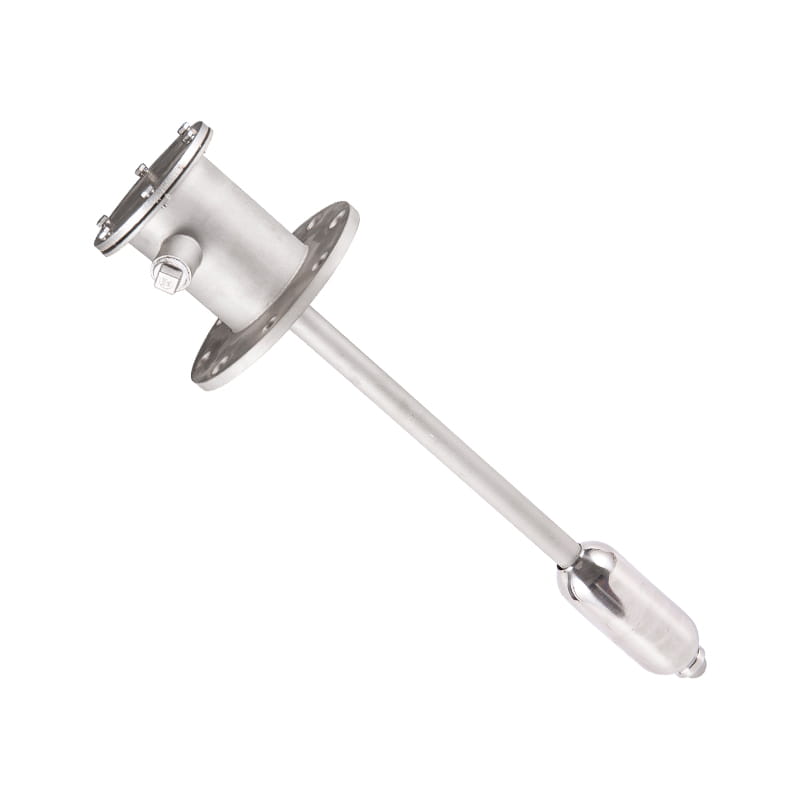
The Float level controller UHK features a simple structure that ensures easy installation and mainte...
See Details


