

 English
 русский
 Español
 عربى
عربى
YQ series safety pressure gauge
Cat:Pressure Gauge
◆ Model: YQ40 YQ50 YQ60 YQ75 YQ100 YQ150◆ Use: This series of gauges are all made of stainless steel...
See DetailsContent
Pressure transmitters play a critical role in monitoring and controlling processes across industries such as oil and gas, water treatment, manufacturing, and power generation. These devices provide the real-time data that control systems rely on to maintain safe and efficient operations, which means that a failing or inaccurate transmitter can lead to consequences far beyond the cost of the device itself. Inaccurate readings can trigger unnecessary shutdowns, mask developing safety hazards, or cause process inefficiencies that go unnoticed until they result in significant product loss or equipment damage.
Unlike some industrial components that fail predictably as they age, pressure transmitters can experience gradual accuracy drift long before an outright failure occurs, meaning a transmitter can appear to be functioning normally while actually providing subtly incorrect data. This makes proactive maintenance particularly important, since waiting for an obvious failure often means the equipment has already been generating inaccurate readings for an extended period, potentially affecting process quality or safety decisions made based on that data.
Understanding the most frequent causes of pressure transmitter problems helps maintenance teams focus their inspection efforts where they will have the greatest impact on preventing unexpected failures.
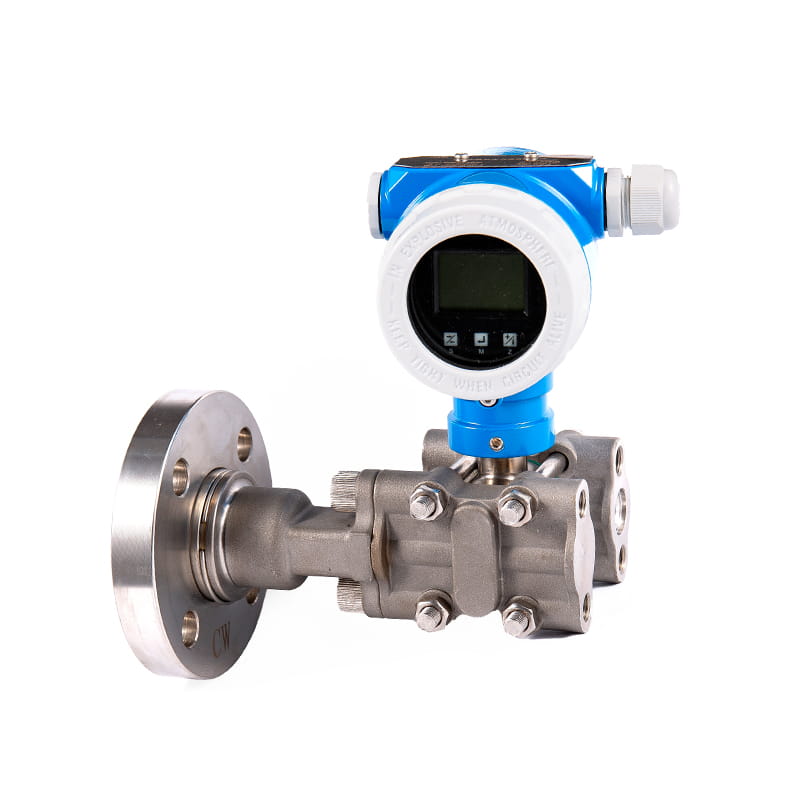
Sensing diaphragms and impulse lines can accumulate deposits from the process fluid over time, particularly in applications involving viscous, corrosive, or particulate-laden media. This buildup can dampen the diaphragm's response to actual pressure changes, resulting in sluggish or inaccurate readings that may not be immediately obvious without direct inspection or comparison against a known reference standard.
Loose connections, corroded terminals, or damaged cable insulation can introduce signal noise or intermittent communication failures between the transmitter and the control system. These issues are often intermittent in nature, making them particularly frustrating to diagnose without a systematic inspection approach that checks connection points as part of routine maintenance rather than only after a problem is reported.
Transmitters installed in outdoor or harsh industrial environments face ongoing exposure to temperature extremes, moisture, and vibration, all of which can accelerate component wear or cause seal degradation over time. Enclosures rated for the specific environmental conditions at the installation site help mitigate this risk, but even properly rated equipment benefits from periodic inspection to confirm seals and gaskets remain intact.
| Failure Cause | Typical Warning Sign | Recommended Action |
| Diaphragm buildup | Slow or dampened response | Clean diaphragm and impulse lines |
| Wiring corrosion | Intermittent signal loss | Inspect and clean terminals |
| Environmental exposure | Enclosure moisture, corrosion | Check seals and gaskets |
| Calibration drift | Gradual reading inaccuracy | Scheduled recalibration |
Calibration is one of the most important maintenance activities for pressure transmitters, since it directly verifies whether the device is providing accurate readings compared to a certified reference standard. Most manufacturers recommend calibration intervals ranging from six months to two years, depending on the transmitter's application, the criticality of the measurement, and the harshness of the operating environment.
Transmitters used in safety-critical applications or those exposed to particularly demanding process conditions generally warrant more frequent calibration checks than those used in less critical, more stable environments. Rather than relying solely on a fixed calendar schedule, many facilities benefit from tracking calibration history over time to identify whether a specific transmitter is drifting faster than expected, which can indicate a developing internal issue that may require attention beyond routine recalibration alone.
Beyond formal calibration, regular visual and physical inspections help catch developing problems before they progress to full failure. These inspections are typically quick to perform and can often be incorporated into existing facility rounds without significantly increasing maintenance workload.
The sensing diaphragm is one of the most sensitive components of a pressure transmitter, and proper cleaning practices help maintain its accuracy over the equipment's service life. When cleaning is necessary, using cleaning agents compatible with both the diaphragm material and the process media helps avoid introducing chemical damage while removing buildup, and abrasive tools should generally be avoided, since even minor physical damage to the diaphragm surface can affect measurement accuracy.
For transmitters connected via impulse lines rather than direct mount configurations, periodically flushing these lines helps prevent the gradual accumulation of process media that can dampen pressure transfer to the sensing element. In applications involving particularly viscous or particulate-heavy media, some facilities install diaphragm seals specifically to protect the transmitter's primary sensing element from direct contact with challenging process fluids, reducing the frequency of required cleaning.
Maintaining detailed records of calibration results, inspection findings, and any repairs performed on each pressure transmitter provides valuable data for identifying patterns that might not be obvious from a single inspection alone. Tracking calibration drift over multiple cycles, for example, can reveal whether a particular transmitter model or installation location experiences more frequent accuracy issues than others, which may point to a specific environmental factor or product limitation worth addressing more directly.
This historical data also supports more informed decisions about when to repair versus replace an aging transmitter, since a device with a consistent pattern of increasing maintenance needs may ultimately cost more to maintain than the price of a replacement unit. Facilities that maintain organized maintenance records across their instrumentation fleet are generally better positioned to plan proactive replacements before failures occur, rather than reacting to unexpected equipment problems during critical production periods.
An effective pressure transmitter maintenance program combines scheduled calibration, routine physical inspection, and careful documentation into a consistent, repeatable process rather than relying on ad hoc checks when problems are suspected. Assigning clear responsibility for these maintenance tasks, along with realistic scheduling that accounts for the criticality of each transmitter's application, helps ensure that maintenance activities are performed consistently rather than deprioritized during busy production periods.
By investing in regular calibration, proactive inspection, and careful record-keeping, facilities can significantly reduce the risk of unexpected pressure transmitter failures, avoid the downstream costs associated with inaccurate process data, and extend the useful service life of their instrumentation investment across the facility's operations.
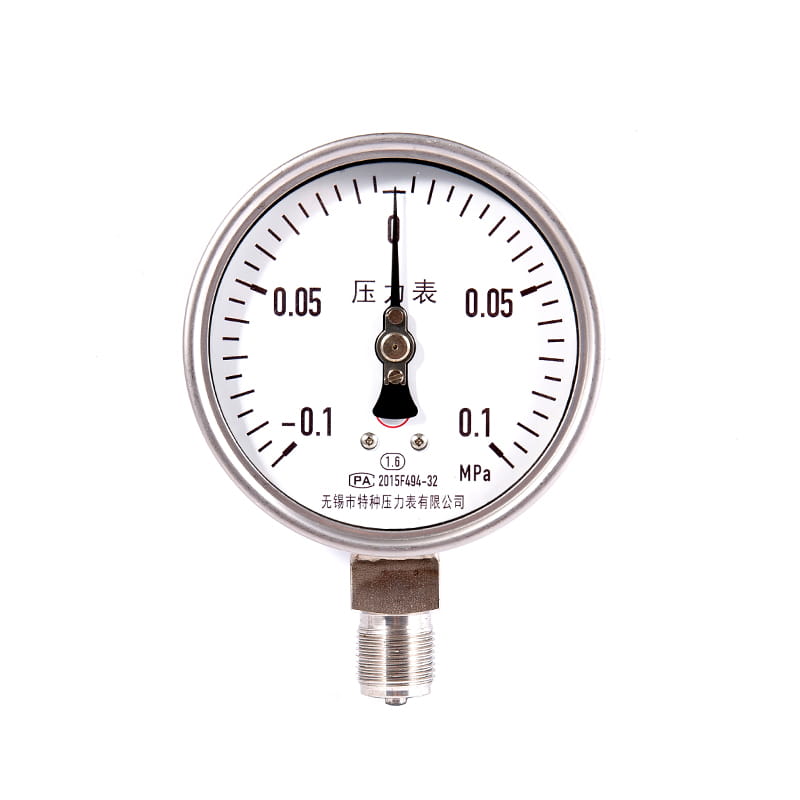
◆ Model: YQ40 YQ50 YQ60 YQ75 YQ100 YQ150◆ Use: This series of gauges are all made of stainless steel...
See Details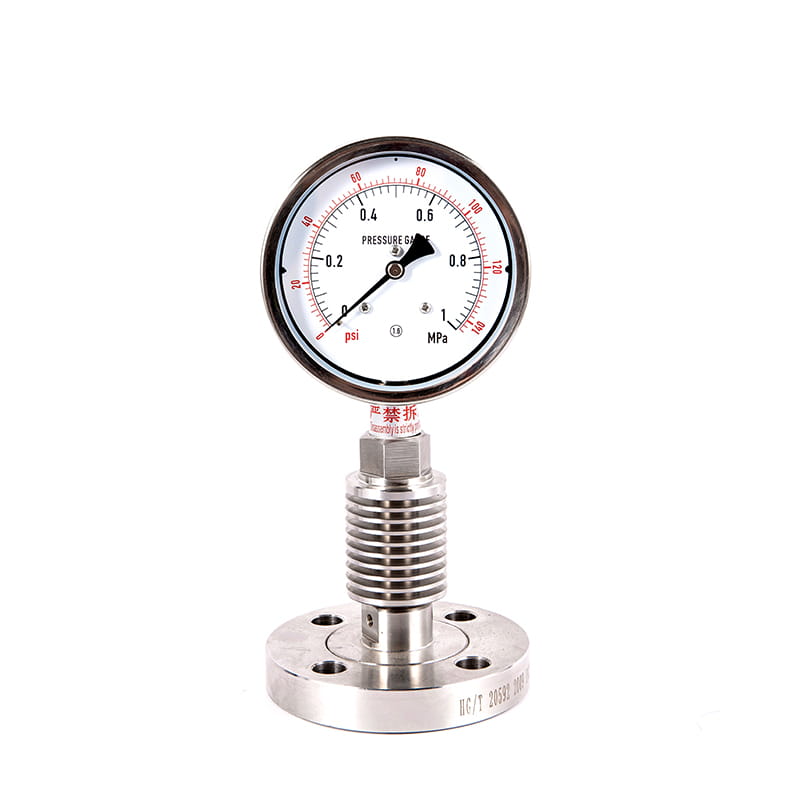
◆ Model: Y¨-ML Y¨-MF Y¨-MG Y¨-MZ Y¨-MK Y¨-MN Y¨-MS◆ Application: Due to the indirect measurement str...
See Details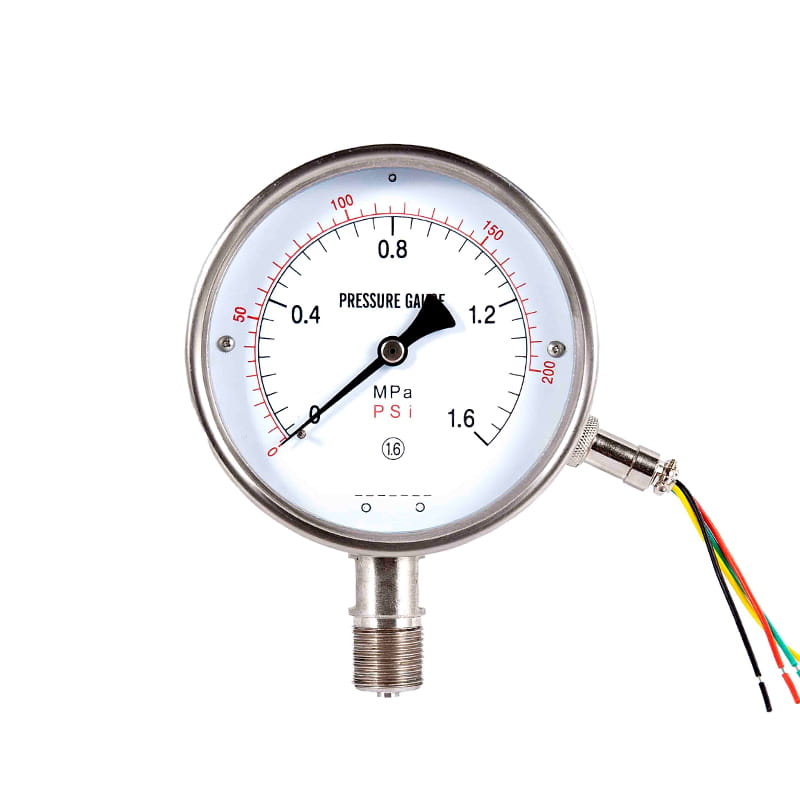
◆ Model: YTZ100, YTZ-150 ◆ Application: This type of instrument is suitable for measuring the pressu...
See Details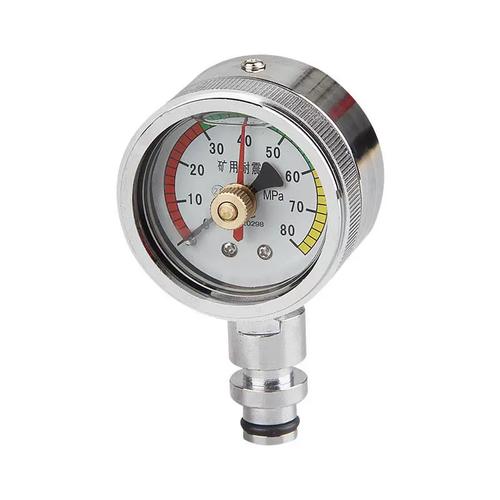
◆ Model: YKY60 ◆ Application: Mining memory pressure gauges is specially designed for underground h...
See Details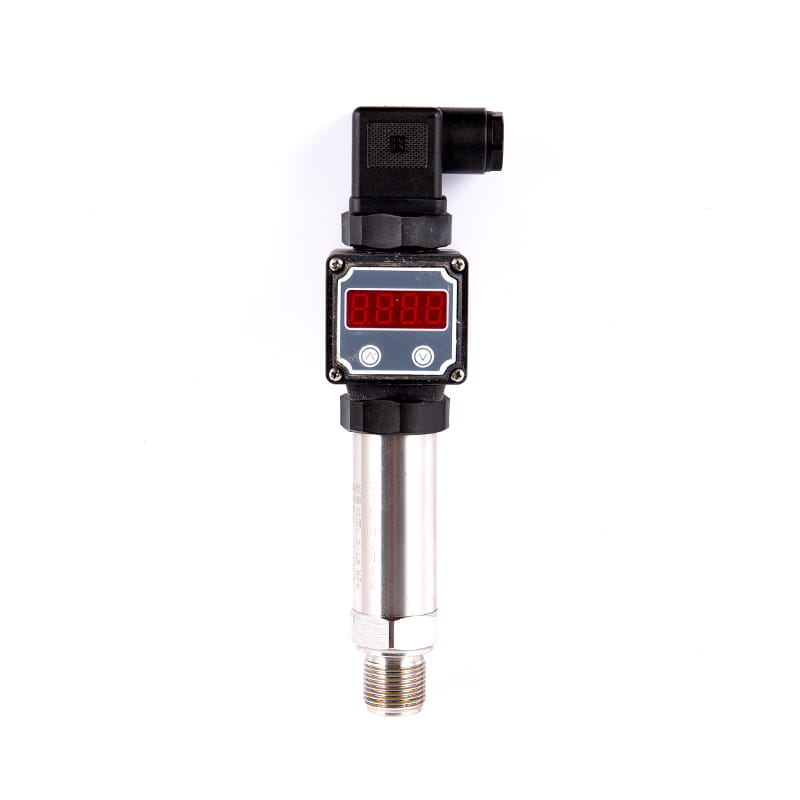
1. Overview This pressure transmitter has high sensitivity, high precision and strong anti-overload ...
See Details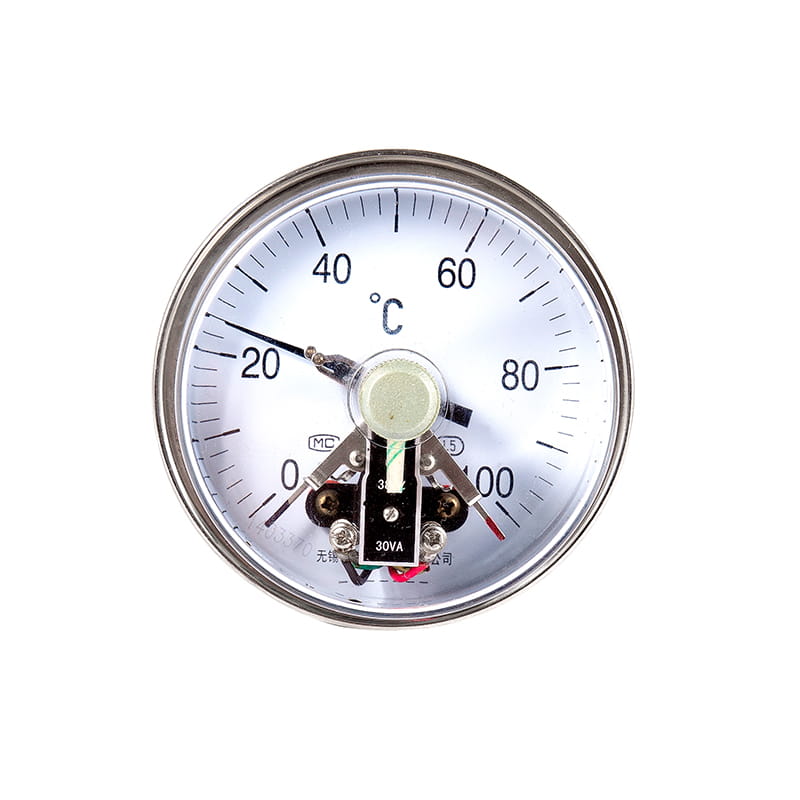
◆ Model: WSSXC-4 ◆ Application: This series of thermometers has the characteristics of no mercury da...
See Details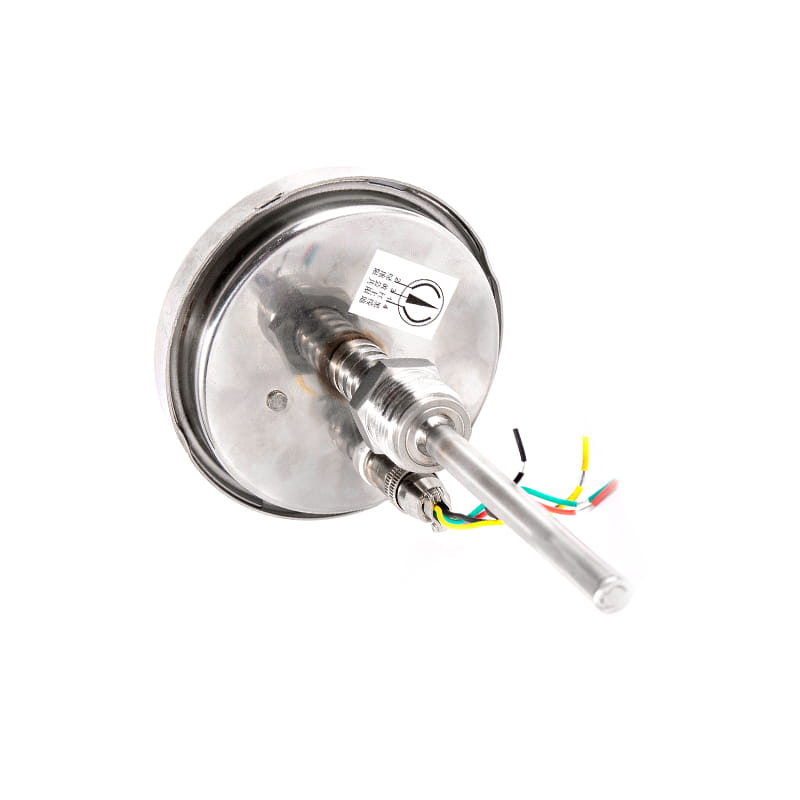
◆ Model: WSSXCh-4, WSSXCh-5 ◆ Application: This series of thermometers has the characteristics of no...
See Details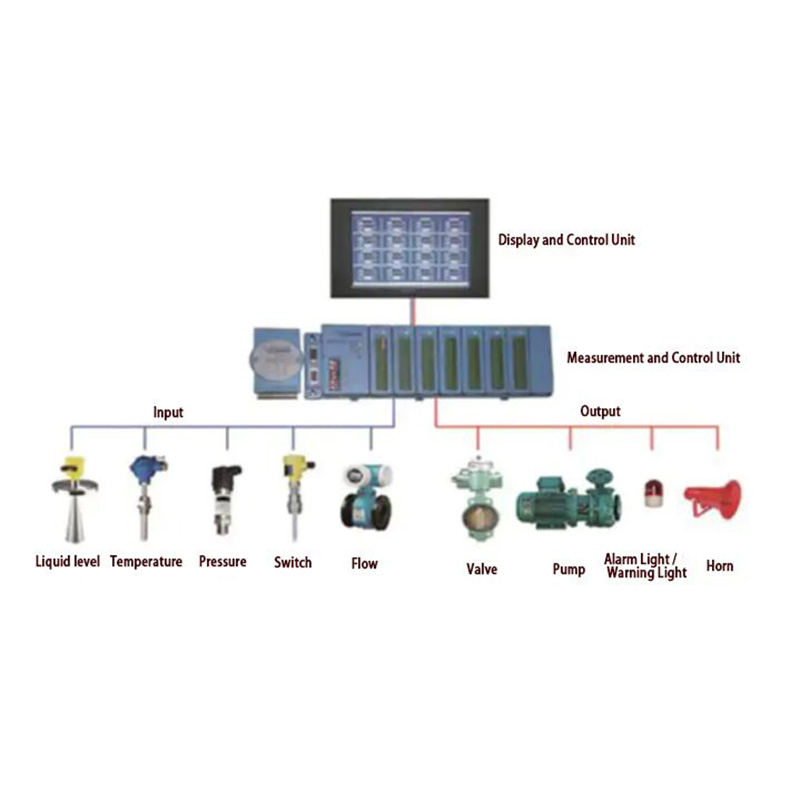
The Liquid cargo monitoring alarm system prioritizes effective agreements, strong security, and stab...
See Details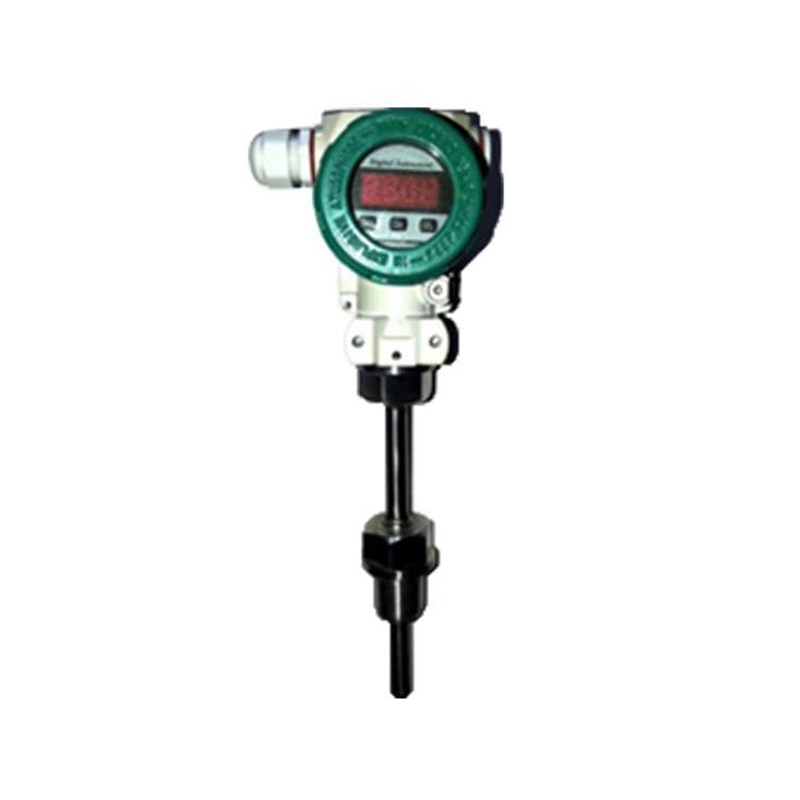
The Temperature sensor WZPK is renowned for its long service life and exceptional stability, making ...
See Details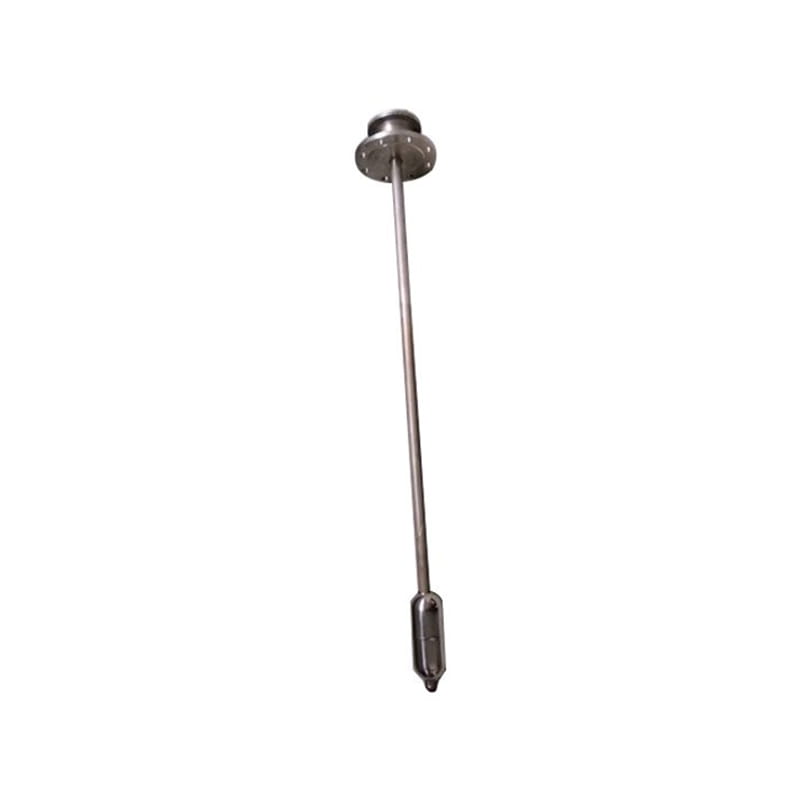
The Float level gauge UHB is engineered for high-precision measurement, providing accurate and relia...
See Details


