

 English
 русский
 Español
 عربى
عربى
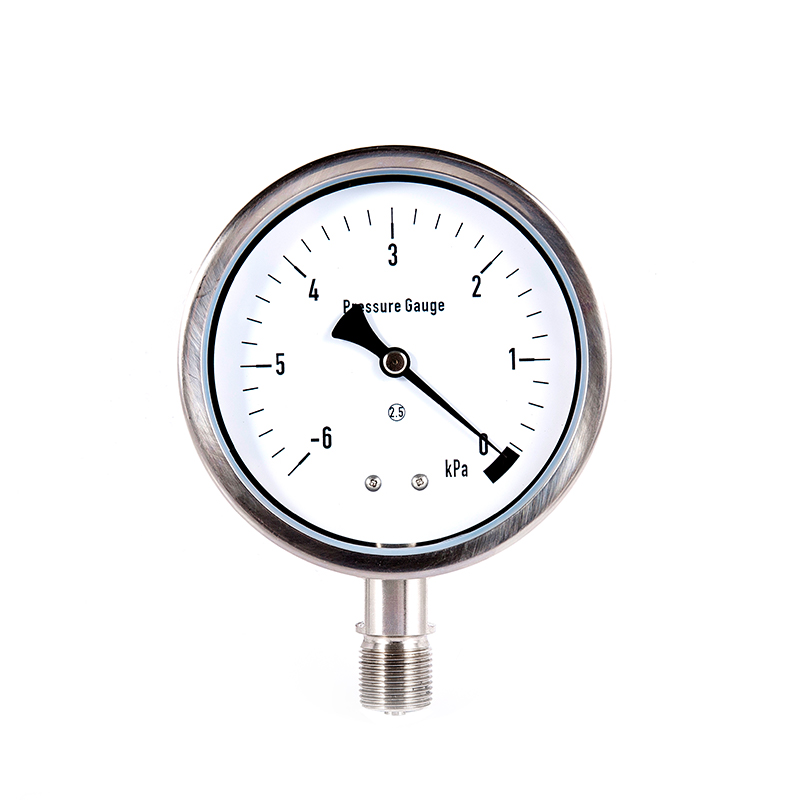
YEB series stainless steel diaphragm pressure gauge
Cat:Pressure Gauge
◆ Model:YEB60 YEB100 YEB150◆ Use: This series of instruments are suitable for measuring the low micr...
See DetailsContent
A pressure gauge is a mechanical or electronic instrument used to measure the pressure of a gas or liquid within a system, typically displaying the reading in units such as psi, bar, kPa, or MPa. These devices are essential across countless industries, including manufacturing, oil and gas, HVAC, water treatment, and food processing, where monitoring pressure accurately helps ensure equipment operates safely and efficiently. Without a reliable pressure gauge, operators would have no direct way of knowing whether a system is running within safe operating limits, which could lead to equipment failure or hazardous conditions.
Pressure gauges are installed at critical points throughout a system, such as pump outlets, boiler chambers, hydraulic lines, and compressed air tanks, providing real-time visibility into pressure conditions. This information allows operators to make timely adjustments, detect leaks or blockages, and schedule maintenance before minor issues escalate into costly failures.
Most mechanical pressure gauges operate using a Bourdon tube, a curved, flattened metal tube that straightens slightly as pressure inside it increases. This movement is mechanically linked through a series of gears to a pointer on the gauge face, which rotates to indicate the current pressure reading. As pressure decreases, the tube returns toward its original curved shape, moving the pointer back accordingly.
Digital pressure gauges, by contrast, use a pressure sensor, often a piezoresistive or capacitive element, that converts mechanical deformation into an electrical signal. This signal is processed by internal circuitry and displayed numerically on a screen, offering higher precision and the ability to log data or transmit readings to remote monitoring systems.
Different applications call for different gauge designs based on the operating environment, required accuracy, and pressure range. The table below summarizes the most widely used types.
Gauge TypeKey FeatureCommon UseBourdon Tube GaugeMechanical, durable, low costGeneral industrial systemsDiaphragm GaugeHandles viscous or corrosive fluidsChemical and food processingDigital GaugeHigh accuracy, data logging capabilityPrecision testing, calibration labsDifferential Pressure GaugeMeasures pressure difference between two pointsFiltration systems, HVAC
Choosing the correct type ensures accurate readings and long-term reliability under the specific conditions the gauge will face during daily operation.
Selecting a gauge with an appropriate pressure range is critical for both safety and measurement accuracy. As a general rule, the normal operating pressure should fall within the middle third of the gauge's total range, since consistently reading near the upper limit can accelerate wear and reduce the instrument's accuracy over time.
The wetted parts of the gauge, meaning any components that come into contact with the measured fluid, must be compatible with that substance to prevent corrosion or contamination. Stainless steel gauges are commonly used for corrosive or high-purity applications, while brass components may suffice for less demanding, non-corrosive environments.
Gauges installed outdoors or in environments with significant vibration, temperature swings, or moisture exposure require additional protective features, such as liquid-filled cases or weatherproof housings, to maintain accuracy and prevent premature failure.
Pressure gauges play a critical monitoring role in a wide range of industrial and commercial settings:
Each of these applications relies on accurate, consistent pressure readings to maintain both operational efficiency and workplace safety.
Proper installation significantly affects gauge performance and lifespan. Mounting the gauge in a location free from excessive vibration helps prevent premature wear on internal components, and installing a snubber or pulsation dampener can further protect the gauge in systems with rapid pressure fluctuations. It is also important to ensure the gauge is positioned where operators can easily read the display without obstruction, particularly in systems where quick visual checks are part of routine safety procedures.
Using a pressure gauge isolation valve allows the gauge to be shut off from the system during maintenance or calibration, reducing the risk of damage and simplifying servicing without requiring a full system shutdown.
Regular calibration is essential to ensure a pressure gauge continues to provide accurate readings throughout its service life. Most industrial settings recommend calibration checks at least once a year, though gauges used in critical safety applications or harsh environments may require more frequent verification. Comparing readings against a certified reference standard during calibration helps identify drift before it leads to inaccurate process control or safety risks.
Routine visual inspection for signs of damage, such as a cracked lens, bent pointer, or fogged liquid fill, can also catch potential issues early. Replacing a damaged or unreliable gauge promptly, rather than continuing to rely on questionable readings, is a small investment that protects both equipment and personnel from the consequences of inaccurate pressure monitoring.

◆ Model:YEB60 YEB100 YEB150◆ Use: This series of instruments are suitable for measuring the low micr...
See Details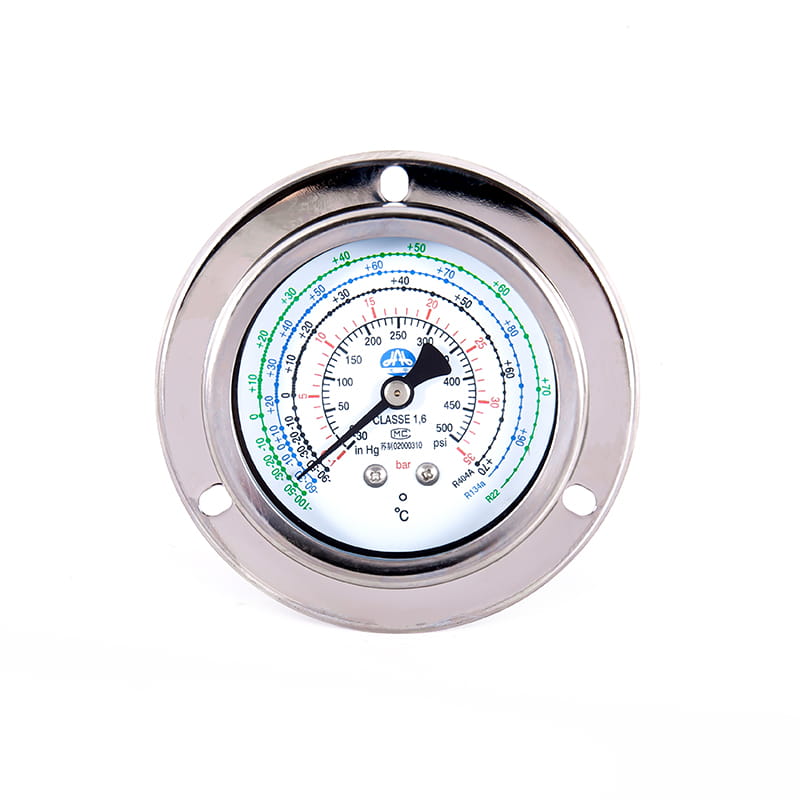
◆ Model: YLm60 YLm100 YLm150◆ Application: This series of instruments are special instruments for de...
See Details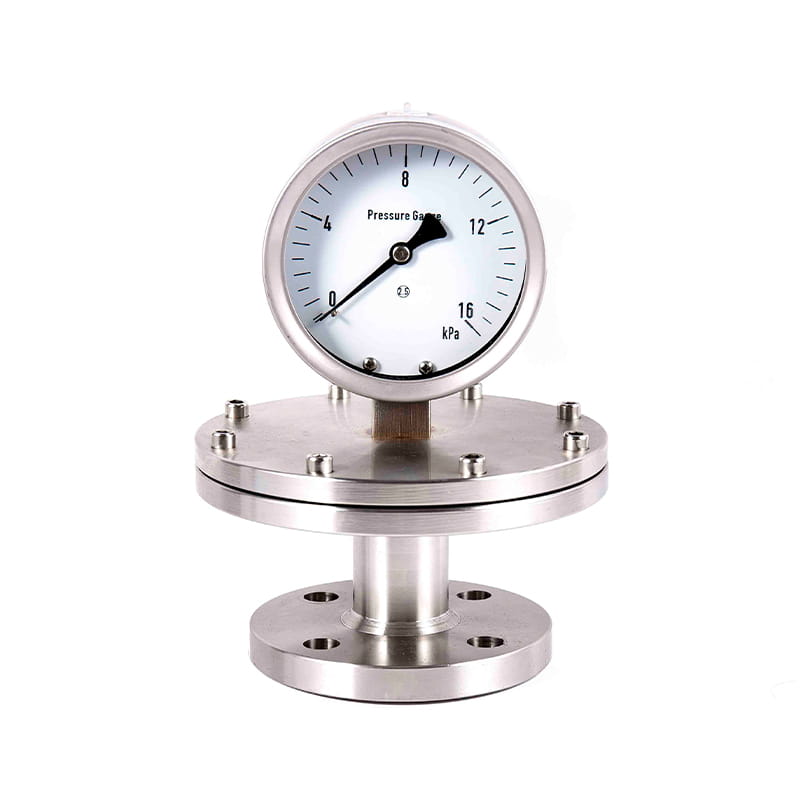
◆ Model: YP100-L YP150-L YP100-F YP150-F ◆ Application: YP series instrument diaphragm and structura...
See Details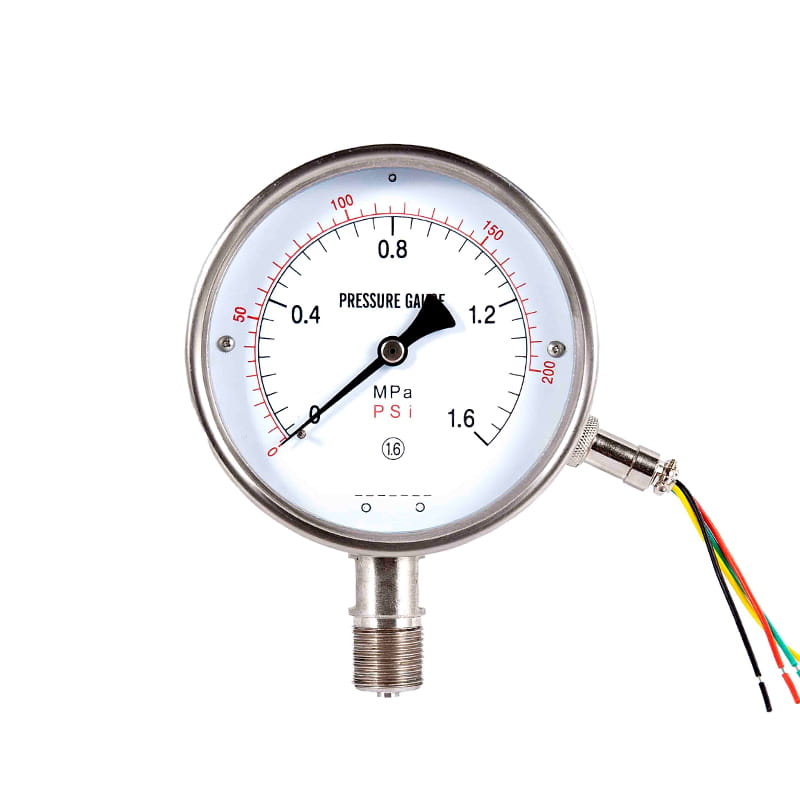
◆ Model: YTZ100, YTZ-150 ◆ Application: This type of instrument is suitable for measuring the pressu...
See Details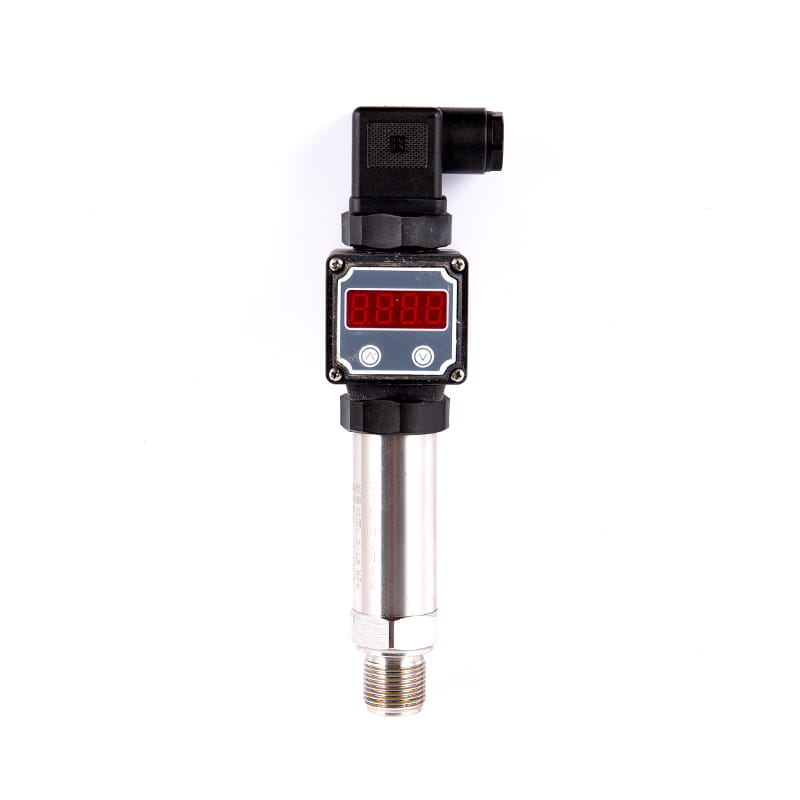
1. Overview This pressure transmitter has high sensitivity, high precision and strong anti-overload ...
See Details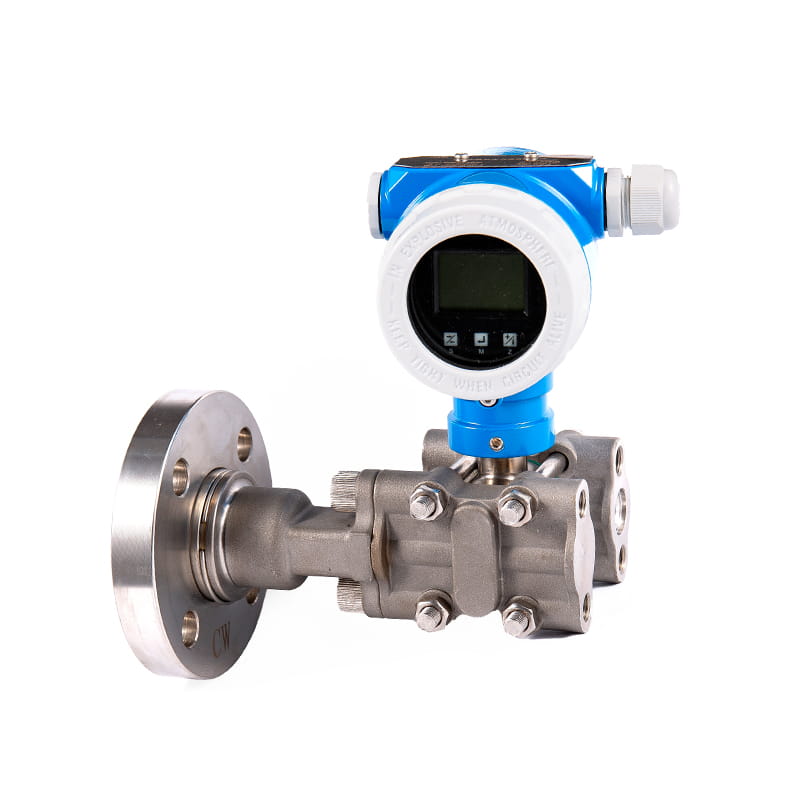
◆ Model: YSZC-8 ◆ Application: This instrument is suitable for precise measurement of liquid level d...
See Details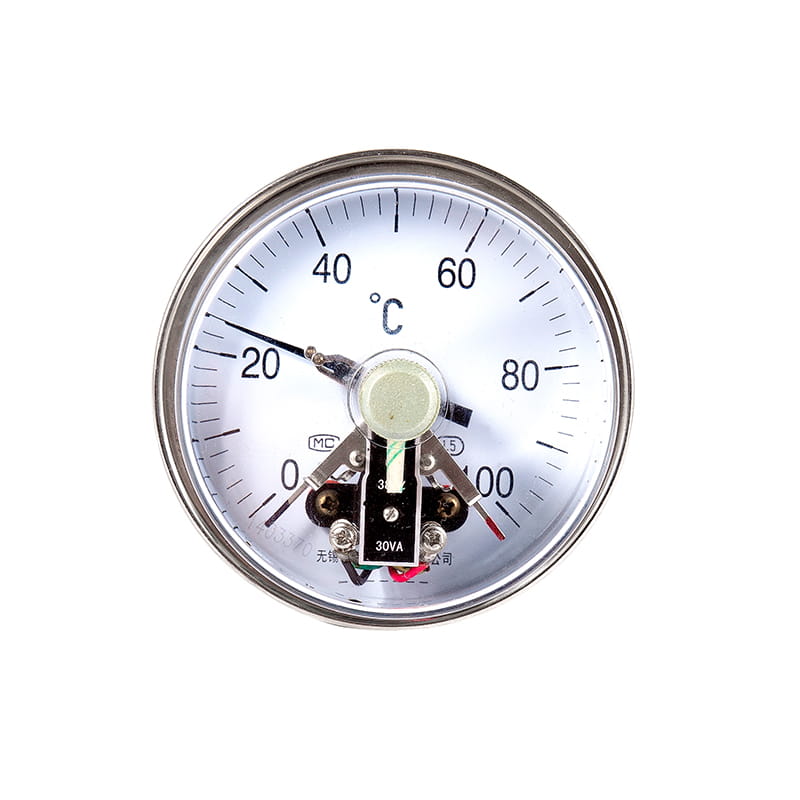
◆ Model: WSSXC-4 ◆ Application: This series of thermometers has the characteristics of no mercury da...
See Details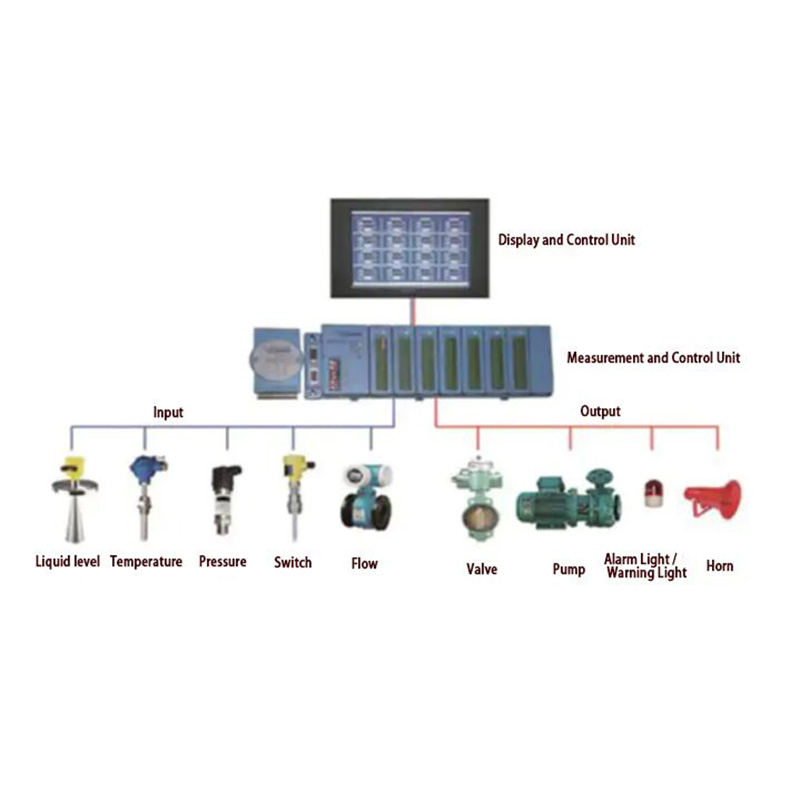
The Liquid cargo monitoring alarm system prioritizes effective agreements, strong security, and stab...
See Details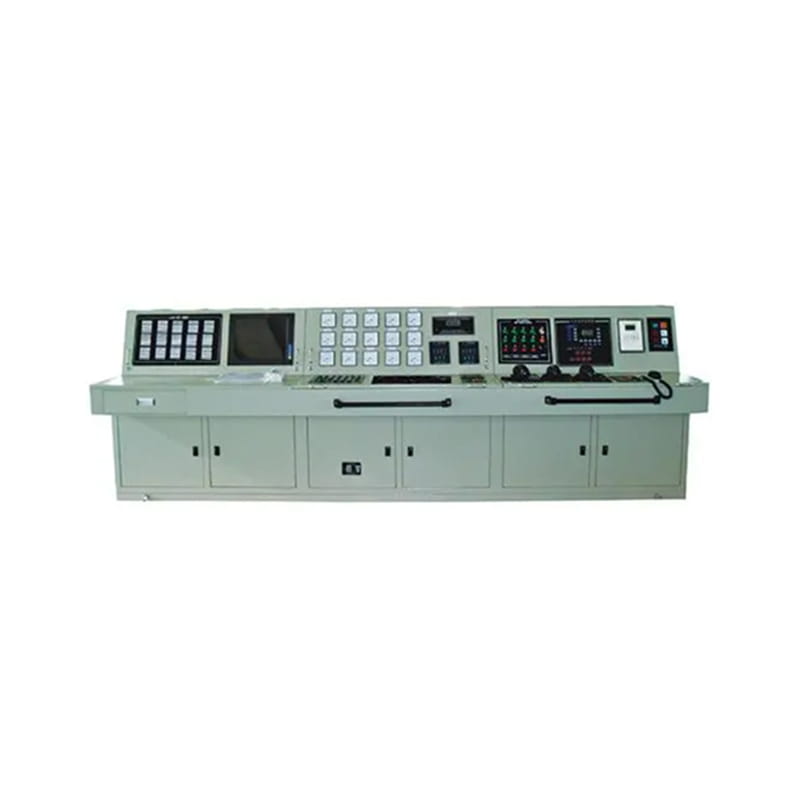
The Engine room monitoring alarm system is crucial for ensuring the safety and efficiency of operati...
See Details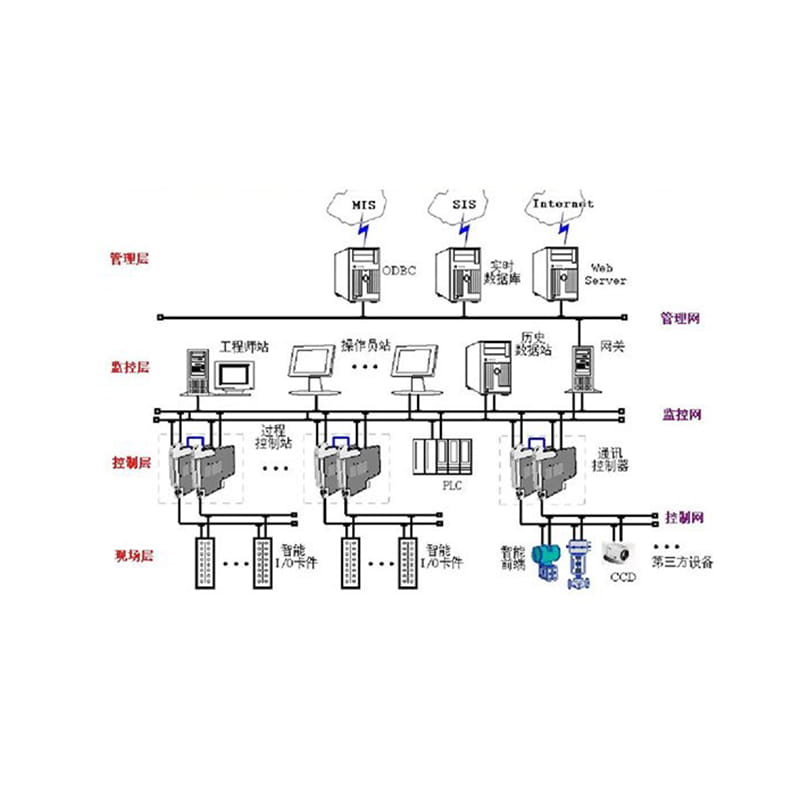
The DCS System is designed with an open architecture, allowing for seamless integration and flexibil...
See Details


