

 English
 русский
 Español
 عربى
عربى
YJY series absolute pressure gauge
Cat:Pressure Gauge
◆ Model: YJY100 YJY150◆ Use: Absolute pressure refers to the pressure which is higher than absolute ...
See DetailsContent
Pressure gauges are among the most common instruments found in industrial facilities, yet they are frequently under-specified or selected without sufficient attention to the conditions they will face. A mismatched gauge can fail prematurely, provide inaccurate readings, or — in worst-case scenarios — rupture under overpressure conditions, creating safety hazards and costly downtime. Whether you are instrumenting a new process line, replacing aging gauges, or standardizing across a facility, a structured approach to specification and selection will ensure long service life, measurement reliability, and regulatory compliance. This guide walks through every critical factor you need to evaluate.
The first and most fundamental parameter is the pressure range of the application. A gauge should be selected so that normal operating pressure falls within 25% to 75% of the full-scale range. This ensures the Bourdon tube or sensing element operates in its most accurate and mechanically safe zone. Running a gauge consistently near its maximum range accelerates fatigue and leads to premature failure.
You must also identify the type of pressure measurement required:
For applications with frequent pressure spikes or pulsation, a gauge with a full-scale range at least double the normal operating pressure provides additional protection against pointer damage and case failures.
The chemical nature of the process media in contact with the gauge's wetted parts is a critical specification point that is often overlooked until corrosion or contamination becomes a problem. Standard Bourdon tube gauges are typically constructed with brass or bronze wetted parts — acceptable for water, air, oil, and many non-corrosive gases, but unsuitable for aggressive chemicals, seawater, or high-purity applications.
For corrosive media, stainless steel (typically 316L SS) wetted parts are the standard upgrade. For highly aggressive acids, halogens, or chlorinated compounds, consider gauges with Monel, Hastelloy C, or PTFE-lined diaphragm seals. In food, beverage, and pharmaceutical applications, gauges must comply with sanitary standards, requiring electropolished stainless steel wetted surfaces, tri-clamp connections, and materials approved under FDA or EC 1935/2004 regulations.
When process media is viscous, slurry-like, contains solids, or must not contact the gauge internals directly, a diaphragm seal (chemical seal) should be specified. The diaphragm seal isolates the gauge from the process fluid while transmitting pressure through a fill fluid — typically glycerin, silicone oil, or a food-grade alternative — to the sensing element.
Dial size affects both readability and the physical accuracy achievable by the gauge mechanism. Common dial sizes for industrial gauges include 63 mm (2.5 in), 100 mm (4 in), and 160 mm (6 in). Larger dials allow finer graduation markings and are easier to read from a distance, making them preferable for control panels and locations where operators must observe readings while performing other tasks.
Accuracy class defines the permissible error as a percentage of the full-scale range. The most widely referenced standard is EN 837 (European) and ASME B40.100 (North American). Typical accuracy classes and their applications are summarized below:
| Accuracy Class | Error (% Full Scale) | Typical Application |
| Class 4 / Grade D | ±4% | General indication, non-critical monitoring |
| Class 2.5 / Grade C | ±2.5% | Standard industrial process lines |
| Class 1.6 / Grade B | ±1.6% | Process control, quality-sensitive systems |
| Class 1.0 / Grade A | ±1% | Precision measurement, test and calibration |
| Class 0.5 / Grade 2A | ±0.5% | High-accuracy laboratory and reference use |
For most plant-floor applications, Class 1.6 or Class 2.5 provides an adequate balance of accuracy and cost. Higher accuracy classes are justified in metering, custody transfer, or calibration environments where measurement uncertainty must be minimized.
The process connection is the mechanical interface between the gauge and the piping or equipment. Specifying the wrong connection type or size can result in leaks, cross-threading, or an inability to install the gauge without adapters that introduce additional failure points. The three main variables to specify are:
The installation environment determines the mechanical and protective specifications required for reliable long-term performance. Gauges installed outdoors, in wash-down areas, or in coastal environments require cases and windows rated to at least IP65 for dust and water ingress protection. Marine and offshore applications typically require IP66 or IP67 ratings along with corrosion-resistant case materials such as 316 stainless steel.
Ambient temperature extremes affect both the gauge materials and the fill fluid in liquid-filled gauges. Standard glycerin fill is suitable down to approximately -20°C; silicone oil extends the lower limit to around -40°C and is preferred for outdoor installations in cold climates. High ambient temperatures can cause glycerin to expand and leak from the case, so silicone fill is often recommended for environments above 60°C as well.
In applications with significant vibration — such as near compressors, pumps, or engines — a liquid-filled gauge is strongly recommended. The fill fluid dampens pointer oscillation that would otherwise make readings impossible to read and rapidly fatigue the Bourdon tube. Additionally, specifying a gauge with a solid front panel and blowout back provides overpressure protection by directing case rupture away from the operator.
Many real-world applications involve conditions beyond steady-state pressure measurement. Pulsating pressure — common in reciprocating pump systems or hydraulic circuits — requires either a liquid-filled gauge or the installation of a pulsation dampener (snubber) in the gauge line. Snubbers restrict the flow rate into the gauge, smoothing out pressure spikes before they reach the sensing element. They are available in porous sintered metal, needle valve, or orifice types, each suited to different media viscosities and pulse frequencies.
Overpressure events are another key consideration. If the system can experience pressure surges above the gauge's full-scale range — during startup, valve closure, or relief valve actuation — specifying a gauge with an overpressure stop or selecting a gauge rated to at least 130% of the expected spike pressure will prevent permanent pointer damage and zero-shift errors.
For steam service, a siphon tube (pigtail siphon) should always be installed between the process connection and the gauge to prevent live steam from contacting the Bourdon tube directly. The siphon fills with condensate that acts as a thermal barrier, protecting the gauge internals while still transmitting pressure accurately.
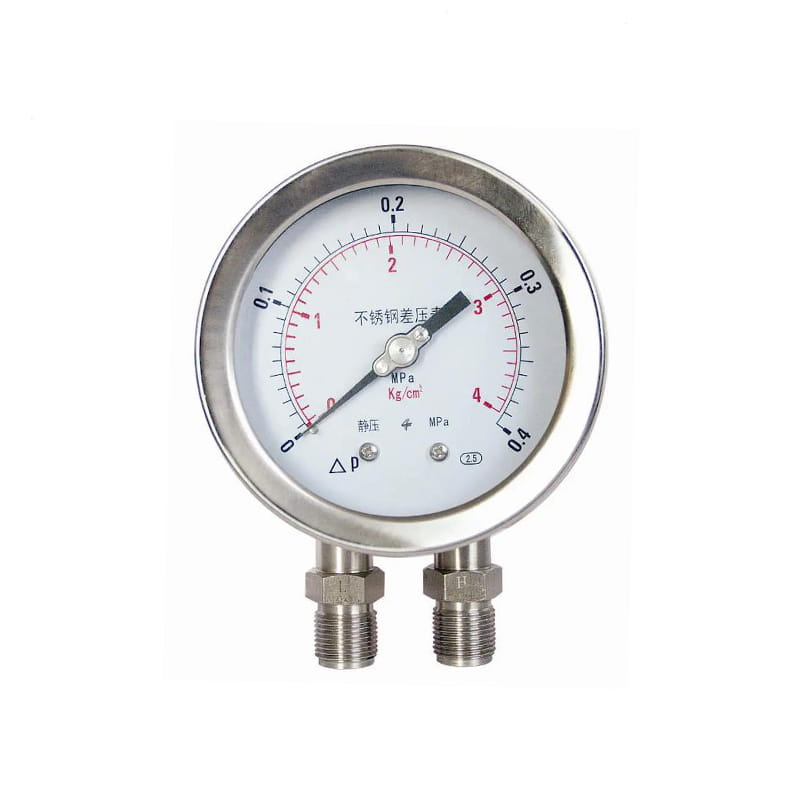
◆ Model: YJY100 YJY150◆ Use: Absolute pressure refers to the pressure which is higher than absolute ...
See Details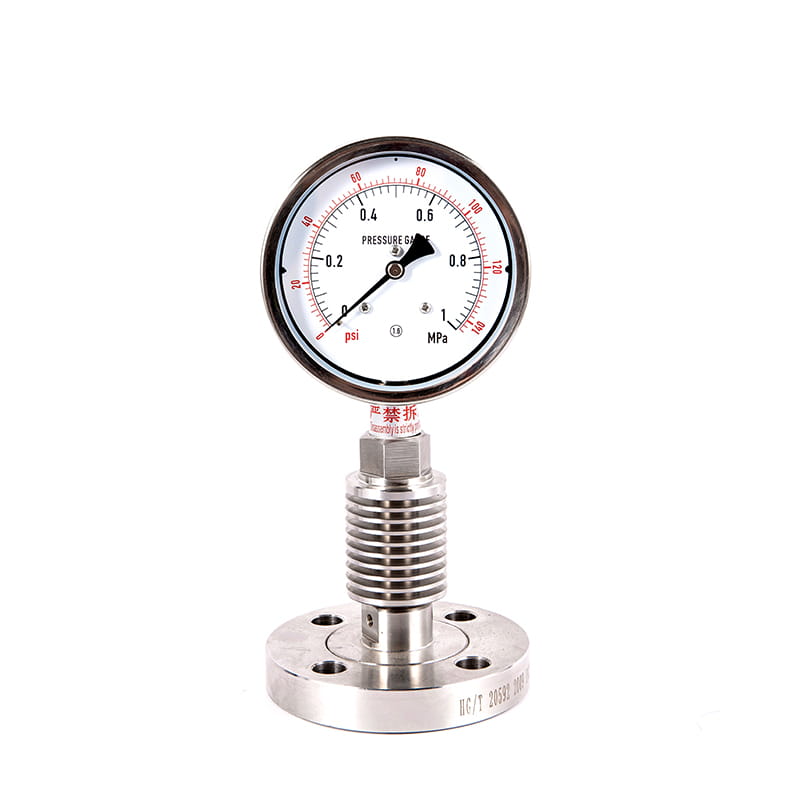
◆ Model: Y¨-ML Y¨-MF Y¨-MG Y¨-MZ Y¨-MK Y¨-MN Y¨-MS◆ Application: Due to the indirect measurement str...
See Details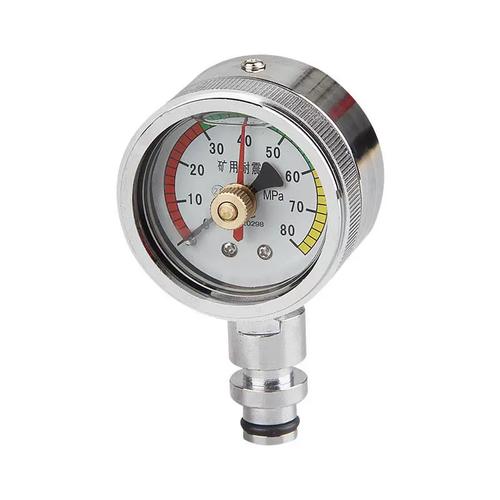
◆ Model: YKY60 ◆ Application: Mining memory pressure gauges is specially designed for underground h...
See Details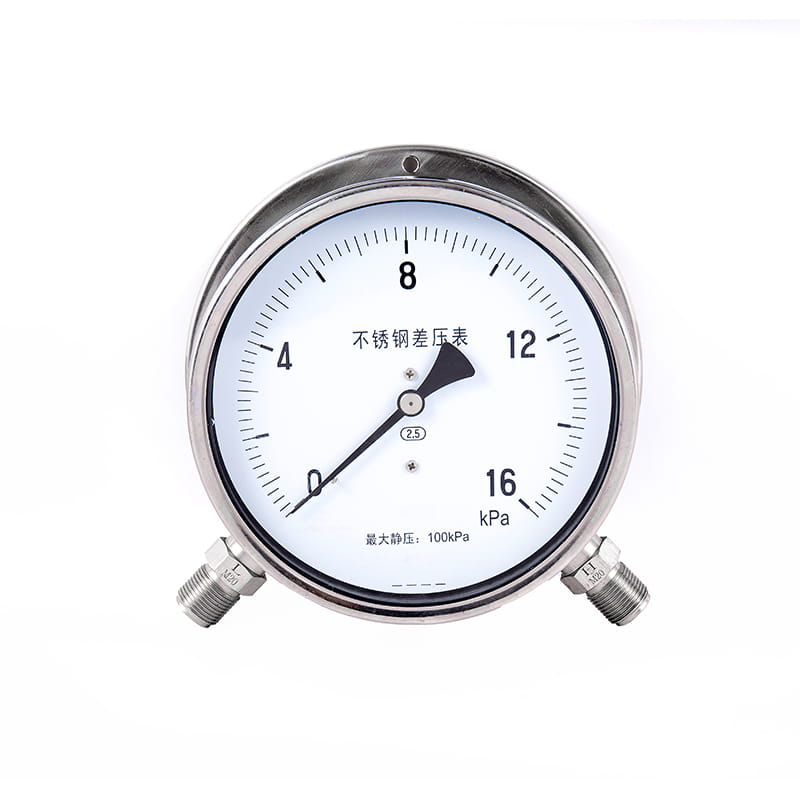
◆ Model: CYB100 CYB150 ◆ Application: Stainless steel differential pressure gauges is suitable for m...
See Details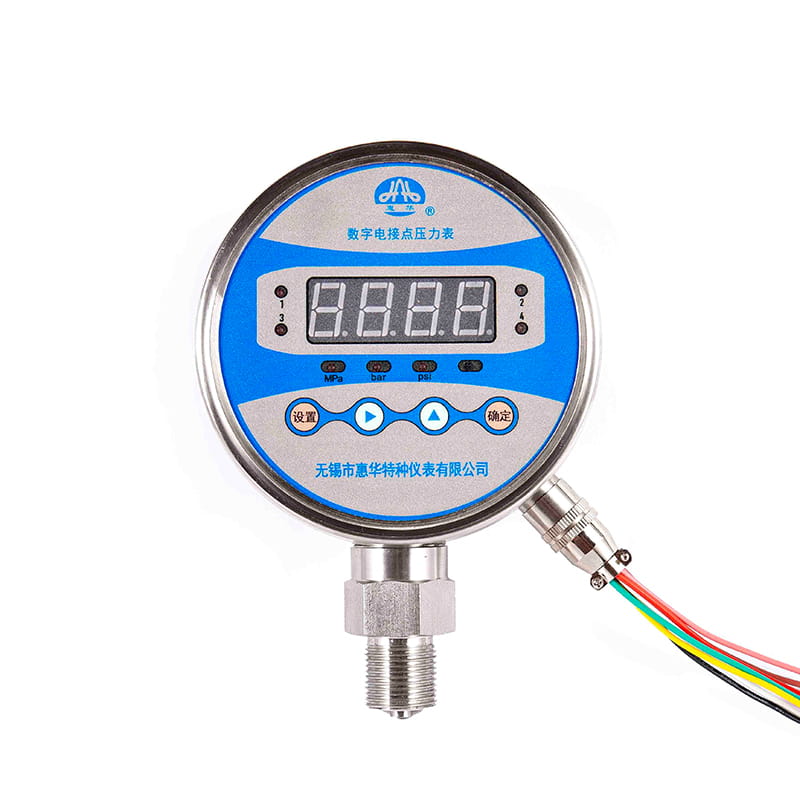
◆ Model: YSX100 ◆ Introduction: Intelligent digital electric word contact pressure gauge is a set o...
See Details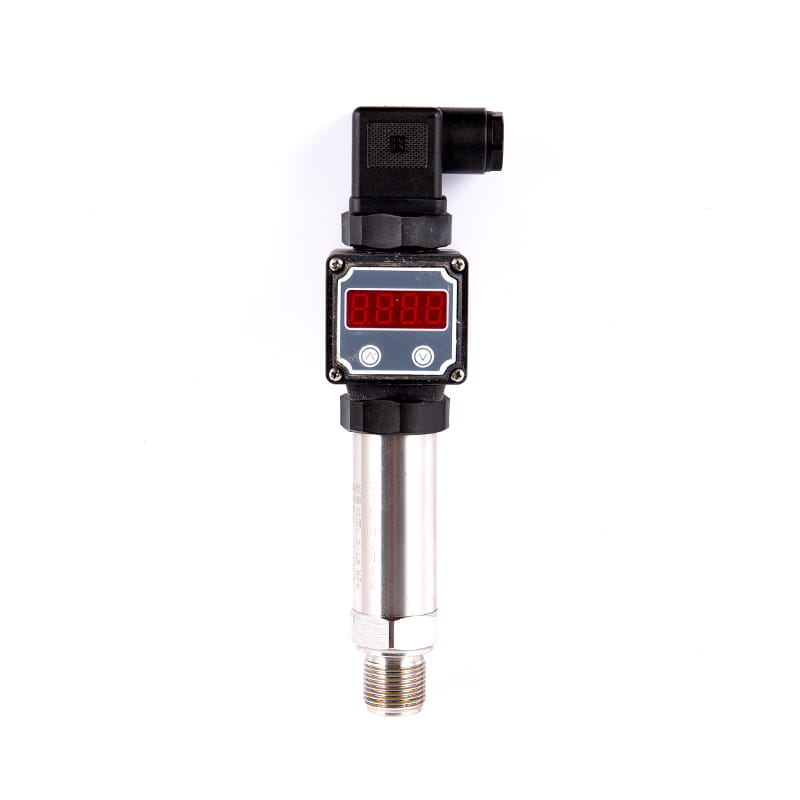
1. Overview This pressure transmitter has high sensitivity, high precision and strong anti-overload ...
See Details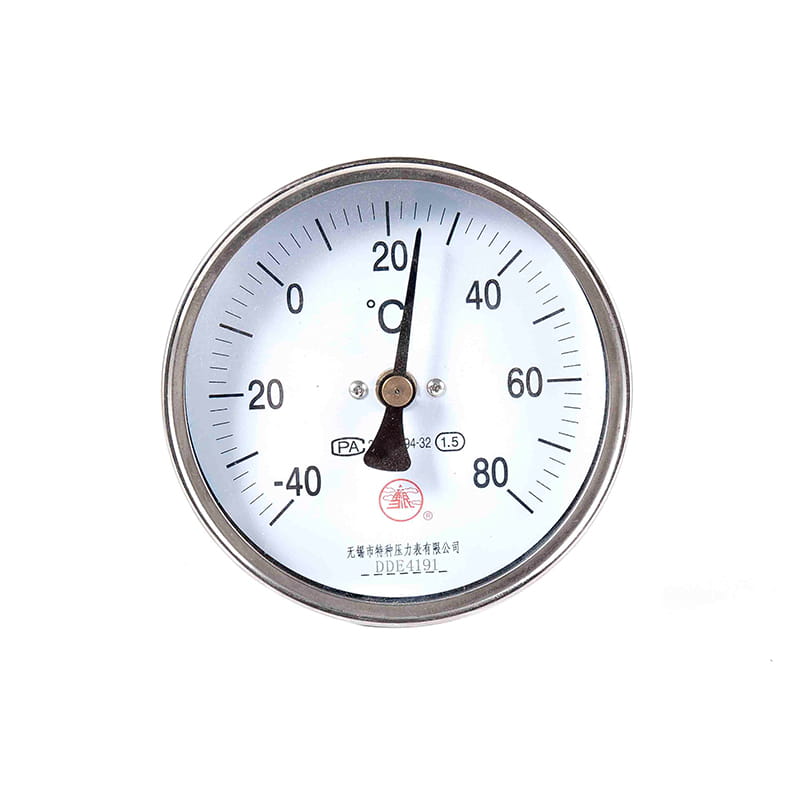
◆ Model: WSS-3 WSS-4 WSS-5 ◆ Application: Bimetal thermometer has the characteristics of no mercury ...
See Details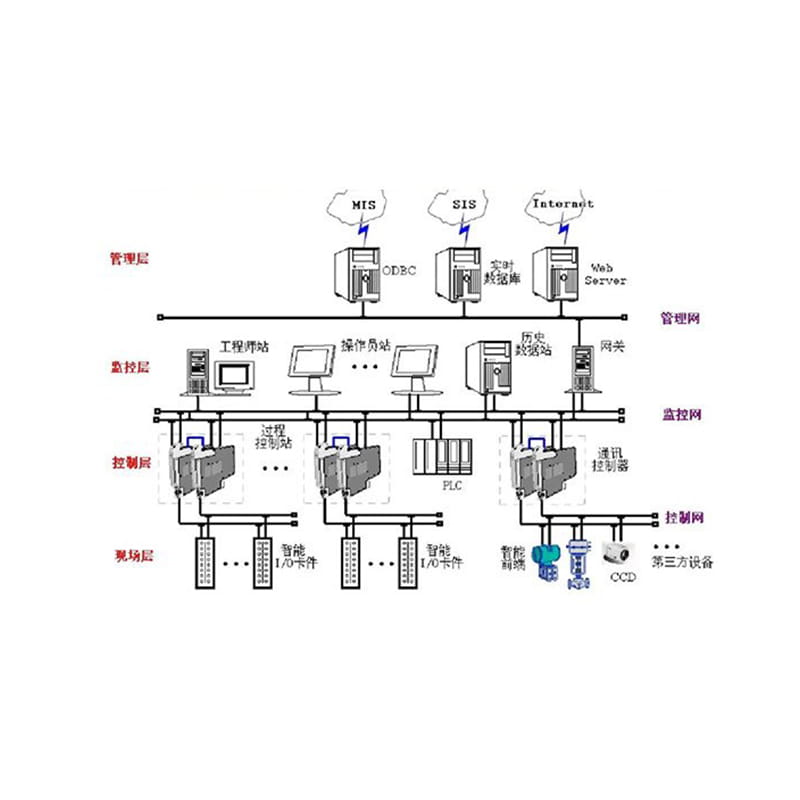
The SIS System is engineered to provide exceptional security and reliability in hazardous environme...
See Details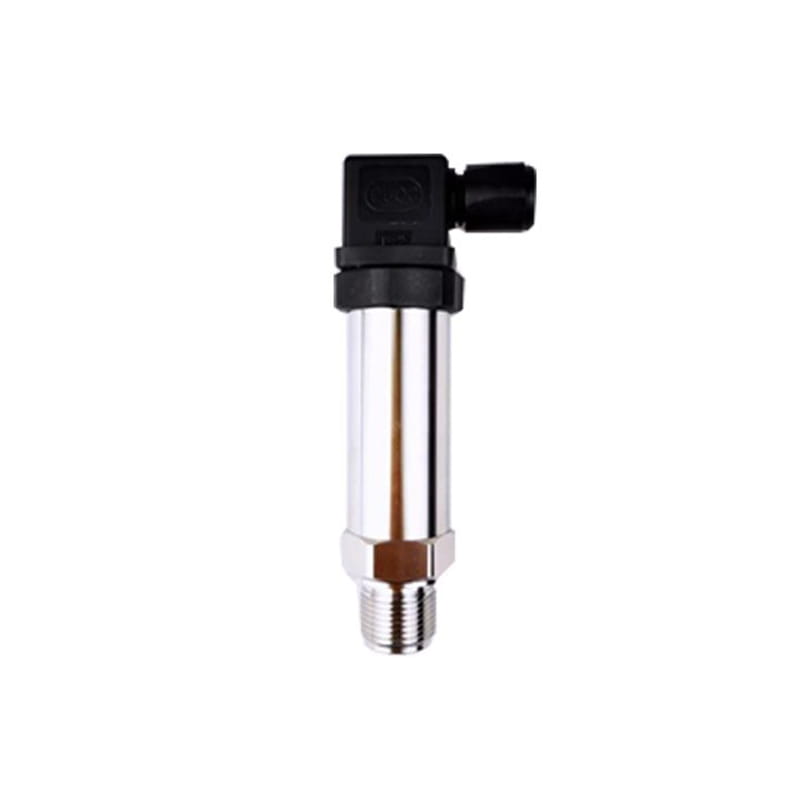
The Pressure transmitter YSZK is designed for demanding environments, operating effectively in tempe...
See Details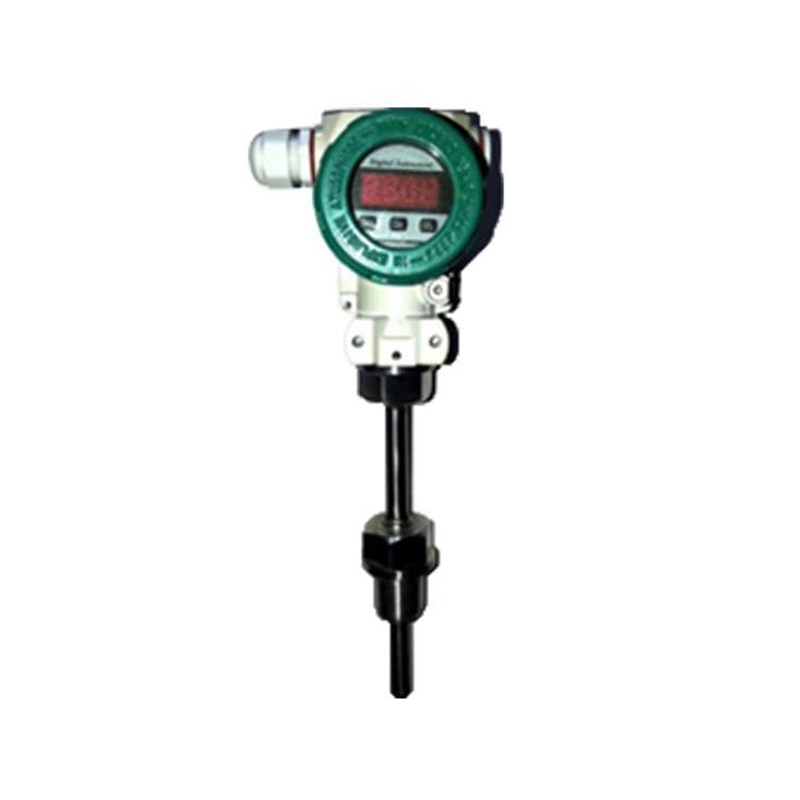
The Temperature sensor WZPK is renowned for its long service life and exceptional stability, making ...
See Details


