

 English
 русский
 Español
 عربى
عربى
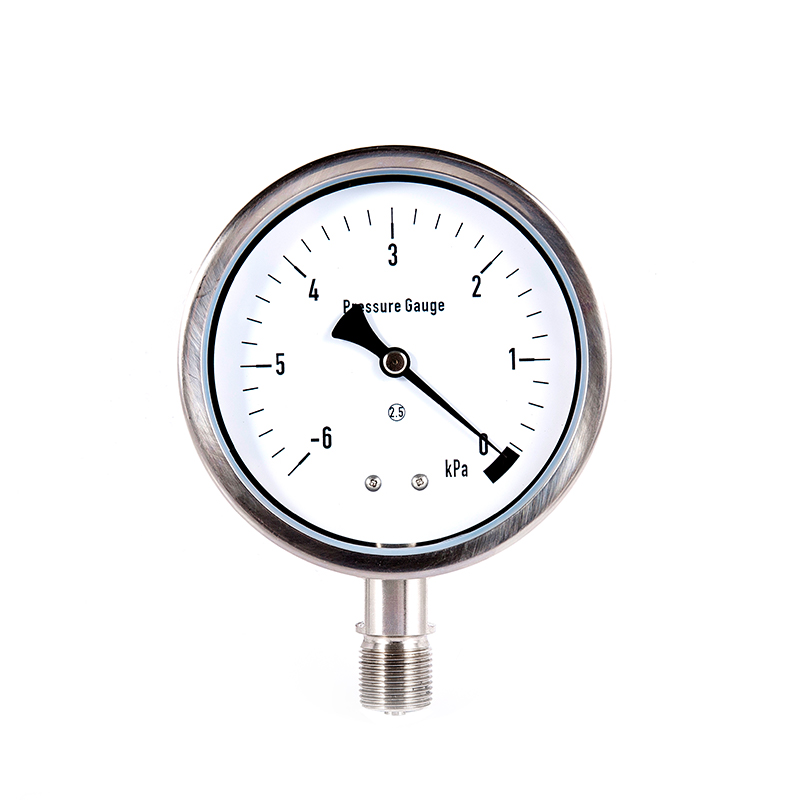
Y series general stainless steel pressure gauge
Cat:Pressure Gauge
◆ Model: Y40 Y50 Y60 Y75 Y100 Y150 Y200 Y250◆ Use: This series of instruments is suitable for measur...
See DetailsContent
Pressure gauges are among the most widely used measurement instruments in industrial settings, found on boilers, hydraulic systems, compressors, pipelines, and laboratory equipment alike. While they all serve the same basic purpose of indicating pressure, the internal mechanisms vary significantly depending on the pressure range, the media being measured, and the environment the gauge must withstand. Understanding the distinctions between these designs helps engineers and technicians select equipment that delivers accurate readings and survives the operating conditions it will face.
Mechanical gauges remain the most common type across general industry because they require no external power source and have a long service history of reliability. These gauges convert pressure into mechanical movement, which is then translated into a dial reading through a system of gears and linkages.
Bourdon tube gauges are the most recognizable pressure gauge design, identifiable by the curved, flattened metal tube coiled inside the case. As pressure enters the tube, it tries to straighten out, and this slight mechanical deflection is transferred through a linkage to rotate the pointer across the dial. Bourdon tube gauges are typically used for medium to high pressure ranges, commonly from 15 psi up to 100,000 psi, and are found extensively in hydraulic systems, steam lines, and compressed air applications. Their main limitation is reduced accuracy at very low pressures, where the tube's deflection becomes too small to measure reliably.
Diaphragm gauges use a thin, flexible disc that deforms in response to applied pressure. This deformation is mechanically amplified and converted into pointer movement. Because the diaphragm can be made from corrosion-resistant materials and isolates the measuring mechanism from the process media, this design is favored for measuring low pressures and for applications involving viscous, slurry-like, or mildly corrosive substances where a narrow Bourdon tube might clog or degrade.
Capsule gauges consist of two corrugated diaphragms welded together to form a sealed capsule. This configuration produces greater sensitivity than a single diaphragm, making capsule gauges well suited to very low pressure measurement, often in the range of a few inches of water column up to around 25 psi. They are frequently used in gas distribution systems, HVAC ductwork, and other applications where pressure changes are subtle but still need to be monitored precisely.
Bellows gauges use an accordion-style expandable chamber that elongates or compresses with changes in pressure. This design provides a larger surface area for pressure to act upon compared to a diaphragm, allowing bellows gauges to detect very small pressure changes accurately. They are commonly used in low-pressure pneumatic controls and in some absolute pressure measurement applications where high sensitivity at low force levels is required.
As industrial processes increasingly rely on data logging and remote monitoring, electronic pressure gauges have become standard in many facilities. Rather than relying on mechanical deflection alone, these gauges use sensing elements that convert pressure into an electrical signal, which is then displayed digitally or transmitted to a control system.
Strain gauge based pressure sensors use a thin metallic or foil element bonded to a diaphragm. As the diaphragm flexes under pressure, the electrical resistance of the strain gauge changes proportionally, and this change is measured and converted into a calibrated pressure reading. These sensors offer good accuracy across a wide range of pressures and are commonly integrated into process control systems where a 4-20mA output signal is needed for continuous monitoring.
Piezoresistive sensors use semiconductor materials whose resistance changes under mechanical stress, offering fast response times and high sensitivity, which makes them useful in applications with rapidly fluctuating pressures, such as engine testing or hydraulic shock measurement. Capacitive sensors, by contrast, measure the change in capacitance between two plates as a diaphragm moves under pressure, and are valued for their stability and accuracy in low-pressure and vacuum applications, including semiconductor manufacturing and scientific instrumentation.
Beyond the internal sensing mechanism, pressure gauges are also categorized by what reference point they measure against. This classification determines how the reading should be interpreted and which applications the gauge is appropriate for.
| Gauge Type | Reference Point | Typical Application |
| Gauge Pressure | Atmospheric pressure | Tire pressure, compressed air lines |
| Absolute Pressure | Perfect vacuum (zero pressure) | Vacuum systems, altitude measurement |
| Differential Pressure | Difference between two points | Filter monitoring, flow measurement |
| Vacuum Gauge | Below atmospheric pressure | Vacuum chambers, refrigeration servicing |
Differential pressure gauges deserve particular attention because they are used to infer information indirectly. By measuring the pressure drop across a filter, orifice plate, or other restriction, technicians can determine whether a filter needs replacement or calculate fluid flow rate without needing a dedicated flow meter. This makes differential gauges a cost-effective diagnostic tool in HVAC systems, water treatment plants, and industrial filtration setups.
Standard mechanical and digital gauges work well under normal conditions, but several specialty variants exist to address harsh process media, vibration, or sanitary requirements.
When the process fluid is corrosive, abrasive, or prone to crystallizing inside narrow tubing, a diaphragm seal is installed between the process and the gauge. The seal isolates the gauge's internal mechanism from direct contact with the media while transmitting pressure through an inert fill fluid. This setup is common in chemical processing, wastewater treatment, and food production where direct exposure would otherwise damage the gauge or contaminate the product.
In environments with significant vibration, such as near pumps, compressors, or engines, standard dry gauges can suffer from pointer flutter and premature wear. Liquid-filled gauges, typically using glycerin or silicone oil, dampen this vibration and protect internal components from rapid wear, extending service life and improving reading stability in mechanically active environments.
Sanitary pressure gauges are constructed with smooth, crevice-free wetted surfaces and use tri-clamp or flush diaphragm connections that allow for thorough cleaning and sterilization. These gauges are designed to meet hygiene standards required in food processing, dairy production, and pharmaceutical manufacturing, where any residue buildup could compromise product safety or violate regulatory requirements.
Choosing an appropriate pressure gauge starts with identifying three key factors: the expected pressure range, the nature of the process media, and the environmental conditions surrounding the installation point. A gauge selected for a pressure range too far above the actual operating pressure will produce imprecise readings, since most gauges are most accurate within the middle third of their scale. Similarly, selecting a standard dry gauge for a high-vibration pump discharge line will likely result in frequent recalibration or premature failure.
Ultimately, the right pressure gauge is the one matched precisely to its operating environment rather than the most advanced or expensive option available. Taking the time to evaluate pressure range, media compatibility, and environmental stressors before purchasing prevents costly downtime, inaccurate readings, and unnecessary equipment replacement down the line.
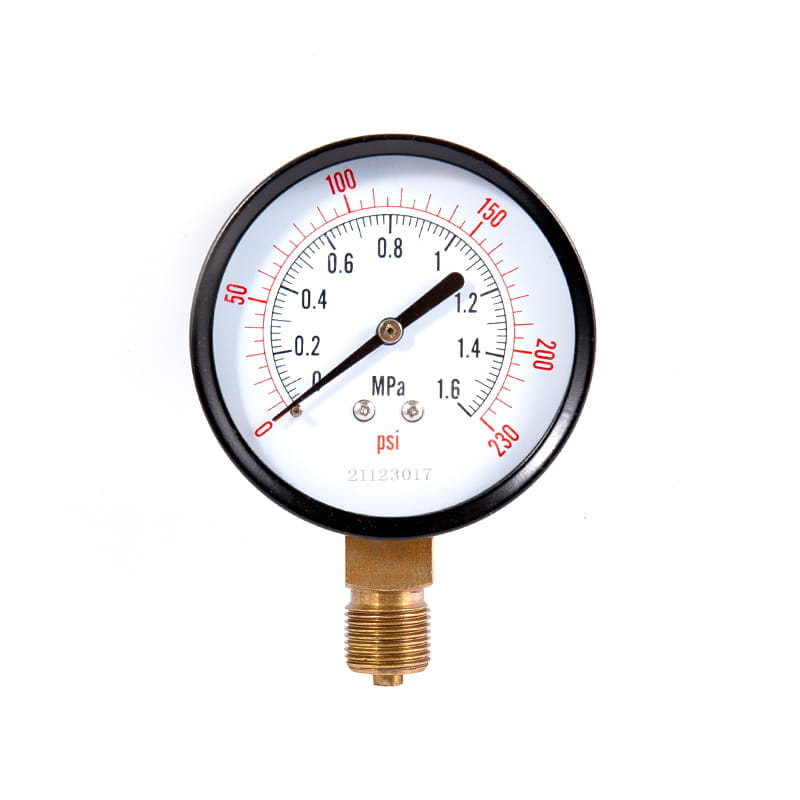
◆ Model: Y40 Y50 Y60 Y75 Y100 Y150 Y200 Y250◆ Use: This series of instruments is suitable for measur...
See Details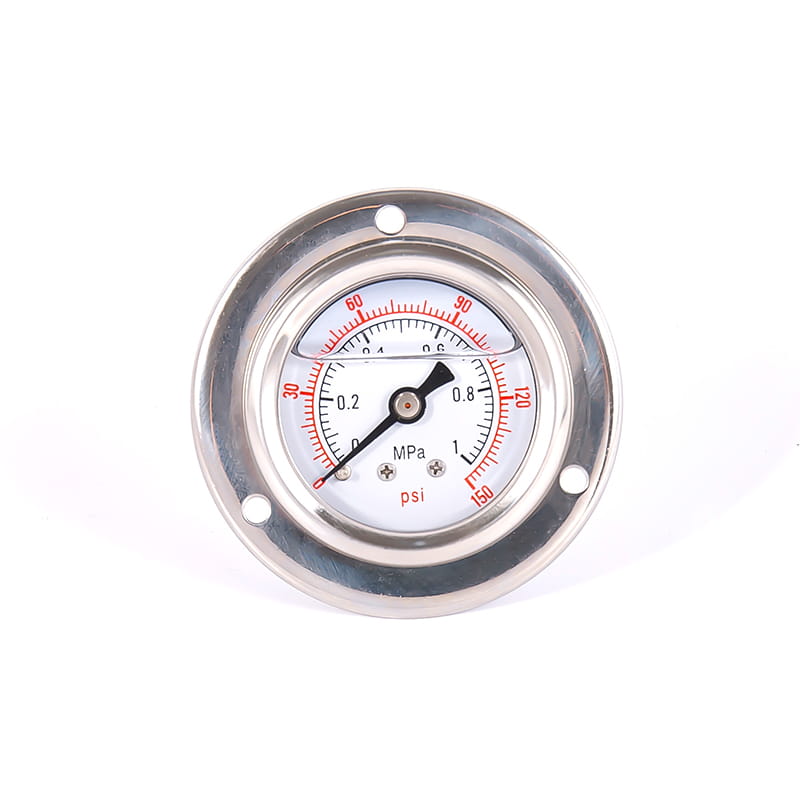
◆ Model: YN40 YN50 YN60 YN75 YN100 YN150◆ Use: This series of instruments have good shock resistance...
See Details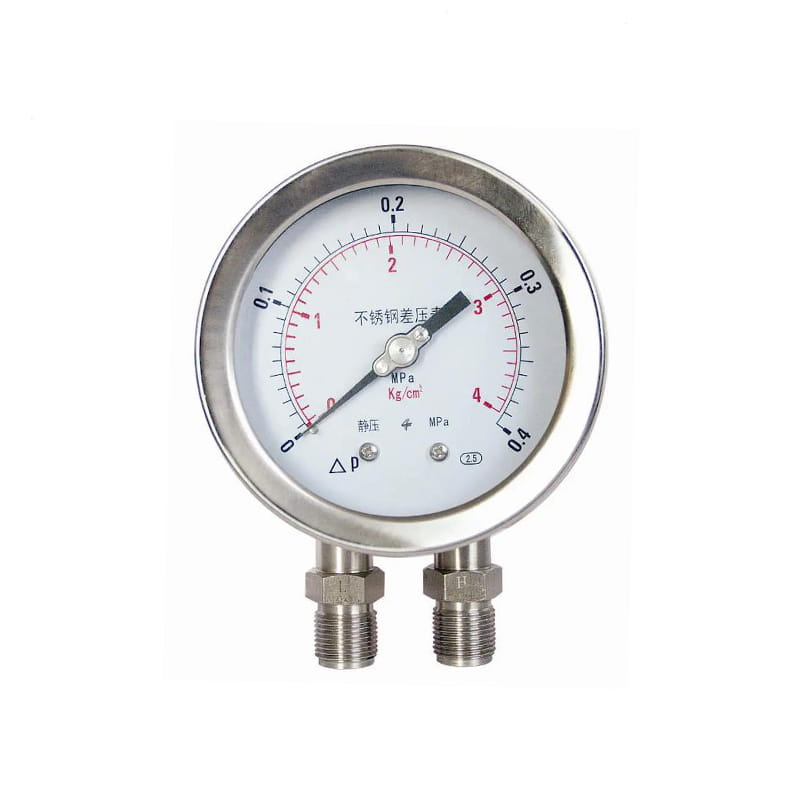
◆ Model: YJY100 YJY150◆ Use: Absolute pressure refers to the pressure which is higher than absolute ...
See Details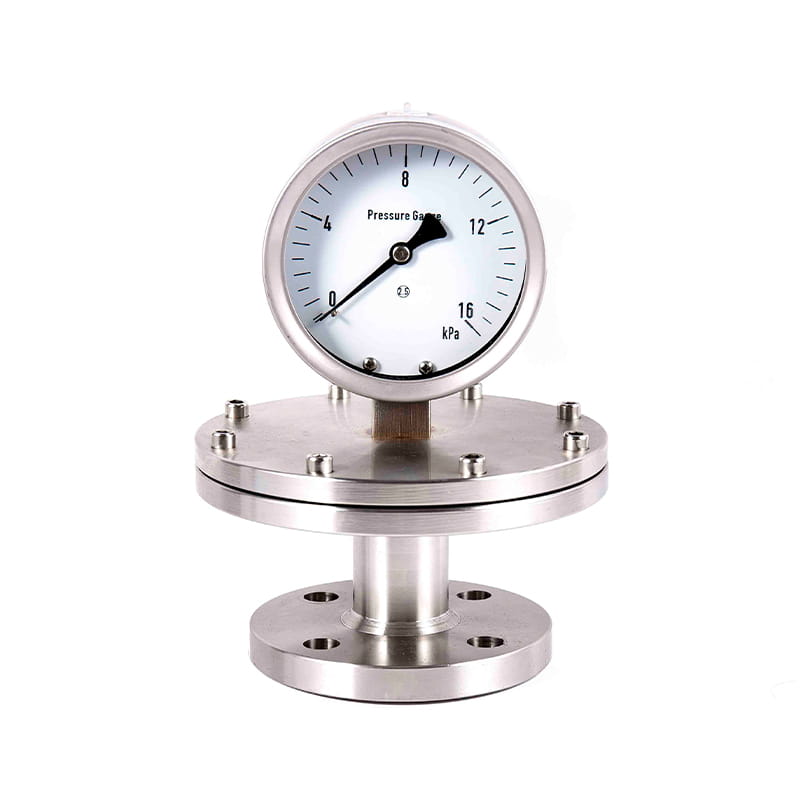
◆ Model: YP100-L YP150-L YP100-F YP150-F ◆ Application: YP series instrument diaphragm and structura...
See Details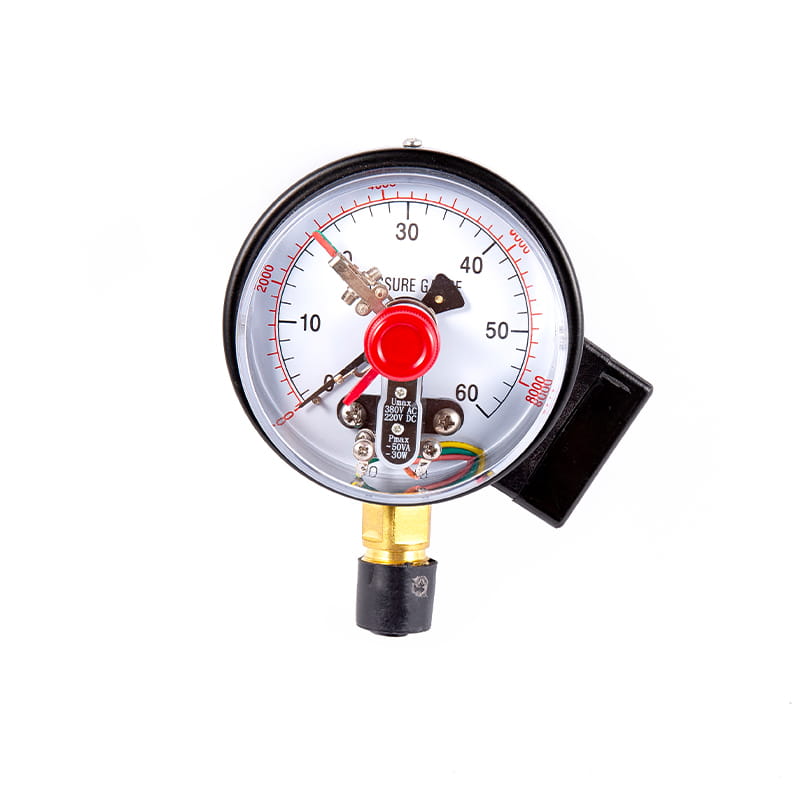
◆ Model: YXC60 YX100 YXC-150 ◆ Application: Magnetic-assisted electric contact pressure gauges is su...
See Details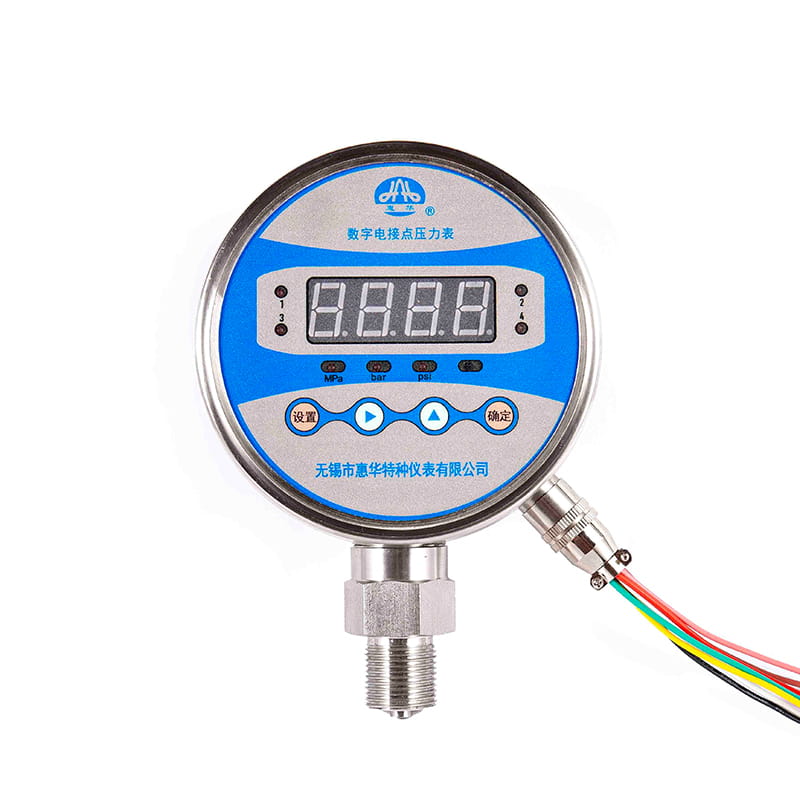
◆ Model: YSX100 ◆ Introduction: Intelligent digital electric word contact pressure gauge is a set o...
See Details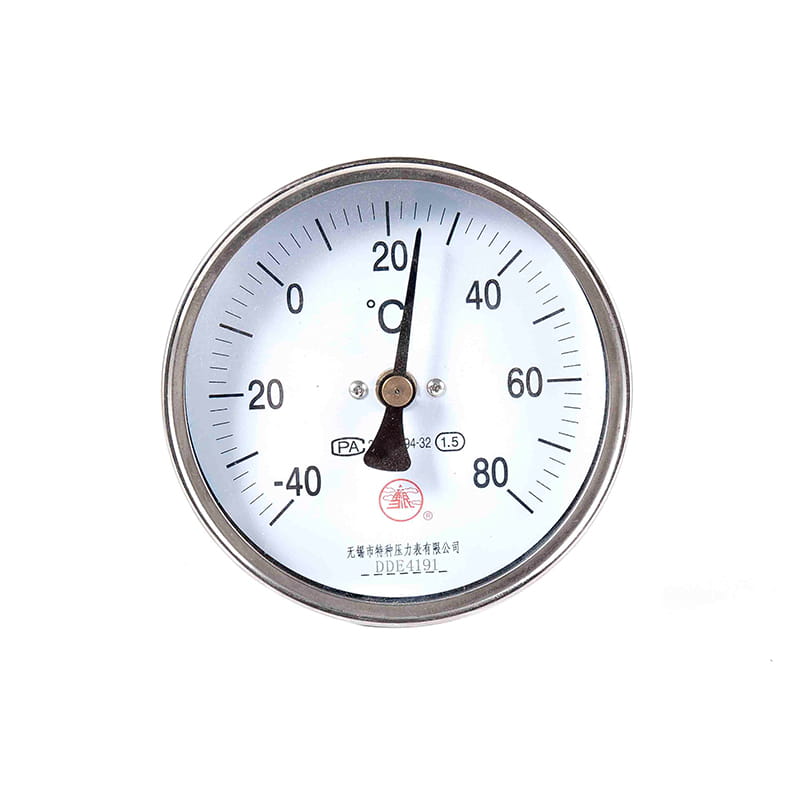
◆ Model: WSS-3 WSS-4 WSS-5 ◆ Application: Bimetal thermometer has the characteristics of no mercury ...
See Details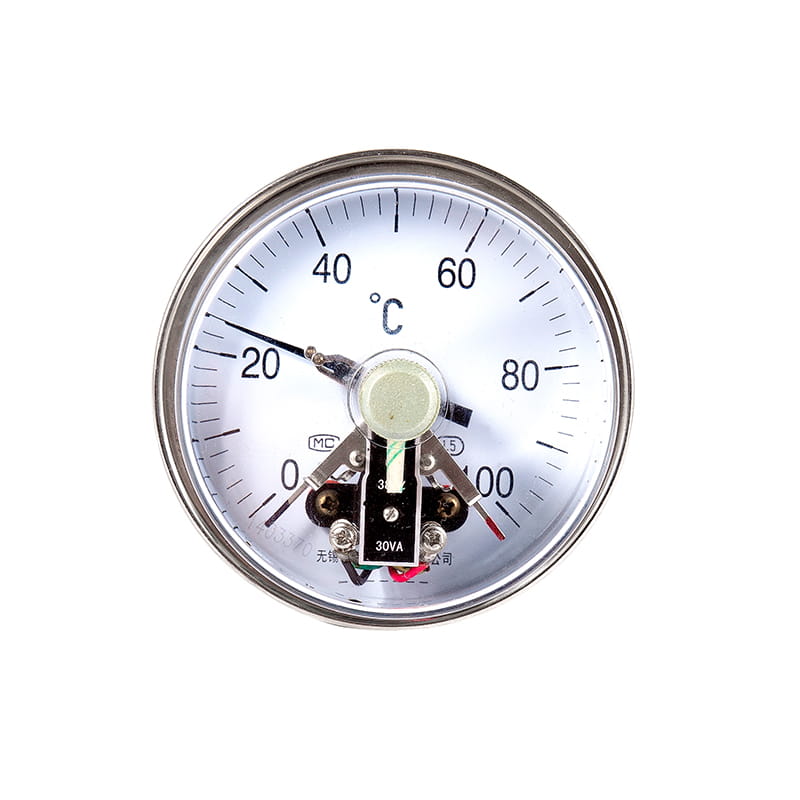
◆ Model: WSSXC-4 ◆ Application: This series of thermometers has the characteristics of no mercury da...
See Details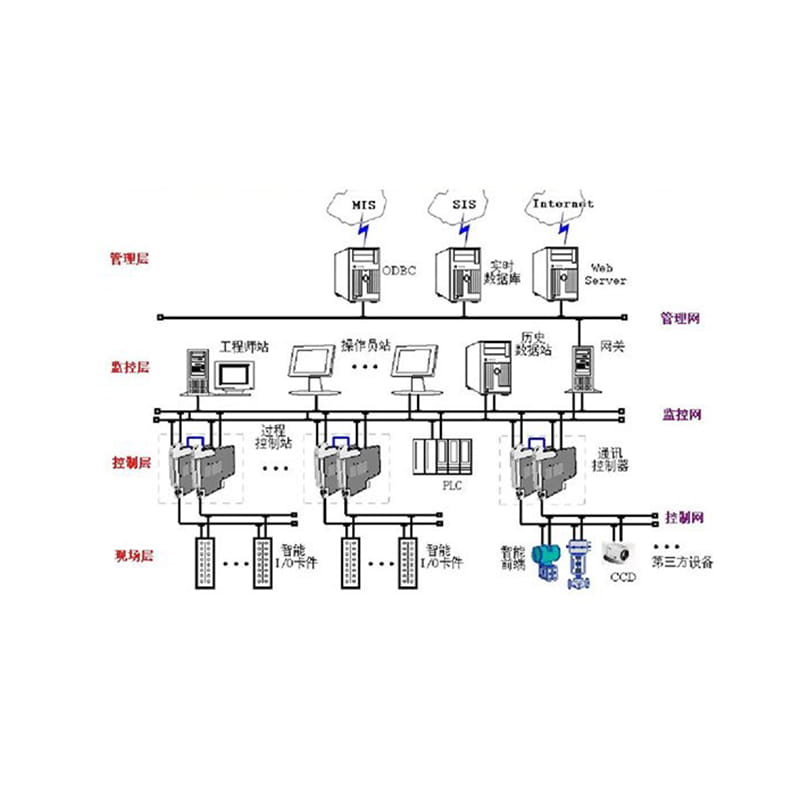
The DCS System is designed with an open architecture, allowing for seamless integration and flexibil...
See Details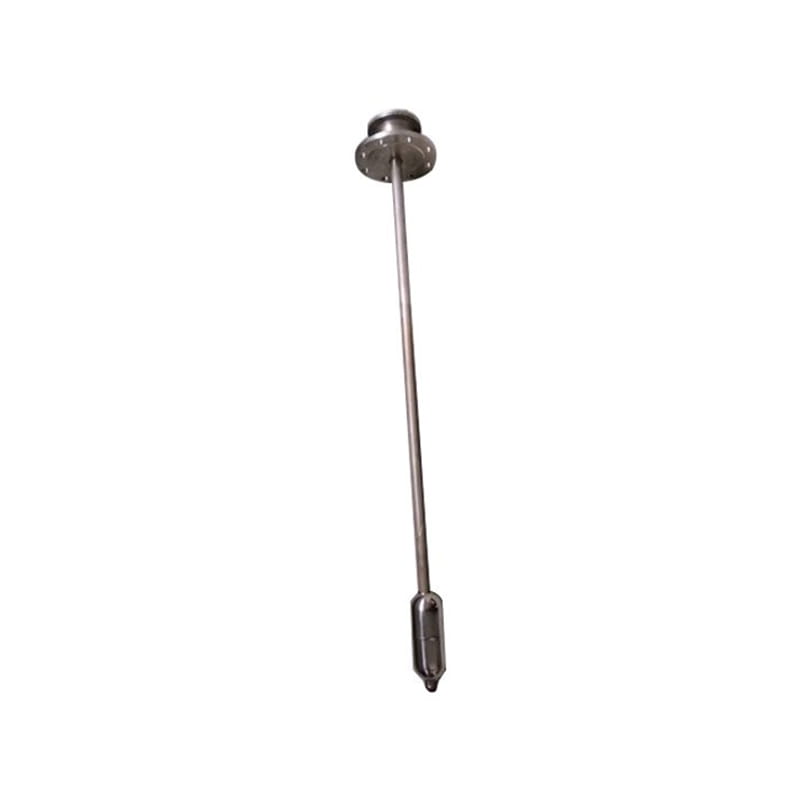
The Float level gauge UHB is engineered for high-precision measurement, providing accurate and relia...
See Details


