

 English
 русский
 Español
 عربى
عربى
YN series 100% copper connection earthquake-resistant (seismic) pressure gauge
Cat:Pressure Gauge
◆ Model: YN40 YN50 YN60 YN75 YN100 YN150◆ Use: This series of instruments have good shock resistance...
See DetailsContent
Pressure gauges are essential measurement instruments used to monitor and control pressure in liquids and gases. They play a critical role in ensuring safety, process stability, and equipment performance across industries such as manufacturing, energy, pharmaceuticals, water treatment, and HVAC. Selecting the correct type of pressure gauge depends on factors like pressure range, medium, accuracy requirements, environmental conditions, and installation constraints. Understanding the different types of pressure gauges and their practical uses helps operators prevent system failures, reduce maintenance costs, and comply with safety standards.
Bourdon tube pressure gauges are the most widely used mechanical pressure gauges. They operate using a curved metal tube that straightens when internal pressure increases. This movement is transmitted through a linkage to a pointer that displays pressure on a dial. Their simple design makes them reliable, cost-effective, and suitable for a wide range of applications.
Diaphragm pressure gauges use a flexible membrane that deflects under pressure. This design isolates the internal mechanism from the process medium, making diaphragm gauges ideal for corrosive, viscous, or contaminated fluids. They are commonly used where media compatibility and hygiene are major concerns.
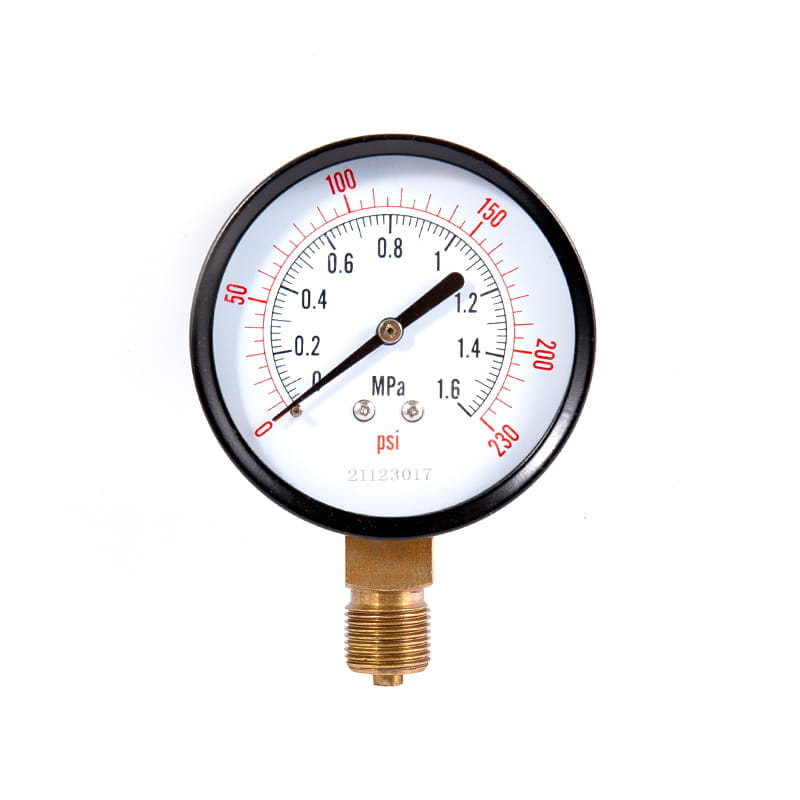
Capsule pressure gauges consist of two thin corrugated diaphragms sealed together to form a capsule. They are designed for measuring very low pressures, particularly gas pressures. Their high sensitivity makes them suitable for applications where even small pressure changes must be detected accurately.
Differential pressure gauges measure the difference between two pressure points. Rather than displaying absolute pressure, they indicate pressure drop, which is essential for monitoring flow, filter condition, and system efficiency. These gauges are widely used in cleanrooms, HVAC systems, and filtration units.
Digital pressure gauges use electronic pressure sensors and display readings on an LCD or LED screen. They offer higher accuracy, better resolution, and additional features such as data logging, peak hold, and unit conversion. Digital gauges are increasingly popular in modern industrial environments where precision and traceability are critical.
Absolute pressure gauges measure pressure relative to a perfect vacuum rather than atmospheric pressure. This makes them ideal for applications where atmospheric variations could affect accuracy. They are commonly used in vacuum systems and scientific processes.
Gauge pressure gauges measure pressure relative to ambient atmospheric pressure and are the most common type found in industrial systems. Compound pressure gauges, on the other hand, can measure both positive pressure and vacuum, making them suitable for systems that operate across a wide pressure range.
Filled pressure gauges contain a liquid, typically glycerin or silicone oil, inside the case. The fill dampens vibration, reduces pointer flutter, and extends service life. These gauges are particularly useful in environments with pulsating pressure or mechanical vibration.
Sanitary pressure gauges are designed to meet strict hygiene standards. They feature smooth surfaces, stainless steel construction, and easy-to-clean designs. These gauges are essential in industries where contamination control is critical.
| Type | Pressure Range | Main Advantage | Typical Use |
| Bourdon Tube | Medium to High | Durable, economical | Industrial systems |
| Diaphragm | Low to Medium | Media isolation | Corrosive fluids |
| Differential | Low | Pressure comparison | Filters, HVAC |
| Digital | Wide range | High accuracy | Calibration, testing |
Selecting the appropriate pressure gauge requires evaluating operating pressure, media compatibility, environmental conditions, accuracy class, and installation method. Over-specifying increases cost, while under-specifying can compromise safety. Understanding how each pressure gauge type functions allows engineers and operators to match the instrument precisely to system requirements.
Pressure gauges come in many forms, each designed to address specific measurement challenges. From robust Bourdon tube gauges to highly accurate digital models and specialized diaphragm designs, each type has a clear role. By understanding the different types of pressure gauges and their uses, users can ensure reliable pressure monitoring, improved system efficiency, and long-term operational safety.
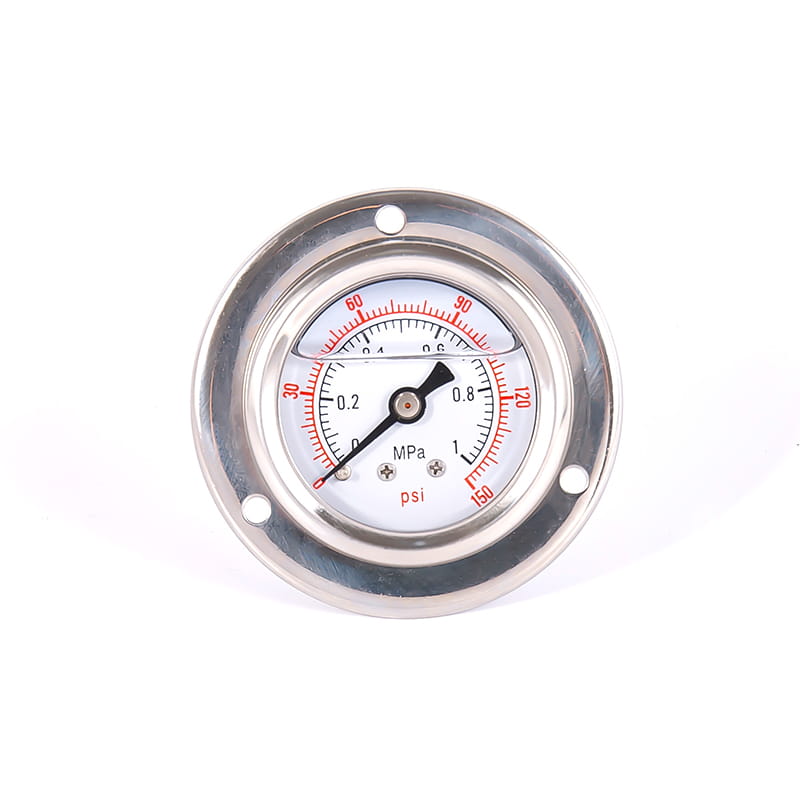
◆ Model: YN40 YN50 YN60 YN75 YN100 YN150◆ Use: This series of instruments have good shock resistance...
See Details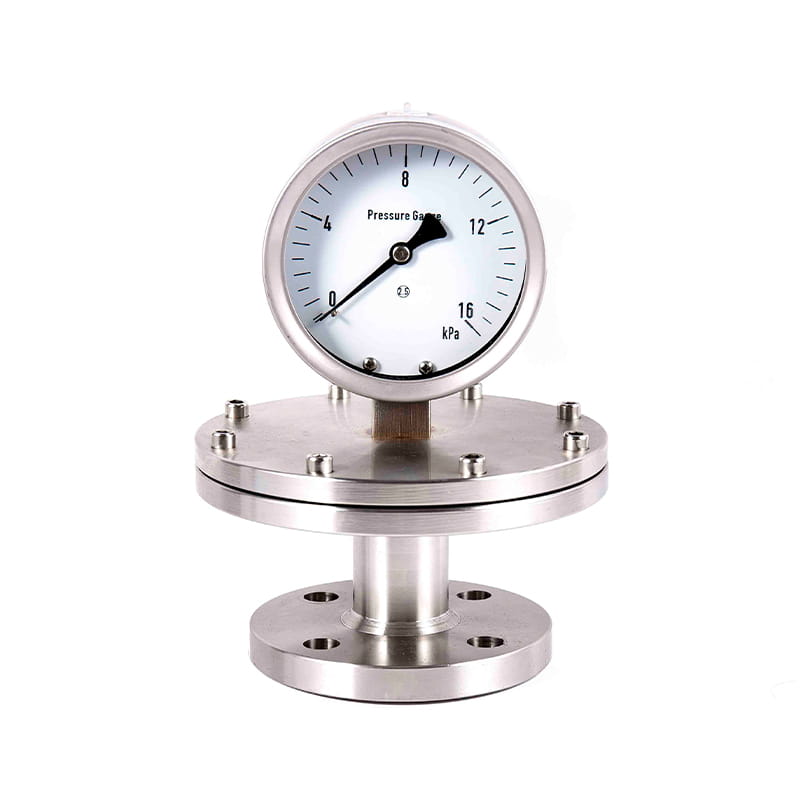
◆ Model: YP100-L YP150-L YP100-F YP150-F ◆ Application: YP series instrument diaphragm and structura...
See Details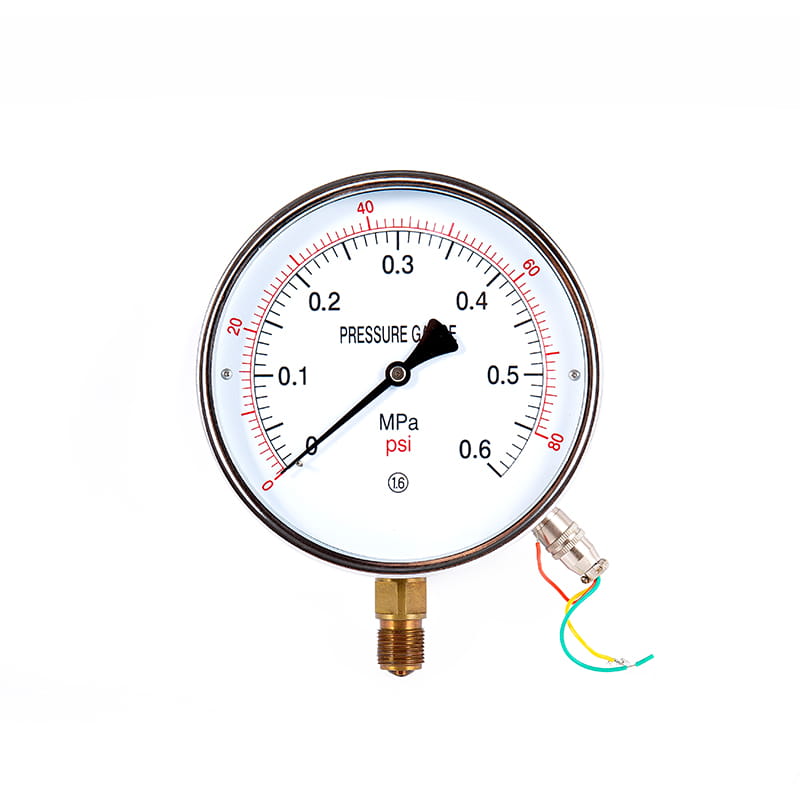
◆ Model: YTT100 YTT100A YTT150 YTT150A ◆ Application: This type of instrument is suitable for measur...
See Details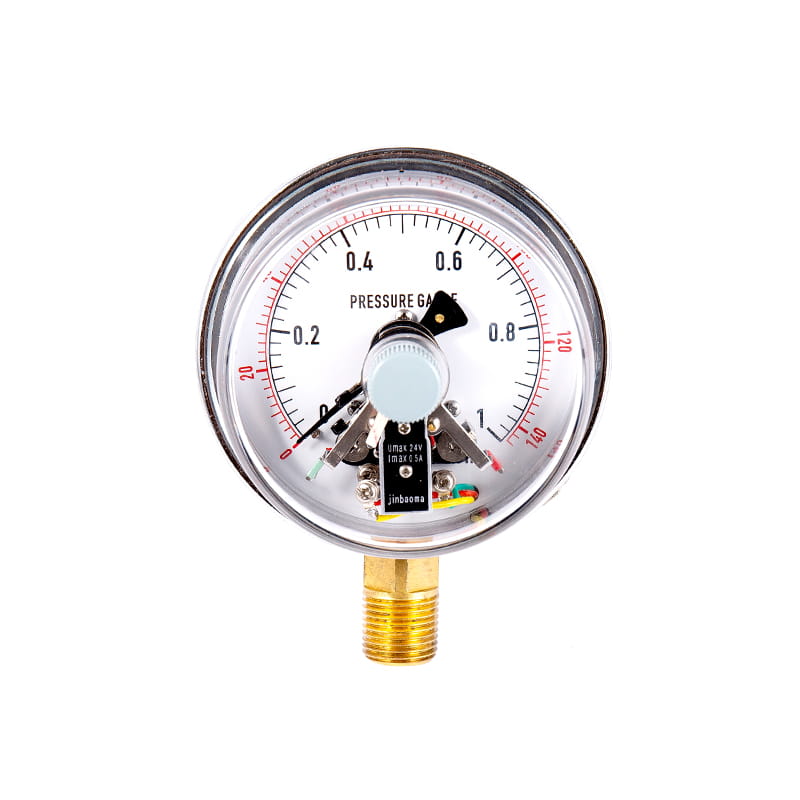
◆ Model: YXCm100 YXCm150 ◆ Uses: This kind of instrument is an ideal alternative to the magnetic-ass...
See Details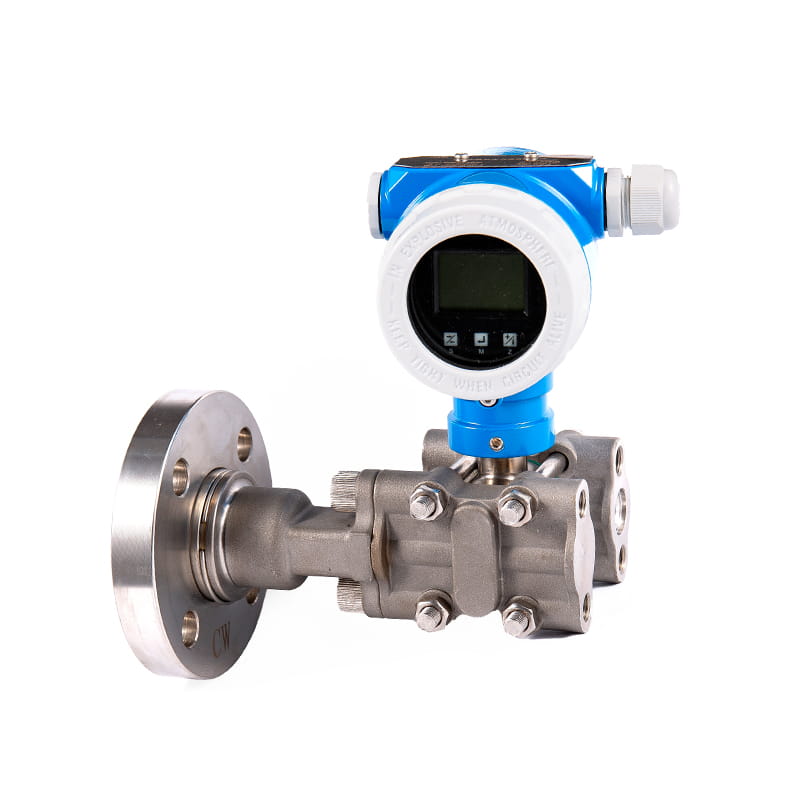
◆ Model: YSZC-8 ◆ Application: This instrument is suitable for precise measurement of liquid level d...
See Details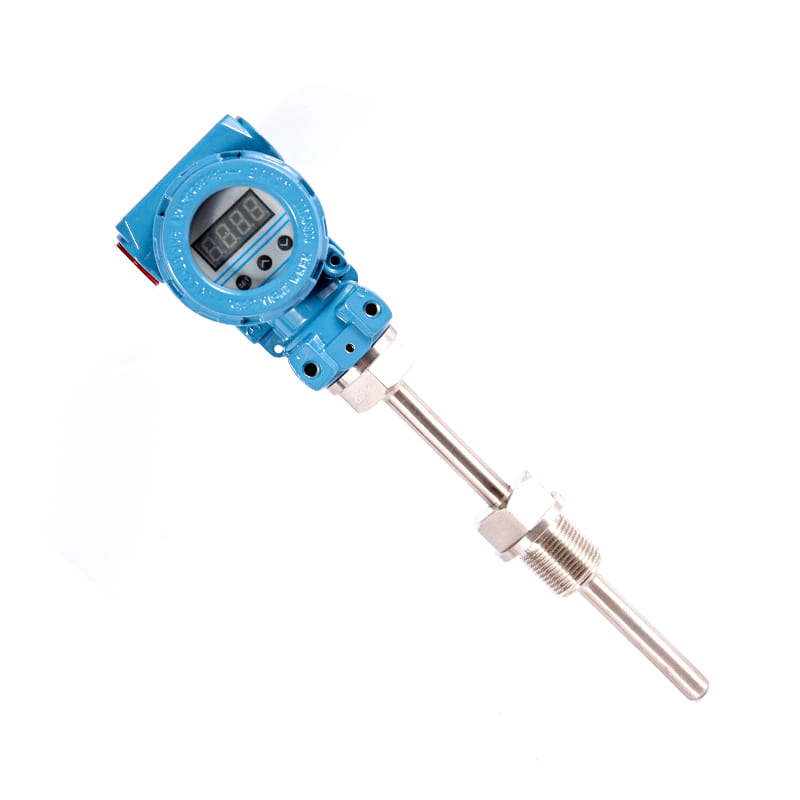
◆ Model: WSZC-1 ◆ Overview: The transmitter is composed of advanced circuit module integration techn...
See Details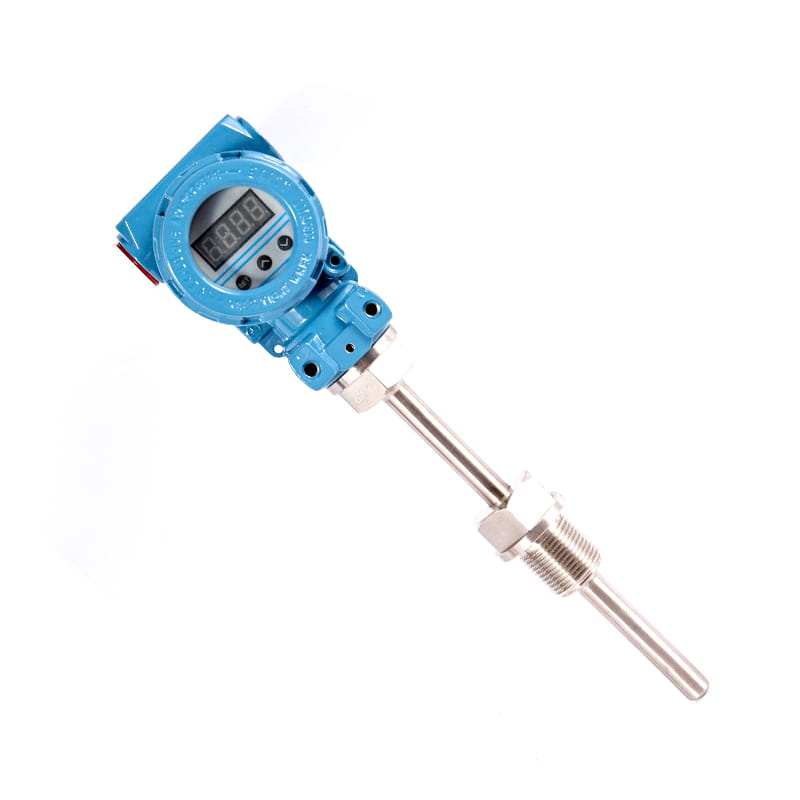
◆ Model: WSZC-2 ◆ Overview: The transmitter is composed of advanced circuit module integration techn...
See Details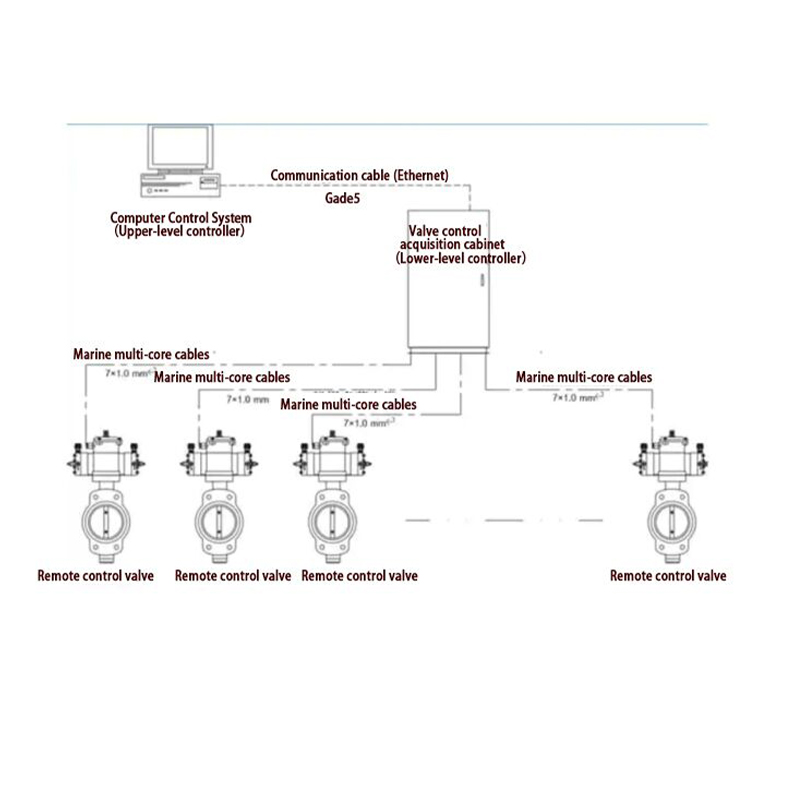
The Valve remote control and liquid level telemetry system enhances operational efficiency by provid...
See Details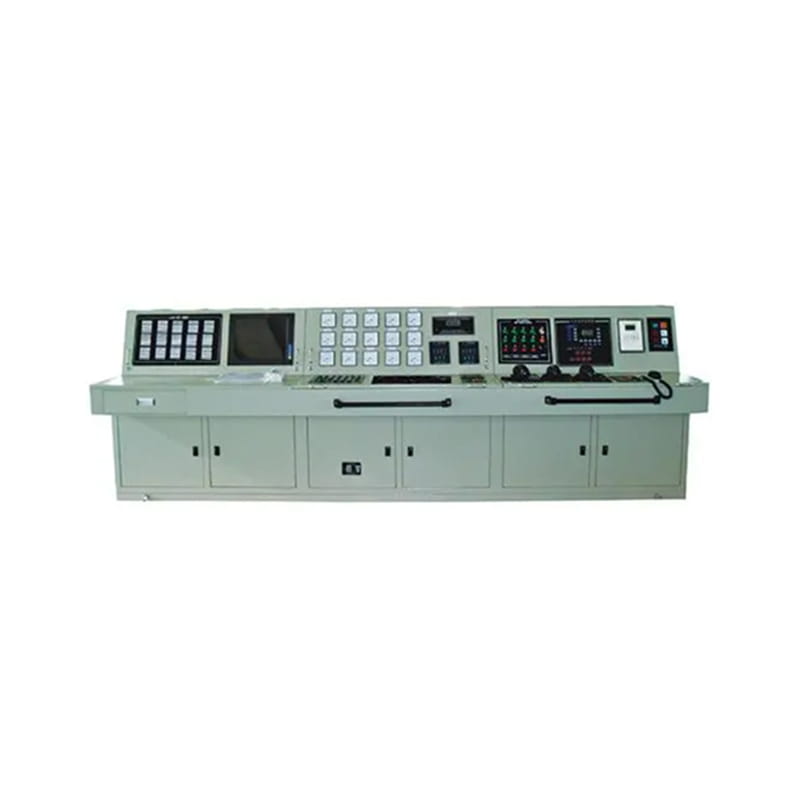
The Engine room monitoring alarm system is crucial for ensuring the safety and efficiency of operati...
See Details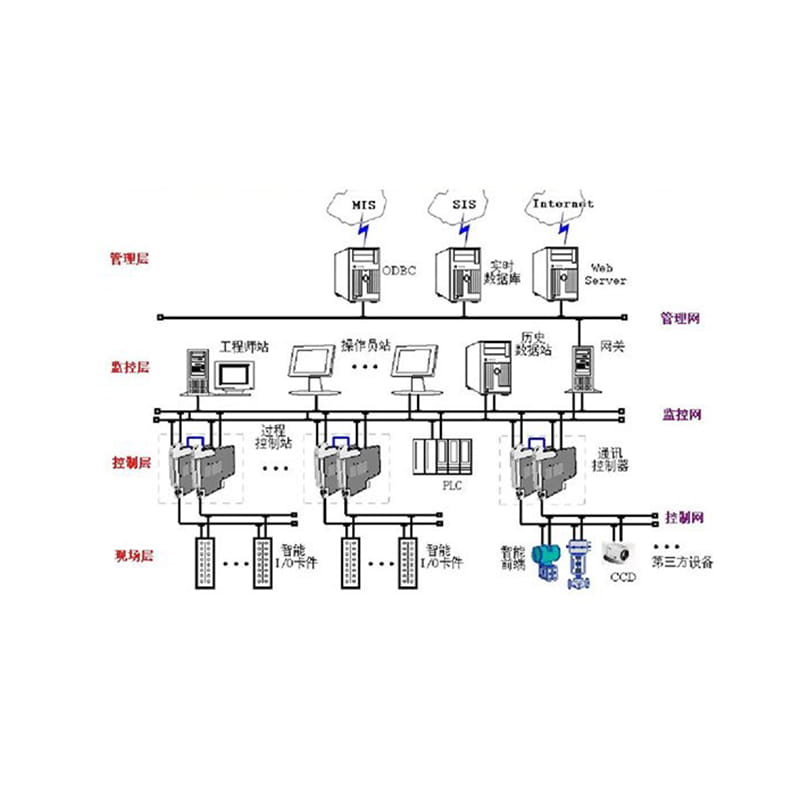
The DCS System is designed with an open architecture, allowing for seamless integration and flexibil...
See Details


