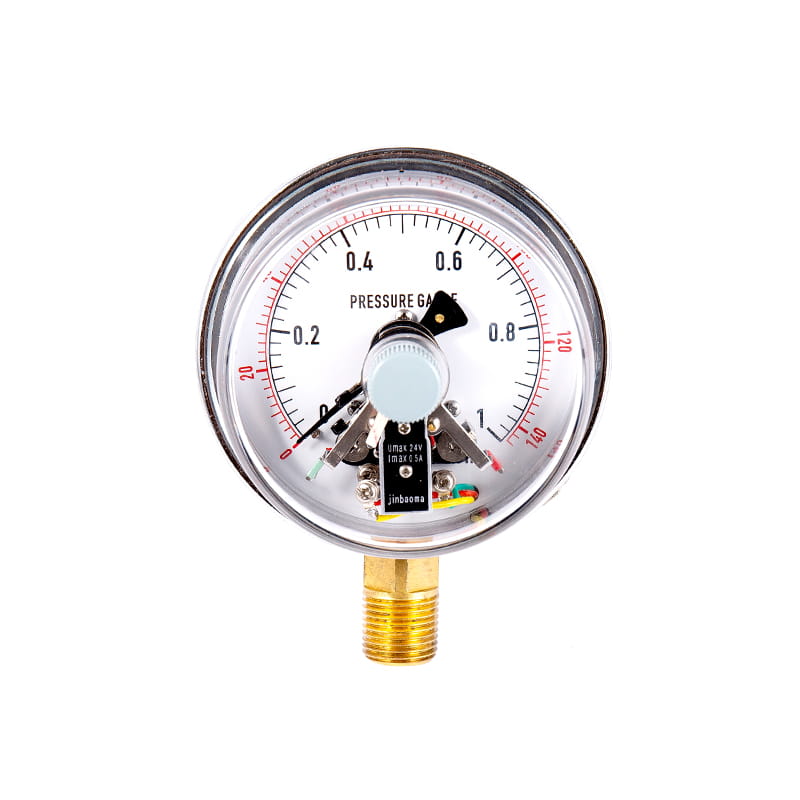
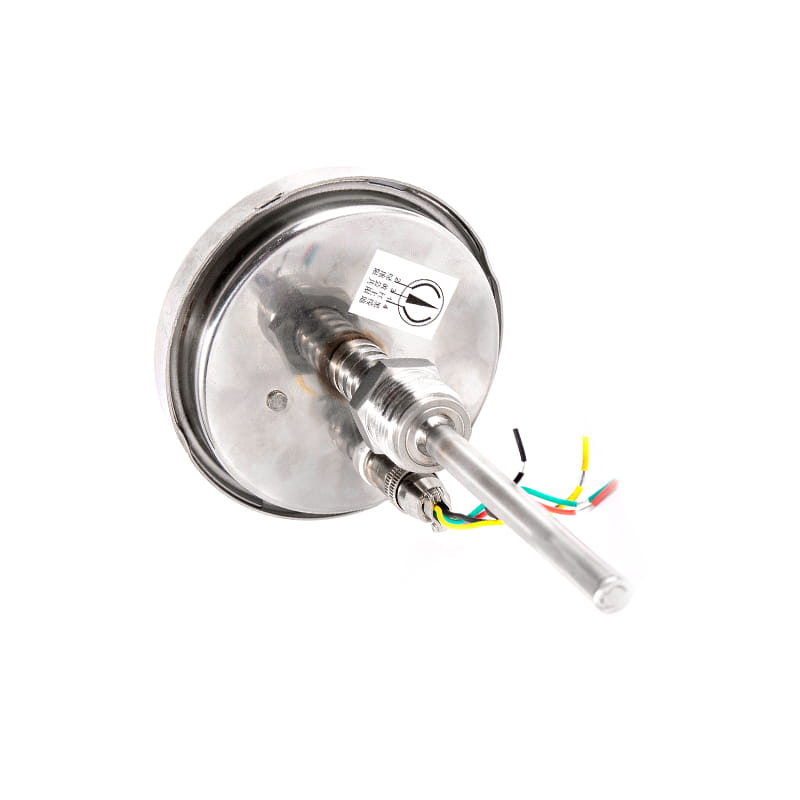
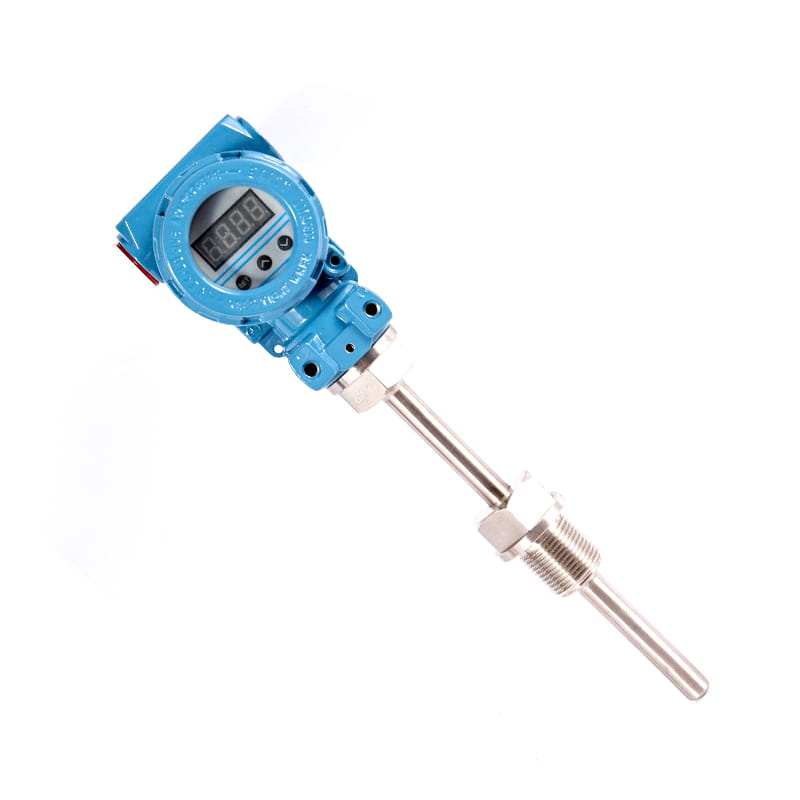
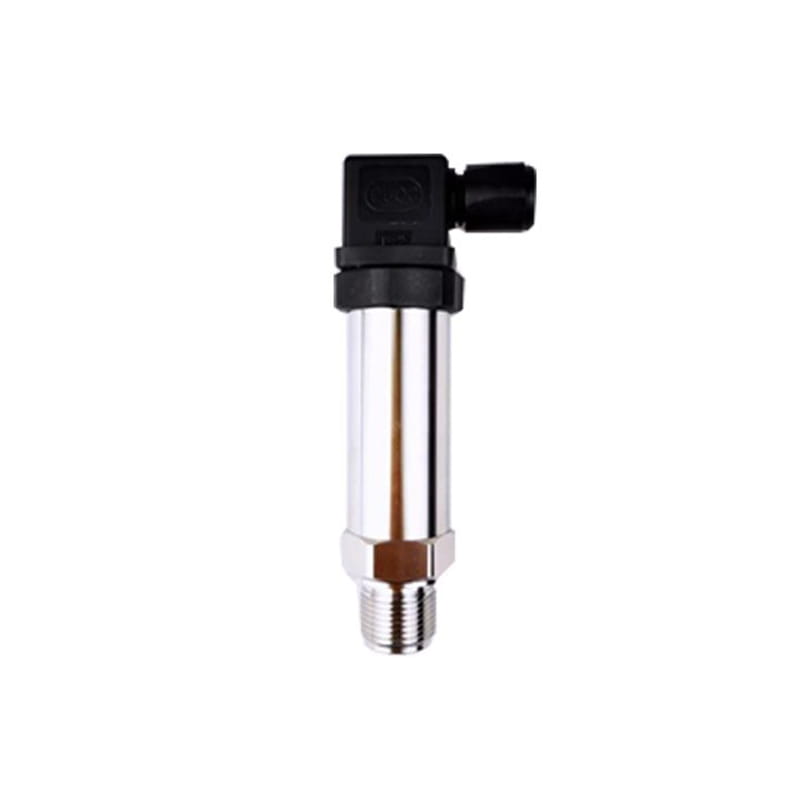
Pressure measurement is the silent backbone of countless industrial processes. From ensuring the safety of a petrochemical refinery to controlling the flow rate in a municipal water system, the accuracy of a single device can dictate efficiency, product quality, and critical safety standards. That device is the pressure transmitter.
While often overlooked, choosing the right pressure transmitter is a critical engineering decision. The market is saturated with options—from gauge to differential, 4-20 mA to HART, and a dizzying array of materials and certifications. Mismatched specifications can lead to inaccurate readings, premature failure, costly downtime, and even catastrophic safety incidents.
The purpose of this guide is to simplify this complex selection process. We will walk you through the essential basics, the critical factors to consider, and the key specifications you need to match to your specific application, ensuring you select the optimal instrument every time.
Understanding Pressure Transmitter Basics
What is a Pressure Transmitter?
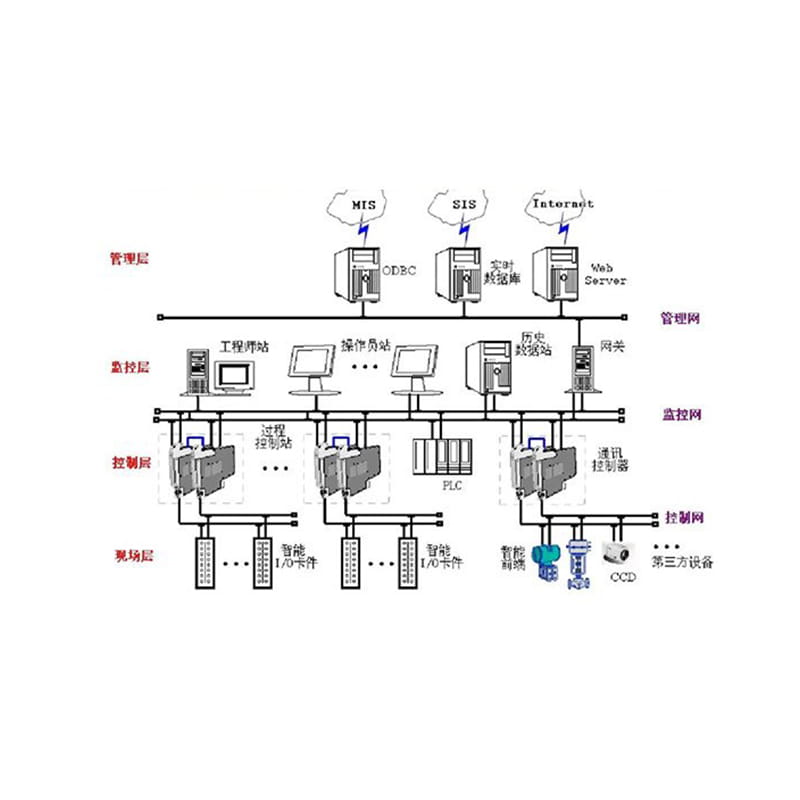
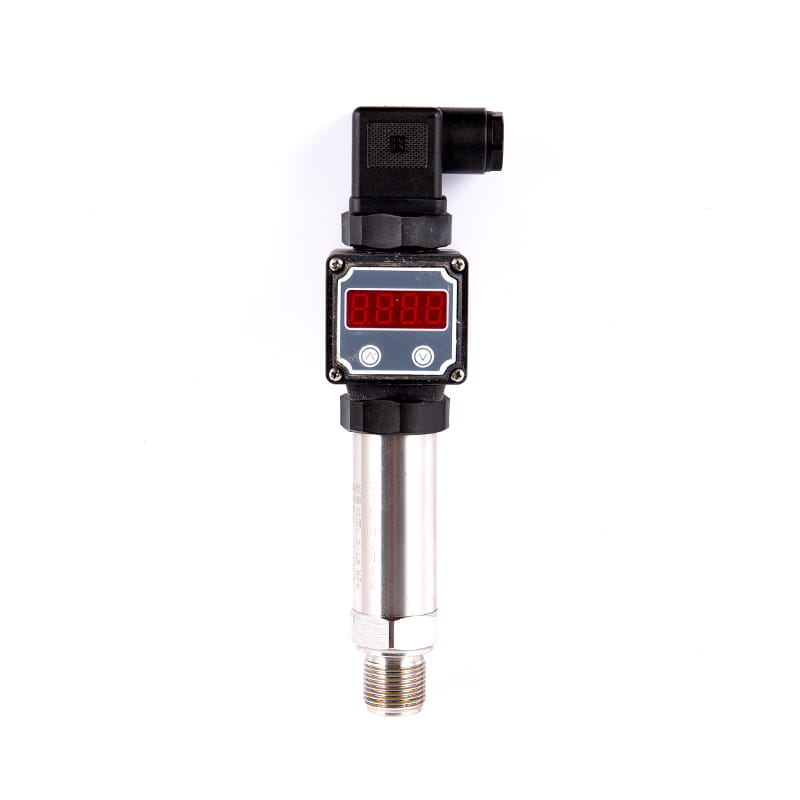
A pressure transmitter is an instrument designed to measure the force exerted by a fluid (liquid or gas) and convert this mechanical pressure into a standardized, quantifiable electrical signal. This signal is then transmitted to a control system (like a PLC or DCS) for monitoring, control, and data logging.
At its core, a transmitter typically uses a pressure sensor (often a diaphragm or a thin film) that deforms under the applied pressure. This deformation is measured by a sensing element (like a strain gauge), which generates a small voltage change. The transmitter circuitry then amplifies, conditions, and scales this voltage into a standard industrial output, such as a 4-20 mA current signal.
Factors to Consider When Choosing a Pressure Transmitter
Selecting the right transmitter is a systematic process of matching the instrument’s capabilities to the demands of the application, environment, and control system. This requires a thorough analysis across six key areas.
1. Application Requirements
The first step is always to understand what you are measuring and where you are measuring it.
- What is the medium being measured?
- Is it a liquid, gas, steam, or slurry? This determines the necessary process connection and, crucially, the wetted materials.
- Is the medium corrosive (e.g., strong acids, saltwater)? Highly corrosive media require specialized materials like Hastelloy or Monel, not just standard stainless steel.
- Is it viscous or likely to clog? If so, flush-mount diaphragms or chemical seals may be required to prevent sensor blockage.
- What is the required pressure range?
- Specify the Minimum Operating Pressure (MOP) and Maximum Operating Pressure (MOP). The transmitter’s calibrated span should encompass this range, ideally with the normal operating pressure falling within $30%$ to $70%$ of the span for optimal accuracy.
- What is the Maximum Overpressure/Proof Pressure? This is the pressure the transmitter can withstand without permanent change to its performance specification.
- What is the operating temperature range?
- Process Temperature: The temperature of the measured medium. High temperatures often necessitate a pigtail siphon (for steam) or a chemical seal assembly to isolate the sensor electronics from heat.
- Ambient Temperature: The temperature of the surrounding environment, which affects the transmitter’s electronics and thermal stability.
2. Performance Specifications
These specifications define the quality and reliability of the measurement.
- Accuracy: How precise does the measurement need to be?
- For basic monitoring, $\pm 0.5%$ of span may be acceptable.
- For critical control loops or custody transfer, high-precision transmitters ($\pm 0.05%$ or better) are necessary.
- Note: Always clarify if accuracy includes or excludes temperature effects and long-term stability.
- Stability: How well the transmitter maintains its zero point and span over a long period (e.g., 1 to 5 years). High stability minimizes the need for frequent and costly re-calibration.
- Response Time: For applications involving rapid pressure changes (e.g., surge control, fast-acting valves), a quick response time (often measured in milliseconds) is essential to ensure the control system reacts immediately.
3. Environmental Conditions
The location of the installation dictates the required ruggedness and protection.
- Temperature & Humidity: Extremes require transmitters with built-in temperature compensation and robust housing materials.
- Vibration and Shock: In environments with heavy machinery or pulsating flow, choose transmitters rated for high vibration to maintain reading stability and prevent mechanical damage.
- Ingress Protection (IP) Rating: This standard defines the sealing effectiveness against the intrusion of foreign bodies (dust, dirt, etc.) and moisture.
- IP65: Dust tight and protected against water jets.
- IP67: Dust tight and protected against temporary immersion (common for wash-down areas).
- IP68: Dust tight and protected against continuous immersion (suitable for submerged applications).
4. Output Signal and Communication
The selected signal type must integrate seamlessly with your existing infrastructure.
- 4-20 mA (Analog Current):
- The most common industrial standard (two-wire loop-powered).
- Excellent noise immunity and ideal for long transmission distances.
- Advantage: The ‘live zero’ of 4 mA allows for broken wire detection (0 mA indicates a fault).
- Voltage (0-5V, 0-10V):
- Suitable for short distances and laboratory or OEM applications.
- Less noise immune than current signals over long runs.
- HART Protocol (Highway Addressable Remote Transducer):
- Superimposes a digital signal on the 4-20 mA analog signal.
- Allows for remote configuration, diagnostics, and calibration without interrupting the analog control signal.
- Fieldbus (e.g., Profibus PA, FOUNDATION Fieldbus, Modbus):
- Fully digital communication for complex, networked control systems.
- Enables multi-variable measurements and advanced diagnostics from a single instrument.
5. Material Compatibility
This is a safety and longevity concern. The wetted parts (diaphragm and process connection) must not corrode or react with the process medium.
| Medium Type |
High Compatibility Materials |
Common Applications |
| General Fluids (Water, Air, Oil) |
316L Stainless Steel (Standard) |
HVAC, Pump Systems, Utilities |
| Corrosive Chemicals (Acids, Bases) |
Hastelloy C-276, Monel |
Chemical Processing, Pulp & Paper |
| High-Purity/Pharmaceutical |
316L SS with Electropolishing |
Food & Beverage, Biotech |
6. Installation, Certifications, and Safety
- Installation Considerations:
- Process Connection Type: Threaded (NPT, BSP), Flanged (ANSI, DIN), or Sanitary (Tri-Clamp). Must match the existing piping.
- Space Constraints: Compact designs are needed for tight installations.
- Safety/Hazardous Area Certifications: For installation in areas where flammable gases or dust may be present, the transmitter must carry the appropriate certification:
- ATEX (Europe) or IECEx (International): For global compliance in explosive atmospheres.
- UL/CSA (North America): For intrinsic safety or explosion-proof ratings.
Tips for Installation and Maintenance
Even the most precisely manufactured pressure transmitter will fail prematurely or provide inaccurate readings if improperly installed or neglected. Adhering to these best practices maximizes the lifespan and reliability of your instruments.
Proper Installation Techniques
- Isolate from Extremes: Avoid installing the transmitter directly on piping that is subject to high vibration or excessive heat. Use flexible tubing or remote mounting (via capillary tube or chemical seal) if necessary.
- Ensure Proper Orientation: Consult the manufacturer’s manual. For liquid applications, the instrument should often be installed below the pressure tap to prevent air pockets from forming in the impulse line. For gas applications, it should be above the tap to allow condensate to drain away.
- Use Syphons for Steam: Always use a pigtail siphon or coil siphon when measuring steam pressure. This creates a water barrier (condensate) that protects the delicate sensor diaphragm and electronics from the high temperatures of the live steam.
- Seal Tightly, but Don’t Overtighten: Use an appropriate sealant (e.g., PTFE tape or pipe thread sealant) on threaded connections. Overtightening can warp the diaphragm or damage the sensor, permanently altering the zero point.
- Grounding is Essential: Ensure the transmitter and its cable shield are correctly grounded according to manufacturer instructions and electrical standards to minimize electromagnetic interference (EMI) and noise on the output signal.
Regular Calibration and Maintenance
- Routine Calibration: Pressure transmitters drift over time due to temperature cycles, stress, and shock. Establish a routine calibration schedule (usually annually or semi-annually, depending on criticality). Calibration involves comparing the transmitter’s reading to a certified reference standard.
- Zero and Span Checks: Perform a regular zero check (verifying the reading when pressure is vented to atmosphere) and span check (verifying the reading at full range) using the HART communicator or local display.
- Impulse Line Maintenance: For differential pressure installations, impulse lines can clog with process material (sludge, scale, ice). Periodically flush these lines to ensure pressure is accurately transmitted to the sensor.
Troubleshooting Common Issues
| Issue |
Likely Cause |
Solution |
| Drifting Readings |
Temperature changes; long-term sensor drift; poor grounding. |
Check temperature compensation settings; perform zero trim; verify proper grounding. |
| “Bouncing” or Noisy Signal |
Excessive vibration; electrical noise (EMI); fluid pulsations. |
Remotely mount the sensor; use shielded cable; install a dampener or snubber. |
| Output Stuck at 4 mA or 20 mA |
Misconfigured range; physical damage; wiring fault (e.g., short circuit). |
Verify the pressure range settings; check loop wiring continuity; inspect for physical damage. |
| No Output Signal (0 mA) |
Broken wire/open loop; power supply failure. |
Check power supply voltage; inspect terminal connections for corrosion or breaks. |
Choosing the right pressure transmitter is an investment in the accuracy, safety, and efficiency of your entire process. It is a decision that moves beyond simply matching a pressure rating; it requires a holistic review of application requirements, environmental stressors, and communication compatibility.
Key Takeaways for Selection:
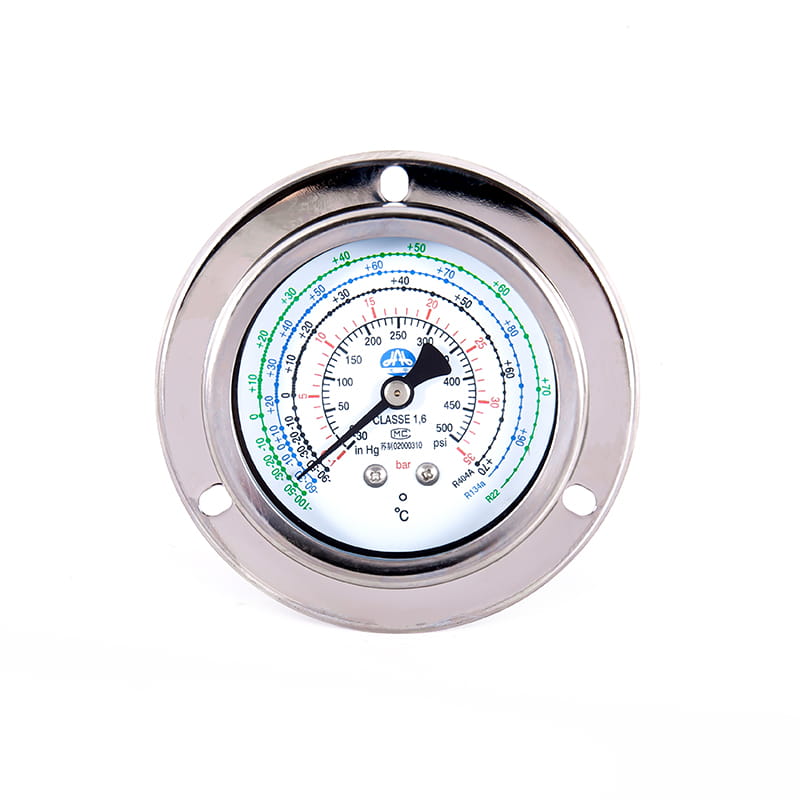
- Define the Type: Determine if you need Gauge, Absolute, or Differential measurement.
- Check Compatibility: Ensure the wetted materials can withstand the process medium (e.g., 316L SS, Hastelloy).
- Match Performance: Select the Accuracy and Response Time required for your specific control loop.
- Confirm Communication: Verify the Output Signal (4-20 mA, HART, Fieldbus) is compatible with your DCS/PLC.