

 English
 русский
 Español
 عربى
عربى
Y series general stainless steel pressure gauge
Cat:Pressure Gauge
◆ Model: Y40 Y50 Y60 Y75 Y100 Y150 Y200 Y250◆ Use: This series of instruments is suitable for measur...
See DetailsContent
A pressure gauge is a device used to measure the force exerted by a fluid—gas or liquid—within a system. It provides a visual or digital indication of pressure levels, helping operators maintain safe and efficient operation across various industrial, commercial, and residential applications. Pressure gauges are fundamental tools in engineering, manufacturing, HVAC, automotive systems, medical devices, and countless other fields where monitoring pressure is critical.
Most gauges measure pressure relative to atmospheric pressure (known as gauge pressure), though many specialized instruments measure absolute or differential pressure as well. Whether mechanical or electronic, pressure gauges play a vital role in ensuring equipment performance, safety, and compliance with industry standards.
Pressure gauges are essential for several important reasons:
Safety Assurance: Many industrial systems operate under high pressure. Accurate pressure measurement helps prevent equipment failures, leaks, and catastrophic accidents.
Performance Optimization: Proper pressure levels ensure pumps, compressors, boilers, and hydraulic systems function efficiently.
Regulatory Compliance: Many industries—such as oil and gas, chemical processing, and pharmaceuticals—require documented pressure monitoring for safety and quality control.
Troubleshooting: Abnormal pressure readings help identify issues such as blockages, leaks, malfunctioning valves, or system inefficiencies.
Cost Reduction: Monitoring and maintaining correct pressure reduces equipment wear and lowers energy consumption.
Without reliable pressure measurement, industrial operations would be far less predictable and significantly more hazardous.
The evolution of pressure measurement spans more than three centuries:
17th Century Beginnings: The study of pressure began with pioneers like Evangelista Torricelli, who invented the first mercury barometer in 1643. This laid the groundwork for understanding atmospheric pressure.
Bourdon Tube Innovation (1849): French engineer Eugène Bourdon introduced the Bourdon tube pressure gauge, a mechanical device still widely used today. Its simple, robust design transformed industries by providing accurate and affordable pressure measurement.
Industrial Revolution: As steam engines, boilers, and heavy machinery became widespread, pressure gauges became essential for safe operation.
20th Century Advancements: Electronic sensors, pressure transducers, and digital gauges brought unprecedented accuracy and data capability.
Modern Era: Today’s pressure measurement includes wireless sensors, IoT-enabled smart gauges, and ultra-precise digital instrumentation used in aerospace, energy, and advanced manufacturing.
Pressure gauges come in many designs to suit different pressure ranges, media types, and environmental conditions. They generally fall into three main categories: mechanical, electronic, and specialty pressure gauges. Understanding these types helps users select the right gauge for their specific application.
Mechanical pressure gauges are the most widely used and rely on elastic elements that deform under pressure. Their simplicity, durability, and independence from electrical power make them ideal for industrial environments.
The Bourdon tube is the most common mechanical pressure gauge design. It consists of a curved, hollow metal tube that straightens when pressure enters it. The movement transfers to a pointer on the gauge dial.
The most standard design.
Semi-circular tube shape.
Suitable for medium to high pressures.
Used in oil and gas, hydraulic systems, and general industrial machinery.
Made of coiled tubing shaped like a spiral.
Allows greater travel of the free end of the tube, improving sensitivity.
Used for higher accuracy industrial instruments.
A metal tube wound into a helix shape.
Offers the highest displacement capability among Bourdon designs.
Ideal for high-pressure applications and precision measurement.
Diaphragm pressure gauges use a flexible membrane that deflects when exposed to pressure. They are ideal for:
Measuring low-pressure ranges
Corrosive media
Viscous or contaminated fluids
Common applications include food processing, pharmaceuticals, and chemical plants.
Bellows gauges consist of a corrugated cylindrical element that expands or contracts under pressure.
Suitable for low to moderate pressure
Provide excellent sensitivity
Often used in HVAC systems, gas regulators, and laboratory equipment
Electronic pressure gauges convert pressure into an electrical signal using sensors such as piezoelectric, strain gauge, or capacitive elements.
A pressure transducer produces an electrical output (millivolt, volt, or mA) proportional to pressure.
Used for data acquisition
Essential for automation and remote monitoring
Common in aerospace, automotive testing, and industrial control systems
Transmitters are advanced transducers that include signal conditioning and deliver standardized outputs such as 4–20 mA.
Built for harsh industrial environments
Used in oil and gas, chemical processing, and water treatment plants
Offer high accuracy and long-term stability
Digital gauges feature electronic sensors paired with a digital display.
Easy-to-read numbers replacing analog dials
Often include features like data logging, peak capture, or wireless connectivity
Ideal for field calibration, testing, and portable applications
These gauges are designed for unique measurement conditions.
Differential gauges measure the pressure difference between two points.
Applications:
Filter monitoring
Flow measurement
Cleanroom and HVAC pressure balancing
Absolute gauges reference pressure against a perfect vacuum.
Used for:
Scientific research
Aerospace testing
High-precision industrial processes
Vacuum gauges measure pressure below atmospheric levels. Types include:
Mechanical vacuum gauges
Thermal conductivity gauges
Ionization gauges
Commonly used in laboratory systems, vacuum pumps, semiconductor manufacturing, and refrigeration.
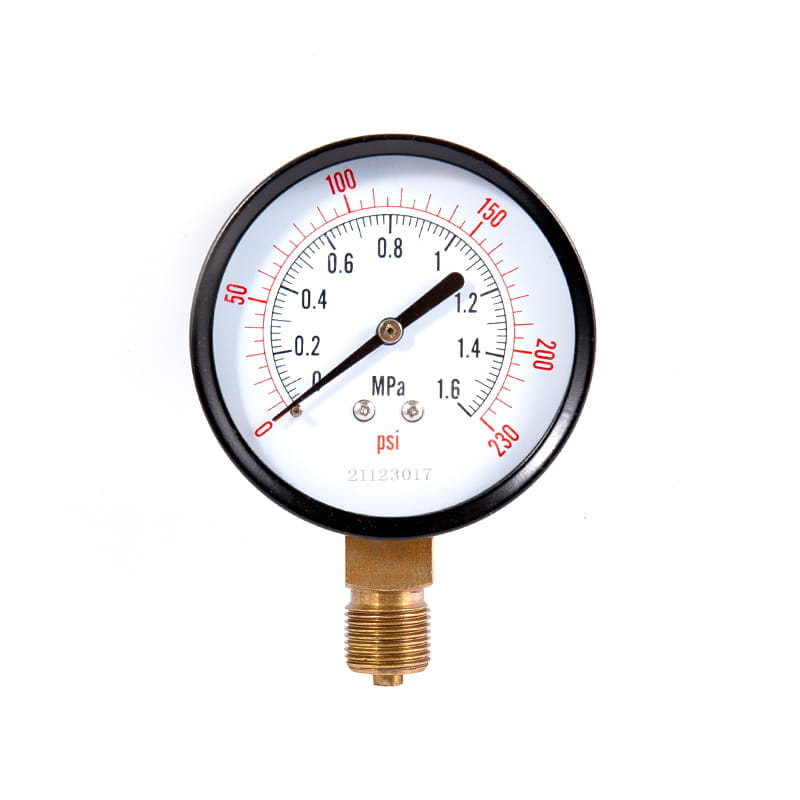
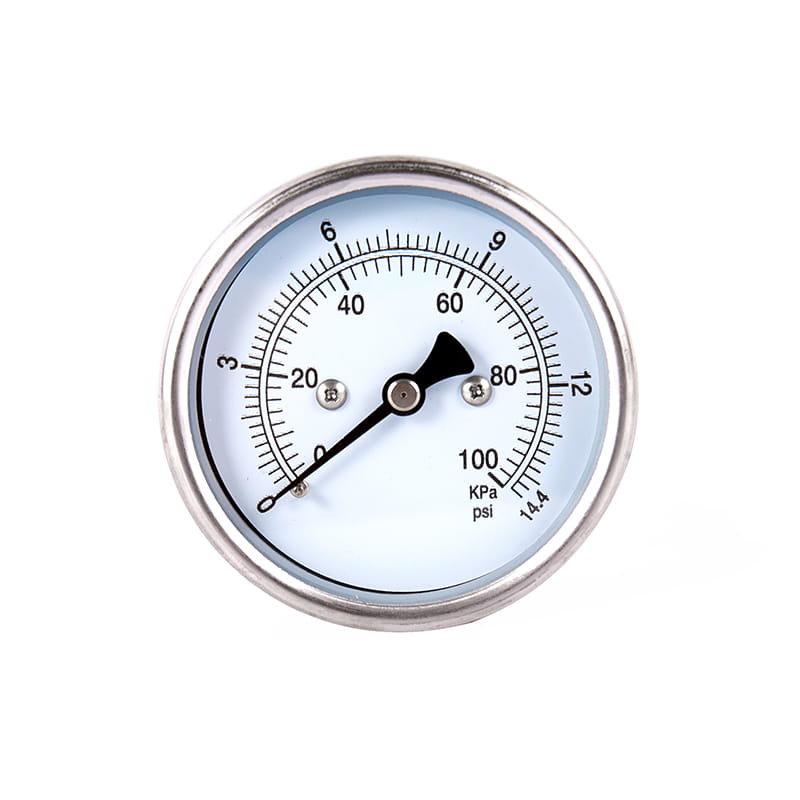
Understanding how pressure gauges operate helps users choose the right type and ensures proper installation and maintenance. Though designs vary, all pressure gauges function by converting the force exerted by a fluid into a readable value.
Mechanical pressure gauges rely on elastic deformation. When pressure is applied to an internal element, it changes shape. This movement is translated to the gauge’s pointer or indicator.
A curved, hollow metal tube receives internal pressure.
As pressure increases, the tube straightens slightly.
The resulting motion is amplified by gears and levers, moving the dial pointer.
Ideal for medium to high pressures and general industrial use.
A thin, circular metal membrane deflects under pressure.
Deflection amplifies via mechanical linkage.
Suitable for low-pressure measurements and corrosive or viscous media.
A series of concentric metal folds expand or contract with pressure changes.
Provides excellent sensitivity and precision.
Used in HVAC, gas regulation, and low-pressure measurement.
Mechanical gauges are appreciated for their simplicity, durability, and independence from electrical power, making them indispensable in heavy industries.
Electronic pressure gauges rely on pressure-sensitive sensors that convert mechanical force into an electrical signal.
Pressure deforms a metal diaphragm.
Strain gauges detect the deformation as a change in electrical resistance.
High accuracy and excellent long-term stability.
Pressure applied to piezoelectric crystals generates an electrical charge.
Highly responsive, suitable for dynamic or pulsating pressure.
Pressure changes the distance between two capacitor plates.
Ideal for low-pressure applications with high sensitivity.
Electronic gauges convert sensor output into digital or analog electrical signals:
Millivolt (mV) signals
Voltage outputs (0–5 V, 0–10 V)
Current loops (4–20 mA)
These signals may feed data loggers, control systems, or display modules. Digital pressure gauges integrate this functionality into a single compact unit, offering precise, easily readable measurements.
Pressure can be measured using several common units, and understanding them ensures accurate interpretation.
PSI (Pounds per Square Inch)
Most common in the U.S. Used in automotive, HVAC, and industrial systems.
Bar
Widely used in Europe and international industries.
1 bar ≈ atmospheric pressure at sea level (14.5 psi).
kPa (Kilopascal)
Standard metric unit for pressure.
Often used in scientific and engineering applications.
MPa (Megapascal)
Common in high-pressure hydraulic systems.
inHg / mmHg
Used for vacuum measurement and barometric pressure.
Torr
Specialized scientific unit (1 Torr ≈ 1 mmHg).
Gauge Pressure (PSIG)
Measures pressure relative to atmospheric pressure.
Most industrial pressure gauges use this.
Absolute Pressure (PSIA)
Measures pressure relative to vacuum.
Required for high-precision processes such as aerospace or scientific work.
Understanding how gauges work and how pressure units differ ensures accurate selection, installation, and troubleshooting across industrial and commercial environments.
Pressure gauges are essential tools across countless industries. Their ability to monitor and control fluid pressure makes them critical for safety, performance optimization, environmental compliance, and equipment protection. Below are the major sectors where pressure gauges play a vital role.
In the oil and gas sector, pressure gauges help manage extreme pressure conditions in drilling, extraction, and refining.
Typical uses include:
Monitoring wellhead pressure
Ensuring safety in pipelines and compressors
Measuring pressure in separation and refining processes
Detecting leaks and preventing blowouts
Mechanical Bourdon tube gauges and robust electronic transmitters are commonly used due to their durability in harsh environments.
Chemical plants require precise pressure control to maintain reaction efficiency and avoid hazardous conditions.
Applications include:
Reactor pressure monitoring
Managing corrosive liquid and gas systems
Protecting pumps, heat exchangers, and process lines
Diaphragm and chemical seal gauges are widely used because they resist corrosive and viscous media.
In water treatment facilities, pressure gauges help ensure steady system performance and compliance with environmental regulations.
Key applications:
Pump inlet and outlet monitoring
Filtration system differential pressure checks
Pressure regulation in pipelines
Monitoring aeration and chemical dosing systems
Differential pressure gauges are especially useful for filter performance monitoring.
Heating, ventilation, and air conditioning systems rely on pressure gauges to ensure proper airflow, refrigerant charge, and system balance.
Common uses:
Measuring refrigerant pressure in cooling systems
Monitoring boiler pressure
Checking chilled water and steam systems
Balancing cleanroom or hospital air pressure
HVAC professionals frequently use digital pressure gauges for their accuracy and convenience during on-site diagnostics.
Pressure measurement is essential for vehicle safety, performance, and efficiency.
Automotive applications include:
Tire pressure monitoring
Oil pressure measurement
Fuel injection system pressure testing
Turbocharger boost pressure monitoring
Brake system diagnostics
Digital and mechanical gauges both play important roles in garages, manufacturing facilities, and on-board vehicle systems.
Medical devices depend heavily on precise pressure measurement to ensure patient safety and accurate treatment delivery.
Examples include:
Oxygen regulators
Anesthesia machines
Ventilators
Blood pressure monitors
Sterilization autoclaves
These applications demand high accuracy, strict calibration, and reliable performance under varying conditions.
Choosing the correct pressure gauge is essential for accuracy, safety, and long-term performance. A poorly selected gauge can lead to incorrect readings, equipment failure, or hazardous operating conditions. The following factors help ensure you select the ideal pressure gauge for your application.
Selecting the right pressure range is one of the most important steps.
Choose a gauge where the normal operating pressure falls between 25% and 75% of the full-scale range.
Avoid selecting a gauge that will operate near its maximum capacity to prevent mechanical fatigue.
For pulsating or shock loads, select a gauge with a higher pressure range or one equipped with a liquid-filled case to dampen vibrations.
Operating a gauge near its limit shortens lifespan, increases wear, and reduces accuracy.
Gauge accuracy determines how close a measurement is to the actual pressure.
±0.1% to ±0.25% — High-precision digital or laboratory gauges
±0.5% to ±1% — Industrial-grade gauges
±2% to ±3% — General-purpose gauges
Calibration labs require high-accuracy digital gauges or test gauges.
General industrial applications often use ±1% accuracy mechanical gauges.
HVAC and automotive typically use ±2% to ±3% accuracy.
Higher accuracy usually means higher cost, so choose based on application needs—not more than necessary.
The fluid (gas or liquid) being measured plays a major role in gauge selection.
Corrosive media → Use stainless steel internals or diaphragm seals
Viscous or contaminated fluids → Choose diaphragm or chemical-seal gauges
Oxygen service → Gauge must be cleaned for oxygen use
High-temperature media → May require cooling elements or capillary systems
Incorrect material compatibility can lead to corrosion, diaphragm rupture, or inaccurate readings.
The surrounding environment can significantly influence gauge performance and lifespan.
Temperature: High or low temperatures affect accuracy; choose temperature-compensated gauges if needed.
Vibration: Liquid-filled gauges reduce pointer vibration and extend lifespan.
Moisture or chemicals: Use hermetically sealed or IP-rated gauges.
Outdoor exposure: Choose UV-resistant, stainless steel, or weatherproof designs.
Hazardous areas may require ATEX-certified or intrinsically safe gauges.
Marine environments benefit from corrosion-resistant materials.
Proper sizing and the right connection ensure easy visibility and correct installation.
Typical sizes: 1.5", 2", 2.5", 4", 6"
Larger dials offer better readability, especially in industrial settings.
Smaller dials are suitable for tight spaces or portable equipment.
NPT (National Pipe Thread) — Common in U.S. industrial applications
BSP (British Standard Pipe) — Common in Europe and Asia
Flanged connections — Used for large or high-pressure systems
Bottom mount
Back mount
Panel mount
Selecting the correct connection ensures leak-free installation and long-term reliability.
Selecting the right pressure gauge requires careful consideration of pressure range, accuracy, media compatibility, environmental conditions, and physical design. Proper selection guarantees safety, performance, and cost-effectiveness throughout the gauge’s lifespan.
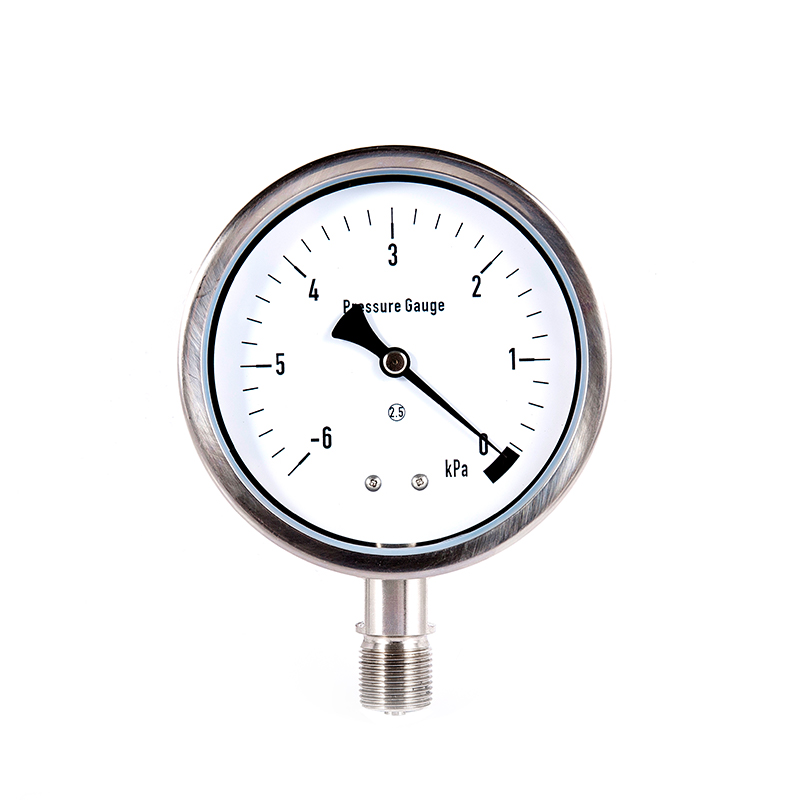
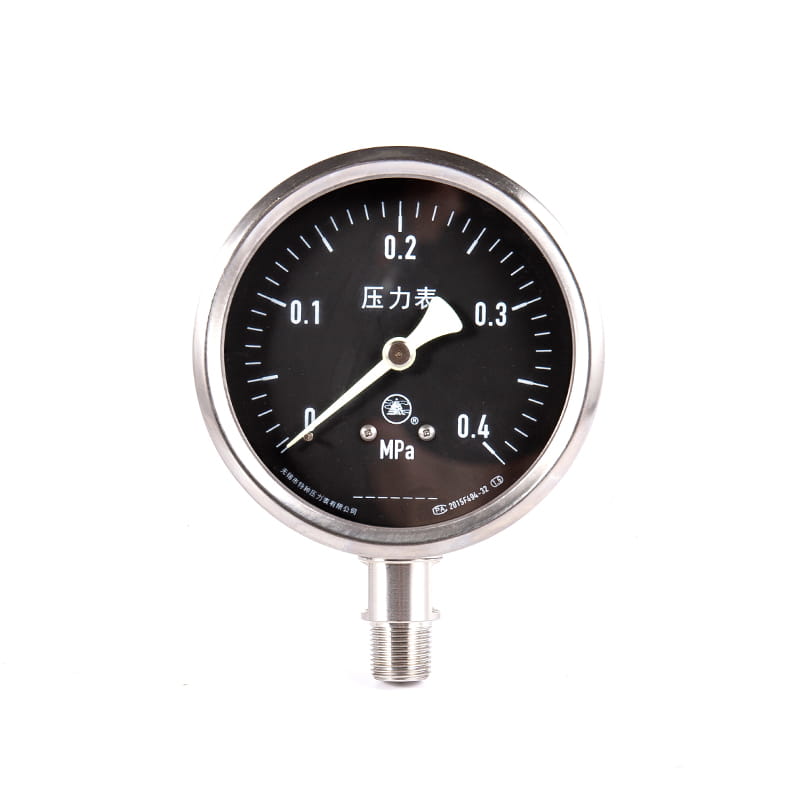
Correct installation is essential to ensure accurate readings, extend gauge lifespan, and maintain system safety. Even high-quality gauges from brands like WIKA, Ashcroft, or Dwyer can deliver unreliable results if installed improperly. This section covers preparation, a step-by-step installation guide, and common mistakes to avoid.
Before installing a pressure gauge, proper preparation is crucial.
Always depressurize the system before installation.
Wear appropriate PPE such as gloves, goggles, and protective clothing.
Verify that the gauge pressure range, materials, and size are suitable for the application.
Make sure the process media is compatible with the gauge’s wetted parts (e.g., stainless steel, brass, diaphragm seals).
Inspect all threads, adapters, and fittings for damage.
Wrenches (open-end or adjustable)
Thread sealant or PTFE tape
Mounting hardware (if using panel or bracket mount)
Calibration certificate (for testing before use, if required)
Proper preparation prevents leaks, damage, and incorrect readings after installation.
Follow these steps for a safe and effective pressure gauge installation.
Choose a mounting point that is visible, accessible, and free from excessive vibration.
For vibrating environments (e.g., pumps, compressors), use a snubber or choose a liquid-filled gauge.
For high-temperature lines, install cooling elements or capillary tubes.
Use PTFE tape or thread sealant to prevent leakage.
Wrap tape clockwise on male threads only.
Avoid getting sealant inside the gauge connection to prevent obstruction.
Thread the gauge into its connection by hand to prevent cross-threading.
Use a wrench on the wrench flats, not on the gauge housing.
Tighten firmly but avoid overtightening to prevent thread or case damage.
Once installed, gradually introduce pressure to the system.
Monitor the gauge pointer or digital display for stability.
Check for leaks around the connection point using a soap test if needed.
After installation, compare readings with a reference gauge or known pressure source.
For critical applications, perform a baseline calibration check.
Proper installation ensures long-term reliability and accurate performance.
Even small errors during installation can lead to inaccurate readings or gauge failure. Avoid the following pitfalls:
Excessive torque can deform threads, crack the gauge socket, or damage the internal mechanism.
Always use snubbers, dampeners, or liquid-filled gauges when dealing with pulsation or vibration.
High-temperature process lines can destroy gauge internals. Use cooling adapters or siphons.
Chemical sealants not designed for the media can cause contamination or block the sensing element.
Gauges must be installed upright unless specifically designed otherwise.
Media incompatibility can lead to corrosion, diaphragm rupture, and sudden gauge failure.
In high-pressure systems, relief valves should be installed to protect the gauge from sudden spikes.
Calibration is essential to ensure that a pressure gauge measures accurately throughout its service life. Over time, mechanical wear, temperature changes, vibration, and environmental factors cause gauges to drift from their original accuracy. Regular calibration guarantees reliable performance, safety, and compliance with industry standards.
Calibration verifies and adjusts a pressure gauge’s reading to match a known, certified pressure standard. It ensures the instrument’s accuracy and reliability.
Accuracy Assurance: Prevents false readings that may lead to equipment damage or unsafe pressure levels.
Regulatory Compliance: Industries like oil & gas, pharmaceuticals, and chemical processing require documented calibration procedures.
Safety: Incorrect pressure readings can cause system failures, leaks, or explosions.
Process Efficiency: Proper calibration maintains consistent performance and reduces downtime.
Quality Control: Critical in precision environments such as laboratory testing, medical devices, or manufacturing.
If a gauge is not calibrated regularly, even minor drift can compromise operations and safety.
Pressure gauge calibration typically uses highly accurate, traceable reference instruments. Two of the most widely used calibration tools are the deadweight tester and the pressure comparator.
The deadweight tester is considered the most accurate method for calibrating pressure gauges and is often used as a primary standard.
Known masses (weights) are placed on a piston.
The weights generate a precise pressure proportional to force/area.
The generated pressure is applied to the gauge under test.
The gauge reading is compared to the known reference pressure.
Extremely high accuracy (±0.015% or better)
Widely used for laboratory and high-precision calibration
Provides stable, repeatable pressure reference
Calibration labs
High-precision industrial applications
Gauge manufacturers
A pressure comparator is more convenient for field and workshop calibration.
The comparator pressurizes a closed system containing both the test gauge and a highly accurate reference gauge (often a digital pressure gauge or pressure calibrator).
The readings are compared at several pressure points.
Faster and easier than a deadweight tester
Suitable for on-site calibration
Compatible with a wide range of gauges
Industrial facilities
Maintenance departments
HVAC and mechanical service companies
The recommended calibration interval depends on several factors, including application, industry standards, and gauge usage conditions.
Typical industrial use: Calibrate annually
High-vibration or pulsating systems: Every 3–6 months
Critical applications (medical, aerospace, chemical): Every 3 months or per regulatory requirements
New gauges: Verify calibration before initial use
After any mechanical shock: Calibrate immediately
Environmental conditions (temperature, vibration, humidity)
Operating pressure relative to gauge range
Frequency of pressure cycles
Media corrosiveness
Gauge quality and manufacturer specifications
Maintain a calibration log showing dates, results, adjustments, and technician details to track gauge performance over time.
Regular calibration is essential to maintain accuracy, ensure safety, and extend the lifespan of your pressure gauges. Whether using laboratory-standard methods like deadweight testers or practical field tools like pressure comparators, establishing a structured calibration program ensures reliable and consistent pressure measurement.
Proper maintenance ensures that pressure gauges remain accurate, safe, and reliable throughout their service life. Even the highest-quality gauges from brands like WIKA, Ashcroft, Dwyer, Winters, or Weiss can deteriorate if not properly inspected and maintained. This section covers routine inspection, cleaning, and troubleshooting common issues.
Routine inspection is essential for identifying early signs of wear, damage, or malfunction.
Check the pointer behavior:
Ensure it returns to zero when depressurized and moves smoothly without sticking.
Inspect the dial and lens:
Look for condensation, cracks, discoloration, or loose dial faces.
Examine the bourdon tube or diaphragm (if visible):
Signs of deformation indicate overpressure or pulsation damage.
Check the case for corrosion or leaks:
Especially important in chemical, outdoor, or marine environments.
Verify pressure connections:
Ensure no leaks, stripped threads, or loose fittings.
Look for vibration or pulsation:
Repeated movement can cause pointer jitter, accuracy loss, and fatigue.
Industrial applications: Monthly
High-precision or hazardous applications: Weekly
General-purpose/HVAC/automotive: Every 3–6 months
Contaminants such as dirt, oil, moisture, or chemical residue can impact a gauge’s performance. Proper cleaning keeps gauges functioning correctly and extends their lifespan.
Wipe the gauge casing and lens with a soft cloth.
Use mild soap or alcohol-based cleaners—avoid abrasive chemicals.
Remove debris or buildup from the process connection.
For sticky or viscous media, flush with a compatible cleaning fluid.
Never use sharp tools that may scratch or deform the connection.
Only performed on gauges designed for serviceability or with removable diaphragms.
Do not open sealed or liquid-filled gauges, as this voids most warranties.
If the fill fluid (usually glycerin or silicone) becomes cloudy or leaks, the gauge may need to be refilled or replaced.
Always depressurize the system before starting.
Confirm chemical compatibility of cleaning agents with gauge materials.
Pressure gauges can experience a range of operational problems. Below are common symptoms, their likely causes, and recommended solutions.
Possible Causes:
Calibration drift
Mechanical damage (bourdon tube fatigue, diaphragm wear)
Exposure to extreme temperatures
Vibration or pulsation
Overpressure events
Solutions:
Calibrate the gauge
Install a snubber or restrictor
Replace damaged internals
Use a gauge with a higher pressure range
Relocate or isolate the gauge from heat sources
Possible Causes:
Internal corrosion
Dirt or contaminants
Vibration damage
Bent pointer or damaged movement
Solutions:
Clean or replace the gauge
Use a liquid-filled gauge
Add vibration dampening
Replace bent pointer or internal mechanism
Possible Causes:
Ingress of moisture in humid environments
Failed case seal
Rapid temperature fluctuations
Solutions:
Use hermetically sealed or IP-rated gauges
Install a gauge with a vented or liquid-filled case
Replace or repair faulty seals
Possible Causes:
Permanent deformation of the bourdon tube
Overpressure damage
Mechanical wear
Solutions:
Replace the gauge (most zero-return failures are irreversible)
Upgrade to a gauge designed for higher pressure or pulsation
Possible Causes:
Pulsating pressure (common near pumps and compressors)
Mechanical vibration in the system
Solutions:
Install a snubber or needle valve
Use a liquid-filled gauge
Add vibration isolation mounts
Proper maintenance ensures pressure gauges remain accurate, safe, and long-lasting. By following a consistent inspection schedule, performing routine cleaning, and troubleshooting issues early, operators can significantly reduce downtime, extend gauge lifespan, and maintain optimal pressure control in any application.
Pressure gauges are indispensable tools in industrial, commercial, and scientific applications. From simple mechanical Bourdon tube gauges to advanced IoT-enabled smart devices, they provide critical insights into system pressure, safety, and performance. Throughout this guide, we explored:
Types of Pressure Gauges: Mechanical (Bourdon tube, diaphragm, bellows), electronic (transducers, transmitters, digital), and specialty gauges (differential, absolute, vacuum).
Working Principles: How mechanical deformation and electronic sensing convert pressure into readable signals.
Applications: Industrial processes, HVAC systems, automotive, medical devices, and water treatment.
Selection Criteria: Pressure range, accuracy, media compatibility, environmental conditions, size, and connection type.
Installation, Calibration, and Maintenance: Best practices to ensure reliability, longevity, and compliance with safety standards.
Top Brands and Innovations: Leading manufacturers (WIKA, Ashcroft, Dwyer, Weiss, Winters, Fluke, Omega, Budenberg, Honeywell, Baumer) and cutting-edge technologies like wireless, IoT-enabled, and MEMS sensors.
By understanding these key aspects, engineers, technicians, and operators can ensure accurate measurements, safer operations, and optimized system performance.
The future of pressure measurement is evolving rapidly, driven by innovations in sensor technology, wireless communication, and predictive maintenance. Smart and connected pressure gauges are set to become standard, providing real-time insights, reducing maintenance costs, and improving operational efficiency.
As industries adopt IoT connectivity, cloud-based analytics, and self-calibrating sensors, the role of pressure gauges will expand beyond simple measurement to become integral components of smart, automated systems.
By staying informed about the latest technologies and best practices in gauge selection, installation, calibration, and maintenance, businesses can ensure that their pressure measurement systems remain accurate, reliable, and future-ready.

◆ Model: Y40 Y50 Y60 Y75 Y100 Y150 Y200 Y250◆ Use: This series of instruments is suitable for measur...
See Details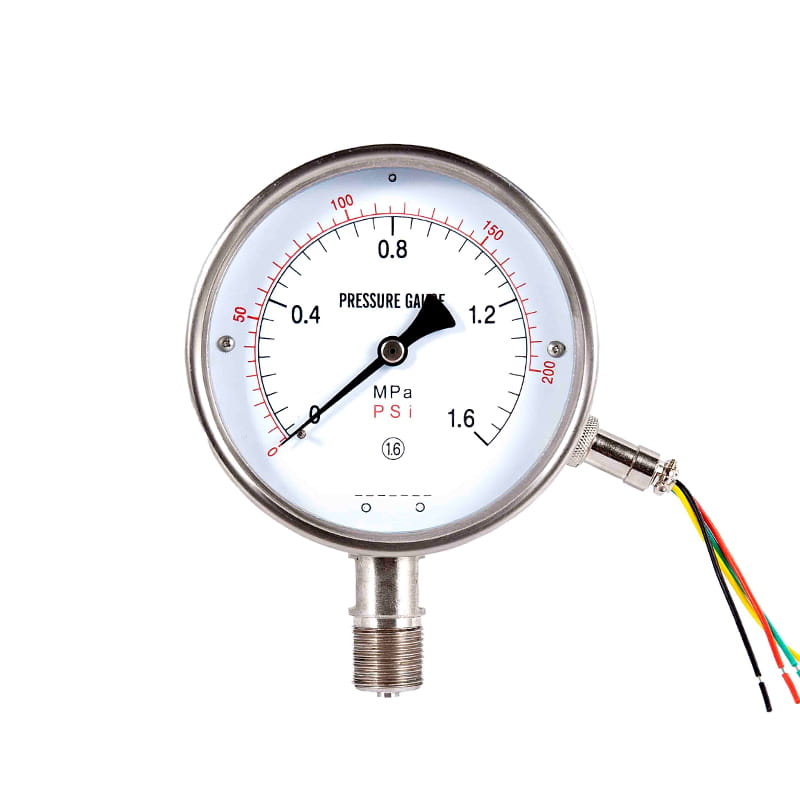
◆ Model: YTZ100, YTZ-150 ◆ Application: This type of instrument is suitable for measuring the pressu...
See Details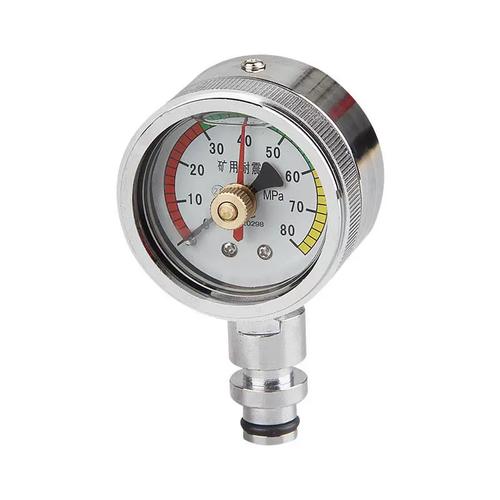
◆ Model: YKY60 ◆ Application: Mining memory pressure gauges is specially designed for underground h...
See Details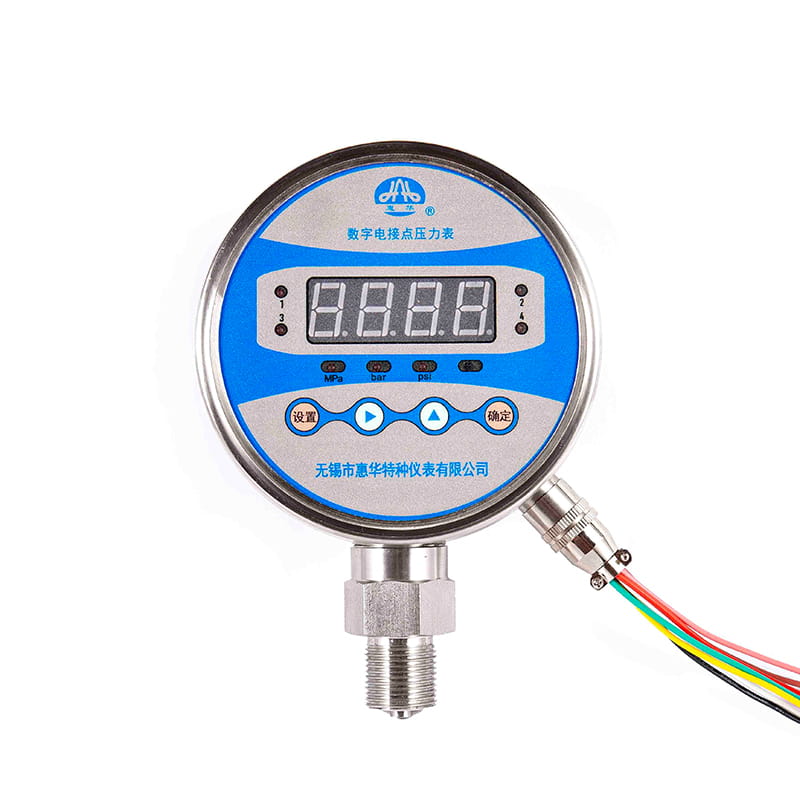
◆ Model: YSX100 ◆ Introduction: Intelligent digital electric word contact pressure gauge is a set o...
See Details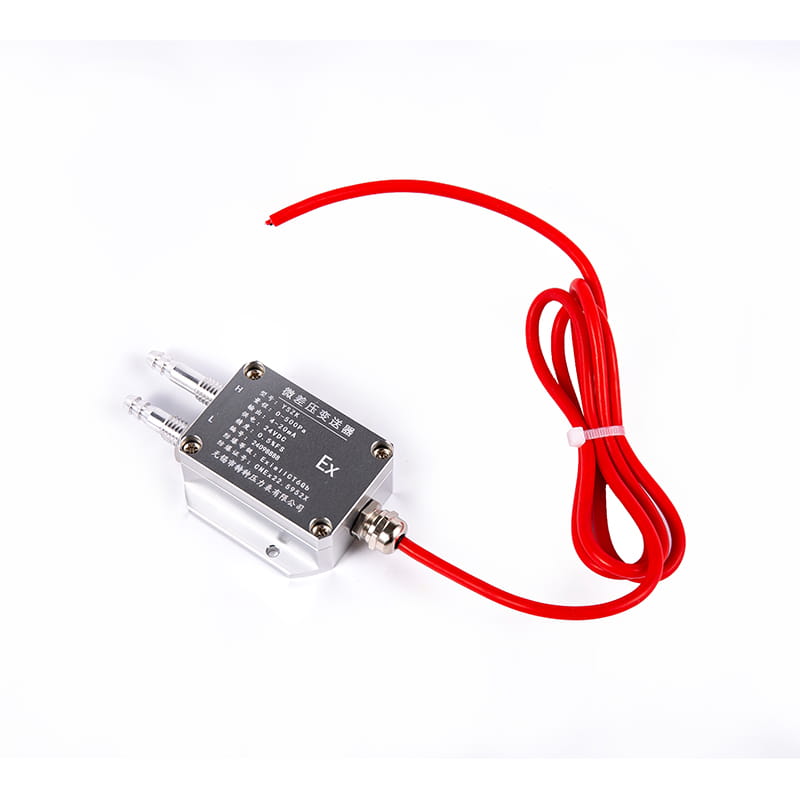
1. Overview This air pressure transmitter has high sensitivity, high precision and strong anti-overl...
See Details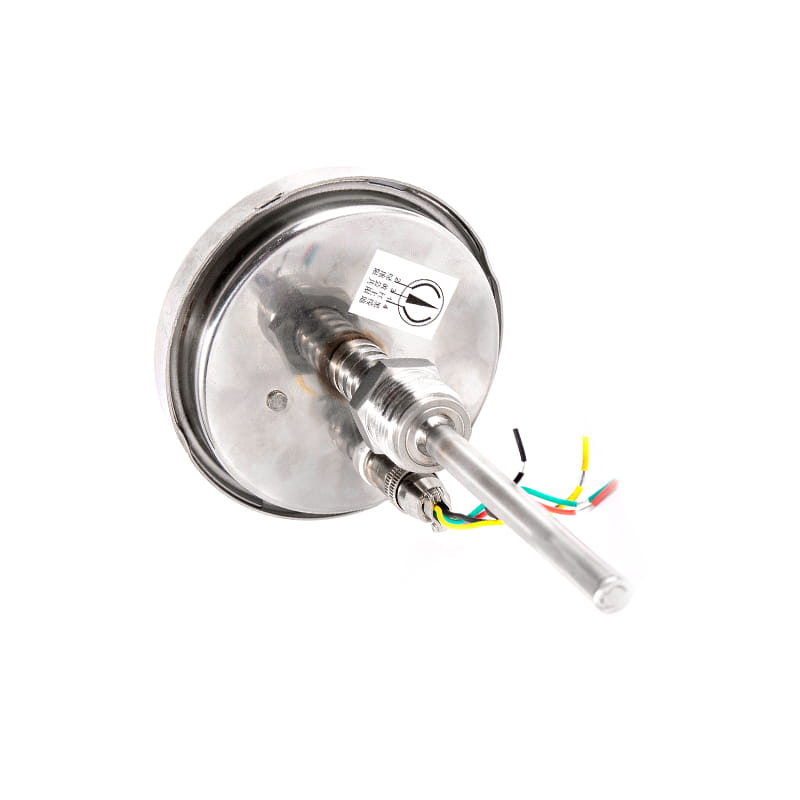
◆ Model: WSSXCh-4, WSSXCh-5 ◆ Application: This series of thermometers has the characteristics of no...
See Details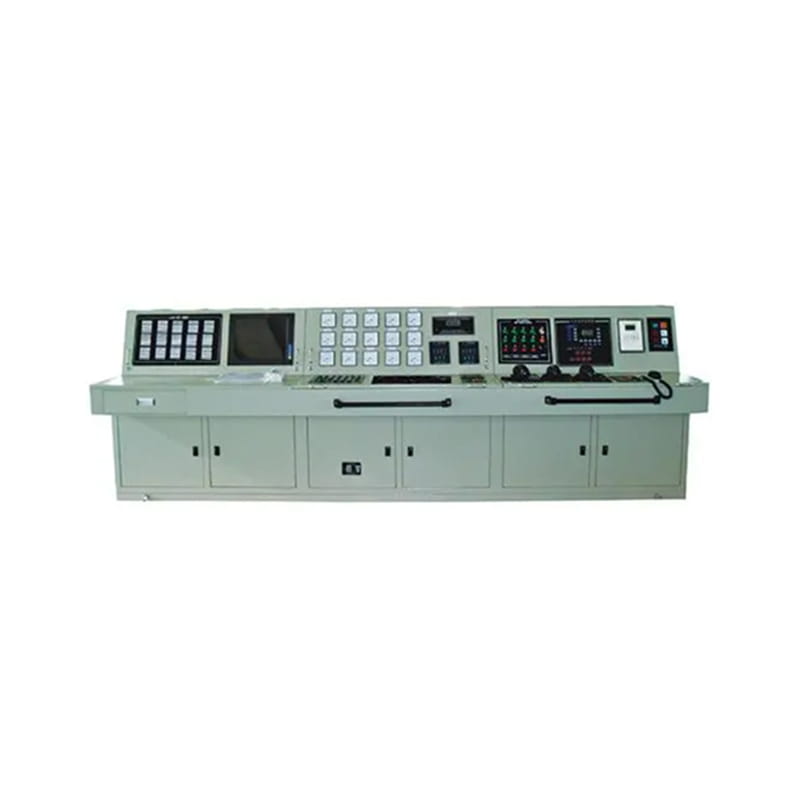
The Engine room monitoring alarm system is crucial for ensuring the safety and efficiency of operati...
See Details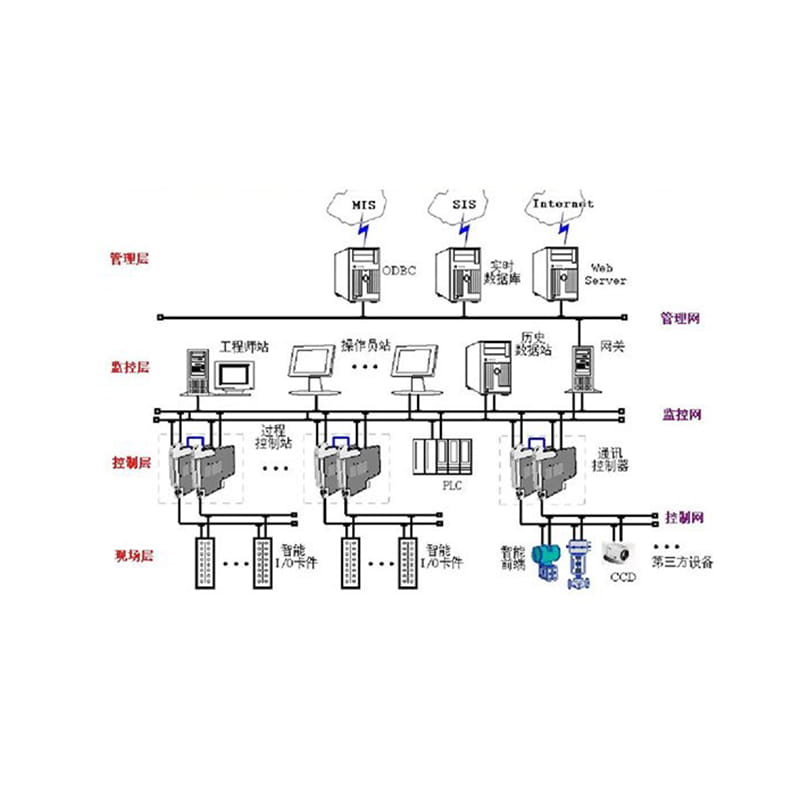
The DCS System is designed with an open architecture, allowing for seamless integration and flexibil...
See Details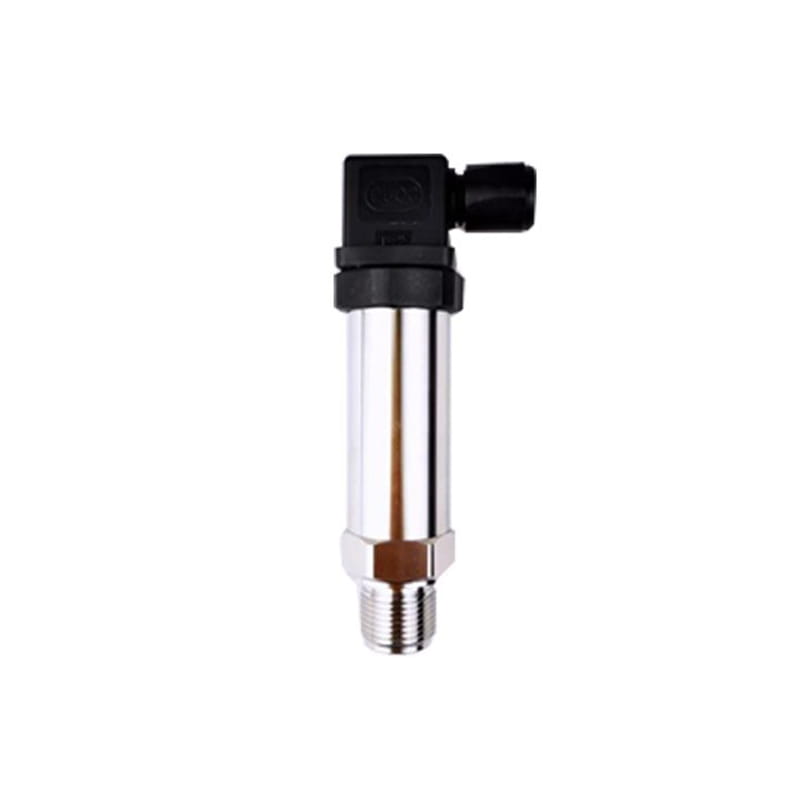
The Pressure transmitter YSZK is designed for demanding environments, operating effectively in tempe...
See Details
The Temperature sensor WZPK is renowned for its long service life and exceptional stability, making ...
See Details


