

 English
 русский
 Español
 عربى
عربى
YL series needle-retaining pressure gauges
Cat:Pressure Gauge
◆ Model: YL40 YL50 YL60 YL75 YL100 YL150 ◆ Needle-retaining pressure gauges is composed of a general...
See DetailsContent
Micro pressure gauges are essential instruments in HVAC systems where extremely low pressure ranges must be measured with high accuracy. Unlike standard pressure gauges, they are designed to detect subtle pressure variations, often measured in Pascals (Pa), millimeters of water column (mmH₂O), or inches of water column (inH₂O). These small pressure differences directly impact airflow balance, energy efficiency, and indoor air quality.
In modern HVAC design, system performance depends on precise airflow control. Micro pressure gauges provide real-time feedback on pressure changes across ducts, filters, and fans, allowing engineers and technicians to fine-tune system operation. Without accurate low-pressure measurement, issues such as uneven air distribution, noise, or excessive energy consumption can easily occur.
One of the most common HVAC applications of micro pressure gauges is airflow measurement. By measuring static pressure within air ducts, these gauges help determine whether air is moving at the correct velocity throughout the system. Even minor deviations in duct pressure can significantly affect occupant comfort and system efficiency.
Micro pressure gauges are often connected to Pitot tubes or airflow sensors to calculate air volume. This setup is widely used during system commissioning, routine maintenance, and troubleshooting. Accurate duct pressure readings enable technicians to identify blockages, leaks, or improperly sized ductwork before they escalate into larger operational problems.
Another critical application of micro pressure gauges in HVAC systems is filter monitoring. Air filters create a pressure drop as air passes through them. Over time, dust and contaminants accumulate, increasing resistance and reducing system efficiency. Micro pressure gauges measure the differential pressure across filters to indicate their condition.
By continuously monitoring filter pressure drop, facility managers can replace filters based on actual performance rather than fixed schedules. This approach helps maintain optimal indoor air quality while avoiding unnecessary maintenance costs. In sensitive environments such as hospitals, laboratories, and clean rooms, precise filter monitoring is essential for health and safety compliance.
In clean rooms and laboratories, maintaining correct pressure differentials between spaces is crucial to prevent cross-contamination. Micro pressure gauges are widely used to monitor room-to-room pressure differences, ensuring that air flows in the intended direction.
Positive pressure environments, such as pharmaceutical clean rooms, rely on micro pressure gauges to prevent contaminants from entering. Conversely, negative pressure rooms, commonly used in chemical labs or isolation wards, require precise pressure monitoring to contain hazardous substances. Even slight pressure deviations can compromise safety and regulatory compliance.
Beyond HVAC, micro pressure gauges play a vital role in industrial process control. Many manufacturing processes involve gases or low-pressure systems where precise monitoring is required to maintain consistency and product quality. These gauges provide reliable feedback in environments where traditional pressure instruments lack sufficient sensitivity.
Industries such as electronics manufacturing, chemical processing, and food production often depend on micro pressure gauges to monitor ventilation systems, gas flow rates, and enclosure pressures. Accurate pressure measurement helps ensure stable operating conditions and minimizes the risk of defects or process interruptions.
Energy efficiency has become a top priority in both HVAC and industrial systems. Micro pressure gauges contribute directly to energy optimization by providing accurate data that supports informed control decisions. When pressure levels are monitored precisely, fans, blowers, and pumps can operate only at the required capacity.
In variable air volume (VAV) systems, for example, micro pressure gauges help regulate airflow based on real-time demand. This reduces unnecessary energy use and extends equipment lifespan. Over time, the improved efficiency achieved through precise pressure monitoring can result in significant cost savings.
Safety is another major reason micro pressure gauges are widely adopted in industrial environments. Many safety standards require continuous monitoring of pressure conditions to prevent hazardous situations. Micro pressure gauges provide early warning of abnormal pressure changes that could indicate leaks, blockages, or system failures.
In applications involving combustible gases or hazardous fumes, maintaining correct pressure levels is critical. Micro pressure gauges support compliance with occupational safety and environmental regulations by ensuring that ventilation and containment systems operate as designed.
| Application Area | Primary Purpose | Typical Pressure Range |
| HVAC Ducts | Airflow and balance control | 10–500 Pa |
| Clean Rooms | Contamination prevention | 5–50 Pa |
| Industrial Ventilation | Process and safety control | 20–1000 Pa |
Micro pressure gauges are indispensable tools in both HVAC and industrial systems where precise low-pressure measurement is critical. From airflow balancing and filter monitoring to industrial process control and safety assurance, their applications are broad yet highly specialized. By delivering accurate, reliable pressure data, these instruments support system efficiency, regulatory compliance, and long-term operational stability.
As HVAC and industrial technologies continue to evolve toward smarter and more energy-efficient designs, the role of micro pressure gauges will only become more important. Their ability to detect subtle pressure changes makes them a foundational component in achieving optimal performance and safe operation across a wide range of applications.
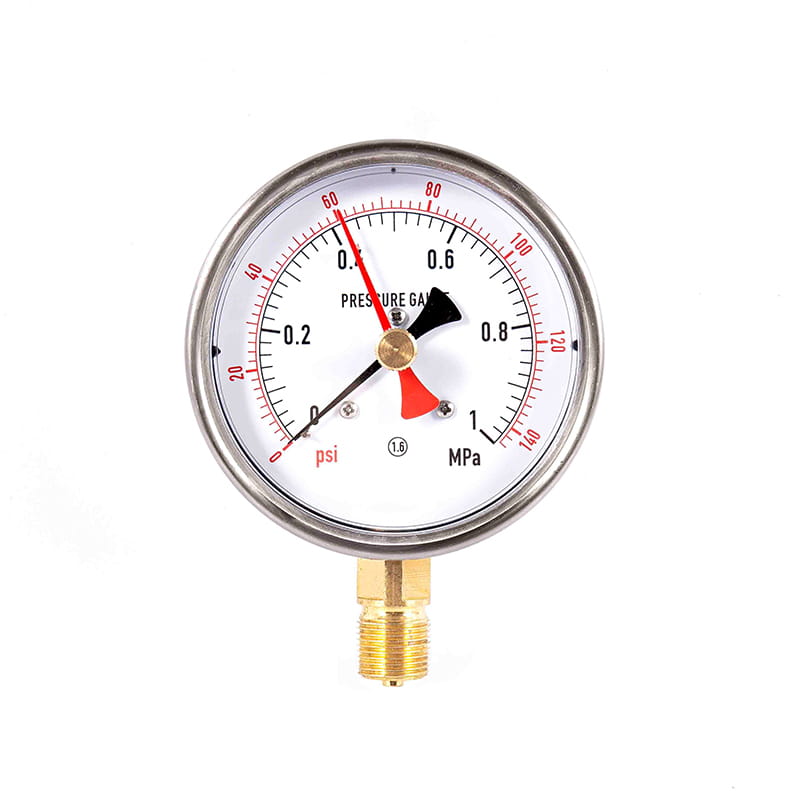
◆ Model: YL40 YL50 YL60 YL75 YL100 YL150 ◆ Needle-retaining pressure gauges is composed of a general...
See Details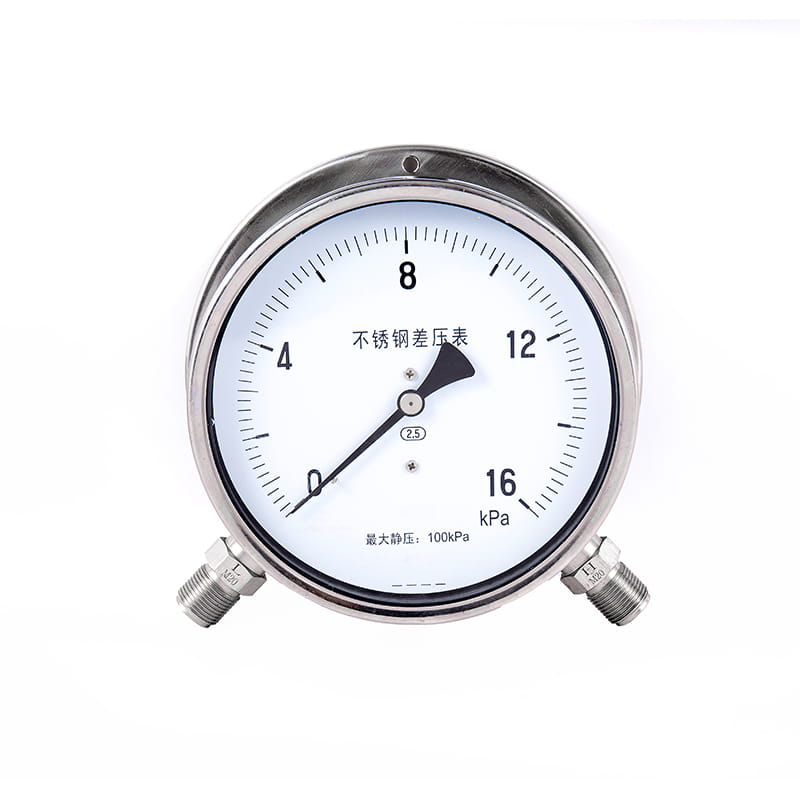
◆ Model: CYB100 CYB150 ◆ Application: Stainless steel differential pressure gauges is suitable for m...
See Details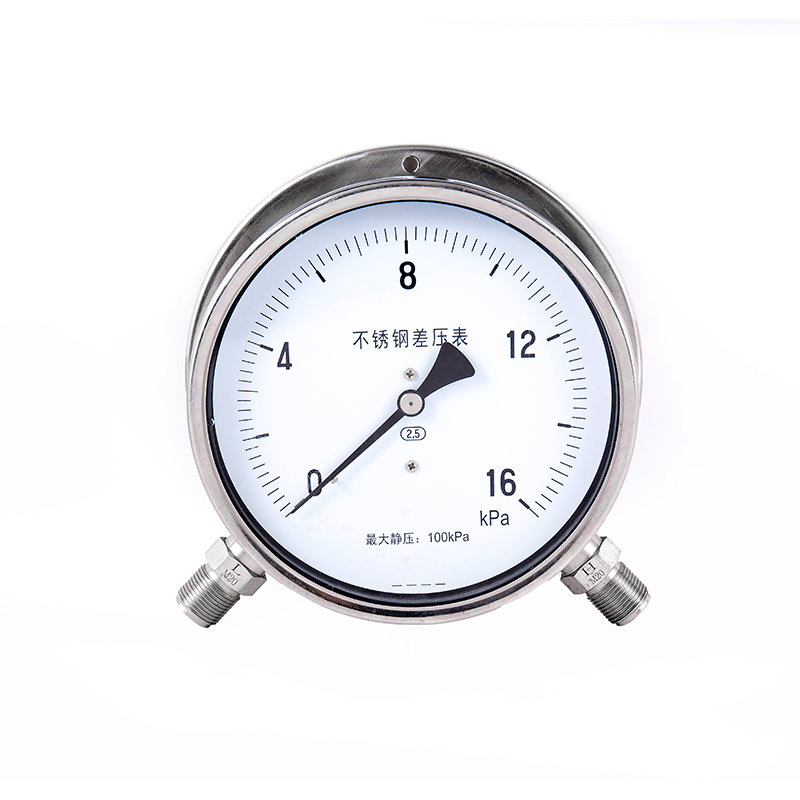
◆ Model: CYBN100 CYBN150 ◆ Application: Earthquake-resistant (seismic) stainless steel differential ...
See Details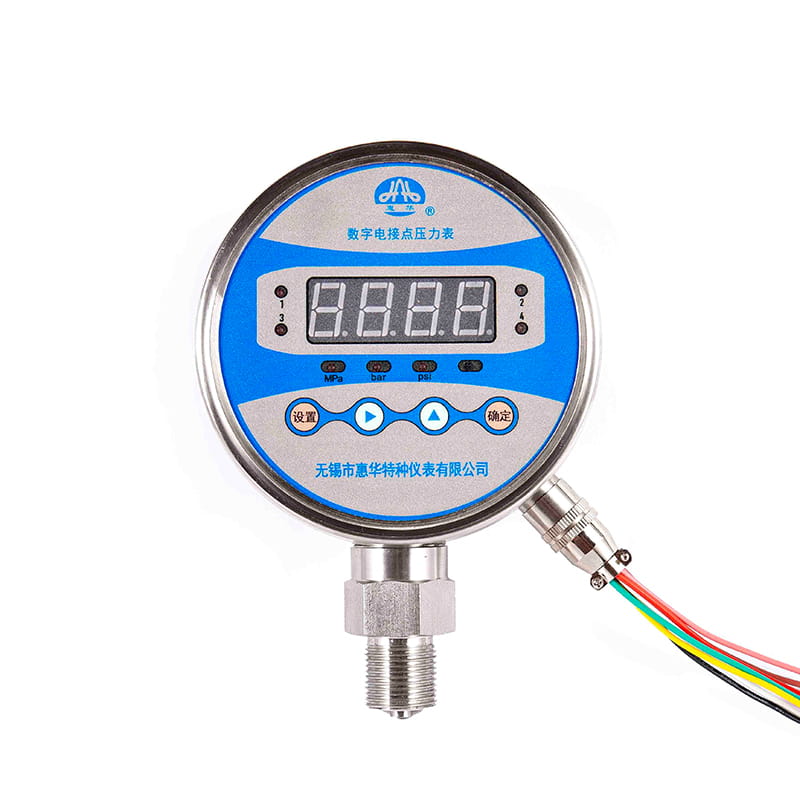
◆ Model: YSX100 ◆ Introduction: Intelligent digital electric word contact pressure gauge is a set o...
See Details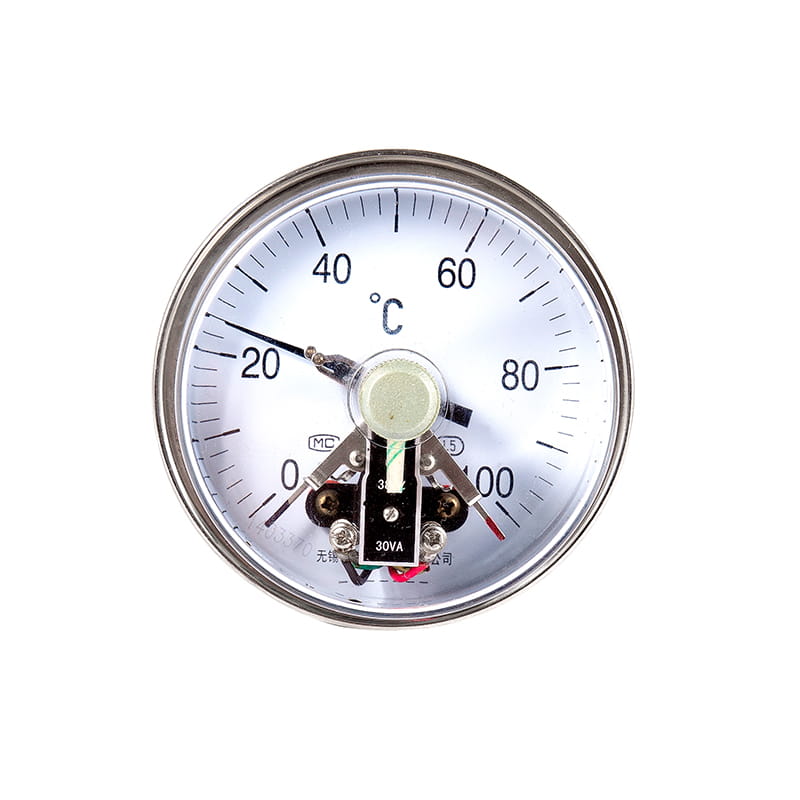
◆ Model: WSSXC-4 ◆ Application: This series of thermometers has the characteristics of no mercury da...
See Details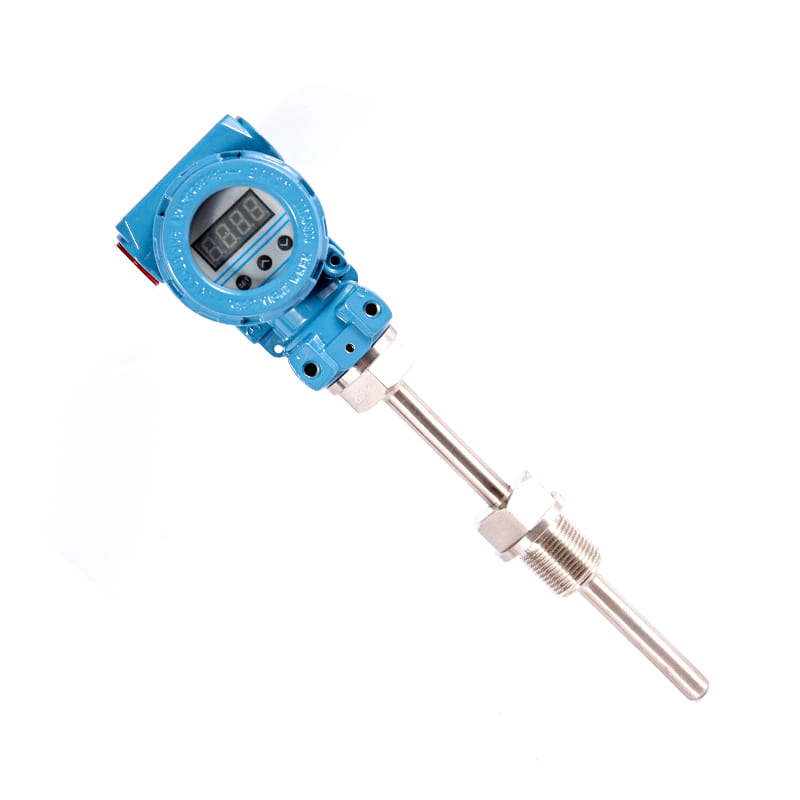
◆ Model: WSZC-1 ◆ Overview: The transmitter is composed of advanced circuit module integration techn...
See Details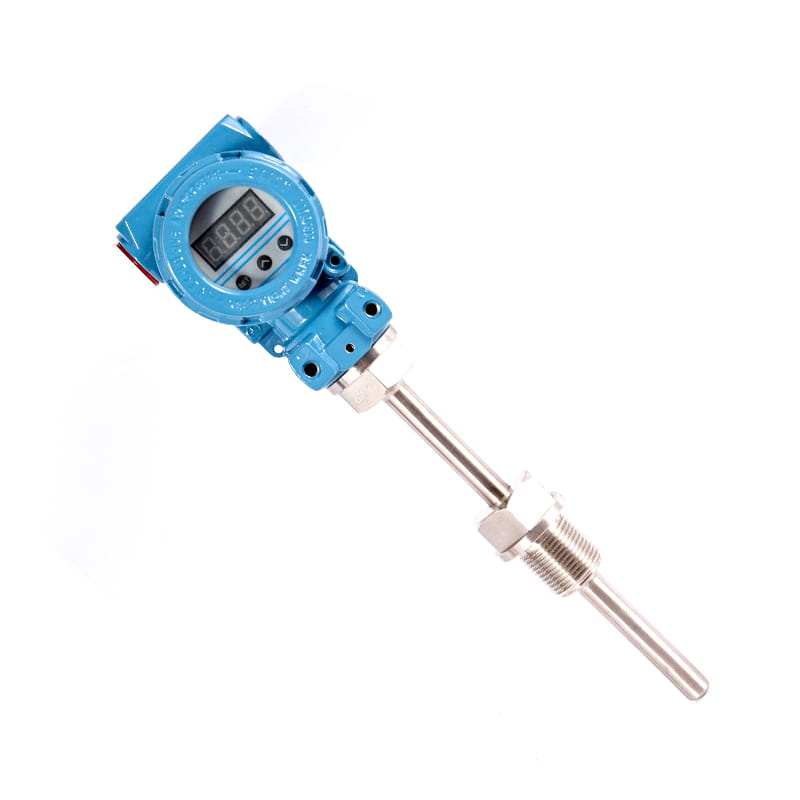
◆ Model: WSZC-2 ◆ Overview: The transmitter is composed of advanced circuit module integration techn...
See Details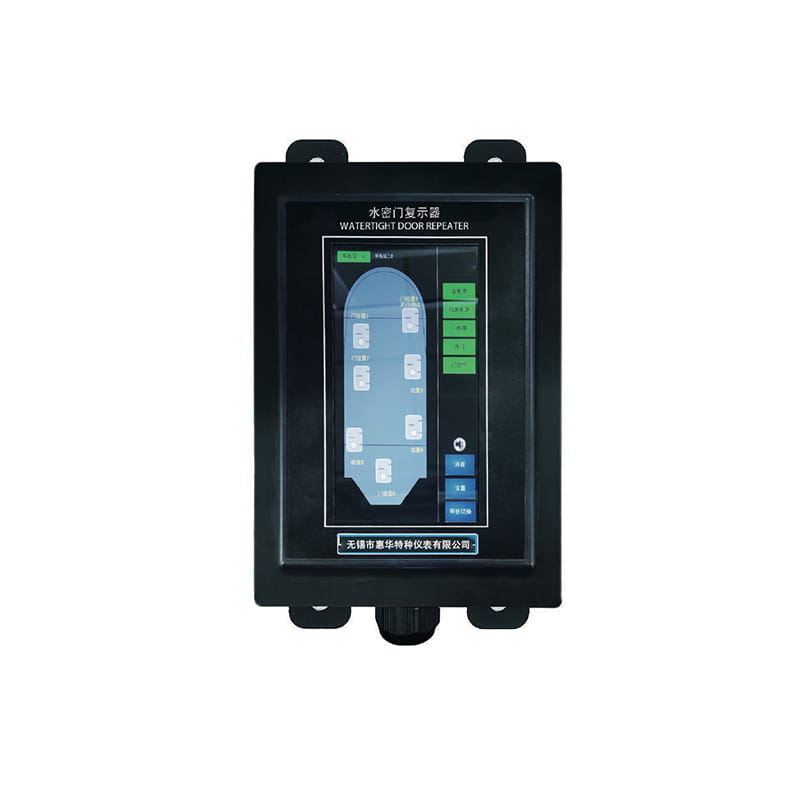
The waterless door alarm system emphasizes the interaction between humans and machines, addressing t...
See Details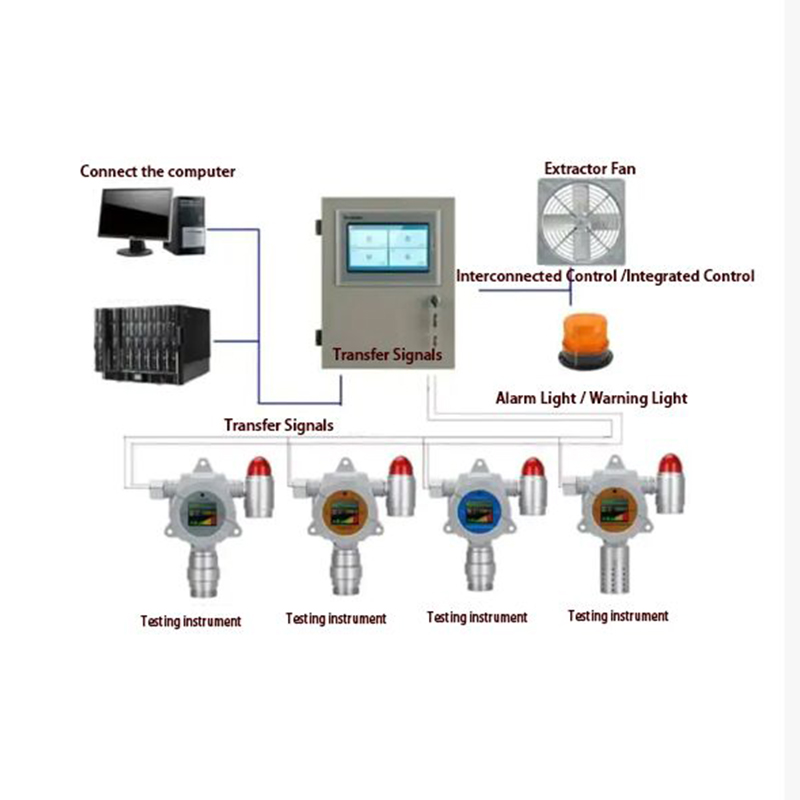
The gas monitoring alarm system is designed for optimal safety and usability. It features a user-fri...
See Details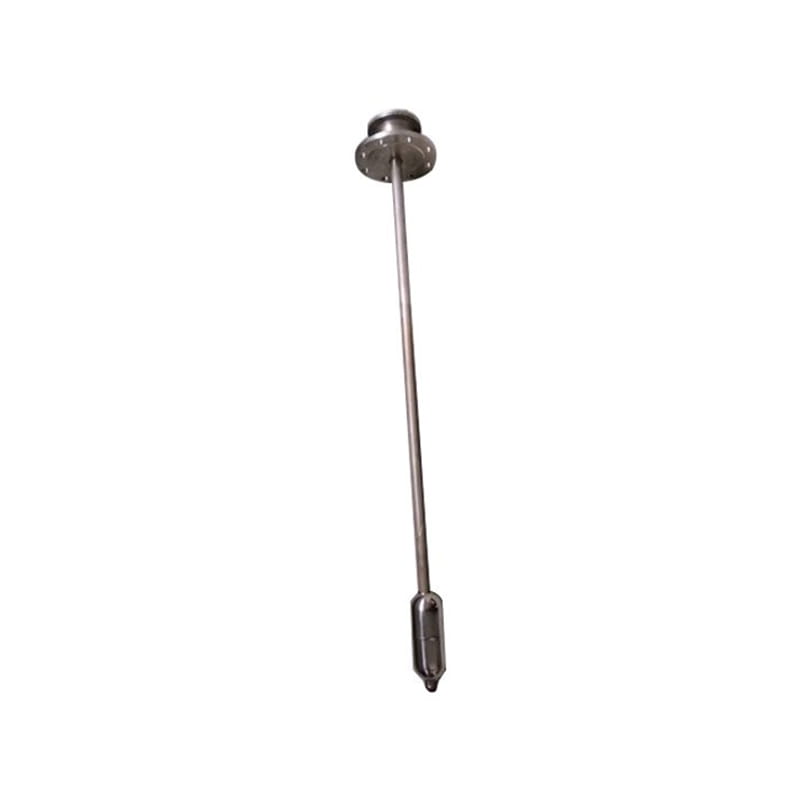
The Float level gauge UHB is engineered for high-precision measurement, providing accurate and relia...
See Details


