

 English
 русский
 Español
 عربى
عربى
YP series diaphragm pressure gauges
Cat:Pressure Gauge
◆ Model: YP100-L YP150-L YP100-F YP150-F ◆ Application: YP series instrument diaphragm and structura...
See DetailsContent
A float level gauge is a mechanical or electromechanical device used to measure and indicate the level of liquid inside a tank, vessel, or container. It operates based on buoyancy: a float rises and falls with the liquid surface and transmits this movement to a pointer, scale, switch, or transmitter. Because of their simple working principle, float level gauges have been widely used for decades in water treatment, oil and gas storage, chemical processing, boilers, and industrial tanks.
The keyword intent behind “float level gauge” is typically practical. Users are often looking to understand whether this type of level measurement device is suitable for their application, what benefits it offers, and what its limitations are compared to other level measurement technologies. Examining both sides helps engineers, buyers, and maintenance teams make informed decisions.
Float level gauges rely on a float element that has a lower density than the liquid being measured. As the liquid level changes, the float moves vertically. This movement is transferred mechanically through linkages, magnets, or cables, or electrically through reed switches or sensors, depending on the design.
In simple mechanical gauges, the float is connected to an external indicator that provides a direct visual reading. In more advanced systems, the float actuates switches or transmits a signal to control systems, alarms, or remote displays. This flexibility allows float level gauges to be adapted to a wide range of industrial and commercial uses.
Float level gauges remain popular because they offer several practical advantages, especially in applications where simplicity, reliability, and cost-effectiveness are priorities.
One of the main advantages of float level gauges is their straightforward operating principle. Buoyancy-based measurement has been used for a long time and is well understood. This simplicity reduces the risk of unexpected failures and makes troubleshooting easier for maintenance personnel.
In tanks with relatively stable liquid properties, float level gauges can deliver consistent and dependable readings. They are not easily affected by electrical noise, power fluctuations, or software errors, which makes them suitable for harsh industrial environments.
Compared to advanced electronic level measurement technologies, float level gauges are generally more affordable. Installation is often straightforward, and many designs do not require power, reducing long-term operating costs.
Float level gauges can be used in a variety of liquids, including water, oils, fuels, and some chemicals. With appropriate material selection for the float and housing, they can be adapted to corrosive or high-temperature environments.
Many float level gauges provide a direct visual indication of liquid level. This allows operators to quickly check tank status without relying on electronic displays or control systems, which is particularly useful in remote or manual operation settings.
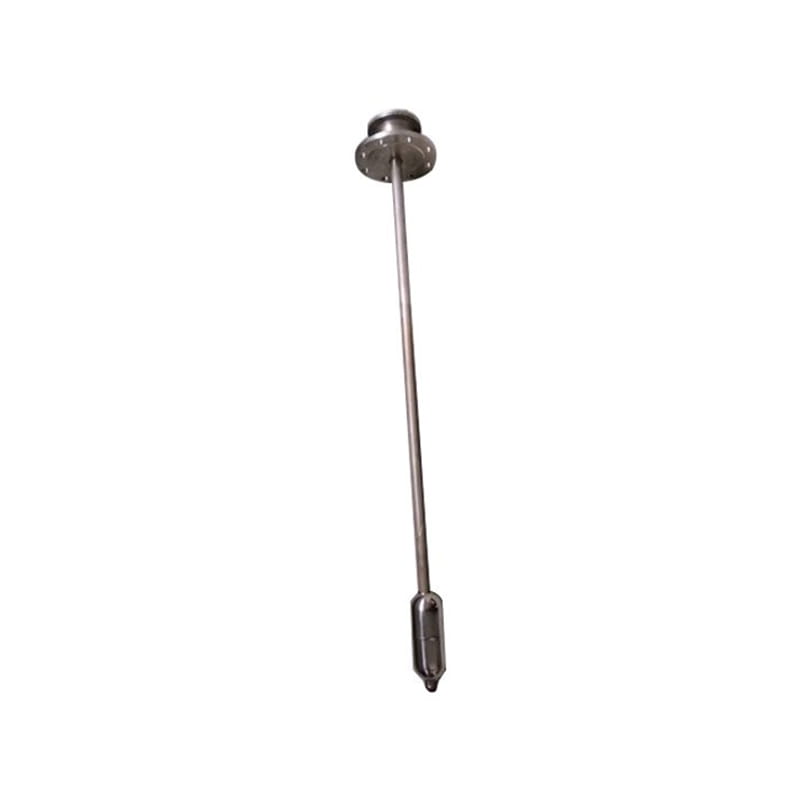
From an operational perspective, float level gauges offer benefits that align well with day-to-day industrial requirements. Their mechanical nature allows them to function in environments where electronic sensors might struggle, such as areas with high electromagnetic interference or limited power availability.
These advantages make float level gauges especially attractive for utility tanks, storage vessels, and backup level monitoring systems.
Despite their strengths, float level gauges are not suitable for every application. Understanding their limitations is essential to avoid performance issues and inaccurate readings.
Float level gauges depend on buoyancy, which means changes in liquid density can affect accuracy. If the liquid composition varies significantly, the float may not rise or fall as expected, leading to measurement errors.
Because float level gauges involve moving parts, they are subject to mechanical wear over time. In applications with dirty, viscous, or sticky liquids, buildup on the float or guide mechanisms can restrict movement and reduce reliability.
In tanks with rapid level fluctuations, turbulence, or agitation, float movement may lag behind actual level changes. This makes float level gauges less suitable for highly dynamic processes that require fast response and high precision.
Some float level gauge designs require sufficient vertical space for the float to travel freely. In compact tanks or vessels with internal obstructions, installation may be challenging or impractical.
To better understand where float level gauges fit, it is useful to compare them with alternative level measurement methods commonly used in industry.
| Technology | Accuracy | Maintenance | Typical Use |
| Float Level Gauge | Moderate | Low to moderate | Storage tanks |
| Ultrasonic Sensor | High | Low | Clean liquids |
| Radar Level Gauge | Very high | Low | Critical processes |
Float level gauges are best suited for applications where liquid properties are stable and extreme accuracy is not the primary requirement. Common examples include water storage tanks, fuel tanks, boiler drums, and sump pits.
In these environments, the balance of reliability, simplicity, and cost makes float level gauges a practical choice compared to more complex electronic alternatives.
Choosing the right float level gauge involves evaluating both the advantages and limitations in relation to the specific application. Material compatibility, temperature range, pressure rating, and required output signal are all important factors.
Careful selection ensures that the gauge delivers reliable performance while minimizing maintenance and downtime.
Float level gauges offer a dependable and cost-effective solution for liquid level measurement in many industrial and commercial applications. Their advantages include simple design, proven reliability, and low operating costs. However, limitations such as sensitivity to liquid properties, mechanical wear, and reduced performance in dynamic conditions must be carefully considered. By understanding both the advantages and limitations of float level gauges, users can determine when this traditional technology is the right choice and when alternative level measurement solutions may be more appropriate.
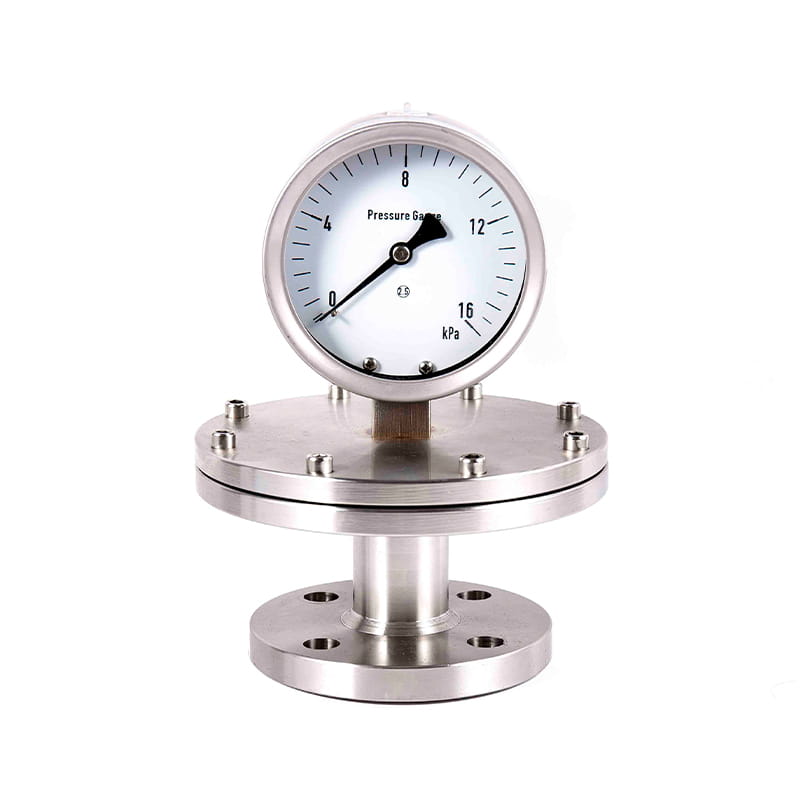
◆ Model: YP100-L YP150-L YP100-F YP150-F ◆ Application: YP series instrument diaphragm and structura...
See Details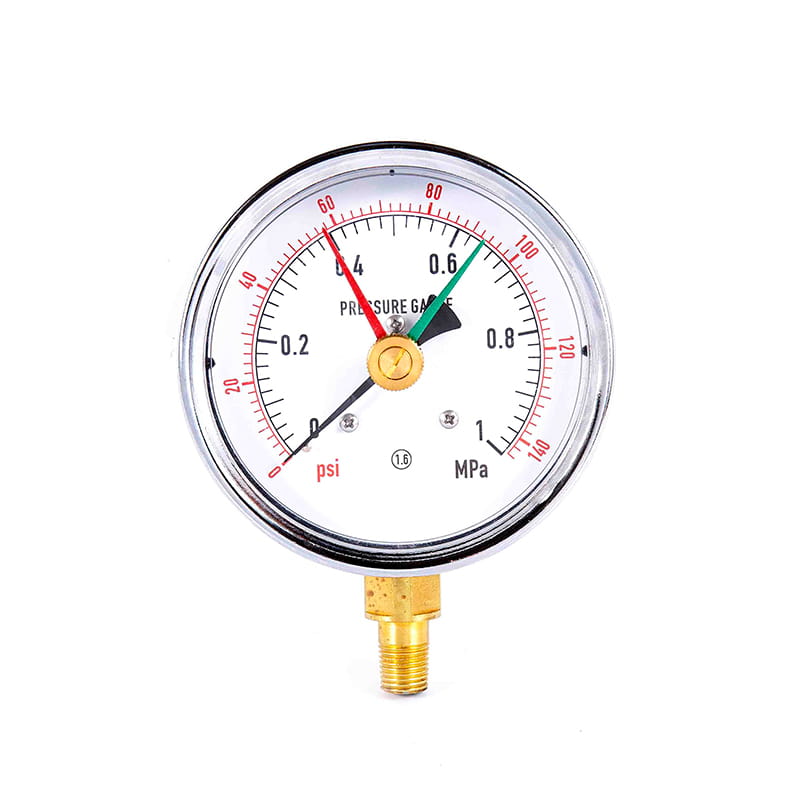
◆ Model: YD40 YD50 YD60 YD75 YD100 YD150 ◆ The main body of the instrument is a general pressure gau...
See Details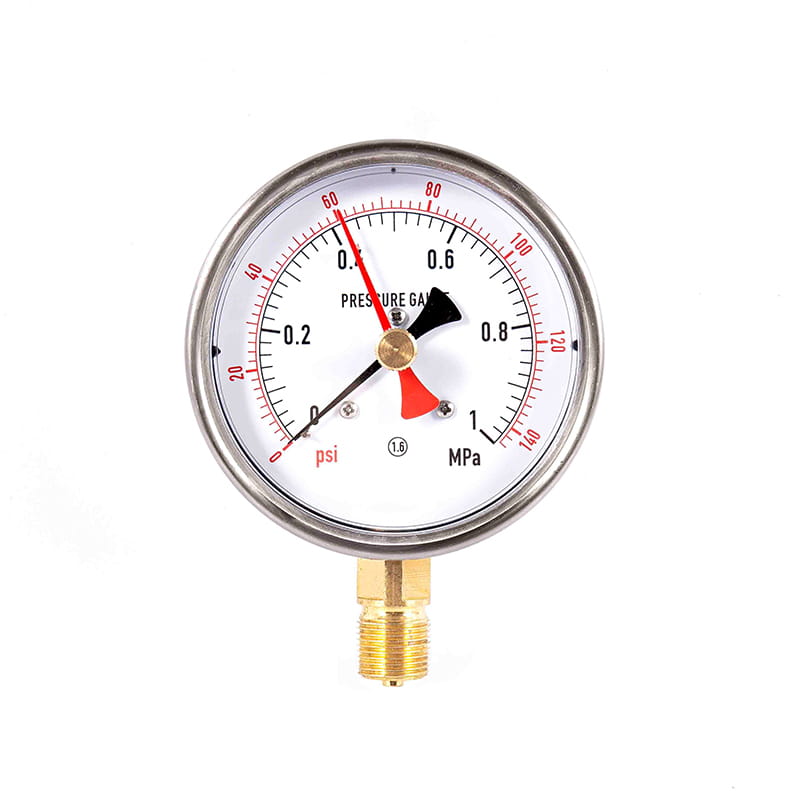
◆ Model: YL40 YL50 YL60 YL75 YL100 YL150 ◆ Needle-retaining pressure gauges is composed of a general...
See Details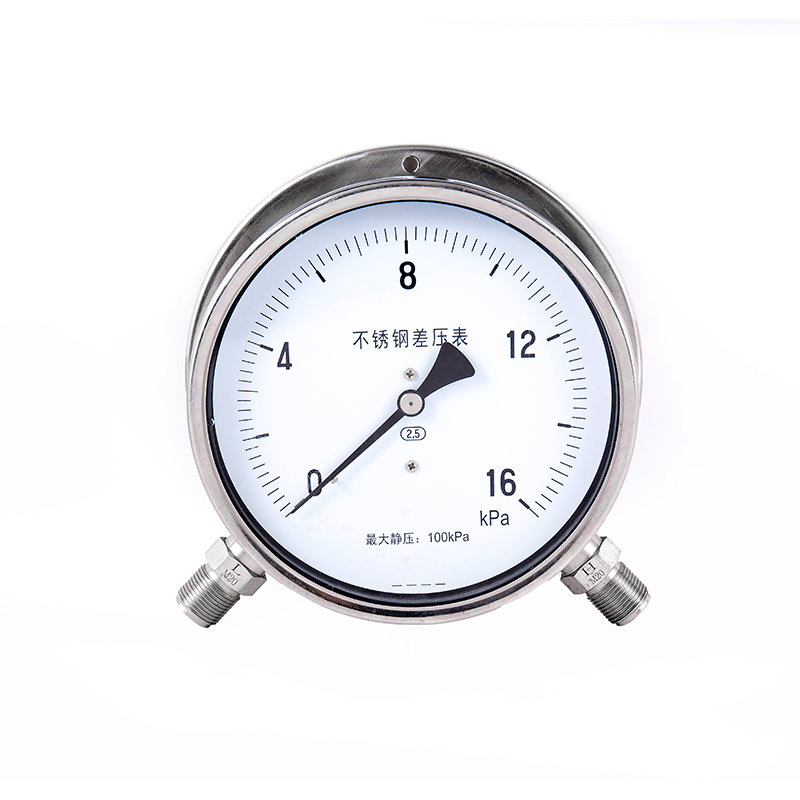
◆ Model: CYBN100 CYBN150 ◆ Application: Earthquake-resistant (seismic) stainless steel differential ...
See Details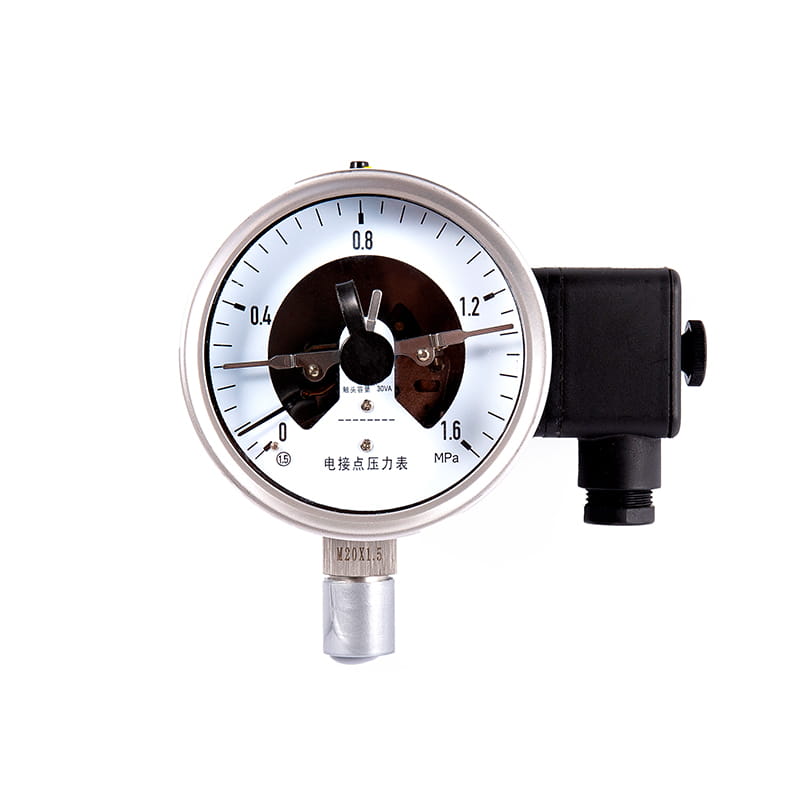
◆ Model: YXD100 YXD150 ◆ Uses: Photoelectric electric contact pressure gauge is a substitute for the...
See Details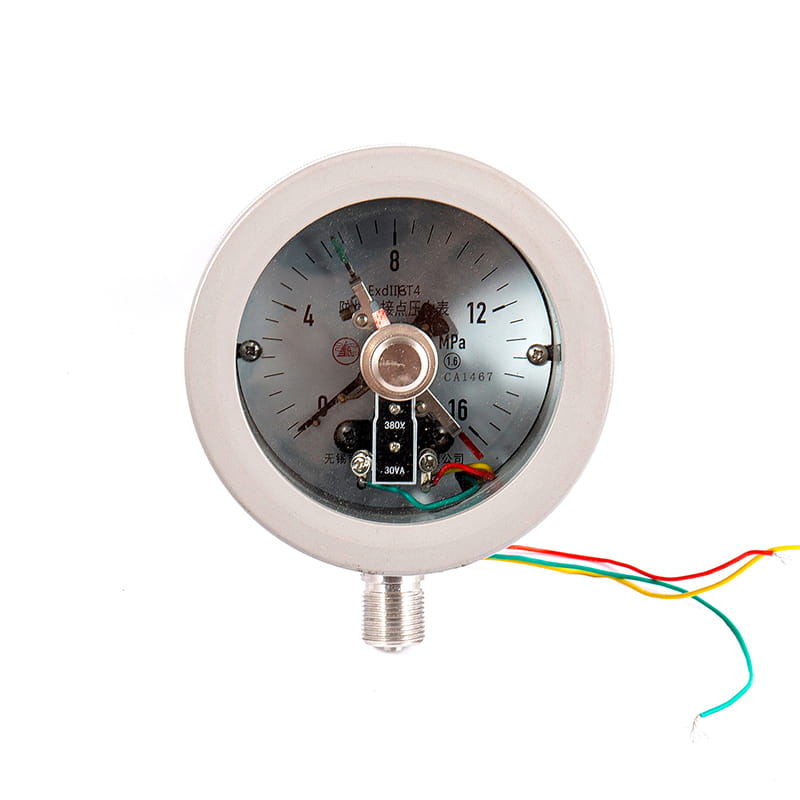
◆ Model: YTX100B YTX150B ◆ Uses: Explosion-proof electric contact pressure gauge is specially used i...
See Details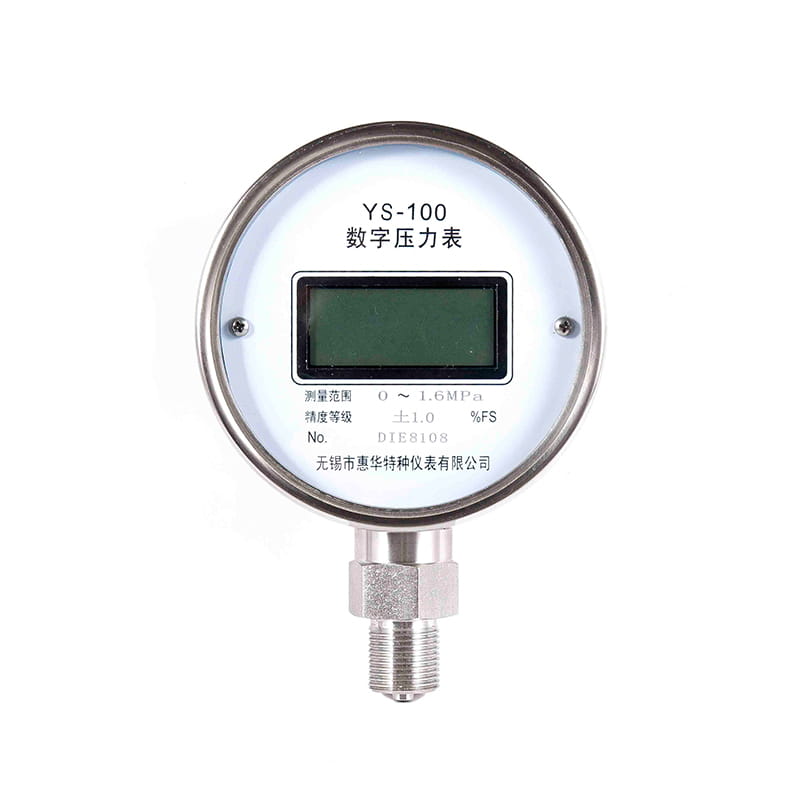
◆ Model: YS100 YS150◆ Introduction: This digital pressure gauge has beautiful shape, stable performa...
See Details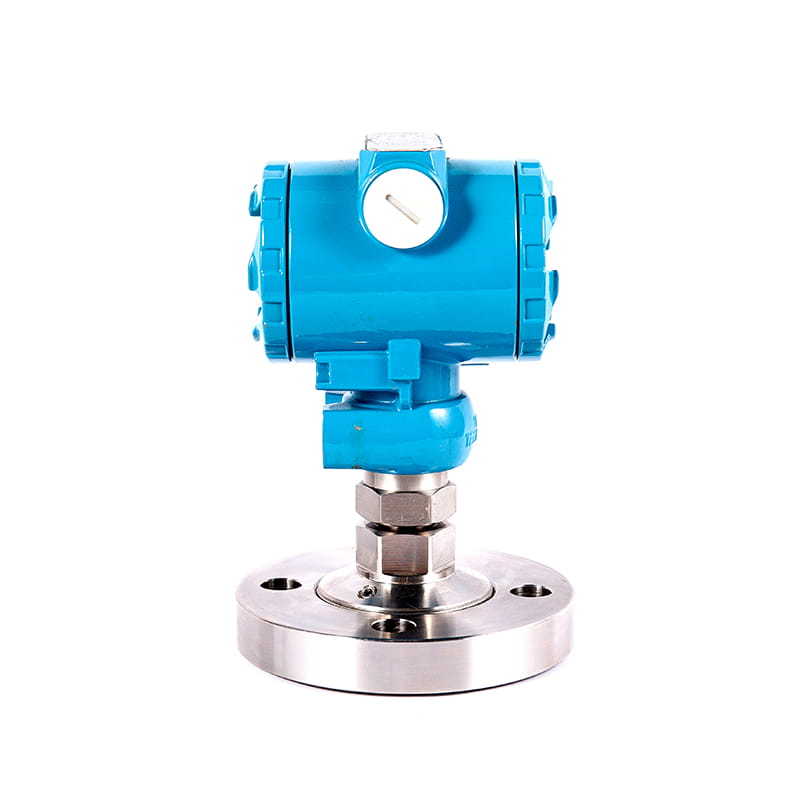
◆ Model: YSZC-7 ◆ Application: This instrument is suitable for precise measurement of liquid, gas or...
See Details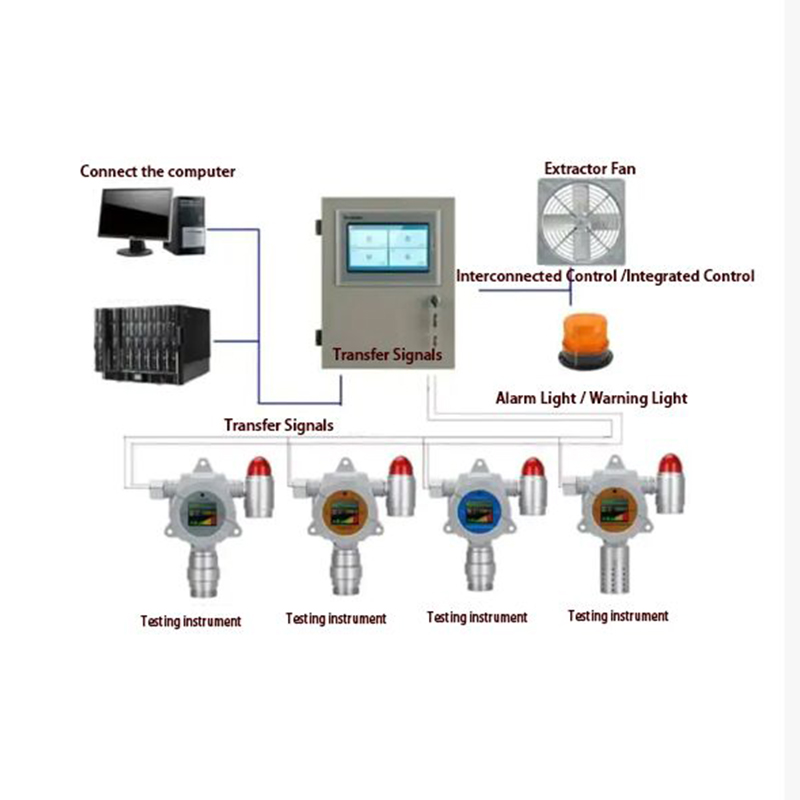
The gas monitoring alarm system is designed for optimal safety and usability. It features a user-fri...
See Details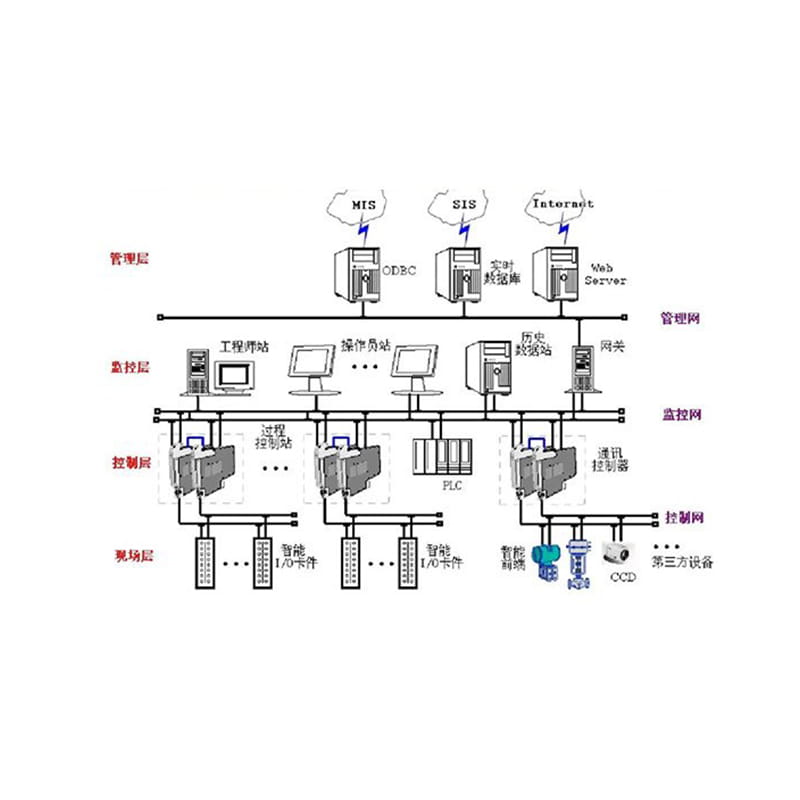
The SIS System is engineered to provide exceptional security and reliability in hazardous environme...
See Details


