

 English
 русский
 Español
 عربى
عربى
Y series general stainless steel pressure gauge
Cat:Pressure Gauge
◆ Model: Y40 Y50 Y60 Y75 Y100 Y150 Y200 Y250◆ Use: This series of instruments is suitable for measur...
See Details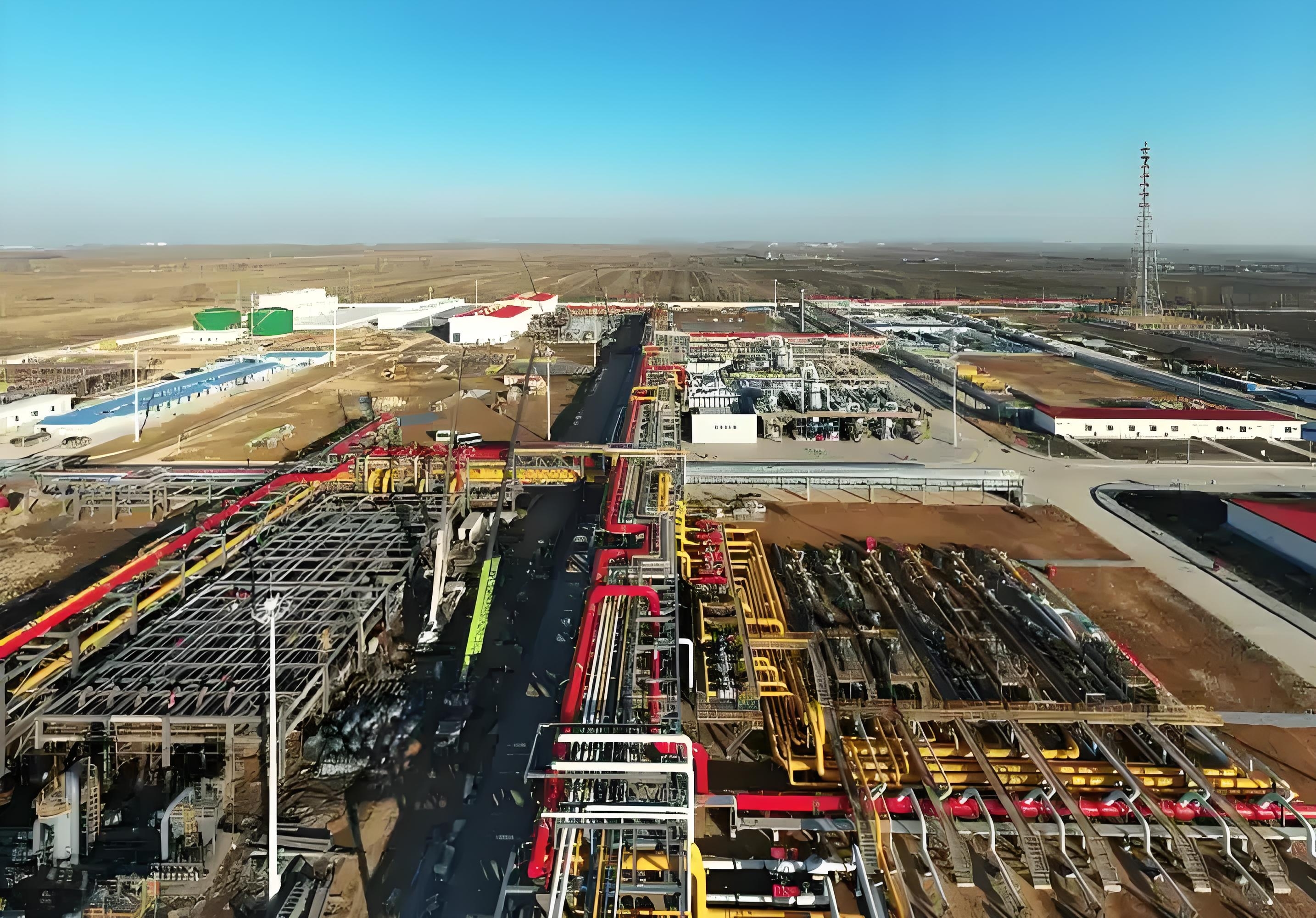
Summary of the petroleum project:In the complex processes of petroleum exploration and development, pressure gauges, as core instruments for monitoring pressure parameters, are like the "sphygmomanometers" of projects, safeguarding the safety and stability of production systems at all times. Whether it is the monitoring of high-pressure oil and gas wells on drilling platforms or pressure regulation in pipeline transportation, the accurate readings of pressure gauges are directly related to engineering efficiency and operational safety.
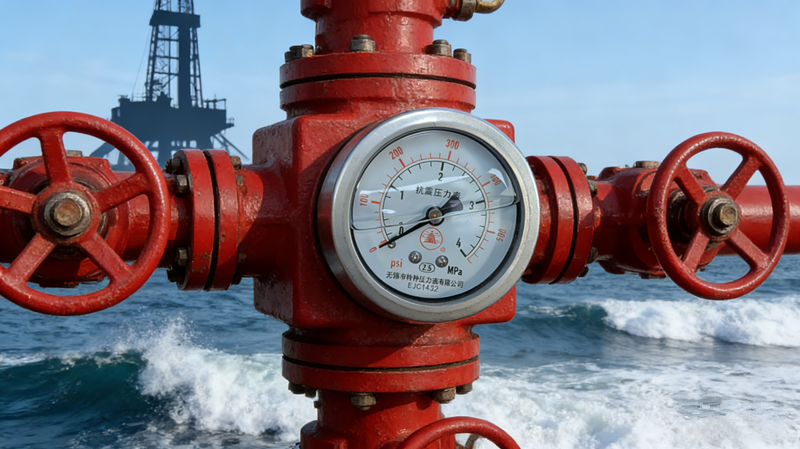
Real-time Monitoring by Wellhead Pressure Gauges on Drilling Platforms
Close-up of the wellhead device on a drilling platform, with a silver pressure gauge embedded in a red high-pressure valve group, the pointer pointing to 25 MPa, and the silhouette of the drilling rig and waves visible in the background).
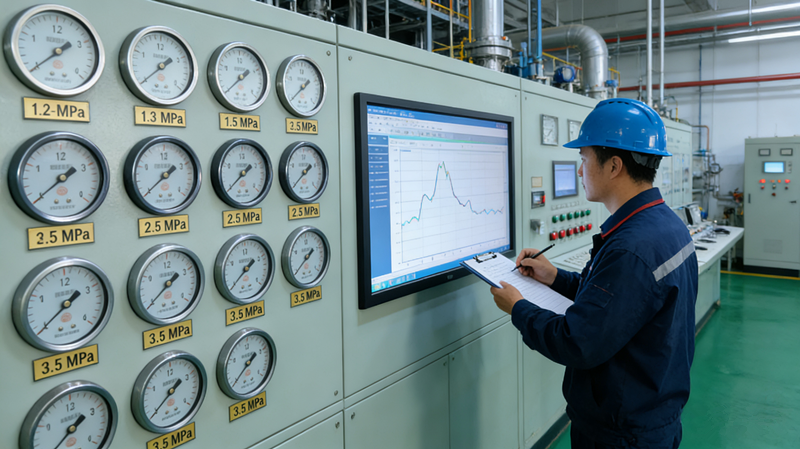
(Panoramic view of the instrument panel in the control room of an oil transmission station, with multiple pressure gauges arranged in a matrix showing pressure values of different pipe sections, engineers recording data, and the screen displaying pressure trend curves.)
Pressure Regulation System at an Oil Transmission Station
Panoramic view of the instrument panel in the control room of an oil transmission station, with multiple pressure gauges arranged in a matrix showing pressure values of different pipe sections, engineers recording data, and the screen displaying pressure trend curves.
Selection and Maintenance Points of Pressure Gauges
Petroleum projects have stringent requirements for the corrosion resistance, high-temperature and high-pressure tolerance of pressure gauges. Stainless steel casings and copper alloy movements or stainless steel movements are usually selected.The most common materials are SS 304 or SS 316L. For applications with strong corrosive properties, SS 312 material should be used for the housing or connectors. The measuring range should cover 1.5-3 times the working pressure (e.g., 0-60 MPa range is commonly used for wellhead pressure gauges). In daily maintenance, calibration is required every quarter to avoid reading deviations caused by vibration and medium crystallization.

(In a laboratory environment, technicians calibrate pressure gauges using a standard pressure source. The calibrated instrument and the standard instrument are fixed on a bracket side by side, and the data comparison shows an error of ±0.2%) .
On-site Calibration Operation of Pressure Gauges
The maintenance cycle is one inspection and repair every six months. If the pointer does not return to zero and the oil is yellow (which affects the reading of the values), it should be replaced immediately.
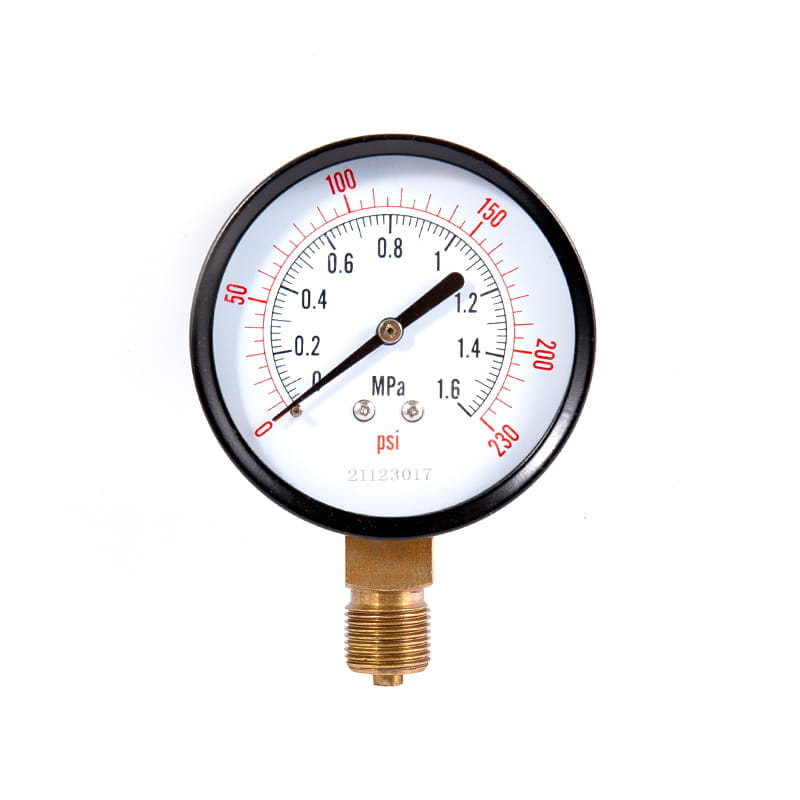
◆ Model: Y40 Y50 Y60 Y75 Y100 Y150 Y200 Y250◆ Use: This series of instruments is suitable for measur...
See Details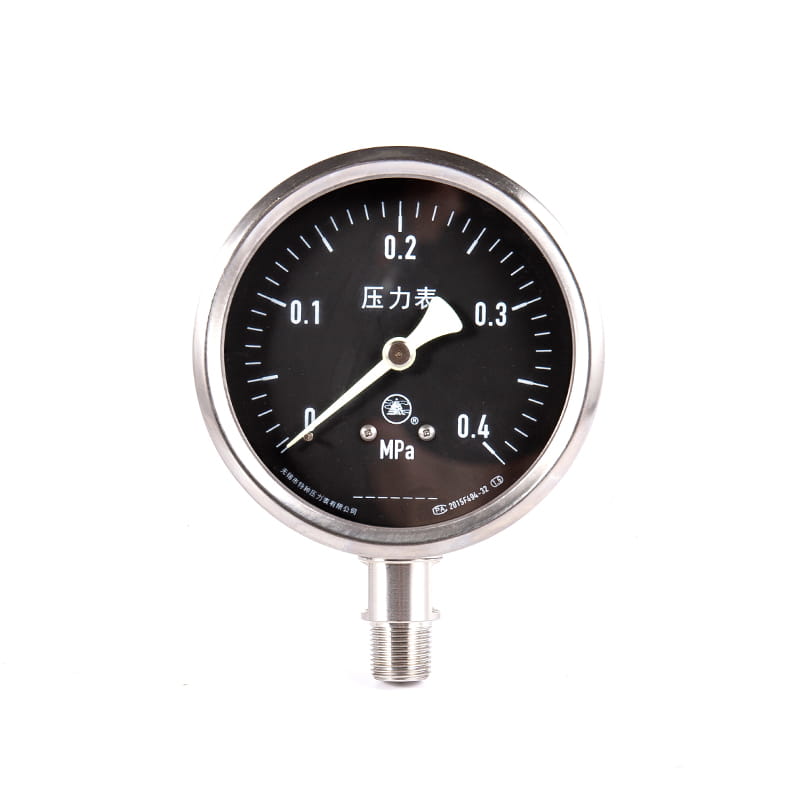
◆ Model: YC40 YC50 YC60 YC75 YC100 YC150◆ Use: This series of instruments are suitable for measuring...
See Details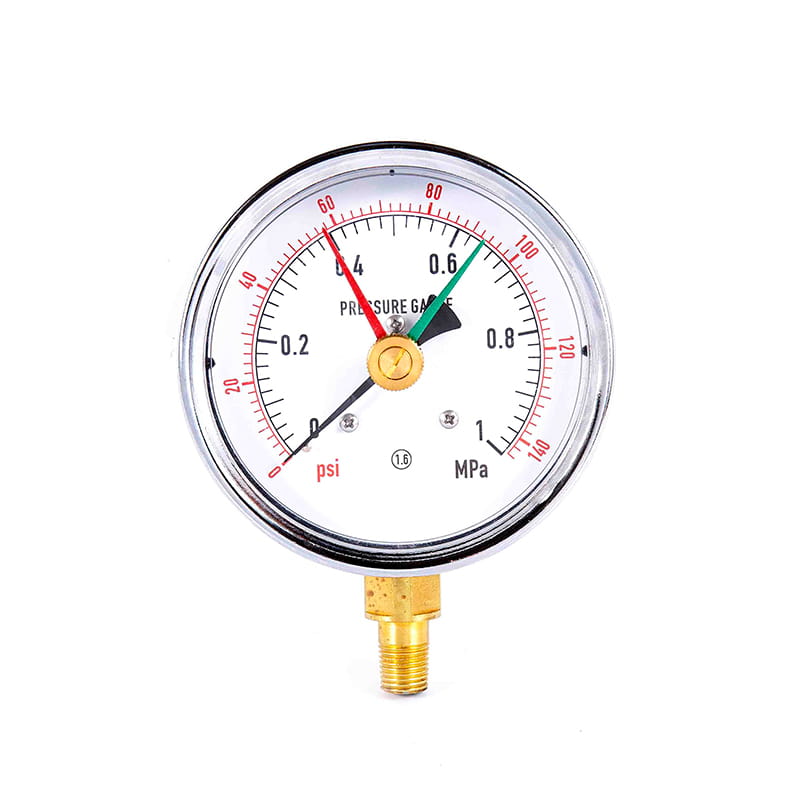
◆ Model: YD40 YD50 YD60 YD75 YD100 YD150 ◆ The main body of the instrument is a general pressure gau...
See Details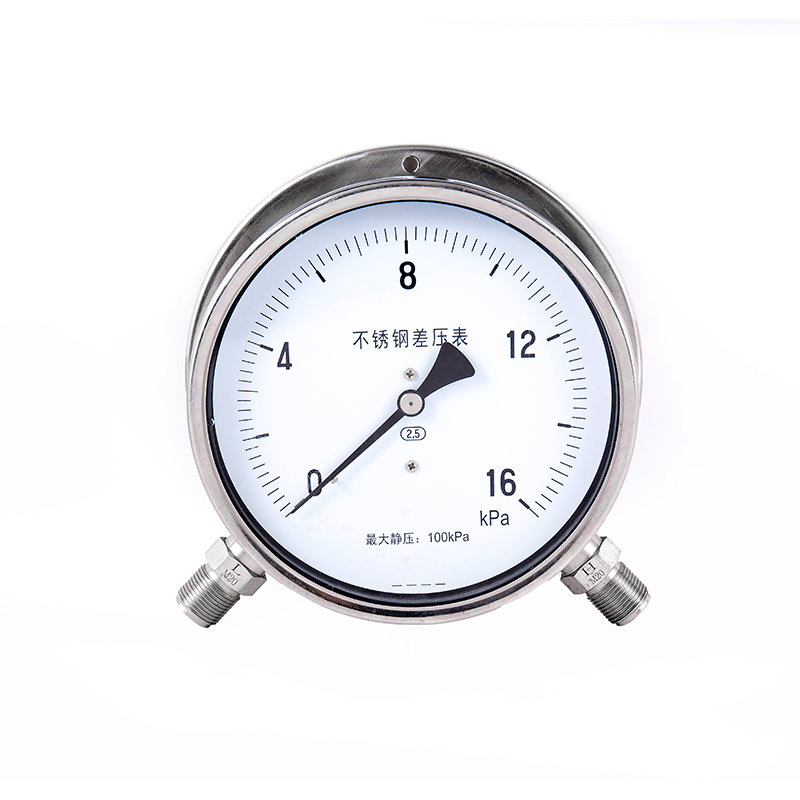
◆ Model: CYBN100 CYBN150 ◆ Application: Earthquake-resistant (seismic) stainless steel differential ...
See Details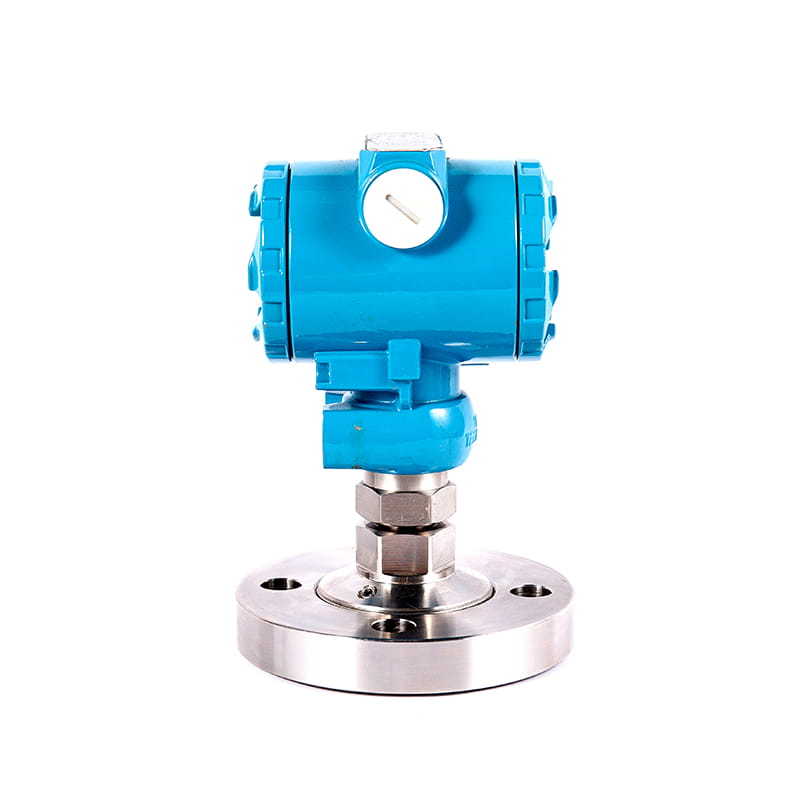
◆ Model: YSZC-7 ◆ Application: This instrument is suitable for precise measurement of liquid, gas or...
See Details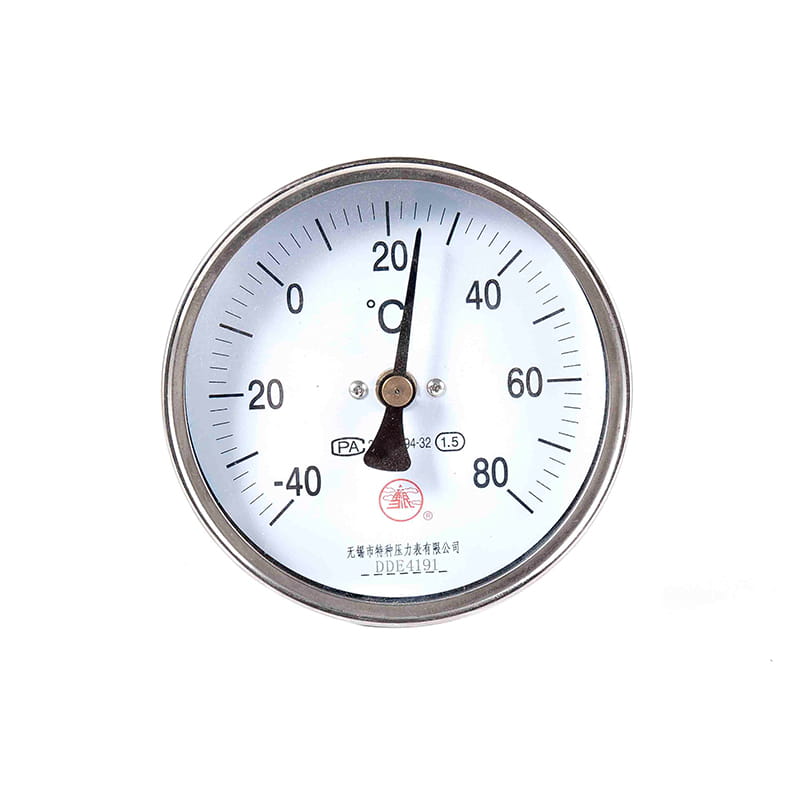
◆ Model: WSS-3 WSS-4 WSS-5 ◆ Application: Bimetal thermometer has the characteristics of no mercury ...
See Details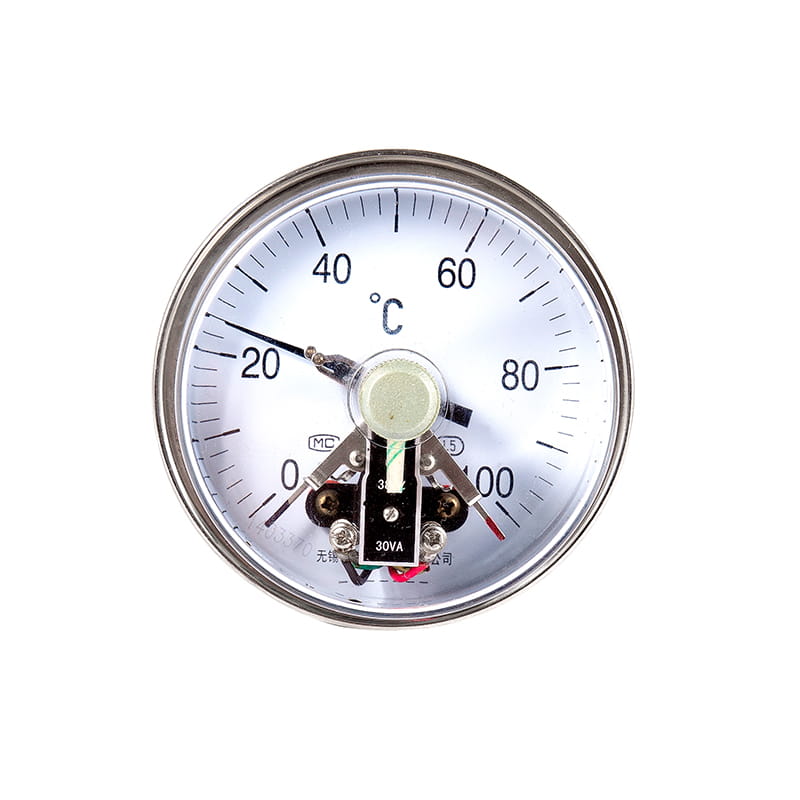
◆ Model: WSSXC-4 ◆ Application: This series of thermometers has the characteristics of no mercury da...
See Details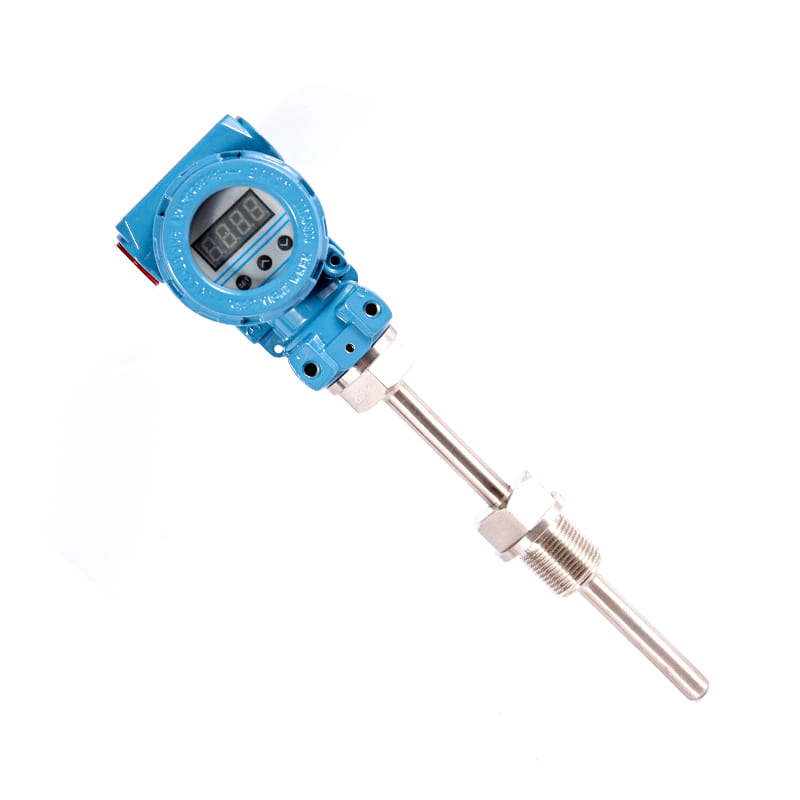
◆ Model: WSZC-1 ◆ Overview: The transmitter is composed of advanced circuit module integration techn...
See Details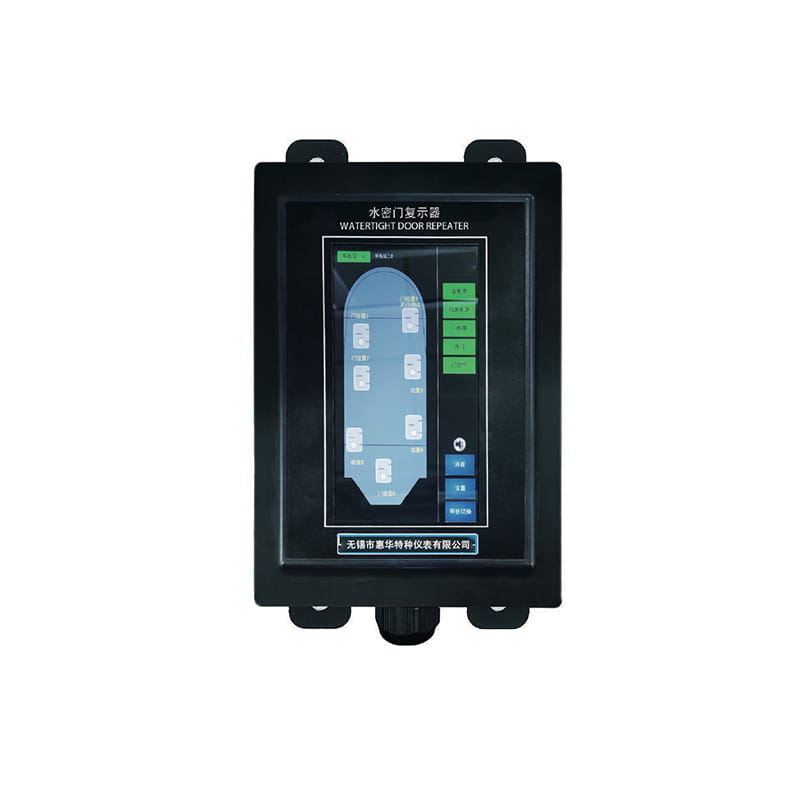
The waterless door alarm system emphasizes the interaction between humans and machines, addressing t...
See Details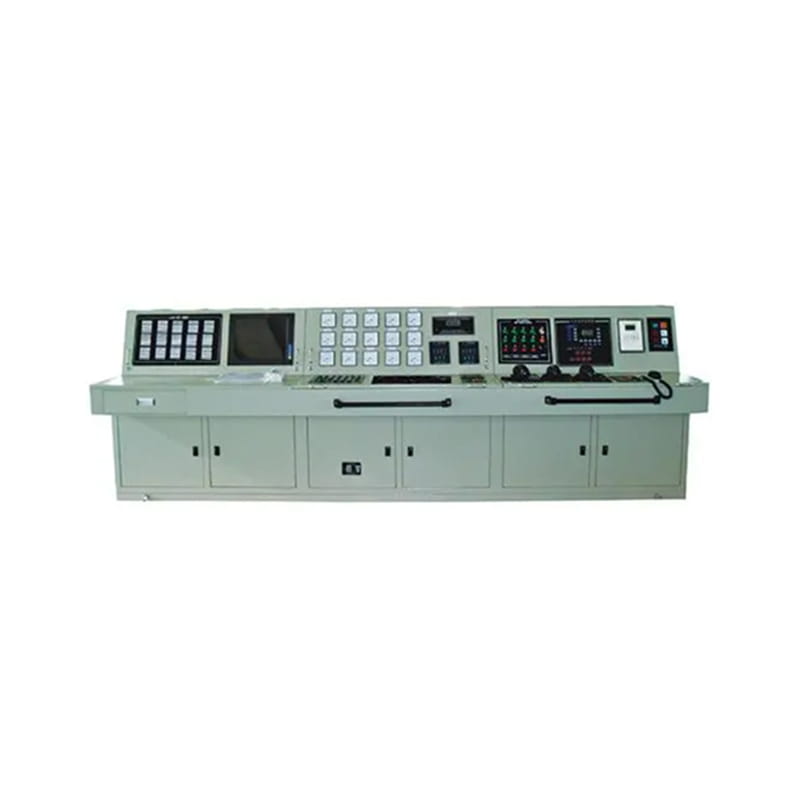
The Engine room monitoring alarm system is crucial for ensuring the safety and efficiency of operati...
See Details


