

 English
 русский
 Español
 عربى
عربى
YG high temperature resistant pressure gauge
Cat:Pressure Gauge
◆ Model: YG60 YG100 YG150◆ Use: All parts of this series of gauges are made of stainless steel, and ...
See DetailsContent
A digital pressure gauge is an electronic instrument designed to measure and display pressure values with high accuracy using digital technology. Unlike traditional analog pressure gauges that rely on mechanical components such as Bourdon tubes or diaphragms, digital pressure gauges use electronic sensors combined with microprocessors to convert pressure into readable numerical data. This digital output improves precision, readability, and consistency, making the device especially suitable for modern industrial environments.
In industrial applications, digital pressure gauges are widely used to monitor gases and liquids in pipelines, hydraulic systems, compressors, reactors, and processing equipment. Their ability to deliver stable readings, support multiple pressure units, and integrate with control systems has made them a preferred solution across manufacturing, energy, chemical processing, and automation industries.
Understanding how a digital pressure gauge works begins with its internal components. Each component contributes to accurate measurement and reliable performance under demanding industrial conditions.
These components work together to ensure fast response times, stable readings, and resistance to vibration or environmental interference.
The working principle of a digital pressure gauge is based on converting physical pressure into an electrical signal and then into a digital value. When pressure is applied to the sensor, it causes a slight deformation or change in electrical properties such as resistance or capacitance.
Most digital pressure gauges use strain gauge, piezoresistive, or capacitive sensors. These sensors respond to pressure by changing their electrical characteristics. The raw signal produced is typically very small and requires amplification and filtering to eliminate noise before further processing.
Once conditioned, the signal is sent to a microprocessor that converts it into a pressure value based on calibration data. The result is displayed digitally, often with options for unit conversion such as bar, psi, kPa, or MPa. Some gauges also store peak values or provide alarm outputs.
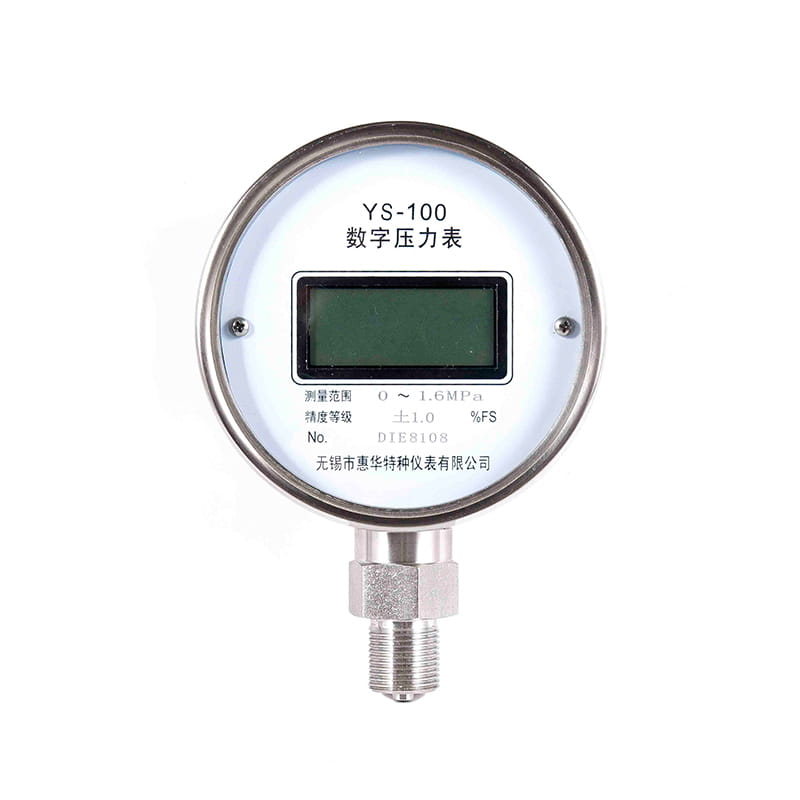
Digital pressure gauges offer several practical advantages that make them ideal for industrial use, especially in applications requiring accuracy and repeatability.
These benefits significantly improve operational efficiency and measurement reliability in industrial processes.
Digital pressure gauges are used across a wide range of industries due to their versatility and accuracy. Each application places different demands on the gauge’s performance and durability.
| Industry | Typical Use | Key Requirement |
| Manufacturing | Hydraulic and pneumatic systems | Accuracy and durability |
| Chemical Processing | Reactor and pipeline monitoring | Corrosion resistance |
| Energy | Oil, gas, and steam systems | High-pressure capability |
| Water Treatment | Pump and filter monitoring | Long-term stability |
Accuracy is one of the most critical parameters when selecting a digital pressure gauge. Industrial models typically offer accuracy levels ranging from ±0.5% to ±0.05% of full scale. Selecting the correct pressure range is equally important, as operating too close to maximum capacity can reduce measurement life and reliability.
Regular calibration ensures that the gauge maintains its specified accuracy over time. Many digital pressure gauges support easy zero adjustment or external calibration, reducing downtime during maintenance.
Industrial environments can be harsh, involving temperature extremes, moisture, vibration, and chemical exposure. Digital pressure gauges are often designed with sealed housings, stainless steel wetted parts, and wide operating temperature ranges to handle these conditions.
Proper installation also affects performance. Factors such as mounting orientation, pressure pulsation, and electrical interference should be considered to achieve stable and reliable readings.
Many modern digital pressure gauges include advanced features that enhance usability and system integration. These features go beyond basic pressure display.
These features allow digital pressure gauges to function not only as indicators but also as active components within automated control systems.
Choosing the right digital pressure gauge requires balancing technical requirements with operational needs. Buyers should consider application pressure range, required accuracy, environmental exposure, and compatibility with existing systems.
By carefully evaluating these factors, industrial users can ensure reliable pressure measurement, improved process control, and long-term cost efficiency.
A digital pressure gauge is an essential instrument in modern industrial applications, offering superior accuracy, clarity, and functionality compared to traditional mechanical gauges. By understanding how these devices work and how they are applied across industries, users can make informed decisions that enhance safety, efficiency, and process reliability in pressure measurement systems.
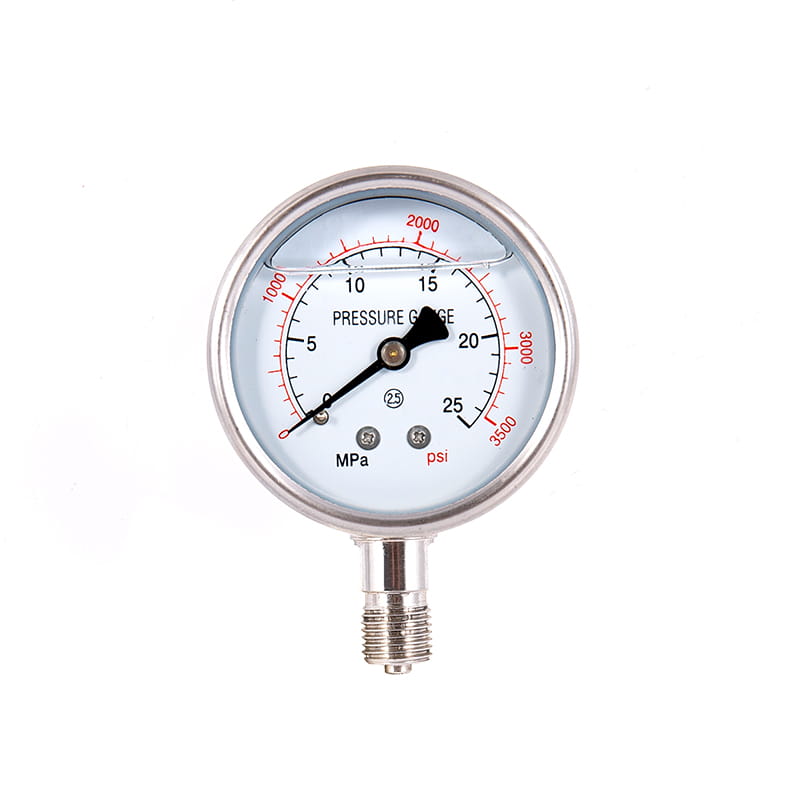
◆ Model: YG60 YG100 YG150◆ Use: All parts of this series of gauges are made of stainless steel, and ...
See Details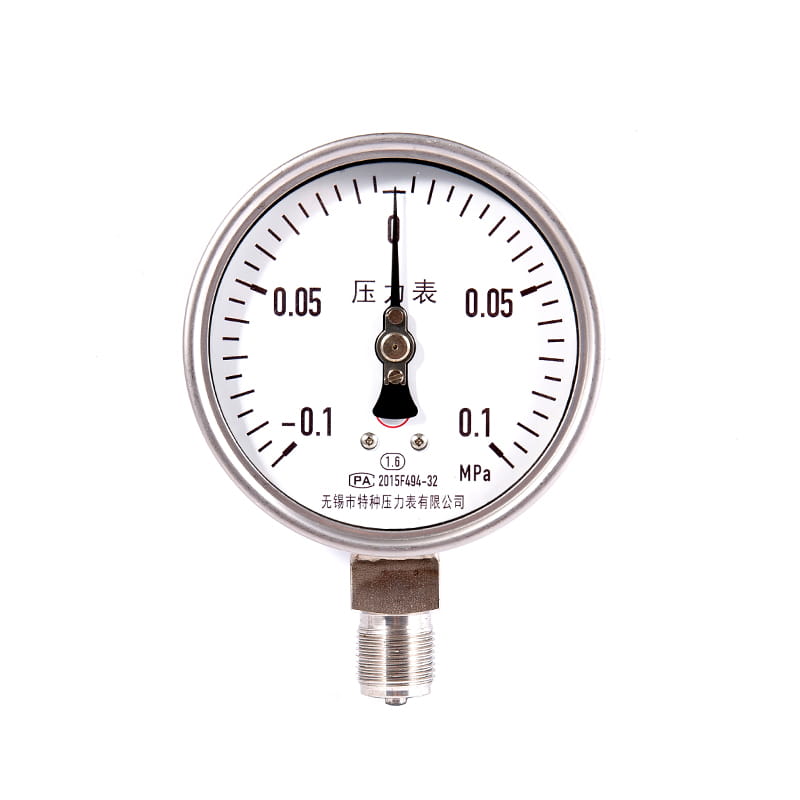
◆ Model: YQ40 YQ50 YQ60 YQ75 YQ100 YQ150◆ Use: This series of gauges are all made of stainless steel...
See Details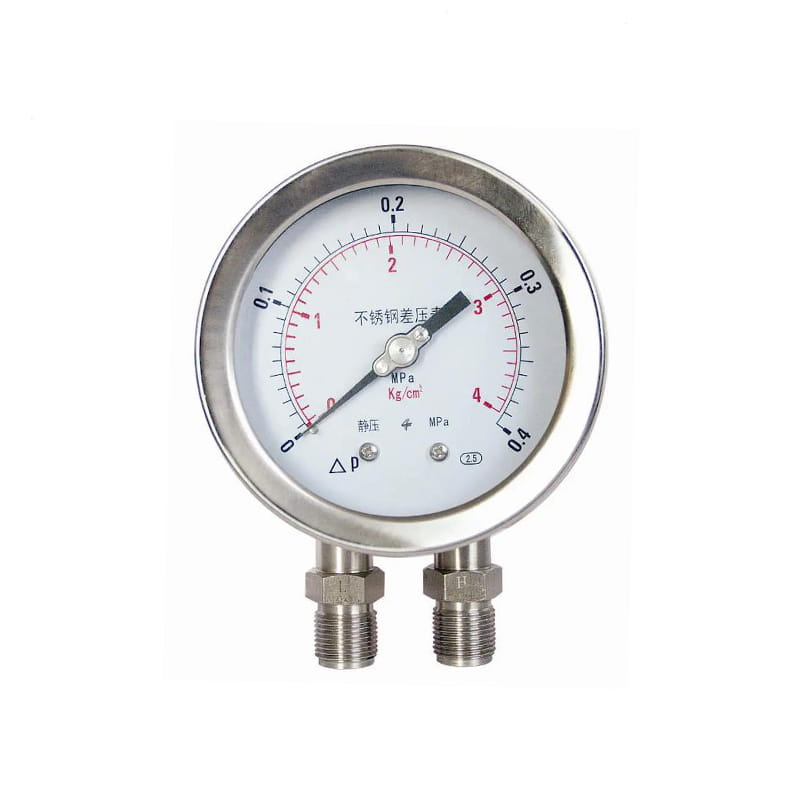
◆ Model: YJY100 YJY150◆ Use: Absolute pressure refers to the pressure which is higher than absolute ...
See Details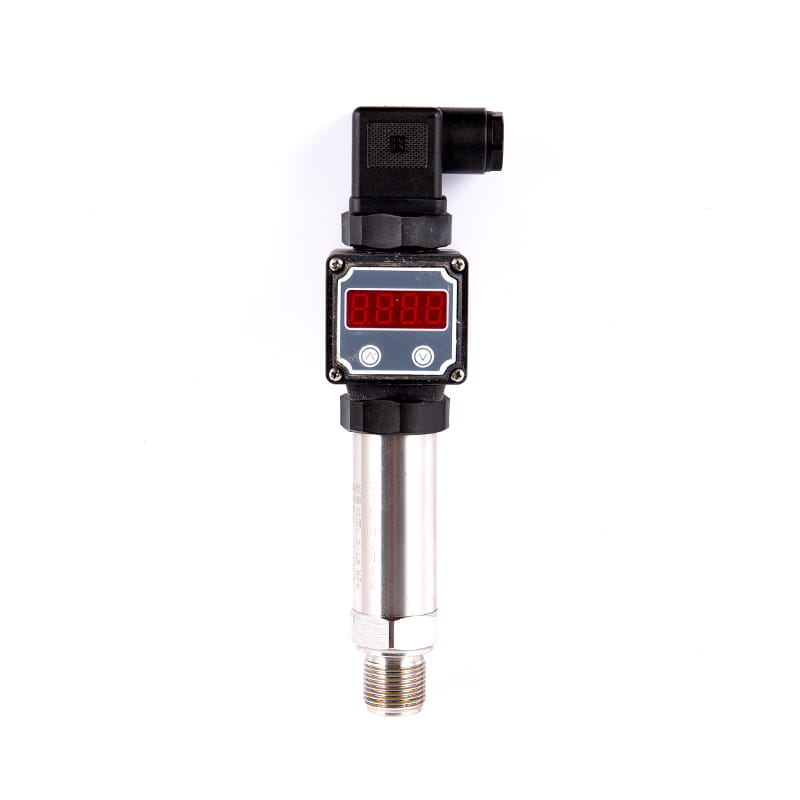
1. Overview This pressure transmitter has high sensitivity, high precision and strong anti-overload ...
See Details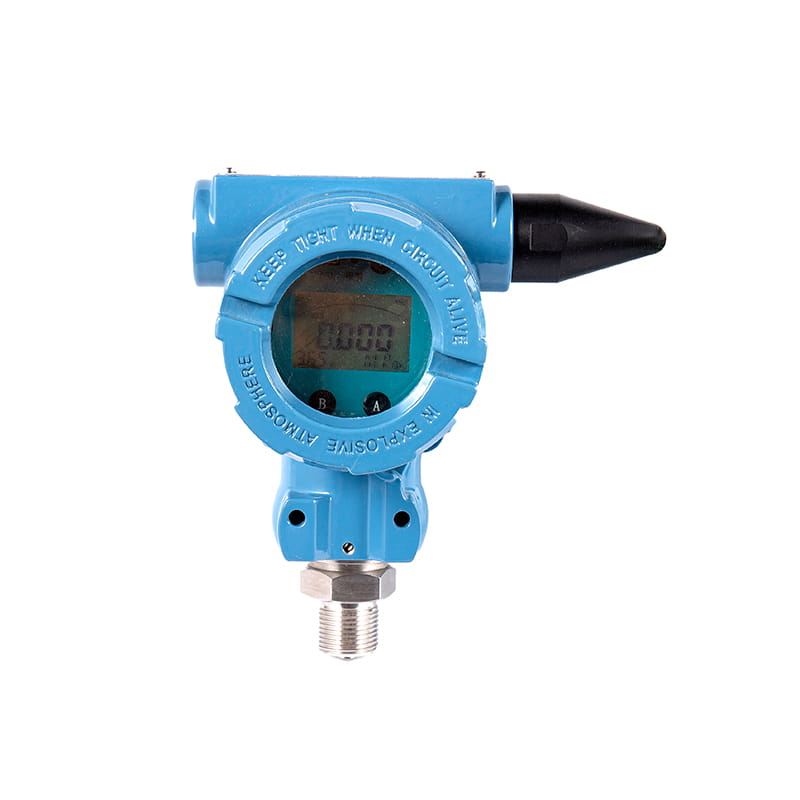
1. Overview This pressure transmitter has high sensitivity, high precision and strong anti-overload ...
See Details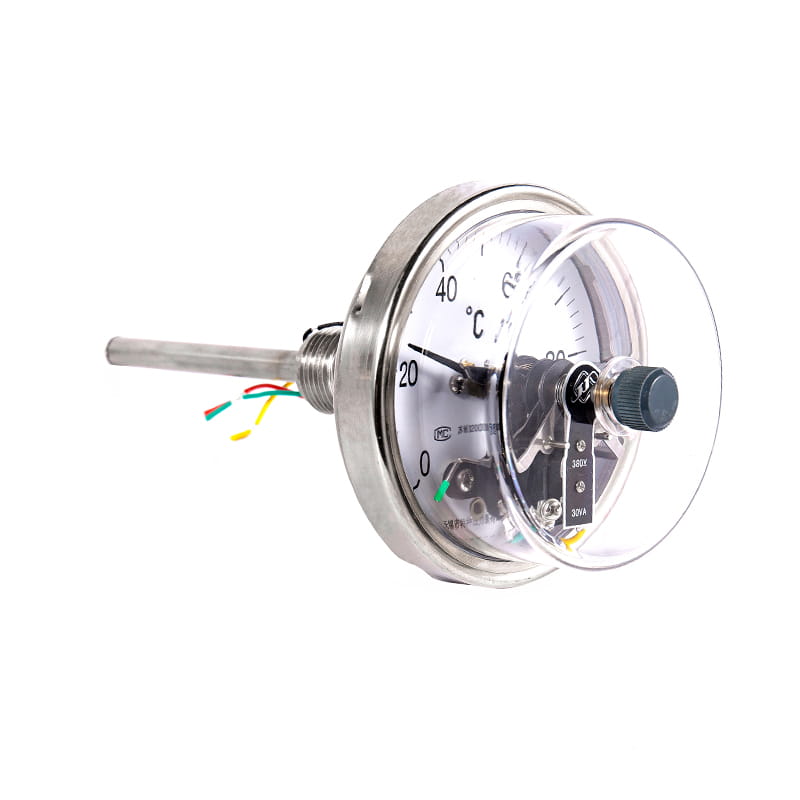
◆ Model: WSSX-4 ◆ Application: The electric contact bimetal thermometer has the characteristics of n...
See Details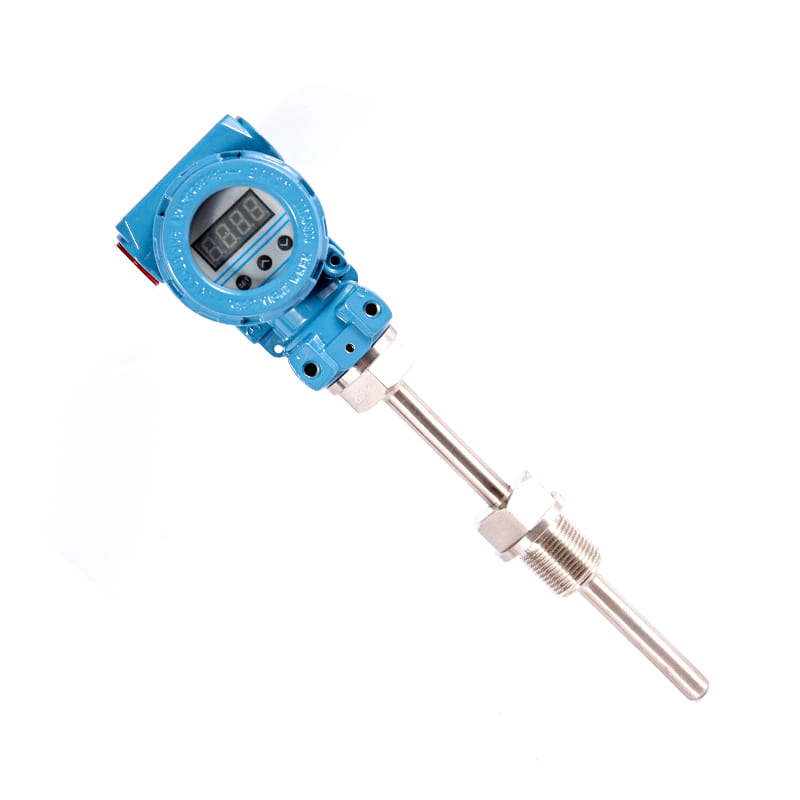
◆ Model: WSZC-1 ◆ Overview: The transmitter is composed of advanced circuit module integration techn...
See Details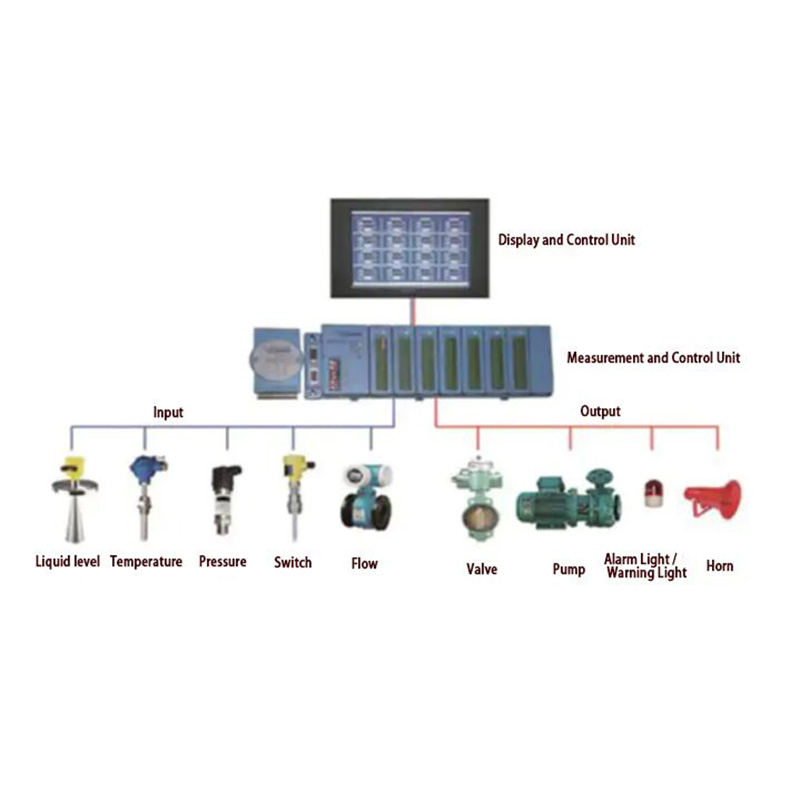
The Liquid cargo monitoring alarm system prioritizes effective agreements, strong security, and stab...
See Details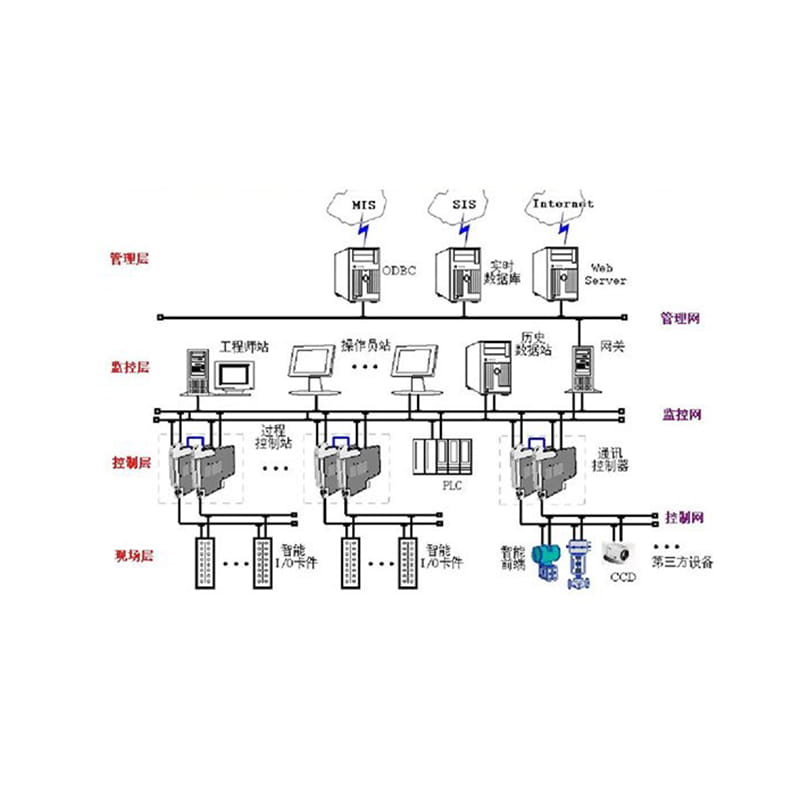
The DCS System is designed with an open architecture, allowing for seamless integration and flexibil...
See Details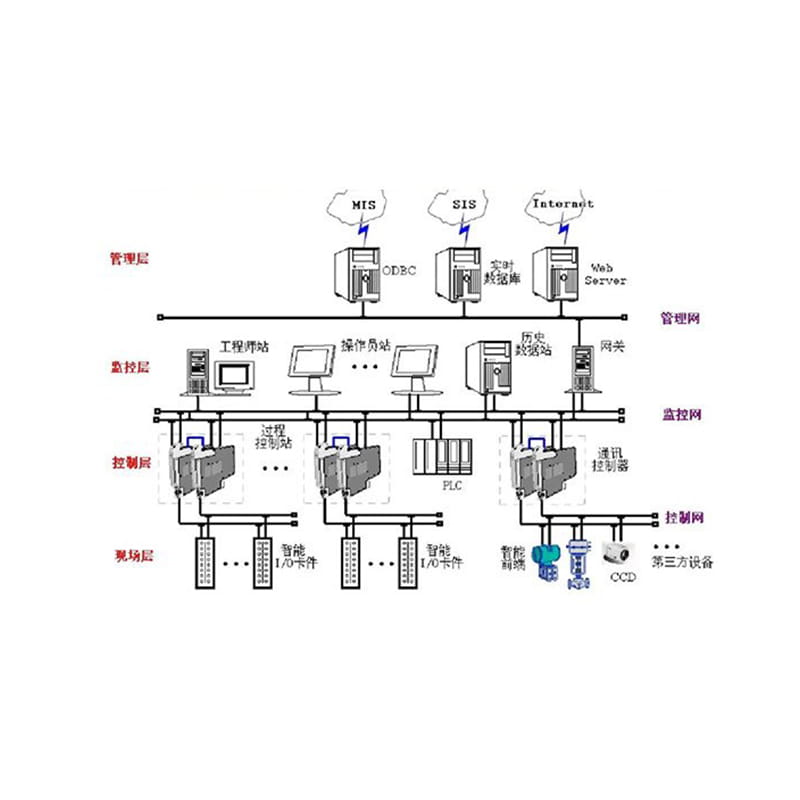
The SIS System is engineered to provide exceptional security and reliability in hazardous environme...
See Details


