

 English
 русский
 Español
 عربى
عربى
YC series marine pressure gauge
Cat:Pressure Gauge
◆ Model: YC40 YC50 YC60 YC75 YC100 YC150◆ Use: This series of instruments are suitable for measuring...
See Details
Both pressure transmitters and pressure gauges are instruments used to measure pressure under various working conditions, yet they differ significantly in working principles, functions, and application scenarios.
Working Principles and Output Modes
Pressure Gauges: They utilize elastic components (e.g., bourdon tubes, C-type tubes) to sense pressure. Through mechanical transmission, a pointer directly displays the pressure value on a dial. The output is a scale indication, and the device itself has a built-in display function.
Pressure Transmitters: They convert pressure signals into standard electrical signals (e.g., 4-20mA DC). They must be connected to secondary instruments (e.g., ammeters, PLCs) for data display, with outputs in the form of current or voltage signals, which are used for remote transmission and automated control.
Accuracy and Calibration
Pressure Gauges: They feature relatively low accuracy (have ±1%, ±1.6%, or ±2.5%). Calibration requires metrological qualification and usually involves multiple checkpoints (e.g., 5 points), with possible variations in hysteresis errors.
Pressure Transmitters: They offer high accuracy (typically ±0.1%, ±0.25%, or ±0.5% F.S.). Calibration demands high-precision standard instruments, and intelligent models generally only require zero-point and full-scale calibration.
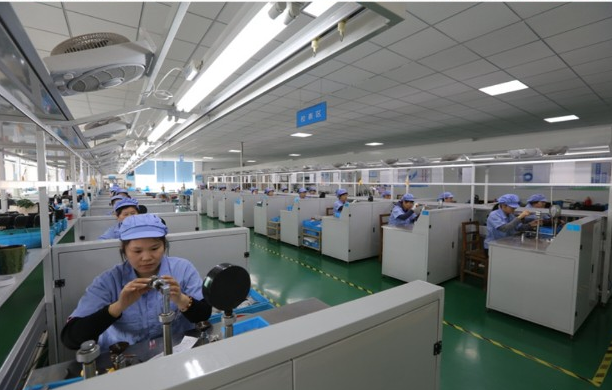
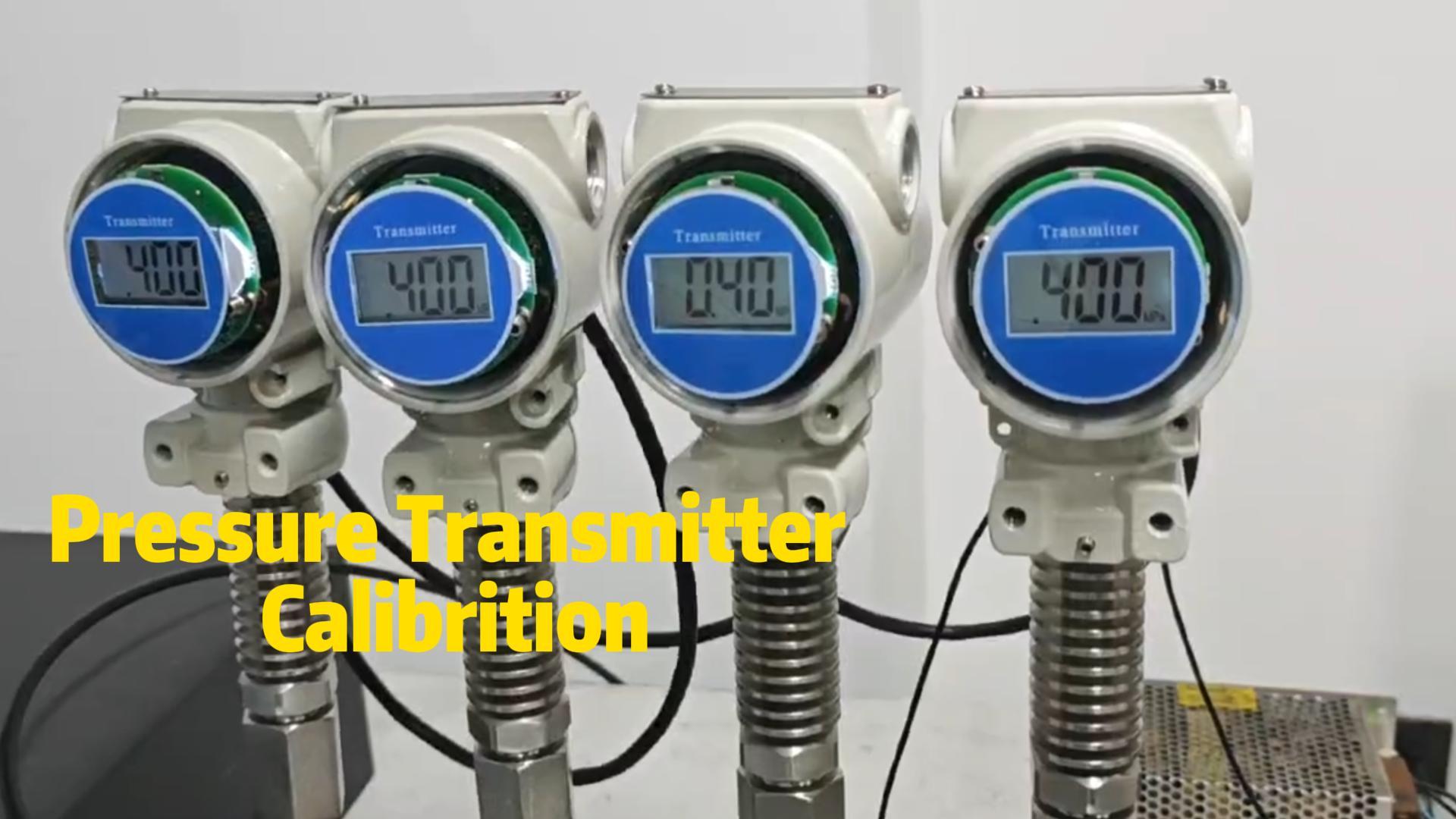
Pressure Guages calibration Pressure Transmitters Calibration
Application Scenarios
Pressure Gauges: They are suitable for occasions where accuracy requirements are not stringent and only on-site visual readings are needed, such as distillation workshops and clean production workshops in pharmaceutical manufacturing, pipelines at oil drilling sites, ship engine rooms, automation equipment, and pipeline systems in food processing plants.
Pressure Transmitters: They are applied in industrial automated control systems that require remote transmission, recording, and regulation of pressure data, such as chemical, petroleum, water treatment, shipping, and automation equipment industries.
Installation and Maintenance
Pressure Gauges: They can be directly mounted on pipelines or equipment, with simple maintenance procedures.
Pressure Transmitters: Factors such as power supply, explosion protection, anti-freezing, and anti-interference must be taken into account during installation, and their mounting locations should avoid high temperatures, vibrations, and corrosion.
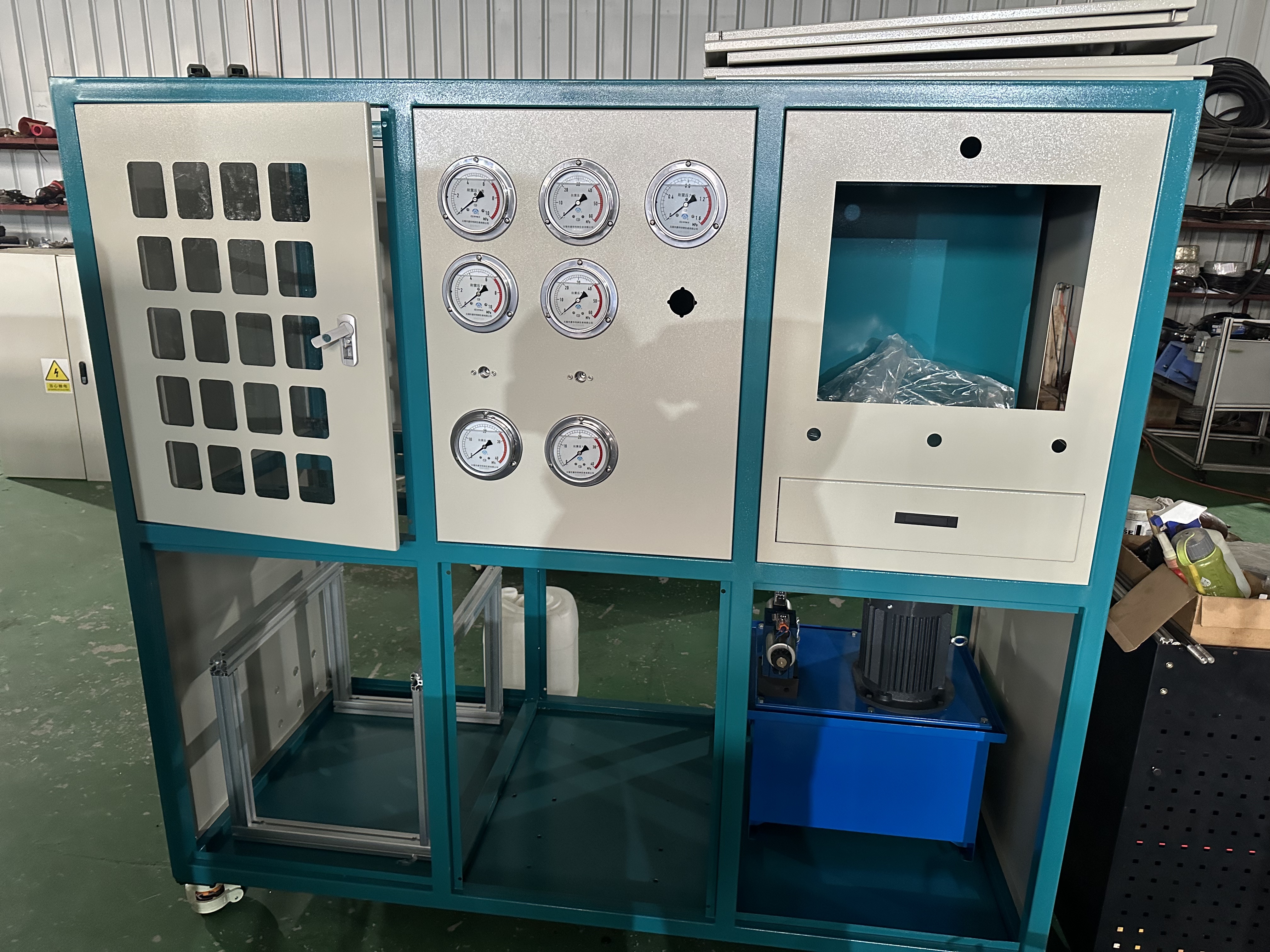
Our Huaihua brand back-mounted stainless steel pressure gauges are used in automatic equipment (manufacturers of automatic equipment).
In short, pressure gauges are suited for simple and intuitive pressure measurement, while pressure transmitters are designed for high-precision and automated control needs. The selection between them should be determined based on specific working conditions and accuracy requirements.
In the next time, we will special discuss the differences in maintenance between pressure gauges and pressure transmitters.
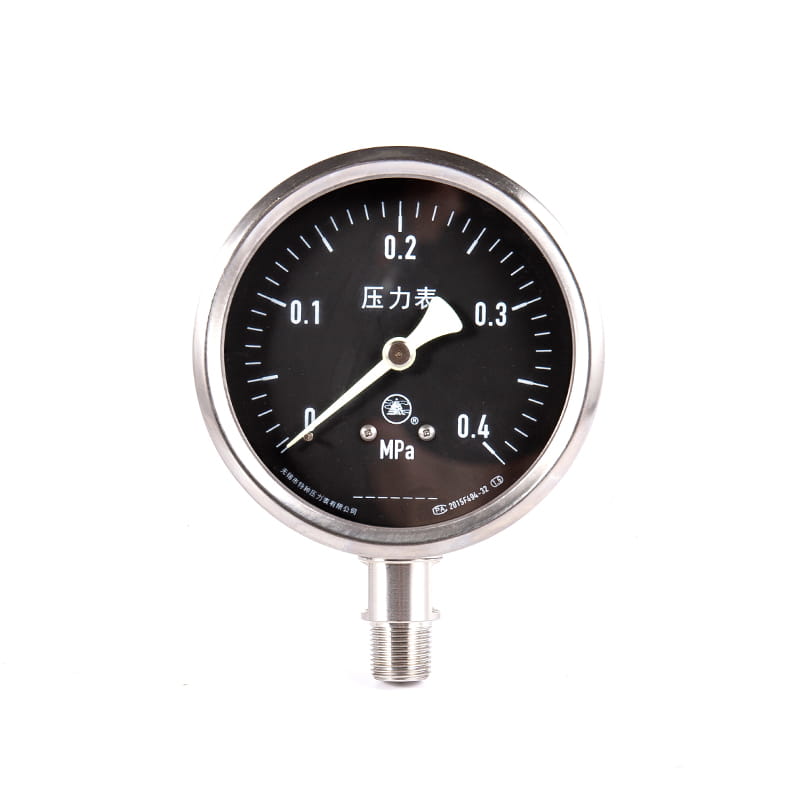
◆ Model: YC40 YC50 YC60 YC75 YC100 YC150◆ Use: This series of instruments are suitable for measuring...
See Details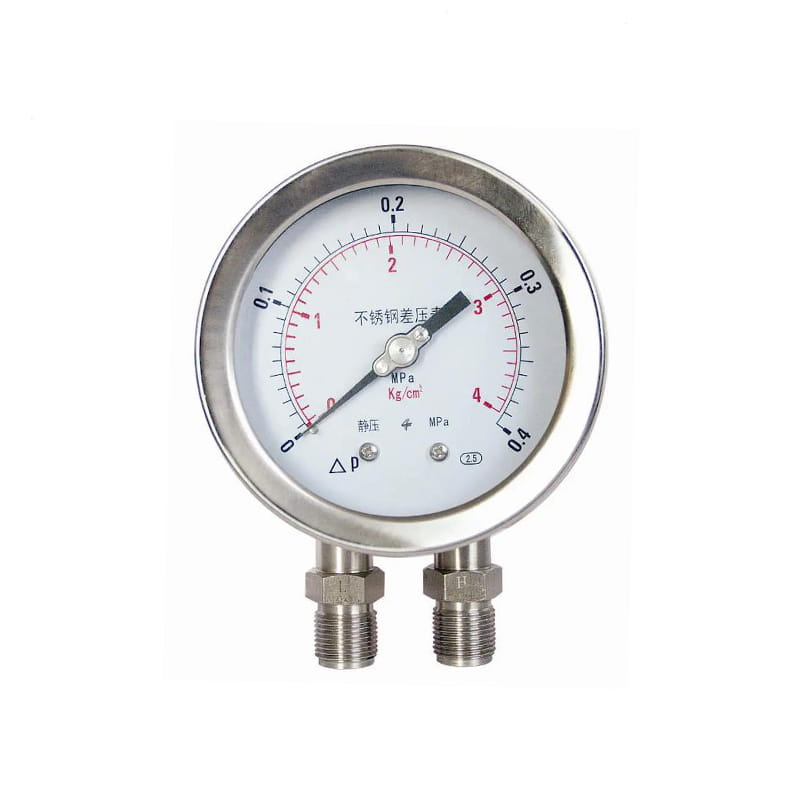
◆ Model: YJY100 YJY150◆ Use: Absolute pressure refers to the pressure which is higher than absolute ...
See Details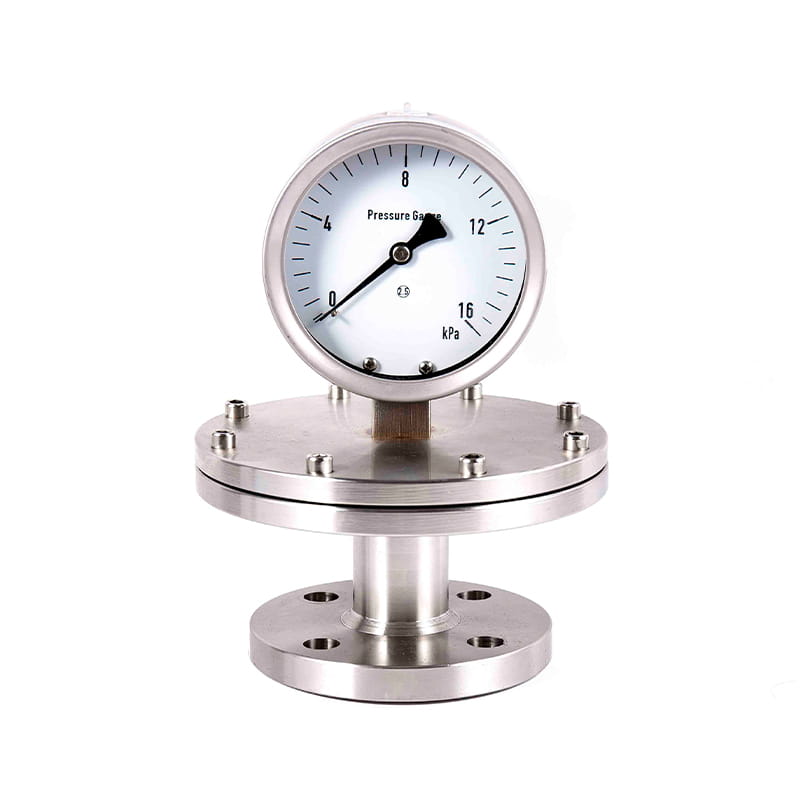
◆ Model: YP100-L YP150-L YP100-F YP150-F ◆ Application: YP series instrument diaphragm and structura...
See Details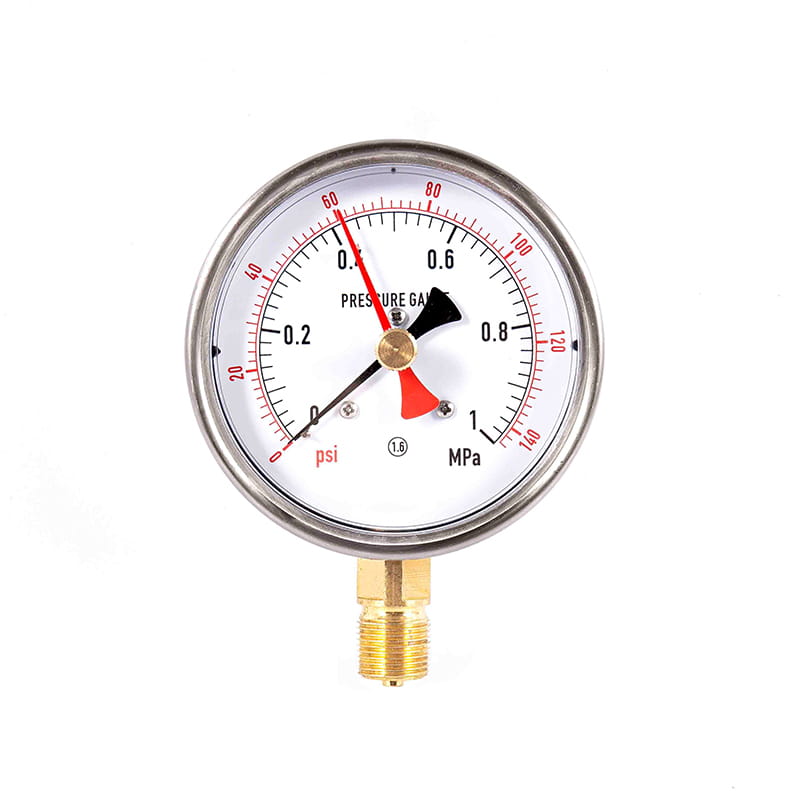
◆ Model: YL40 YL50 YL60 YL75 YL100 YL150 ◆ Needle-retaining pressure gauges is composed of a general...
See Details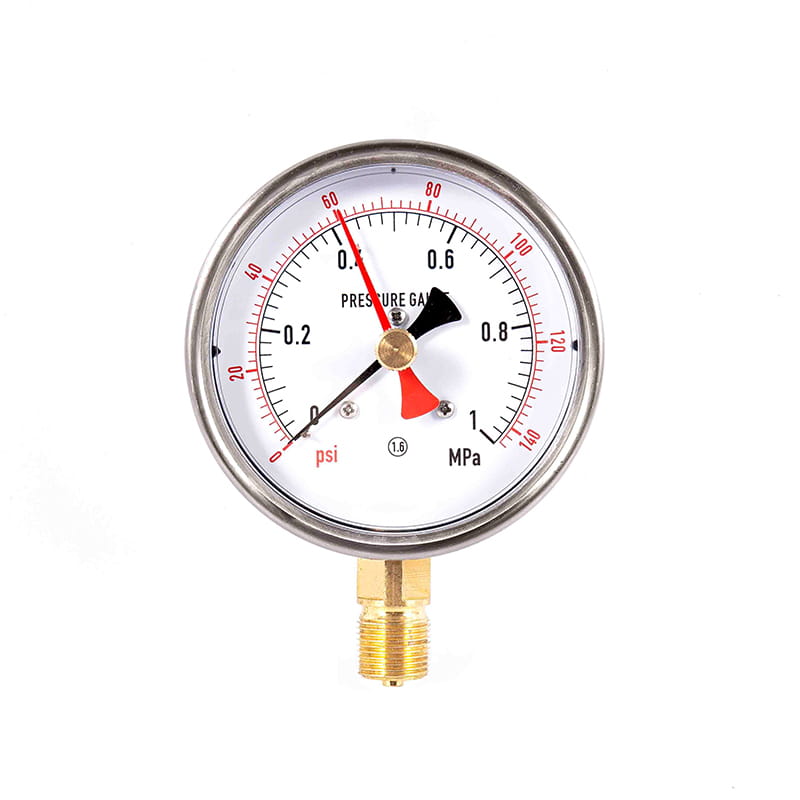
◆ Model: YZS102 ◆ Application: Double-needle double-tube pressure gauges is mainly used in rolling ...
See Details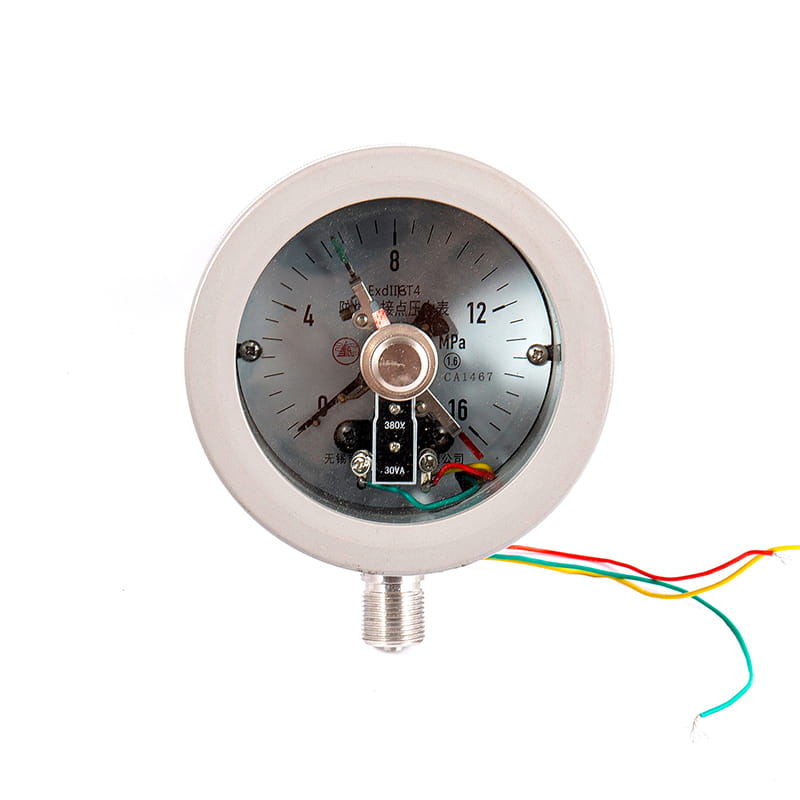
◆ Model: YTX100B YTX150B ◆ Uses: Explosion-proof electric contact pressure gauge is specially used i...
See Details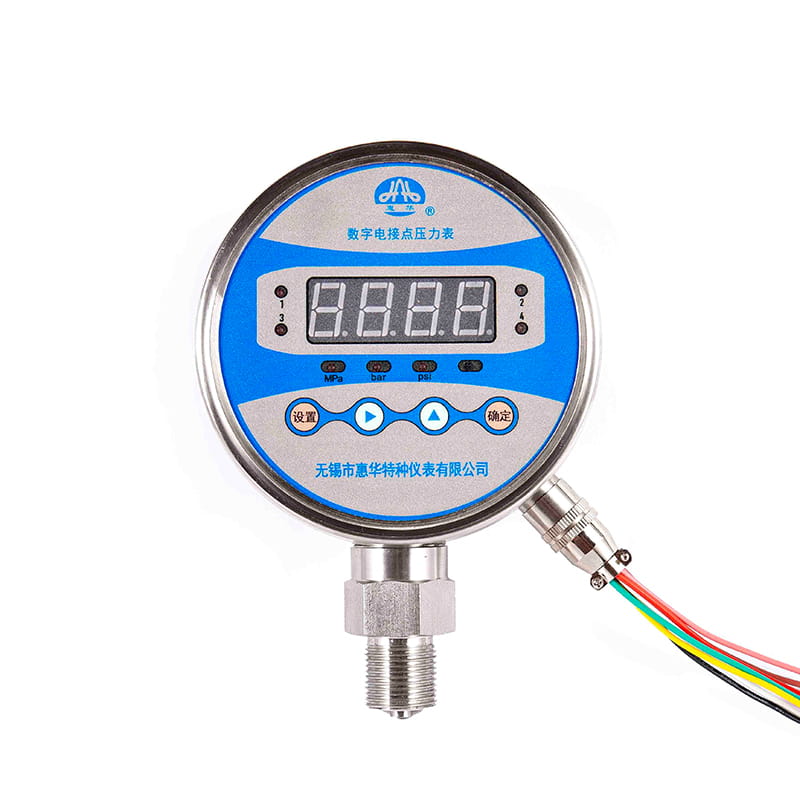
◆ Model: YSX100 ◆ Introduction: Intelligent digital electric word contact pressure gauge is a set o...
See Details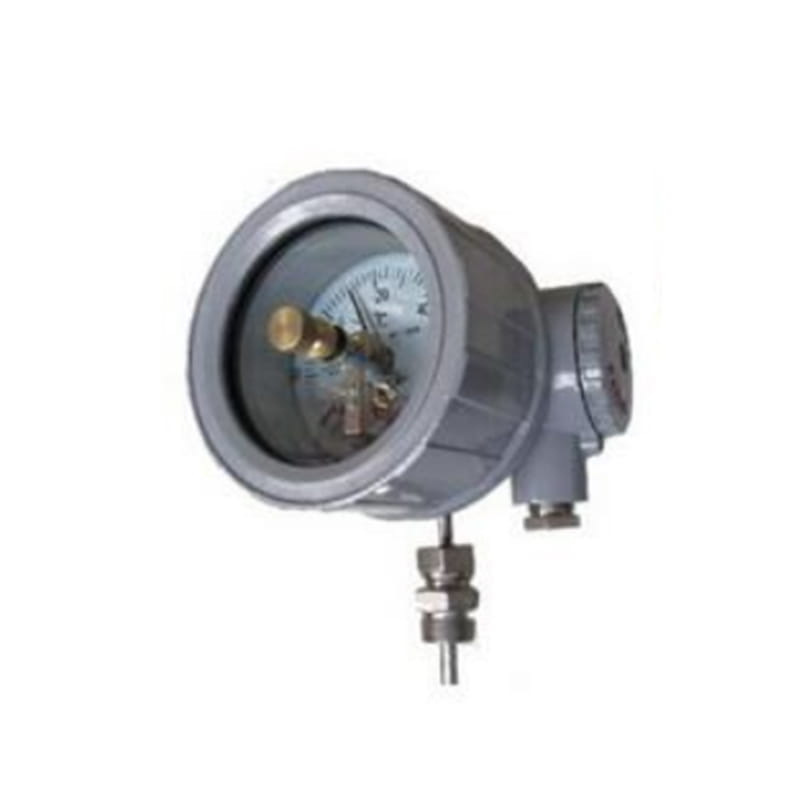
◆ Model: WSSX411B WSSX511B ◆ Introduction: This instrument is in accordance with the national standa...
See Details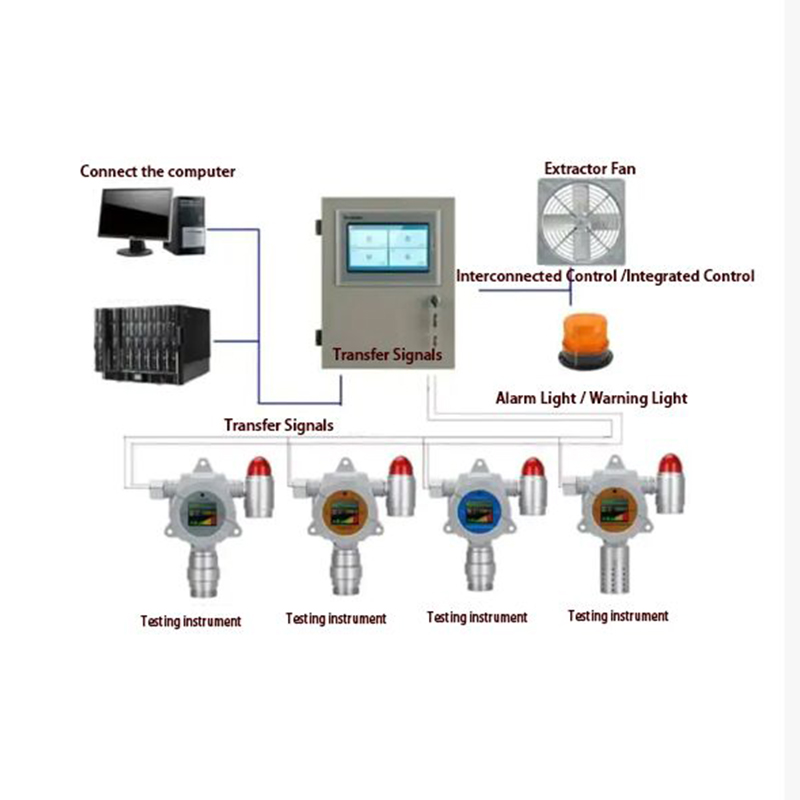
The gas monitoring alarm system is designed for optimal safety and usability. It features a user-fri...
See Details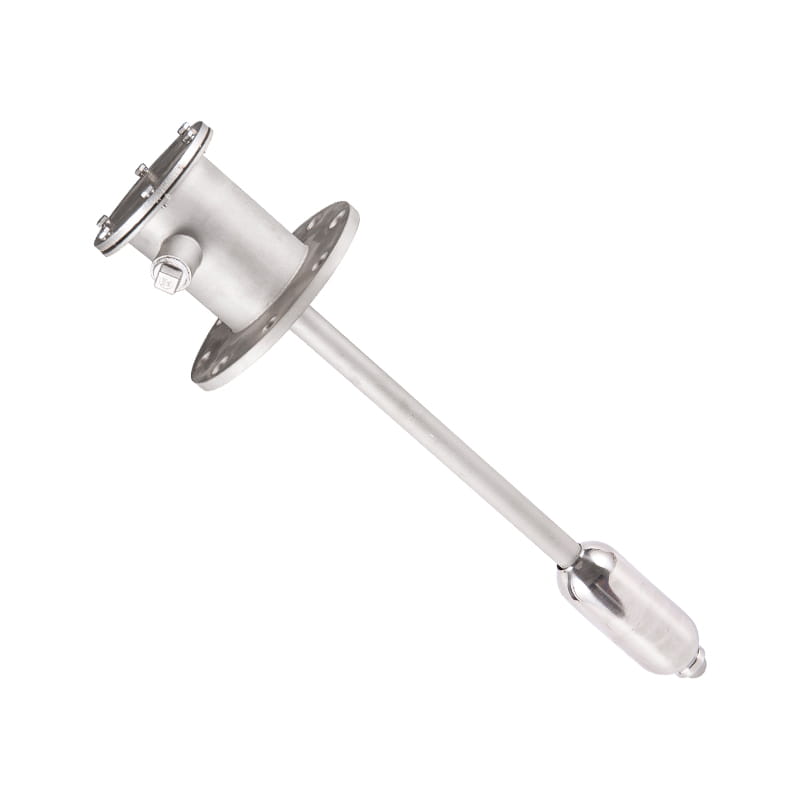
The Float level controller UHK features a simple structure that ensures easy installation and mainte...
See Details


