

 English
 русский
 Español
 عربى
عربى
YEB series stainless steel diaphragm pressure gauge
Cat:Pressure Gauge
◆ Model:YEB60 YEB100 YEB150◆ Use: This series of instruments are suitable for measuring the low micr...
See DetailsContent
A differential pressure gauge measures the difference in pressure between two points in a system. Unlike standard pressure gauges, which measure absolute or gauge pressure, differential pressure gauges provide critical data for monitoring filters, pumps, flow systems, and process control operations.
By comparing two points, these gauges can detect flow restrictions, clogged filters, and pressure drops, which are essential for maintaining system efficiency, safety, and reliability in industrial applications.
Differential pressure gauges come in various types depending on measurement method, media, and application requirements. The most common types include mechanical, electronic, and digital gauges.
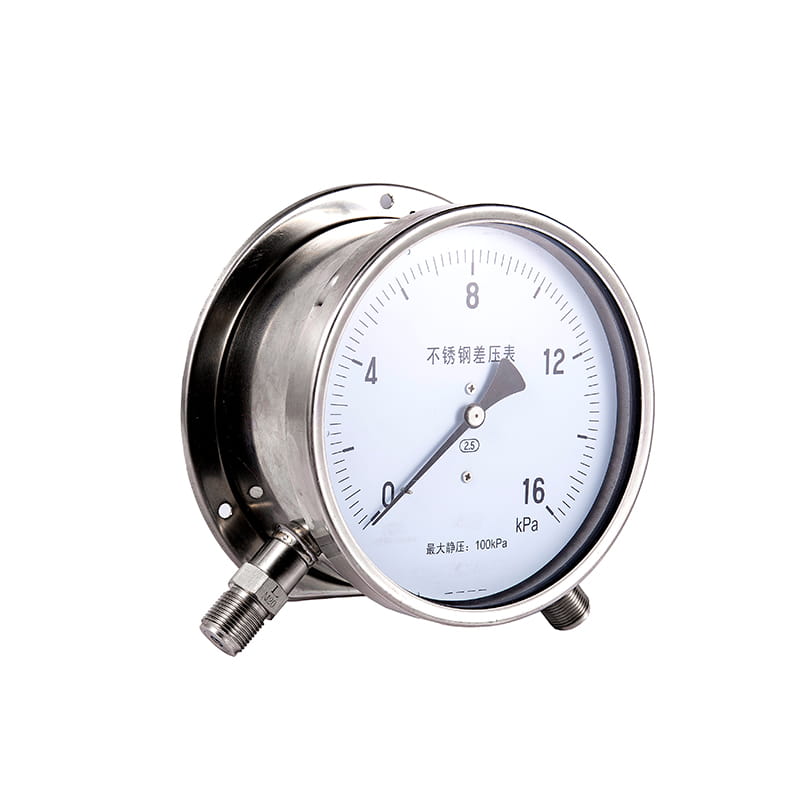
Selecting the correct pressure range is crucial for accurate measurement. Gauges must be able to cover the expected differential pressure without exceeding their maximum limit. Using a gauge beyond its range can damage the instrument or produce inaccurate readings.
Accuracy is equally important. Industrial applications often require gauges with a tolerance of ±1% to ±2% of full scale. Consider both the measurement precision required and the criticality of the system when choosing a gauge.
The materials used in the construction of the gauge must be compatible with the process media. Common materials include stainless steel, brass, and plastic. Stainless steel is preferred for corrosive or high-temperature applications, while brass is suitable for non-corrosive fluids.
Consider the diaphragm and seal materials as well, especially in applications involving aggressive chemicals or high-viscosity fluids. Choosing the right materials prevents leaks, prolongs gauge life, and ensures accurate readings.
Differential pressure gauges can be mounted directly on equipment, panel-mounted, or remotely installed via impulse lines. The installation method affects ease of reading, accessibility, and measurement accuracy.
Direct mounting is ideal for localized measurement, while remote mounting allows gauges to be read from a control room, minimizing exposure to hazardous environments. Impulse lines should be properly sized and free of blockages to maintain accurate pressure readings.
The operating environment affects gauge performance and lifespan. Consider temperature extremes, vibration, humidity, and exposure to chemicals or dust. Gauges with protective enclosures, liquid-filled cases, or vibration-dampening features perform better under harsh conditions.
For outdoor installations, choose weatherproof models, while indoor installations may allow simpler designs. Proper selection reduces maintenance needs and ensures long-term reliability.
Gauge connections vary in size and type, including threaded, flange, and sanitary connections. Compatibility with existing piping is essential for correct installation and leak-free operation.
Impulse line connections must match process equipment, and the gauge port size should be adequate to prevent measurement lag or pressure drop. Selecting the right connection ensures accurate readings and simplifies maintenance.
Regular calibration ensures differential pressure gauges maintain accuracy over time. Depending on application criticality, gauges may require calibration every 6 to 12 months. Digital gauges often feature self-diagnostics, while mechanical gauges may need manual calibration.
Maintenance considerations include cleaning, inspecting for leaks, and replacing worn components. Choosing gauges with easy maintenance access reduces downtime and ensures consistent measurement performance.
Some gauges offer additional features such as differential range switching, alarm outputs, or integration with data logging systems. These features can enhance safety, process control, and data tracking for industrial operations.
Identify the specific requirements of your application, including the need for remote monitoring, automation integration, or visual alarms, to select the most suitable differential pressure gauge.
Choosing the right differential pressure gauge requires careful consideration of pressure range, accuracy, materials, installation, environmental conditions, connection type, and application-specific features. Proper selection ensures accurate measurement, system efficiency, and long-term reliability.
By evaluating each factor and understanding the specific needs of the application, industries can select gauges that optimize process control, enhance safety, and reduce maintenance costs.
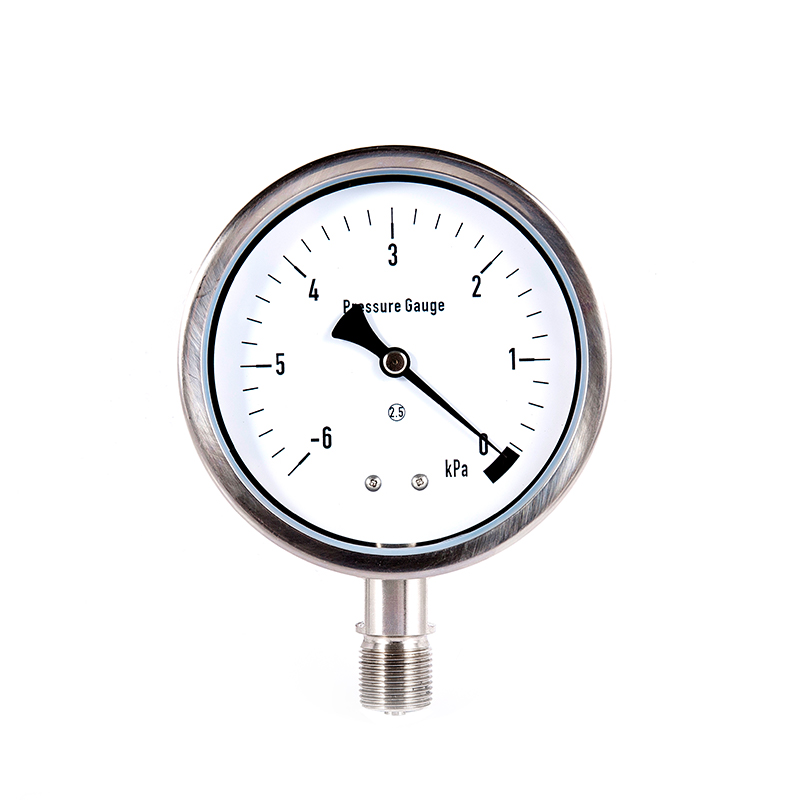
◆ Model:YEB60 YEB100 YEB150◆ Use: This series of instruments are suitable for measuring the low micr...
See Details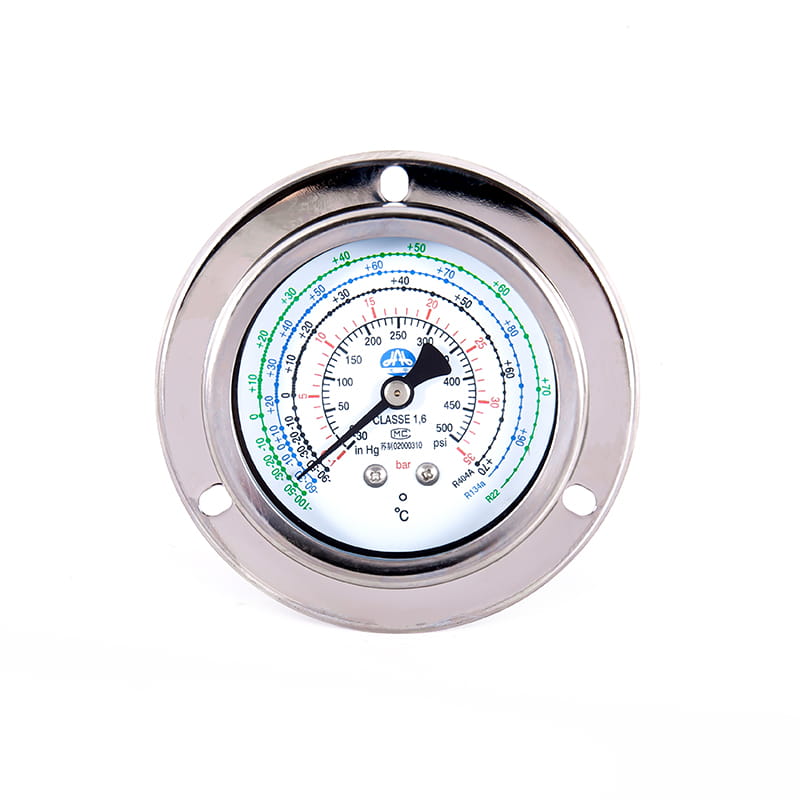
◆ Model: YLm60 YLm100 YLm150◆ Application: This series of instruments are special instruments for de...
See Details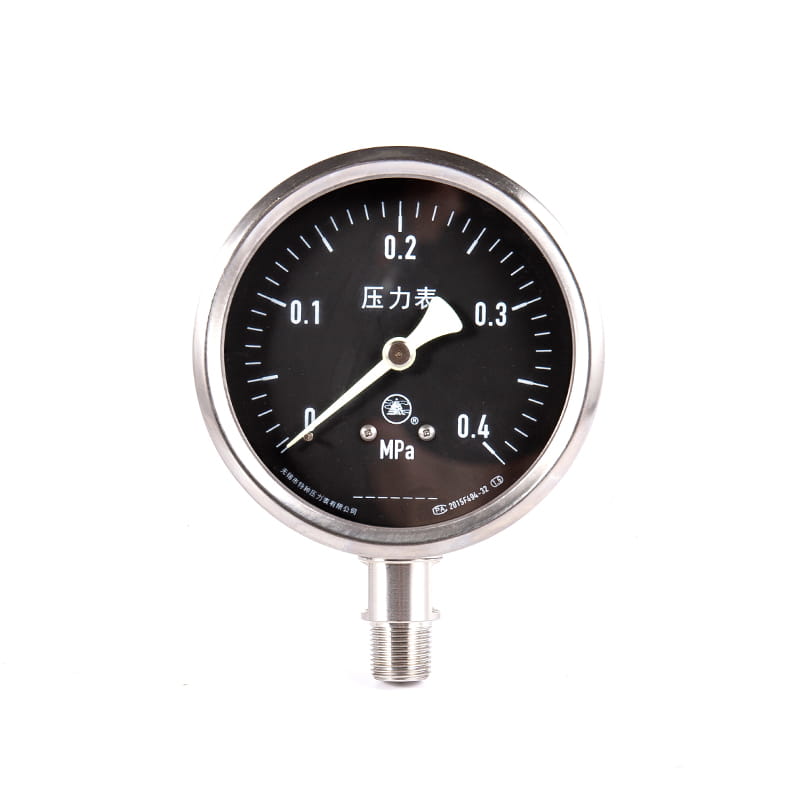
◆ Model: YC40 YC50 YC60 YC75 YC100 YC150◆ Use: This series of instruments are suitable for measuring...
See Details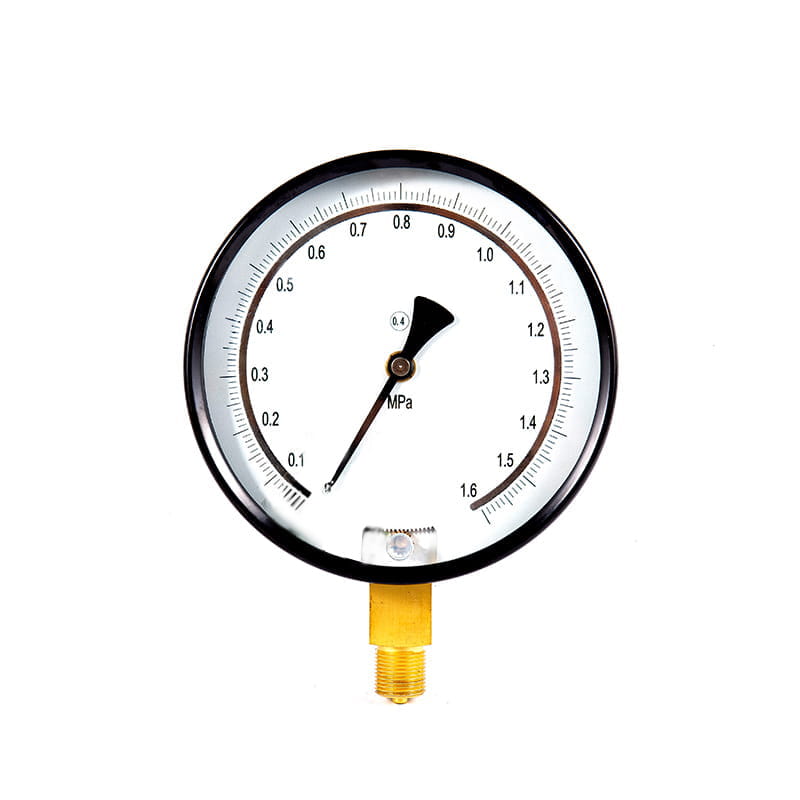
◆ Model: YJ150 YJ150A◆ Use: This series of instruments are mainly used to calibrate industrial or ci...
See Details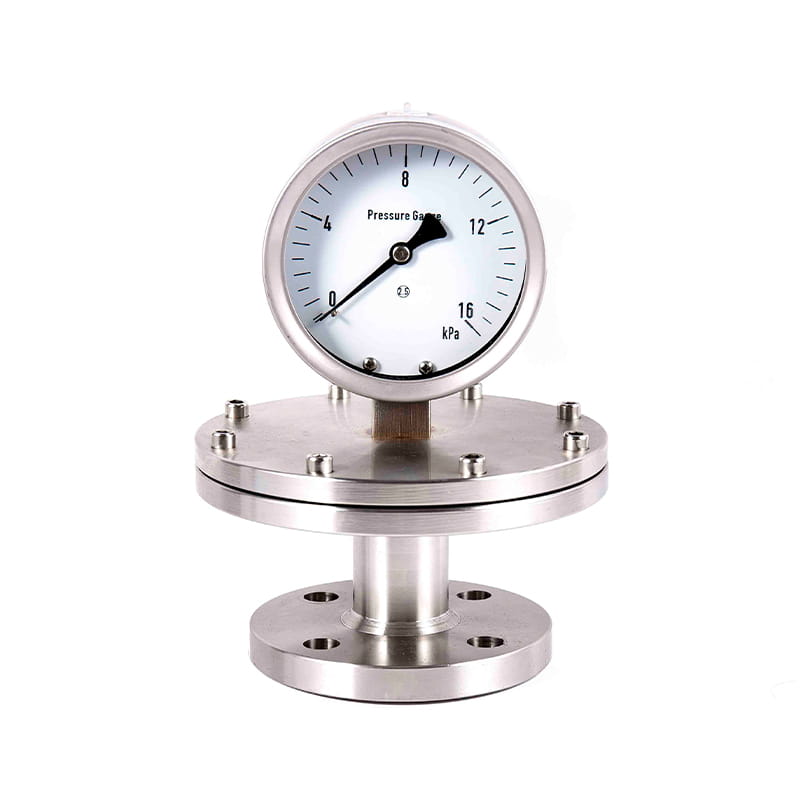
◆ Model: YP100-L YP150-L YP100-F YP150-F ◆ Application: YP series instrument diaphragm and structura...
See Details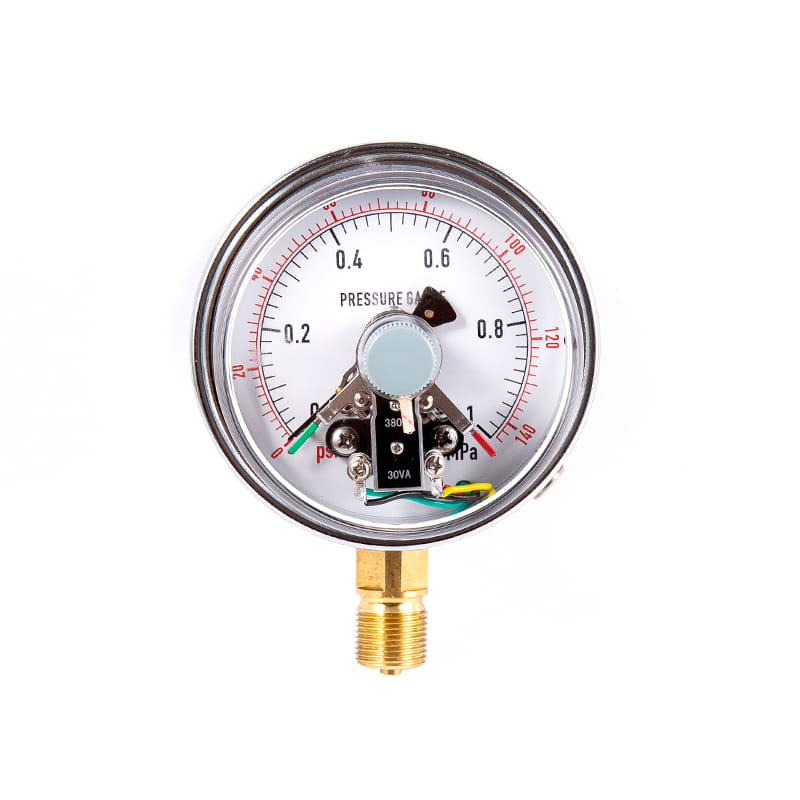
◆ Model: YXCh100 YXCh150 ◆ Application: Reed electric contact pressure gauge is suitable for measuri...
See Details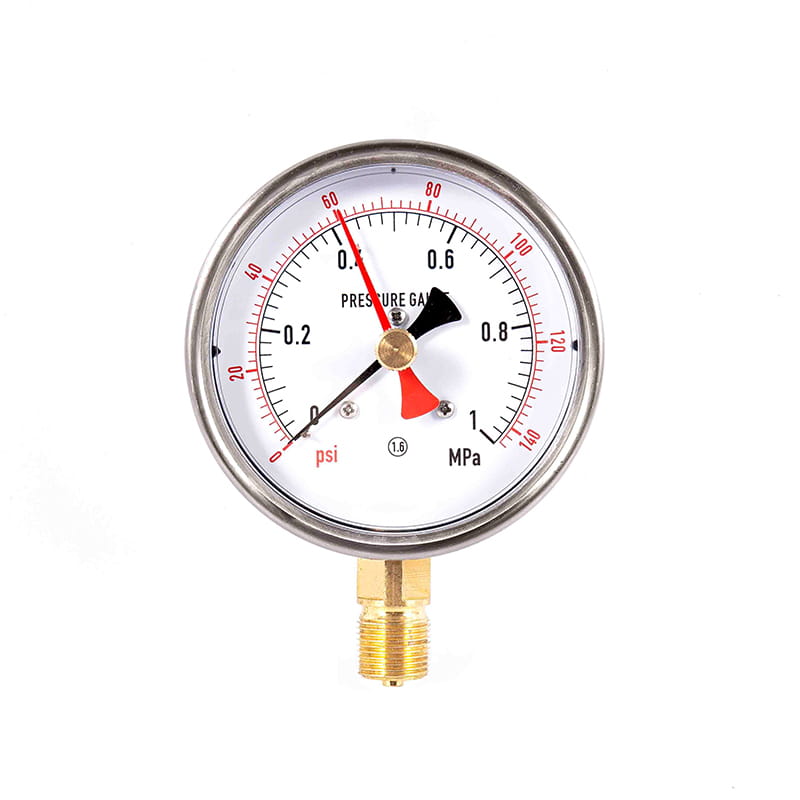
◆ Model: YZS102 ◆ Application: Double-needle double-tube pressure gauges is mainly used in rolling ...
See Details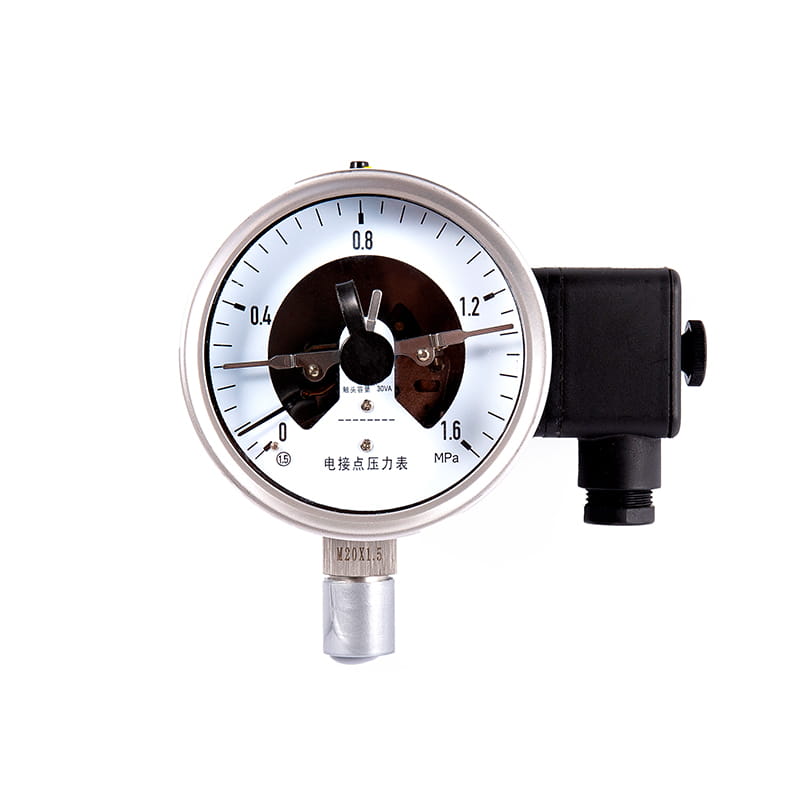
◆ Model: YXD100 YXD150 ◆ Uses: Photoelectric electric contact pressure gauge is a substitute for the...
See Details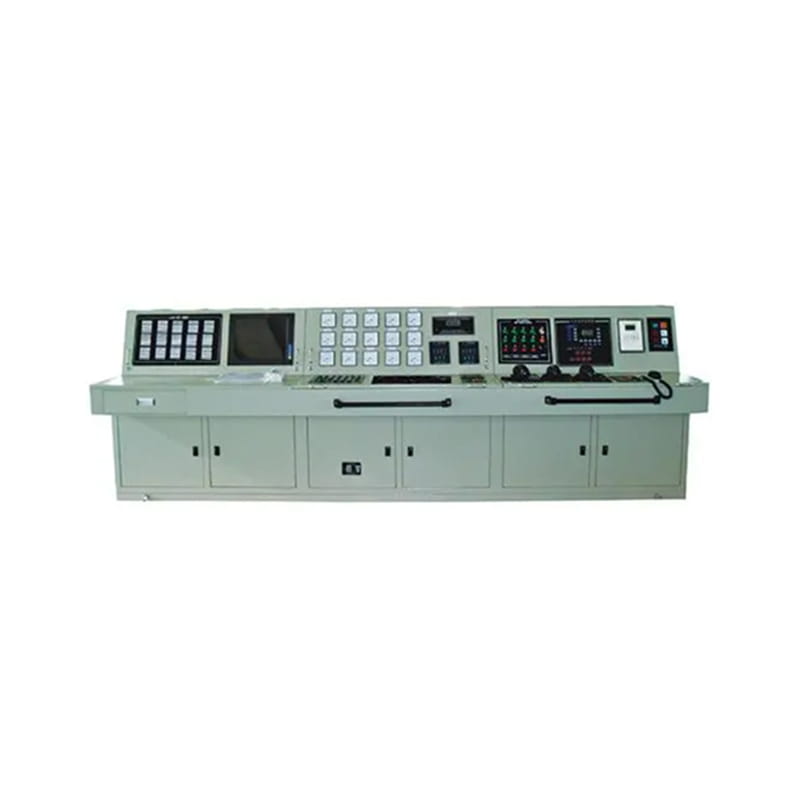
The Engine room monitoring alarm system is crucial for ensuring the safety and efficiency of operati...
See Details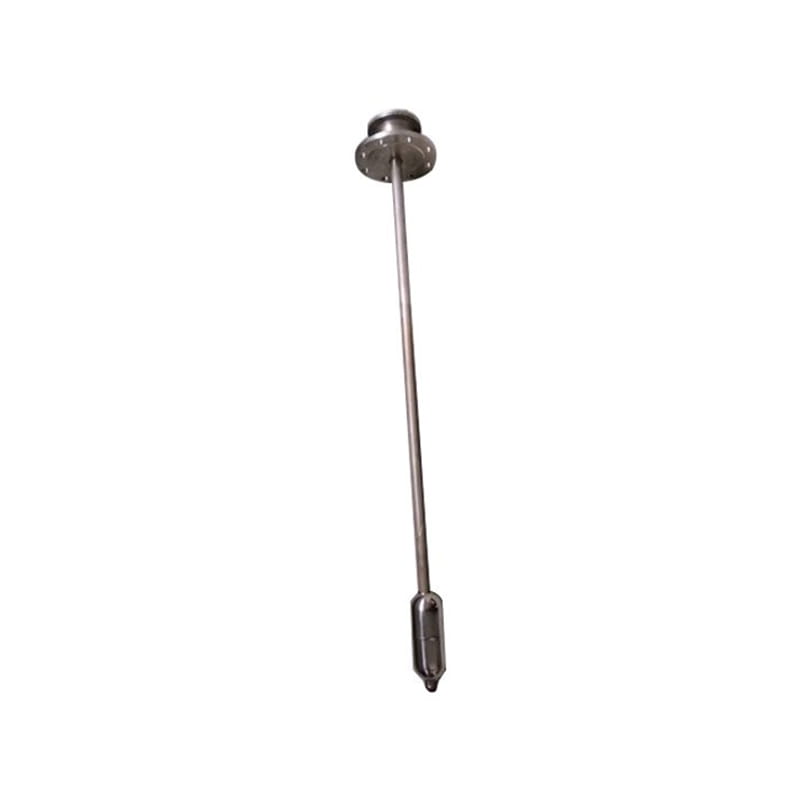
The Float level gauge UHB is engineered for high-precision measurement, providing accurate and relia...
See Details


