

 English
 русский
 Español
 عربى
عربى
YLm series refrigerant pressure gauge
Cat:Pressure Gauge
◆ Model: YLm60 YLm100 YLm150◆ Application: This series of instruments are special instruments for de...
See Details
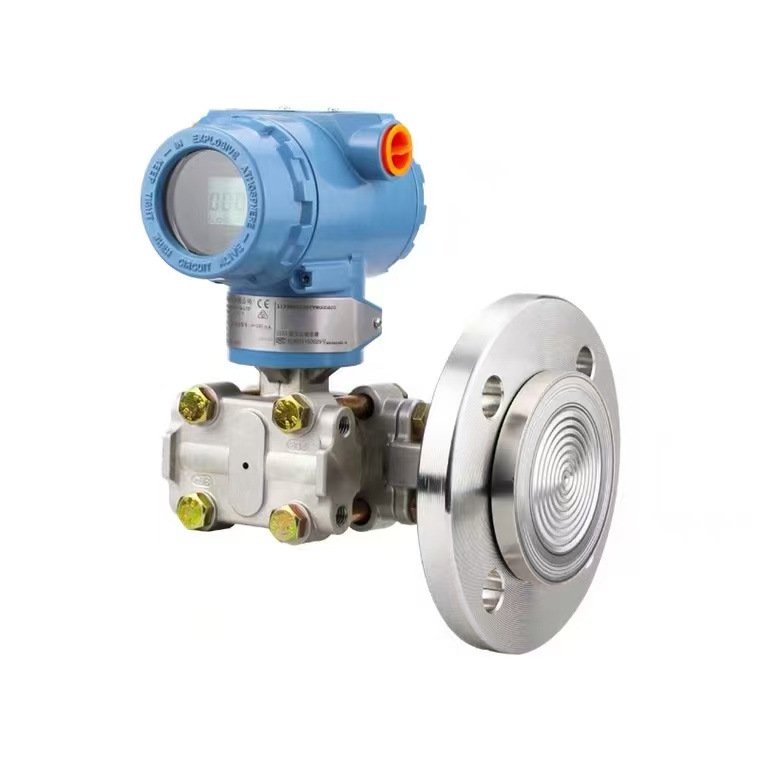
Differential pressure (DP) transmitters are core instruments for level measurement, operating on the principle of correlating static pressure difference with liquid/gas level height to achieve precise monitoring. Widely adopted in chemical, petroleum, water treatment,medical, food& ice cream , and other industrial sectors, they deliver reliable performance even under harsh working conditions.
I. Liquid Level Measurement Cases
Case 1: Acid-Base Solution Level Monitoring in Chemical Storage Tanks
Actual Working Conditions: A chemical plant utilizes 30m³ vertical storage tanks to hold 30% concentration sulfuric acid solution—highly corrosive media. The tanks operate under atmospheric pressure with an ambient temperature range of -10℃~45℃. Requirements include a level measurement accuracy of ≤±0.2%FS, along with corrosion and clogging resistance.
Application Solution: A flange-type DP transmitter is employed. The negative pressure side is connected to the gas phase space at the top of the tank, while the positive pressure side is linked to the liquid phase area at the bottom via a PTFE-lined corrosion-resistant flange, preventing sulfuric acid from corroding the transmitter diaphragm. Condensate pots and isolation fluid devices are also integrated to avoid direct contact between high-temperature or volatile media and the sensor.
Results: 24/7 continuous level monitoring is achieved with a measurement range of 0~8m. Data is transmitted to the DCS system via a 4-20mA signal, and an audible-visual alarm is automatically triggered when the level exceeds limits, effectively eliminating the risk of acid-base solution overflow.
Case 2: Boiler Drum Water Level Measurement in Thermal Power Plants
Actual Working Conditions: Boiler drums operate at 10MPa pressure and 350℃ temperature, containing high-temperature and high-pressure steam-water mixtures. Precise water level control within ±50mm is critical—deviation may lead to dry boiling or flooding accidents, resulting in equipment damage.
Application Solution: A high-temperature and high-pressure DP transmitter is selected, paired with a balance container (condensation chamber). The balance container condenses high-temperature steam from the drum into room-temperature condensate, ensuring both the high and low-pressure sides of the transmitter operate in a normal-temperature environment and eliminating measurement errors caused by temperature and pressure fluctuations.
Results: The measurement accuracy reaches ±0.1%FS, providing real-time feedback on drum water level data to support the stable operation of the boiler's automatic feedwater regulation system. It adapts to complex working conditions such as boiler startup/shutdown and load changes.
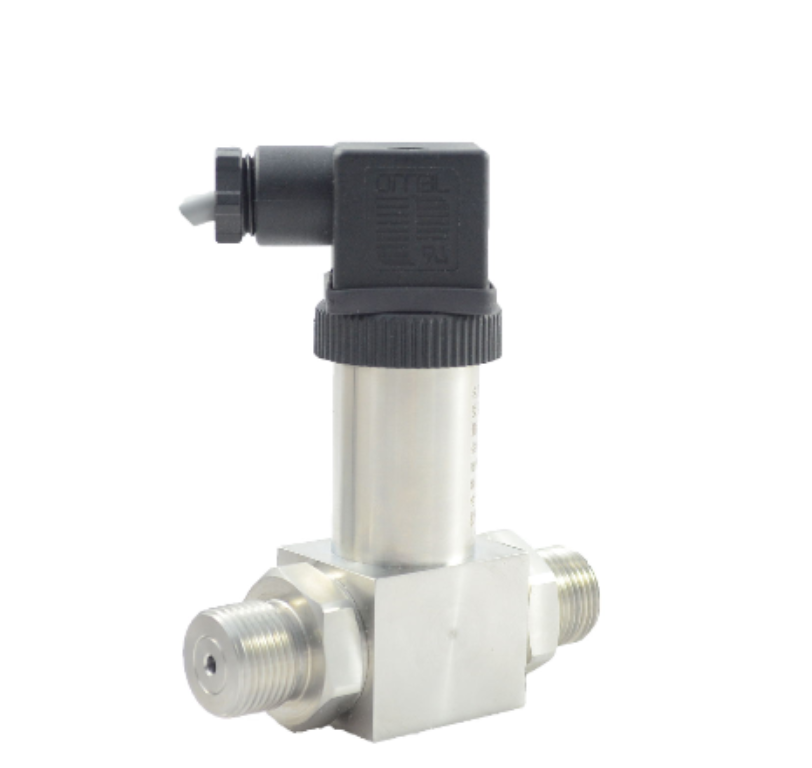
II. Gas Level Measurement Case
Case: Coal Gas Level (Height) Monitoring in Coke Oven Gas Holders
Actual Working Conditions: A 50,000m³ dry gas holder stores coke oven gas—flammable and explosive media. The internal pressure ranges from 0.5~2.5kPa, and the device is installed outdoors. Monitoring the lifting height of the gas holder's piston (equivalent to gas level) is required, with a measurement range of 0~30m and an explosion-proof rating of Exd II CT6.
Application Solution: A micro-differential pressure transmitter is used. The positive pressure side is connected to the gas inlet at the bottom of the holder, and the negative pressure side to the vent at the top. The micro-pressure difference generated by the gas column is used to calculate the level height. The transmitter features an explosion-proof housing, and a surge protector is installed at the signal output end to adapt to harsh outdoor environments.
Results: Real-time monitoring of gas storage capacity is realized, with data uploaded to the central control room's SCADA system. When the gas level falls below the lower limit or exceeds the upper limit, the gas inlet and outlet valves are automatically controlled to ensure the safe operation of the gas holder and prevent overpressure collapse or negative pressure collapse accidents.
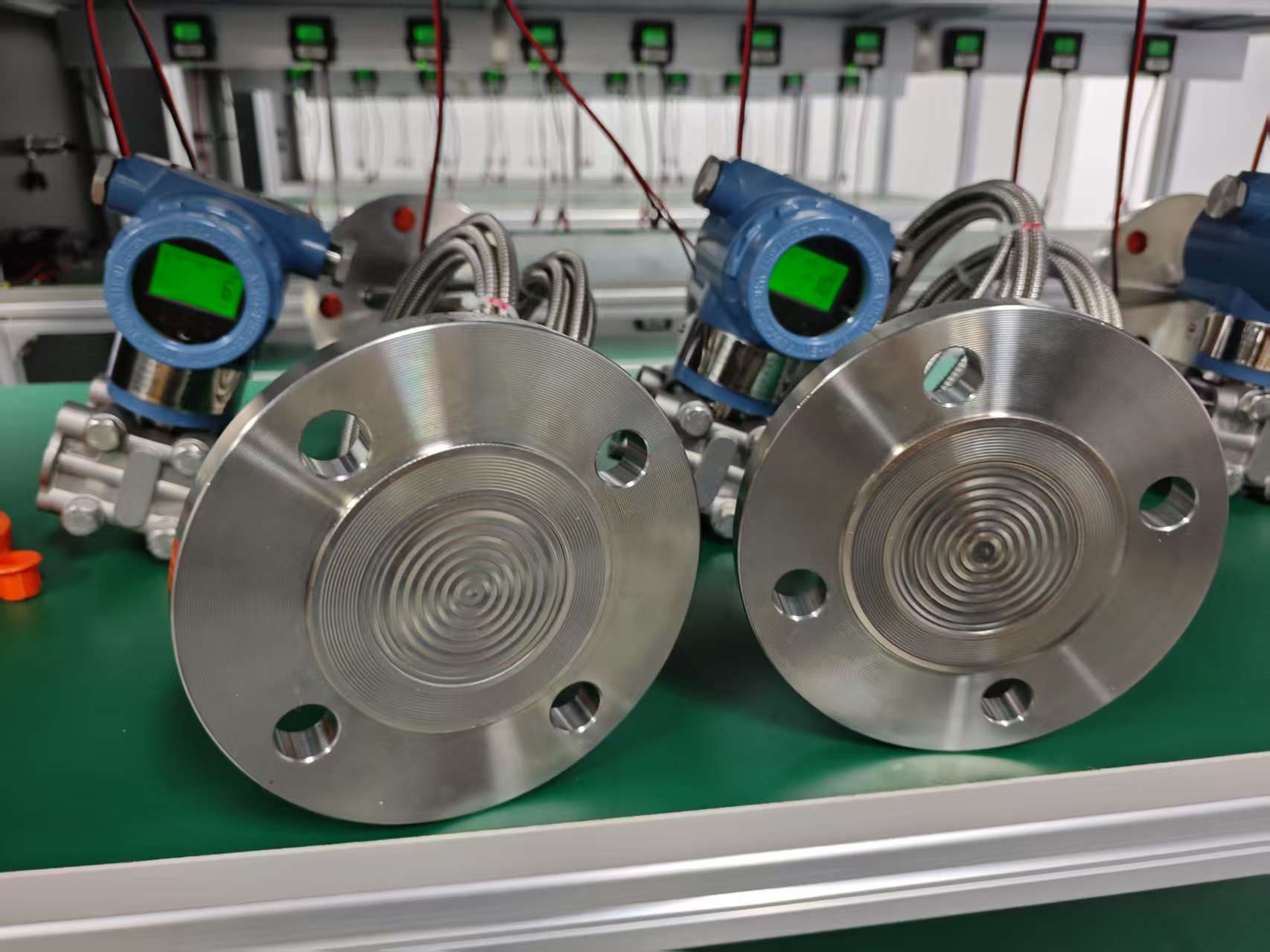
III. General Working Condition Precautions
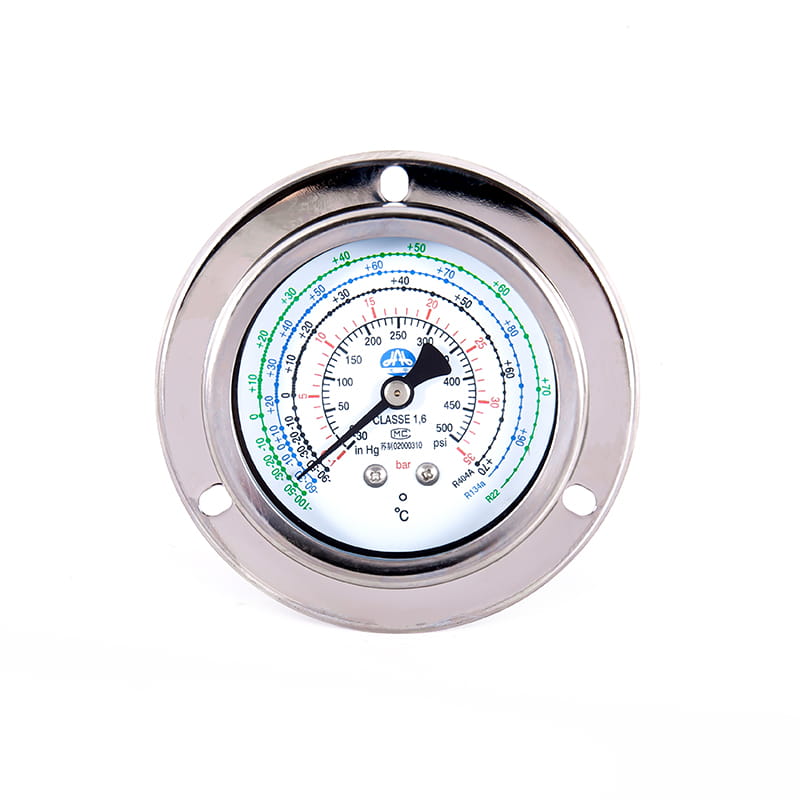
◆ Model: YLm60 YLm100 YLm150◆ Application: This series of instruments are special instruments for de...
See Details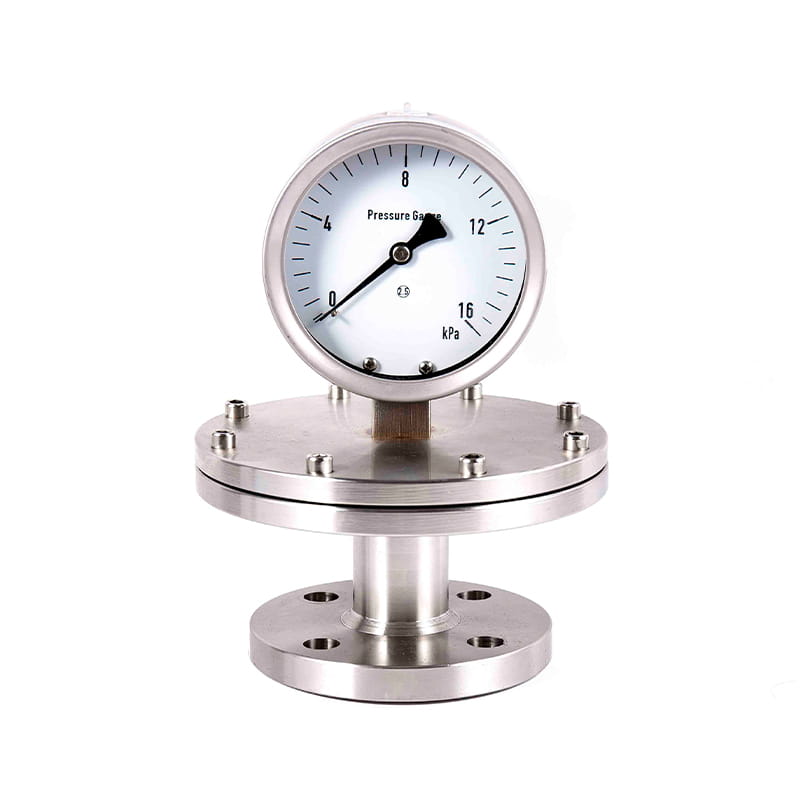
◆ Model: YP100-L YP150-L YP100-F YP150-F ◆ Application: YP series instrument diaphragm and structura...
See Details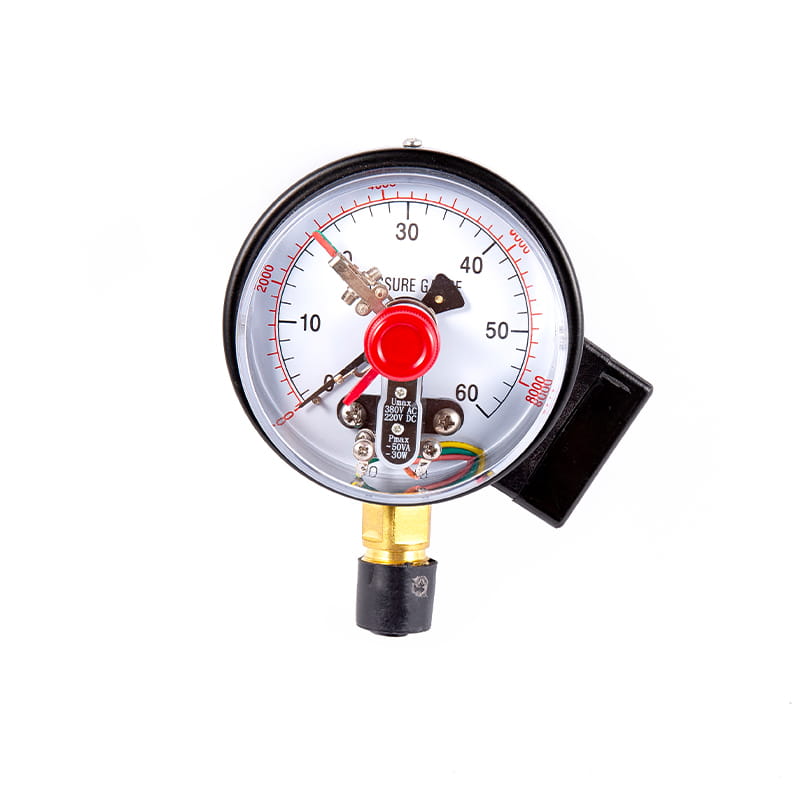
◆ Model: YXC60 YX100 YXC-150 ◆ Application: Magnetic-assisted electric contact pressure gauges is su...
See Details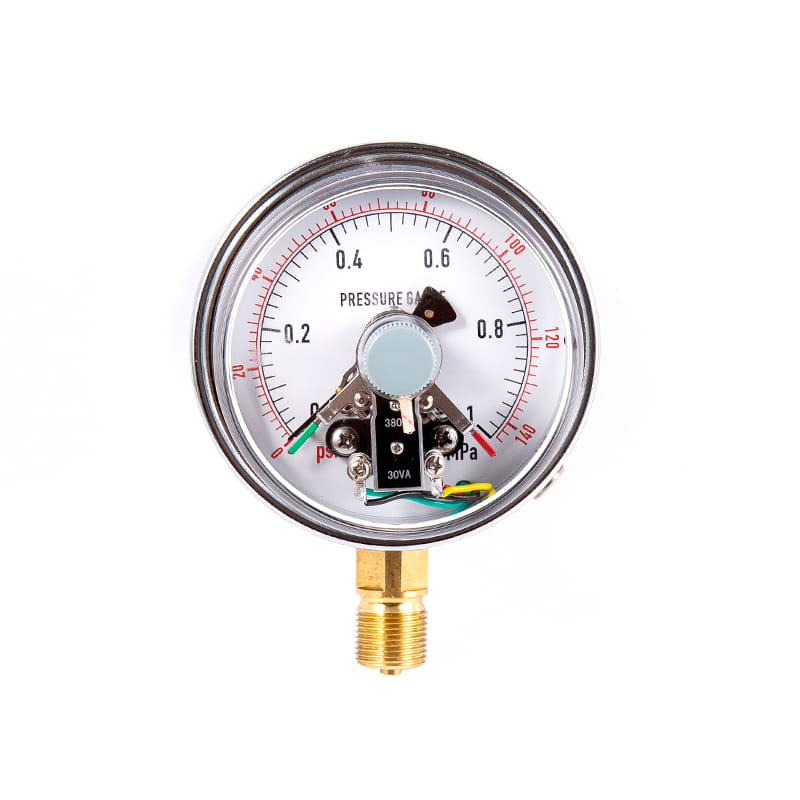
◆ Model: YXCh100 YXCh150 ◆ Application: Reed electric contact pressure gauge is suitable for measuri...
See Details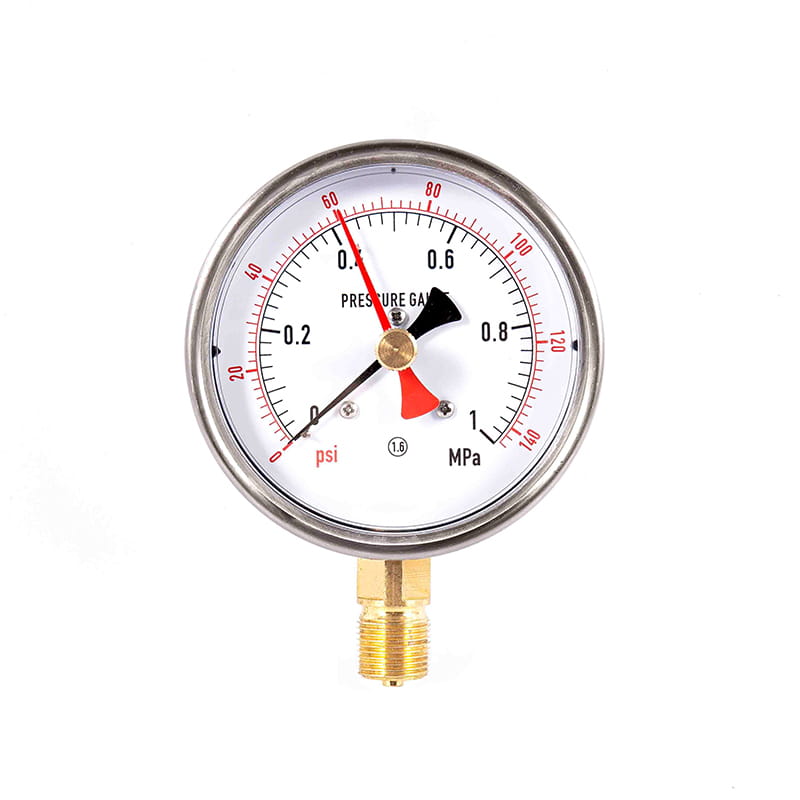
◆ Model: YZS102 ◆ Application: Double-needle double-tube pressure gauges is mainly used in rolling ...
See Details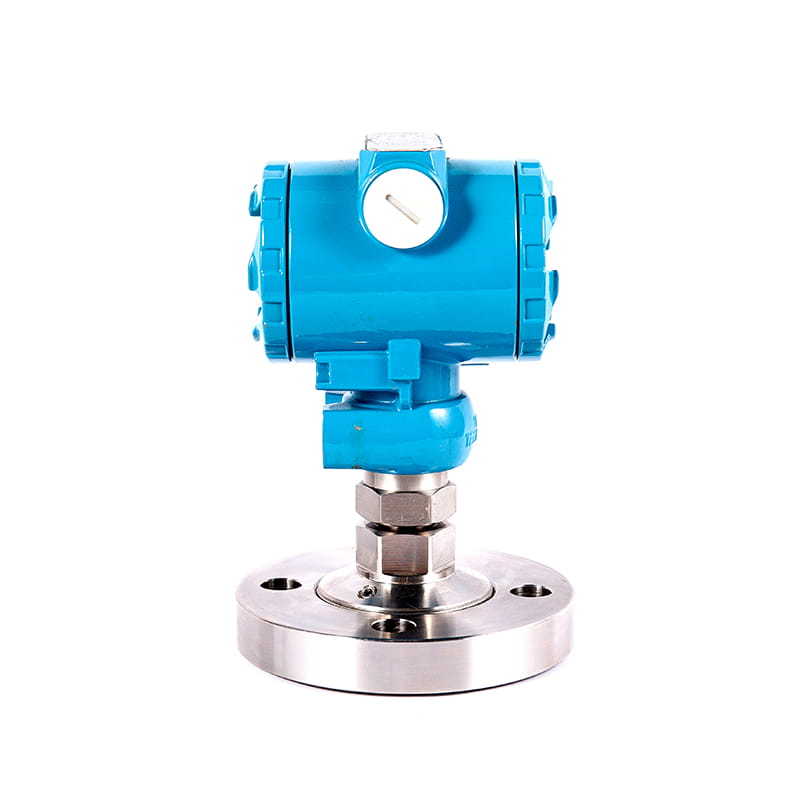
◆ Model: YSZC-7 ◆ Application: This instrument is suitable for precise measurement of liquid, gas or...
See Details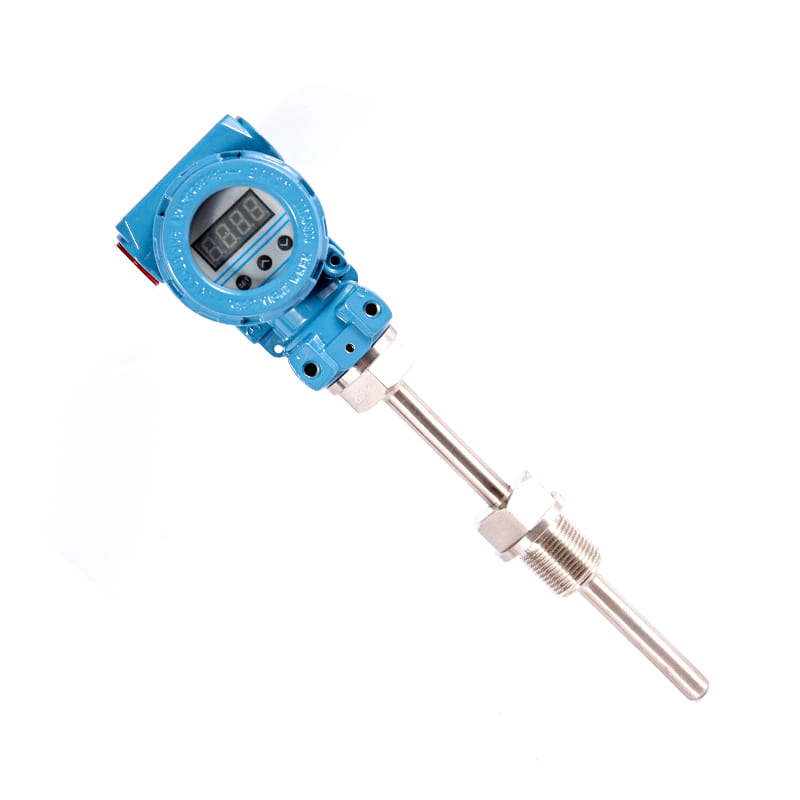
◆ Model: WSZC-1 ◆ Overview: The transmitter is composed of advanced circuit module integration techn...
See Details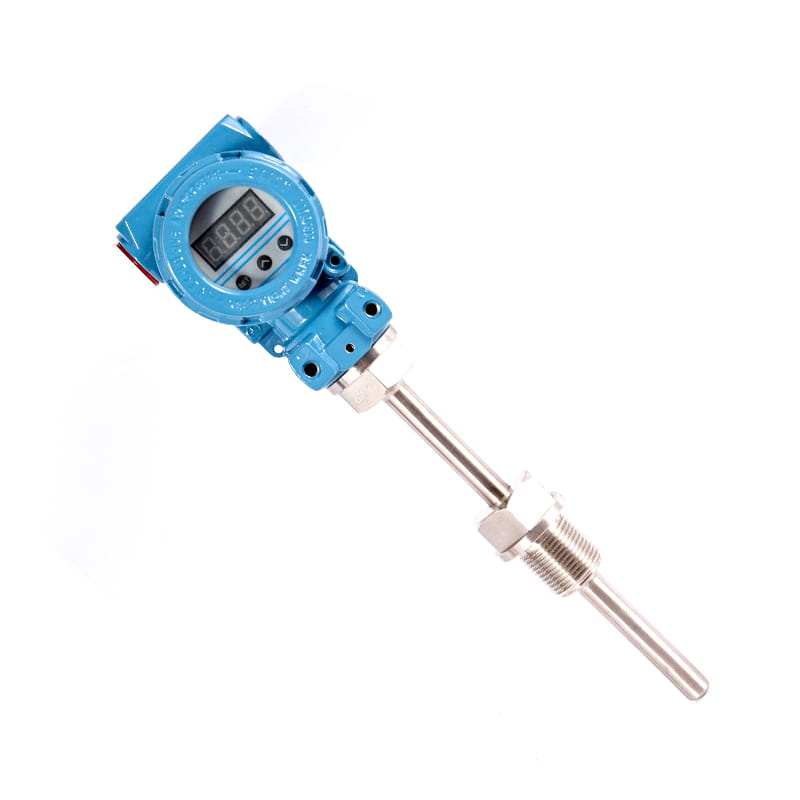
◆ Model: WSZC-2 ◆ Overview: The transmitter is composed of advanced circuit module integration techn...
See Details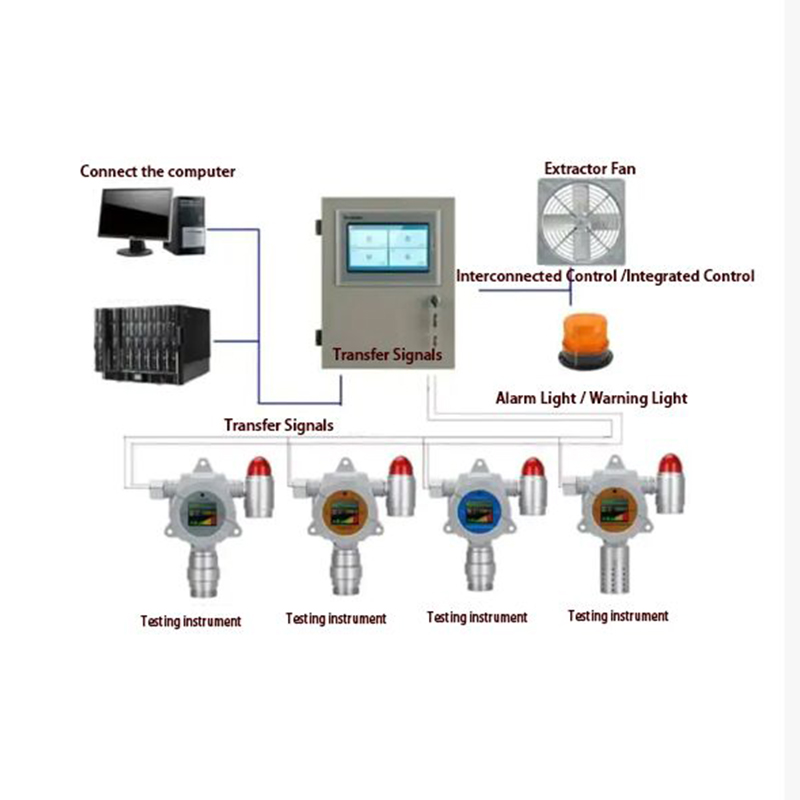
The gas monitoring alarm system is designed for optimal safety and usability. It features a user-fri...
See Details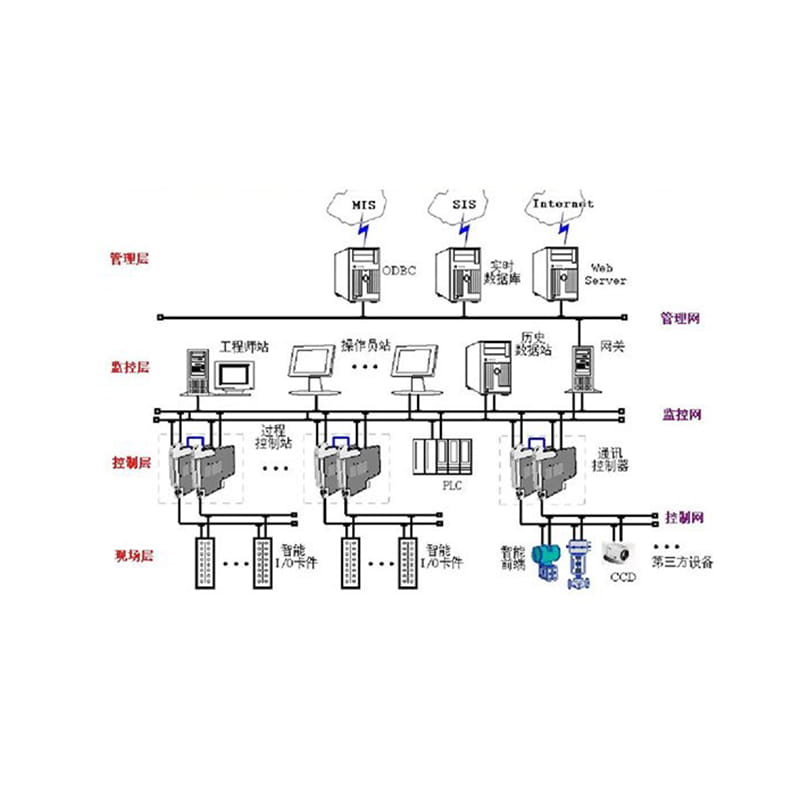
The DCS System is designed with an open architecture, allowing for seamless integration and flexibil...
See Details


