

 English
 русский
 Español
 عربى
عربى
YLm series refrigerant pressure gauge
Cat:Pressure Gauge
◆ Model: YLm60 YLm100 YLm150◆ Application: This series of instruments are special instruments for de...
See DetailsContent
A precision pressure gauge is a high-accuracy instrument designed to measure fluid or gas pressure with minimal error. Compared with standard industrial pressure gauges, precision pressure gauges offer tighter tolerances, better repeatability, and more stable readings over time. They are commonly used as reference instruments for calibration, quality control, and critical process monitoring.
These gauges are engineered with refined mechanical components or advanced sensing elements, allowing them to achieve accuracy levels such as ±0.25%, ±0.1%, or even higher. Because of this reliability, precision pressure gauges are essential in laboratories, test benches, and industries where small pressure deviations can affect performance or safety.
The working principle of a precision pressure gauge depends on its internal sensing mechanism. While the external appearance may resemble a conventional pressure gauge, the internal structure is optimized for accuracy and stability.
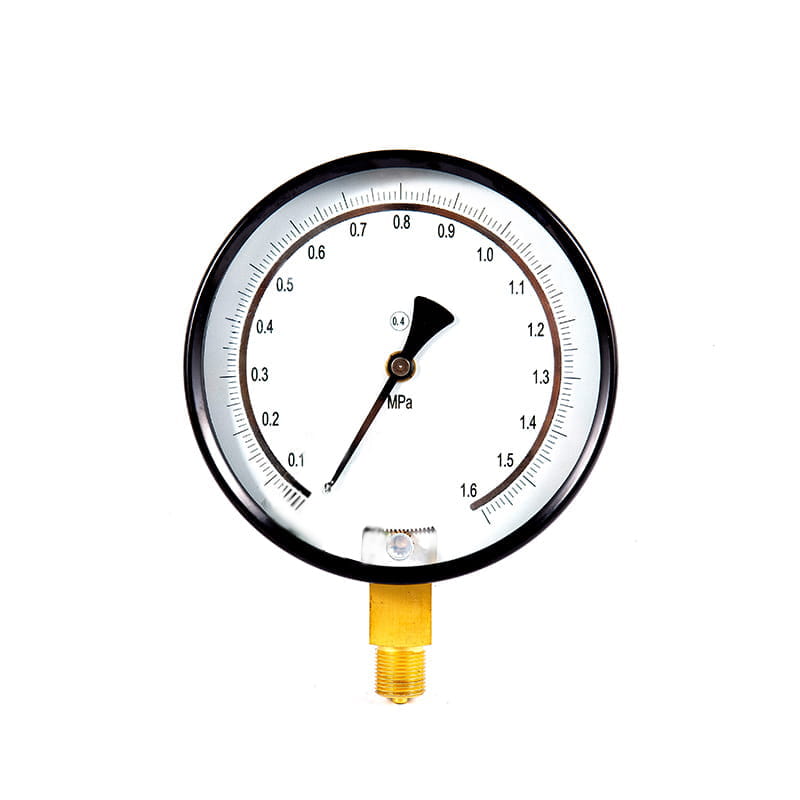
Many precision pressure gauges use a bourdon tube, diaphragm, or capsule as the sensing element. When pressure is applied, the element deforms in a predictable manner. This movement is transferred through a finely machined gear system to the pointer. In precision models, these components are manufactured with tighter tolerances and minimal friction to reduce hysteresis and measurement error.
Some modern precision pressure gauges combine mechanical elements with electronic sensors. These designs enhance resolution and allow for digital signal processing, while still maintaining the robustness of traditional gauges. Hybrid designs are often used when both visual indication and data logging are required.
Accuracy is the defining characteristic of a precision pressure gauge. It is usually expressed as a percentage of the full-scale value. Understanding accuracy classes helps users select the correct gauge for their application.
| Accuracy Class | Typical Application | Error Range |
| ±1.0% | General industrial monitoring | Moderate |
| ±0.5% | Process control | Low |
| ±0.25% or better | Calibration and testing | Very low |
Precision pressure gauges often comply with international standards such as EN 837 or ASME B40.100, ensuring consistent performance across different manufacturers and regions.
Precision pressure gauges are used wherever accurate pressure measurement is critical. Their applications span multiple industries and technical environments.
In these scenarios, inaccurate pressure readings could lead to faulty calibration, reduced efficiency, or safety risks, making precision gauges indispensable.
Several design features distinguish precision pressure gauges from standard models. These features directly contribute to measurement stability and long-term reliability.
Large dial diameters improve readability and reduce parallax error. Fine-scale graduations allow users to detect small pressure changes more easily. In addition, knife-edge pointers and mirrored dials are often used to further enhance reading accuracy.
Internal components are typically made from high-quality alloys that resist fatigue and corrosion. This ensures that the sensing element maintains its elasticity even after repeated pressure cycles.
Selecting the right precision pressure gauge requires a clear understanding of the operating conditions and measurement objectives. Choosing an inappropriate gauge can compromise accuracy or shorten service life.
Proper selection not only improves measurement accuracy but also reduces maintenance and recalibration frequency.
Calibration is essential to maintain the performance of a precision pressure gauge. Over time, mechanical wear and environmental influences can cause measurement drift, even in high-quality instruments.
Precision pressure gauges used as reference standards should be calibrated at regular intervals against traceable master instruments. Calibration certificates provide documented proof of accuracy and are often required in regulated industries.
Although precision pressure gauges are robust, proper handling and maintenance are necessary to preserve accuracy. Rough handling, overpressure, or exposure to extreme conditions can permanently affect performance.
Users should avoid exceeding the maximum rated pressure, protect the gauge from vibration, and store it in a clean, dry environment when not in use. Regular visual inspections can help identify issues such as pointer offset or dial damage.
While both types serve the same basic function, precision pressure gauges are optimized for accuracy and consistency rather than cost. Standard gauges are suitable for general monitoring, whereas precision gauges are used when measurement confidence is critical.
Understanding this distinction helps users allocate the right instrument to the right task, improving overall system performance and reliability.
Precision pressure gauges play a vital role in accurate pressure measurement, calibration, and quality assurance. Their superior accuracy, stability, and design make them indispensable in technical and industrial environments.
By understanding how they work, where they are used, and how to select and maintain them properly, users can ensure reliable pressure measurement and long-term operational efficiency.
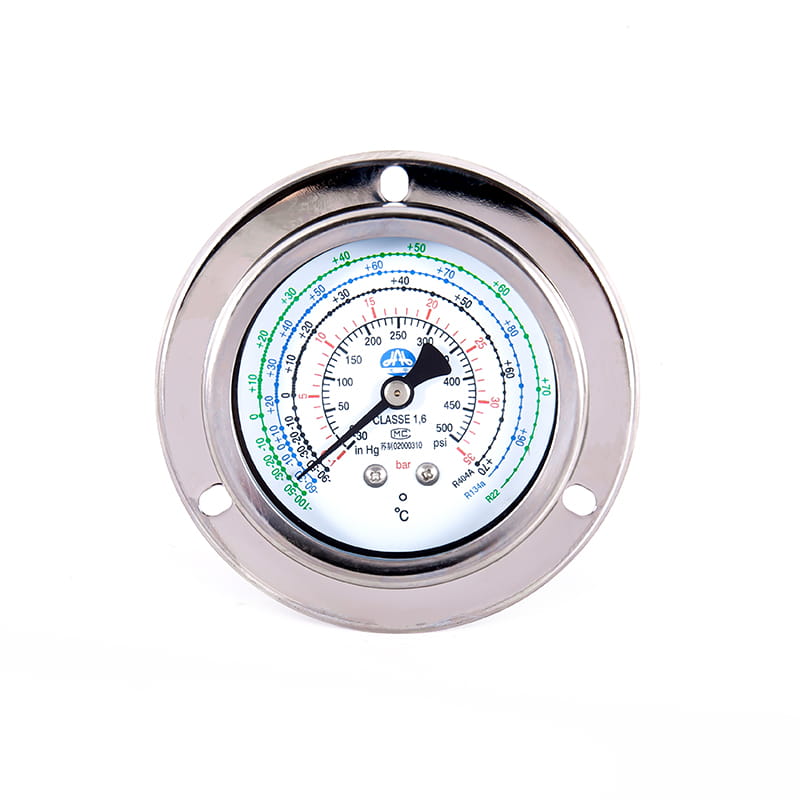
◆ Model: YLm60 YLm100 YLm150◆ Application: This series of instruments are special instruments for de...
See Details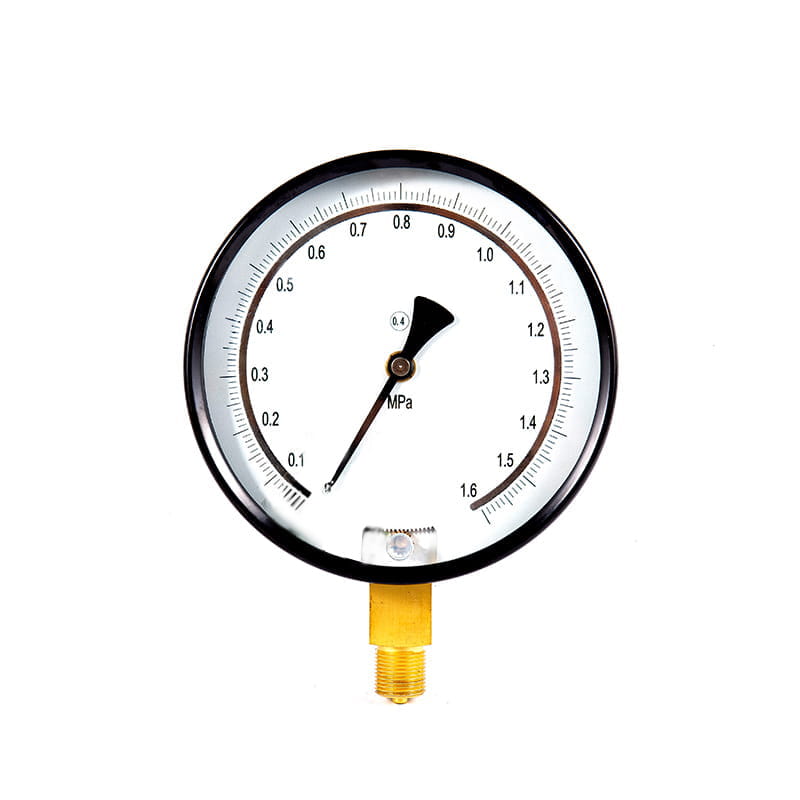
◆ Model: YJ150 YJ150A◆ Use: This series of instruments are mainly used to calibrate industrial or ci...
See Details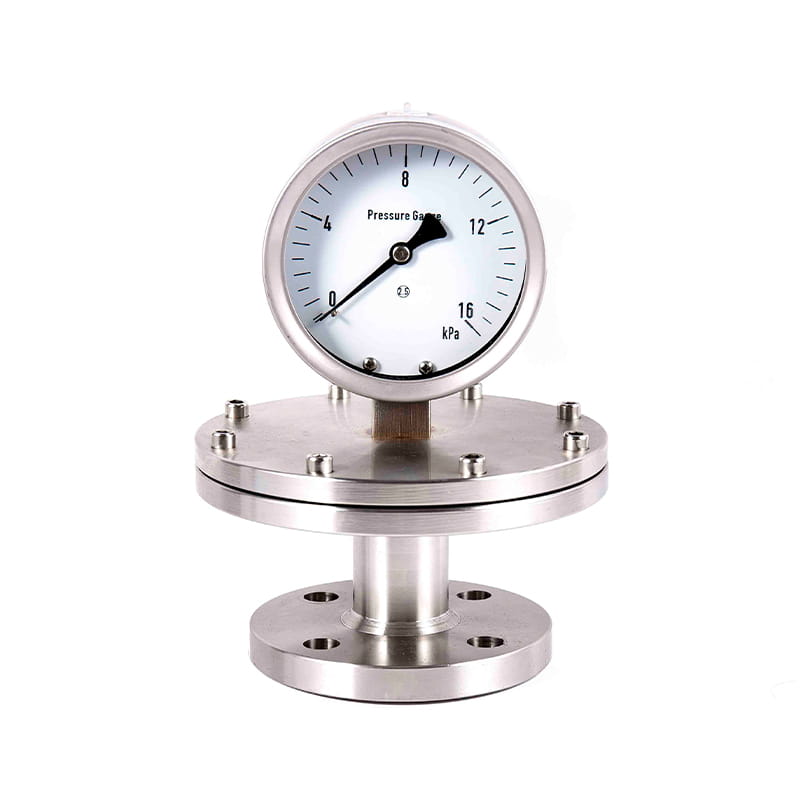
◆ Model: YP100-L YP150-L YP100-F YP150-F ◆ Application: YP series instrument diaphragm and structura...
See Details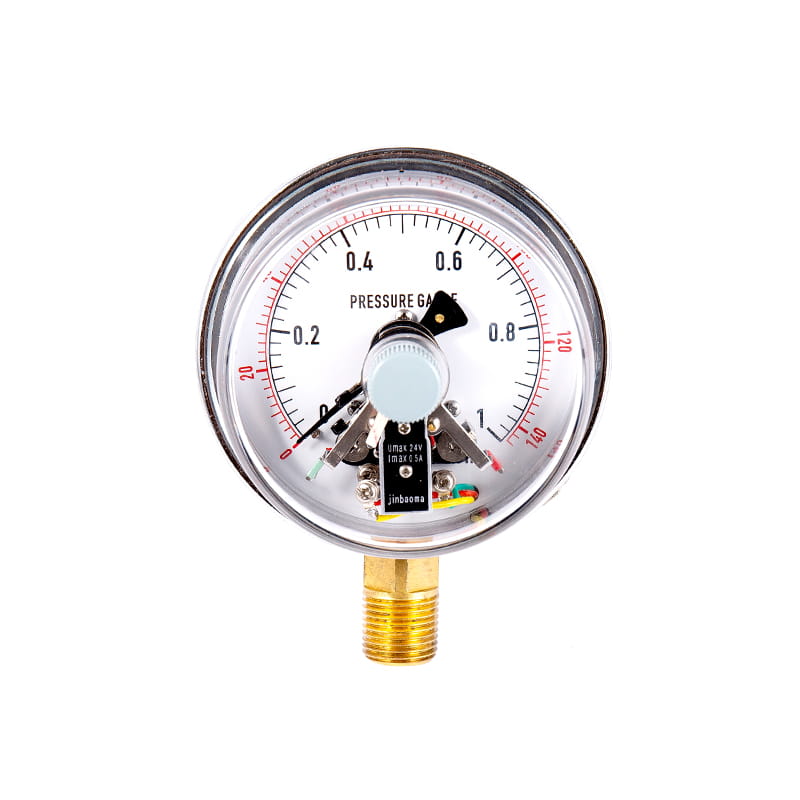
◆ Model: YXCm100 YXCm150 ◆ Uses: This kind of instrument is an ideal alternative to the magnetic-ass...
See Details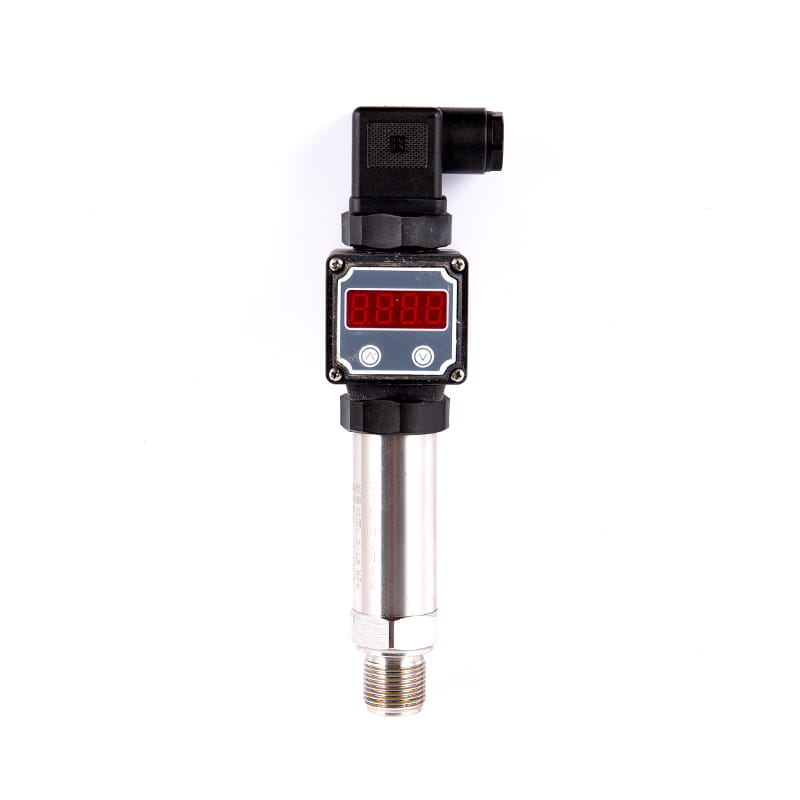
1. Overview This pressure transmitter has high sensitivity, high precision and strong anti-overload ...
See Details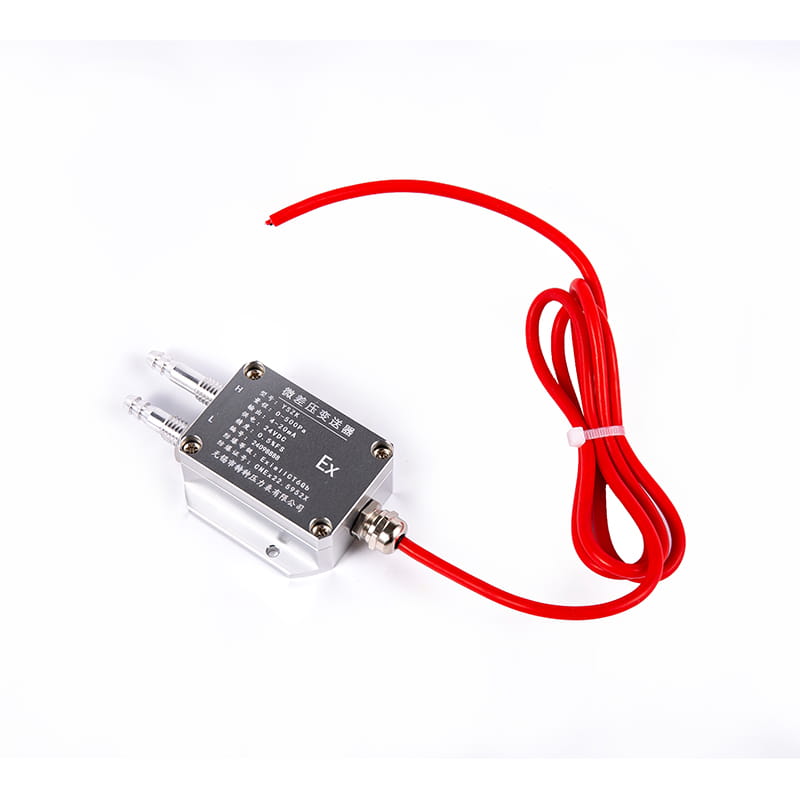
1. Overview This air pressure transmitter has high sensitivity, high precision and strong anti-overl...
See Details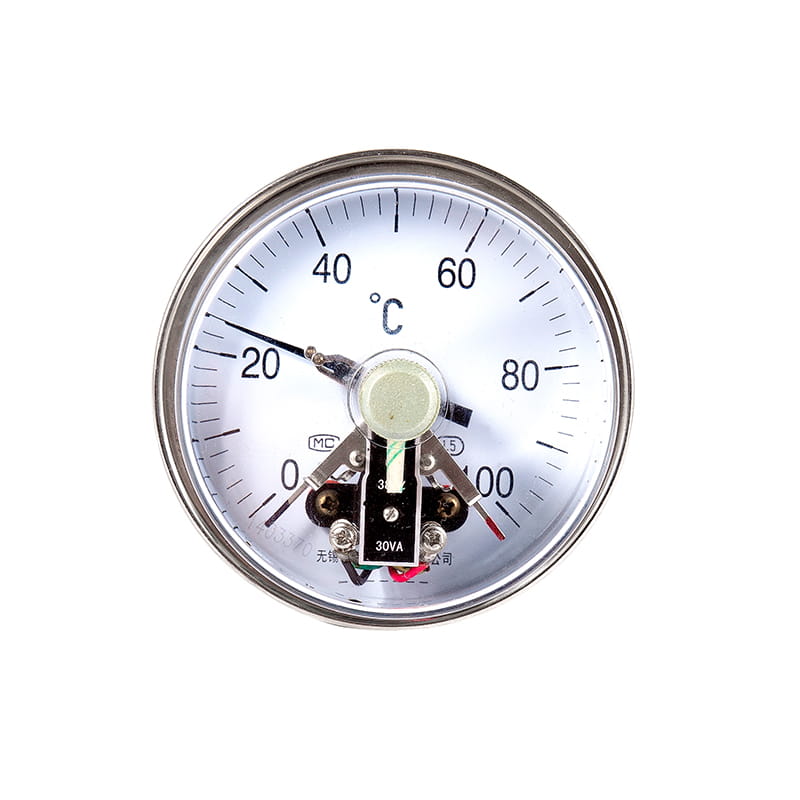
◆ Model: WSSXC-4 ◆ Application: This series of thermometers has the characteristics of no mercury da...
See Details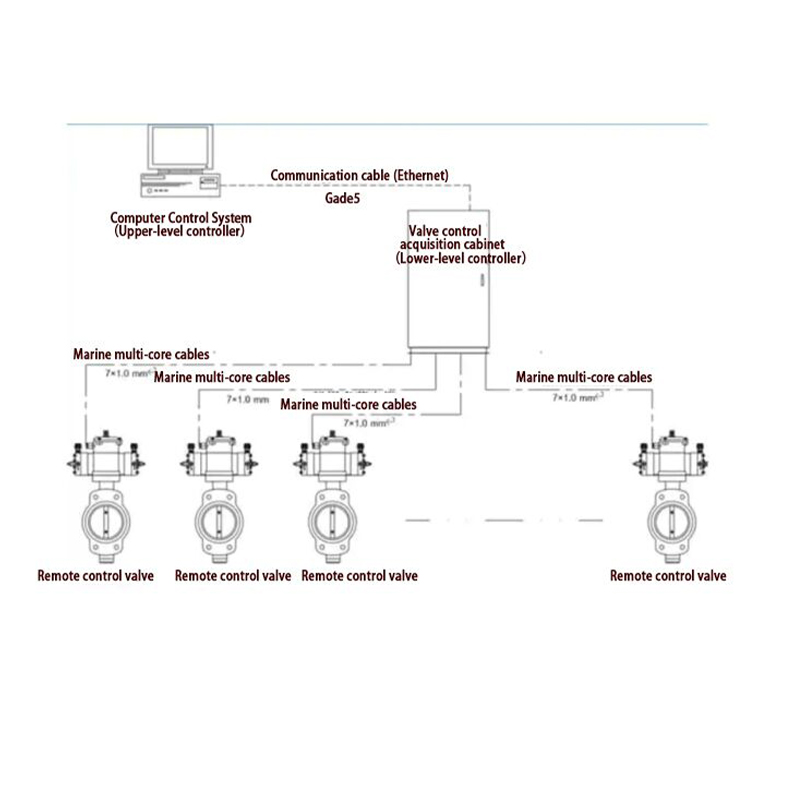
The Valve remote control and liquid level telemetry system enhances operational efficiency by provid...
See Details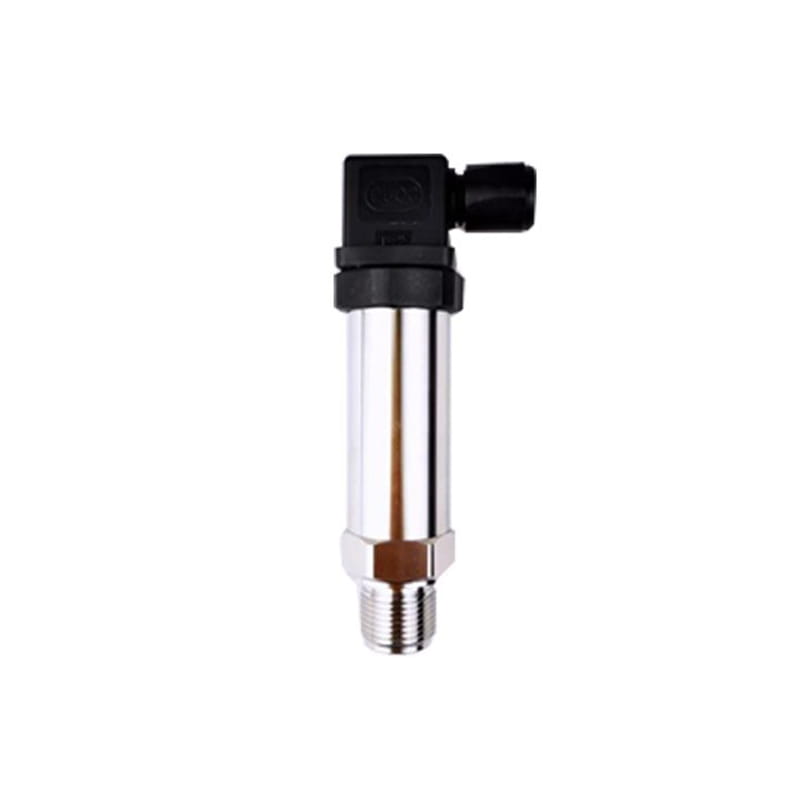
The Pressure transmitter YSZK is designed for demanding environments, operating effectively in tempe...
See Details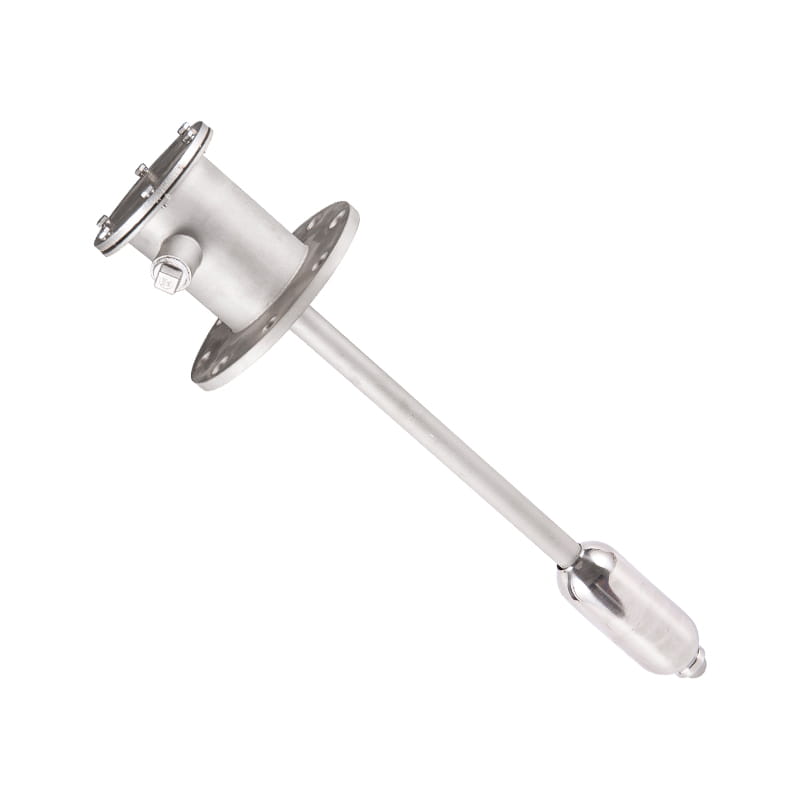
The Float level controller UHK features a simple structure that ensures easy installation and mainte...
See Details


