

 English
 русский
 Español
 عربى
عربى
YN series 100% copper connection earthquake-resistant (seismic) pressure gauge
Cat:Pressure Gauge
◆ Model: YN40 YN50 YN60 YN75 YN100 YN150◆ Use: This series of instruments have good shock resistance...
See Details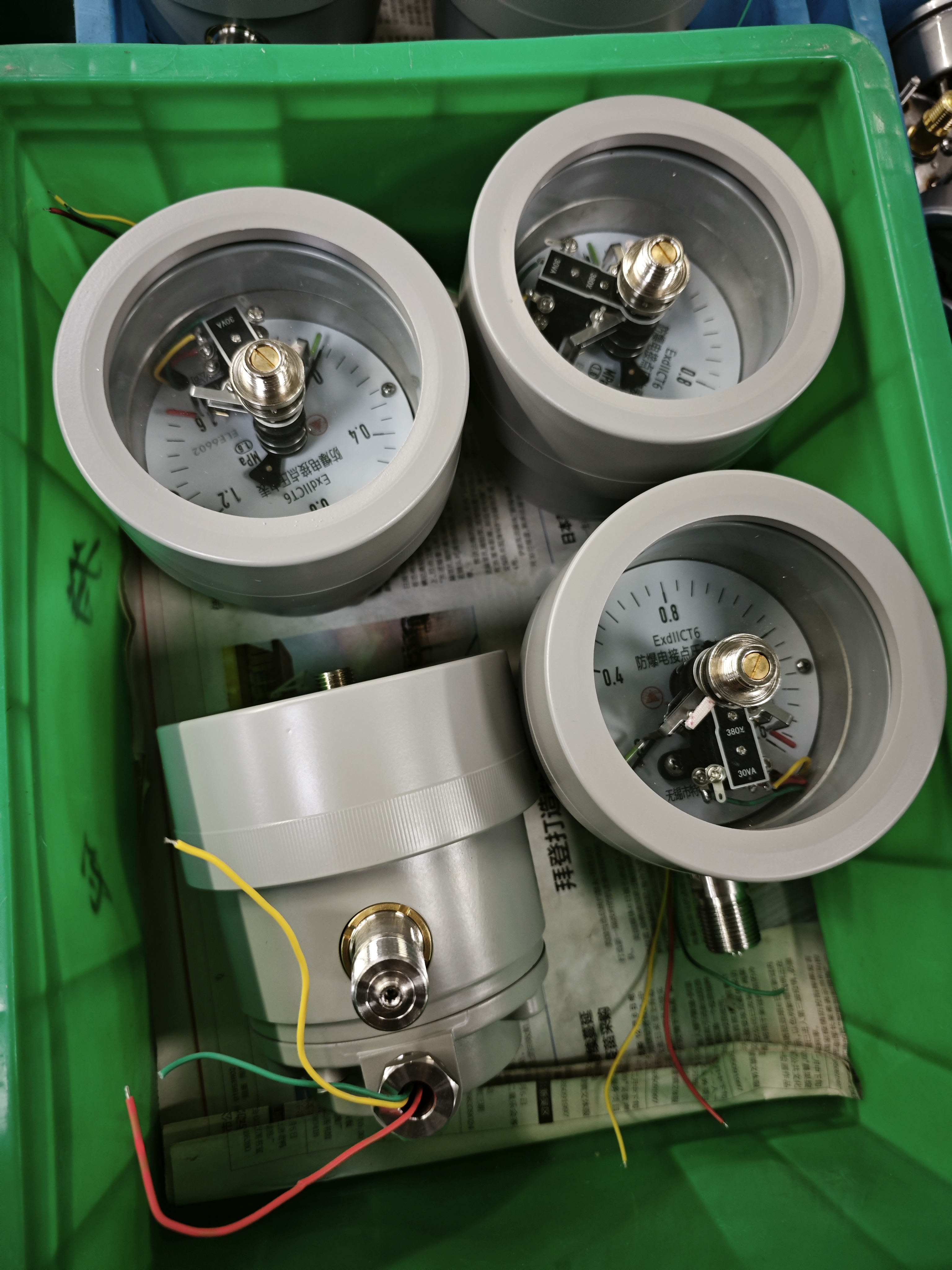
In the production chain of the petrochemical industry, crude oil storage tanks are the key hubs connecting extraction, processing, and transportation. The stability of the pressure of these tanks directly affects the safety of the tank area and the continuity of production. Crude oil, as a typical flammable and explosive medium, the gas phase space at the top of the storage tank is prone to form explosive mixed gases. If the pressure is out of control, it may cause tank deformation, medium leakage, or even explosion accidents. The explosion-proof electric contact pressure gauge, with its explosion-proof performance and automatic control function, has become the core equipment for pressure monitoring of crude oil storage tanks. This article will provide a detailed explanation of its working condition adaptation, selection logic, and operational effect through an application example from a large oil reserve depot in an oilfield.
I. Pressure Risks and Monitoring Requirements of Crude Oil Storage Tanks
This oilfield crude oil storage depot covers an area of approximately 200 mu (about 13.33 hectares), with 12 vertical atmospheric crude oil storage tanks each with a capacity of 100,000 cubic meters. It mainly stores mixed crude oil (containing light components such as gasoline and diesel vapors) from wellheads and purchased crude oil. The designed storage capacity of the tank farm reaches 1.2 million cubic meters, and it undertakes the functions of regional crude oil distribution and emergency reserve. From the perspective of operating condition characteristics, the pressure monitoring of storage tanks faces three core challenges:
1.High risk of explosive atmosphere: Light components in crude oil are highly volatile. Flammable gases such as gasoline and ethane are permanently present in the vapor space at the top of storage tanks, which form an explosive mixture with air at an explosion limit of 1.4%–7.6%. In accordance with GB 50160 Code for Fire Protection Design of Petrochemical Enterprises, the tank farm is classified as a Zone 1 explosive gas atmosphere. This requires all electrical equipment to meet the flameproof explosion protection class, with the surface temperature of the enclosure not exceeding the autoignition temperature of crude oil vapor (approximately 280℃).
2. Precise control of pressure fluctuations is necessary: During the operation of the storage tank, there are various pressure influencing factors, such as the expansion of gas inside the tank due to sunlight during the day (the pressure can rise to 0.18 MPa), the contraction of the gas phase caused by temperature drop at night (-0.09 MPa is the lowest pressure), and the changes in liquid level during crude oil loading and unloading (the pressure rises at a rate of 0.02 MPa/h when filling the tank). If the pressure exceeds 0.2 MPa, it may cause the breathing valve of the storage tank to fail and the welds of the tank to crack; if it drops below -0.1 MPa, it will cause the tank to be sucked inwards due to negative pressure, so the pressure must be strictly controlled within the range of -0.1 to 0.15 MPa.
3. Unattended operation and emergency response requirements: The tank area is located far from the operation workshop and operates in a 24-hour unmanned mode. The equipment must have the capability for automatic alarm and emergency linkage - when the pressure exceeds the limit, not only should a real-time audible and visual alarm be issued, but also the emergency vent valve of the storage tank and the nitrogen replenishment device should be linked to prevent accidents caused by insufficient timely intervention by human operators.
II. Parameter Design of Explosion-Proof Electric Contact Pressure Gauges Adapted to Operating Conditions
In light of the operating condition characteristics of crude oil storage tanks, the storage depot focused on the three core principles of "safety adaptability, accurate monitoring and stable linkage" when selecting equipment, and defined the key parameters of explosion-proof electric contact pressure gauges. The specific equipment selection logic is as follows:
(1) Meeting Requirements for Zone 1 Explosive Atmospheres
Given the Zone 1 explosion protection rating of the tank farm and the hazards of crude oil vapor, the equipment shall comply with the Ex d ⅡB T4 GB flameproof standard:
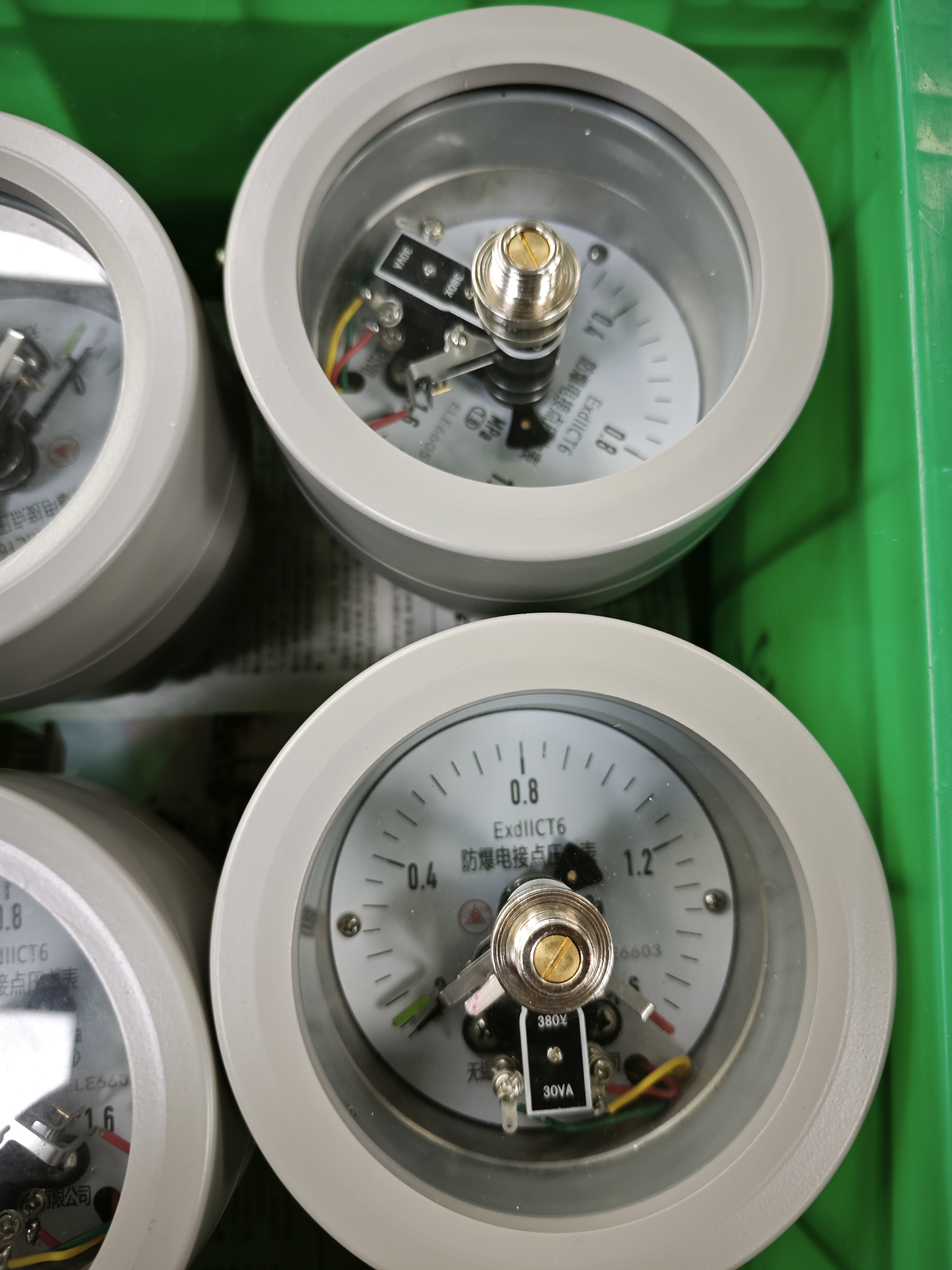
"Ex d" denotes a flameproof enclosure structure, which can confine sparks and high temperatures generated by internal circuits within the enclosure, preventing the ignition of external explosive mixtures."ⅡB" corresponds to the gas group of crude oil vapor (the maximum experimental safe gap of ⅡB category media ranges from 0.9 to 1.1 mm), ensuring the flameproof gap is properly adapted. The "T4" temperature class restricts the maximum surface temperature of the equipment enclosure to no more than 135℃, which is far below the 280℃ autoignition temperature of crude oil vapor, thus eliminating the risk of ignition sources at the root.Meanwhile, the equipment has also been certified by the National Quality Supervision and Inspection Center for Explosion-proof Electrical Products. The certificate number can be checked in real time on the official website, ensuring compliance.
(2) Adapted to the Characteristics of Crude Oil Medium
Crude oil contains corrosive components such as sulfides and organic acids, and trace impurities are present in the vapor space. If the equipment material is not corrosion-resistant, problems such as bourdon tube leakage and movement jamming are prone to occur. Therefore, the wetted parts of the pressure gauge are made of 316L stainless steel. This material contains molybdenum, offering better sulfide corrosion resistance than conventional 304 stainless steel. Moreover, its surface undergoes passivation treatment to reduce the adhesion of crude oil impurities. For the sealing structure, nitrile rubber sealing rings are adopted, which have excellent oil resistance. They can effectively prevent vapor-phase media from leaking through the connectors and ensure the airtightness of the flameproof enclosure. In addition, considering the limited installation space on the top of storage tanks, pressure gauges with a radial front flange structure and a dial diameter of 100 mm are selected. This design not only ensures clear readability of the gauge but also allows for flange-mounted installation at the pressure ports on the tank top, preventing installation loosening caused by vibration.
(3) Meets monitoring requirements
Combined with the storage tank pressure fluctuation range (-0.1–0.18 MPa), and in accordance with the selection principle that "the normal working pressure shall fall within the range of 1/3–2/3 of the full scale", the pressure gauge is determined to have a full scale of -0.1–0.2 MPa. This range not only covers the extreme pressure values, but also ensures monitoring accuracy within the normal working interval of 0.05–0.15 MPa. The accuracy class is selected as Grade 1.6, which meets the accuracy requirements for storage tank pressure monitoring in the petrochemical industry (with an allowable error of ±1.6% of the full scale). It can accurately capture pressure changes of 0.01 MPa and avoid misjudgment caused by insufficient accuracy. Meanwhile, the equipment is equipped with double electric contacts, with the upper limit threshold set at 0.15 MPa and the lower limit threshold at -0.08 MPa respectively: when the pressure exceeds the upper limit, the normally open contact closes to trigger the opening of the emergency vent valve; when the pressure falls below the lower limit, the normally closed contact opens to start the nitrogen make-up unit, thus achieving bidirectional automatic control.
(4)Meeting the Requirements of Complex Operating Conditions in Tank Farms
The tank farm is located in northern China, where the minimum temperature reaches -25℃ in winter and the maximum temperature hits 60℃ in summer, coupled with harsh weather conditions such as gusty winds and sandstorms. Therefore, the pressure gauges are required to have excellent environmental adaptability. The equipment enclosure is made of cast aluminum alloy, featuring light weight and high impact resistance, and has an IP65 protection rating, which can effectively prevent sand intrusion and rain splashing. The internal movement is filled with glycerin damping fluid, which mitigates the impact of temperature changes and slight vibrations on the pointer, thus avoiding malfunctions of the electric contacts caused by pointer fluttering. The junction box adopts an explosion-proof sealed design; explosion-proof cables are introduced through cable glands to connect with the explosion-proof control boxes in the tank farm, preventing spark generation at the cable interfaces.
III.Establish a complete chain of pressure safety control system
To ensure that the explosion-proof electric contact pressure gauges deliver optimal monitoring performance, the storage depot has formulated a targeted installation plan and achieved in-depth linkage with the tank farm's emergency response system, forming a full-chain management and control system covering monitoring, alarm triggering, and response execution.
(1)Guaranteeing Monitoring Accuracy
(2)Achieving Automatic Emergency Response
The electric contact signals of the pressure gauges are connected to the tank farm's DCS system via explosion-proof control boxes, forming a three-level management and control mechanism:
 2.Substantial Optimization of Operation and Maintenance Costs Compared with traditional manual inspections (which required on-site readings every 2 hours), the explosion-proof electric contact pressure gauges enable 24/7 uninterrupted monitoring. This has reduced the need for 8 inspection personnel, cutting annual labor costs by approximately 600,000 yuan. Meanwhile, the equipment features a low failure rate: only two calibration and maintenance operations were conducted over three years, with total maintenance costs less than 10,000 yuan, which is far lower than that of similar imported equipment. 3. Guarantee of Production Continuity During the peak periods of crude oil loading and unloading (with a daily oil intake of up to 5,000 cubic meters), the pressure gauges can capture real-time pressure changes. Through the precise linkage of nitrogen make-up and vent valves, the tank pressure is stably maintained within the safe range. This prevents the interruption of loading and unloading operations caused by pressure issues, ensures the continuity of crude oil distribution, and provides a stable raw material supply for downstream refineries. V. Case Insights and Optimization Directions This case demonstrates that the application of explosion-proof electric contact pressure gauges in pressure monitoring of crude oil storage tanks must be closely integrated with the explosive risks, medium characteristics and control requirements of the operating conditions. Only through scientific selection, standardized installation and intelligent linkage can these gauges give full play to their safety guarantee role. Based on the experience gained from this application, further optimizations can be carried out in two directions in the future: 1. Intelligent Upgrading The current equipment only has basic pressure monitoring and contact control functions. In the future, a wireless transmission module (which must comply with explosion-proof standards) can be integrated to upload pressure data to the cloud platform in real time. Combined with AI algorithms to predict pressure change trends, this will realize the transformation from passive response to active early warning, and further improve the safety management and control level of the tank farm. 2. Multi-parameter Fusion Monitoring The safety of crude oil storage tanks depends not only on pressure, but also on parameters such as liquid level and temperature. It is advisable to link explosion-proof electric contact pressure gauges with explosion-proof level gauges and temperature sensors to build a multi-parameter monitoring system. When multiple parameters are abnormal simultaneously, a higher-level emergency response will be triggered, thus avoiding the limitations of single-parameter monitoring.
  In conclusion, as the safety sentinel for pressure monitoring of crude oil storage tanks, the selection and application of explosion-proof electric contact pressure gauges must always be centered on operating condition requirements. Through technical adaptation and system linkage, they build a solid defense line for the safe operation of petrochemical tank farms, and also provide replicable practical experience for pressure monitoring of similar storage tanks containing flammable and explosive media.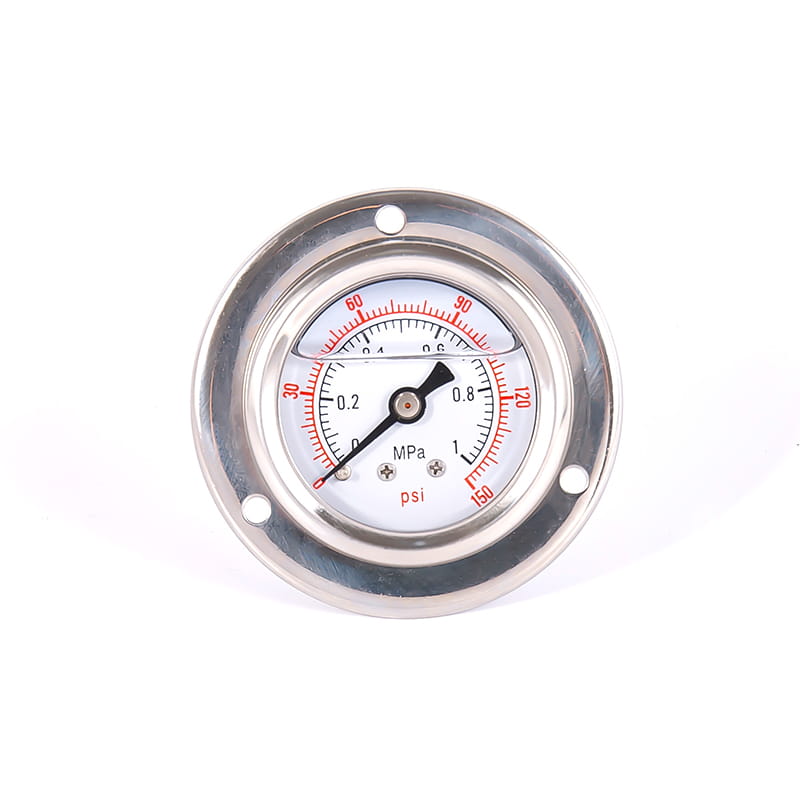
◆ Model: YN40 YN50 YN60 YN75 YN100 YN150◆ Use: This series of instruments have good shock resistance...
See Details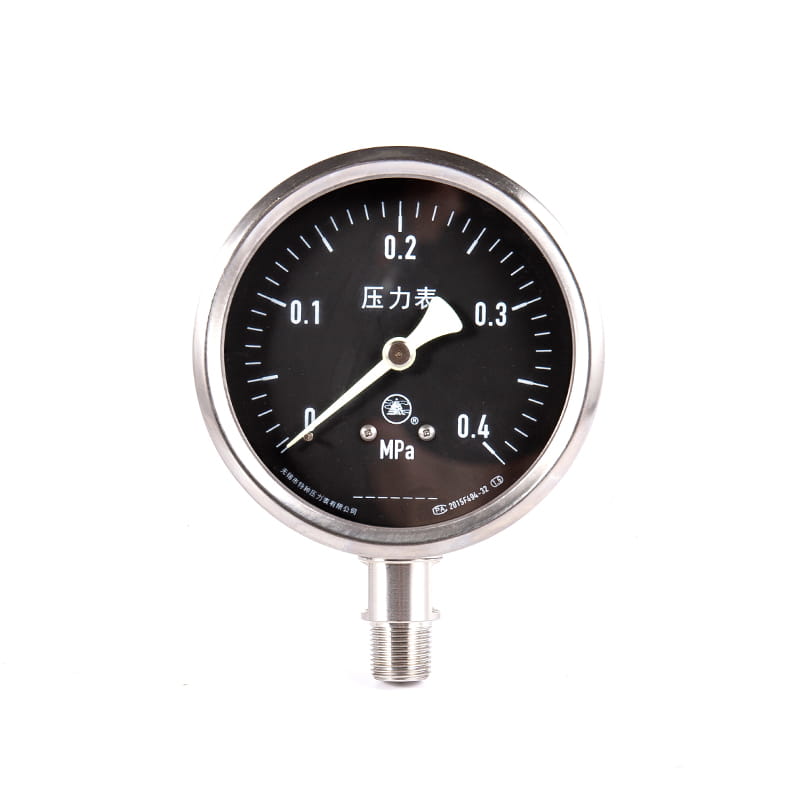
◆ Model: YC40 YC50 YC60 YC75 YC100 YC150◆ Use: This series of instruments are suitable for measuring...
See Details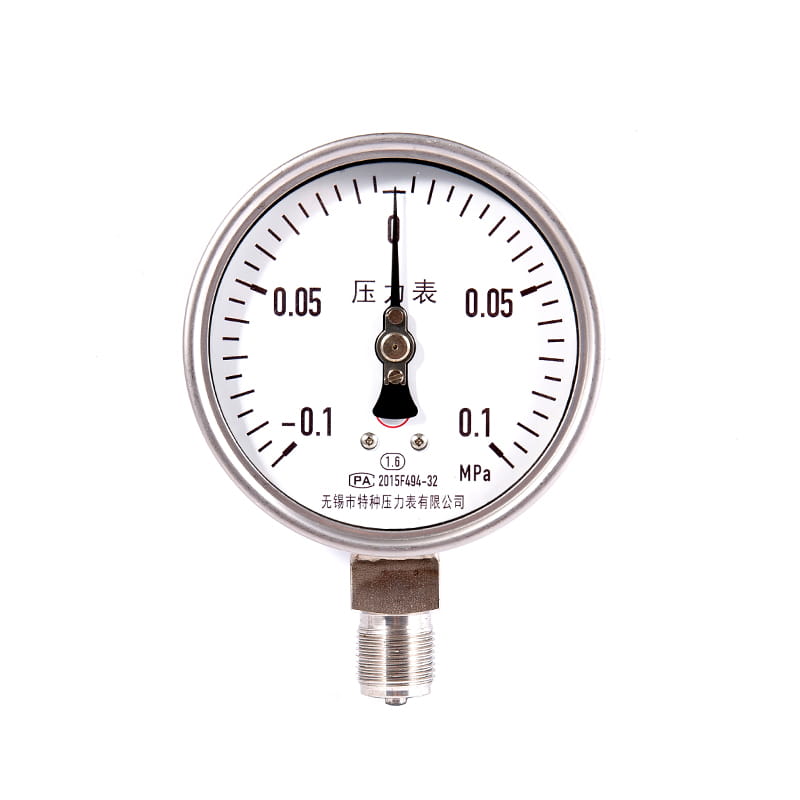
◆ Model: YQ40 YQ50 YQ60 YQ75 YQ100 YQ150◆ Use: This series of gauges are all made of stainless steel...
See Details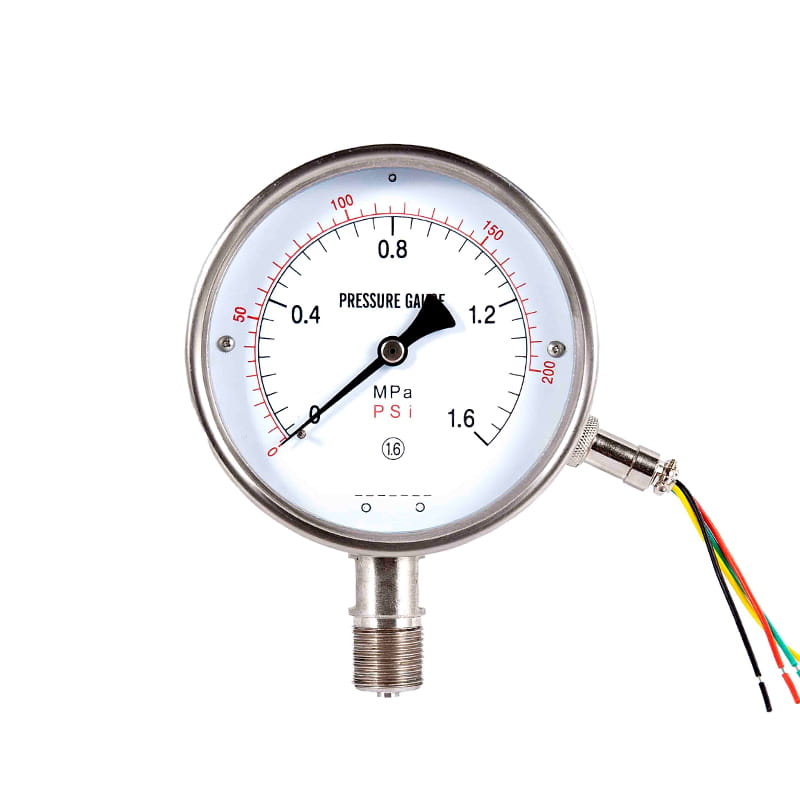
◆ Model: YTZ100, YTZ-150 ◆ Application: This type of instrument is suitable for measuring the pressu...
See Details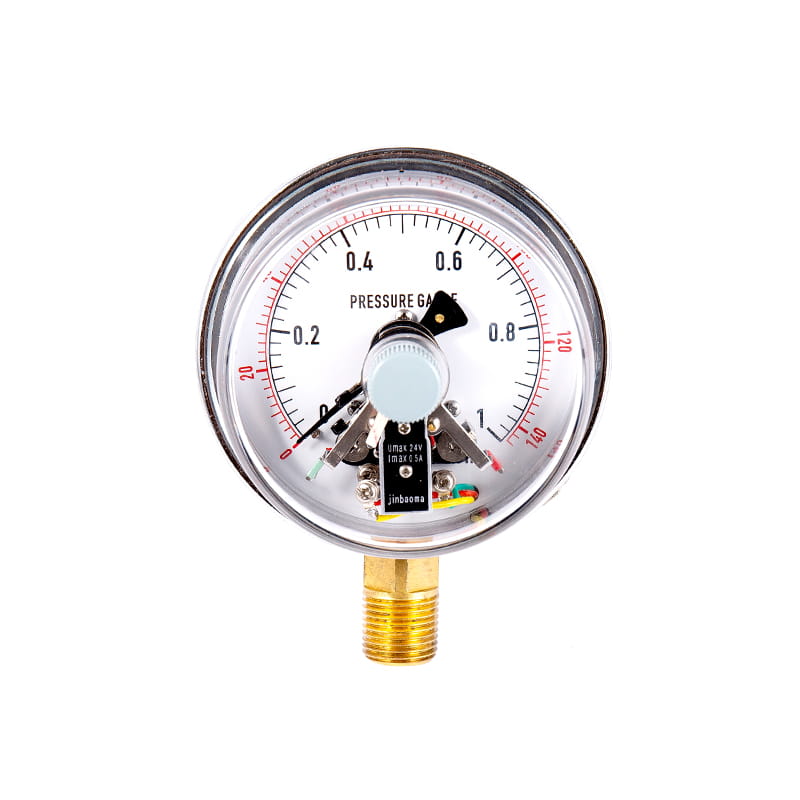
◆ Model: YXCm100 YXCm150 ◆ Uses: This kind of instrument is an ideal alternative to the magnetic-ass...
See Details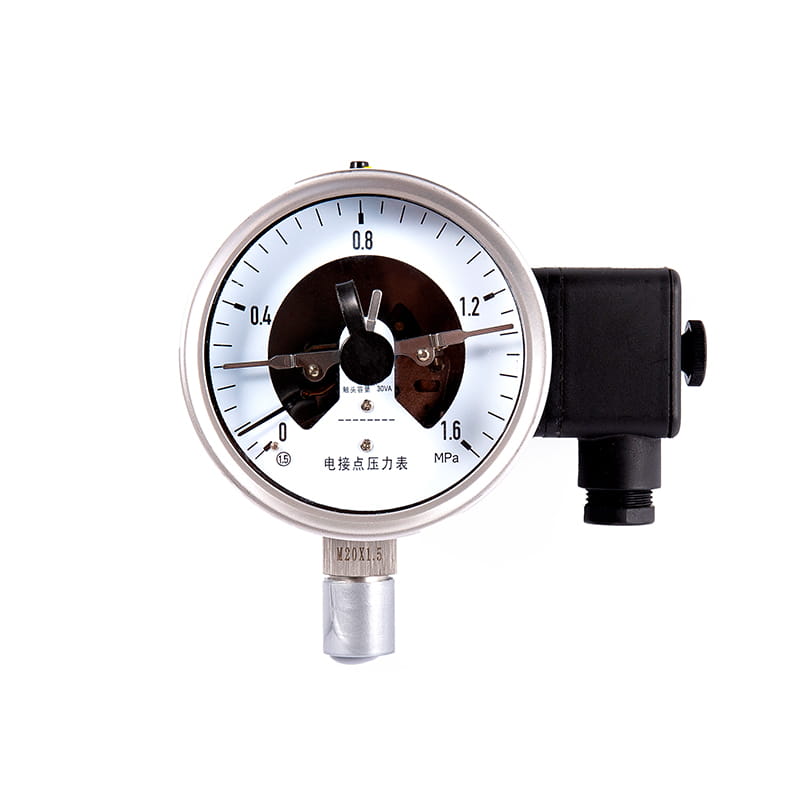
◆ Model: YXD100 YXD150 ◆ Uses: Photoelectric electric contact pressure gauge is a substitute for the...
See Details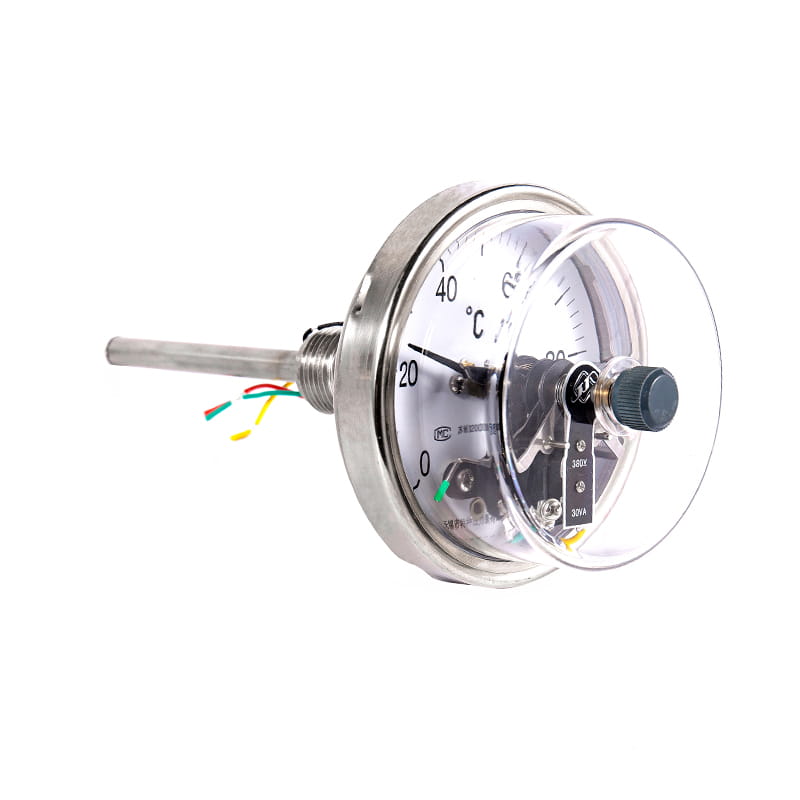
◆ Model: WSSX-4 ◆ Application: The electric contact bimetal thermometer has the characteristics of n...
See Details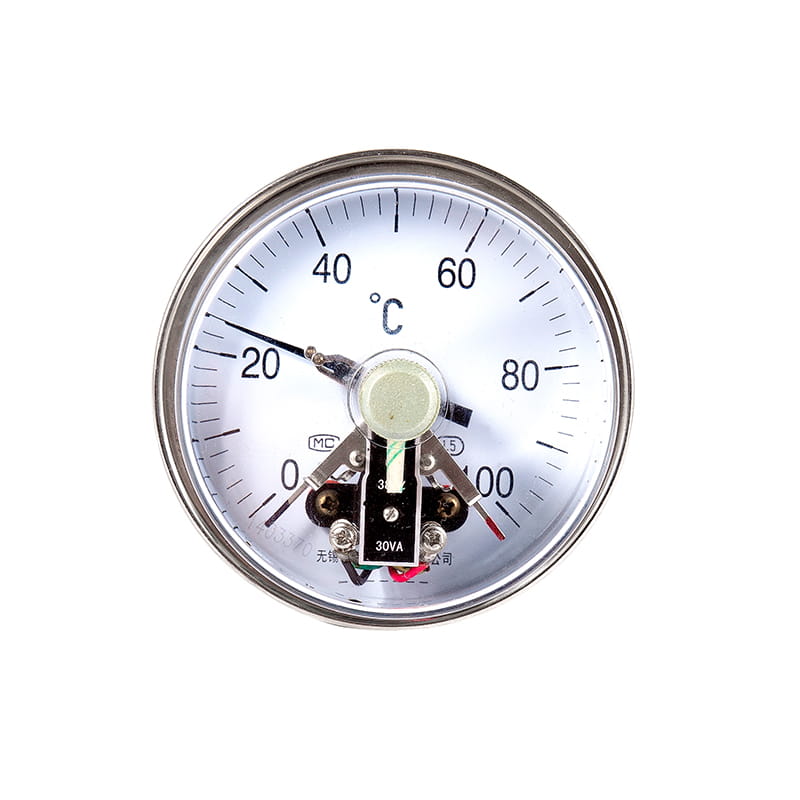
◆ Model: WSSXC-4 ◆ Application: This series of thermometers has the characteristics of no mercury da...
See Details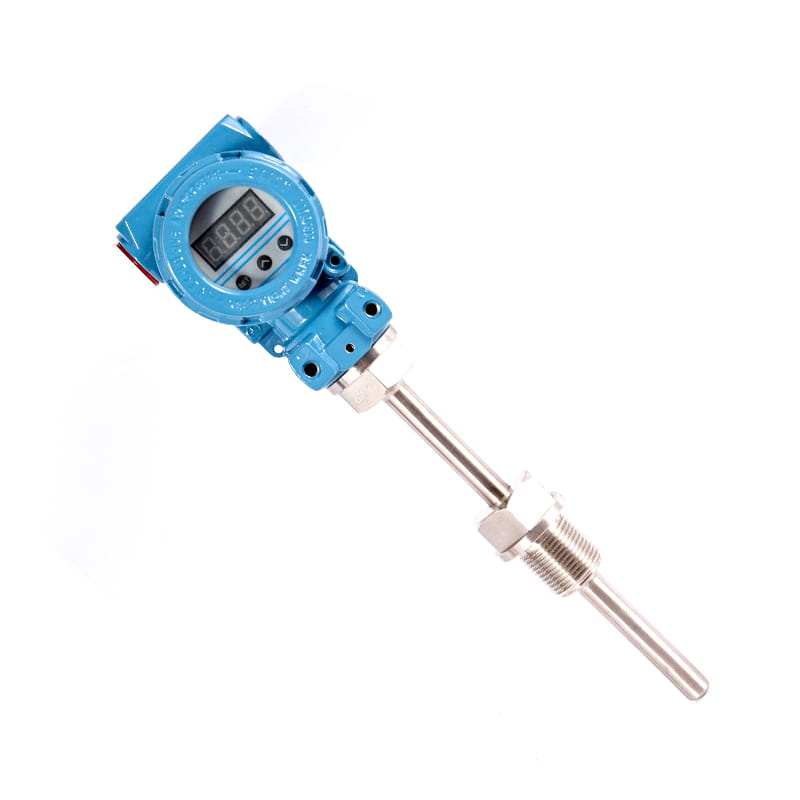
◆ Model: WSZC-2 ◆ Overview: The transmitter is composed of advanced circuit module integration techn...
See Details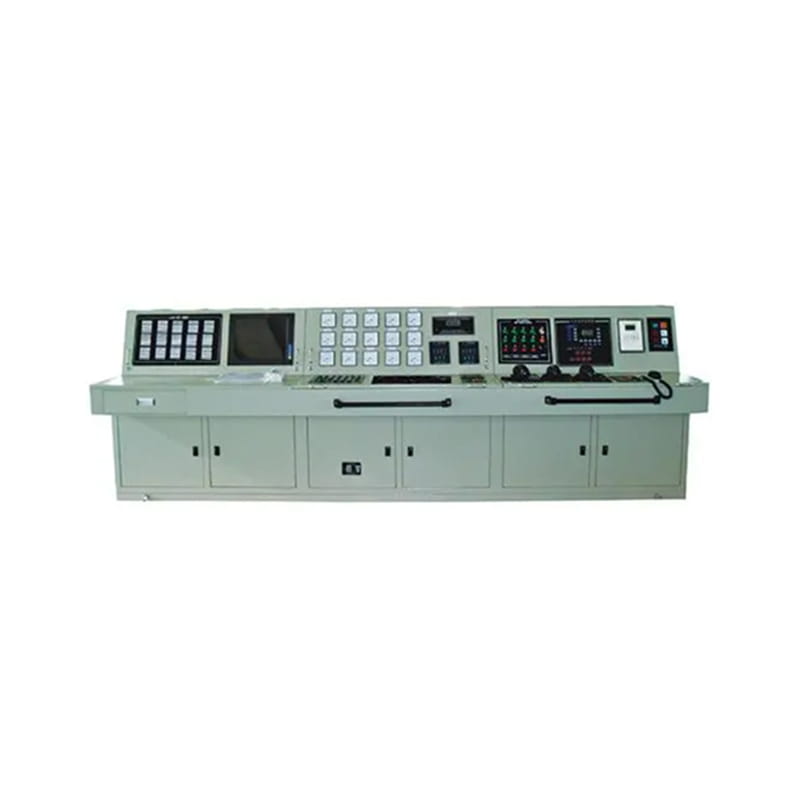
The Engine room monitoring alarm system is crucial for ensuring the safety and efficiency of operati...
See Details


