

 English
 русский
 Español
 عربى
عربى
YE series micro pressure gauges/membrane box pressure gauge
Cat:Pressure Gauge
◆ Model:YE60 YE100 YE150 ◆ Use: Membrane box pressure gauge is also called micro pressure gauge....
See DetailsContent
A stainless steel pressure gauge is a mechanical or electro-mechanical instrument designed to measure and display pressure in industrial, commercial, and process control systems. The use of stainless steel for wetted parts and the case provides superior corrosion resistance, mechanical strength, and long-term durability, making these gauges suitable for harsh environments where standard brass or plastic gauges may fail.
Stainless steel pressure gauges are widely used in industries such as oil and gas, chemical processing, food and beverage, pharmaceuticals, water treatment, power generation, and HVAC. Their ability to withstand aggressive media, high temperatures, and demanding operating conditions makes them a critical component in safe and reliable pressure monitoring.
Understanding the internal construction of a stainless steel pressure gauge helps users select the right model and maintain accurate measurements over time. While designs vary by manufacturer, most gauges share common core components.
The outer case and bezel are typically made from 304 or 316 stainless steel. These materials resist corrosion, impact, and environmental exposure. In washdown or outdoor applications, stainless steel cases also prevent rust and contamination, supporting hygienic and long-life operation.
The Bourdon tube is the primary pressure-sensing element in most mechanical pressure gauges. In stainless steel pressure gauges, the Bourdon tube and other wetted parts are commonly made from 316 stainless steel, which offers excellent resistance to corrosive fluids, steam, and many chemicals. When pressure is applied, the tube flexes, and this movement is mechanically transferred to the pointer.
The movement mechanism converts the small mechanical deflection of the Bourdon tube into rotational movement of the pointer. High-quality stainless steel gauges use precision gears and linkages to ensure smooth pointer movement and repeatable readings. The dial is usually made from aluminum or stainless steel with clear, high-contrast markings for easy readability.
Stainless steel pressure gauges are available in several configurations to suit different applications, pressure ranges, and environmental conditions. Selecting the right type is essential for accuracy, safety, and long-term performance.
Dry stainless steel pressure gauges do not contain any internal fill fluid. They are suitable for relatively stable pressure applications with minimal vibration or pulsation. Dry gauges are often used in clean indoor environments where cost efficiency and basic pressure indication are sufficient.
Liquid-filled stainless steel pressure gauges are filled with glycerin, silicone oil, or similar fluids. The fill fluid dampens vibration, reduces pointer flutter, and protects internal components from wear. These gauges are ideal for applications with pulsating pressure, mechanical vibration, or rapid pressure changes.
Safety pattern stainless steel pressure gauges are designed to protect operators in the event of a failure. They typically include a solid front, a blow-out back, and internal baffles that direct any pressure release away from the operator. These features are especially important in high-pressure or hazardous process environments.
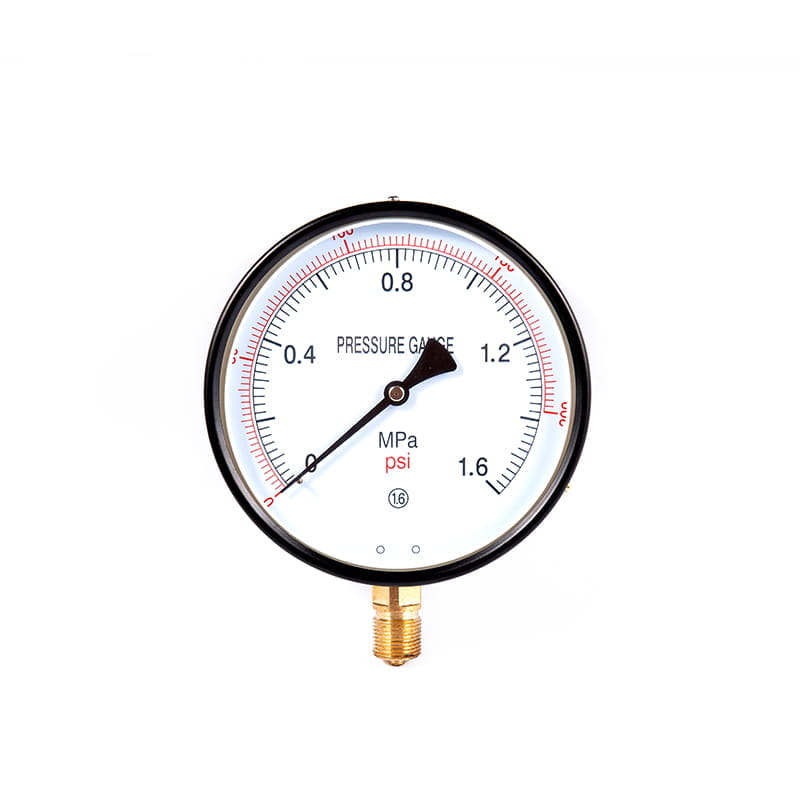
Accuracy is a critical factor when selecting a stainless steel pressure gauge. Accuracy is usually expressed as a percentage of full-scale (FS) reading, such as ±1.0% FS or ±0.5% FS. Higher accuracy classes are required for control, testing, and quality assurance applications.
Regular calibration ensures that the gauge continues to provide reliable readings over time. Calibration intervals depend on the application, regulatory requirements, and operating conditions. In critical processes, gauges may be calibrated every three to six months, while less critical applications may require annual calibration.
Stainless steel pressure gauges are available in a wide range of pressure scales, from vacuum and compound ranges to ultra-high pressures. Proper scale selection is essential for both accuracy and gauge life.
A common best practice is to select a gauge where normal operating pressure falls between 25% and 75% of full-scale range. This helps minimize wear on the Bourdon tube and ensures optimal readability and accuracy.
Stainless steel pressure gauges are offered with various process connections and mounting configurations to fit different system designs and standards.
Common thread standards include NPT, BSP, BSPT, and metric threads. Correct thread type and size selection is critical to prevent leaks and ensure mechanical integrity.
Operating temperature has a direct impact on gauge performance and service life. Stainless steel pressure gauges are generally suitable for higher temperatures than brass gauges, but extreme heat can still affect accuracy and internal component life.
In outdoor or washdown environments, stainless steel cases provide excellent protection against moisture, chemicals, and cleaning agents. For very cold conditions, silicone-filled gauges may be preferred to maintain damping performance at low temperatures.
One of the main advantages of stainless steel pressure gauges is their broad chemical compatibility. 316 stainless steel wetted parts are resistant to many acids, alkalis, and corrosive fluids. However, not all chemicals are compatible, and some media may require special alloys or isolation methods.
For highly corrosive, viscous, or crystallizing media, a diaphragm seal can be used in combination with a stainless steel pressure gauge. This isolates the gauge from the process fluid while still transmitting pressure accurately.
Stainless steel pressure gauges are used across a wide range of industries due to their durability and versatility. Typical applications include:
In these environments, accurate pressure monitoring supports process efficiency, equipment protection, and regulatory compliance.
Proper installation is essential to achieve reliable readings and extend the life of a stainless steel pressure gauge. The gauge should be mounted in a location that minimizes vibration, temperature extremes, and mechanical stress.
Using appropriate fittings, pressure snubbers, and siphons can help protect the gauge from pressure spikes, pulsation, and high-temperature steam. These accessories reduce mechanical shock and improve measurement stability.
Routine inspection and maintenance help ensure continued accuracy and safe operation. Common maintenance tasks include visual inspection for leaks, corrosion, or mechanical damage, as well as periodic calibration checks.
If a gauge shows erratic readings, pointer sticking, or visible case damage, it should be removed from service and evaluated. In many industrial settings, replacing a faulty gauge is more cost-effective than attempting repair.
When specifying a stainless steel pressure gauge, buyers should consider multiple technical and operational factors to ensure the correct product is selected.
A systematic selection process reduces the risk of premature failure, inaccurate readings, and safety issues.
Stainless steel pressure gauges offer a robust, reliable, and versatile solution for pressure measurement in demanding environments. Their resistance to corrosion, wide pressure range availability, and compatibility with harsh process media make them a preferred choice for many industrial applications.
By carefully considering construction materials, accuracy requirements, installation conditions, and maintenance practices, users can maximize the performance and service life of stainless steel pressure gauges while ensuring safe and efficient operation of their pressure systems.
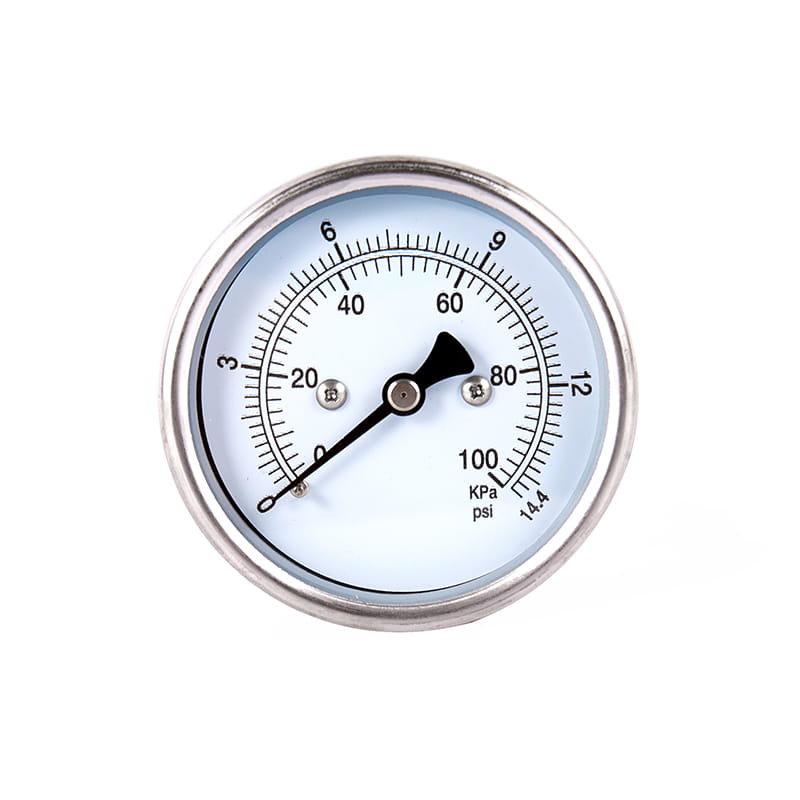
◆ Model:YE60 YE100 YE150 ◆ Use: Membrane box pressure gauge is also called micro pressure gauge....
See Details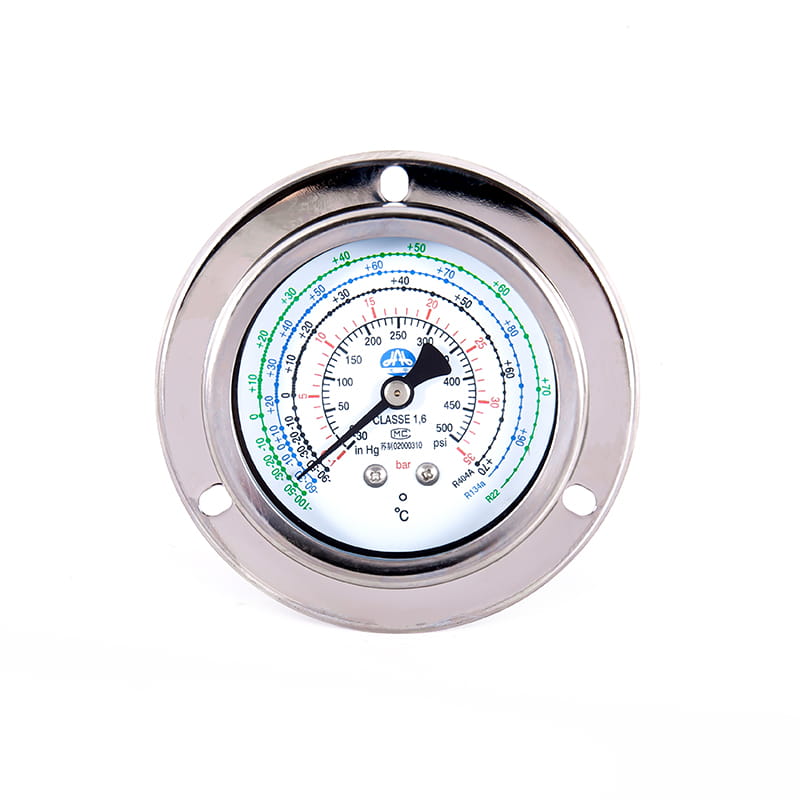
◆ Model: YLm60 YLm100 YLm150◆ Application: This series of instruments are special instruments for de...
See Details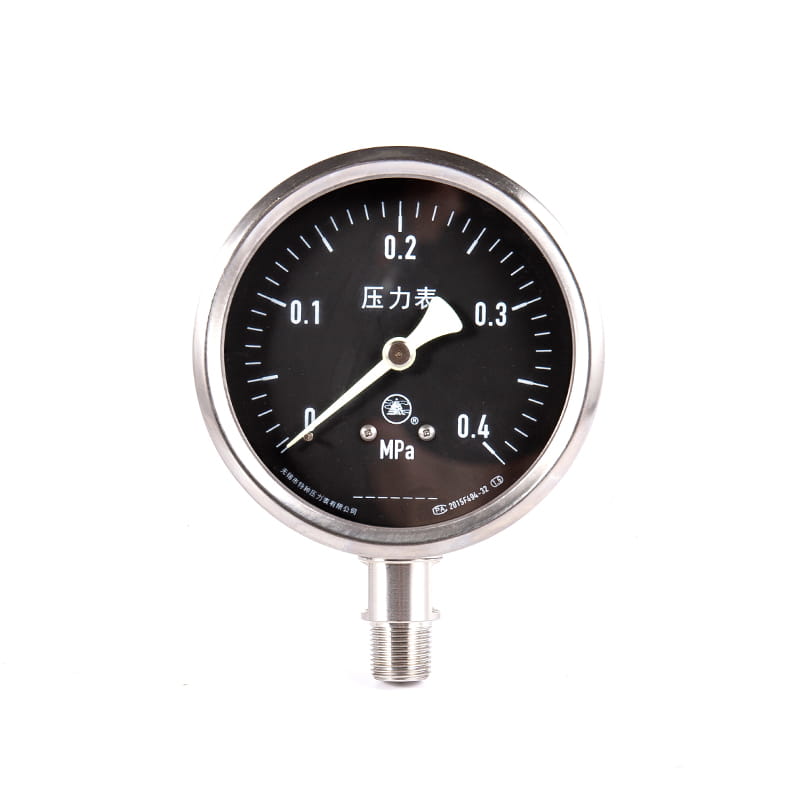
◆ Model: YC40 YC50 YC60 YC75 YC100 YC150◆ Use: This series of instruments are suitable for measuring...
See Details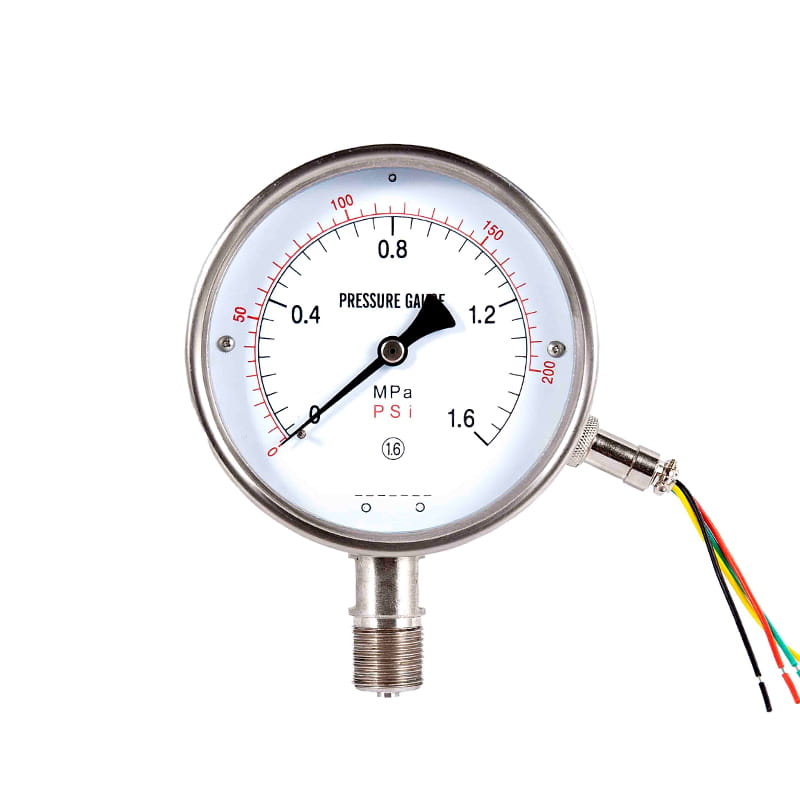
◆ Model: YTZ100, YTZ-150 ◆ Application: This type of instrument is suitable for measuring the pressu...
See Details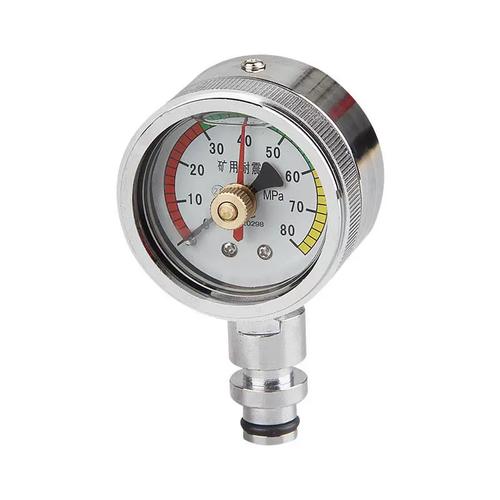
◆ Model: YKY60 ◆ Application: Mining memory pressure gauges is specially designed for underground h...
See Details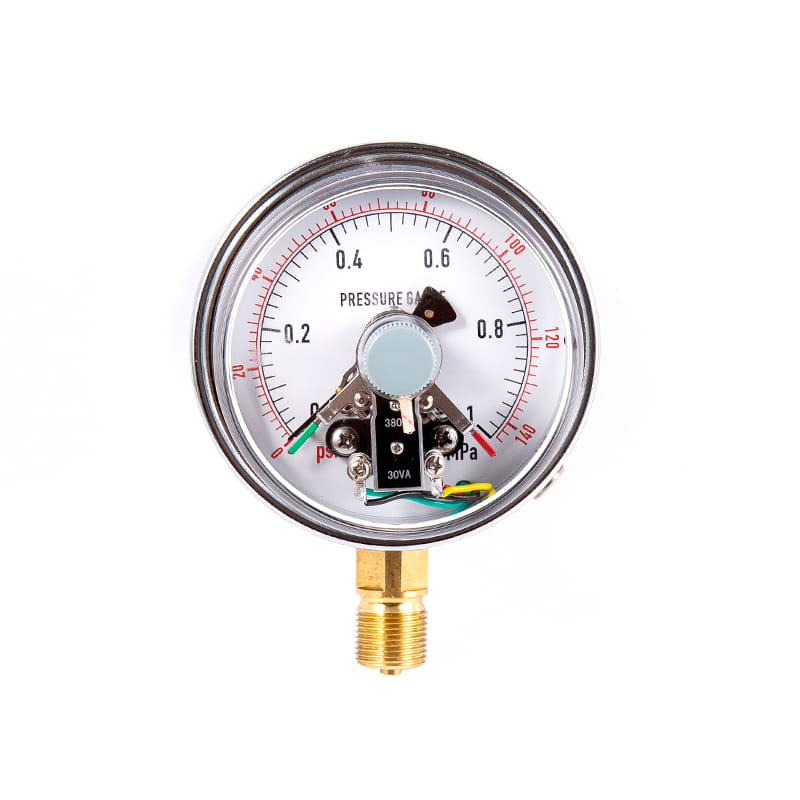
◆ Model: YXCh100 YXCh150 ◆ Application: Reed electric contact pressure gauge is suitable for measuri...
See Details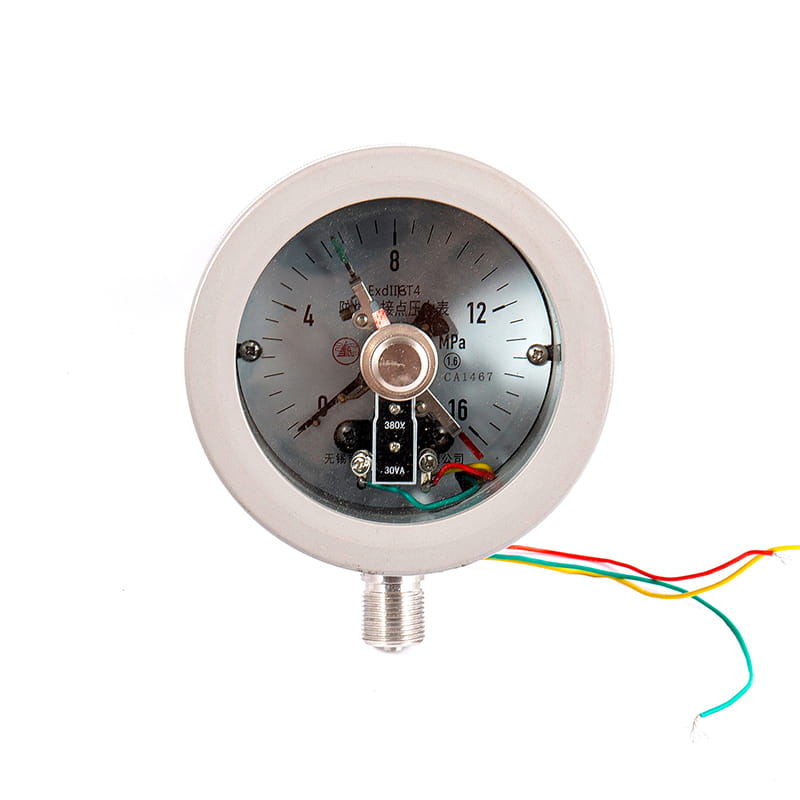
◆ Model: YTX100B YTX150B ◆ Uses: Explosion-proof electric contact pressure gauge is specially used i...
See Details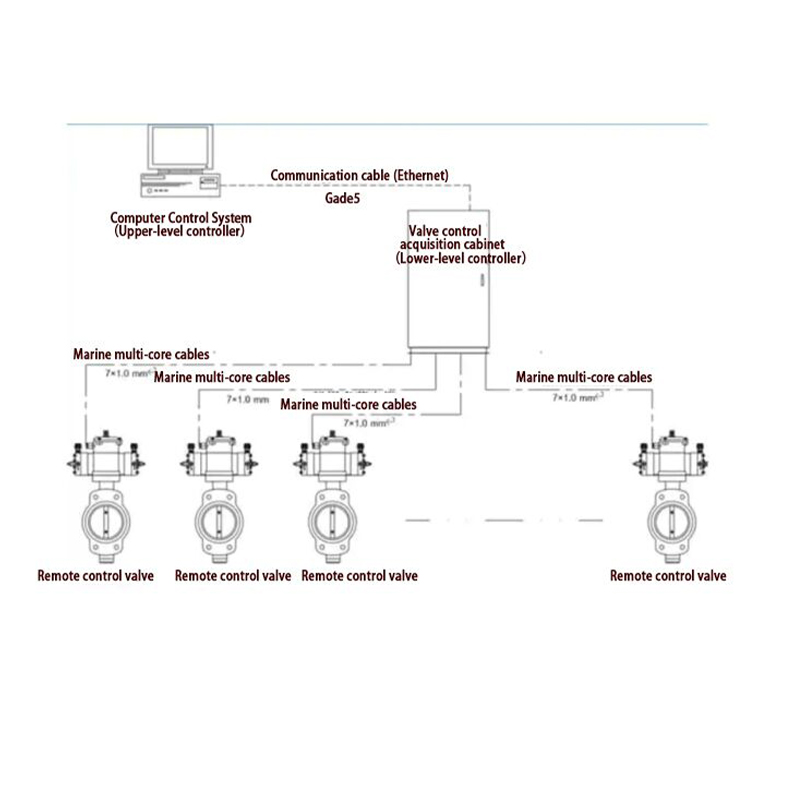
The Valve remote control and liquid level telemetry system enhances operational efficiency by provid...
See Details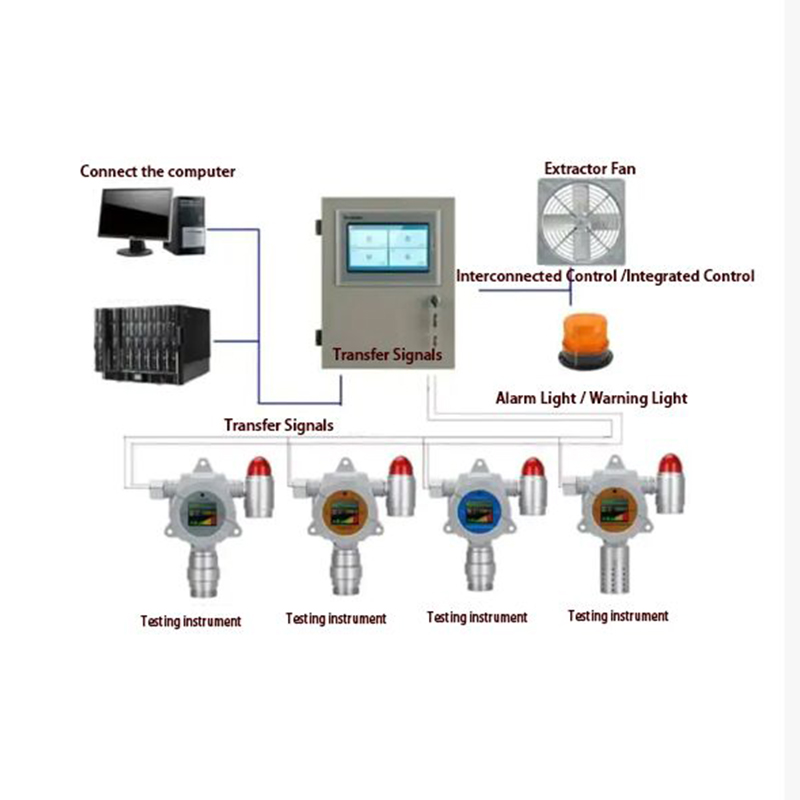
The gas monitoring alarm system is designed for optimal safety and usability. It features a user-fri...
See Details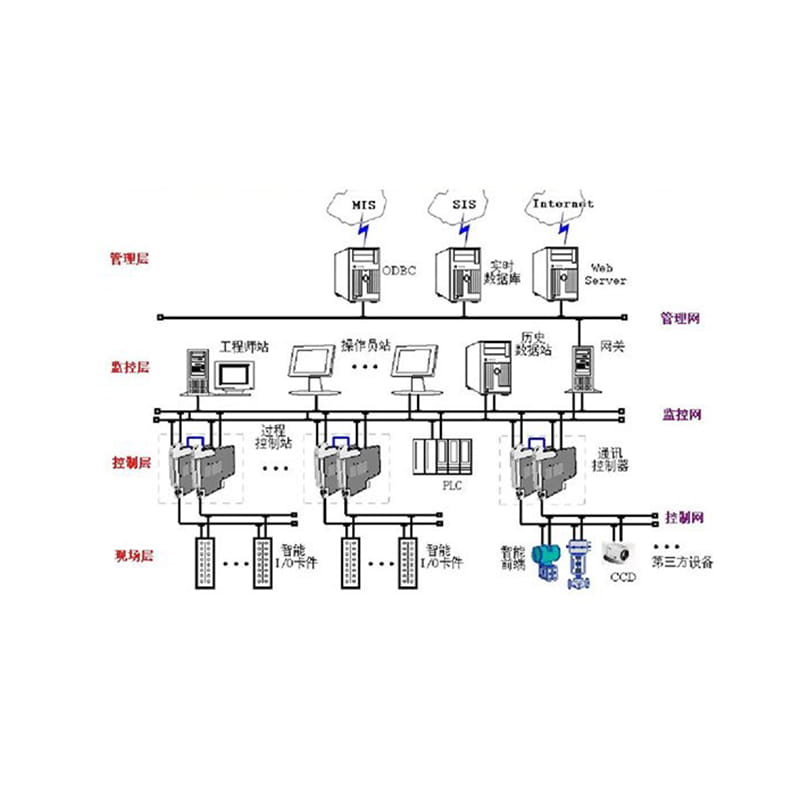
The DCS System is designed with an open architecture, allowing for seamless integration and flexibil...
See Details


