

 English
 русский
 Español
 عربى

Y series general stainless steel pressure gauge
Cat:Pressure Gauge
◆ Model: Y40 Y50 Y60 Y75 Y100 Y150 Y200 Y250◆ Use: This series of instruments is suitable for measur...
See DetailsContent
Pressure readings rarely wait for a convenient cable route. A pump station at the far end of a site, a tank on a steel frame, or a temporary test point on a skid can be difficult and expensive to wire. A wireless pressure gauge solves that practical problem by putting the sensing element, local display, and radio link in one compact housing. At Huihua, we build pressure instruments for exactly these kinds of field conditions, and we have learned that wireless is less about removing a cable and more about matching the right sensing, power, and communication choices to the job.
A wireless pressure gauge is not simply a dial with an antenna. It usually contains five functional blocks: a pressure element, signal conditioning, a local indicator, a radio module, and a battery. The pressure element may be a Bourdon tube in a mechanical gauge paired with a wireless transmitter, or a piezo-resistive sensor in a digital gauge. The signal conditioning circuit handles temperature compensation, damping, and linearization. The radio module decides when and how often the reading leaves the device. The battery determines how long the installation can run without a service visit.
The local display still matters. Operators walk rounds, and a clear digital reading helps them verify a value before it reaches a gateway or SCADA screen. A good wireless gauge should be useful on its own, even when the network is down. That is why we often start with the measurement requirement, then choose the radio, rather than starting with a communication technology and forcing the pressure instrument to fit.
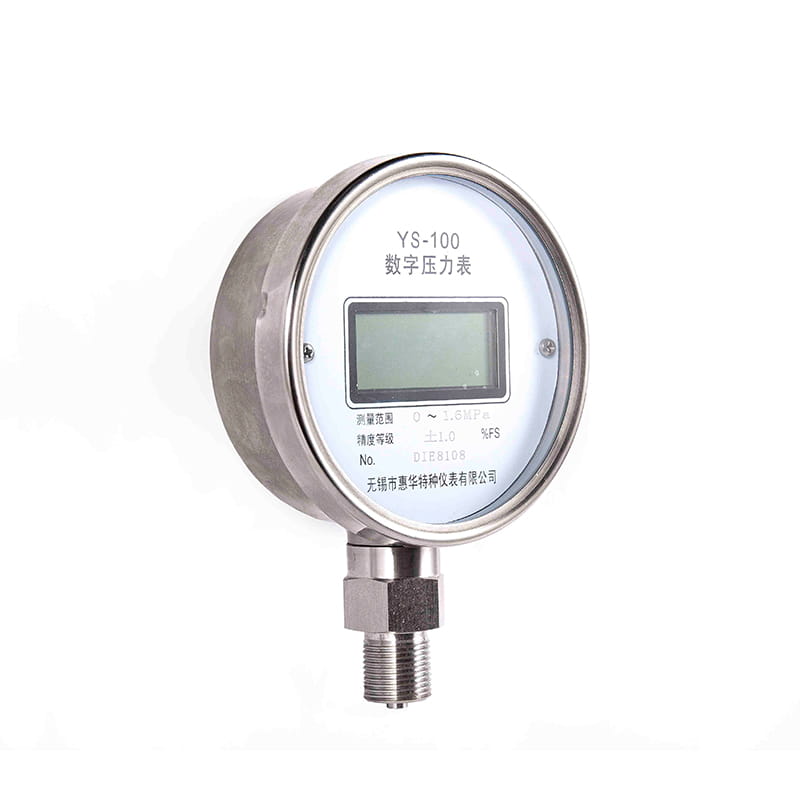 YS Series Digital Pressure Gauge with Local DisplayOffers a clear local digital readout and high-precision measurement, making it useful for commissioning and verifying pressure before adding a wireless link.View Product →
For teams that want a familiar local readout before adding a radio link, a digital pressure gauge is a sensible building block. It gives technicians a direct view of the process and makes commissioning easier when the wireless side is being set up.
Inside the gauge, pressure deforms a sensing element. A transducer converts that movement into an electrical signal, and an analog-to-digital converter turns it into a value the microcontroller can use. The microcontroller applies compensation and damping, then wakes the radio at a configured interval or when an alarm threshold is crossed. Most of the battery budget is spent in sleep current, sensor warm-up, transmit power, and payload size, not in the actual measurement itself.
The protocol changes the system architecture. LoRaWAN uses a gateway and network server, which makes it well suited to plant-wide coverage and remote assets. Bluetooth Low Energy is convenient for local commissioning and handheld checks. NB-IoT sends data directly over cellular networks where no gateway is available. For projects that need long-range coverage across a site, our LoRaWAN process monitoring sensors show how these networks are typically configured.
The table below is a practical starting point, not a strict rule. Real performance depends on antenna placement, metal obstructions, enclosure design, interference, and how often the gauge is asked to transmit.
| Technology | Typical range | Power profile | Good fit |
|---|---|---|---|
| LoRaWAN | 2–15 km line of sight | Very low | Tank farms, campus-wide monitoring, remote assets |
| Bluetooth Low Energy | 10–50 m | Low | Local commissioning, handheld checks, short-range retrofits |
| Zigbee | 10–100 m mesh | Low | Dense equipment rooms and indoor mesh coverage |
| Wi-Fi | 30–100 m | High | Sites with existing Wi-Fi and frequent data updates |
| NB-IoT | Cellular coverage | Medium | Isolated wells, remote cabins, sites without a gateway |
Wireless pressure gauges are most valuable where the cost of wiring is high or the point is physically awkward to reach. In water and wastewater treatment, they monitor pump discharge, filter differential pressure, and tank head without trenching cable across a site. In HVAC systems, they help verify chilled-water and heating-loop pressures on rooftops or in tenant spaces. In tank farms and chemical plants, they can be paired with diaphragm seals for corrosive media and installed on remote vessels where a cable run would need trays, conduit, and civil work.
Our wireless industrial sensors are built around these field realities, including battery-powered operation, rugged enclosures, and options for hazardous or washdown environments.
Most wireless gauge problems are decided before the order is placed. Use the checklist below to keep the specification grounded in the actual process.
When a wireless point also needs a wired signal for an existing control system, the YSZC7 intelligent pressure transmitter can serve as a practical bridge between field measurement and the control room.
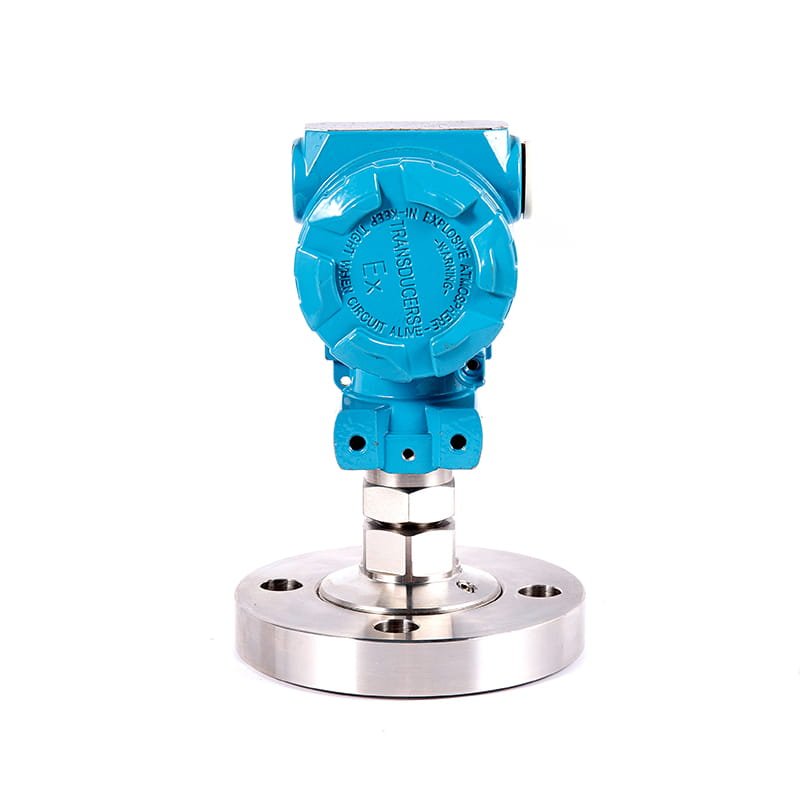 YSZC-7 Intelligent Pressure Transmitter for Wired and Wireless IntegrationBridges field measurement and control systems with precise pressure, level, density, and vapor signals, supporting HART communication and long-distance transmission.View Product →
A good radio link starts with a good installation. Keep the antenna clear of metal walls and cable trays, mount the gateway as high as practical, and perform a site survey before committing to a coverage plan. Use a snubber, damper, or capillary where pulsation or high temperature would shorten the life of the sensing element. Torque fittings to the manufacturer’s specification, and use the correct sealing method for the thread type.
Wireless is not the right answer for every point. Fast closed-loop control, continuous high-rate logging, and safety functions that demand deterministic response are usually better served by a wired transmitter. Very dense metal structures can also make radio coverage unpredictable. A wireless gauge is at its best when the measurement is slow-moving, the cable route is expensive, and a battery service interval of months or years is acceptable. Being clear about those limits is part of specifying the right instrument.
If you are weighing a wireless pressure gauge against a wired transmitter, start with the process conditions, the required update rate, and the environment. Those three answers usually narrow the choice quickly. Huihua has been manufacturing pressure instruments since 2001, with more than 30 product series and 3,000 specifications across pressure, temperature, level, flow, and marine automation. We are happy to review your application and help you decide whether a battery-powered gauge, a digital gauge, or a transmitter is the most sensible fit.
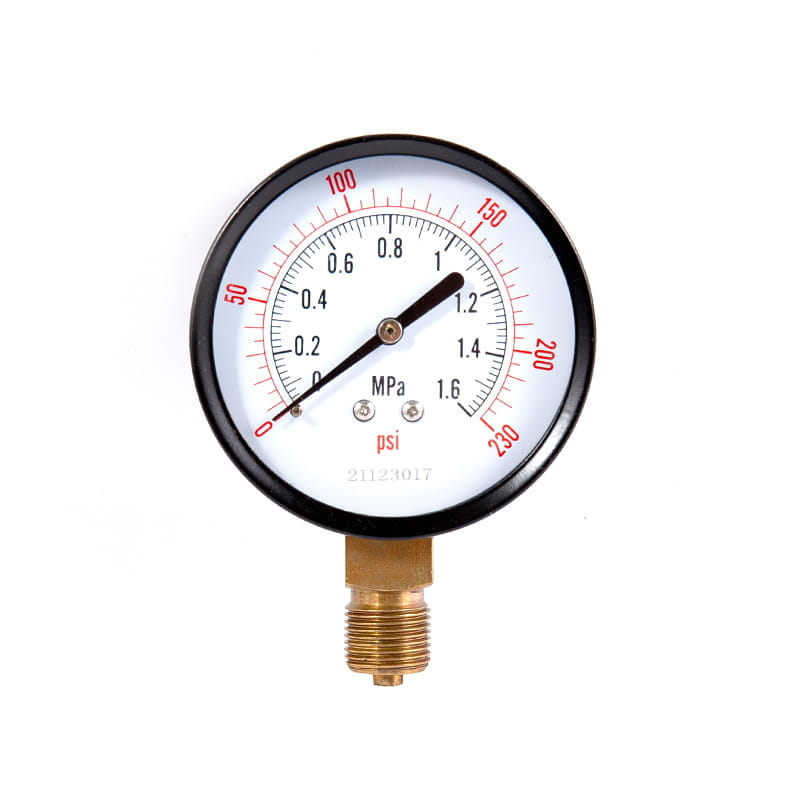
◆ Model: Y40 Y50 Y60 Y75 Y100 Y150 Y200 Y250◆ Use: This series of instruments is suitable for measur...
See Details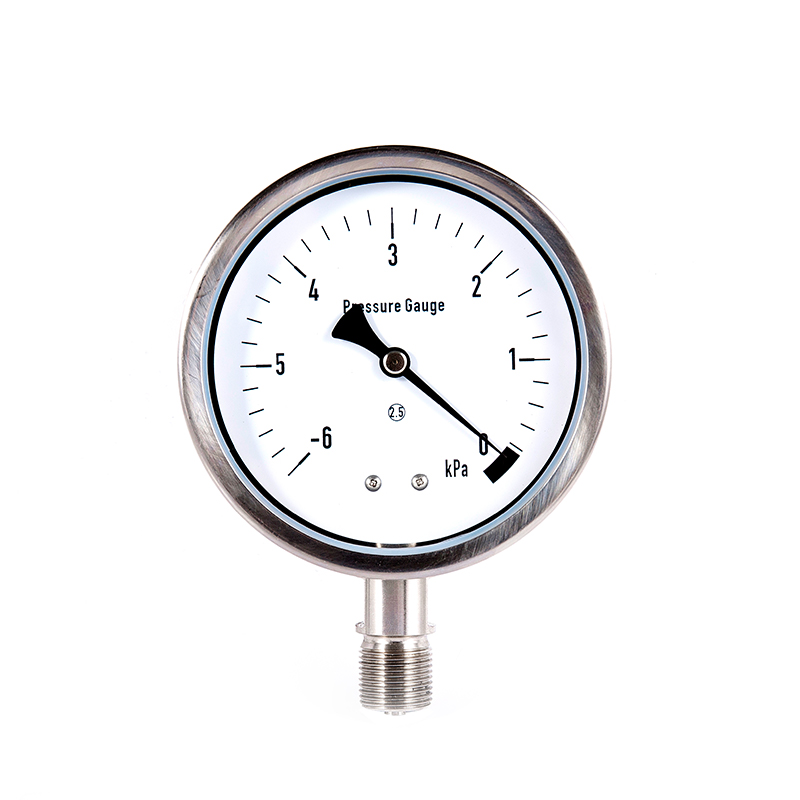
◆ Model:YEB60 YEB100 YEB150◆ Use: This series of instruments are suitable for measuring the low micr...
See Details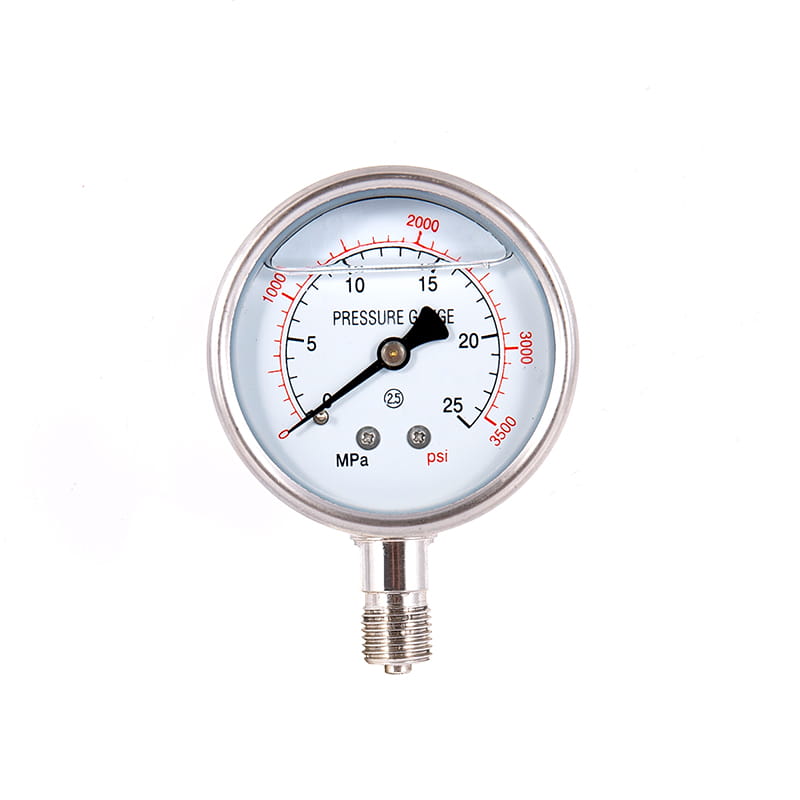
◆ Model: YG60 YG100 YG150◆ Use: All parts of this series of gauges are made of stainless steel, and ...
See Details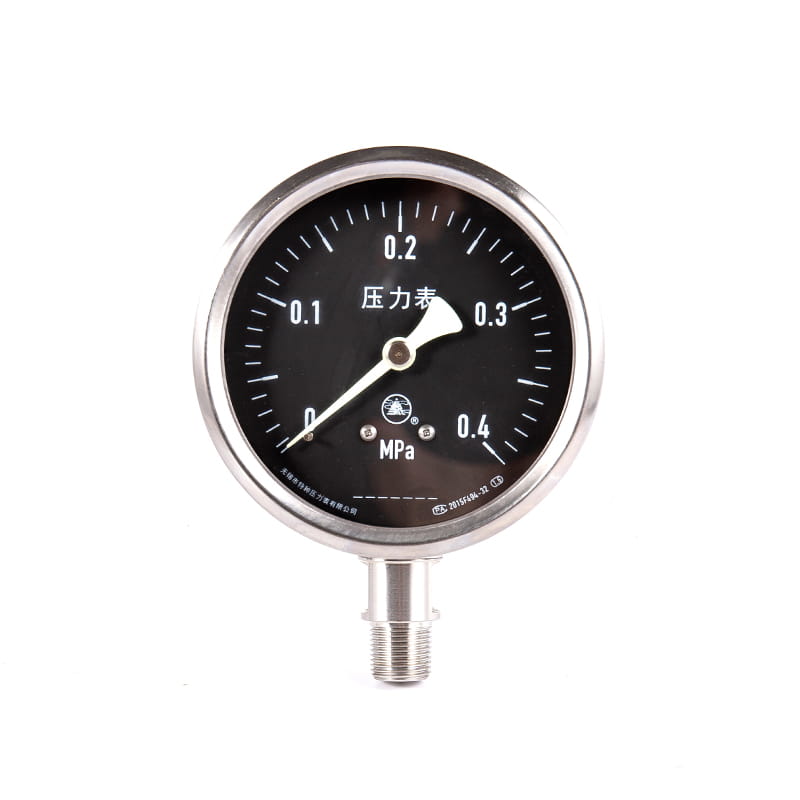
◆ Model: YC40 YC50 YC60 YC75 YC100 YC150◆ Use: This series of instruments are suitable for measuring...
See Details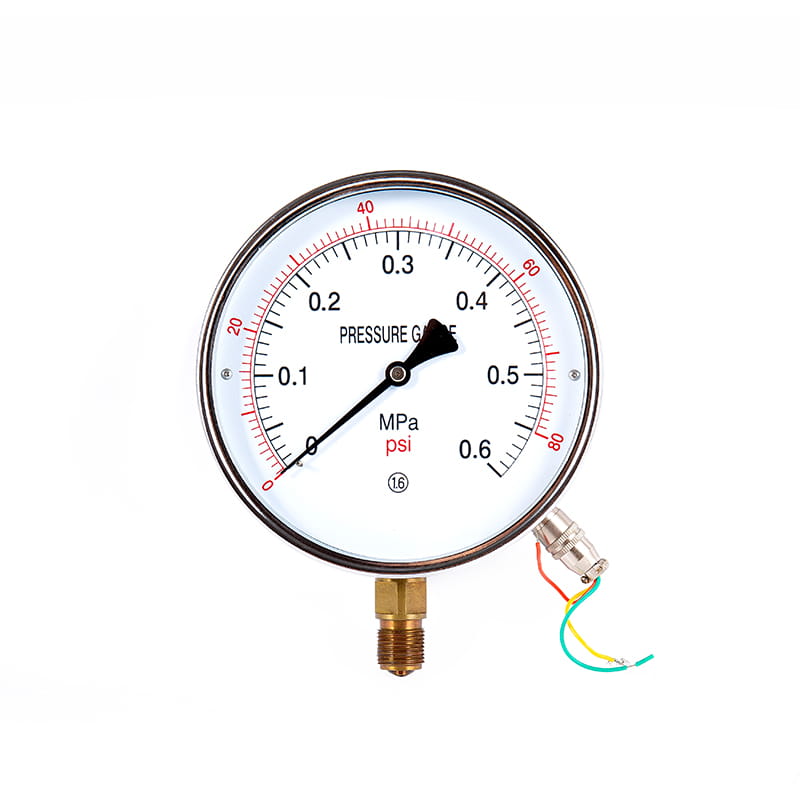
◆ Model: YTT100 YTT100A YTT150 YTT150A ◆ Application: This type of instrument is suitable for measur...
See Details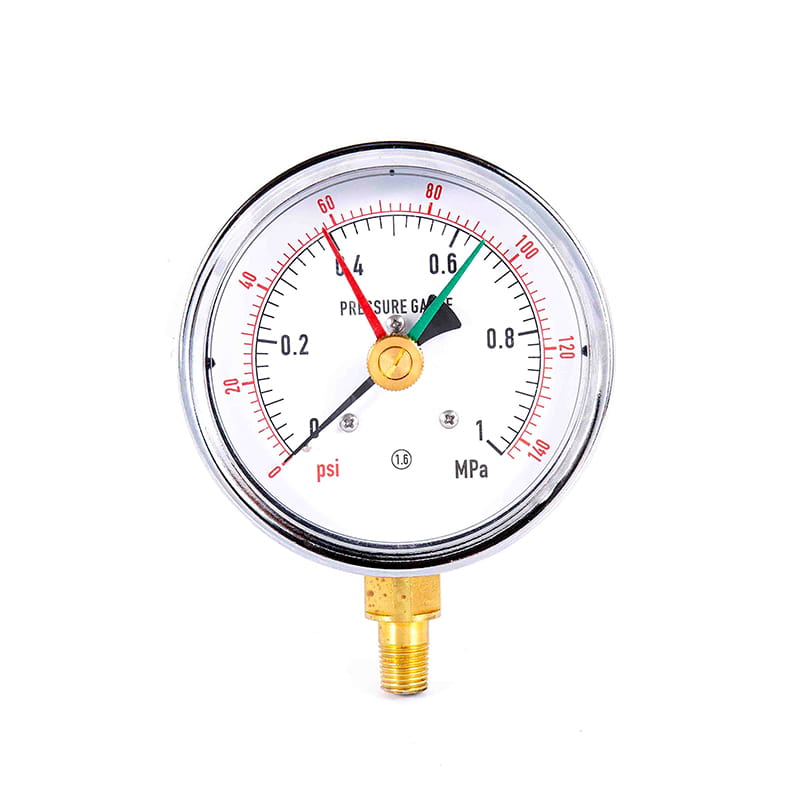
◆ Model: YD40 YD50 YD60 YD75 YD100 YD150 ◆ The main body of the instrument is a general pressure gau...
See Details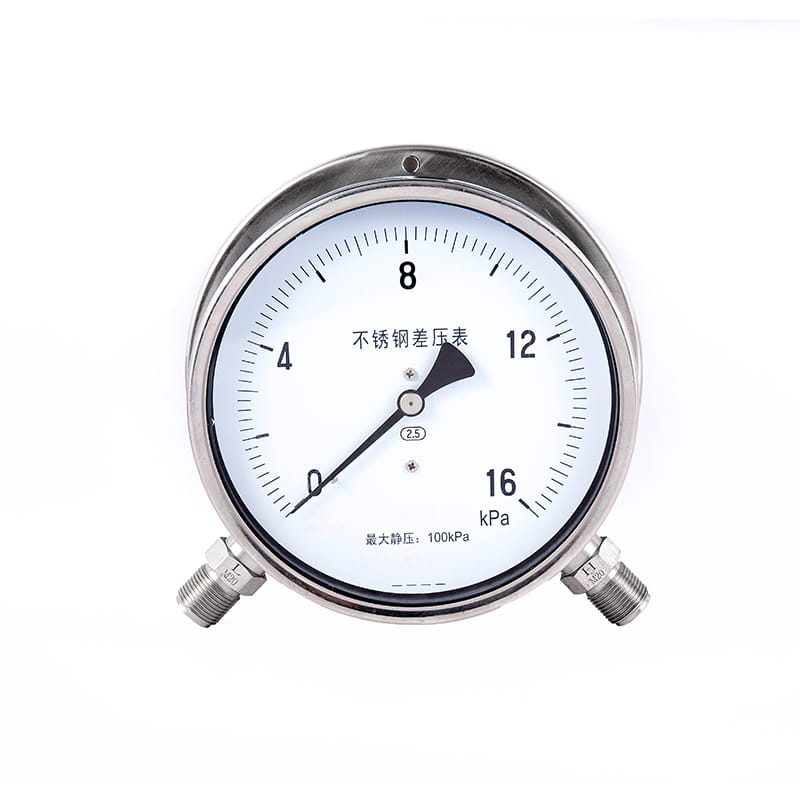
◆ Model: CYB100 CYB150 ◆ Application: Stainless steel differential pressure gauges is suitable for m...
See Details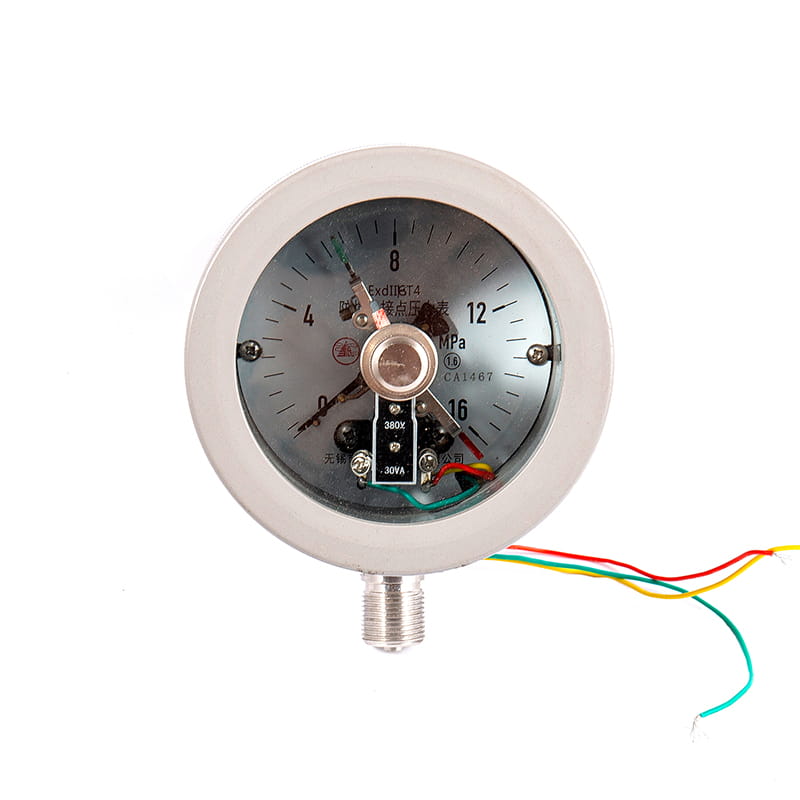
◆ Model: YTX100B YTX150B ◆ Uses: Explosion-proof electric contact pressure gauge is specially used i...
See Details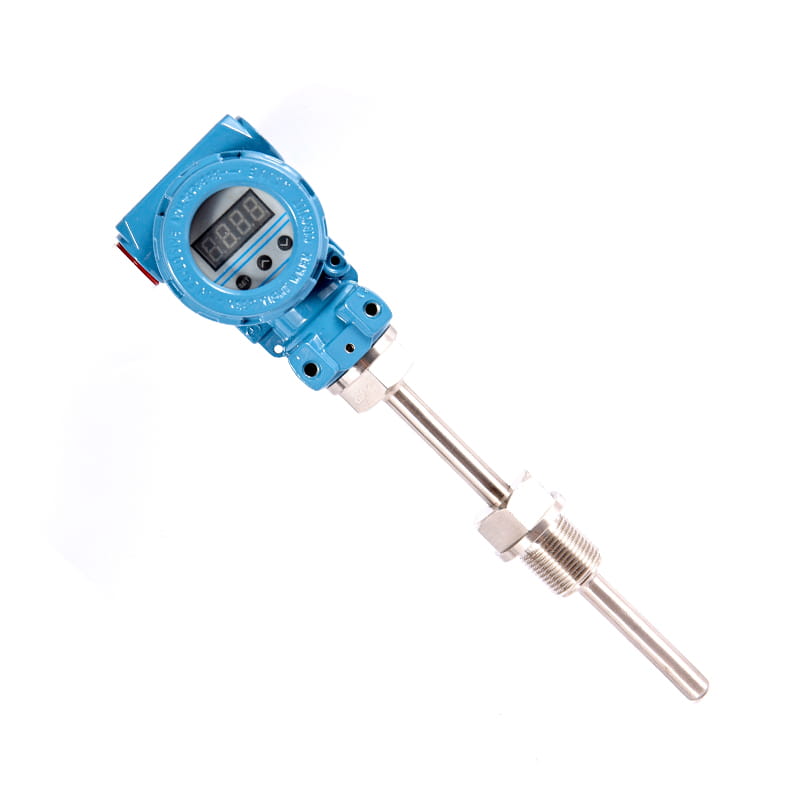
◆ Model: WSZC-2 ◆ Overview: The transmitter is composed of advanced circuit module integration techn...
See Details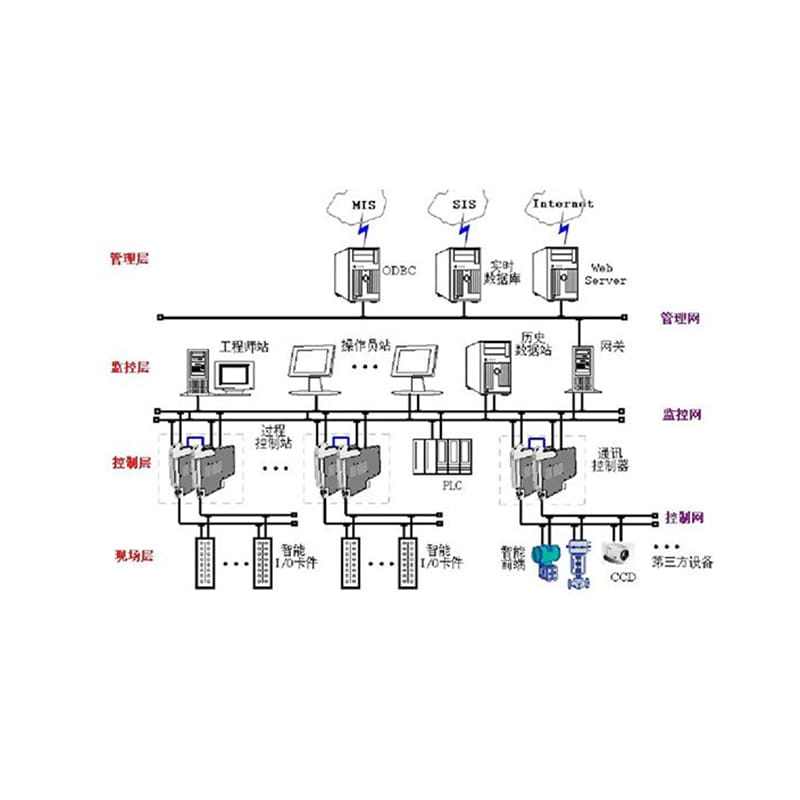
The DCS System is designed with an open architecture, allowing for seamless integration and flexibil...
See Details


