

 English
 русский
 Español
 عربى

YN series 100% copper connection earthquake-resistant (seismic) pressure gauge
Cat:Pressure Gauge
◆ Model: YN40 YN50 YN60 YN75 YN100 YN150◆ Use: This series of instruments have good shock resistance...
See DetailsContent
Ask two people on a lease what oilfield instruments are and you may get two different answers. The drilling crew tends to think of the gauges on the mud manifold, the ones they tap with a glove before making a connection. The production engineer thinks of the transmitter wired back to the RTU, quietly logging wellhead pressure every few seconds. Both are right, and both groups depend on the same handful of measurement principles holding up under heat, vibration, sand, and salt.
We have spent more than two decades building pressure and temperature instruments for industrial plants, and the oilfield has always been one of the most demanding places our products end up. This guide is a practical walk through what oilfield instruments do, where they sit, and how to choose them without over-specifying every line item.
It helps to separate instruments from tools. A drill bit, a packer, or a shale shaker does physical work on the well. An instrument measures and, in many cases, controls. Oilfield instrumentation covers the pressure gauges, transmitters, temperature sensors, level devices, and flow meters mounted on rig equipment, wellheads, gathering lines, separators, tank farms, and downstream processing units.
Three quantities dominate: pressure, temperature, and level. Flow and differential pressure fill in the rest. Everything else, from hazardous-area certification to the thread on a gauge socket, is detail that decides whether the instrument survives its first year in service.
New buyers often begin with a part number and work backwards. It is easier to start with the measurement point and let the location dictate the specification. The table below is the rough map we use in conversation with project engineers.
| Measurement point | Instrument typically specified | What drives the model choice |
|---|---|---|
| Mud pump discharge | Liquid-filled seismic pressure gauge | Pulsation, vibration, range headroom |
| Wellhead and christmas tree | High-pressure gauge with needle valve | Pressure class, sour service, material |
| Separator or scrubber | Differential pressure transmitter | Static line pressure, turndown, signal type |
| Filter and produced-water skid | Differential pressure gauge | Low range, clogging behaviour |
| Storage and slop tanks | Guided-wave radar or float level gauge | Foam, interface, tank height |
| Flow line and header | Pressure transmitter, 4-20 mA or HART | Signal to RTU or PLC, area classification |
| Gas and compressor skids | Gas service gauge or capsule gauge | Low pressure, cleanliness, leak tightness |
Direct-reading gauges remain the most common instrument on any oilfield site, and for good reason. They need no power, they can be read from arm's length in bad light, and a glance tells you whether the pump is behaving. The catch is that a standard gauge will not last long next to a reciprocating pump. Liquid filling, a reinforced movement, and a damping device turn a general-purpose gauge into something that survives thousands of pressure spikes.
For mud pump discharge lines and other high-vibration locations, a seismic gauge is usually the sensible starting point, often paired with a throttle screw or a damper accessory to take the edge off the pulsation before it reaches the bourdon tube.
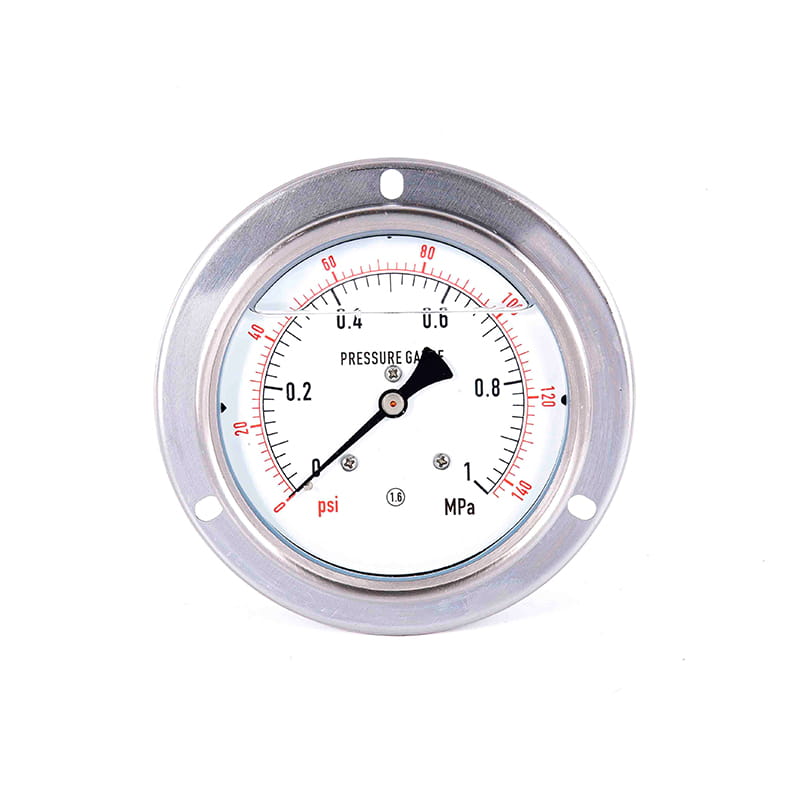 YN Series Seismic Pressure GaugeCopper-alloy, liquid-filled gauge for high-vibration lines, available in 40–150 mm sizes and multiple ranges to match pump discharge pressure.View Product →
Range selection matters more than most people expect. A gauge running below a quarter of its span gives a vague reading, while one running near full scale ages quickly under cycling. Landing the normal operating pressure around the middle of the dial, with the highest expected surge still inside the range, is a habit worth keeping.
Nothing reshapes a bill of materials faster than area classification. The moment a measurement point sits in a Zone 1 or Zone 2 location, the discussion moves from dial size to certification: flameproof or intrinsically safe construction, cable entries, temperature class, and the documentation that goes with it. Electrical contact gauges, which switch pumps or alarms, are the classic example, since they combine a mechanical measuring element with an electrical circuit in the same housing.
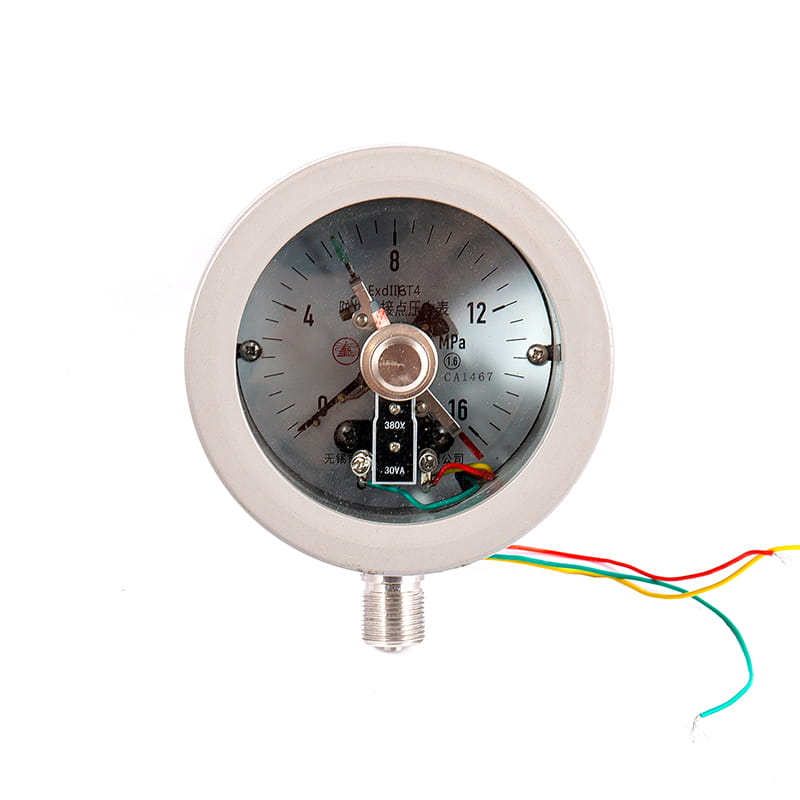 YTX-B Explosion-Proof Electric Contact GaugeFlameproof electric contact gauge for alarm or automatic control in hazardous gas areas; 100 and 150 mm sizes, Exd II BT4, IP54.View Product →
It pays to collect the classification drawing before choosing anything. If you need a wider view of what Exd and Exi options look like in practice, our overview of ATEX and IECEx rated instrumentation covers the main construction types and where each one fits.
Temperature measurement in oilfield service is rarely glamorous, but it is everywhere: bearing temperatures on rotating equipment, wellstream temperatures ahead of the separator, heater treaters, and glycol systems. A bimetallic thermometer with a stainless steel stem handles most local indications, while RTDs and thermocouples take over where a signal is needed or where accuracy really matters.
Differential pressure is the quiet workhorse of separation and filtration. A DP transmitter across a separator or a filter skid tells the operator far more than a single pressure reading, because it shows change over time. A rising differential across a filter signals loading; a falling one may signal a bypass or a leak. Both are actionable, and both are invisible on a simple pressure gauge.
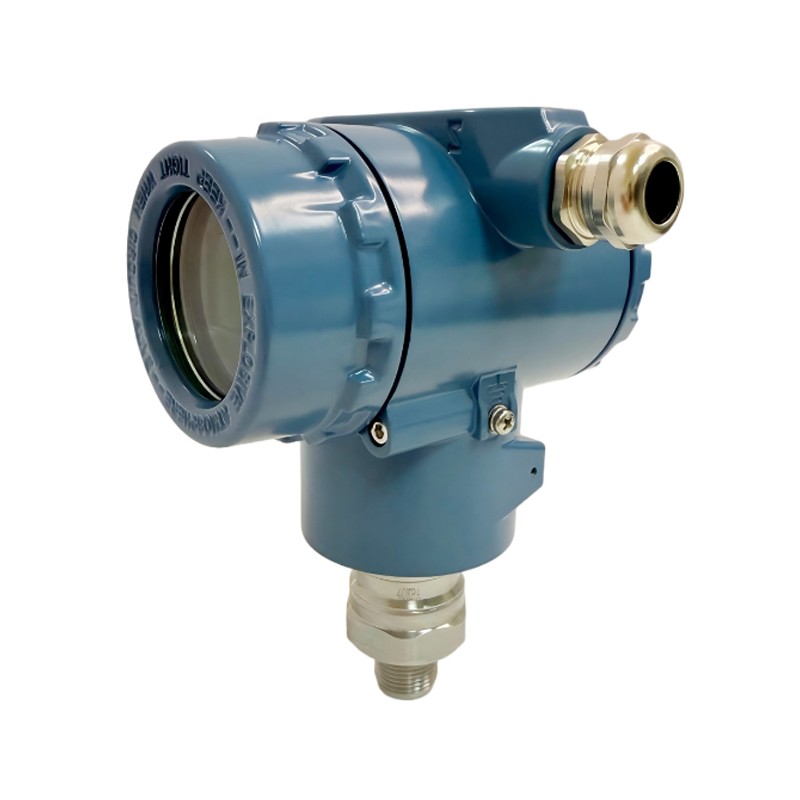 YSZC-6 Monocrystalline Silicon Differential Pressure TransmitterMonocrystalline silicon transmitter for separator/filter differential pressure and level measurement, offering 4–20 mA, HART or RS485 output and ranges to 40 MPa.View Product →
For tanks, the choice usually comes down to whether the fluid foams, whether there is an interface to track, and how much headroom the tank roof allows. Guided-wave radar handles interfaces well, while float gauges remain a dependable, low-power option on smaller vessels.
Produced fluids are rarely benign. Hydrogen sulphide, carbon dioxide, chlorides, and sand all attack something: the diaphragm, the socket, the weld, or the seal. Stainless steel covers a great deal of ground, but sour service calls for harder thinking about material hardness, elastomer choice, and the standards the instrument is expected to meet.
Where NACE compliance is specified, it should be written into the purchase description rather than assumed from a general "stainless steel" line item. Our page on NACE compliant gauges for oil and gas sets out the material and construction choices that come up most often, including diaphragm seals for aggressive media.
When a project is moving fast, this sequence keeps the conversation on track:
Most premature failures we hear about trace back to installation rather than manufacture. A few habits make a measurable difference:
Oilfield instrumentation is a long-term relationship rather than a one-off purchase. Gauges get damaged, ranges turn out wrong, and a certification document is suddenly needed for an audit. What matters then is whether the supplier can pull the drawing, confirm the material, and ship a replacement without a three-week email chain.
Our own product range grew out of exactly that kind of request: standard pressure gauges first, then filled and seismic versions, then diaphragm-sealed and explosion-proof variants, and eventually transmitters, temperature sensors, and level devices around them. If you are still narrowing down a specification, send us the process data and a photo of the installation. A short conversation usually saves more time than another round of catalogue browsing.
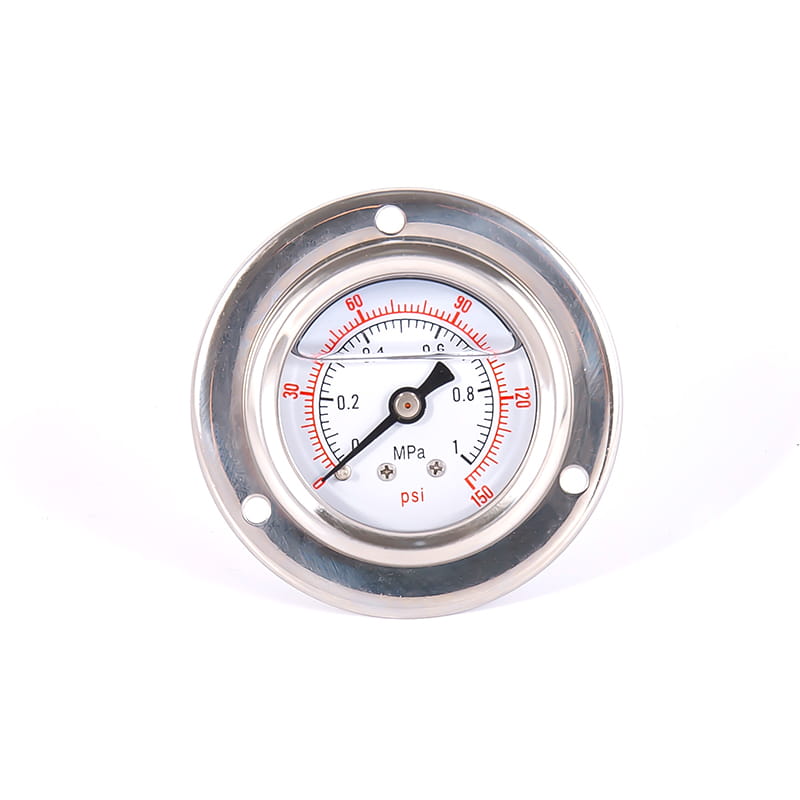
◆ Model: YN40 YN50 YN60 YN75 YN100 YN150◆ Use: This series of instruments have good shock resistance...
See Details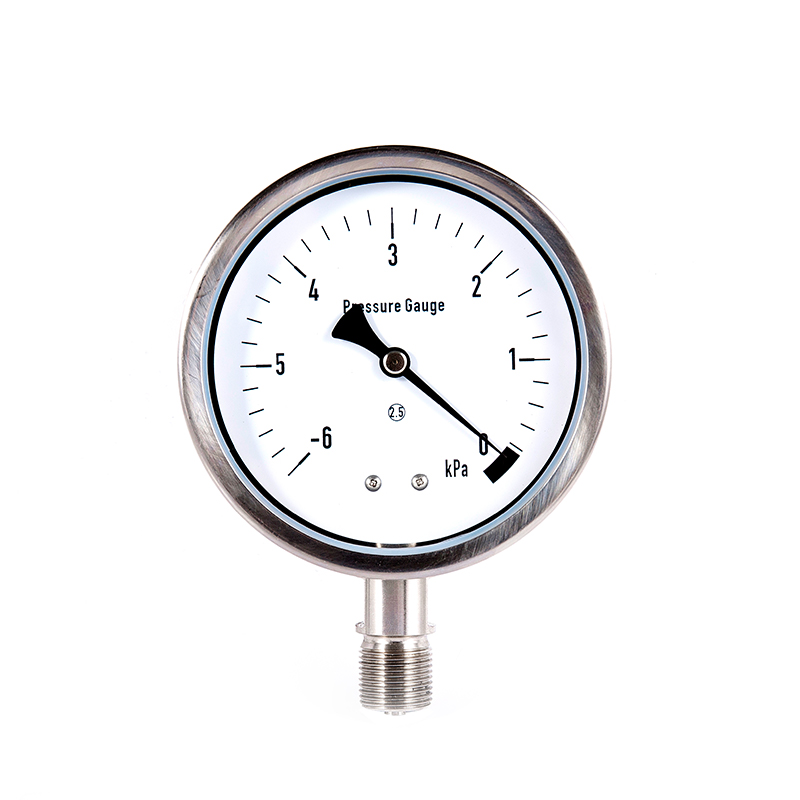
◆ Model:YEB60 YEB100 YEB150◆ Use: This series of instruments are suitable for measuring the low micr...
See Details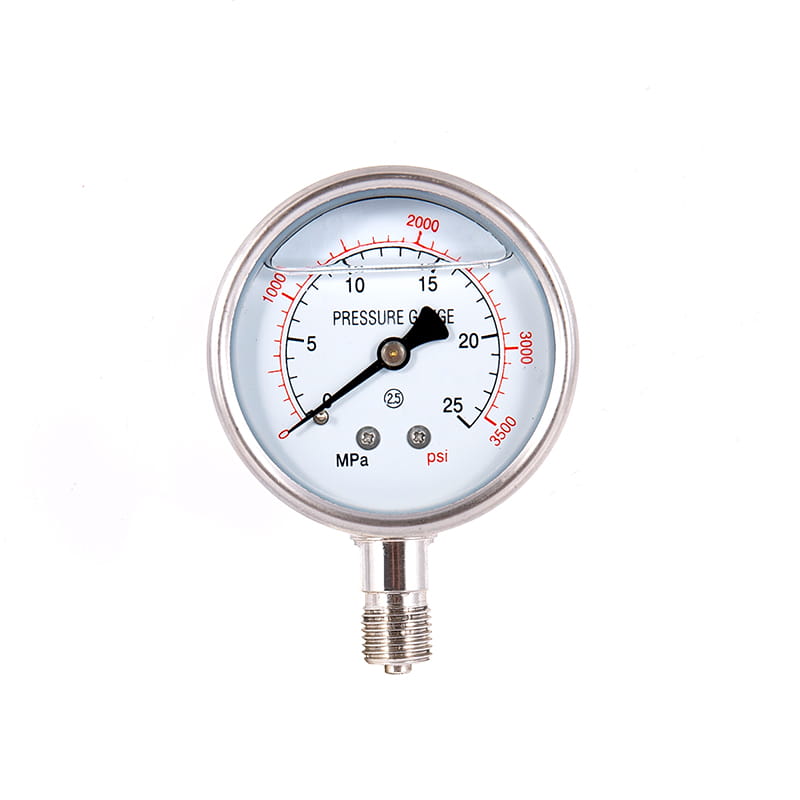
◆ Model: YG60 YG100 YG150◆ Use: All parts of this series of gauges are made of stainless steel, and ...
See Details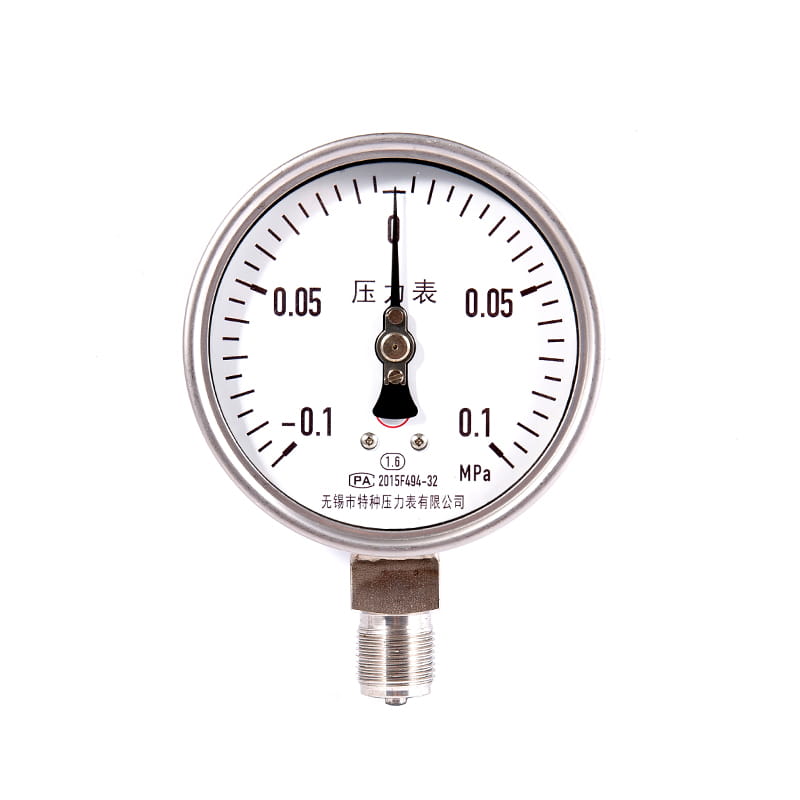
◆ Model: YQ40 YQ50 YQ60 YQ75 YQ100 YQ150◆ Use: This series of gauges are all made of stainless steel...
See Details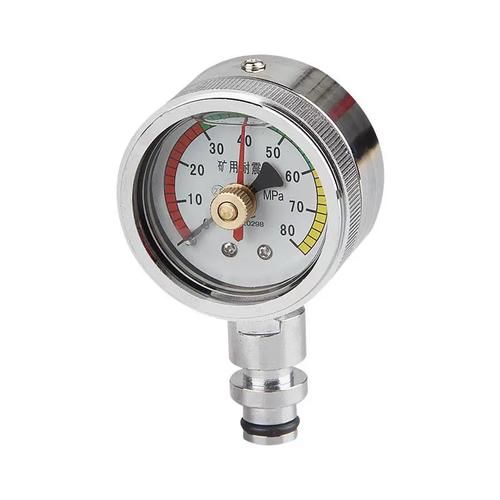
◆ Model: YKY60 ◆ Application: Mining memory pressure gauges is specially designed for underground h...
See Details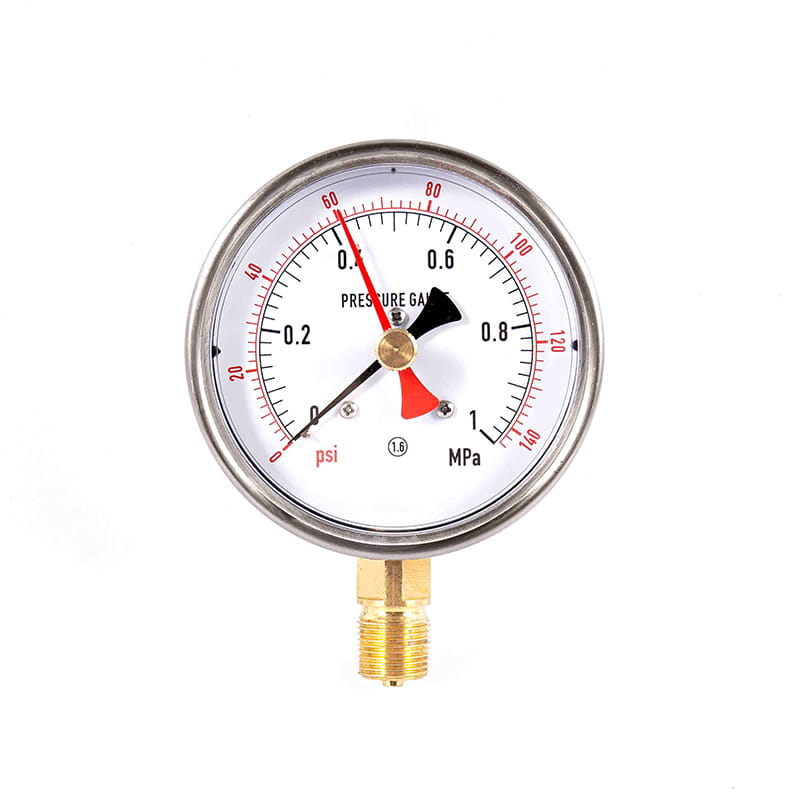
◆ Model: YZS102 ◆ Application: Double-needle double-tube pressure gauges is mainly used in rolling ...
See Details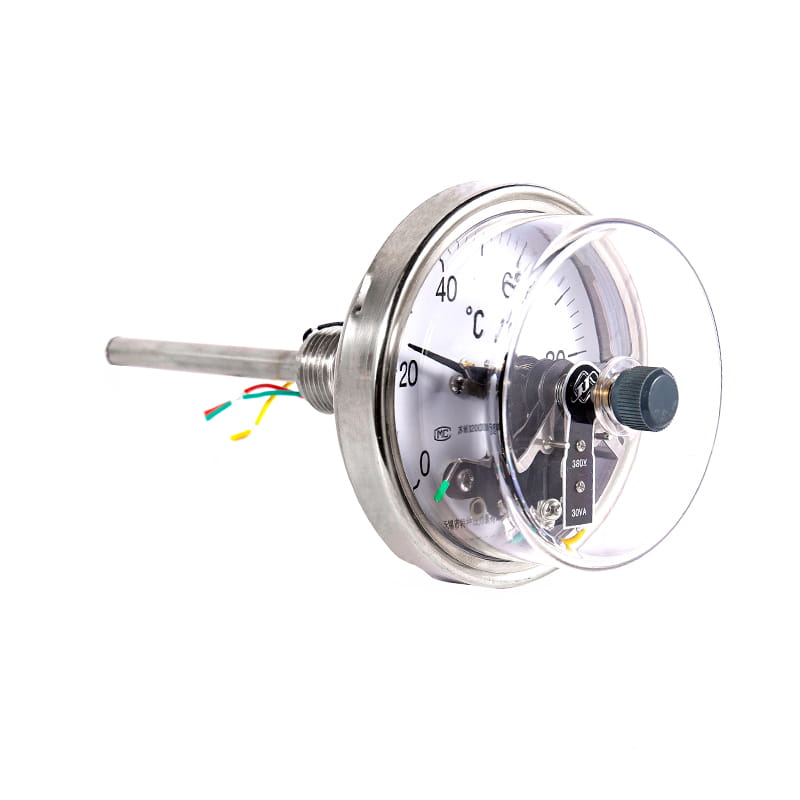
◆ Model: WSSX-4 ◆ Application: The electric contact bimetal thermometer has the characteristics of n...
See Details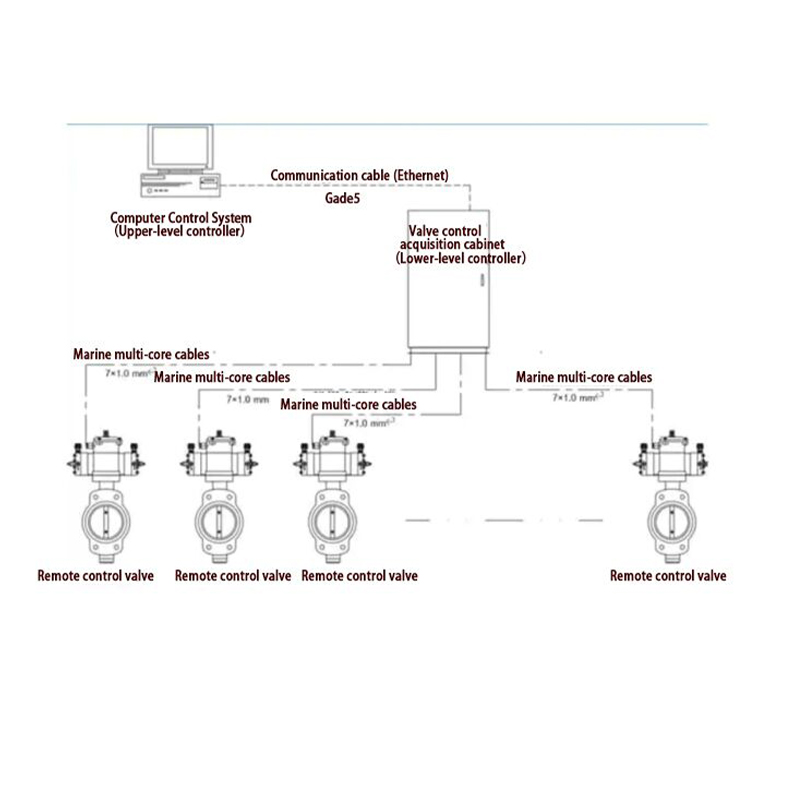
The Valve remote control and liquid level telemetry system enhances operational efficiency by provid...
See Details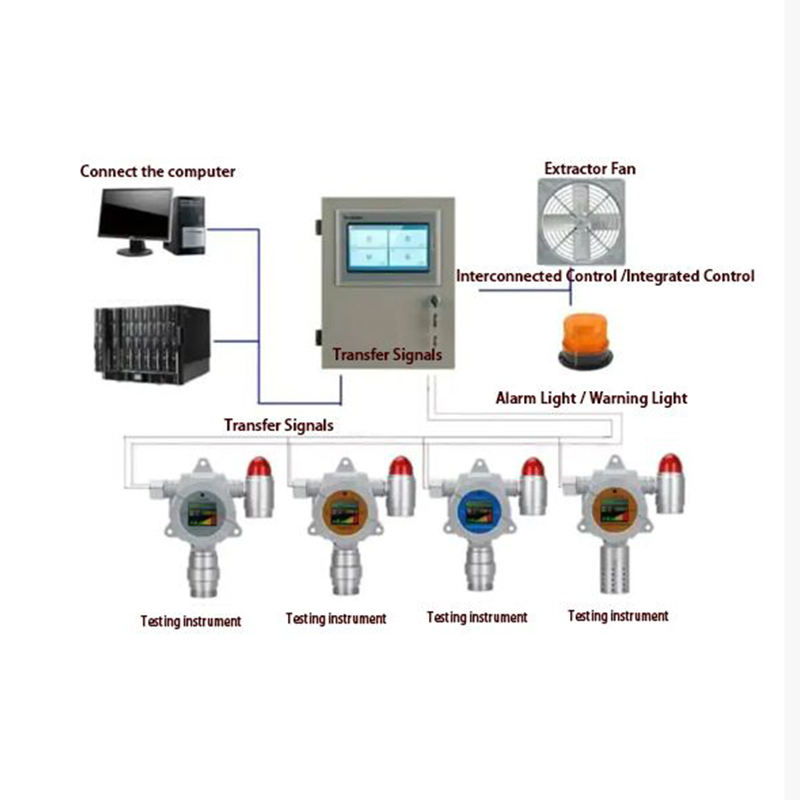
The gas monitoring alarm system is designed for optimal safety and usability. It features a user-fri...
See Details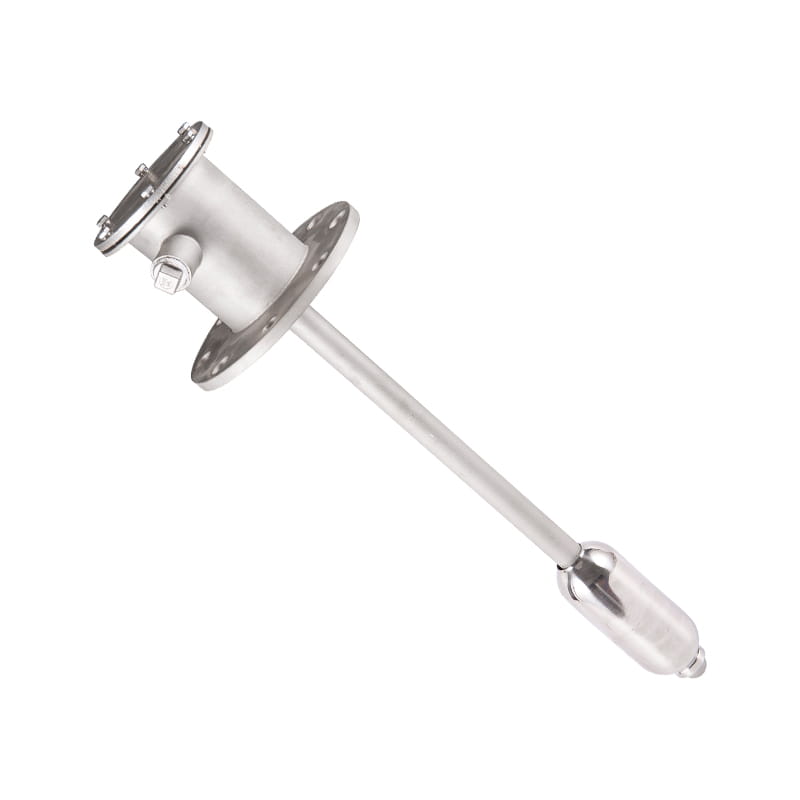
The Float level controller UHK features a simple structure that ensures easy installation and mainte...
See Details


