

 English
 русский
 Español
 عربى
عربى
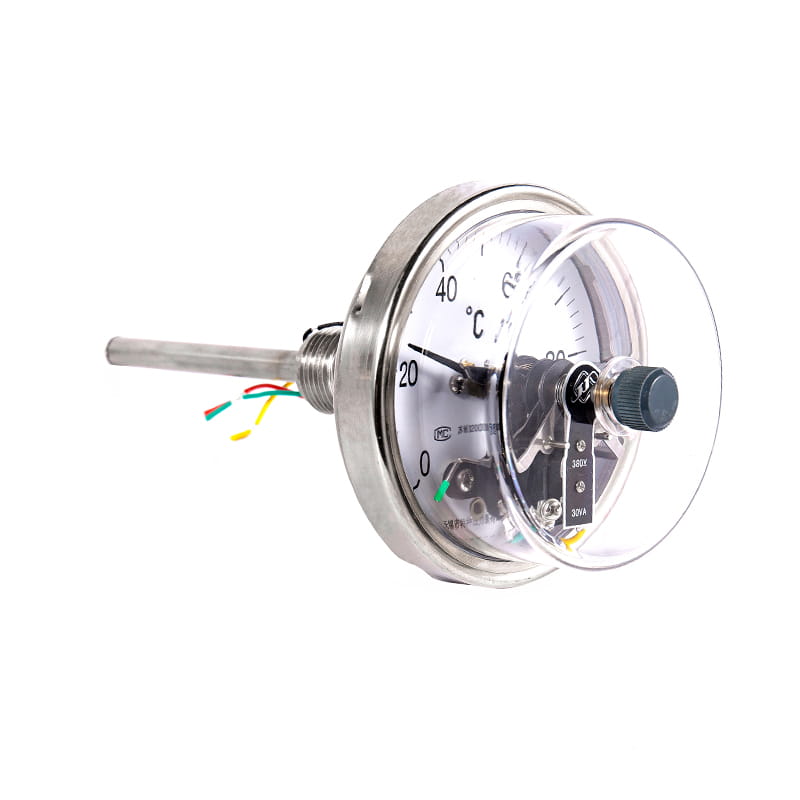
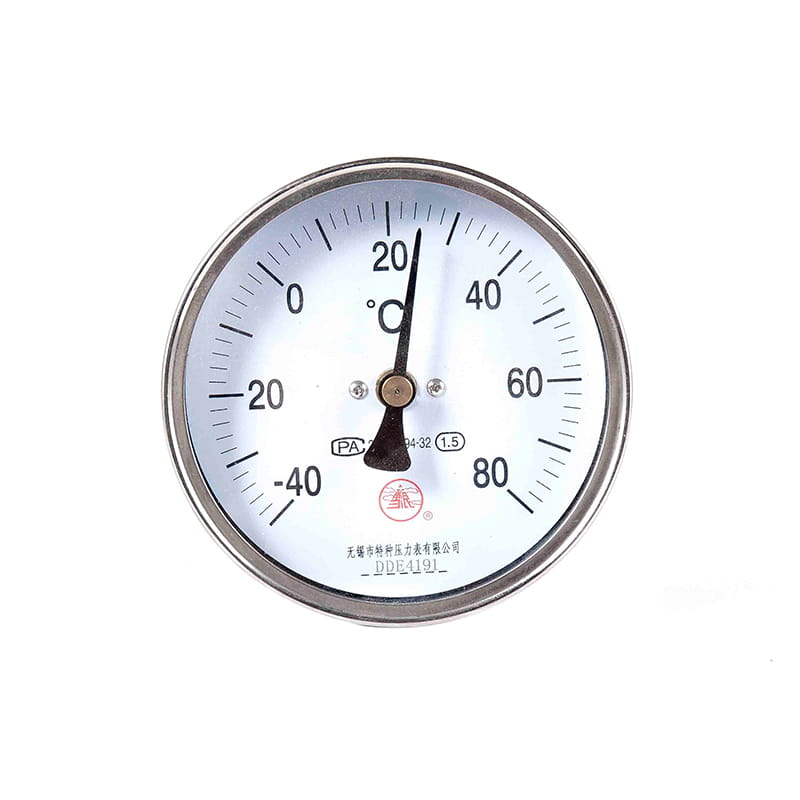
What Is a Bimetallic Thermometer and How Does It Work A bimetallic thermometer is a mechanical temperature-measuring instrument that operates on the principle of differential thermal expansion. It con...
News Center
-
-
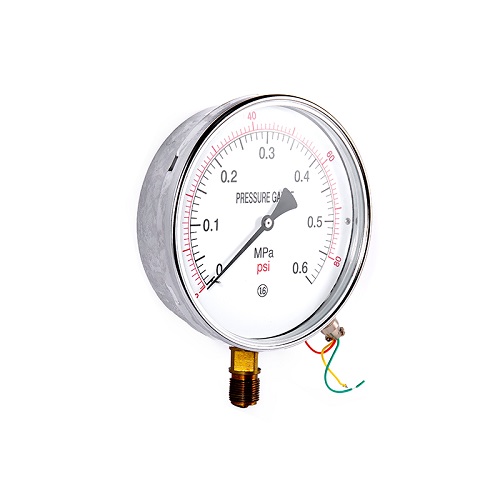
What Is a Pressure Gauge and How Does It Work? A pressure gauge is an instrument used to measure the pressure of gases or liquids within a closed system. It converts mechanical force — the result of ...
-
Pressure gauges are among the most commonly installed instruments in any industrial facility, yet they are also among the most frequently misspecified. Walk through any process plant, compressed air s...
-
What Is a Liquid Flow Meter? A liquid flow meter is an instrument used to measure the volumetric or mass flow rate of a liquid moving through a pipe, channel, or system. It quantifies how much liquid ...
-
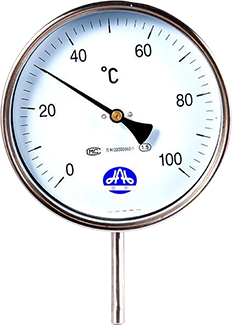
Temperature measurement in industrial, process, and mechanical engineering applications relies on several fundamentally different physical principles, and choosing the wrong instrument type for a give...
-

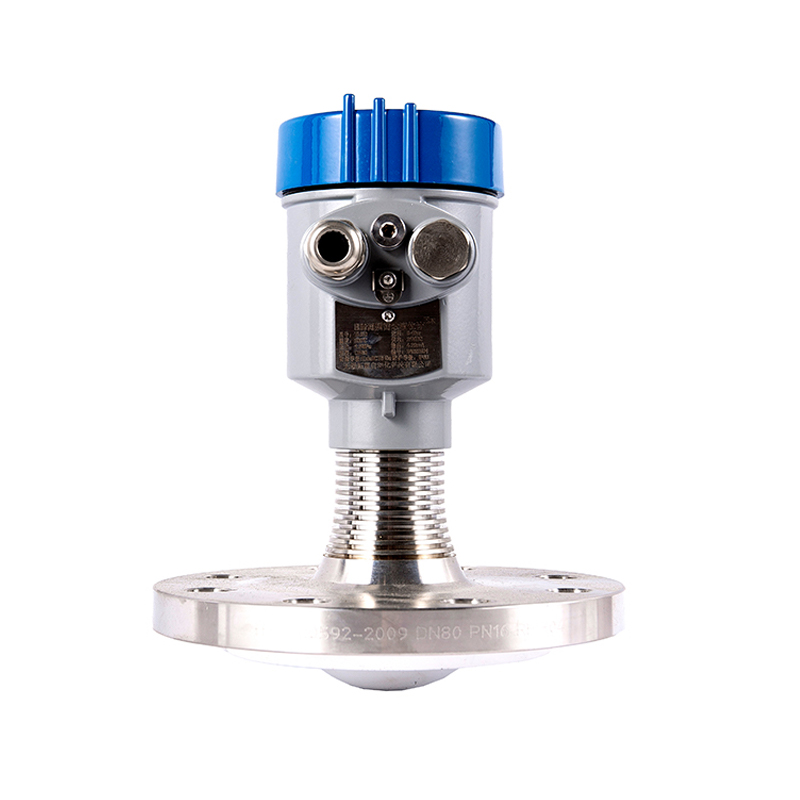
High-Frequency Radar Level Gauges are widely applied in FPSOs for accurate and reliable tank level monitoring. With non-contact measurement, high-frequency (80GHz/120GHz) radar technology features a...
-
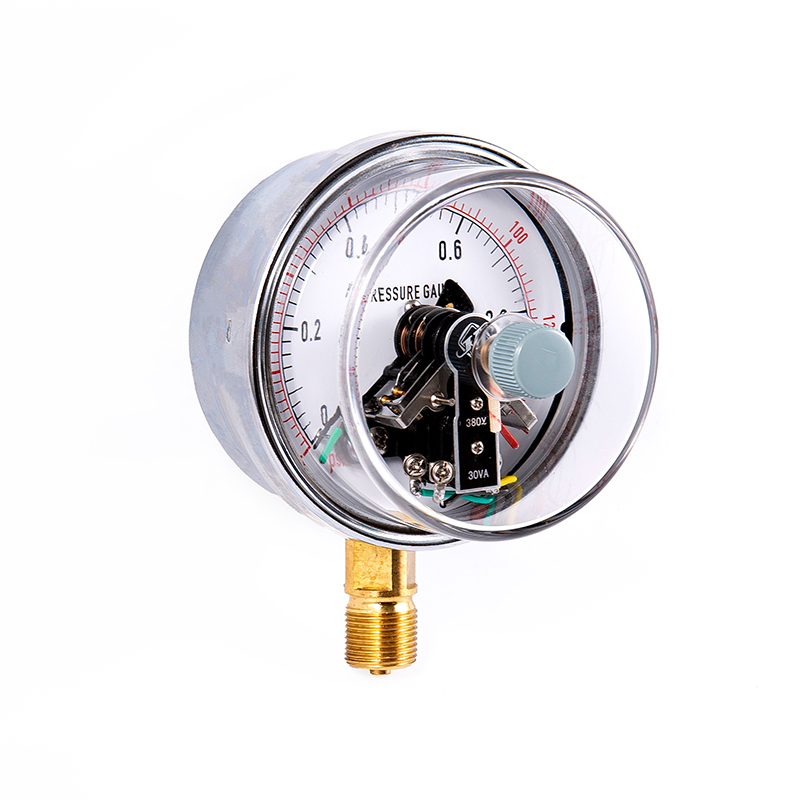
Pressure gauges are among the most fundamental instruments in any industrial, mechanical, or process environment. They provide real-time measurement of fluid or gas pressure, enabling operators to mon...
-
The Fundamental Operating Principle of Bimetallic Thermometers Bimetallic thermometers operate on a remarkably simple yet ingenious principle: different metals expand at different rates when heated. T...
-
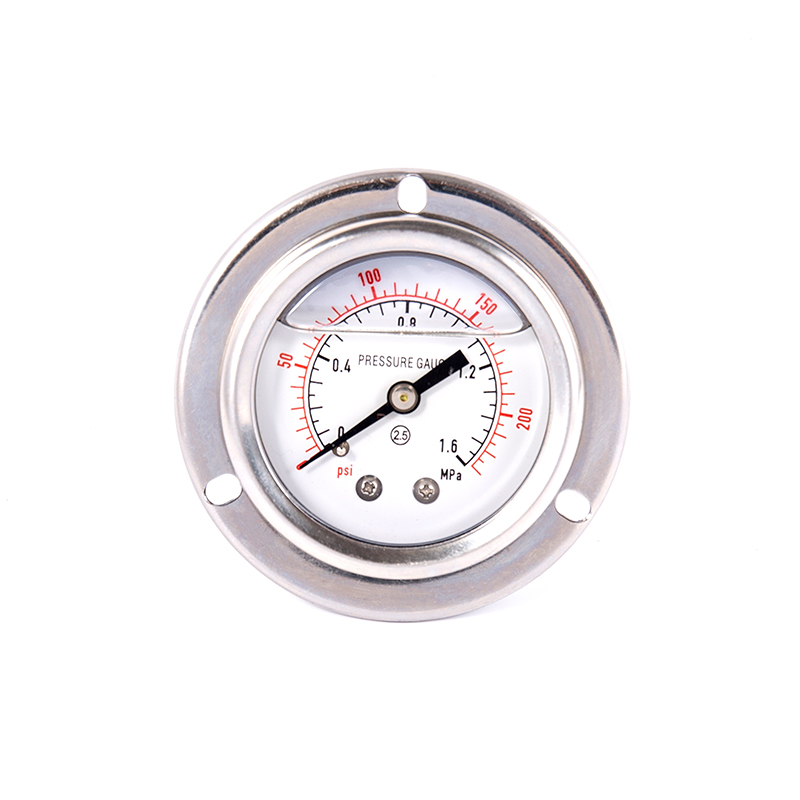
Understanding Pressure Gauge Fundamentals Pressure gauges are essential instruments used across countless industries to measure and display the pressure of gases or liquids within a system. These devi...
Want to know more? Message Us Right Now!
- Products
- Pressure Gauge
- Pressure Transmitter
- Thermometer
- Ship Automation Control System
- DCS/SIS System
- Pressure Instruments Accessories
- Contact Us
- Tel: +86-0510-85182228
- Phone / Whatsapp: +86-18068330053
- Email: [email protected]
- Address: No. 23-24, Lihu Business Park, Binhu District, Wuxi City, Jiangsu Province, China.



