

 English
 русский
 Español
 عربى
عربى
YEB series stainless steel diaphragm pressure gauge
Cat:Pressure Gauge
◆ Model:YEB60 YEB100 YEB150◆ Use: This series of instruments are suitable for measuring the low micr...
See DetailsContent
Bimetallic thermometers operate on a remarkably simple yet ingenious principle: different metals expand at different rates when heated. This fundamental characteristic of materials, known as thermal expansion coefficient, forms the basis for one of the most robust and reliable temperature measurement devices used across industries worldwide. A bimetallic thermometer consists of two dissimilar metal strips bonded together along their entire length, typically through welding, brazing, or rolling at high temperature and pressure. When this composite strip experiences temperature changes, the metal with the higher thermal expansion coefficient expands or contracts more than its partner, causing the bonded strip to bend or curve in a predictable manner.
The degree of curvature is directly proportional to the temperature change, making this bending motion a mechanical representation of temperature. By attaching one end of the bimetallic strip to a fixed point and connecting the other end to a pointer mechanism, the temperature-induced deflection translates into rotational movement that drives a needle across a calibrated dial. This elegant mechanical conversion requires no external power source, contains no fluids that might leak or evaporate, and maintains reliability across wide temperature ranges and harsh environmental conditions. The simplicity of this operating principle contributes to the bimetallic thermometer's exceptional durability and low maintenance requirements.
The construction of bimetallic thermometers involves careful selection of metal combinations and precise engineering to achieve desired temperature ranges, sensitivity, and mechanical characteristics. Common metal pairs include brass and steel, nickel-iron alloys paired with chromium-nickel alloys, or specialized combinations selected for specific temperature ranges and environmental compatibilities.
Bimetallic strips are formed into three primary configurations, each offering distinct advantages for different applications. The helical configuration winds the bimetallic strip into a coil resembling a spring, with one end fixed to the thermometer stem and the other connected to the pointer shaft. This design provides substantial deflection even with moderate temperature changes, making it ideal for compact instruments requiring good sensitivity. The helix typically contains multiple turns, with more turns providing greater pointer movement and improved readability, though requiring longer stem lengths to accommodate the coiled element.
Spiral configurations form the bimetallic strip into a flat spiral, similar to a watch mainspring, positioned perpendicular to the thermometer stem. The outer end attaches to the case while the inner end connects to the pointer shaft at the dial center. Spiral designs excel in applications requiring shallow insertion depths or back-mount installations where the sensing element sits behind the mounting surface. The cantilever or straight configuration uses a simple curved bimetallic strip fixed at one end, suitable for basic applications, thermostatic switches, or situations where space constraints prevent coiled designs.
Thermometer cases protect internal mechanisms while providing mounting interfaces and environmental sealing. Cases are manufactured from various materials including painted steel, stainless steel, aluminum, or plastic, selected based on corrosive exposure, temperature extremes, and aesthetic requirements. Case diameters typically range from 2 inches to 5 inches, with larger dials offering improved readability from greater distances but requiring more mounting space and increasing cost. The transparent cover over the dial may be glass for standard applications, polycarbonate for impact resistance, or acrylic for economical installations, with each material offering different characteristics regarding clarity, scratch resistance, and chemical compatibility.
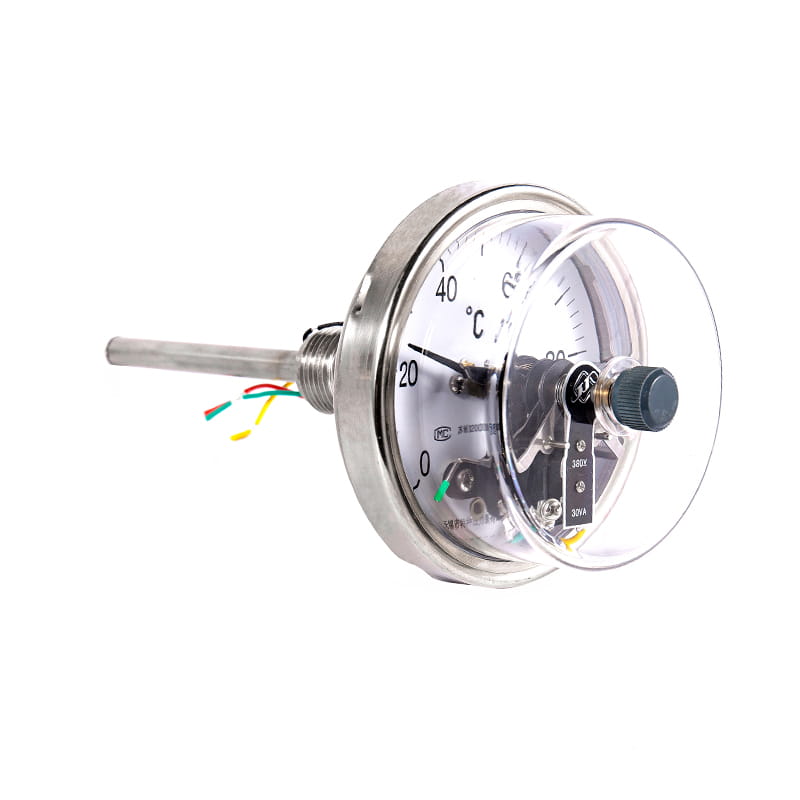
Bimetallic thermometers accommodate remarkably wide temperature ranges through careful selection of metal combinations and geometric configurations. Standard industrial instruments typically measure temperatures from -40°F to 500°F (-40°C to 260°C), covering most common process applications in food service, HVAC, manufacturing, and general industrial settings. Specialized high-temperature models extend ranges to 1000°F (540°C) or higher using heat-resistant metal alloys and protective construction, serving applications in furnaces, ovens, and high-temperature process equipment.
Accuracy specifications for bimetallic thermometers generally fall within ±1% to ±2% of full scale, though precision instruments achieve ±0.5% accuracy through superior manufacturing tolerances and calibration procedures. This accuracy level proves adequate for most industrial monitoring applications where exact temperature control isn't critical, but may not satisfy precision laboratory work or applications requiring tight process control. It's important to understand that accuracy specifications refer to percentage of full scale rather than reading value, meaning a thermometer with a 0-500°F range and ±1% accuracy has a potential error of ±5°F throughout its entire range, not ±1% of the current reading.
| Temperature Range | Typical Accuracy | Common Applications |
| -40°F to 160°F (-40°C to 71°C) | ±1% to ±2% full scale | Refrigeration, cold storage, HVAC |
| 0°F to 250°F (-18°C to 121°C) | ±1% full scale | Food service, hot water systems, general process |
| 0°F to 500°F (-18°C to 260°C) | ±1% to ±1.5% full scale | Steam systems, ovens, industrial processes |
| 0°F to 750°F (-18°C to 399°C) | ±1.5% to ±2% full scale | High-temperature ovens, furnaces, heat treating |
| 0°F to 1000°F (-18°C to 538°C) | ±2% full scale | Specialized high-temperature applications |
The thermometer stem houses the bimetallic sensing element and serves as the heat transfer path between the measured medium and the sensing element. Stem construction significantly impacts thermometer performance, durability, and suitability for specific applications. Stainless steel stems, typically 304 or 316 grade, dominate industrial applications due to excellent corrosion resistance, mechanical strength, and compatibility with most process fluids and gases. The 316 grade offers superior resistance to chlorides and acidic environments, justifying its premium cost in food processing, marine, and chemical applications.
Stem length selection requires balancing several factors including the depth of the medium being measured, mounting requirements, and thermal considerations. Standard stem lengths range from 2.5 inches to 12 inches, with custom lengths available for specialized applications. Longer stems suit deep vessels, thick pipe insulation, or situations requiring standoff from mounting surfaces, while shorter stems suffice for shallow applications or space-constrained installations. The general rule specifies inserting the stem to a depth equal to at least 10 times its diameter to ensure adequate thermal contact and accurate readings, though this varies with application specifics.
For applications involving high pressure, high velocity fluids, corrosive media, or situations requiring thermometer replacement without process shutdown, thermowells provide essential protection and functionality. A thermowell is a pressure-tight tube installed in the process that accepts the thermometer stem, isolating the instrument from direct media contact while allowing thermal transfer. Thermowells are manufactured from materials matching or exceeding the corrosion resistance required by the process medium, typically stainless steel, carbon steel, or exotic alloys. The thermometer stem slides into the thermowell with thermal transfer paste or spring-loading ensuring good contact for accurate temperature measurement despite the additional thermal mass and resistance introduced by the thermowell wall.
Bimetallic thermometers offer numerous advantages that explain their continued widespread use despite the availability of more sophisticated electronic alternatives. Understanding these benefits helps identify applications where bimetallic instruments represent the optimal choice.
While bimetallic thermometers excel in many applications, they do possess limitations that must be considered during instrument selection. The mechanical nature of these devices results in slower response times compared to thermocouples or resistance temperature detectors (RTDs). Typical response times range from 30 seconds to several minutes depending on stem diameter, length, and thermal mass, making bimetallic thermometers unsuitable for applications requiring rapid response to temperature changes or dynamic temperature control.
Accuracy limitations, while acceptable for most process monitoring, may not satisfy precision applications or tight process control requirements. The ±1% to ±2% full scale accuracy means significant absolute error ranges, particularly on instruments with wide temperature spans. For example, a 0-500°F thermometer with ±1% accuracy has a potential error of ±5°F throughout its range, which may be unacceptable for critical temperature control applications. Bimetallic thermometers also lack the remote monitoring, data logging, and control integration capabilities of electronic instruments, limiting their usefulness in automated systems or applications requiring temperature documentation.
Bimetallic thermometers serve countless applications across diverse industries, with their combination of reliability, simplicity, and cost-effectiveness making them the default choice for routine temperature monitoring where electronic capabilities aren't required.
Heating, ventilation, and air conditioning systems extensively employ bimetallic thermometers for monitoring boiler temperatures, chilled water systems, duct temperatures, and general HVAC equipment. These applications value the thermometer's ability to function without power, provide instant visual indication for maintenance technicians, and withstand years of continuous operation in mechanical rooms and rooftop equipment installations. Common configurations include back-mount thermometers for panel installation on boilers and chillers, and stem thermometers with thermowells for insertion into pipes carrying hot water, chilled water, or steam.
The food industry relies heavily on bimetallic thermometers for monitoring cooking equipment, refrigeration units, dishwashers, and food holding equipment. Sanitary designs with smooth, easily cleaned surfaces meet food safety requirements while providing reliable temperature indication. Pocket-style dial thermometers with retractable stems enable food handlers to verify product temperatures during cooking, cooling, and storage operations, ensuring compliance with food safety regulations. Industrial food processing facilities use permanently-installed bimetallic thermometers to monitor pasteurization temperatures, cooking vessel temperatures, and refrigeration system performance.
Manufacturing operations incorporate bimetallic thermometers throughout facilities for monitoring hydraulic oil temperatures, bearing temperatures, compressor discharge temperatures, and general process conditions. Chemical processing plants use corrosion-resistant models to monitor reactor temperatures, distillation columns, and heat exchanger performance. The pharmaceutical industry employs sanitary bimetallic thermometers for monitoring clean steam systems, water-for-injection systems, and process equipment requiring frequent cleaning and sterilization.
Proper installation significantly impacts bimetallic thermometer accuracy, longevity, and usefulness. Several key practices ensure optimal performance and reliable temperature indication throughout the instrument's service life.
Immersion depth critically affects accuracy, with insufficient insertion resulting in stem heat loss to the surrounding environment rather than the measured medium. The general guideline requires immersing the stem to a depth equal to at least 10-15 times the stem diameter, though specific applications may require deeper insertion to account for insulation thickness, pipe wall thermal gradients, or stratified temperature conditions in vessels. For pipe installations, position the thermometer in the center third of the pipe cross-section where temperature most accurately represents bulk fluid temperature, avoiding locations near pipe walls where boundary layer effects create temperature gradients.
Mounting orientation matters for dial readability and proper mechanical operation. Install thermometers where operators can easily view the dial without obstructions, awkward viewing angles, or safety hazards. While bimetallic mechanisms function in any orientation, consider pointer positioning to avoid parallax errors when reading the scale. Protect thermometers from physical damage, particularly in high-traffic areas or locations subject to impact, by selecting appropriate mounting locations or installing protective guards.
Bimetallic thermometers require minimal maintenance but benefit from periodic calibration verification to ensure continued accuracy. Unlike electronic instruments that may drift due to component aging or environmental exposure, bimetallic thermometers typically maintain stable calibration over extended periods, with significant accuracy changes indicating mechanical damage or material degradation rather than gradual drift.
Calibration verification typically employs ice bath testing for low-temperature verification (32°F/0°C) and boiling water testing for higher temperature points (212°F/100°C at sea level, adjusted for altitude). More comprehensive calibration uses temperature-controlled baths at multiple points across the instrument's range, comparing readings against certified reference thermometers and documenting results for quality system compliance. Many bimetallic thermometers include adjustment mechanisms accessed through screws on the dial face or case back, allowing technicians to correct minor calibration errors without returning instruments to manufacturers.
Routine maintenance consists primarily of visual inspection for case damage, dial legibility, pointer movement freedom, and connection integrity. Clean dial covers as needed to maintain readability, check for moisture intrusion indicating seal failure, and verify that pointers return to the proper zero or ambient reading when removed from the process. Replace thermometers showing cracked dials, bent pointers, corroded cases, or readings that deviate significantly from calibration standards, as these conditions often indicate damage beyond economic repair.
Choosing the appropriate bimetallic thermometer requires systematic evaluation of application requirements, operating conditions, and performance expectations. Begin by defining the temperature range, selecting an instrument spanning expected operating temperatures with some margin for transient conditions while avoiding excessively wide ranges that compromise readability and accuracy. Consider whether the application requires specific certifications such as food-grade materials, sanitary construction, or hazardous area approvals.
Evaluate environmental factors including ambient temperature extremes, corrosive atmospheres, moisture exposure, and vibration levels that influence case material selection and sealing requirements. Determine appropriate stem length based on immersion depth requirements, accounting for insulation thickness, vessel wall dimensions, and mounting standoff needs. Select stem diameter balancing response time requirements (smaller diameters respond faster) against mechanical strength and thermowell compatibility considerations.
Consider mounting configuration based on installation location, viewing accessibility, and integration with existing equipment. Back-mount designs suit panel installations and confined spaces, while bottom-mount configurations provide traditional pipe or vessel mounting. Adjustable angle connections offer flexibility for optimizing dial visibility in challenging installations. Finally, evaluate whether features like protective cases, recalibration adjustability, or dual-scale dials (Fahrenheit and Celsius) justify their additional cost for your specific application requirements.
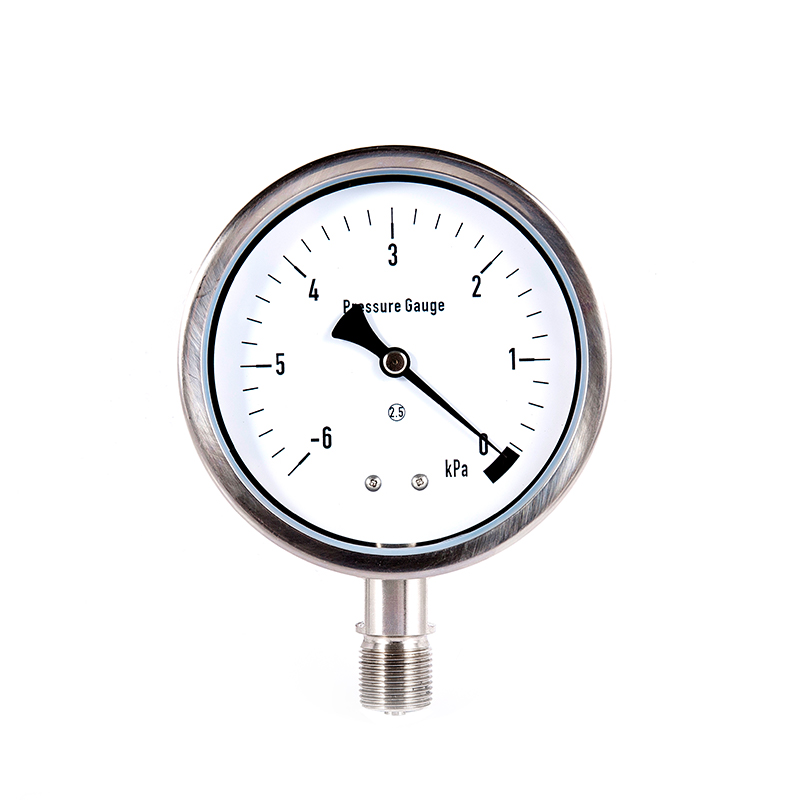
◆ Model:YEB60 YEB100 YEB150◆ Use: This series of instruments are suitable for measuring the low micr...
See Details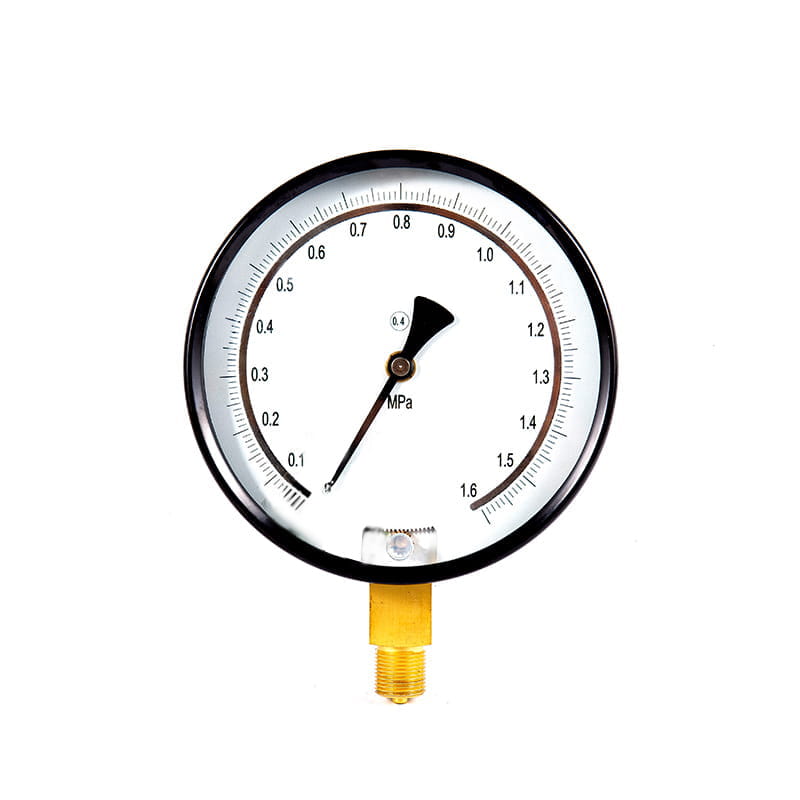
◆ Model: YJ150 YJ150A◆ Use: This series of instruments are mainly used to calibrate industrial or ci...
See Details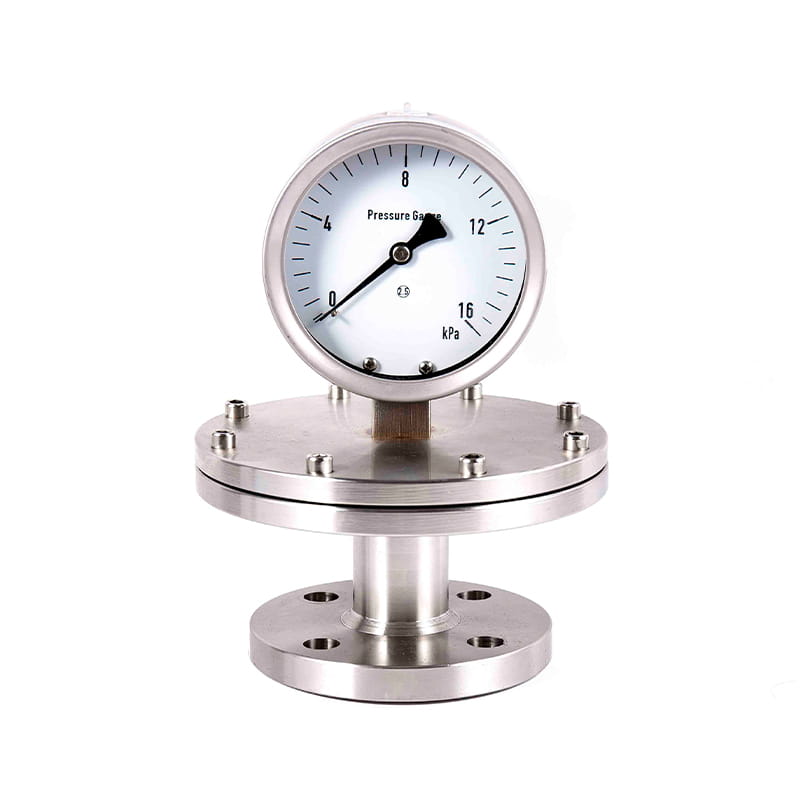
◆ Model: YP100-L YP150-L YP100-F YP150-F ◆ Application: YP series instrument diaphragm and structura...
See Details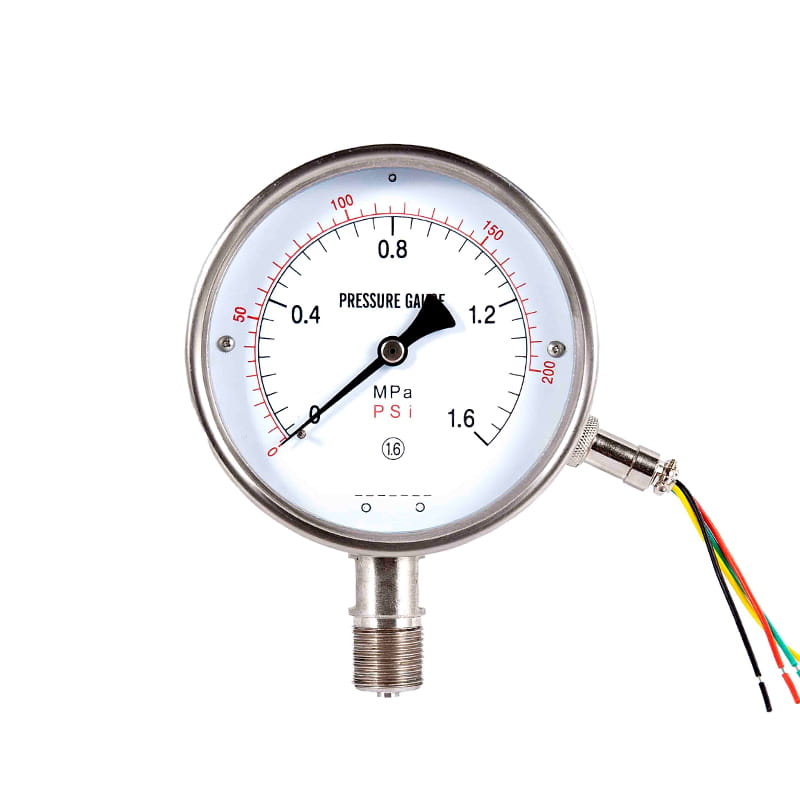
◆ Model: YTZ100, YTZ-150 ◆ Application: This type of instrument is suitable for measuring the pressu...
See Details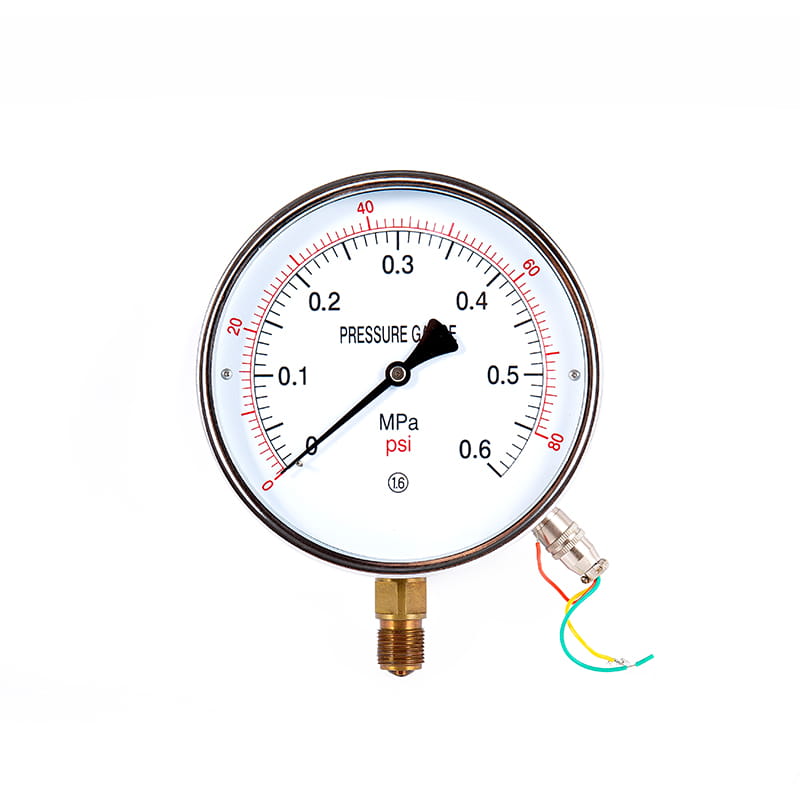
◆ Model: YTT100 YTT100A YTT150 YTT150A ◆ Application: This type of instrument is suitable for measur...
See Details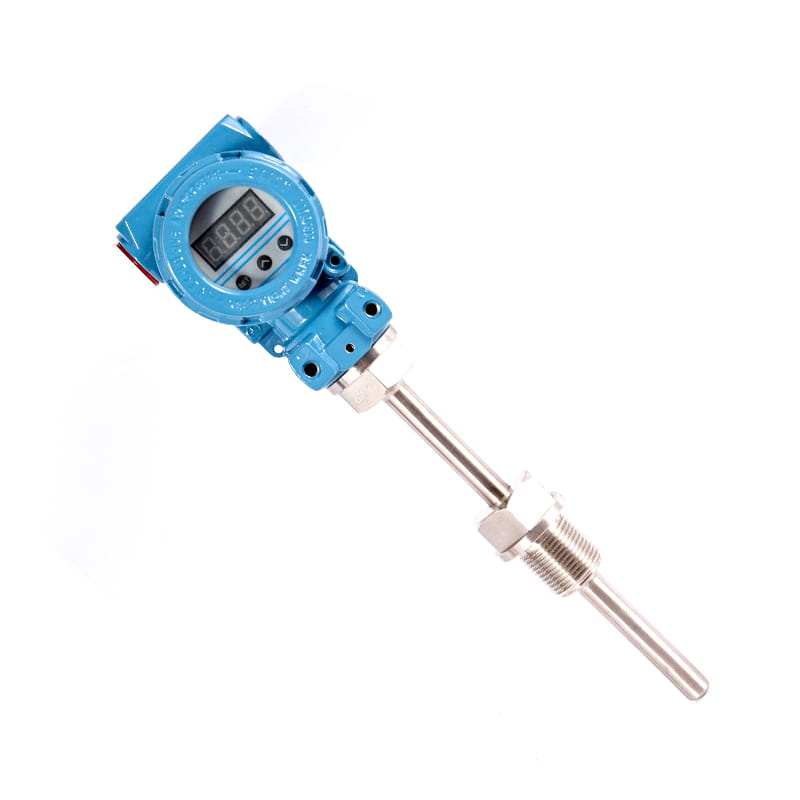
◆ Model: WSZC-2 ◆ Overview: The transmitter is composed of advanced circuit module integration techn...
See Details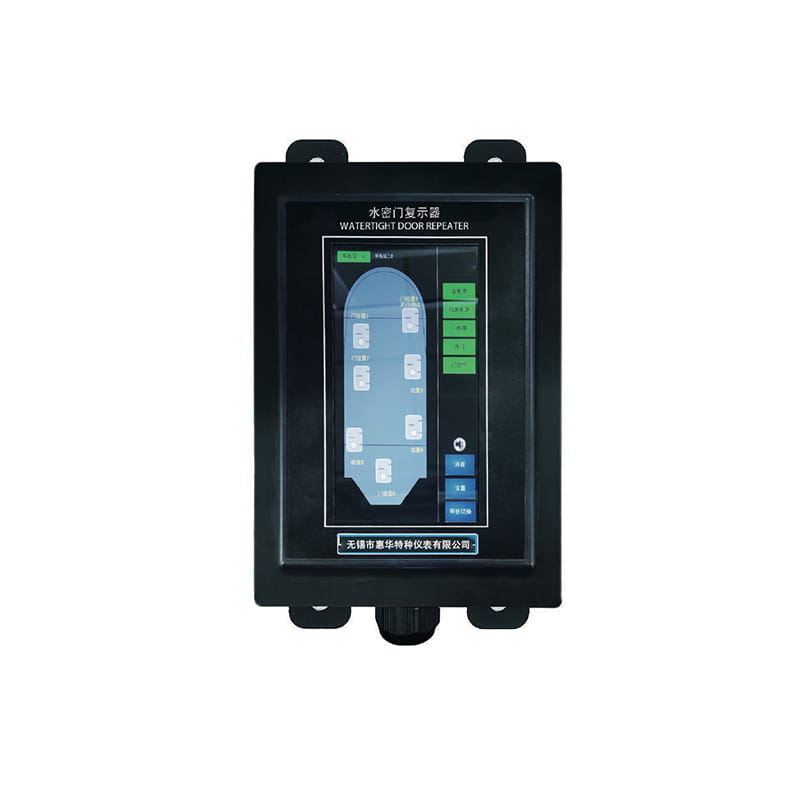
The waterless door alarm system emphasizes the interaction between humans and machines, addressing t...
See Details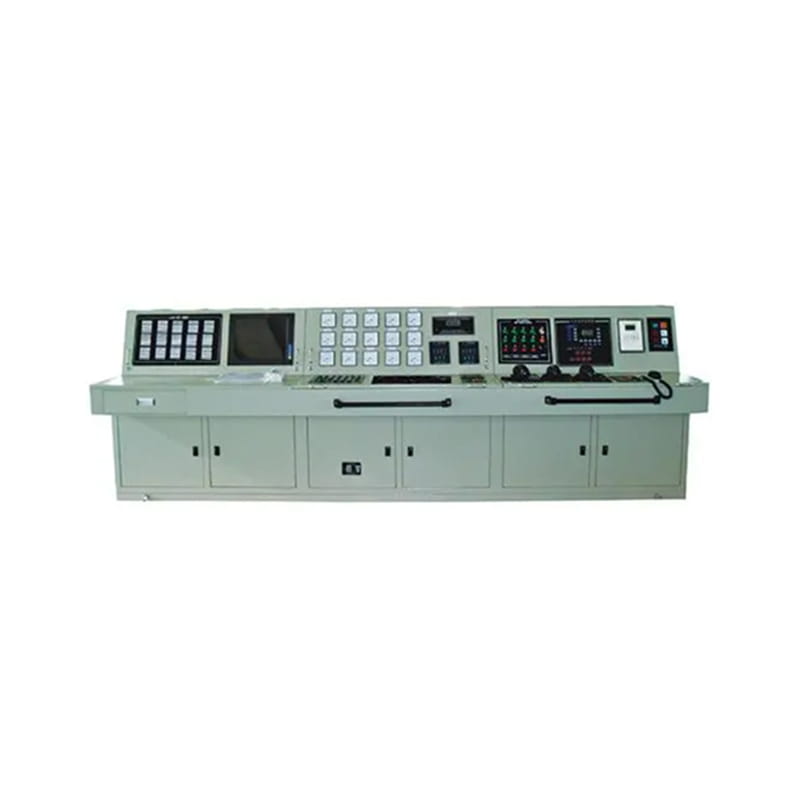
The Engine room monitoring alarm system is crucial for ensuring the safety and efficiency of operati...
See Details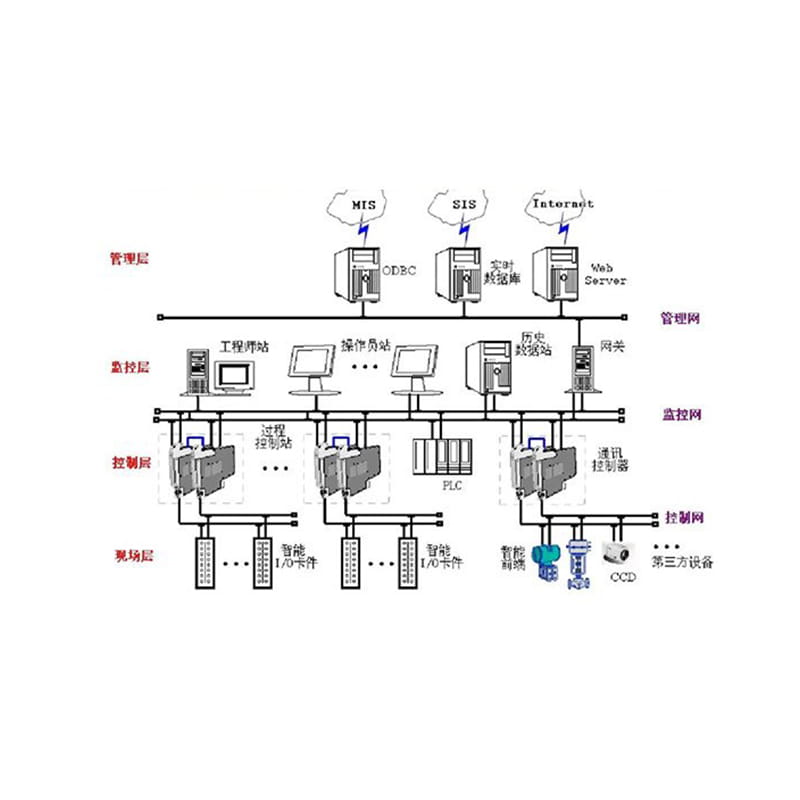
The SIS System is engineered to provide exceptional security and reliability in hazardous environme...
See Details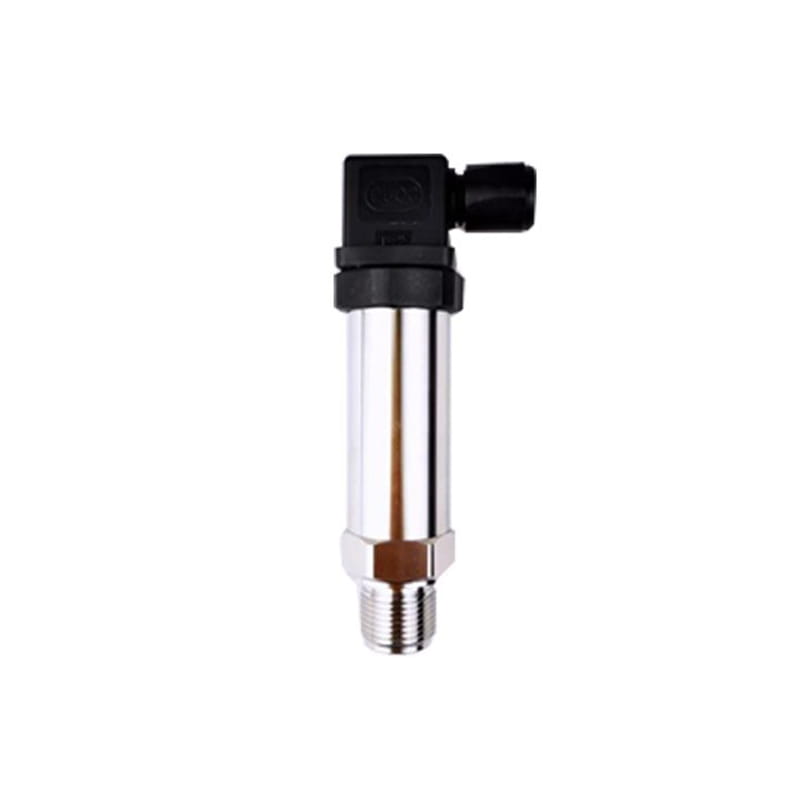
The Pressure transmitter YSZK is designed for demanding environments, operating effectively in tempe...
See Details


