

 English
 русский
 Español
 عربى
عربى
YE series micro pressure gauges/membrane box pressure gauge
Cat:Pressure Gauge
◆ Model:YE60 YE100 YE150 ◆ Use: Membrane box pressure gauge is also called micro pressure gauge....
See Details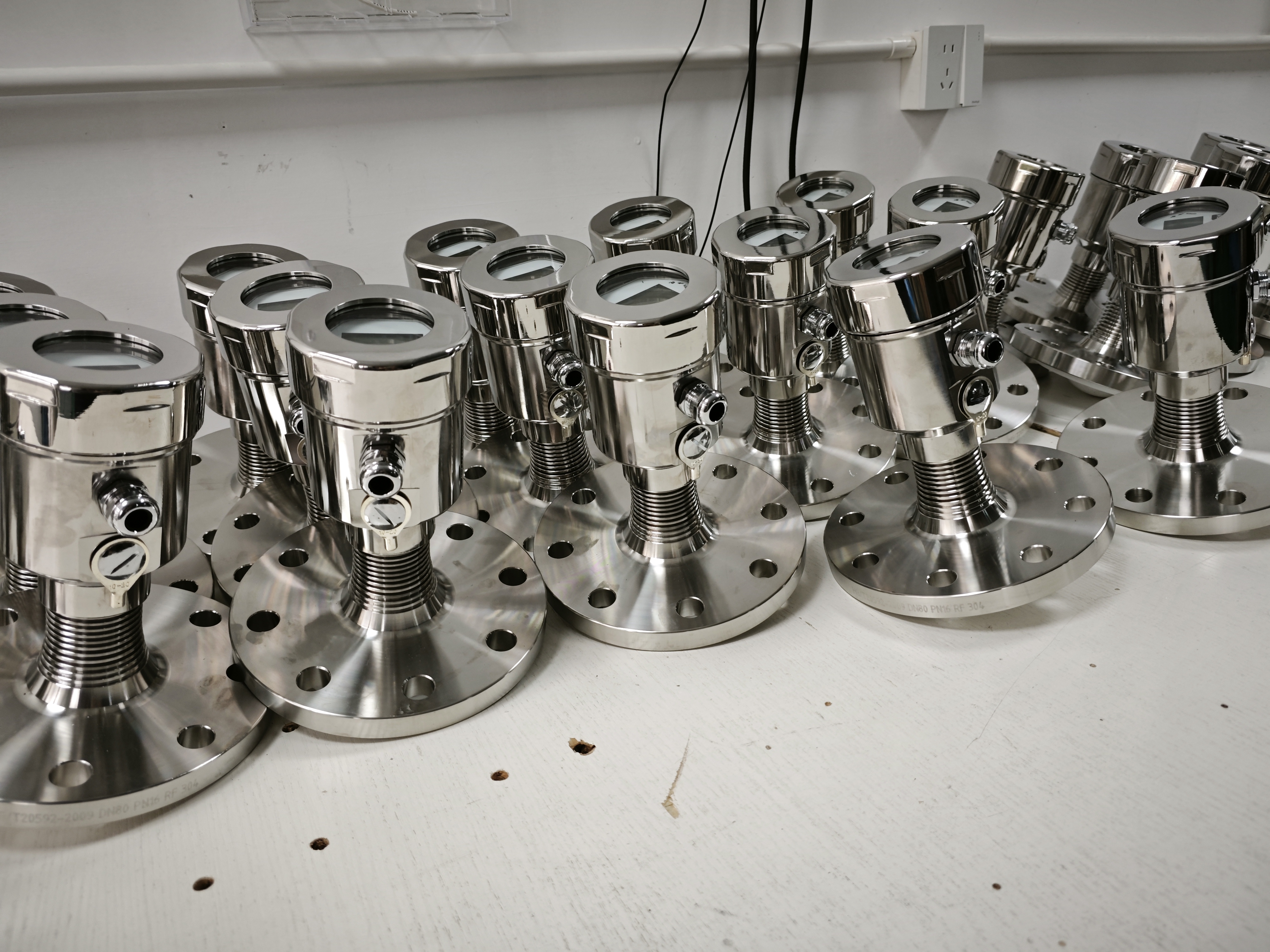
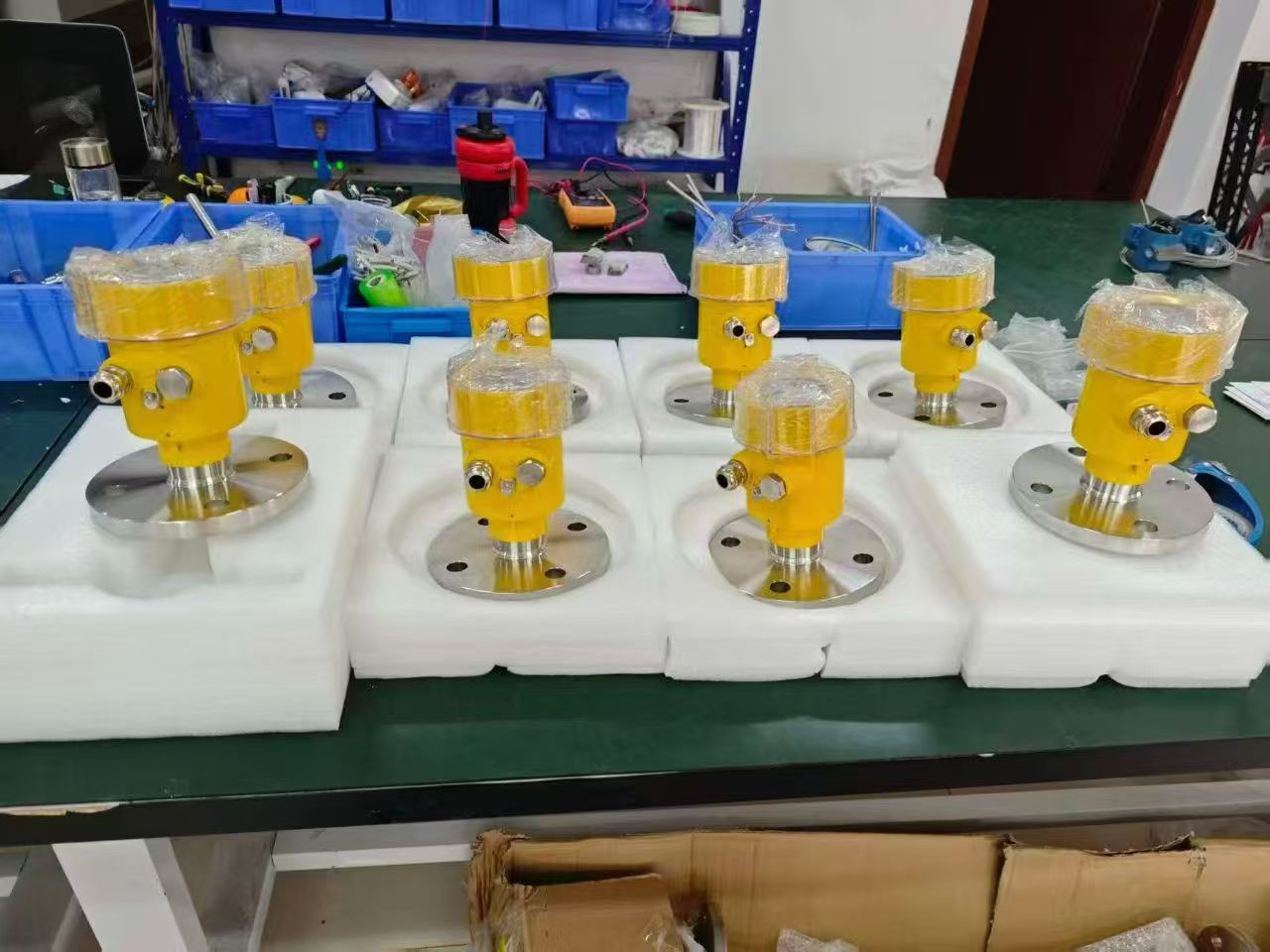
High-Frequency Radar Level Gauges are widely applied in FPSOs for accurate and reliable tank level monitoring.
With non-contact measurement, high-frequency (80GHz/120GHz) radar technology features a narrow beam angle, strong anti-interference capability, and excellent adaptability to harsh marine environments. It effectively measures crude oil, process water, and other media in FPSO cargo tanks and process modules, providing real-time data for custody transfer, production control, and safety management. The gauges support 4–20mA, HART, and digital communication protocols, enabling seamless integration with FPSO’s integrated control and monitoring systems (ICMS).
1: Level Monitoring in Crude Oil Cargo Tanks of an FPSO in West Africa
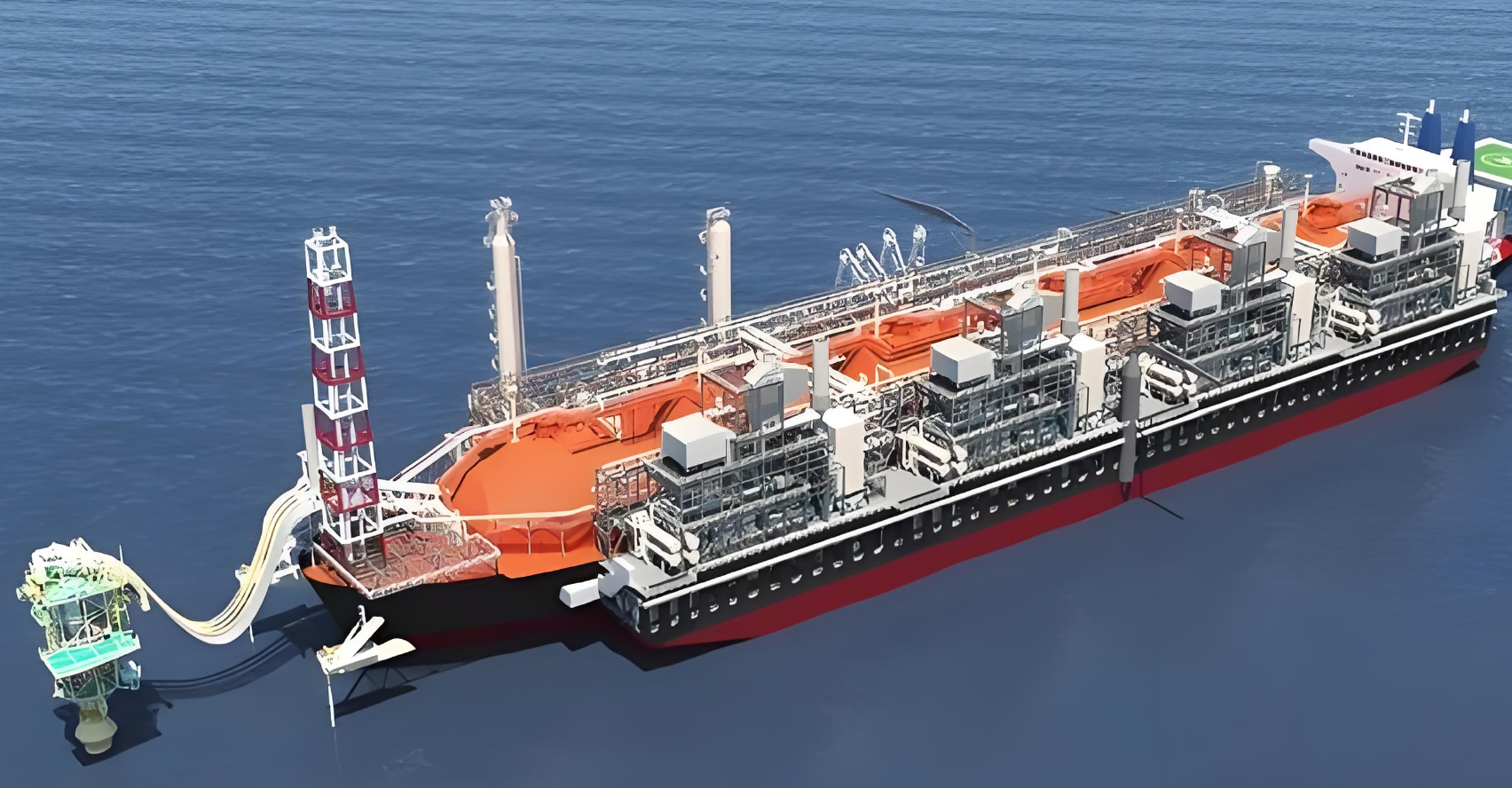
Scenario:The FPSO crude oil cargo tanks contain heavy crude oil with high viscosity and low dielectric constant. There is a large amount of hydrocarbon vapor and foam inside the tanks. In addition, the vessel is subject to trim and heel during operation.
Qestion :The original 26 GHz radar level gauge was severely disturbed by vapor and foam, resulting in frequent false level readings.
This has led to low efficiency in oil loading/offloading operations and even posed a risk of tank overfill.
Solution: Adopt the 80GHz high-frequency radar level gauge shown in the figure, taking advantage of its narrow beam and strong penetration features, and combine it with an adaptive algorithm to filter out interfering echoes.
Results: Continuous and stable measurement has been achieved with an accuracy of ±1 mm. The measurement data is directly integrated into the vessel’s loading computer, ensuring safe loading and offloading operations, and reducing annual unplanned downtime by 80%.
2: Level Measurement in FPSO Ballast Tanks and Slop Tanks
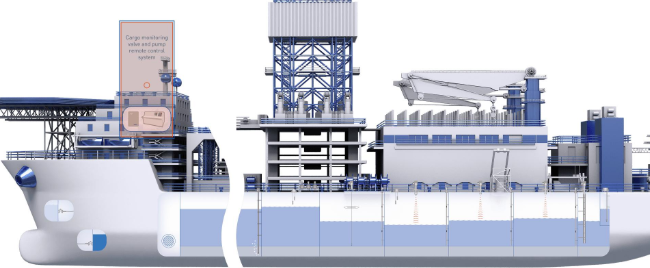
Scenario:FPSO ballast tanks (seawater) and slop tanks (oily water), characterized by high salt spray, strong vibration, and highly corrosive media.
Qestion:Traditional float-type level gauges are prone to corrosion and jamming, while the cables of guided-wave radars are easily entangled by debris.
Solution: Adopt this 80 GHz radar level gauge with anti-corrosion antenna and stainless steel flange. Non-contact measurement is applied to avoid direct contact with the medium.
Effect:The equipment is salt spray resistant and vibration resistant, with 3 years of trouble‑free continuous operation and reliable measurement data, meeting the requirements for ship stability control and environmental protection discharge.
3.Key Considerations for High-Frequency Guided Wave Radar Level Gauges on FPSO
a.Selection and Certification
Classification Society Certification:Shall hold type approval certificates from mainstream classification societies such as CCS, DNV, ABS, to ensure compliance with offshore operation regulations.
Explosion-proof Rating:For hazardous areas such as crude oil tanks, explosion-proof models with Ex d II CT6 or higher shall be selected.
Protection Rating:The enclosure protection rating shall be no less than IP67 to withstand the marine environment with high salt spray and high humidity
b.Mounting
Position Selection:Install away from inlets, agitators and tank walls, at 1/2 of the tank roof radius to reduce multi-reflection interference. Ensure the antenna is perpendicular to the liquid surface, with an inclination angle ≤ 5°.
Antenna Protection:In fouling-prone tanks such as crude oil tanks, a purging device or protective cover can be installed to prevent crude oil, asphalt and other deposits from adhering to the antenna lens and affecting signal strength.
Vibration Resistance Design:Flange‑mounted rigid installation is adopted; vibration damping pads may be added if necessary to prevent severe vibration during vessel navigation from affecting measurement accuracy
c.Commissioning and Maintenance
False Echo Mapping
After initial installation, false echo mapping must be carried out to suppress interference signals from internal tank structures, steam and foam.
Temperature Compensation:Enable the temperature compensation function to eliminate measurement errors caused by diurnal temperature variations and medium temperature changes.
Regular Inspection:Inspect the cleanliness of the antenna lens every 6 months and calibrate the instrument annually to ensure measurement accuracy.
d.Safety and Integration
Alarm Interlocking:Connect the liquid level signal to the FPSO Safety Instrumented System (SIS), set high and low level alarms to prevent tank overflow and dry running.
Data Transmission:Use industrial standard protocols such as 4-20mA or Modbus to seamlessly integrate data into the vessel’s SCADA system for remote monitoring.
This high-frequency radar level transmitter, with its high accuracy, strong anti-interference capability and high reliability, has become the preferred solution for level measurement on FPSOs. Strict compliance with specifications for selection, installation and maintenance ensures stable operation under harsh offshore conditions, safeguarding safe production on FPSOs.
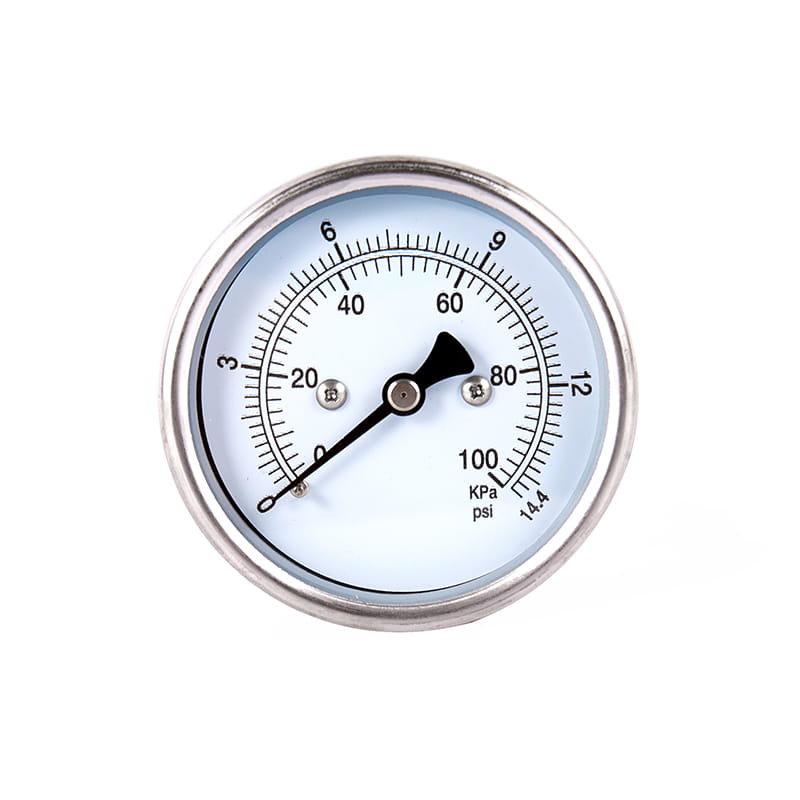
◆ Model:YE60 YE100 YE150 ◆ Use: Membrane box pressure gauge is also called micro pressure gauge....
See Details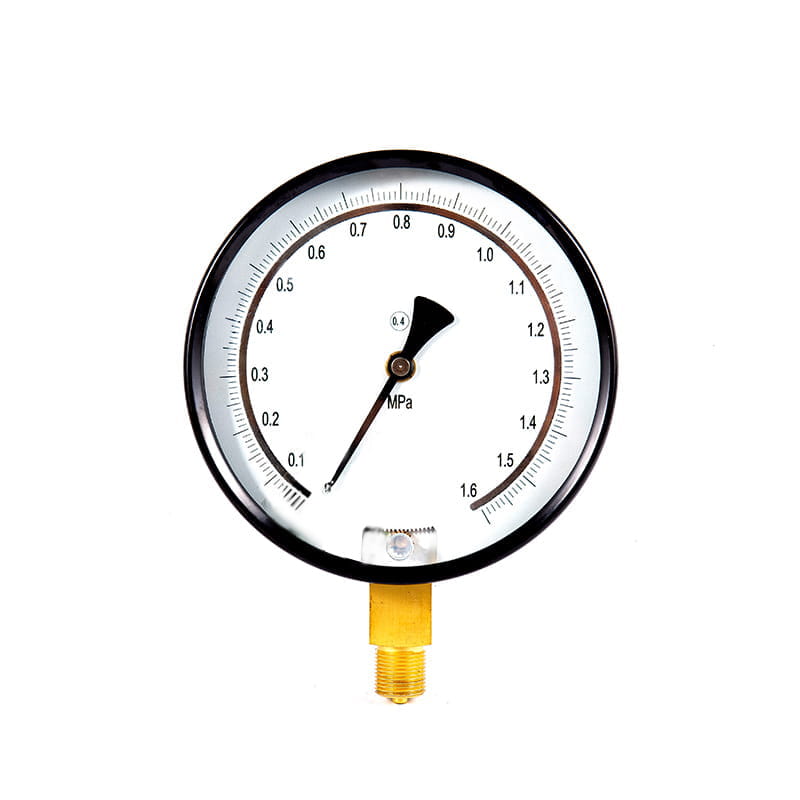
◆ Model: YJ150 YJ150A◆ Use: This series of instruments are mainly used to calibrate industrial or ci...
See Details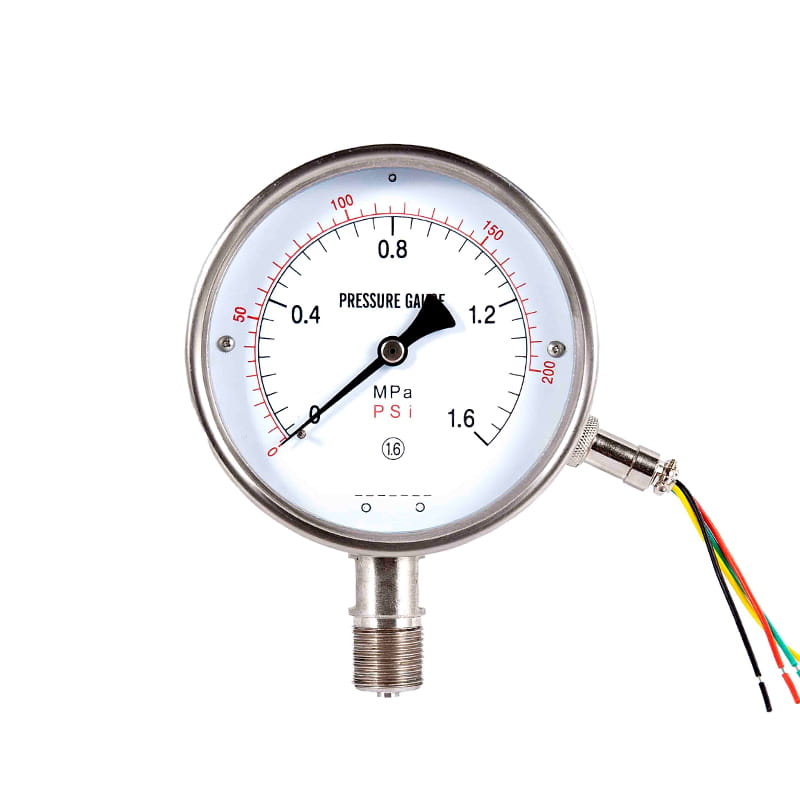
◆ Model: YTZ100, YTZ-150 ◆ Application: This type of instrument is suitable for measuring the pressu...
See Details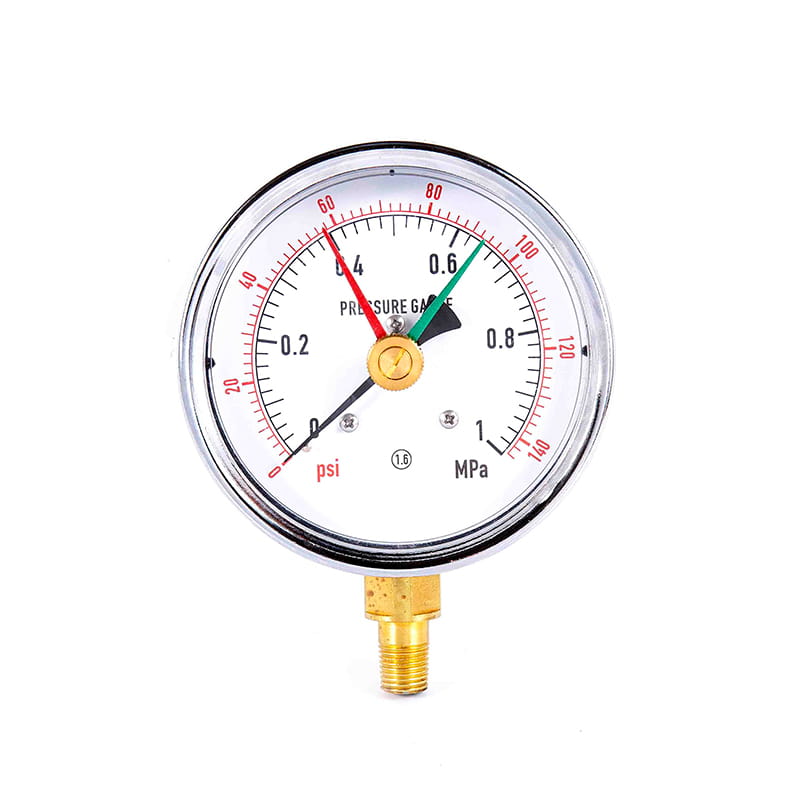
◆ Model: YD40 YD50 YD60 YD75 YD100 YD150 ◆ The main body of the instrument is a general pressure gau...
See Details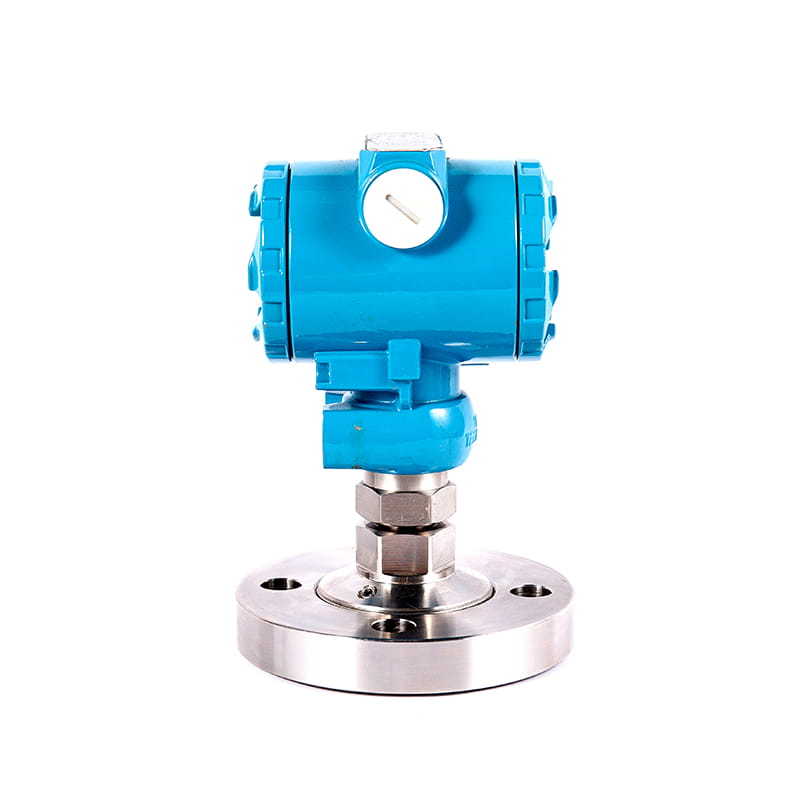
◆ Model: YSZC-7 ◆ Application: This instrument is suitable for precise measurement of liquid, gas or...
See Details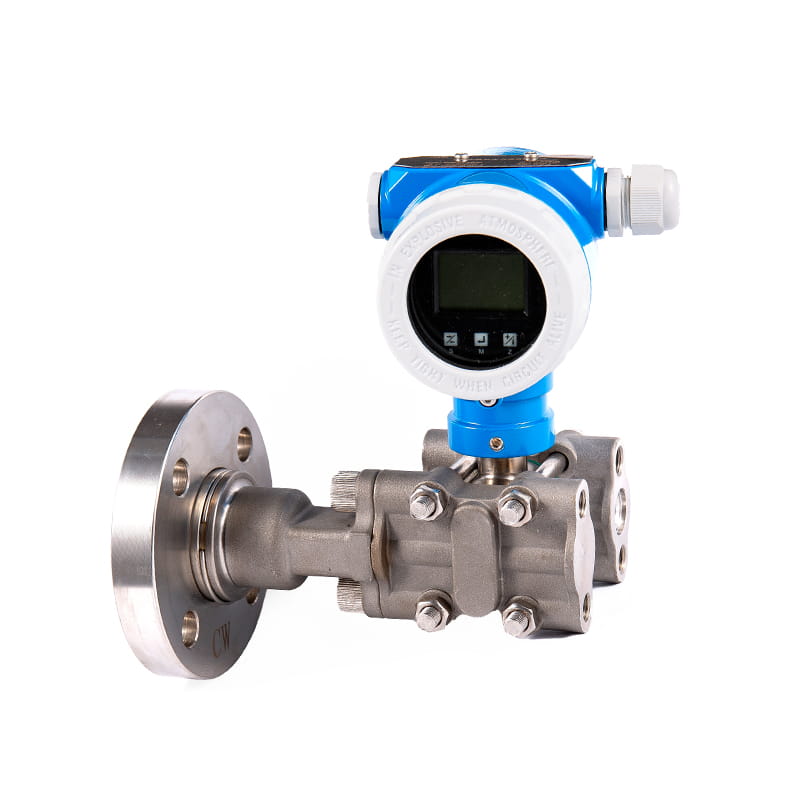
◆ Model: YSZC-8 ◆ Application: This instrument is suitable for precise measurement of liquid level d...
See Details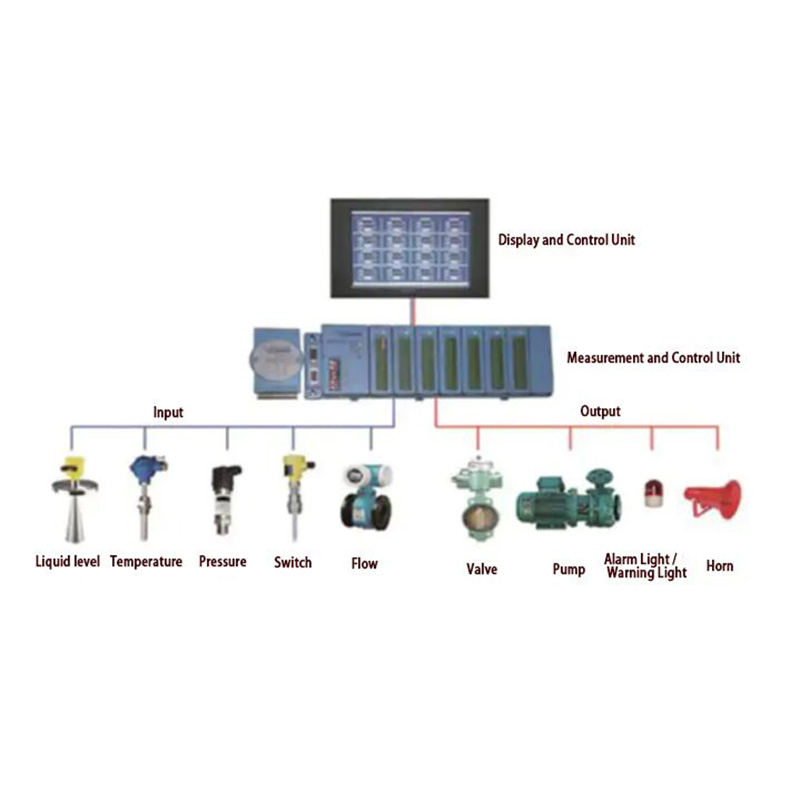
The Liquid cargo monitoring alarm system prioritizes effective agreements, strong security, and stab...
See Details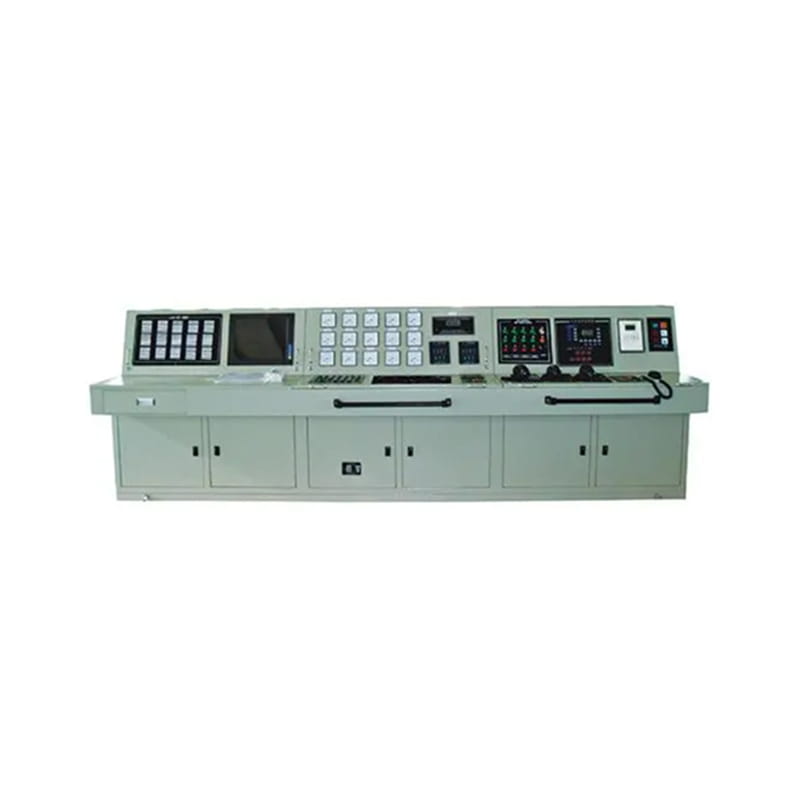
The Engine room monitoring alarm system is crucial for ensuring the safety and efficiency of operati...
See Details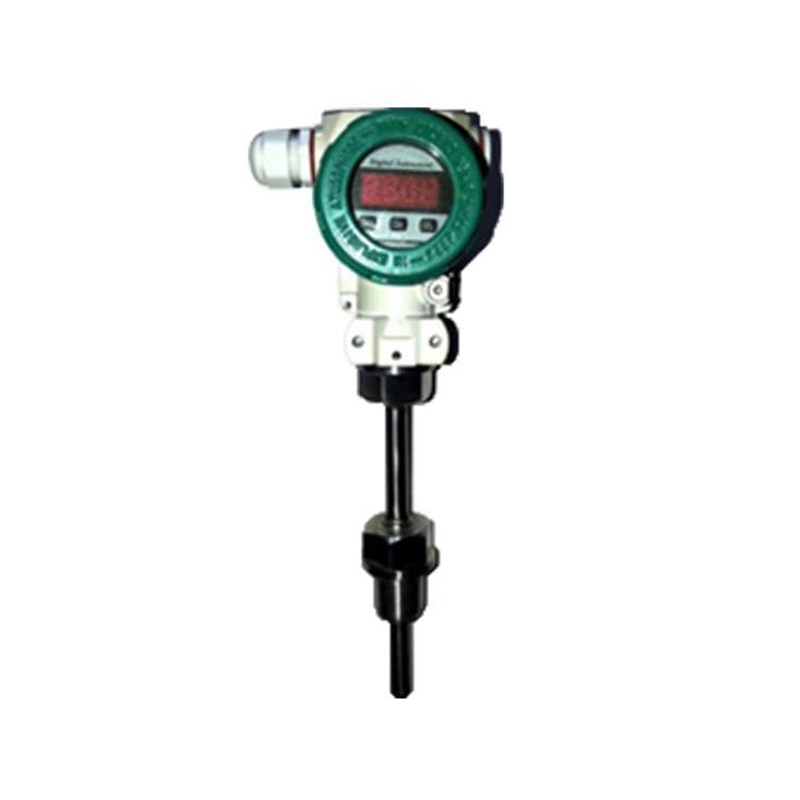
The Temperature sensor WZPK is renowned for its long service life and exceptional stability, making ...
See Details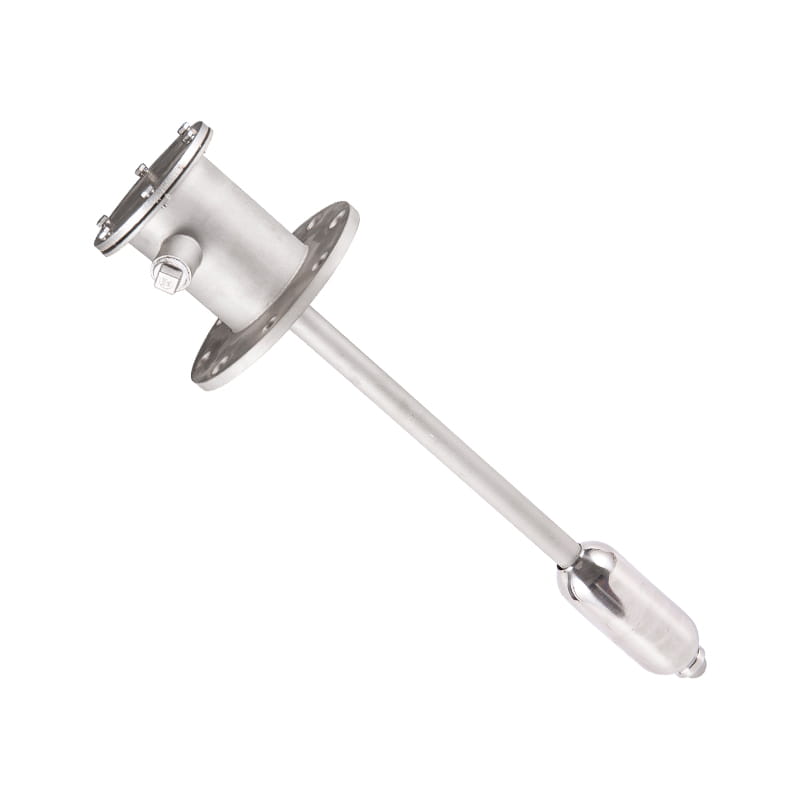
The Float level controller UHK features a simple structure that ensures easy installation and mainte...
See Details


