

 English
 русский
 Español
 عربى
عربى
YN series 100% copper connection earthquake-resistant (seismic) pressure gauge
Cat:Pressure Gauge
◆ Model: YN40 YN50 YN60 YN75 YN100 YN150◆ Use: This series of instruments have good shock resistance...
See DetailsContent
Pressure gauges are among the most fundamental instruments in any industrial, mechanical, or process environment. They provide real-time measurement of fluid or gas pressure, enabling operators to monitor system performance, prevent equipment damage, and ensure personnel safety. However, the term "pressure gauge" covers a surprisingly broad category of instruments, each designed for a specific measurement principle, operating environment, and accuracy requirement. Understanding the different kinds of gauges available — and knowing which type suits which application — is essential knowledge for engineers, procurement specialists, and maintenance technicians alike.
Before exploring the different kinds of gauges, it is important to clarify what is actually being measured, because different gauge types are defined partly by their reference point. Pressure is a force applied per unit area, and it can be expressed relative to different baselines depending on the application and instrument design.
Gauge pressure is the most commonly measured value and represents pressure relative to local atmospheric pressure. A gauge pressure reading of zero means the system pressure equals atmospheric pressure — not that there is no pressure present at all. Absolute pressure is measured relative to a perfect vacuum and is used in applications where atmospheric variation would introduce unacceptable error, such as in altitude-sensitive or vacuum processes. Differential pressure measures the difference between two pressure points within a system, and is critical for monitoring flow rates, filter conditions, and level in pressurized vessels. Each of these measurement types corresponds to specific gauge designs, so identifying the correct reference point is the first step in selecting the right instrument.
The Bourdon tube gauge is the most widely used mechanical pressure gauge in the world. Its operating principle relies on a curved, hollow metal tube — typically C-shaped, spiral, or helical — that straightens slightly as internal pressure increases. This movement is mechanically amplified through a gear and pinion linkage, which translates the tube deflection into a rotational movement of the pointer across a calibrated dial. Bourdon tube gauges are robust, reliable, self-contained, and require no external power source, making them an industry default for general-purpose pressure monitoring across virtually all sectors.
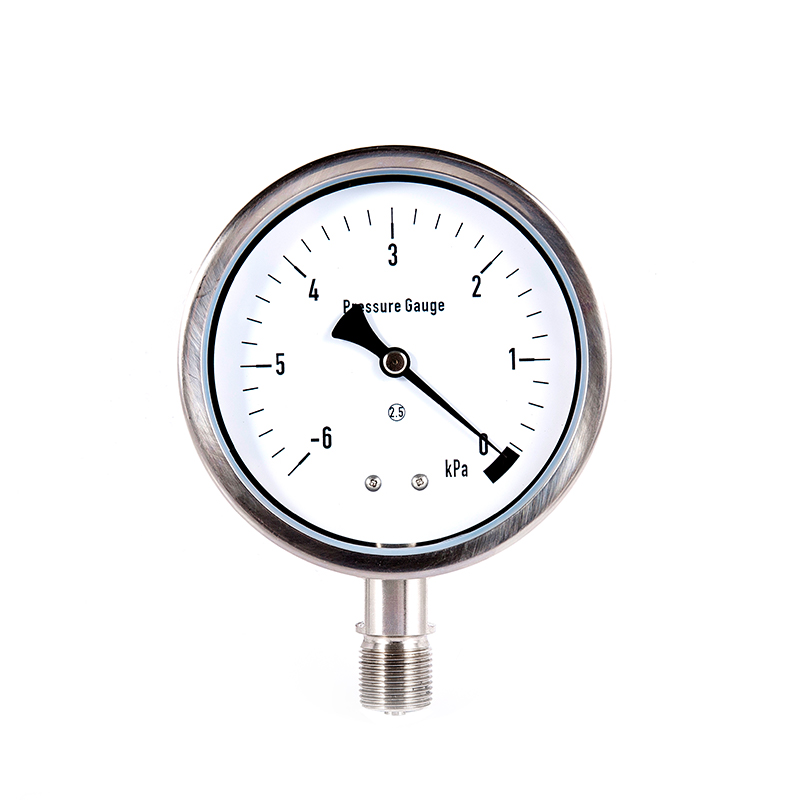
Bourdon tube gauges are available in measuring ranges from as low as 0–0.6 bar up to several thousand bar, depending on tube material and wall thickness. Standard tube materials include brass and phosphor bronze for general service, while stainless steel tubes are specified for corrosive media, high-temperature fluids, or hygienic applications. The main limitation of Bourdon tube gauges is sensitivity to vibration and pressure pulsation, both of which can cause premature wear of the movement and erratic pointer behavior. Liquid-filled gauges — where the case is filled with glycerine or silicone oil — address this limitation effectively by dampening internal movement and lubricating the gear mechanism.
Diaphragm gauges use a flexible membrane as the sensing element instead of a curved tube. As pressure is applied to one side of the diaphragm, it deflects, and this deflection is converted into pointer movement through a mechanical linkage. The diaphragm design makes these gauges particularly well suited to measuring low pressures that fall below the practical range of Bourdon tube instruments, typically from a few millibar up to around 40 bar. Because the sensing element is a large, relatively flat surface, diaphragm gauges are also more sensitive to small pressure changes at low ranges than Bourdon tube types.
One of the key advantages of diaphragm gauges is their suitability for highly viscous, contaminated, or aggressive media. The diaphragm can be manufactured from stainless steel, Hastelloy, tantalum, PTFE-coated metal, or other specialty materials that resist chemical attack. In many designs, the process medium never enters the gauge body itself — it contacts only the diaphragm face — which prevents clogging of the movement and simplifies cleaning. This makes diaphragm gauges the preferred choice in chemical processing, food and beverage, pharmaceutical manufacturing, and wastewater treatment applications.
Capsule gauges are specifically designed for measuring very low pressures of gases, particularly in the range of 0–600 mbar. The sensing element consists of two corrugated metallic diaphragms welded together at their periphery to form a sealed capsule. As pressure is applied to the outside of the capsule, the two diaphragms are pressed together, generating a precise mechanical displacement. This design is extremely sensitive and linear in its response at low pressure ranges, making it ideal for gas supply systems, HVAC pressure monitoring, combustion air controls, and filter differential pressure indication in low-pressure ducting.
Capsule gauges must only be used with clean, dry, non-corrosive gases. They are not suitable for liquid media and are sensitive to the presence of condensate or particulate contamination in the gas stream. When installing capsule gauges in gas monitoring applications, a moisture trap or inline filter upstream of the gauge is strongly recommended to protect the sensing element and preserve accuracy over time.
Differential pressure gauges have two pressure ports — a high-pressure side and a low-pressure side — and display the difference between the two. This makes them fundamentally different from gauge or absolute pressure instruments, which measure pressure at a single point. Differential pressure gauges are used wherever the relationship between two pressure values carries more operational significance than either individual value alone.
Common applications include monitoring the pressure drop across filters and strainers to indicate when cleaning or replacement is needed, measuring flow rates through orifice plates and venturi meters (where differential pressure correlates directly with flow velocity), and monitoring the level of liquid in closed pressurized tanks. Differential pressure gauges can be constructed using diaphragm, piston, or Bourdon tube sensing elements, depending on the pressure range and media involved. They must be carefully selected for compatibility with both process media simultaneously, as both ports may be exposed to different fluids or the same fluid at different conditions.
Digital pressure gauges use an electronic pressure transducer — typically a piezoelectric, capacitive, or strain gauge sensing element — to convert pressure into an electrical signal, which is then processed and displayed as a numerical reading on an LCD or LED screen. Unlike mechanical gauges, digital instruments offer several distinct advantages including higher accuracy, data logging capability, configurable alarm outputs, selectable units of measurement, and the ability to transmit readings to remote monitoring systems via analog or digital communication protocols such as 4–20 mA, HART, or Modbus.
Digital gauges are increasingly specified in modern industrial facilities where process data needs to be integrated into SCADA or distributed control systems. They are also valuable in calibration and testing applications where the resolution and accuracy of a mechanical gauge is insufficient. The primary disadvantages are their dependence on battery power or an external supply, their potential vulnerability to electromagnetic interference, and their higher initial cost compared to mechanical alternatives. In safety-critical applications, a mechanical backup gauge is often installed alongside a digital instrument to provide a failsafe visual indication in the event of power failure.
Selecting the right gauge type begins with matching the instrument's design characteristics to the specific demands of the application. The table below provides a practical comparison of the main gauge types across key selection criteria:
| Gauge Type | Pressure Range | Best Media | Key Advantage |
| Bourdon Tube | 0.6 bar – 4000 bar | Liquids, gases | Robust, cost-effective, no power needed |
| Diaphragm | 1 mbar – 40 bar | Viscous, corrosive, slurries | Material flexibility, clog resistant |
| Capsule | 0–600 mbar | Clean, dry gases only | High sensitivity at very low pressures |
| Differential | Variable | Liquids, gases | Monitors pressure drop across components |
| Digital | Wide range | Liquids, gases | High accuracy, data output, alarms |
Beyond the main categories, several specialist gauge types are designed for demanding or unusual operating conditions where standard instruments would fail or perform inadequately.
In pharmaceutical, biotechnology, and food processing environments, standard gauge designs are unacceptable because they contain crevices, dead legs, and non-hygienic materials that harbor bacteria and prevent effective cleaning. Sanitary pressure gauges are designed with flush diaphragm faces, polished internal surfaces, and connections that comply with 3-A or EHEDG hygienic standards. All wetted parts are manufactured from 316L stainless steel with defined surface roughness values, typically Ra ≤ 0.8 µm, to ensure full cleanability under CIP (clean-in-place) and SIP (sterilize-in-place) procedures.
Applications such as hydraulic testing, waterjet cutting, high-pressure chemical reactors, and gas compression systems require gauges rated for extreme pressures exceeding 1,000 bar or more. These instruments use helical Bourdon tubes — a tightly coiled spring-tube configuration that provides multiple turns of deflection for greater accuracy at high ranges — combined with heavy-duty stainless steel cases and specialized high-pressure process connections such as cone-and-socket or medium-pressure fittings. Safety patterns with blowout back panels are mandatory in high-pressure gauge installations to protect operators in the event of tube rupture.
Test gauges are precision instruments with accuracy classes of 0.25% or better, used to verify the readings of installed process gauges, calibrate instrumentation, and perform acceptance testing on pressure systems. They feature large dial diameters — typically 150 mm or 250 mm — to allow fine pointer interpolation, mirror-banded dials for eliminating parallax reading error, and adjustable pointer mechanisms. Test gauges should be stored carefully in protective cases when not in use and recalibrated at regular intervals against traceable standards to maintain their stated accuracy.
Choosing the correct pressure gauge from the many different kinds available requires evaluating several interdependent factors. Rushing this decision often results in premature instrument failure, inaccurate readings, or safety hazards. The following checklist covers the most critical selection criteria:
Even the best-specified pressure gauge will underperform or fail prematurely if incorrectly installed or neglected in service. The gauge should always be mounted in an upright vertical position where possible, as tilted or inverted mounting affects pointer balance and, in liquid-filled gauges, can cause fluid leakage from the case. Process connections should be made using the correct thread sealant for the media — PTFE tape is widely used but should not be applied to the first thread to prevent fragments entering the gauge inlet. A manual isolating valve installed between the process line and the gauge allows the gauge to be isolated for replacement or calibration without interrupting system operation.
Regular inspection of installed gauges should check for pointer drift, cracked dials, case leakage, and corrosion of the process connection. Gauges showing a consistent offset error should be recalibrated or replaced. In safety-critical applications, a formal gauge calibration and replacement schedule — typically on an annual basis or as defined by a risk assessment — should be documented and adhered to rigorously. Understanding the different kinds of gauges available and applying sound selection, installation, and maintenance practices ensures that pressure measurement remains accurate, reliable, and safe throughout the life of any pressurized system.
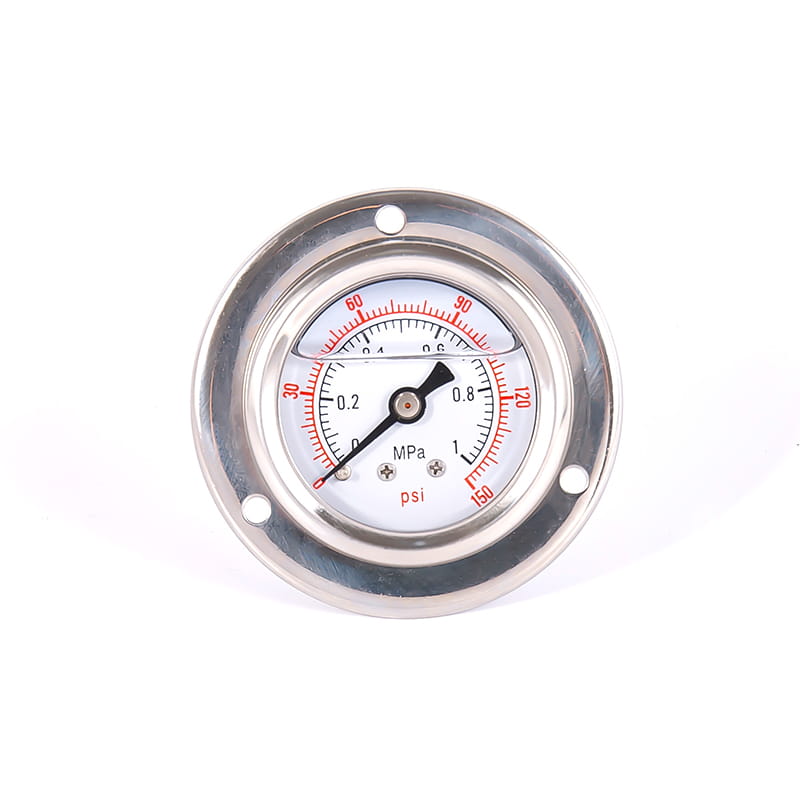
◆ Model: YN40 YN50 YN60 YN75 YN100 YN150◆ Use: This series of instruments have good shock resistance...
See Details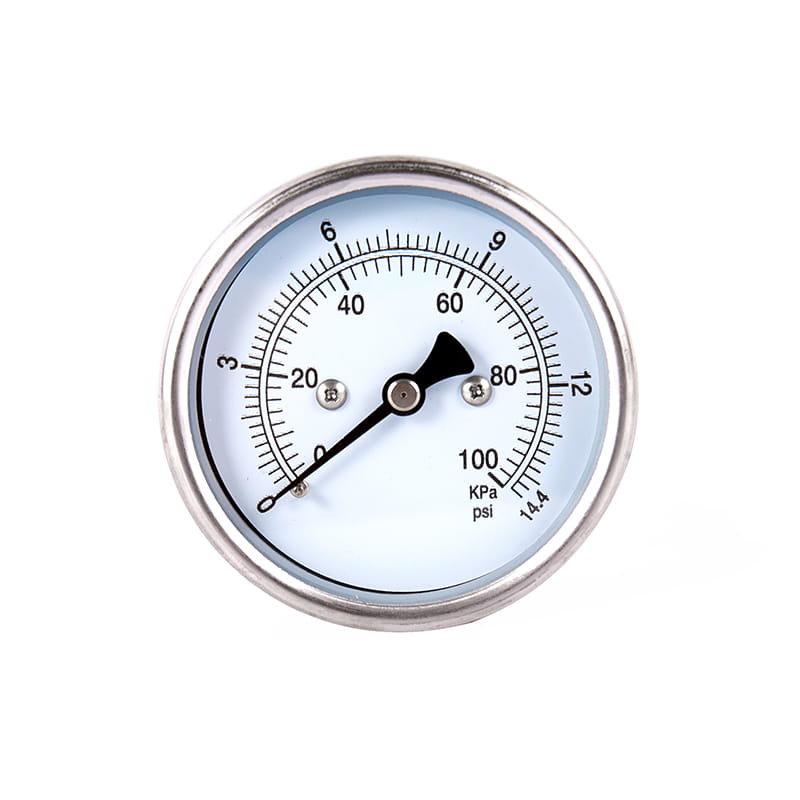
◆ Model:YE60 YE100 YE150 ◆ Use: Membrane box pressure gauge is also called micro pressure gauge....
See Details
◆ Model:YEB60 YEB100 YEB150◆ Use: This series of instruments are suitable for measuring the low micr...
See Details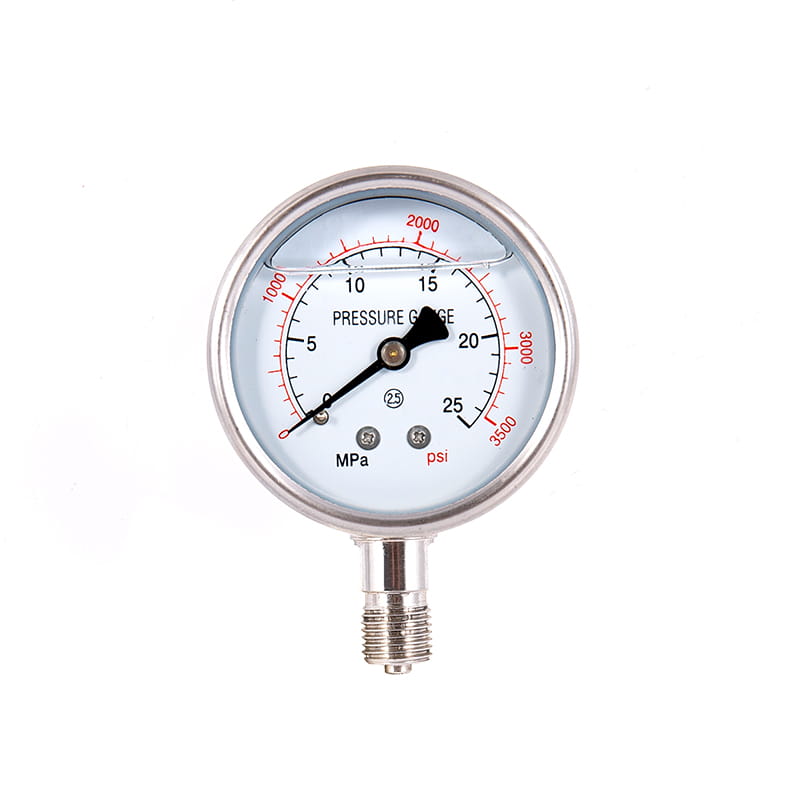
◆ Model: YG60 YG100 YG150◆ Use: All parts of this series of gauges are made of stainless steel, and ...
See Details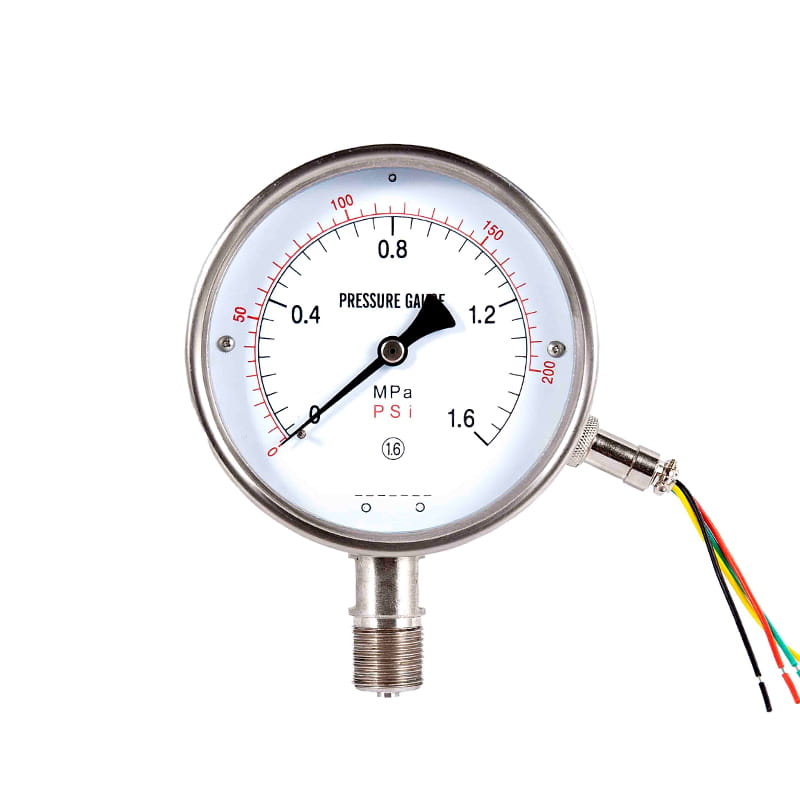
◆ Model: YTZ100, YTZ-150 ◆ Application: This type of instrument is suitable for measuring the pressu...
See Details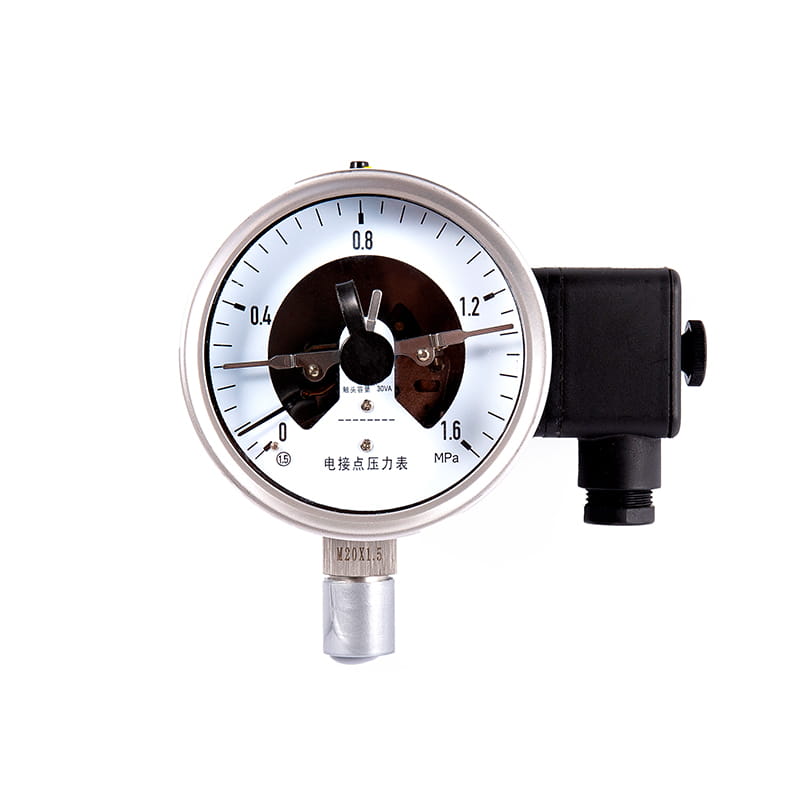
◆ Model: YXD100 YXD150 ◆ Uses: Photoelectric electric contact pressure gauge is a substitute for the...
See Details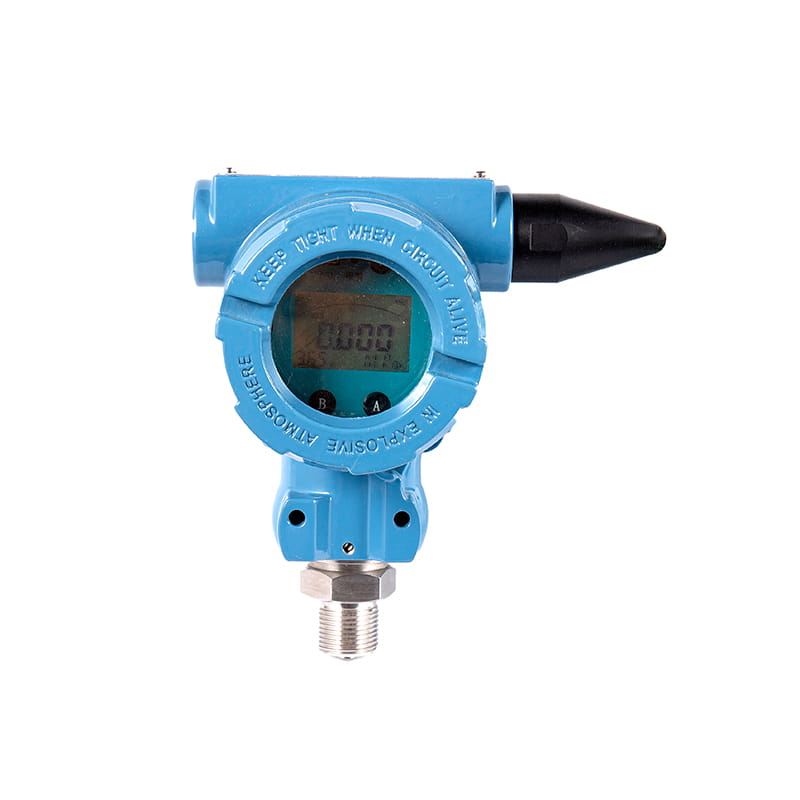
1. Overview This pressure transmitter has high sensitivity, high precision and strong anti-overload ...
See Details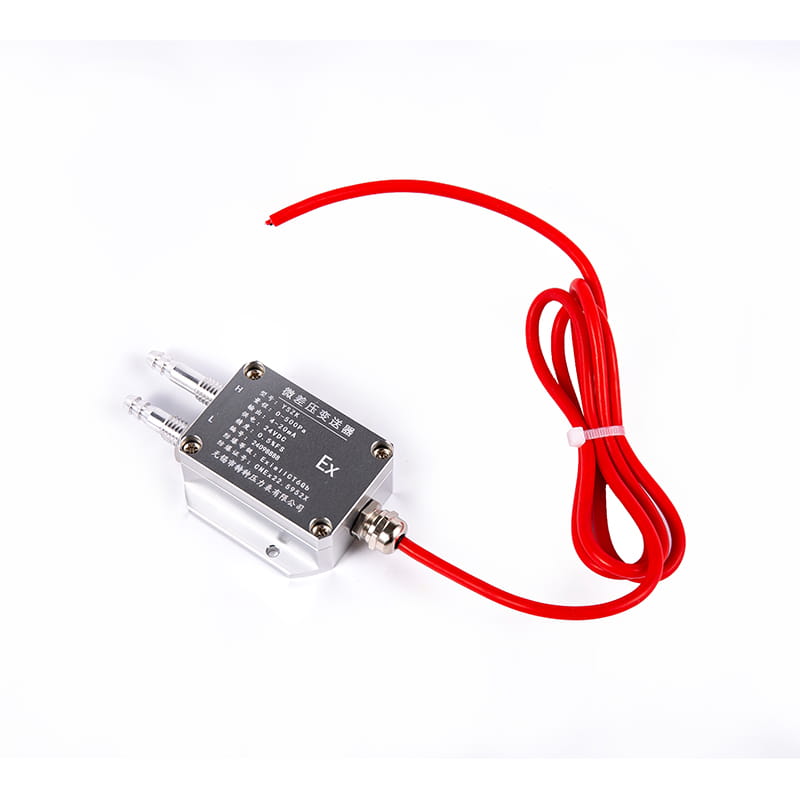
1. Overview This air pressure transmitter has high sensitivity, high precision and strong anti-overl...
See Details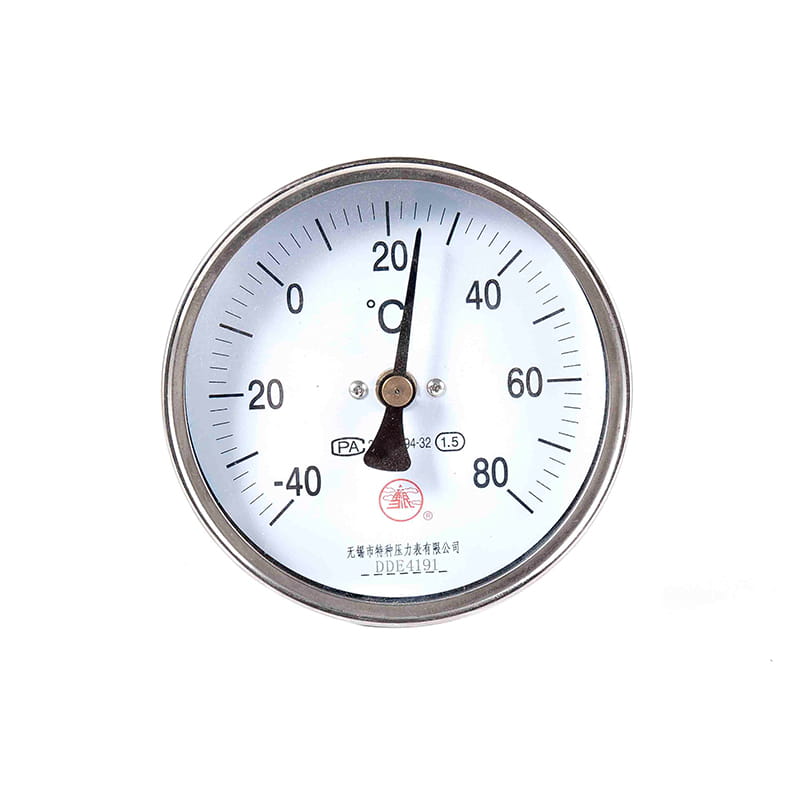
◆ Model: WSS-3 WSS-4 WSS-5 ◆ Application: Bimetal thermometer has the characteristics of no mercury ...
See Details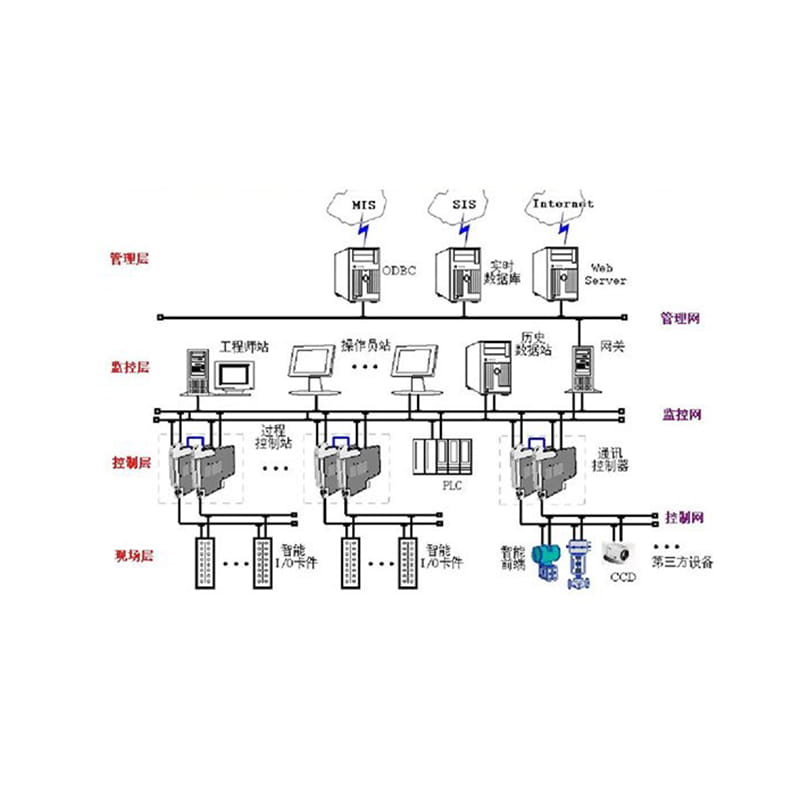
The DCS System is designed with an open architecture, allowing for seamless integration and flexibil...
See Details


