

 English
 русский
 Español
 عربى
عربى
YEB series stainless steel diaphragm pressure gauge
Cat:Pressure Gauge
◆ Model:YEB60 YEB100 YEB150◆ Use: This series of instruments are suitable for measuring the low micr...
See DetailsContent
A liquid flow meter is an instrument used to measure the volumetric or mass flow rate of a liquid moving through a pipe, channel, or system. It quantifies how much liquid passes a given point per unit of time — expressed in units such as liters per minute (L/min), gallons per hour (GPH), or cubic meters per hour (m³/h) for volumetric flow, or kilograms per second (kg/s) for mass flow. These instruments are critical to process control, billing, safety compliance, and system efficiency across virtually every industry that handles liquid media.
Flow meters for liquids are not a single device type but an entire family of instruments based on fundamentally different measurement principles. The right choice depends on the specific liquid being measured, the required accuracy, the pipe size, the flow range, the operating pressure and temperature, and whether the application demands custody transfer precision or simple process indication. Understanding how each technology works is the foundation for making a well-informed selection.
The operating principle varies significantly by meter type, but all liquid flow meters ultimately convert a physical property of the flowing liquid — velocity, pressure differential, electromagnetic induction, vibration frequency, or ultrasonic transit time — into a measurable signal that is then translated into a flow rate reading. The output is typically an analog signal (4–20 mA), a pulse output proportional to volume, or a digital communication signal via protocols such as HART, Modbus, or PROFIBUS that can be read by a PLC, DCS, or standalone display.
The distinction between volumetric and mass flow measurement is an important one. Volumetric flow meters measure the volume of liquid passing through per unit time, which means their readings are affected by changes in temperature and pressure that alter the liquid's density. Mass flow meters measure the actual mass flow regardless of density variations, making them more accurate for applications where precise chemical dosing, custody transfer, or energy balance calculations are required.
Each flow meter technology has specific strengths, limitations, and ideal application conditions. The following covers the most widely used types in industrial and commercial liquid measurement.
Electromagnetic flow meters operate on Faraday's law of electromagnetic induction. As a conductive liquid flows through a magnetic field generated by coils around the meter body, it induces a voltage proportional to its velocity. That voltage is measured by electrodes mounted in the pipe wall and converted to a flow rate. Magmeters have no moving parts, create no pressure drop, and are unaffected by changes in viscosity, density, or temperature. They are among the most accurate and reliable flow meters available, with typical accuracy of ±0.2% to ±0.5% of reading. The critical limitation is that they require the liquid to be electrically conductive — a minimum conductivity of approximately 5 µS/cm — making them unsuitable for hydrocarbons, pure water, and most non-aqueous solvents.
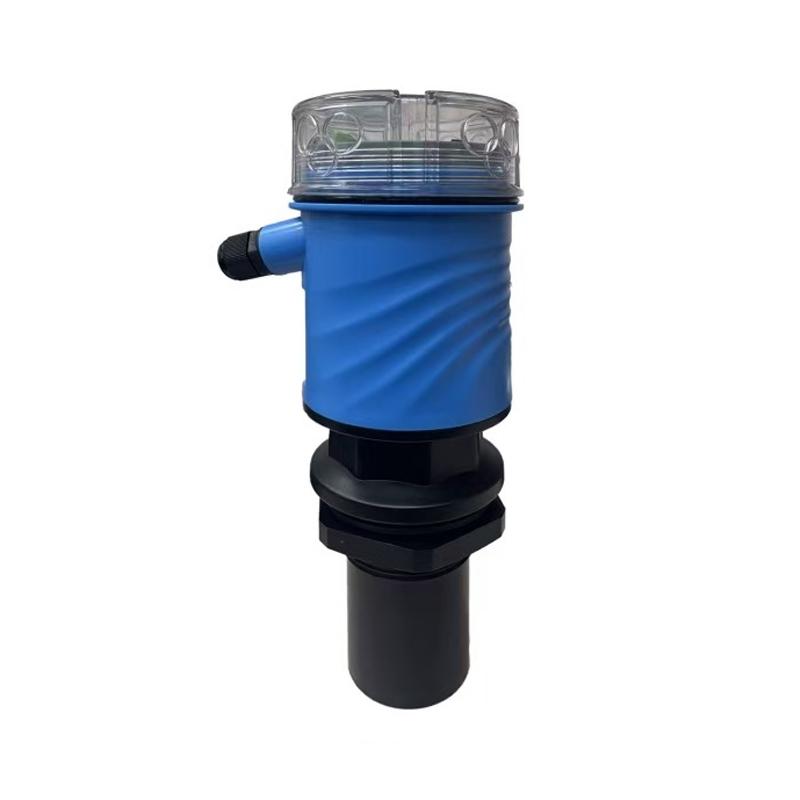
Ultrasonic flow meters use high-frequency sound waves transmitted across the pipe to measure flow. In transit-time models — the most common type for clean liquids — the meter compares the time it takes for an ultrasonic pulse to travel with the flow versus against it. The difference in transit times is directly proportional to the flow velocity. Doppler ultrasonic meters instead measure the frequency shift of sound reflected off particles or bubbles in the liquid, making them suitable for slurries and aerated liquids. A major practical advantage of clamp-on ultrasonic meters is that they attach externally to the outside of an existing pipe without any cutting, welding, or process shutdown, making them ideal for retrofits and temporary flow measurement campaigns.
Coriolis meters directly measure mass flow by passing liquid through one or two vibrating tubes. The Coriolis force generated by the flowing mass causes the tubes to twist in proportion to the mass flow rate. This principle is completely independent of the liquid's physical properties — viscosity, density, temperature, and pressure have no effect on the measurement. Coriolis meters achieve the highest accuracy of any flow meter technology, typically ±0.1% to ±0.2% of reading, and simultaneously provide mass flow, density, temperature, and calculated volumetric flow in a single instrument. Their disadvantages are high capital cost and sensitivity to external pipeline vibration, which can introduce measurement errors if not properly isolated.
Turbine flow meters contain a multi-bladed rotor mounted on a shaft inside the flow path. As liquid flows through, it spins the rotor at a speed proportional to the flow velocity. A magnetic pickup or optical sensor counts the blade passes per unit time and converts this to a flow rate. Turbine meters are accurate (typically ±0.5% to ±1%), relatively compact, and well-suited to clean, low-viscosity liquids such as water, light fuels, and solvents. Their moving parts make them susceptible to wear and to damage from particulate contamination, and they require upstream straight pipe runs to ensure a fully developed flow profile before the measuring element.
Positive displacement (PD) meters measure flow by repeatedly filling and emptying fixed-volume chambers as liquid passes through. Oval gear meters use two meshing oval rotors that trap precise volumes of liquid per revolution. Because they measure actual displaced volume regardless of flow profile or upstream conditions, PD meters perform exceptionally well with viscous liquids — lubricating oils, syrups, resins, and adhesives — where velocity-based meters lose accuracy. They require no straight pipe runs and are commonly used for custody transfer of high-value viscous products. Their limitation is sensitivity to particles in the liquid, which can jam the rotating elements.
Vortex meters exploit the von Kármán effect: when a bluff body (shedder bar) is placed in a flow stream, it generates alternating vortices downstream at a frequency proportional to the flow velocity. A sensor detects these vortex shedding frequencies and converts them into a flow signal. Vortex meters are robust, have no moving parts, and handle a wide range of process temperatures and pressures. They are widely used for steam flow measurement and are also effective for clean liquid applications. Their minimum flow threshold is higher than some other technologies, making them less suitable for very low flow rates.
| Meter Type | Typical Accuracy | Moving Parts | Best For |
| Electromagnetic | ±0.2% – ±0.5% | None | Conductive liquids, slurries |
| Ultrasonic | ±0.5% – ±2% | None | Clean liquids, retrofits |
| Coriolis | ±0.1% – ±0.2% | None | Mass flow, custody transfer |
| Turbine | ±0.5% – ±1% | Yes | Clean, low-viscosity liquids |
| Oval Gear (PD) | ±0.1% – ±0.5% | Yes | Viscous liquids, oils |
| Vortex | ±0.5% – ±1% | None | Clean process liquids, steam |
Beyond the operating principle, several technical parameters must be matched between the meter and the application to ensure accurate, reliable, and safe long-term operation. Overlooking any of these during the selection process is a common source of costly retrofits and measurement errors in the field.
Flow meters for liquids are deployed across an enormous range of industries, each with distinct performance and compliance requirements. Understanding where each technology is most commonly applied provides useful context for selection decisions.
Even the most accurate flow meter will underperform if it is installed incorrectly, used beyond its calibrated range, or not maintained according to the manufacturer's schedule. Several practical principles apply universally across meter types.
Straight pipe run requirements are one of the most commonly overlooked installation factors. Velocity-based meters including electromagnetic, turbine, and vortex types require a fully developed turbulent flow profile at the measurement point. Fittings such as elbows, valves, reducers, and pumps disturb this profile and introduce measurement error. Most manufacturers specify a minimum of 5 to 10 pipe diameters of straight run upstream and 3 to 5 downstream. Installing a meter immediately downstream of a partially open control valve or a double-bend configuration without adequate straight run is a reliable recipe for persistent accuracy problems.
Calibration should be performed against traceable national standards at commissioning and at intervals specified by the application's regulatory requirements or the manufacturer's recommendations — typically annually for custody transfer meters and every two to five years for process monitoring applications. In-situ calibration verification using a portable clamp-on ultrasonic meter as a reference is an efficient way to check a permanently installed meter without removing it from the line.
Maintenance requirements for meters with no moving parts — electromagnetic, ultrasonic, Coriolis, and vortex — are minimal and primarily consist of keeping electrodes and sensor surfaces clean and inspecting cable connections and transmitter housing integrity. Meters with moving parts — turbine and positive displacement — require periodic inspection and replacement of bearings, rotors, and seals according to the service schedule, with frequency scaled to the duty severity and cleanliness of the process fluid. Maintaining a calibration and service log for each installed meter is not just good engineering practice — it is a regulatory requirement in many metered utility and pharmaceutical applications.
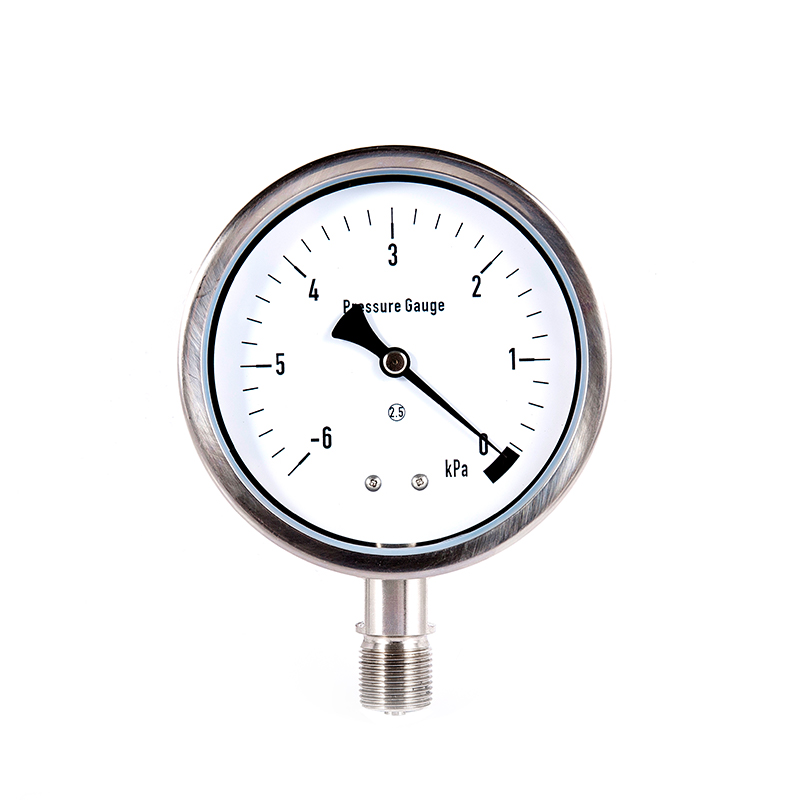
◆ Model:YEB60 YEB100 YEB150◆ Use: This series of instruments are suitable for measuring the low micr...
See Details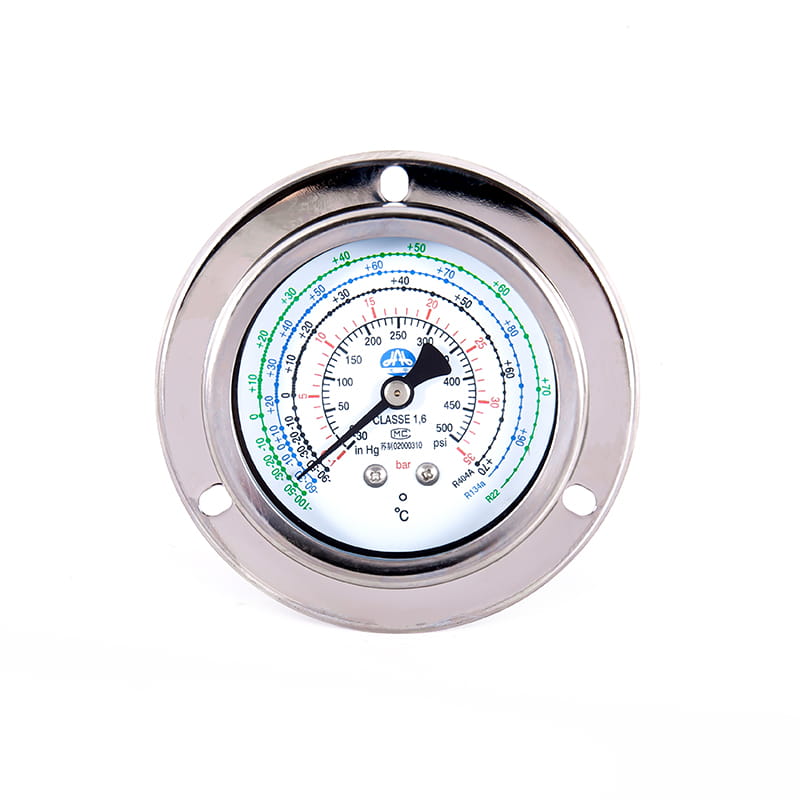
◆ Model: YLm60 YLm100 YLm150◆ Application: This series of instruments are special instruments for de...
See Details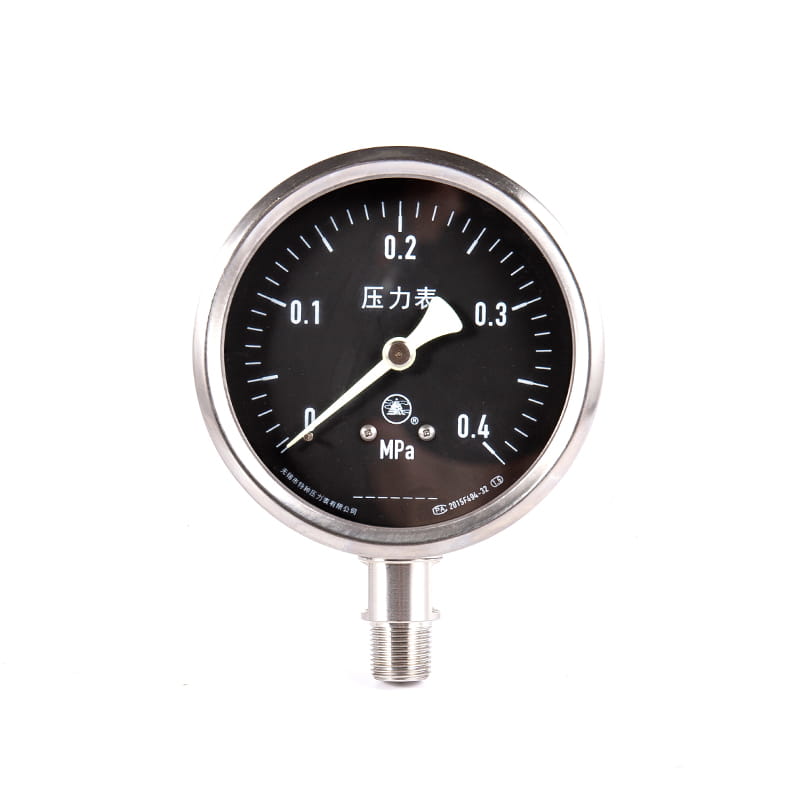
◆ Model: YC40 YC50 YC60 YC75 YC100 YC150◆ Use: This series of instruments are suitable for measuring...
See Details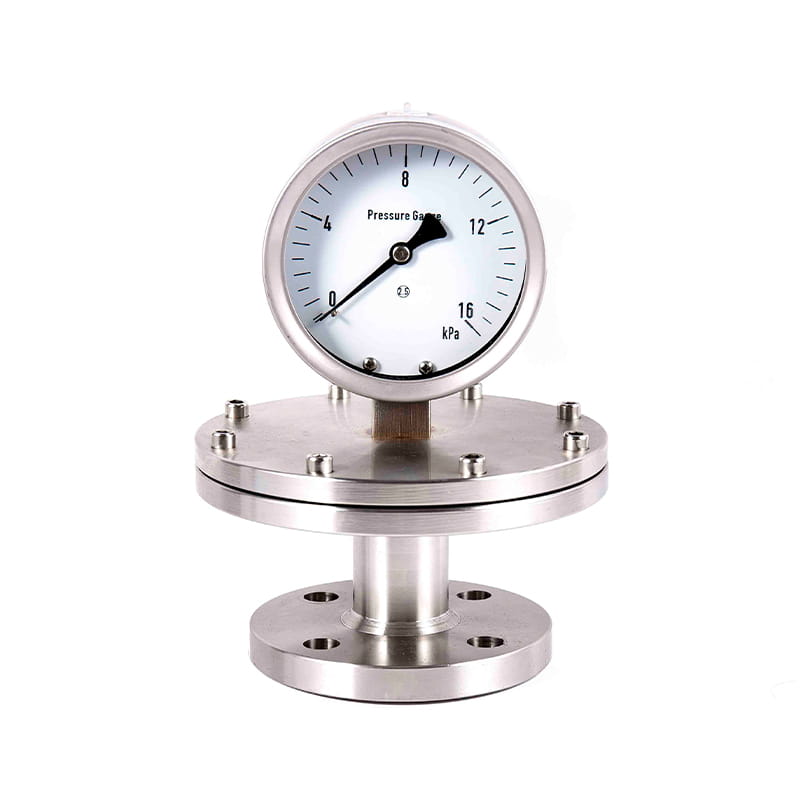
◆ Model: YP100-L YP150-L YP100-F YP150-F ◆ Application: YP series instrument diaphragm and structura...
See Details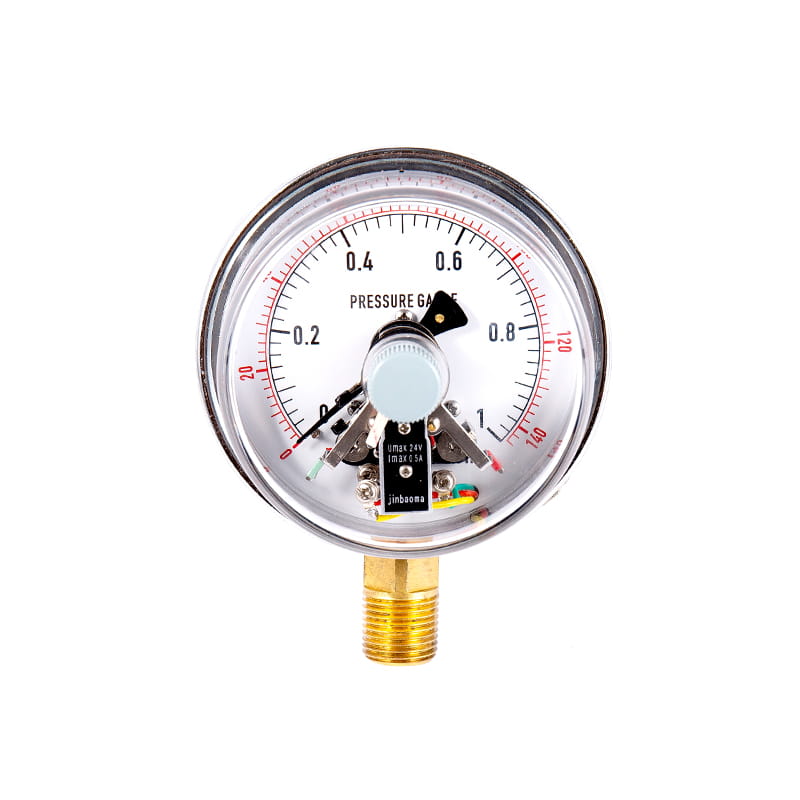
◆ Model: YXCm100 YXCm150 ◆ Uses: This kind of instrument is an ideal alternative to the magnetic-ass...
See Details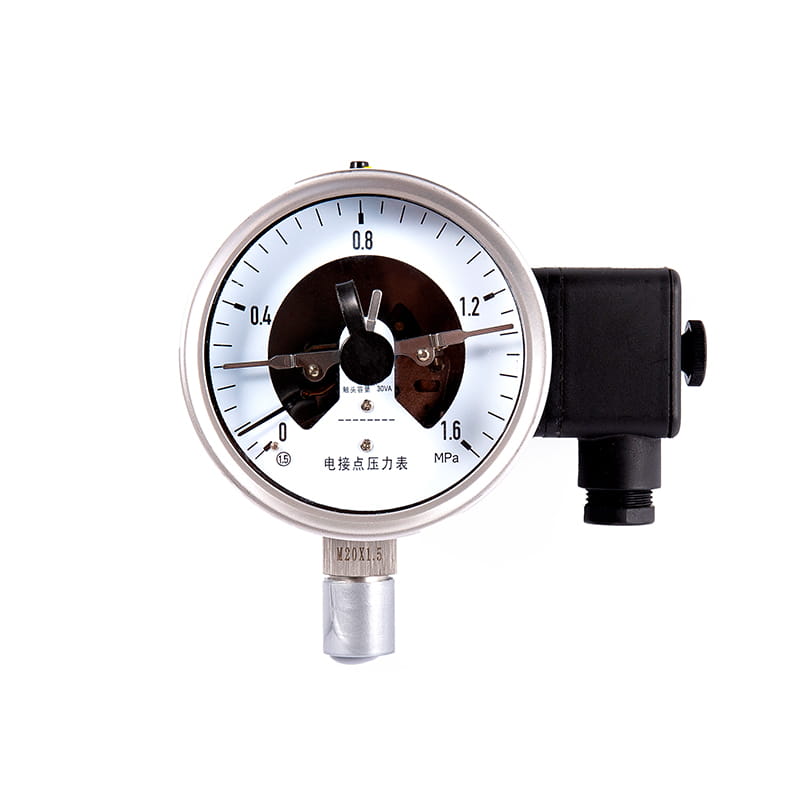
◆ Model: YXD100 YXD150 ◆ Uses: Photoelectric electric contact pressure gauge is a substitute for the...
See Details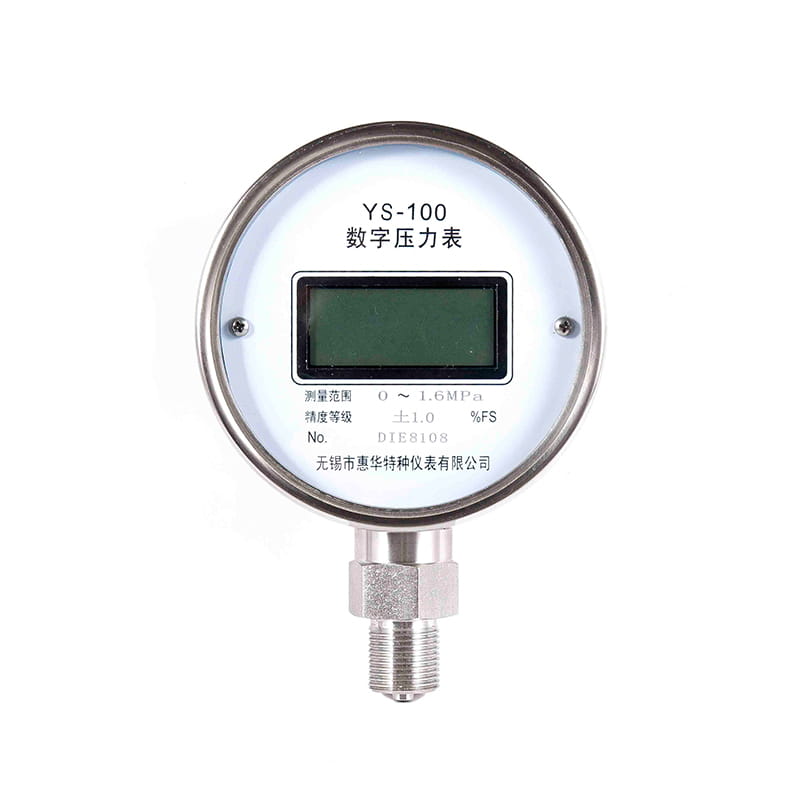
◆ Model: YS100 YS150◆ Introduction: This digital pressure gauge has beautiful shape, stable performa...
See Details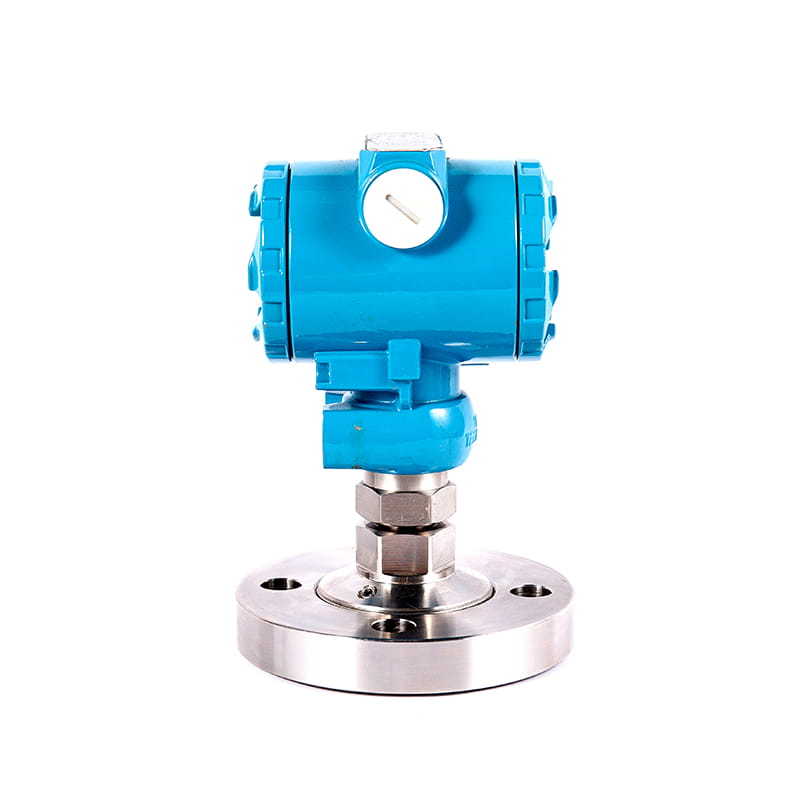
◆ Model: YSZC-7 ◆ Application: This instrument is suitable for precise measurement of liquid, gas or...
See Details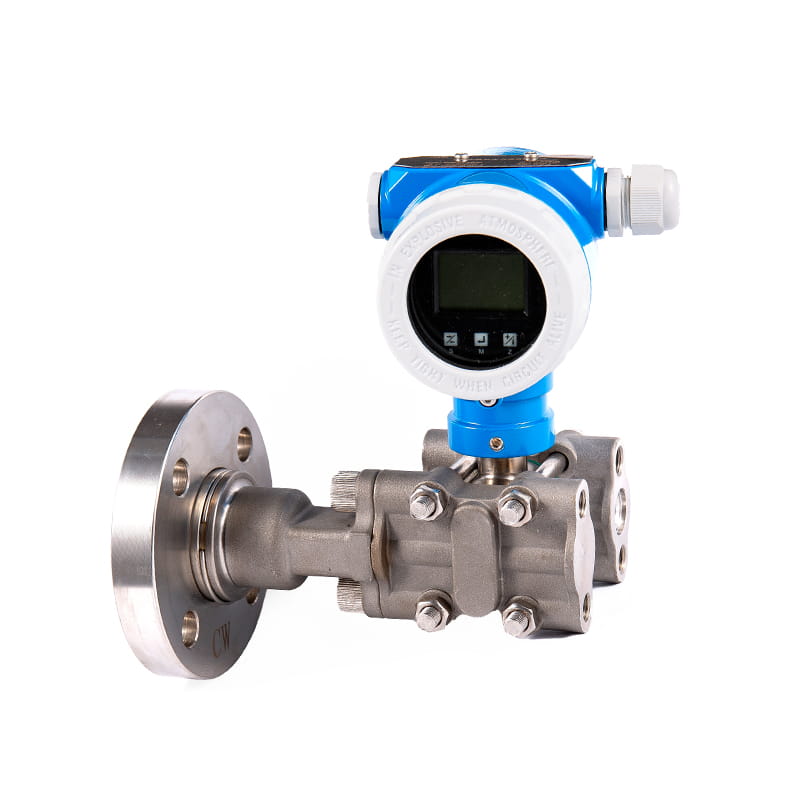
◆ Model: YSZC-8 ◆ Application: This instrument is suitable for precise measurement of liquid level d...
See Details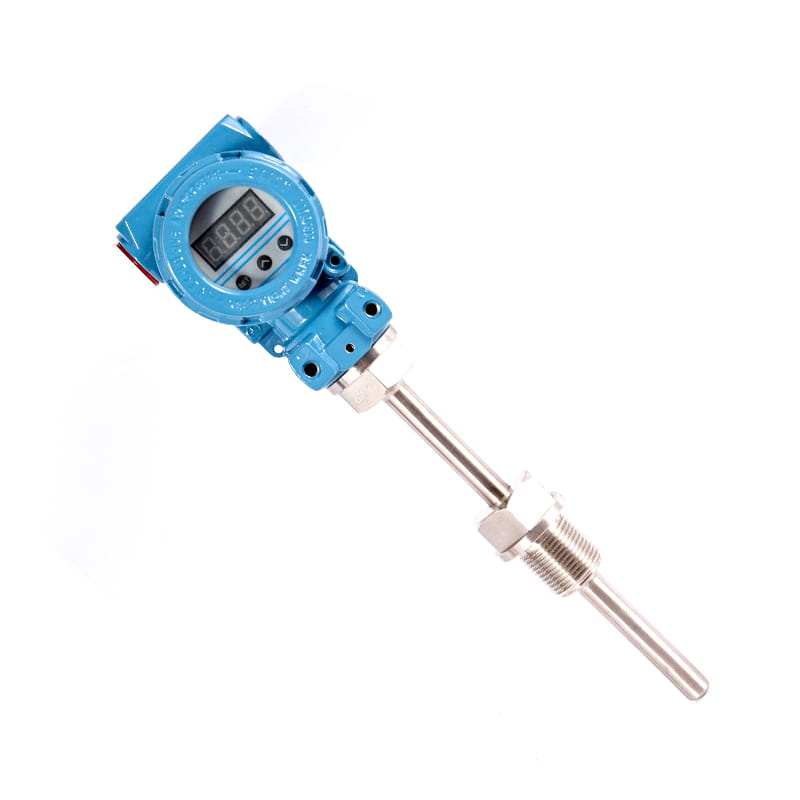
◆ Model: WSZC-2 ◆ Overview: The transmitter is composed of advanced circuit module integration techn...
See Details


