

 English
 русский
 Español
 عربى
عربى
Y series general stainless steel pressure gauge
Cat:Pressure Gauge
◆ Model: Y40 Y50 Y60 Y75 Y100 Y150 Y200 Y250◆ Use: This series of instruments is suitable for measur...
See DetailsContent
Temperature measurement in industrial, process, and mechanical engineering applications relies on several fundamentally different physical principles, and choosing the wrong instrument type for a given application can result in poor accuracy, premature failure, safety hazards, or unnecessary cost. Two of the most widely deployed mechanical thermometer types — the bimetal thermometer and the pressure thermometer (also called a gas-actuated or filled-system thermometer) — are often compared directly because both are local-reading, self-contained instruments that require no external power supply. But their operating principles, construction, performance characteristics, and ideal applications differ in important and practically meaningful ways. This article examines both instrument types in depth to help engineers, plant operators, and procurement specialists make an informed selection.
A bimetal thermometer operates on the principle of differential thermal expansion between two dissimilar metals permanently bonded together along their length. When the composite strip is heated or cooled, the two metals expand or contract at different rates — governed by their respective coefficients of thermal expansion — causing the bonded strip to curve in proportion to the temperature change. By winding this bimetal strip into a helical or spiral coil and connecting one end to a fixed anchor while the other end drives a pointer through a mechanical linkage, the rotational movement of the coil end is translated into a pointer deflection across a calibrated scale.
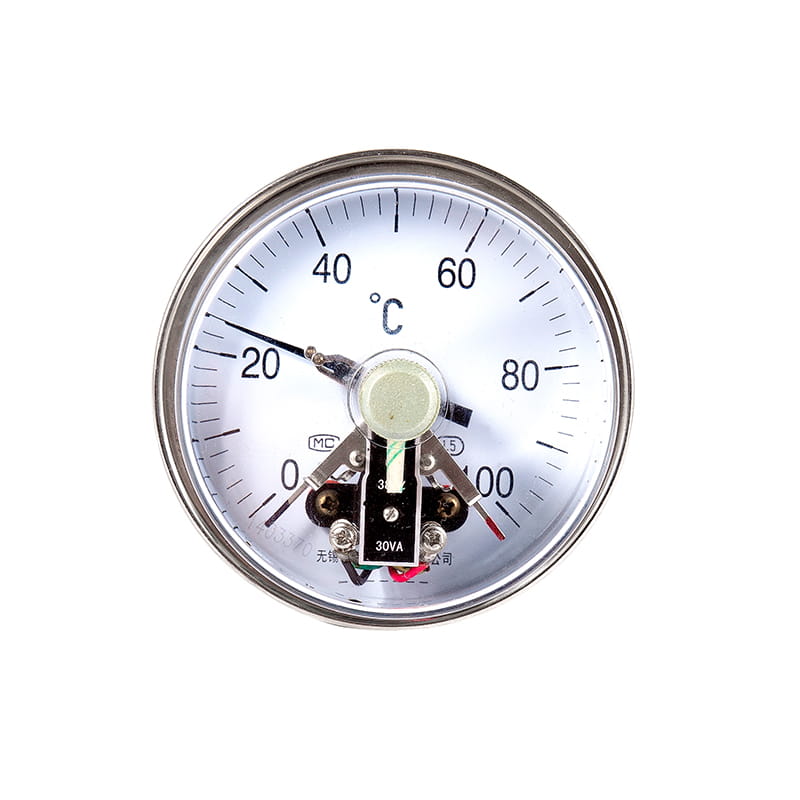
The metal pairing most commonly used in bimetal thermometers is Invar (a nickel-iron alloy with an extremely low thermal expansion coefficient) bonded to a high-expansion alloy such as brass, copper, or stainless steel. Invar's near-zero expansion rate maximizes the differential movement for a given temperature change, improving sensitivity and scale span. The helical coil form is preferred over a simple flat spiral in dial thermometers because it allows a longer bimetal element within a compact stem diameter, increasing the angular rotation per degree of temperature change and therefore improving readability and accuracy.
The sensing element — the helical bimetal coil — is housed within a protective thermowell or immersion stem that is inserted into the process medium being measured. The stem transmits heat from the medium to the bimetal element while protecting it from direct contact with the fluid. The dial head, containing the pointer, scale, and sometimes a protective window, is mounted at the top of the stem and reads the temperature directly. No electrical power, external signal conditioning, or remote readout equipment is required — the entire measurement and indication chain is mechanical.
A pressure thermometer — more precisely described as a filled thermal system or vapor-pressure thermometer — operates on an entirely different physical principle. A sealed system consisting of a bulb (the sensing element), a capillary tube, and a Bourdon tube pressure element is filled with a temperature-sensitive substance — either a gas, a liquid, a vapor, or a combination — and hermetically sealed. When the bulb is exposed to the process temperature, the filling medium expands (in liquid-filled and gas-filled systems) or generates a characteristic vapor pressure (in vapor-pressure systems), increasing the pressure throughout the sealed system. The Bourdon tube at the instrument end responds to this pressure change by straightening slightly, driving a pointer through a mechanical linkage to indicate temperature on a calibrated scale.
The SAMA (Scientific Apparatus Makers Association) classification divides filled thermal systems into four classes based on the filling medium. Class I systems use a liquid fill (typically silicone oil or mercury in legacy instruments), Class II systems use a vapor-pressure fill (a liquid-vapor mixture that exploits the saturation curve of the filling fluid), Class III systems use a gas fill (typically nitrogen), and Class V systems use mercury. Each class has different temperature ranges, ambient temperature compensation requirements, and accuracy characteristics, but all share the common feature of a remote bulb connected by a capillary to the indicating head — a feature that allows the measurement point and the reading point to be physically separated by distances of up to several meters.
While both instruments deliver a local mechanical temperature reading without external power, their internal construction creates significant operational differences that directly affect their suitability for different applications.
In a bimetal thermometer, the sensing element (the bimetal coil) is located within the instrument stem, directly below the dial head. The dial must therefore be positioned at or very near the point of measurement — typically within a few centimeters of the process connection. This limits bimetal thermometers to applications where direct access to the measurement point for reading is practical and safe. In contrast, a pressure thermometer separates the bulb (sensing element) from the indicating head via a capillary tube that can be routed around obstacles, through walls, or across significant distances. This remote-reading capability makes pressure thermometers essential in applications where the measurement point is physically inaccessible, in a hazardous location, at high elevation, or where personnel must not approach the process during operation.
Bimetal thermometers have a relatively slow thermal response compared to other temperature sensor types because heat must conduct from the process fluid through the thermowell wall and into the bimetal element before the indication changes. Response times are typically in the range of 30–120 seconds to reach 90% of a step change in process temperature, depending on stem diameter, thermowell material, and process fluid velocity. Pressure thermometers with large bulbs immersed directly in the process fluid have somewhat faster response for liquid-filled systems, though the capillary introduces a small additional lag. Neither instrument type is appropriate for applications requiring rapid temperature tracking — electronic sensors such as thermocouples or RTDs with thin-wall thermowells are far faster.
A significant practical difference between the two instrument types is their sensitivity to ambient temperature at the instrument head. Bimetal thermometers, because their entire sensing element is at the process temperature, are not significantly affected by ambient temperature changes at the dial — the bimetal coil responds only to the temperature at the stem, not the temperature of the surrounding air at the dial. Pressure thermometers, particularly liquid-filled (Class I) and gas-filled (Class III) systems, are sensitive to ambient temperature changes because the filling medium in the capillary and Bourdon tube is also affected by ambient temperature, not just the temperature at the bulb. This effect is managed through compensation devices — bimetallic compensators built into the movement mechanism — but residual ambient temperature error can be a meaningful source of inaccuracy in environments with wide ambient temperature swings.
| Parameter | Bimetal Thermometer | Pressure Thermometer |
| Typical accuracy class | ±1% to ±2% of full scale (EN 13190) | ±1% to ±2% of full scale (ASME B40.200) |
| Ambient temp. effect | Negligible at the stem | Significant without compensation (Class I, III) |
| Vibration sensitivity | Moderate — liquid-damped dials available | Lower — Bourdon tube is more robust to vibration |
| Calibration method | Adjustable zero/span via pointer adjustment screw | Limited field adjustment; factory calibration preferred |
| Drift over time | Moderate — bimetal fatigue and set possible | Low — sealed system is stable if undamaged |
| Temperature range | −70°C to +600°C (depending on materials) | −200°C to +650°C (fill-medium dependent) |
Bimetal thermometers are the most widely used local-reading thermometer in general industrial and process applications, and their combination of simplicity, low cost, ruggedness, and ease of installation makes them the default choice for a very broad range of temperature monitoring duties.
Pressure thermometers occupy a narrower but important application niche defined primarily by the need for remote indication — reading temperature at a location physically separated from the process measurement point — and the requirement for a fully mechanical, self-contained instrument in locations where electronic sensors are not practical or permitted.
The choice between a bimetal thermometer and a pressure thermometer is rarely ambiguous when the application requirements are clearly defined. The following decision logic covers the most common differentiating factors:
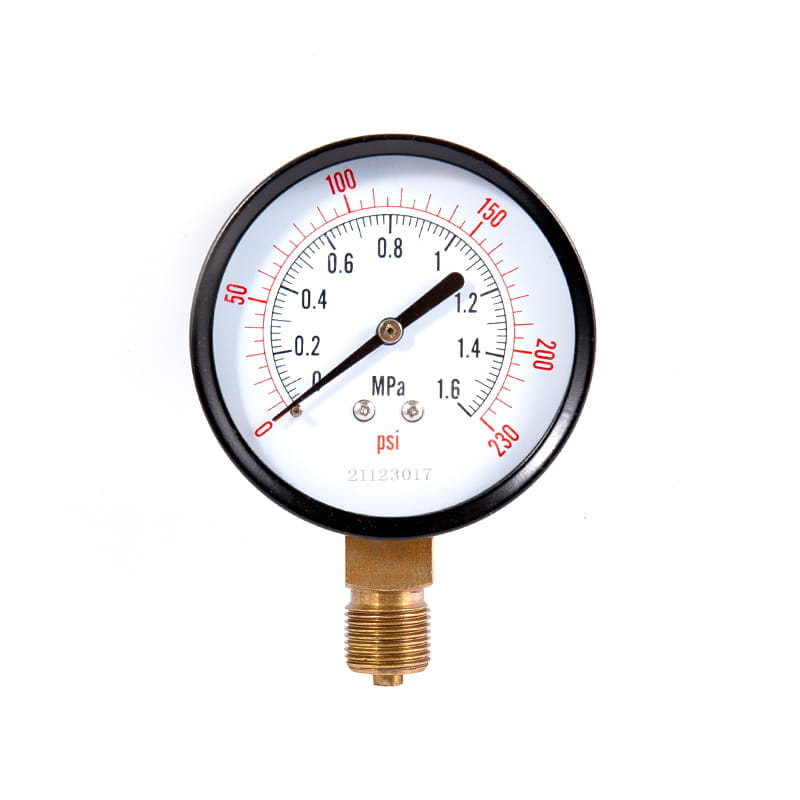
◆ Model: Y40 Y50 Y60 Y75 Y100 Y150 Y200 Y250◆ Use: This series of instruments is suitable for measur...
See Details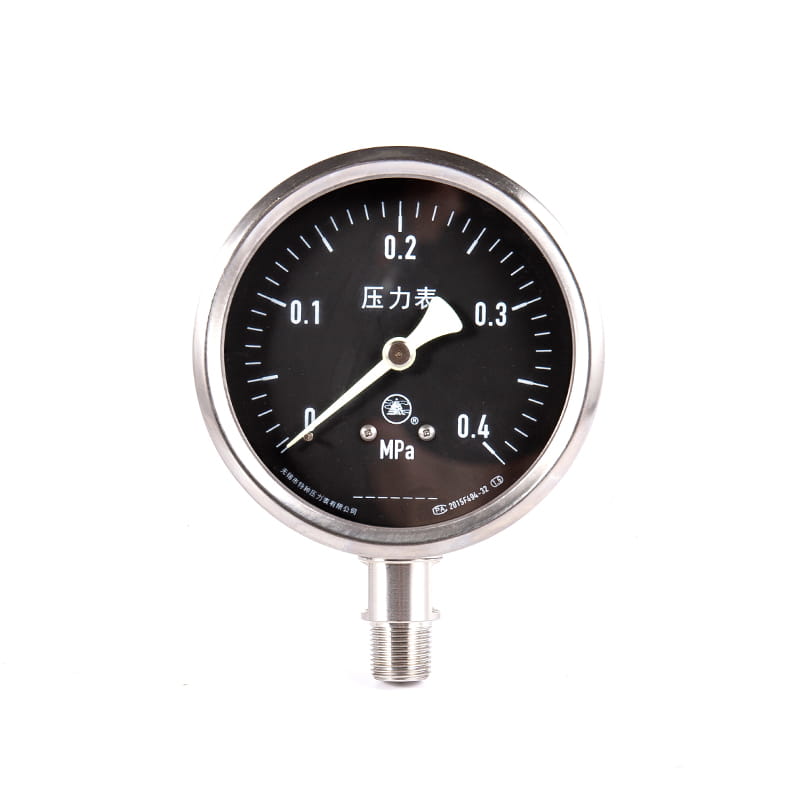
◆ Model: YC40 YC50 YC60 YC75 YC100 YC150◆ Use: This series of instruments are suitable for measuring...
See Details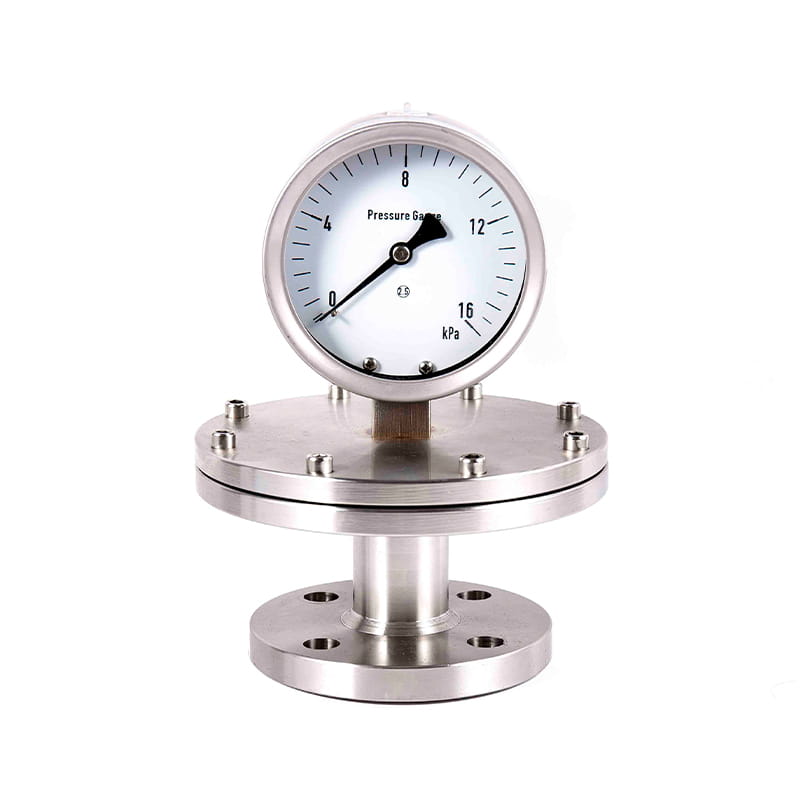
◆ Model: YP100-L YP150-L YP100-F YP150-F ◆ Application: YP series instrument diaphragm and structura...
See Details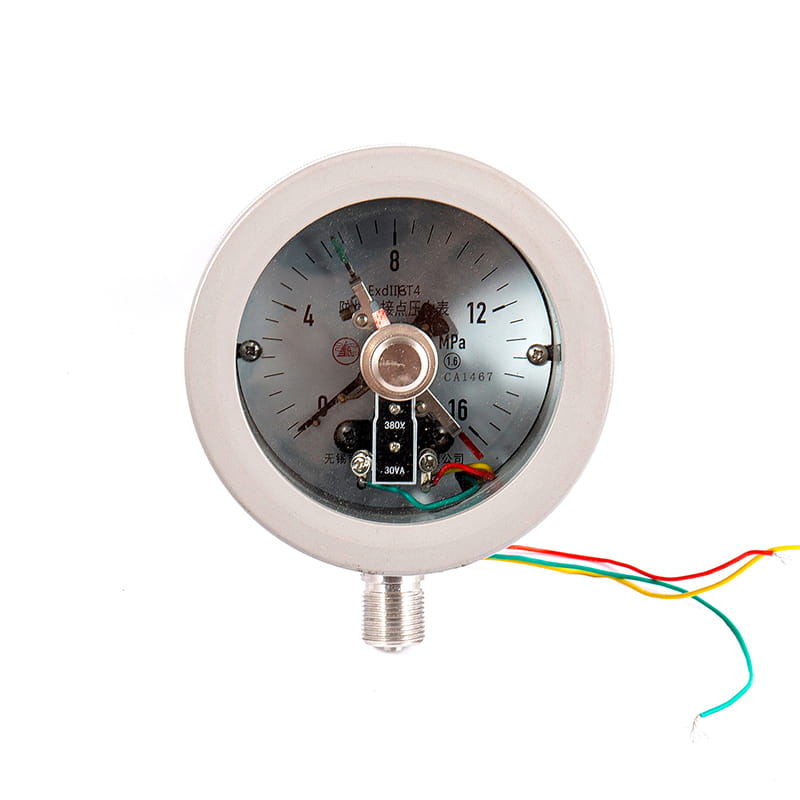
◆ Model: YTX100B YTX150B ◆ Uses: Explosion-proof electric contact pressure gauge is specially used i...
See Details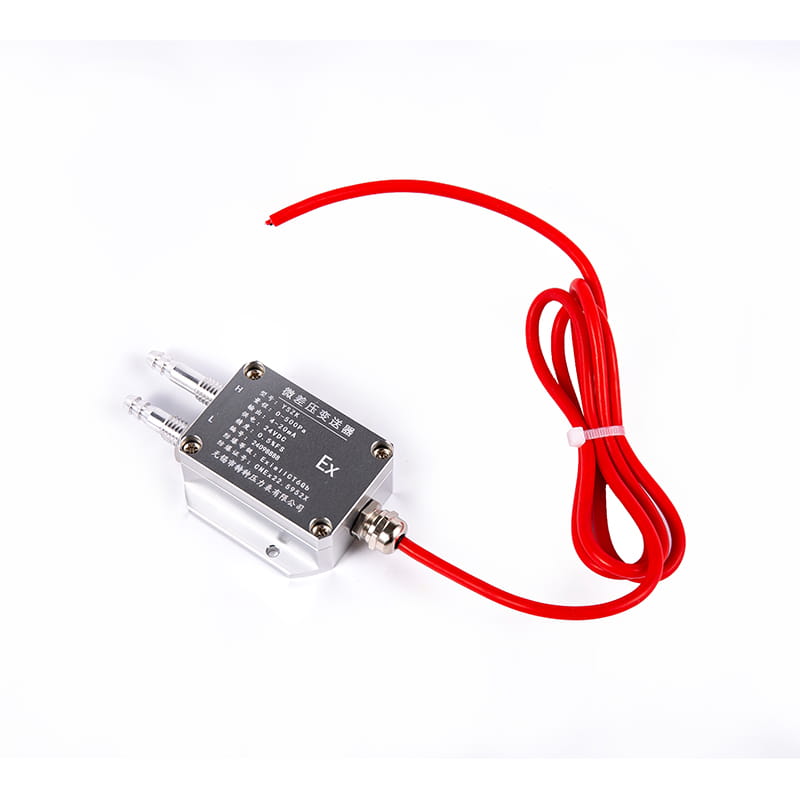
1. Overview This air pressure transmitter has high sensitivity, high precision and strong anti-overl...
See Details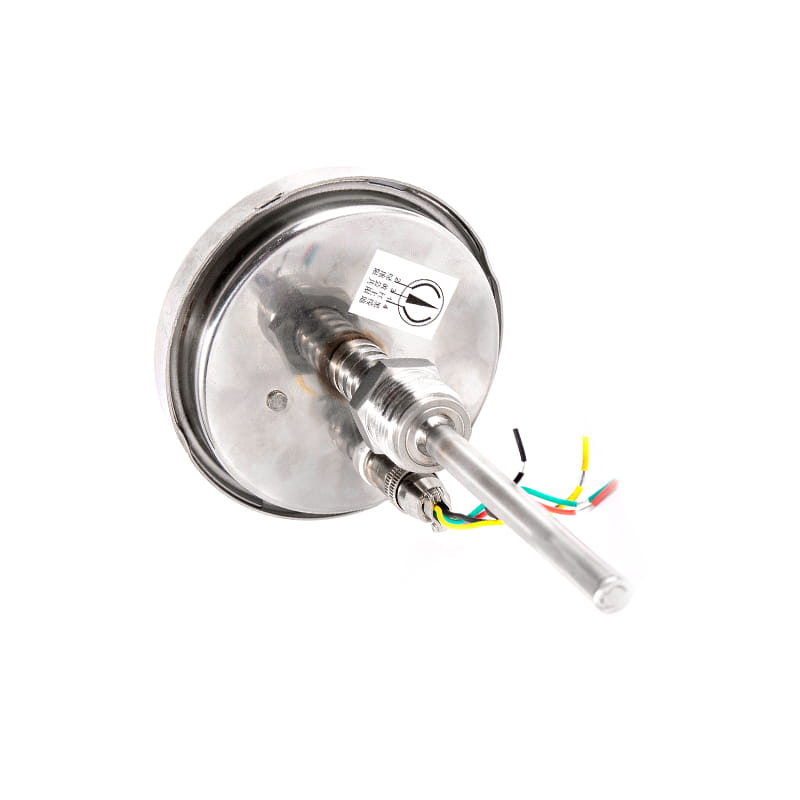
◆ Model: WSSXCh-4, WSSXCh-5 ◆ Application: This series of thermometers has the characteristics of no...
See Details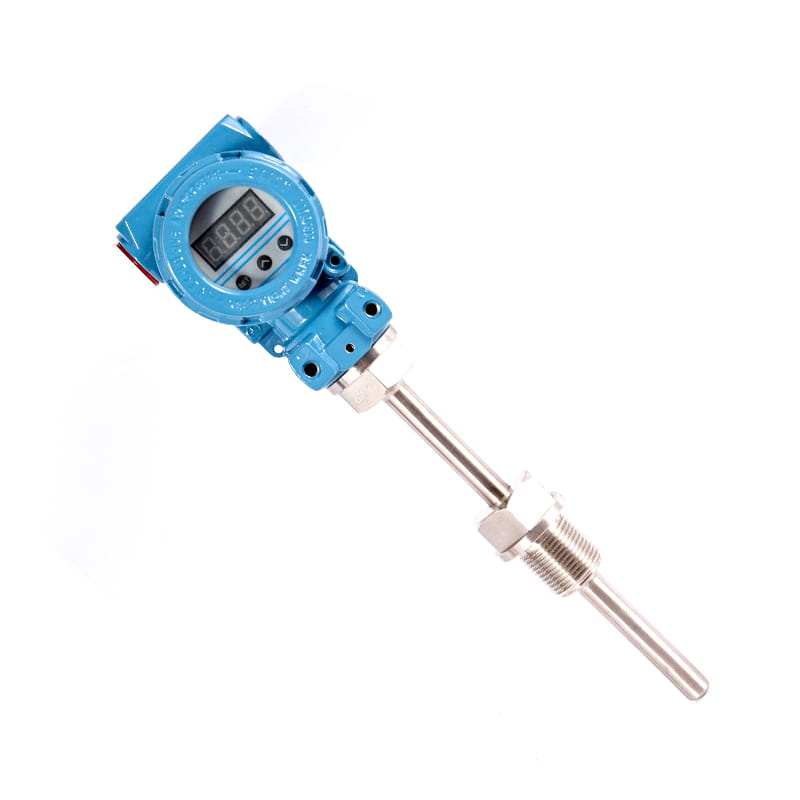
◆ Model: WSZC-2 ◆ Overview: The transmitter is composed of advanced circuit module integration techn...
See Details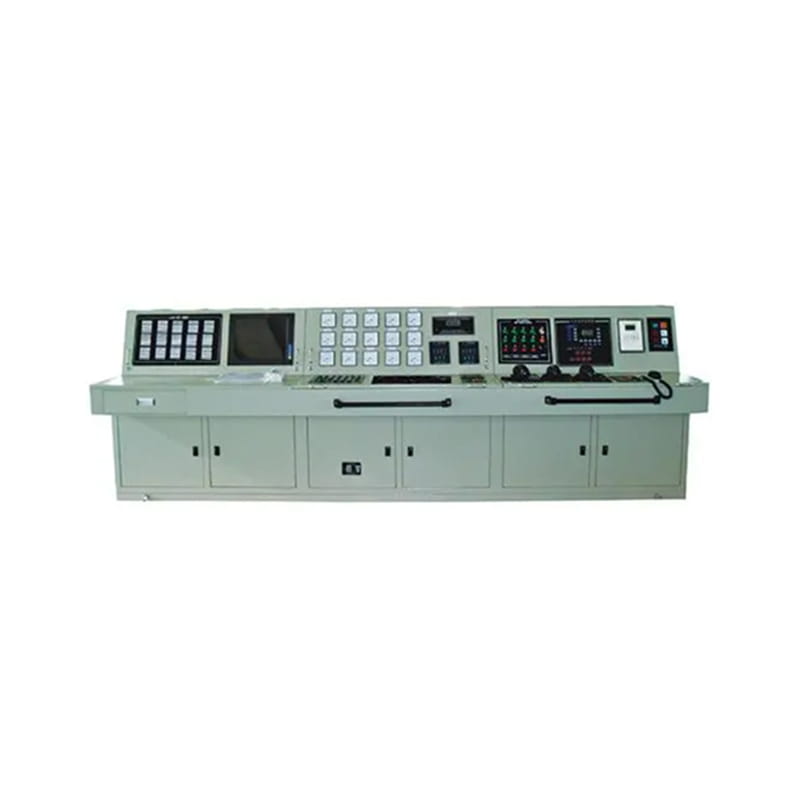
The Engine room monitoring alarm system is crucial for ensuring the safety and efficiency of operati...
See Details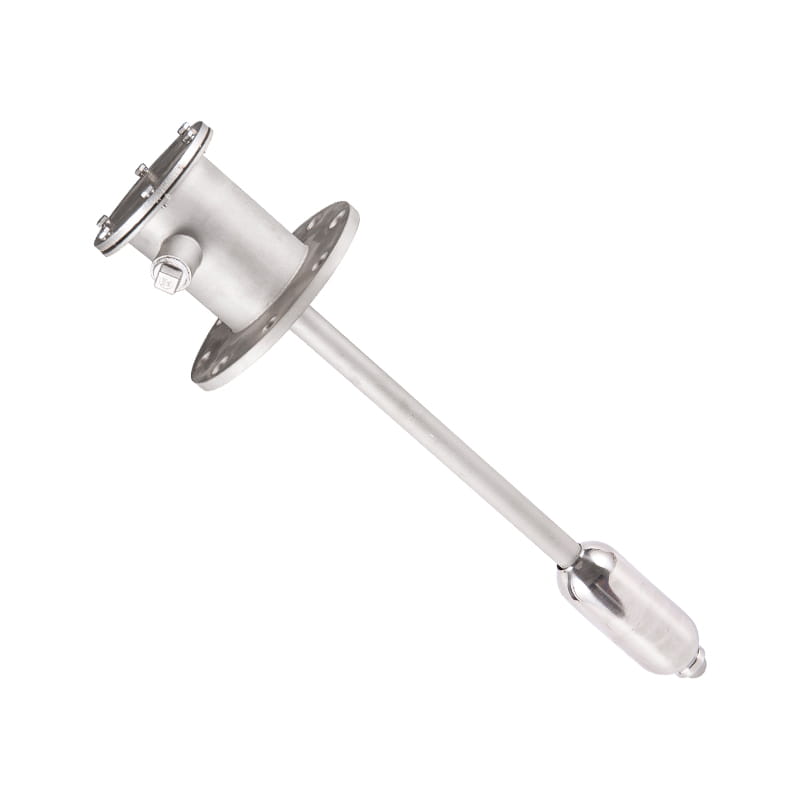
The Float level controller UHK features a simple structure that ensures easy installation and mainte...
See Details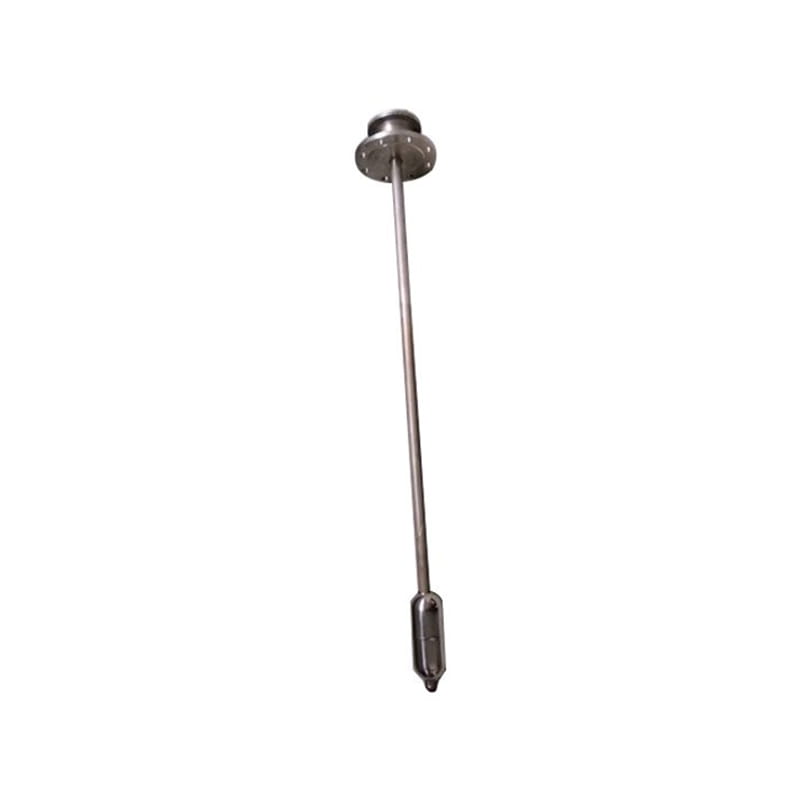
The Float level gauge UHB is engineered for high-precision measurement, providing accurate and relia...
See Details


