

 English
 русский
 Español
 عربى
عربى
YE series micro pressure gauges/membrane box pressure gauge
Cat:Pressure Gauge
◆ Model:YE60 YE100 YE150 ◆ Use: Membrane box pressure gauge is also called micro pressure gauge....
See DetailsContent
A pressure gauge is an instrument used to measure the pressure of gases or liquids within a closed system. It converts mechanical force — the result of fluid or gas pressing against a surface — into a readable output, typically displayed on a dial, digital screen, or analog indicator. Pressure gauges are essential in industries ranging from oil and gas to food processing, HVAC, and medical equipment. Without accurate pressure measurement, engineers and technicians cannot safely control pipelines, vessels, or mechanical systems.
Most gauges measure pressure relative to atmospheric pressure (gauge pressure), absolute zero (absolute pressure), or the difference between two points in a system (differential pressure). Understanding which reference point applies to your application is the first step in selecting the right gauge.
Before exploring gauge types, it helps to understand the core measurement terms used across all pressure instruments:
There is no single pressure gauge that suits every application. Different designs handle different pressure ranges, media types, and environmental conditions. Below are the most widely used types and their defining characteristics.
The Bourdon tube gauge is the most prevalent type found in industrial settings. It operates on a simple mechanical principle: a curved, hollow tube (shaped like the letter C, or sometimes helical or spiral) tends to straighten when internal pressure increases. This movement is transferred via a linkage and gear mechanism to a pointer on a graduated dial. Bourdon tube gauges are durable, cost-effective, and available in ranges from vacuum to over 100,000 psi. They are suitable for measuring steam, oil, water, gas, and air in environments where vibration is minimal.
Diaphragm gauges use a flexible membrane that deflects in response to pressure changes. The deflection is mechanically or electronically translated into a pressure reading. These gauges excel in low-pressure applications and are particularly valued when the measured media is viscous, corrosive, or contains particulates that would clog a Bourdon tube. Diaphragm gauges are commonly used in chemical processing, wastewater treatment, and food and beverage manufacturing, where hygiene and material compatibility are critical.
The capsule gauge is essentially a double diaphragm — two corrugated diaphragms sealed together at their edges to form a capsule. As pressure enters the capsule, it expands, moving a pointer. Capsule gauges are ideal for measuring very low pressures, typically in the range of 0–600 mbar. They are frequently used in gas and air pressure monitoring, natural gas meters, and HVAC systems where subtle pressure variations must be accurately detected.
A differential pressure gauge has two pressure ports and measures the difference between the two inputs. Common applications include monitoring pressure drop across filters, strainers, and heat exchangers — if the differential rises beyond a set threshold, it indicates the filter is clogged and needs replacement. These gauges are also used in flow measurement and liquid level detection in pressurized vessels.
Digital gauges use electronic pressure sensors (such as piezoelectric, capacitive, or strain gauge transducers) to convert pressure into an electrical signal, which is then displayed on an LCD or LED screen. Advantages include high accuracy, data logging capability, programmable alarms, and the ability to display multiple units simultaneously. They are widely adopted in laboratories, pharmaceutical manufacturing, and calibration facilities where precision and traceability are mandatory.
A compound gauge measures both positive pressure (above atmospheric) and vacuum (below atmospheric) on a single dial. The scale typically runs from a negative range (e.g., -30 inHg or -1 bar) through zero and up to a positive range. These are commonly found in refrigeration systems, vacuum systems, and applications where pressure can swing between positive and negative values during operation.
The table below summarizes key differences between the main gauge types to help with selection:
| Gauge Type | Pressure Range | Best For | Key Advantage |
| Bourdon Tube | Vacuum to 100,000+ psi | General industrial use | Durable, cost-effective |
| Diaphragm | Low to medium | Corrosive or viscous media | Chemical compatibility |
| Capsule | 0–600 mbar | Very low gas pressures | High sensitivity |
| Differential | Application-specific | Filter and flow monitoring | Two-point measurement |
| Digital | Wide (sensor-dependent) | Precision and data logging | High accuracy, multi-unit |
| Compound | Negative to positive | Refrigeration and vacuum | Dual-range in one gauge |
Selecting a pressure gauge involves matching the instrument to both the system requirements and the environment in which it will operate. Several factors guide this decision:
Pressure gauges appear in virtually every industry that works with fluids or gases under pressure. Some of the most common real-world applications include:
Even the most robust pressure gauge requires regular inspection and periodic calibration to remain accurate and reliable. A gauge that drifts by just 1–2% of full scale in a high-stakes application can lead to unsafe operating conditions or costly process errors.
Standard maintenance practices include checking for pointer movement anomalies (sticking, erratic movement, or failure to return to zero), inspecting the case and glass/polycarbonate window for cracks, verifying that liquid-filled gauges have not lost their fill fluid, and ensuring that thread connections are free from leaks and corrosion. In critical services, gauges should be removed and bench-tested against a calibrated reference standard — typically a deadweight tester or certified digital pressure comparator — at intervals dictated by the application's safety requirements, commonly every 6 to 12 months.
When a gauge consistently reads outside its rated accuracy class even after calibration, replacement is more cost-effective than ongoing adjustment. Always replace with a gauge that meets or exceeds the original specification for pressure range, accuracy, and media compatibility.

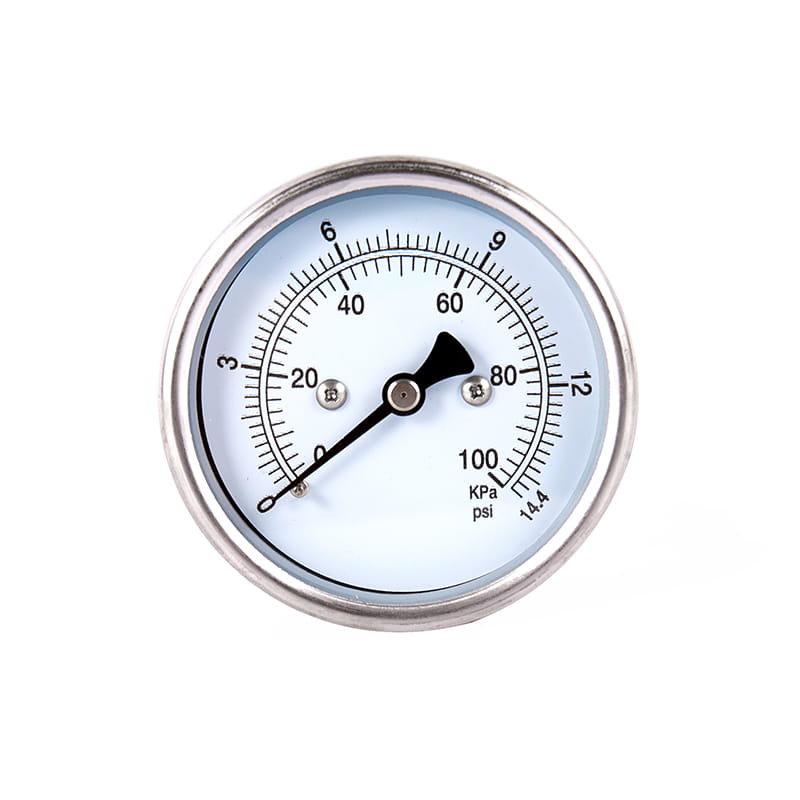
◆ Model:YE60 YE100 YE150 ◆ Use: Membrane box pressure gauge is also called micro pressure gauge....
See Details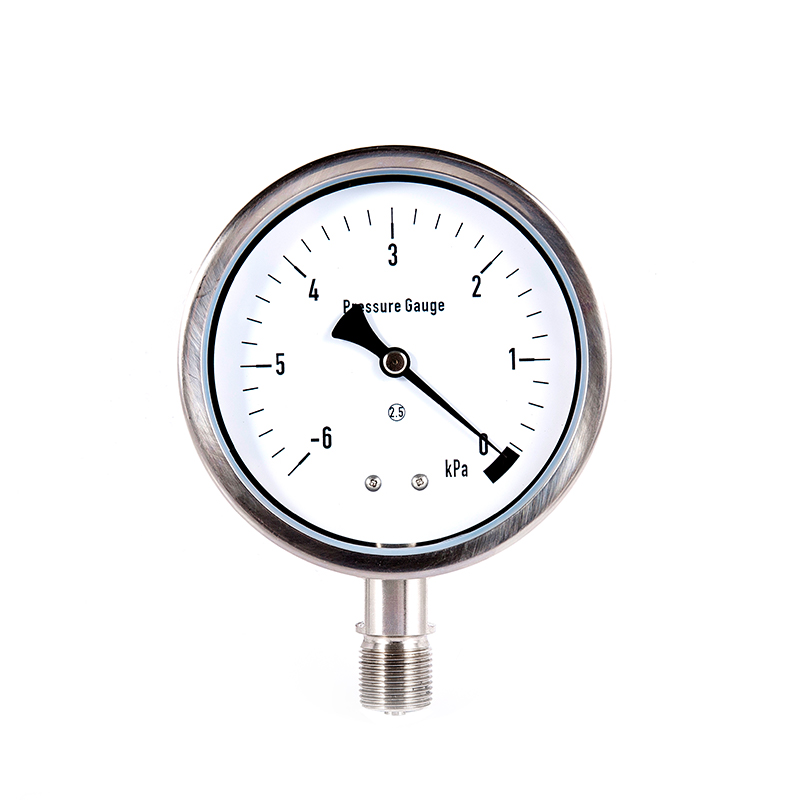
◆ Model:YEB60 YEB100 YEB150◆ Use: This series of instruments are suitable for measuring the low micr...
See Details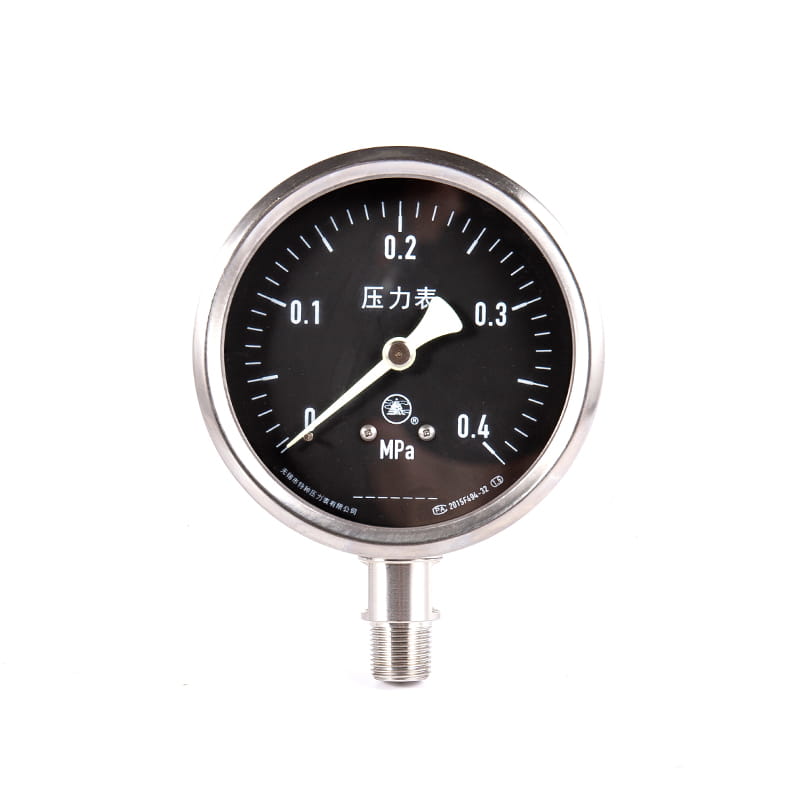
◆ Model: YC40 YC50 YC60 YC75 YC100 YC150◆ Use: This series of instruments are suitable for measuring...
See Details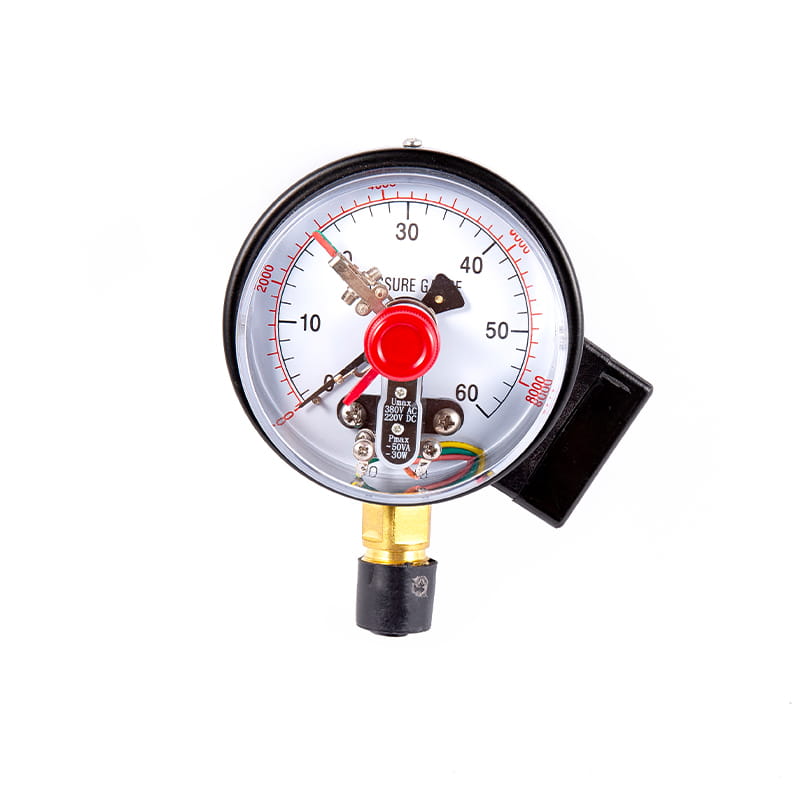
◆ Model: YXC60 YX100 YXC-150 ◆ Application: Magnetic-assisted electric contact pressure gauges is su...
See Details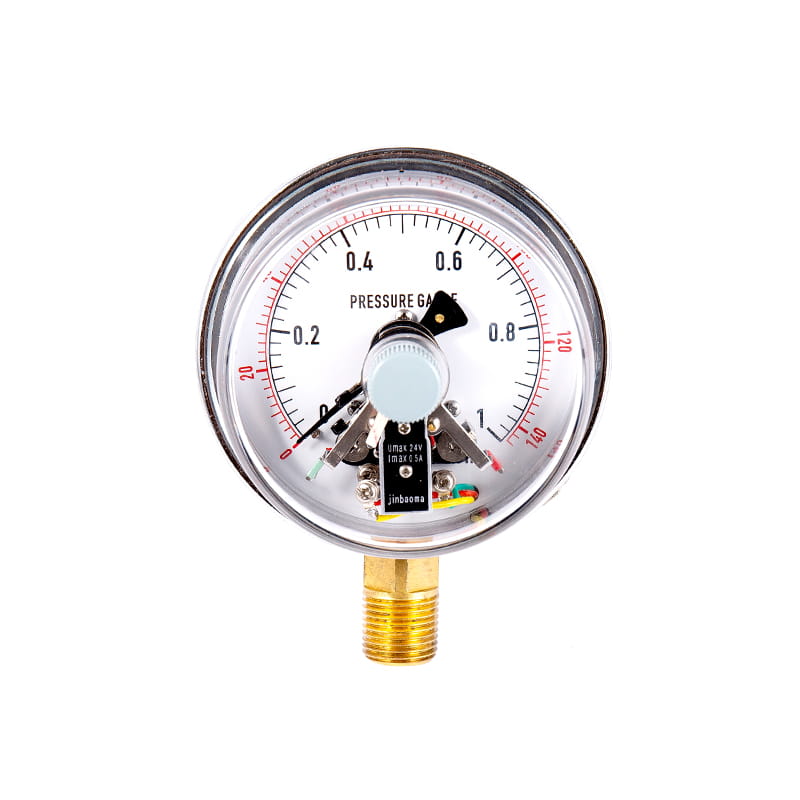
◆ Model: YXCm100 YXCm150 ◆ Uses: This kind of instrument is an ideal alternative to the magnetic-ass...
See Details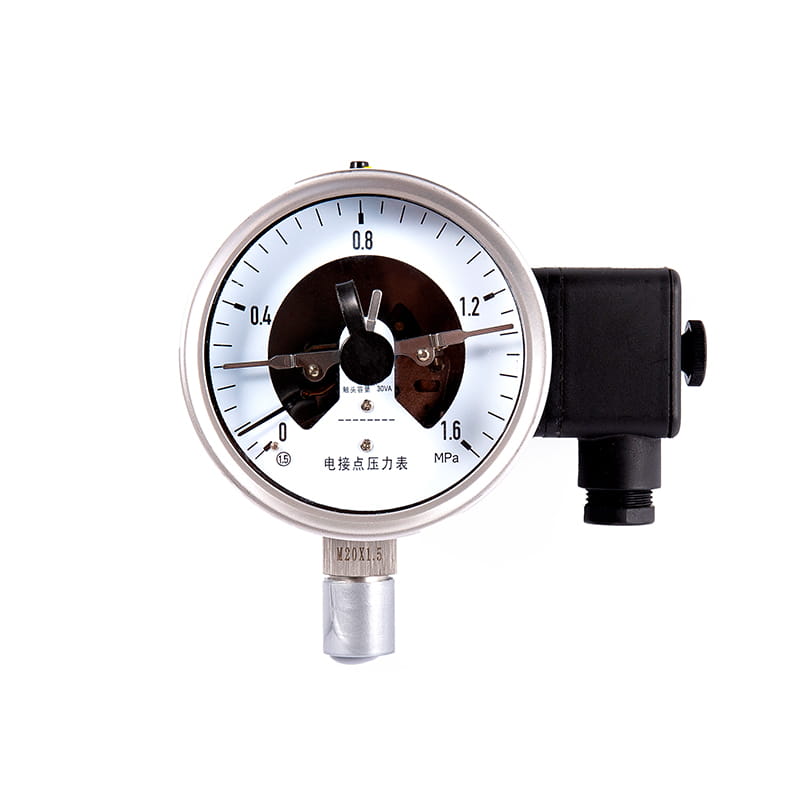
◆ Model: YXD100 YXD150 ◆ Uses: Photoelectric electric contact pressure gauge is a substitute for the...
See Details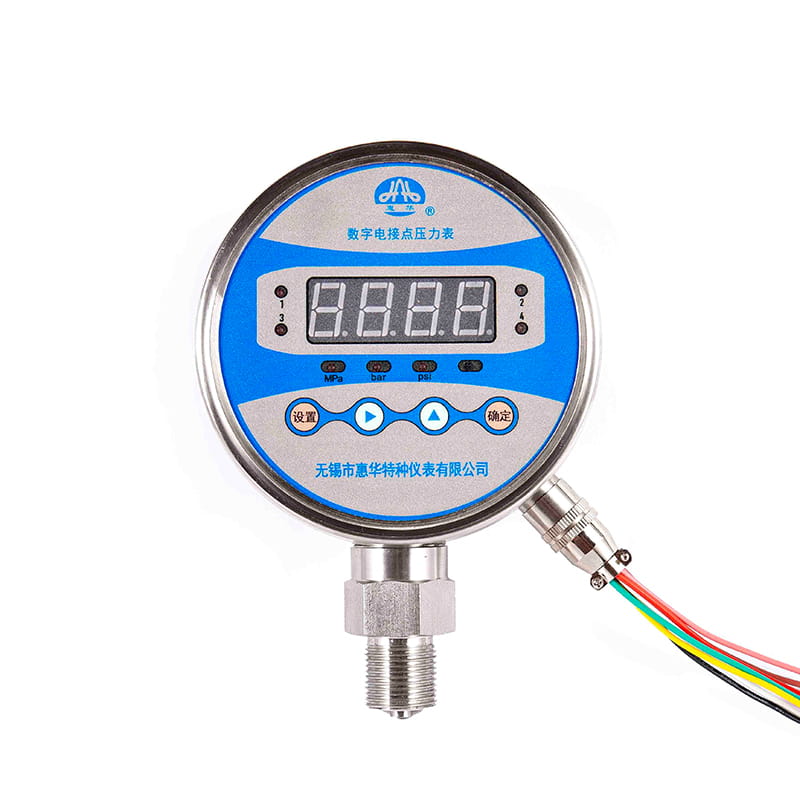
◆ Model: YSX100 ◆ Introduction: Intelligent digital electric word contact pressure gauge is a set o...
See Details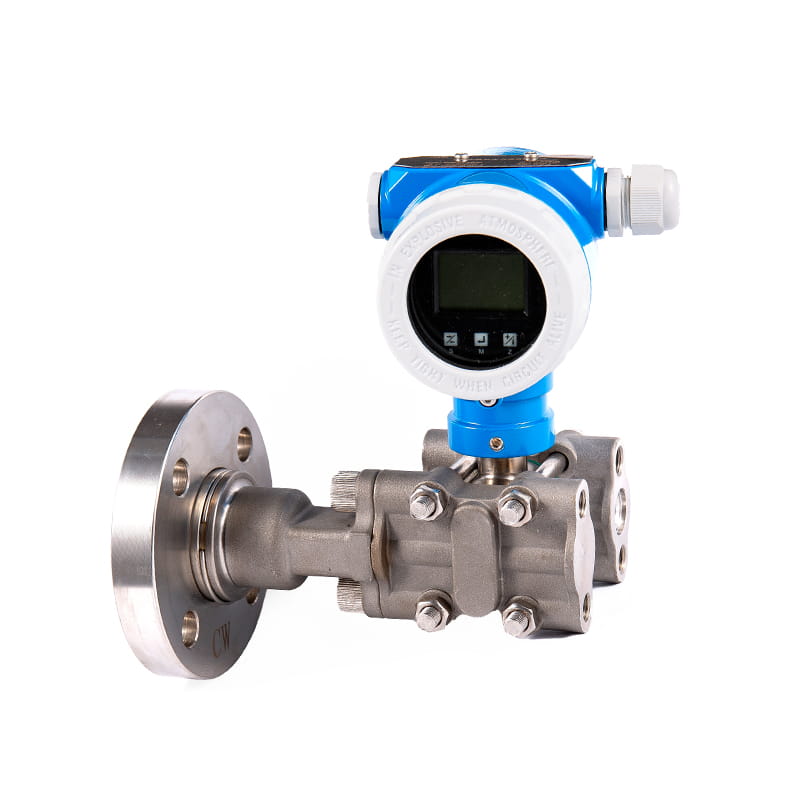
◆ Model: YSZC-8 ◆ Application: This instrument is suitable for precise measurement of liquid level d...
See Details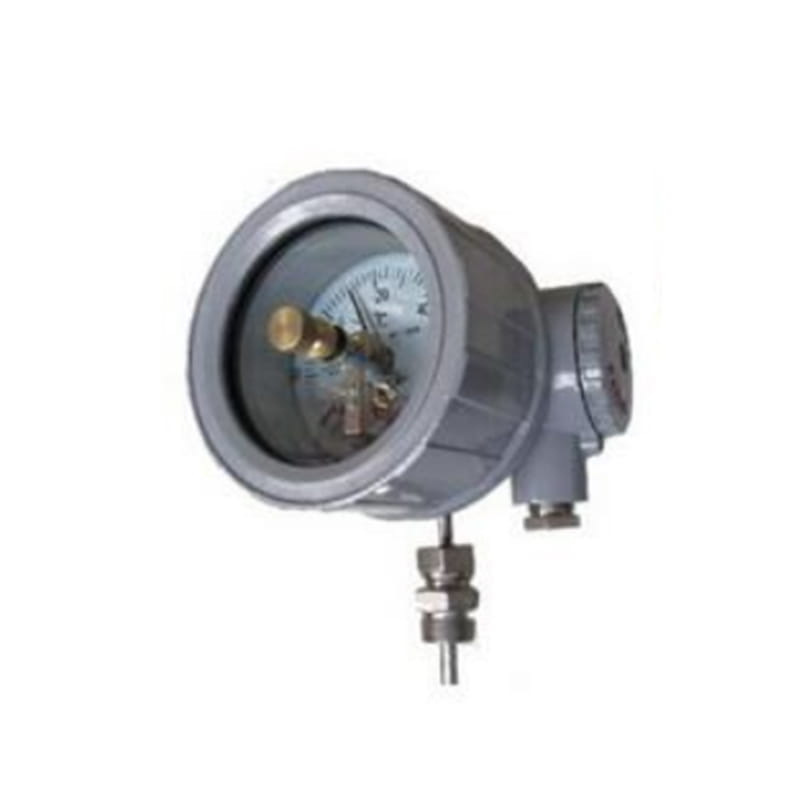
◆ Model: WSSX411B WSSX511B ◆ Introduction: This instrument is in accordance with the national standa...
See Details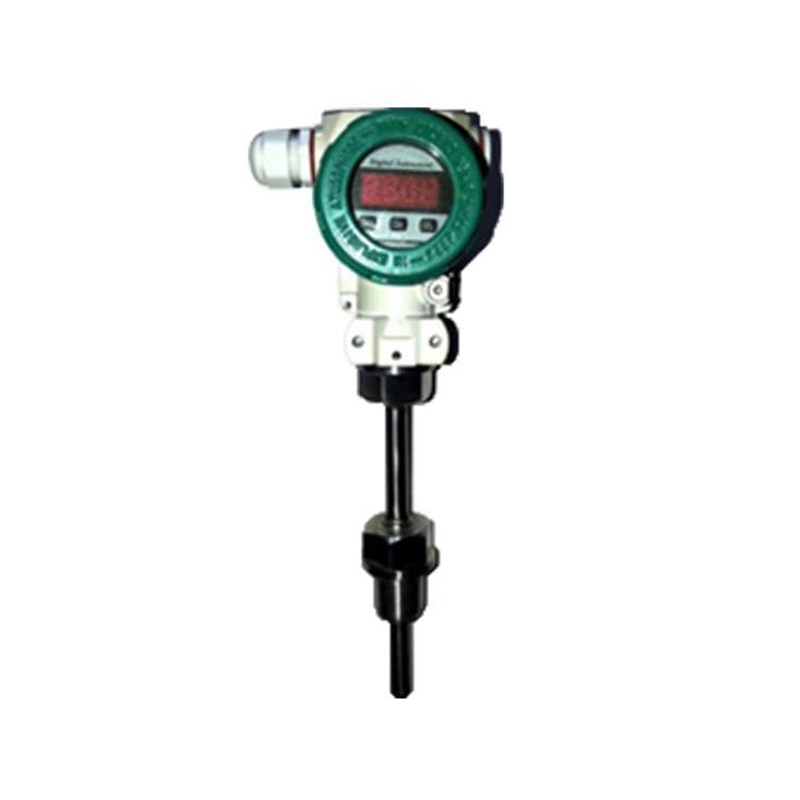
The Temperature sensor WZPK is renowned for its long service life and exceptional stability, making ...
See Details


