

 English
 русский
 Español
 عربى
عربى
Compact differential pressure transmitter
Y S ZC - 7 Compact Differential Pressure Transmitter is assembled using silicon ...
Pressure transmitters are precision instruments used to measure the pressure of gases or liquids in various industrial applications. By converting physical pressure into an electrical signal, typically 4-20 mA or digital output, they enable real-time monitoring and control of industrial processes.Pressure transmitters come in different types, including gauge, absolute, and differential pressure transmitters, each suited for specific applications. Gauge transmitters measure pressure relative to atmospheric pressure, absolute transmitters measure against a perfect vacuum, and differential transmitters measure the difference between two points.
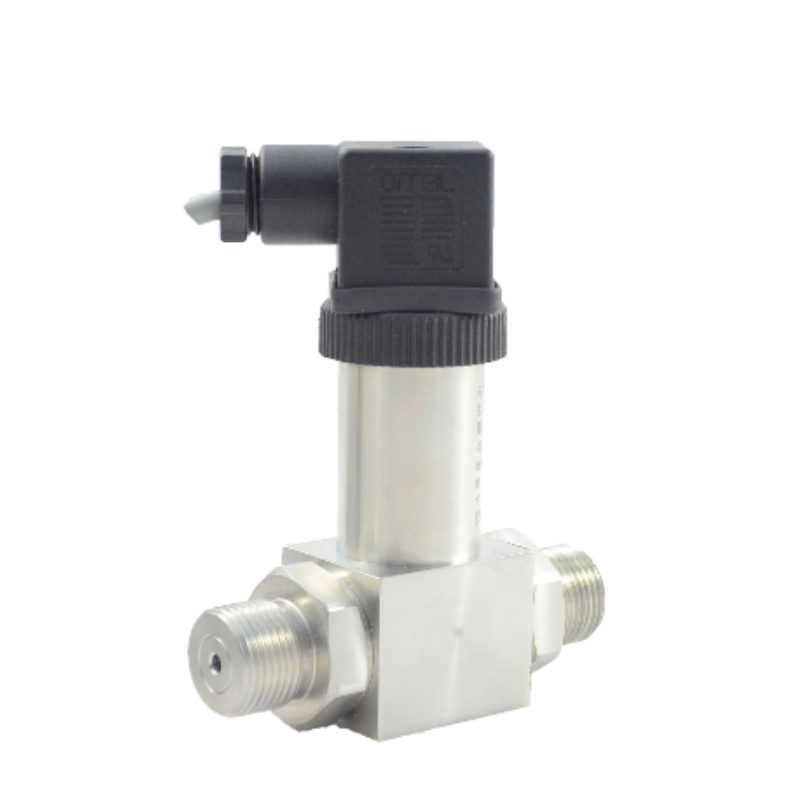
Y S ZC - 7 Compact Differential Pressure Transmitter is assembled using silicon ...
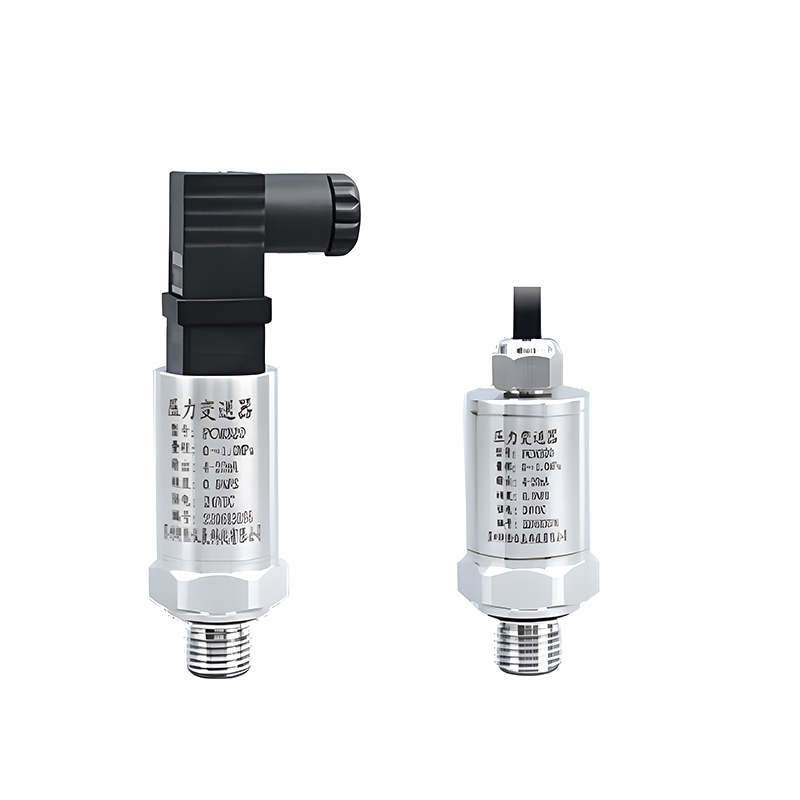
The AIl-Welded Dedicated Pressure Transmitter features a sophisticated integrate...
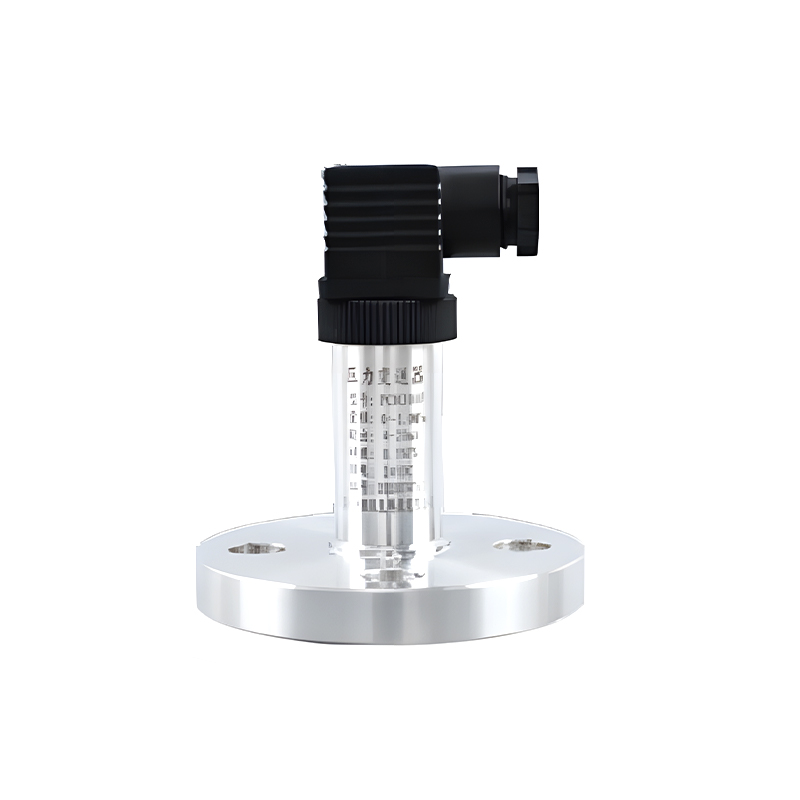
The flange-type pressure transmitter adopts the vacuum oil injection and encapsu...
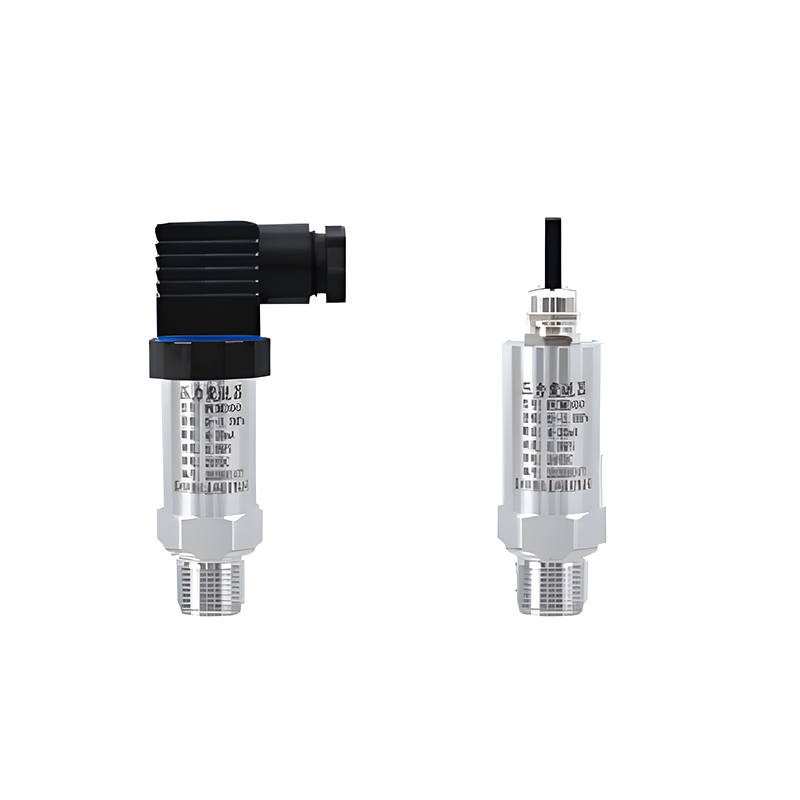
The universal pressure transmitter uses imported diffusion silicon pressure chip...
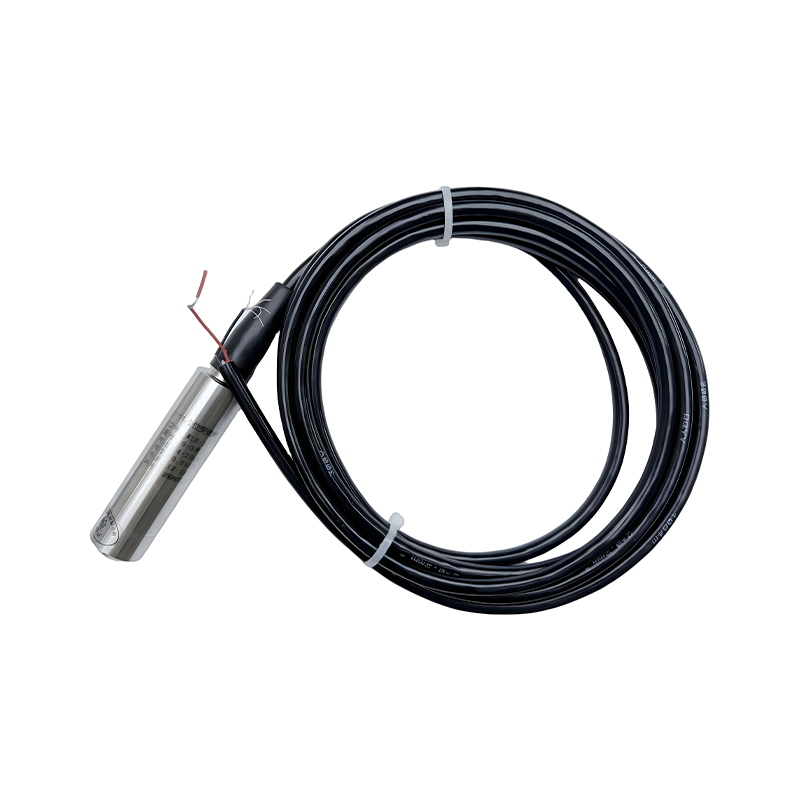
The cable-type pressure transmitter is composed of a high-performance diffusion ...
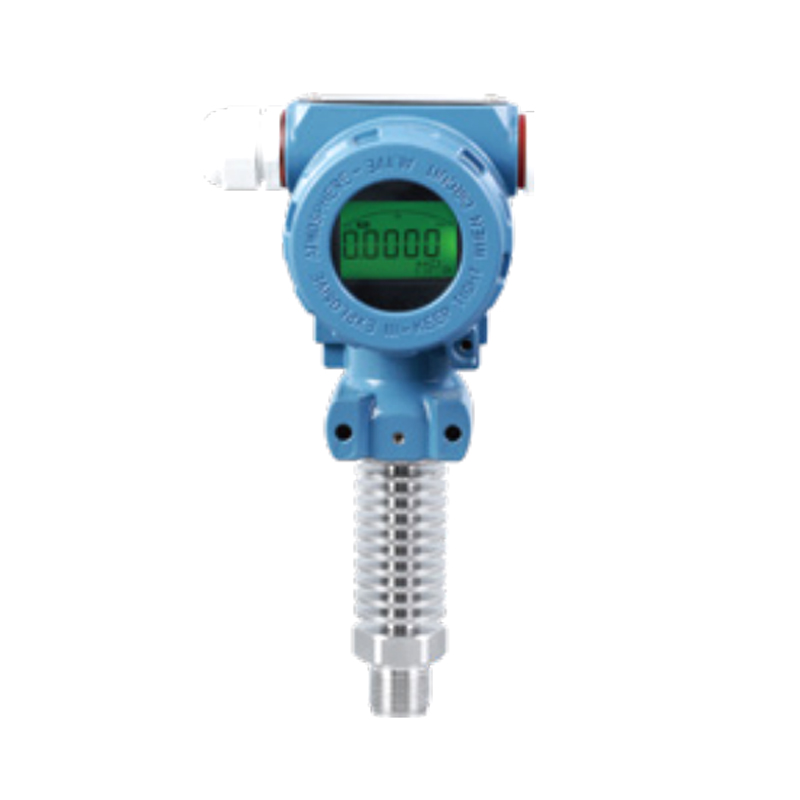
High-temperature pressure transmitters use high-temperature resistant pressure s...
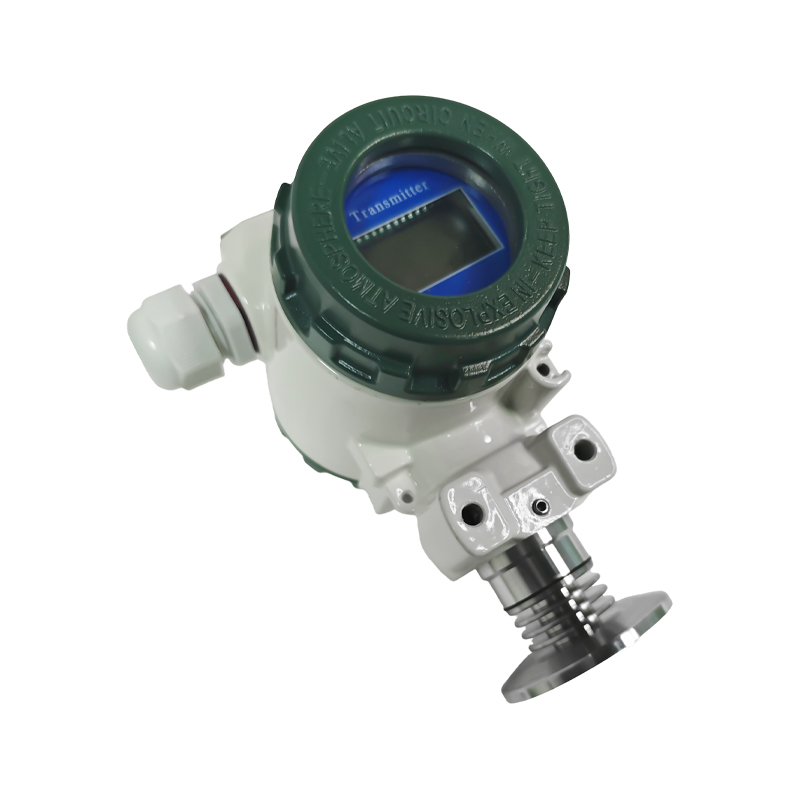
The sanitary flat membrane pressure transmitter directly senses the pressure sig...
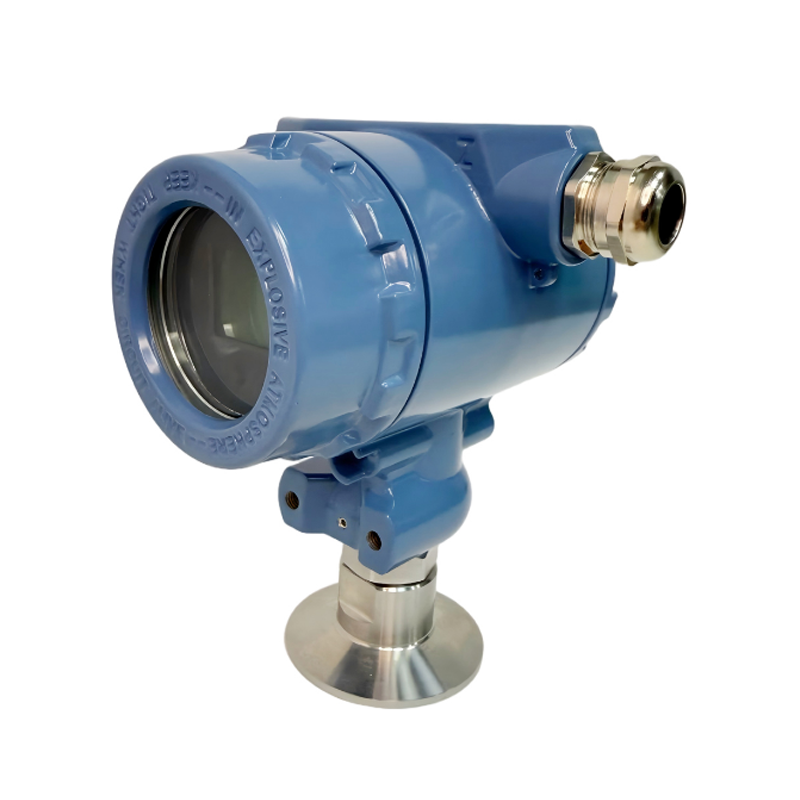
The Sanitary pressure transmitter device is manufactured by encapsulating an iso...
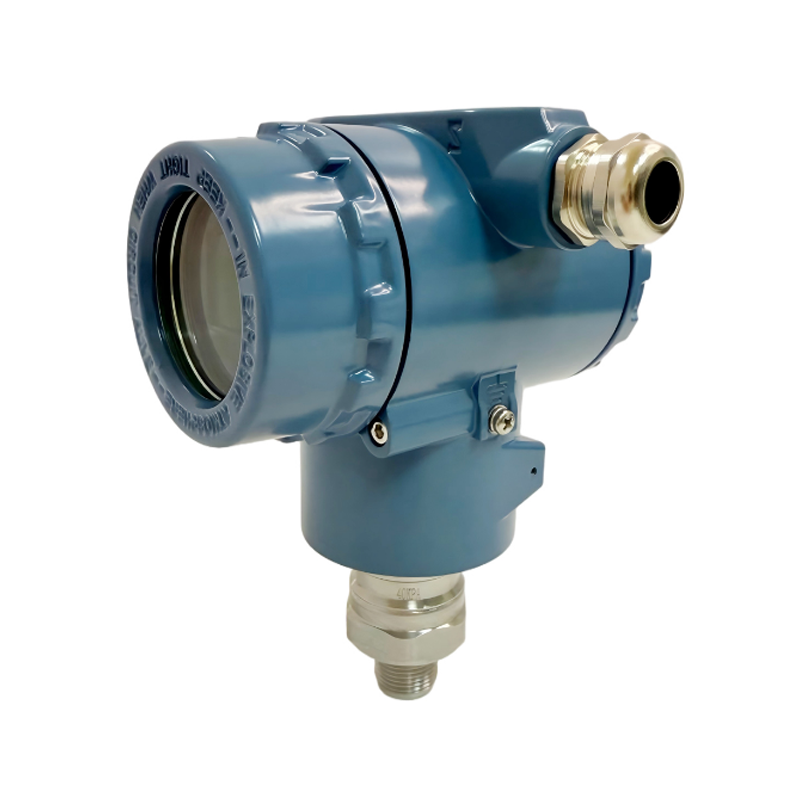
The differential pressure transmitter( monocrystalline silicon pressure transmit...
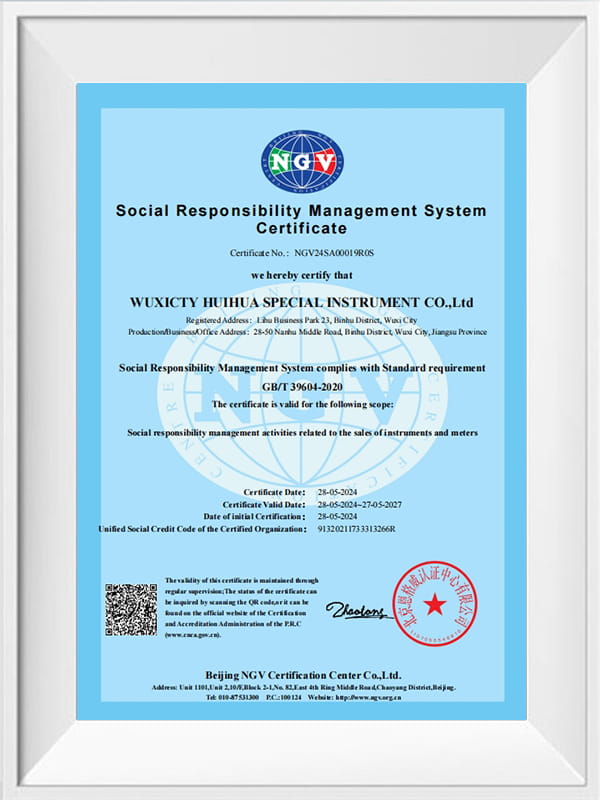
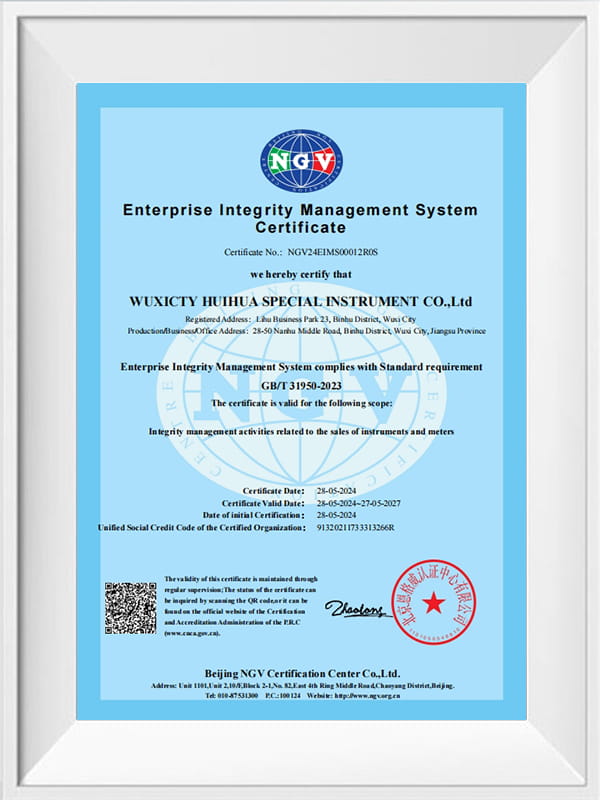
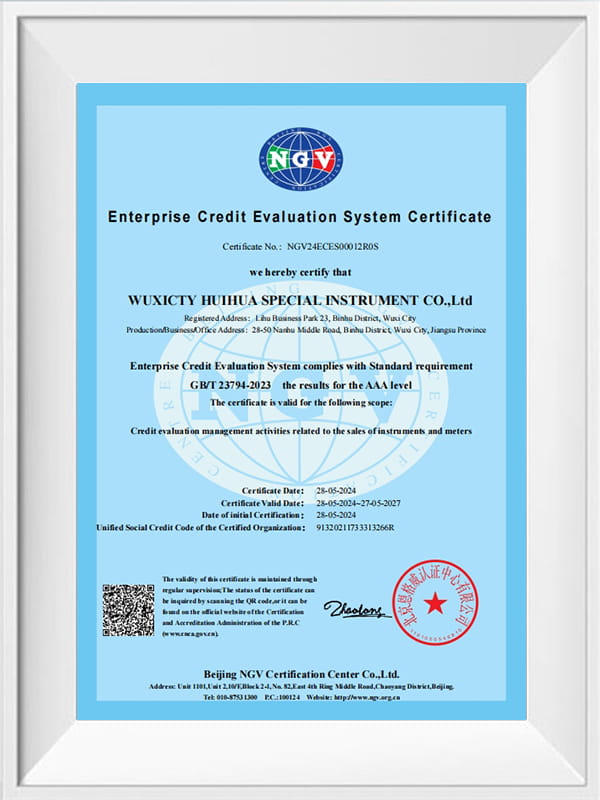
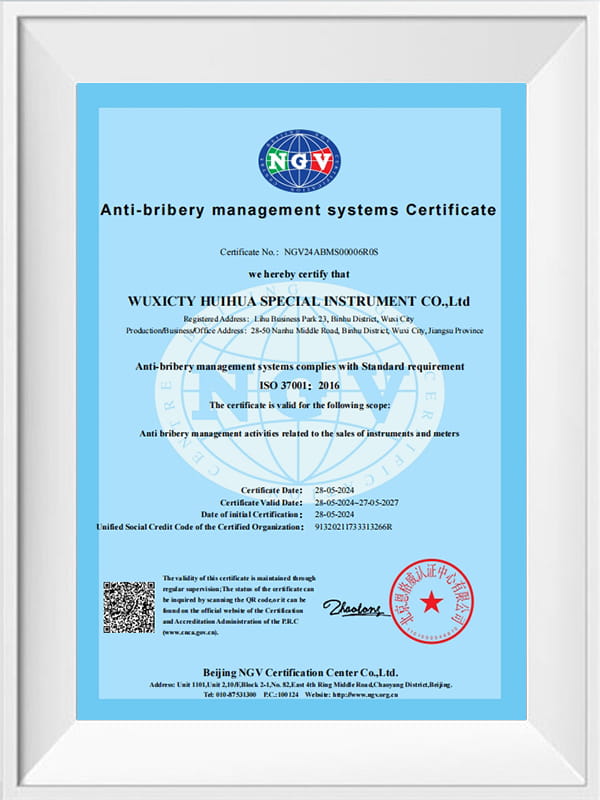
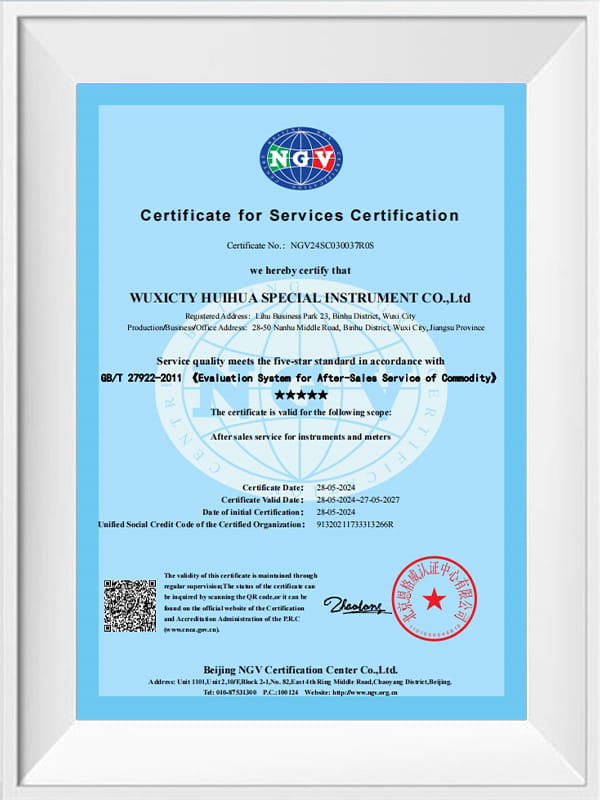
Wuxi Huihua Special Instrumentation Co., Ltd. was established in December 2001, the registered capital is 5 million yuan, the existing staff of more than 50 small and medium-sized joint-stock enterprises.
The company specialises in the production of various types of special instruments, alternative to the localisation of imported instruments. To seismic pressure gauge, seismic electric contact pressure gauge, stainless steel pressure gauge, diaphragm corrosion-resistant pressure gauge, marine pressure gauge and other series as the main products. Pressure Transmitter Manufacturers and Pressure Transmitter Company in China. On the basis of field instruments, we have developed various kinds of pressure transmitters, pressure controllers, digital pressure gauges and so on. There are more than 30 series and 3000 specifications. Products are widely used in petroleum, chemical, paper, metallurgy, mining, chemical fibre, electric power, food, environmental protection, rubber and plastic, hydraulics and many other industries. We offer Pressure Transmitter Custom, more than 2,000 domestic customers to establish a friendly relationship with the national large and medium-sized enterprises to establish a good partnership, won the majority of users praise, and set up a corporate brand image.
The company relies on the excellent team, through technological innovation, model innovation to promote enterprise development, based on a sense of social responsibility and a sense of historical mission to better serve the community.
Let us work together, win-win co-operation, create brilliant!

Temperature measurement in industrial, process, and mechanical engineering applications relies on several fundamentally different physical principles, and choos...
High-Frequency Radar Level Gauges are widely applied in FPSOs for accurate and reliable tank level monitoring. With non-contact measurement, high-frequency (8...
Pressure gauges are among the most fundamental instruments in any industrial, mechanical, or process environment. They provide real-time measurement of fluid or...
The Fundamental Operating Principle of Bimetallic Thermometers Bimetallic thermometers operate on a remarkably simple yet ingenious principle: different metals ...
Pressure measurement is a critical parameter in various industries, including oil and gas, chemical processing, water treatment, and manufacturing. Accurate measurement ensures safety, process efficiency, and equipment longevity. Among the common devices for measuring pressure are pressure gauges and pressure transmitters. This article provides an in-depth comparison of these two devices, focusing on accuracy, reliability, and suitability for different applications.
Pressure gauges are mechanical devices designed to measure the pressure of gases or liquids in a system. They are typically analog devices that display readings using a dial and pointer mechanism. Gauges are widely used due to their simplicity, affordability, and ease of installation.
There are several types of pressure gauges commonly used in industries:
Pressure gauges are simple and cost-effective, providing immediate visual feedback. However, their accuracy can be affected by mechanical wear, vibration, temperature changes, and reading errors. Most standard gauges have an accuracy range of ±1% to ±2% of full scale, which may not meet the high-precision requirements of modern industrial processes.
Pressure transmitters are electronic devices that convert pressure into a standardized output signal, typically 4-20 mA or digital communication protocols like HART. These devices are widely used in automated process control systems and critical applications requiring high accuracy and reliability.
Different types of pressure transmitters include:
Pressure transmitters offer superior accuracy, often ranging from ±0.1% to ±0.25% of full scale. They provide continuous, remote monitoring capabilities and can integrate with control systems for real-time process adjustments. While transmitters are more expensive and require power supply and calibration, their precision and versatility make them indispensable for critical applications.
Accuracy is one of the primary factors differentiating pressure transmitters from gauges. The following table summarizes the key differences:
| Feature | Pressure Gauges | Pressure Transmitters |
| Accuracy | ±1% to ±2% full scale | ±0.1% to ±0.25% full scale |
| Signal Type | Analog display only | 4-20 mA, HART, Digital output |
| Remote Monitoring | No | Yes |
| Maintenance | Low cost, but frequent calibration needed | Higher cost, less frequent calibration |
| Environmental Suitability | Sensitive to vibration and temperature | Resistant to harsh conditions with proper housing |
When choosing between pressure gauges and transmitters, the application requirements must be considered:
In non-critical applications where a simple visual indication of pressure is sufficient, mechanical pressure gauges are cost-effective and reliable.
For industrial automation, remote monitoring, and precise process control, pressure transmitters are superior. They enable integration with SCADA or DCS systems, providing real-time data and alarms for process safety.
Pressure gauges require regular mechanical calibration to maintain accuracy, which can be labor-intensive. Transmitters, while initially more expensive, generally require less frequent calibration due to electronic compensation and advanced sensor technology. Proper installation, including vibration dampers and temperature compensation, further enhances accuracy.
Pressure transmitters provide higher accuracy, reliability, and integration capabilities compared to traditional pressure gauges. While gauges remain useful for simple monitoring tasks and low-cost applications, transmitters are essential for critical processes requiring precise pressure control, remote monitoring, and data logging. Understanding the strengths and limitations of each device helps industries make informed decisions that optimize process efficiency and safety.


