

 English
 русский
 Español
 عربى
عربى
YE series micro pressure gauges/membrane box pressure gauge
Cat:Pressure Gauge
◆ Model:YE60 YE100 YE150 ◆ Use: Membrane box pressure gauge is also called micro pressure gauge....
See DetailsContent
Bimetal thermometers are among the most widely used mechanical temperature measurement instruments across industrial, commercial, and domestic applications. Their popularity comes from their simple structure, durability, and cost-effectiveness. However, one of the most frequently asked questions by engineers, buyers, and maintenance personnel is: how accurate is a bimetallic thermometer?
The accuracy of a bimetal thermometer primarily depends on its sensing element, manufacturing precision, calibration standard, and operating environment. A bimetallic thermometer works by using two different metal strips bonded together. Because each metal expands at a different rate when exposed to heat, the strip bends as temperature changes. This mechanical movement is transferred to a dial pointer that displays the temperature reading.
In standard industrial models, the accuracy of bimetallic thermometers is usually expressed as a percentage of full-scale deflection. Common accuracy classes include ±1%, ±1.5%, and ±2% of the full scale. For example, if the thermometer range is 0°C to 100°C and the accuracy class is ±1%, the possible error margin is ±1°C.
To fully understand measurement accuracy, it is important to first understand the operating principle. The core sensing component is a bimetal strip or helical coil composed of two metals with different coefficients of thermal expansion. Typical combinations include steel and copper, steel and brass, or stainless steel alloys.
When temperature rises, one metal expands more rapidly than the other, causing the strip to curve. This movement is amplified through a mechanical linkage and displayed on the dial face. In spiral or helix designs, the movement becomes more sensitive, which improves readability and response consistency.
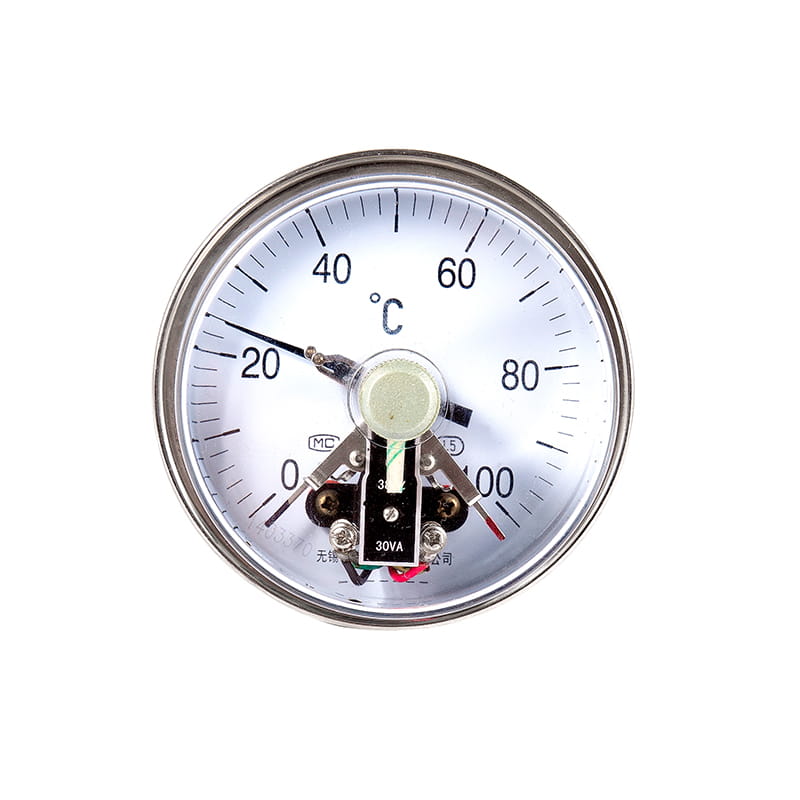
Because the system is entirely mechanical, it does not require external power, making it highly suitable for field use, pipelines, boilers, HVAC systems, and food processing equipment.
The typical accuracy range depends on design quality and application standards. Most commercial-grade bimetal thermometers fall within the following ranges:
| Accuracy Class | Typical Error Range | Common Application |
| ±1% | High precision industrial use | Laboratories, chemical systems |
| ±1.5% | General industrial use | Pipelines, tanks, HVAC |
| ±2% | Standard commercial use | Food equipment, water systems |
For example, in a 0–300°C thermometer with ±1.5% full-scale accuracy, the tolerance is ±4.5°C. This means the displayed value may deviate by up to 4.5°C from the actual temperature.
The expansion coefficients of the bonded metals directly influence measurement precision. High-quality alloys offer stable thermal expansion behavior over long periods.
Improper immersion depth is one of the most common causes of inaccurate readings. The sensing stem should be inserted deep enough to ensure the temperature-sensitive area is fully exposed to the measured medium.
In industrial environments, continuous vibration from pumps, compressors, or engines may distort the internal linkage mechanism, causing drift over time.
Regular calibration is essential to maintain long-term accuracy. Even premium thermometers may experience pointer deviation after prolonged use.
Improving the accuracy of a bimetallic thermometer involves correct installation, proper selection, and routine maintenance.
A good practical rule is to choose a measuring range where the normal operating temperature falls between 30% and 70% of the full scale. This typically provides the most stable readings.
This depends on the use case. Digital thermometers generally provide higher accuracy, often within ±0.5°C or better. However, bimetal thermometers excel in harsh industrial conditions where power supply, moisture resistance, and mechanical durability are priorities.
For applications requiring highly precise process control, digital sensors such as RTDs or thermocouples may be preferred. For rugged field measurement and cost-sensitive systems, bimetal thermometers remain an excellent choice.
Temperature inaccuracies can lead to process inefficiencies, product quality issues, safety risks, and equipment damage. In food processing, even a few degrees of error can affect sanitation compliance. In chemical production, inaccurate temperature control may change reaction rates and product consistency.
Therefore, understanding the accuracy of bimetallic thermometers is essential when selecting instruments for professional applications.
Yes, for most industrial and commercial applications, a properly selected and calibrated bimetal thermometer offers sufficient accuracy, reliability, and long service life. While it may not match the precision of advanced digital sensors, its mechanical simplicity, durability, and affordability make it one of the most practical temperature measurement solutions available.
When evaluating the accuracy of a bimetallic thermometer, users should consider the full-scale tolerance, installation method, environmental conditions, and maintenance schedule. With proper use, it remains a dependable tool across many industries.
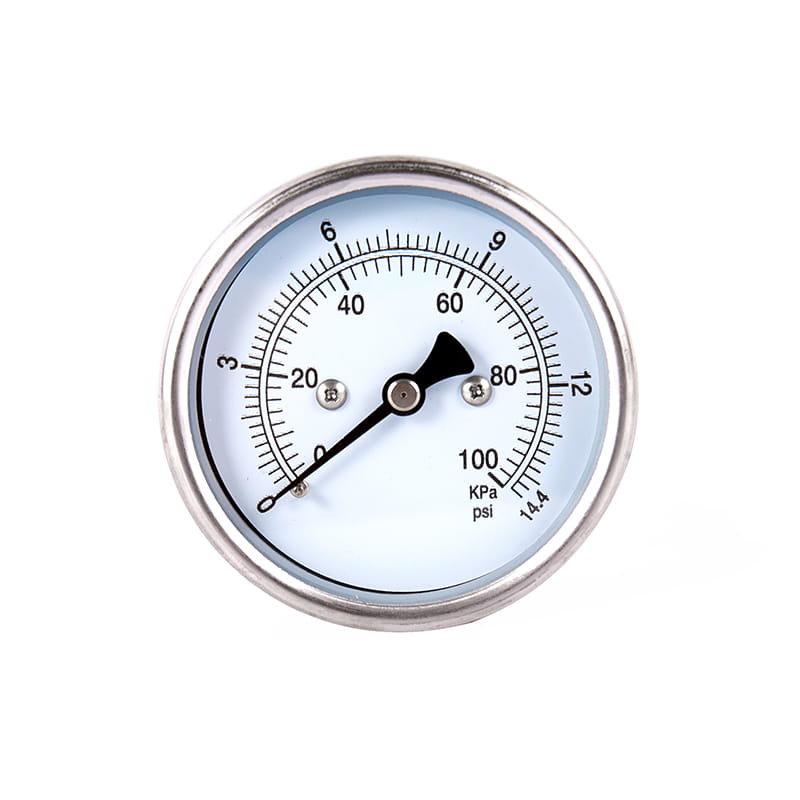
◆ Model:YE60 YE100 YE150 ◆ Use: Membrane box pressure gauge is also called micro pressure gauge....
See Details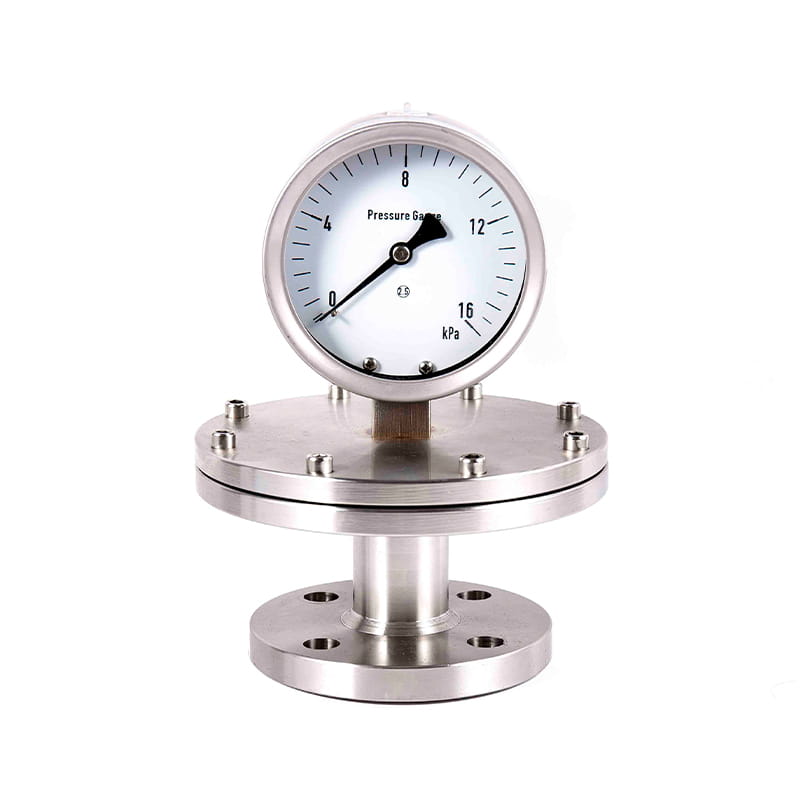
◆ Model: YP100-L YP150-L YP100-F YP150-F ◆ Application: YP series instrument diaphragm and structura...
See Details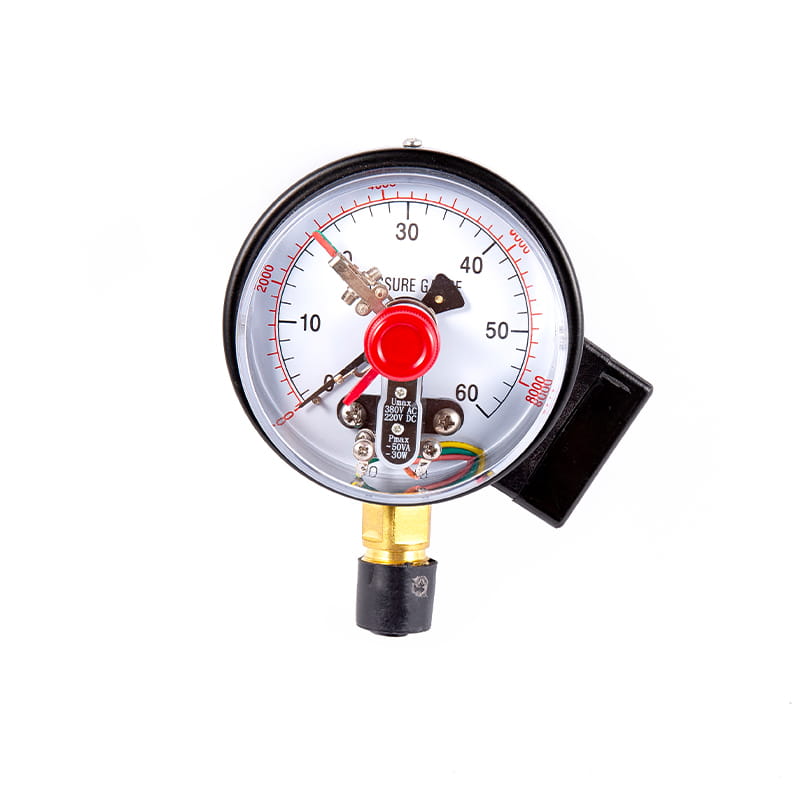
◆ Model: YXC60 YX100 YXC-150 ◆ Application: Magnetic-assisted electric contact pressure gauges is su...
See Details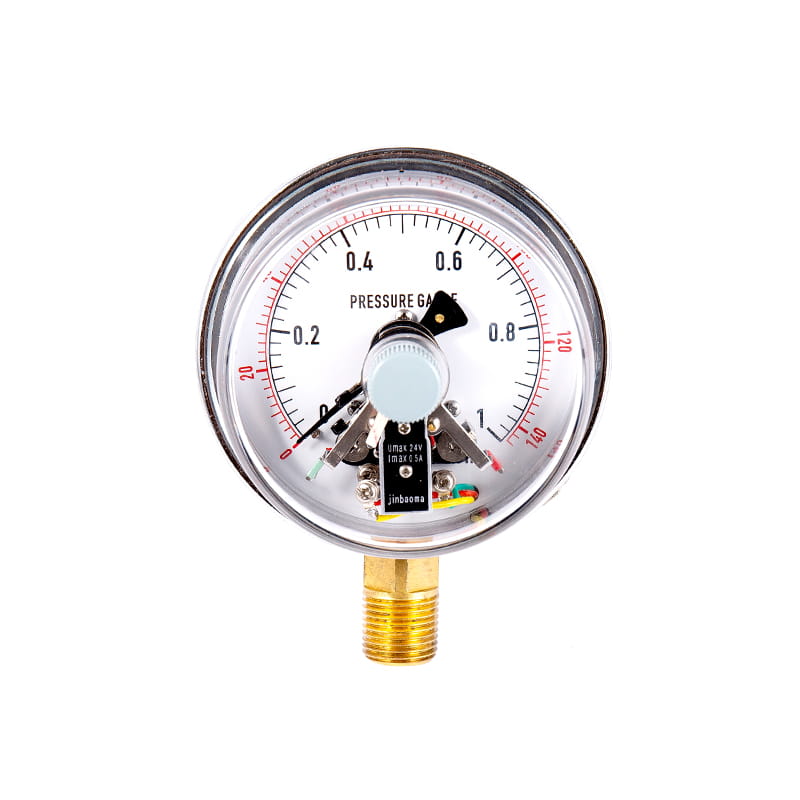
◆ Model: YXCm100 YXCm150 ◆ Uses: This kind of instrument is an ideal alternative to the magnetic-ass...
See Details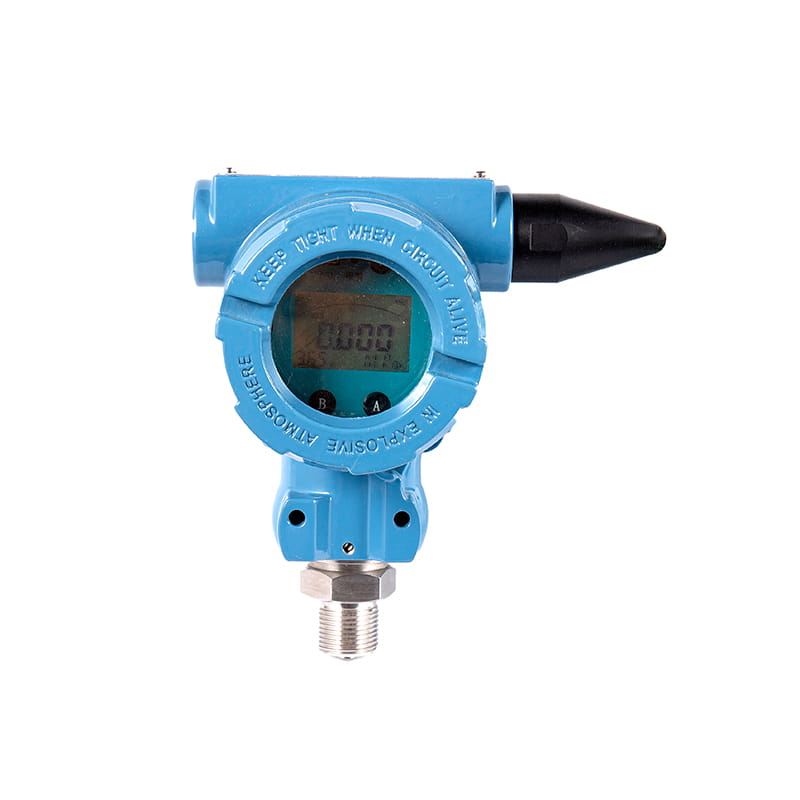
1. Overview This pressure transmitter has high sensitivity, high precision and strong anti-overload ...
See Details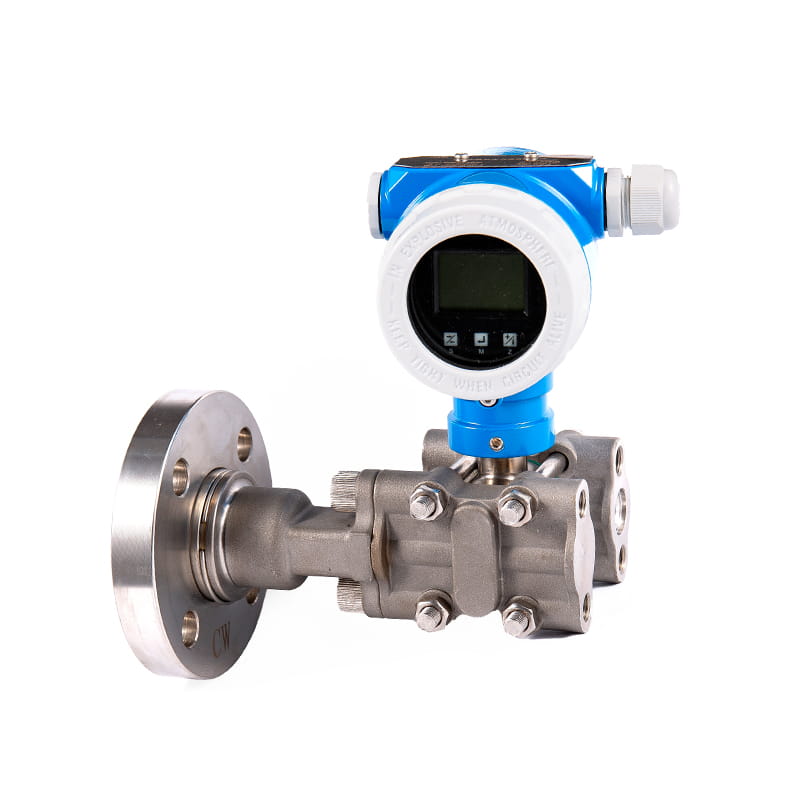
◆ Model: YSZC-8 ◆ Application: This instrument is suitable for precise measurement of liquid level d...
See Details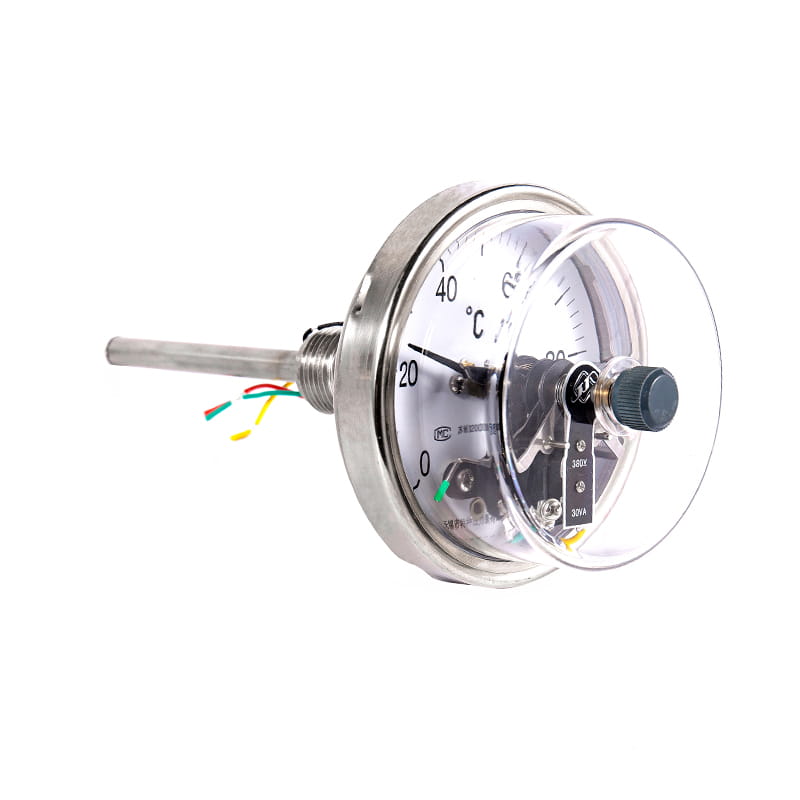
◆ Model: WSSX-4 ◆ Application: The electric contact bimetal thermometer has the characteristics of n...
See Details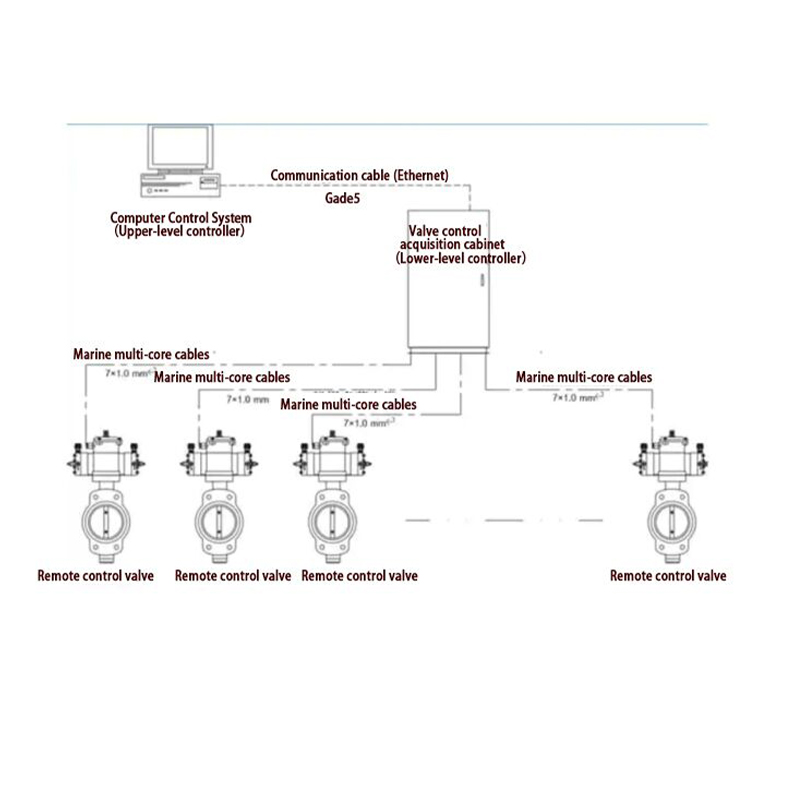
The Valve remote control and liquid level telemetry system enhances operational efficiency by provid...
See Details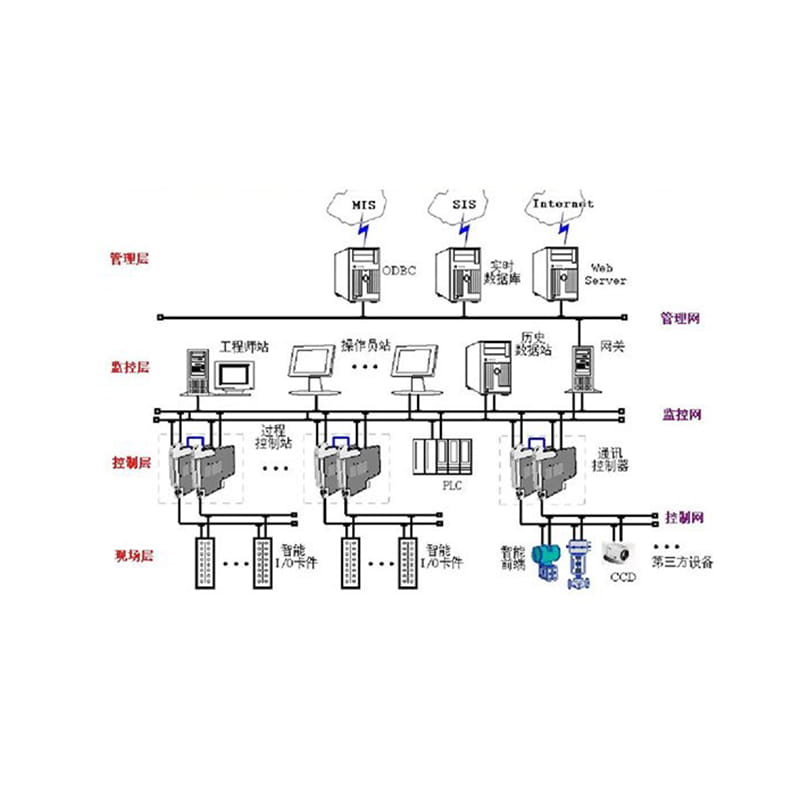
The DCS System is designed with an open architecture, allowing for seamless integration and flexibil...
See Details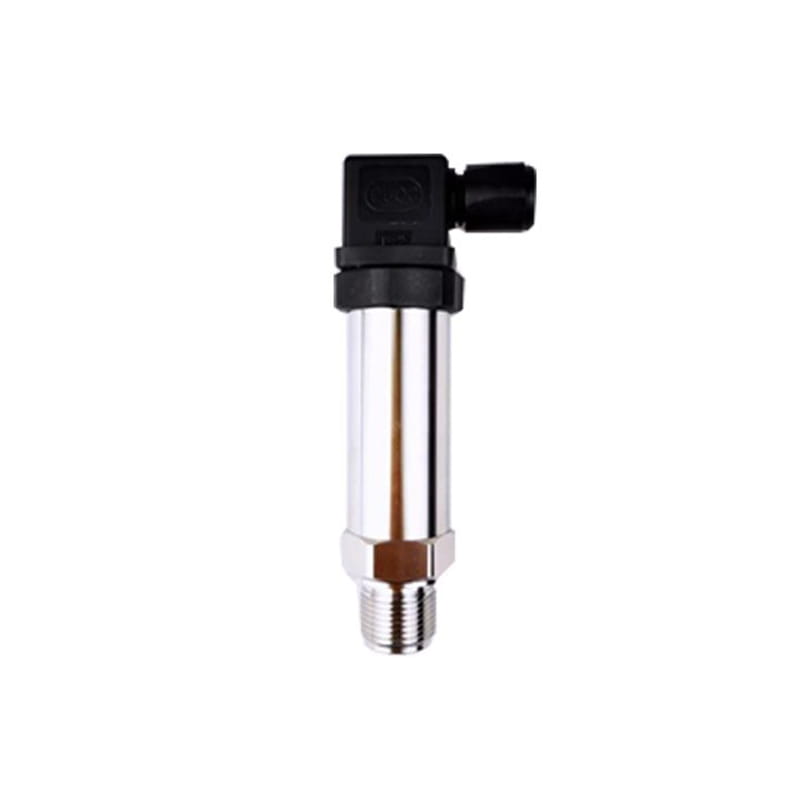
The Pressure transmitter YSZK is designed for demanding environments, operating effectively in tempe...
See Details


