

 English
 русский
 Español
 عربى
عربى
YE series micro pressure gauges/membrane box pressure gauge
Cat:Pressure Gauge
◆ Model:YE60 YE100 YE150 ◆ Use: Membrane box pressure gauge is also called micro pressure gauge....
See DetailsContent
A conventional pressure transmitter performs a straightforward task: it converts a physical pressure signal into a proportional electrical output, typically a 4–20 mA analogue current signal, and sends that signal to a control system. It does this reliably but without any capacity for self-diagnosis, remote configuration, or digital communication. An intelligent pressure transmitter — also referred to as a smart pressure transmitter — incorporates a microprocessor within the transmitter housing that fundamentally expands what the device can do. Rather than simply outputting a raw analogue signal, the microprocessor performs onboard calculations, applies temperature and static pressure compensation in real time, stores device configuration data, monitors its own health, and communicates digitally with host systems using standardised industrial protocols.
This embedded intelligence transforms the transmitter from a passive signal converter into an active participant in the instrumentation network. Plant operators can interrogate the device remotely to retrieve diagnostic data, verify calibration status, adjust range settings, and receive alerts about sensor degradation or process anomalies — all without physically accessing the transmitter in the field. For large facilities with hundreds or thousands of measurement points, this capability represents a step change in operational efficiency, maintenance cost, and measurement reliability. The additional cost of an intelligent transmitter over a conventional equivalent is consistently justified by the lifecycle savings it enables.
Understanding the internal structure of an intelligent pressure transmitter clarifies why its performance exceeds that of conventional devices and what makes the intelligence genuinely useful rather than merely a marketing label. The device consists of several tightly integrated functional blocks that work together to produce an accurate, compensated, digitally communicable pressure measurement.
At the core of the transmitter is a pressure-sensing element — most commonly a piezoresistive silicon sensor, a capacitive cell, or a resonant frequency element depending on the manufacturer and intended application. This element converts mechanical pressure into an electrical signal, typically a small millivolt-level voltage or a capacitance change. The sensing element is isolated from the process fluid by a stainless steel or Hastelloy diaphragm filled with silicone oil, which transmits pressure to the sensor without allowing corrosive or viscous process fluids to contact the sensitive electronics. The quality, geometry, and material of this isolating diaphragm directly influence the transmitter's response time, overpressure capability, and compatibility with aggressive media.

The raw electrical signal from the sensing element is passed to a high-resolution analogue-to-digital converter (ADC), which digitises the signal with sufficient resolution — typically 16 to 24 bits — to capture minute pressure variations accurately. The digitised signal is then processed by the onboard microprocessor, which applies linearisation algorithms to correct for any non-linearity in the sensor's response, temperature compensation coefficients stored in non-volatile memory to correct for ambient temperature effects, and static pressure compensation to account for the influence of line pressure on differential pressure measurements. These corrections, which in a conventional transmitter are either absent or implemented through fixed hardware trimming, are performed dynamically and continuously in an intelligent transmitter, maintaining accuracy across the full operating range regardless of changing environmental conditions.
After processing, the compensated measurement value is available in two forms simultaneously on most intelligent transmitters. The analogue 4–20 mA output provides backward compatibility with legacy control systems that expect a conventional current loop signal. Superimposed on this same two-wire loop, the digital communication protocol — HART being the most prevalent — carries configuration data, diagnostic information, device identification, and secondary process variables that the analogue signal cannot convey. This dual-mode output means that an intelligent transmitter can replace a conventional device in an existing installation without any wiring changes, while still making its full digital capabilities accessible to a HART-compatible host system or handheld communicator.
The communication protocol determines how an intelligent pressure transmitter exchanges data with the host system, handheld configurators, and asset management software. Several protocols are in widespread industrial use, and the choice between them depends on the existing infrastructure, the level of integration required, and the industry sector.
| Protocol | Physical Layer | Key Strength | Typical Application |
| HART (Highway Addressable Remote Transducer) | 4–20 mA loop | Backward compatibility, universal adoption | Oil and gas, chemicals, water treatment |
| FOUNDATION Fieldbus (FF H1) | Dedicated fieldbus cable | Full digital, multi-drop, control in the field | Refining, petrochemical, power generation |
| PROFIBUS PA | Dedicated fieldbus cable | Siemens ecosystem integration, robust diagnostics | Process automation, pharmaceutical, food |
| WirelessHART | IEEE 802.15.4 mesh network | No wiring, remote or hazardous locations | Tank farms, pipelines, offshore platforms |
| IO-Link / EtherNet/IP | Industrial Ethernet | High-speed data, Industry 4.0 integration | Discrete manufacturing, smart factories |
HART remains the dominant protocol globally because it requires no additional wiring infrastructure and is supported by virtually every major DCS and SCADA platform. However, fully digital protocols such as FOUNDATION Fieldbus and PROFIBUS PA deliver richer real-time diagnostics and enable control functions to be distributed to the field device itself, which reduces the processing burden on the central control system and improves response times for fast-moving processes.
Diagnostics are among the most commercially valuable capabilities of an intelligent pressure transmitter, and they represent one of the clearest differentiators between smart and conventional devices. The onboard microprocessor continuously monitors both the transmitter's own internal condition and aspects of the process it is measuring, generating diagnostic data that can be used to prevent measurement failures, plan maintenance proactively, and avoid unplanned shutdowns.
Selecting an intelligent pressure transmitter requires a systematic evaluation of the process conditions, installation environment, required accuracy, communication infrastructure, and regulatory constraints. Purchasing on specification alone without considering application fit leads to premature failures, calibration problems, and unnecessary maintenance costs.
Intelligent pressure transmitters are available in three fundamental measurement configurations: gauge pressure (measuring pressure relative to atmosphere), absolute pressure (measuring pressure relative to perfect vacuum), and differential pressure (measuring the pressure difference between two process connections). Differential pressure transmitters are additionally used to infer flow rate — by measuring the pressure drop across an orifice plate or venturi — and liquid level in closed vessels. The selected measurement range should encompass the full expected process range with sufficient margin for overpressure events, but should not be excessively wide, as accuracy is typically specified as a percentage of calibrated span and deteriorates when the span is set far below the device's maximum range.
The materials that contact the process fluid — the isolating diaphragm, process flange, and fill fluid — must be chemically compatible with the medium being measured. Standard 316L stainless steel diaphragms are suitable for most clean process fluids, water, steam, and mild chemicals. Aggressive media such as chlorine, hydrofluoric acid, or concentrated caustics require Hastelloy C-276, tantalum, or gold-plated diaphragms. High-viscosity or crystallising fluids may require extended diaphragm configurations or flush-mount process connections to prevent the process connection from plugging. Specifying incompatible wetted materials is one of the most consequential selection errors possible and can result in rapid and catastrophic diaphragm failure.
Manufacturers quote accuracy as a combination of reference accuracy (the total error at reference conditions including hysteresis, repeatability, and linearity) and long-term stability (the maximum drift over a defined period, typically twelve months or five years). For custody transfer, safety instrumented systems (SIS), or high-value process optimisation applications, specifying a transmitter with reference accuracy of ±0.04% of span or better and five-year stability of ±0.1% of URL is standard practice. For general process monitoring where tight accuracy is less critical, ±0.075% reference accuracy is typically adequate and available at lower cost.
Configuration and calibration of intelligent pressure transmitters can be performed through multiple methods, and the choice between them depends on the available infrastructure and the specific task being performed. Understanding these methods ensures that configuration changes are made correctly and that calibration records are maintained in the format required by quality and safety management systems.
Intelligent pressure transmitters have become the default choice in modern process instrumentation not because of fashion but because their microprocessor-based architecture delivers measurable improvements in measurement accuracy, maintenance efficiency, and integration capability that translate directly into lower operational costs and higher process reliability over the full lifecycle of the installation.
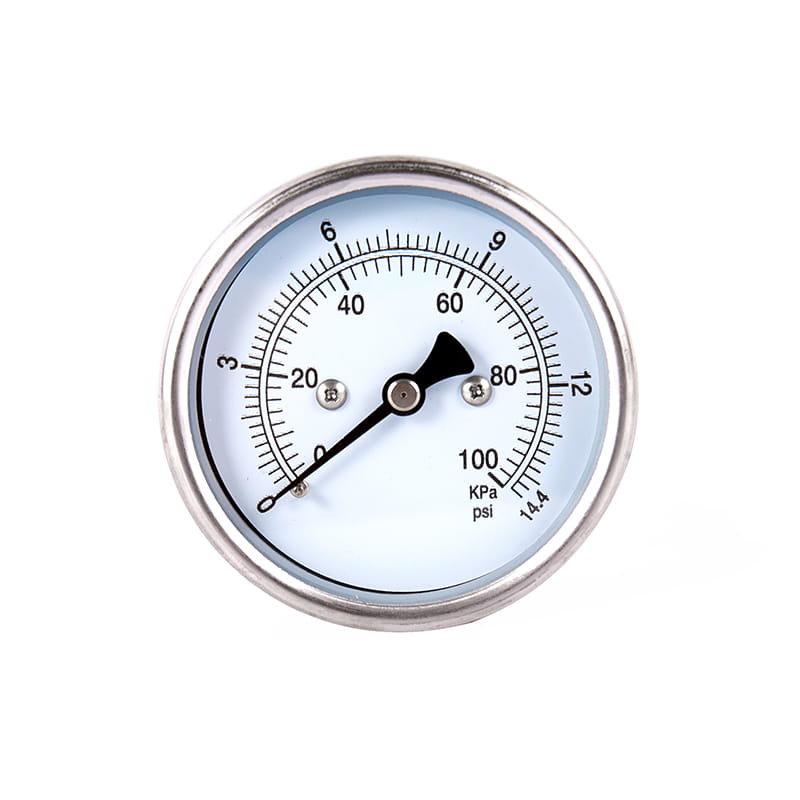
◆ Model:YE60 YE100 YE150 ◆ Use: Membrane box pressure gauge is also called micro pressure gauge....
See Details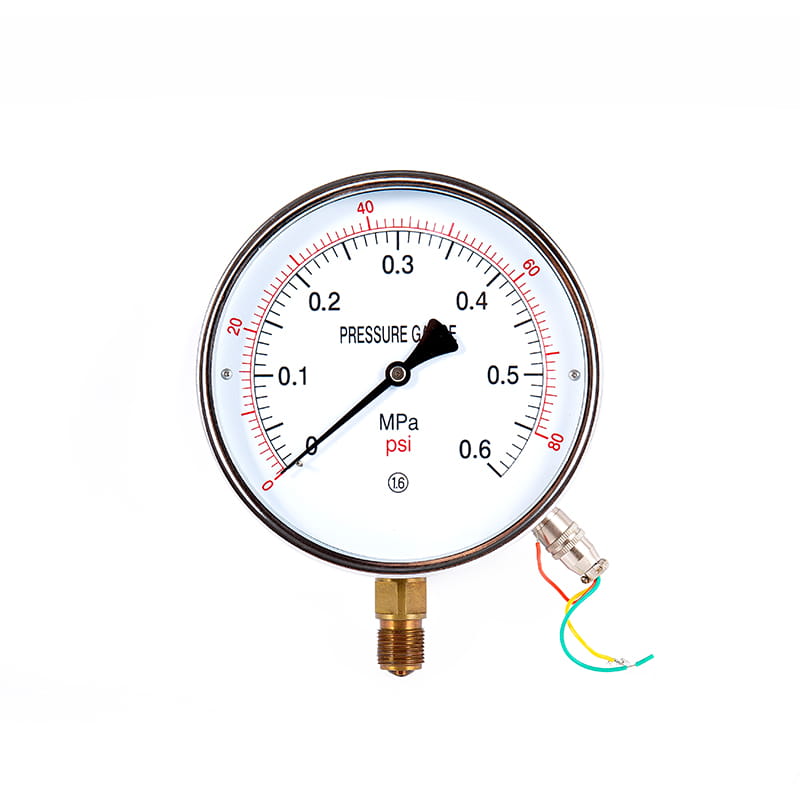
◆ Model: YTT100 YTT100A YTT150 YTT150A ◆ Application: This type of instrument is suitable for measur...
See Details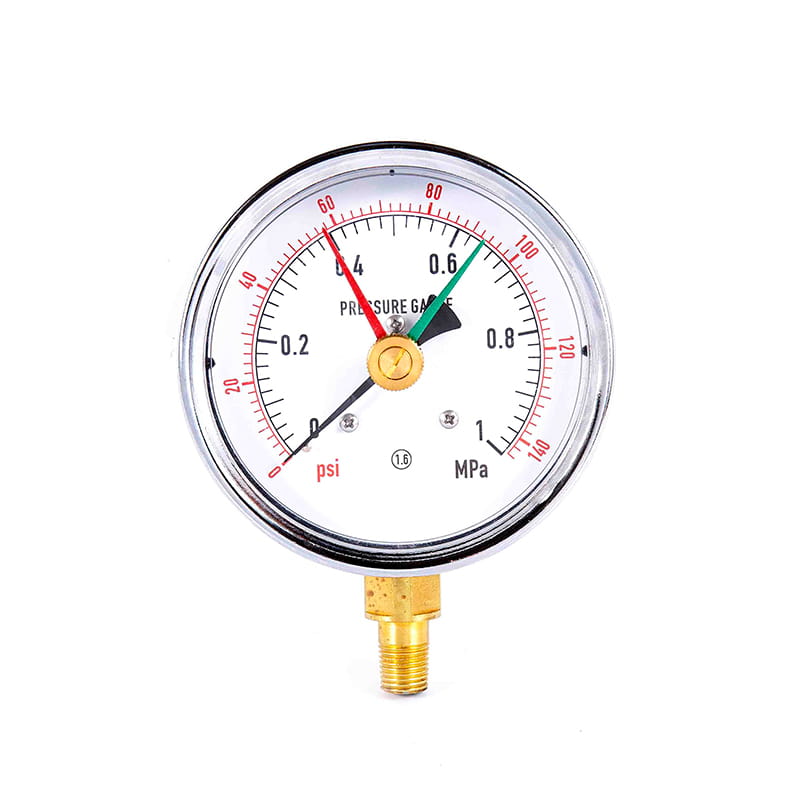
◆ Model: YD40 YD50 YD60 YD75 YD100 YD150 ◆ The main body of the instrument is a general pressure gau...
See Details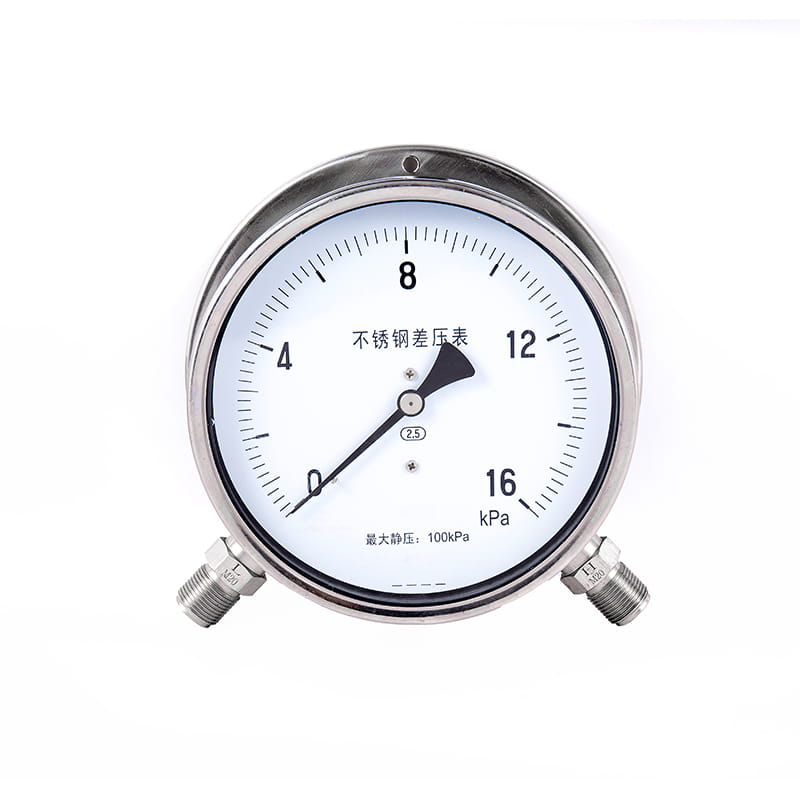
◆ Model: CYB100 CYB150 ◆ Application: Stainless steel differential pressure gauges is suitable for m...
See Details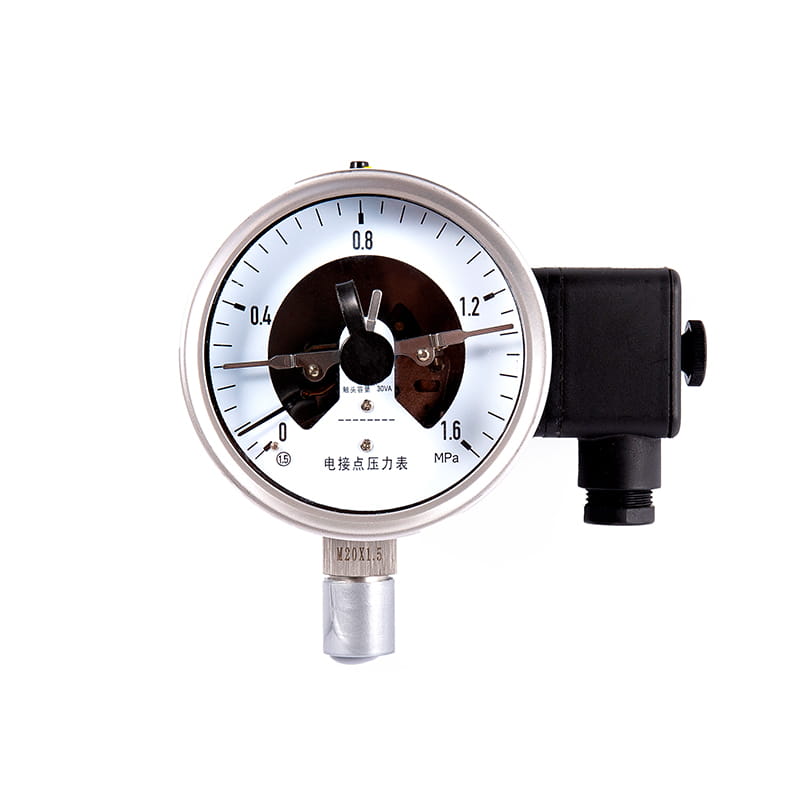
◆ Model: YXD100 YXD150 ◆ Uses: Photoelectric electric contact pressure gauge is a substitute for the...
See Details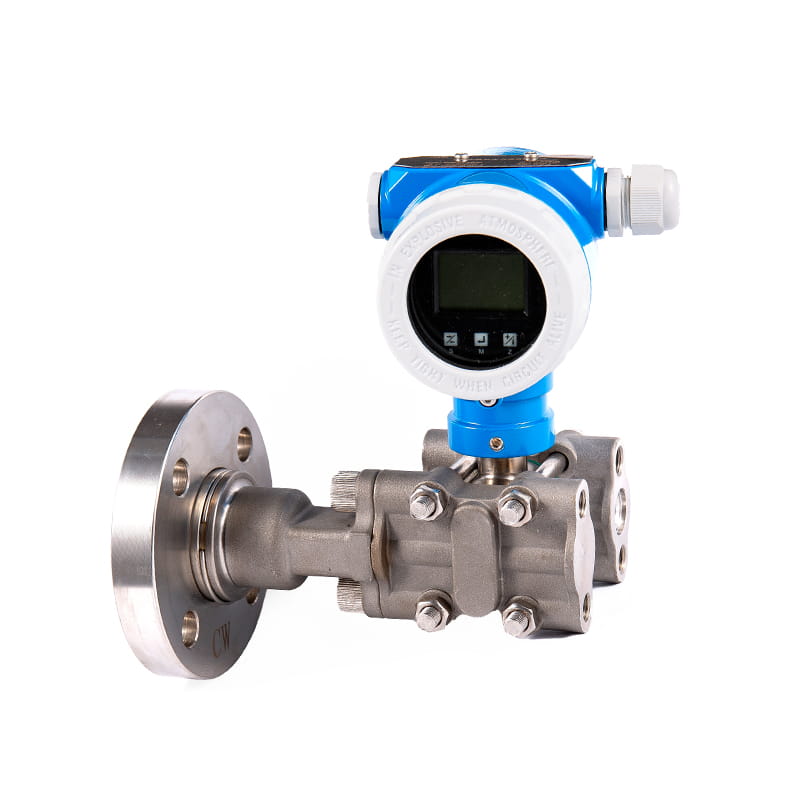
◆ Model: YSZC-8 ◆ Application: This instrument is suitable for precise measurement of liquid level d...
See Details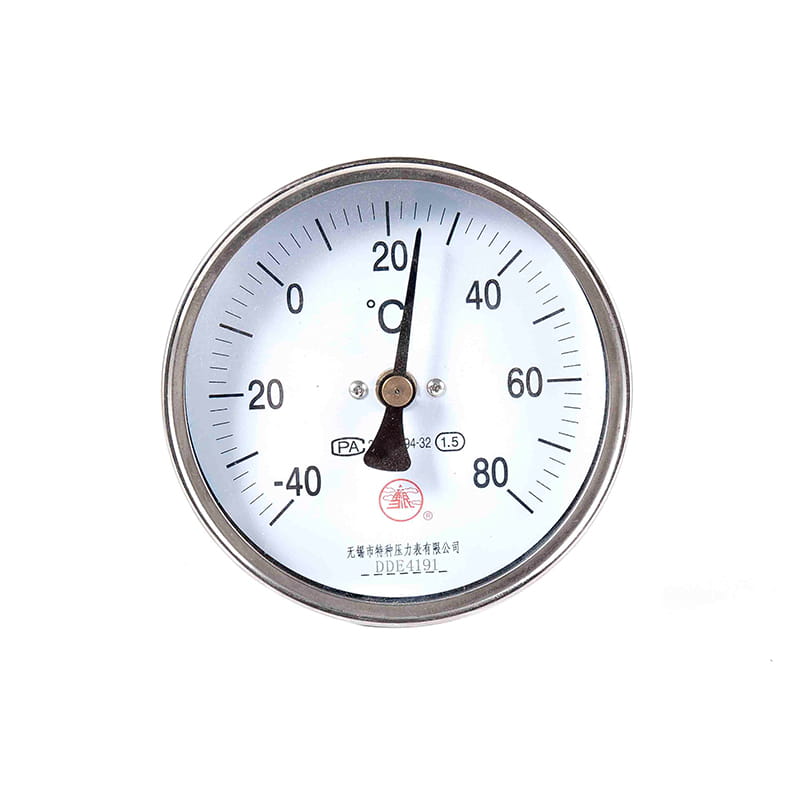
◆ Model: WSS-3 WSS-4 WSS-5 ◆ Application: Bimetal thermometer has the characteristics of no mercury ...
See Details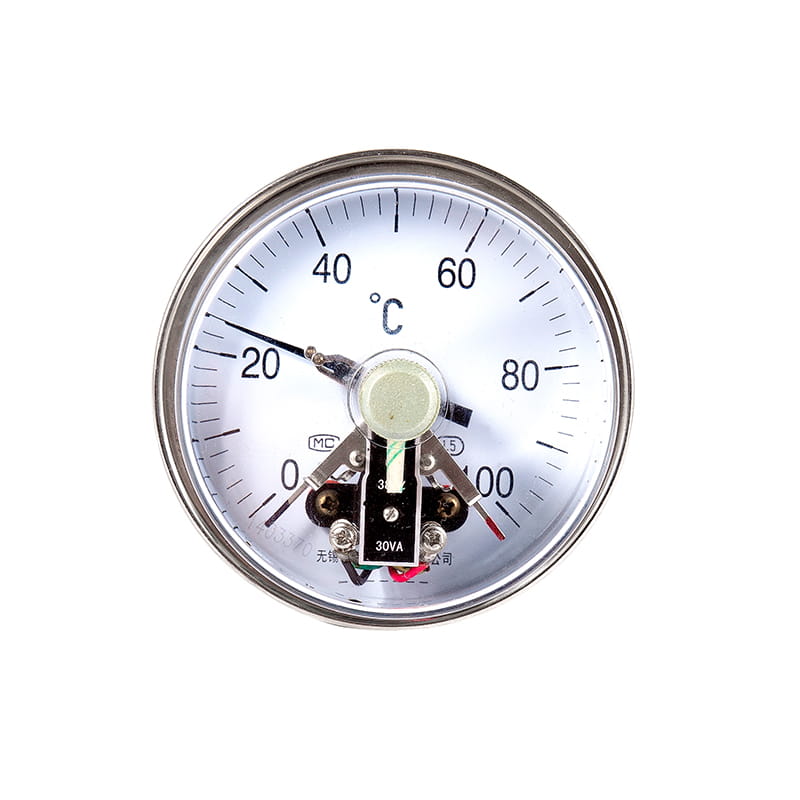
◆ Model: WSSXC-4 ◆ Application: This series of thermometers has the characteristics of no mercury da...
See Details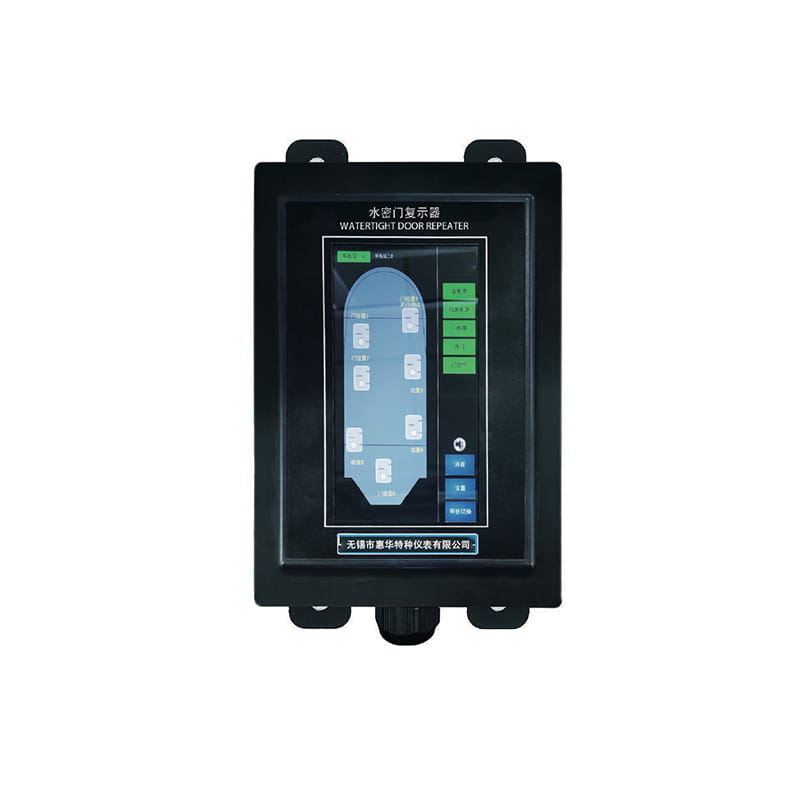
The waterless door alarm system emphasizes the interaction between humans and machines, addressing t...
See Details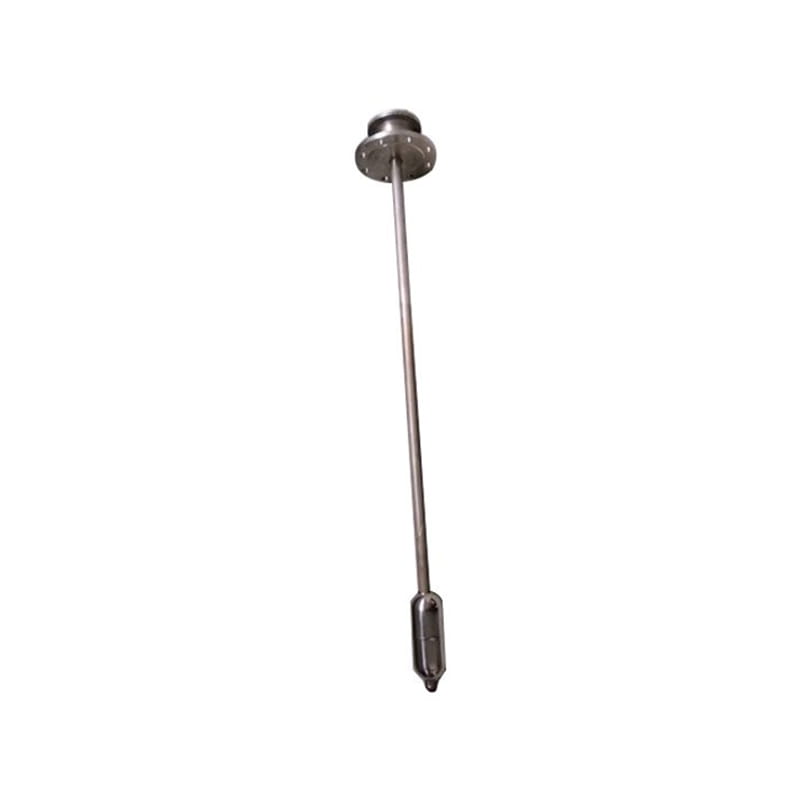
The Float level gauge UHB is engineered for high-precision measurement, providing accurate and relia...
See Details


