

 English
 русский
 Español
 عربى
عربى
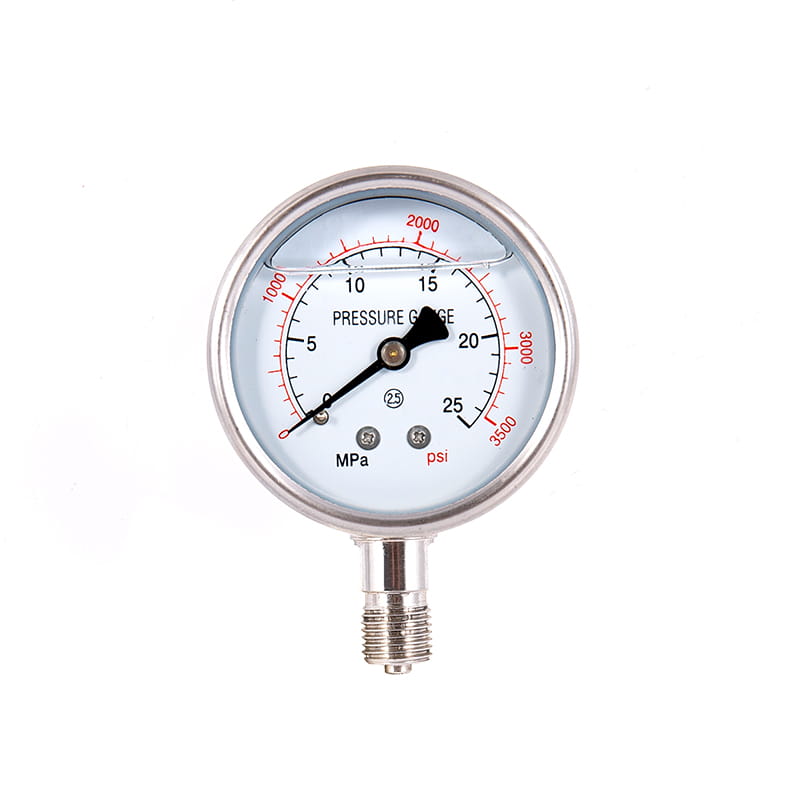
YG high temperature resistant pressure gauge
Cat:Pressure Gauge
◆ Model: YG60 YG100 YG150◆ Use: All parts of this series of gauges are made of stainless steel, and ...
See Details1. Introduction
Ammonia (NH₃) is widely used in chemical engineering, fertilizer, refrigeration, power plant denitrification (SCR), and other gas industry fields.
As a flammable, explosive, corrosive and toxic medium, ammonia has extremely strict requirements for pressure and temperature monitoring instruments.
Stable and reliable instrumentation is the key to ensuring process safety, production efficiency and environmental compliance.
For ammonia equipment, the most commonly used instruments include:
- Ammonia pressure gauges
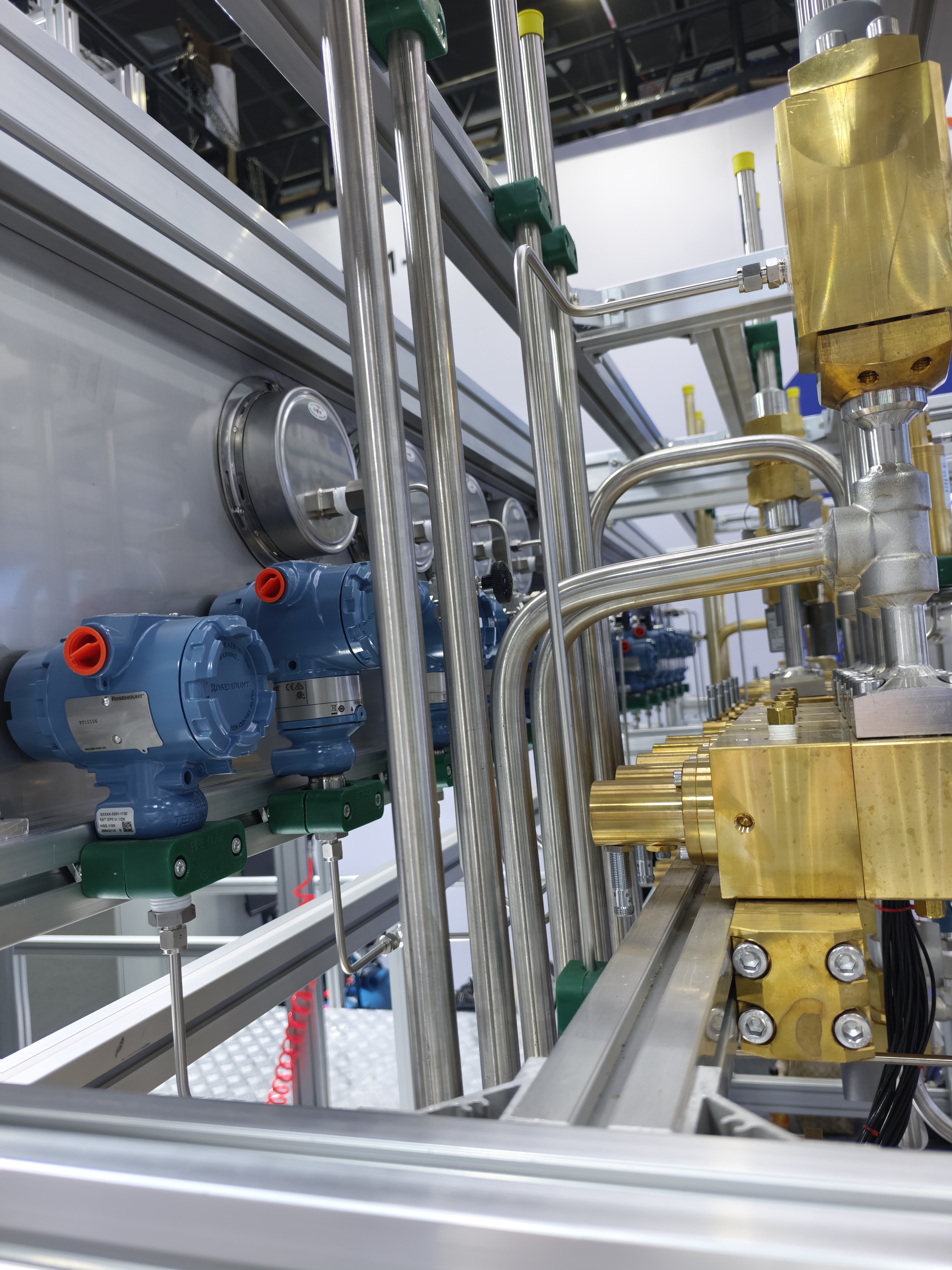
- Pressure transmitters
- Temperature sensors & thermometers
- Diaphragseal accessories
- Explosion-proof instruments for hazardous areas
2. Key Requirements for Ammonia Application
Ammonia has strong corrosion to copper and copper alloy materials.
Therefore, all wetted parts must be copper-free, which is the most important selection principle.
Common requirements:
- Wetted material: 316L stainless steel, Hastelloy, Monel
- Sealing material: PTFE, FKM, Viton
- Protection grade: IP65 or higher
- Explosion-proof: Ex d IIC T4/T6 for hazardous areas
- Accuracy: 1.0% or 1.6% for industrial applications
3. Pressure Gauges for Ammonia Equipment
Ammonia pressure gauges are specially designed for ammonia compressors, storage tanks, pipelines and refrigeration units.
Main Types
- General ammonia pressure gauge
- Liquid-filled vibration-resistant pressure gauge
- Diaphragm pressure gauge for viscous or corrosive conditions
- Bottom connection / back connection models
Typical Applications
- Ammonia storage tank pressure monitoring
- Compressor inlet and outlet pressure display
- Pipeline pressure detection
- Refrigeration system pressure control
4. Pressure Transmitters for Ammonia Systems
Pressure transmitters provide real‑time electrical signals for automatic control systems (DCS/PLC).
Main Features
- Output: 4–20mA, HART, RS485
- Wide measuring range from low pressure to high pressure
- Strong anti‑interference ability
- Temperature compensation
- SIL2 / SIL3 optional for safety systems
Application Scenarios
- Ammonia synthesis reactor
- Liquid ammonia storage tank
- SCR denitrification ammonia injection system
- Industrial ammonia refrigeration unit
5. Thermometers & Temperature Sensors
Temperature monitoring is critical in ammonia evaporation, condensation, compression and reaction processes.
Common Products
- PT100 platinum resistance thermometer
- K‑type thermocouple
- Industrial bimetallic thermometer
- Armored temperature sensor with protection tube
Working Temperature Range
- Refrigeration: -50°C ~ +80°C
- Synthesis & reaction: 0°C ~ 500°C
- Flue gas & denitrification: 0°C ~ 300°C
6. Complete Instrument Solutions for Ammonia Equipment
1. Ammonia Synthesis Industry
- High‑pressure transmitters
- Multi‑point temperature sensors
- Diaphragm pressure gauges
2. Liquid Ammonia Storage & Transportation
- Ammonia pressure gauges
- Static pressure transmitters
- Temperature sensors for tank monitoring
3. Ammonia Refrigeration System
- Vibration‑resistant pressure gauges
- Pressure transmitters
- PT100 temperature sensors
4. SCR Denitrification System
- Pressure transmitters for ammonia gas pipeline
- Temperature instruments
- Auxiliary instruments for flue gas system
7. Installation & Maintenance Tips
- Install pressure instruments vertically
- Use syphon tubes for high temperature conditions
- Regular calibration at least once a year
- Check sealing parts to prevent ammonia leakage
- Avoid mechanical vibration and impact
8. Conclusion
Pressure gauges, pressure transmitters and thermometers are essential components for safe and stable operation of ammonia equipment.
Correct selection based on medium characteristics, working pressure, temperature and environment can greatly improve system reliability, reduce failure rate and ensure long‑term operation.
As a professional instrument manufacturer, we provide full series of ammonia‑resistant instruments with stable quality, strong compatibility and complete certifications, supporting customized solutions for global gas industry customers.
◆ Model: YG60 YG100 YG150◆ Use: All parts of this series of gauges are made of stainless steel, and ...
See Details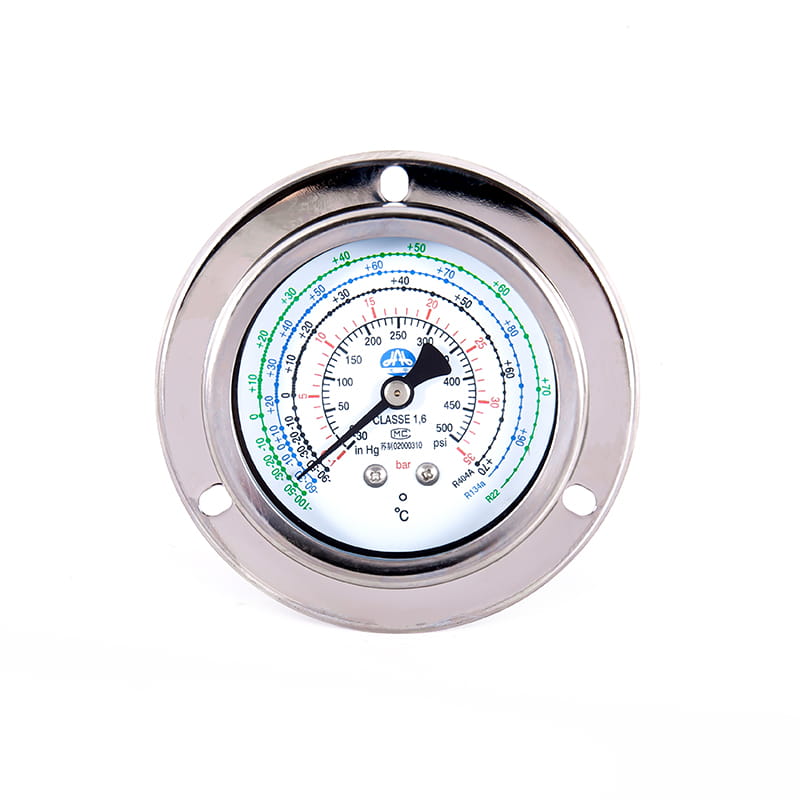
◆ Model: YLm60 YLm100 YLm150◆ Application: This series of instruments are special instruments for de...
See Details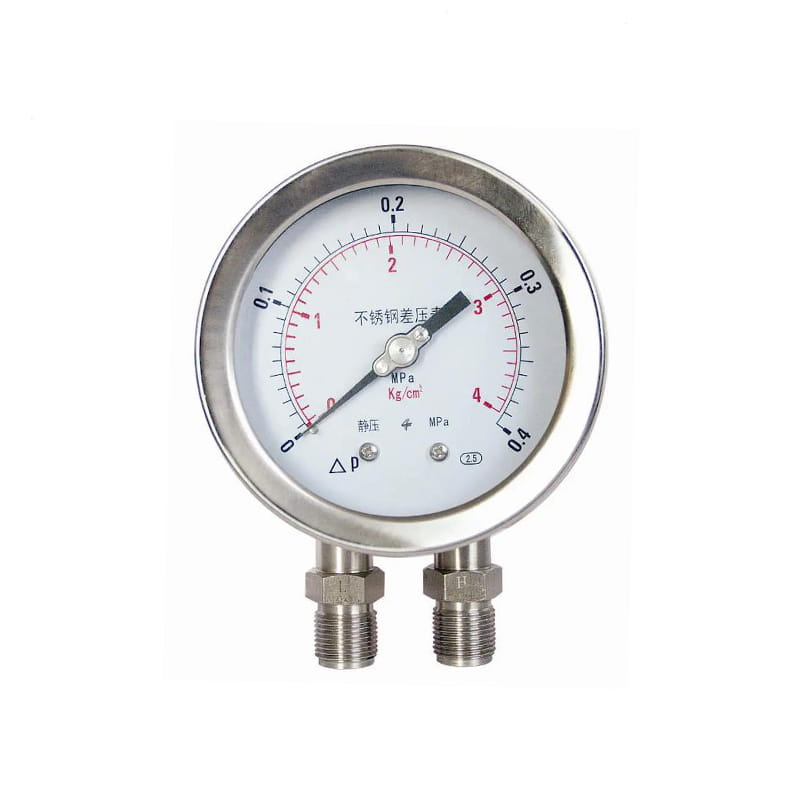
◆ Model: YJY100 YJY150◆ Use: Absolute pressure refers to the pressure which is higher than absolute ...
See Details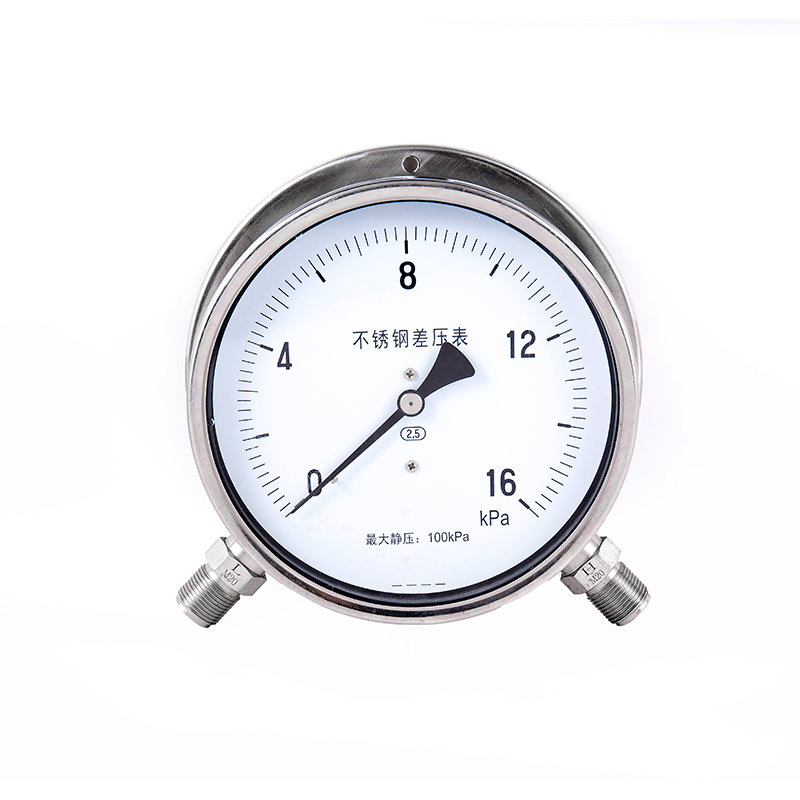
◆ Model: CYBN100 CYBN150 ◆ Application: Earthquake-resistant (seismic) stainless steel differential ...
See Details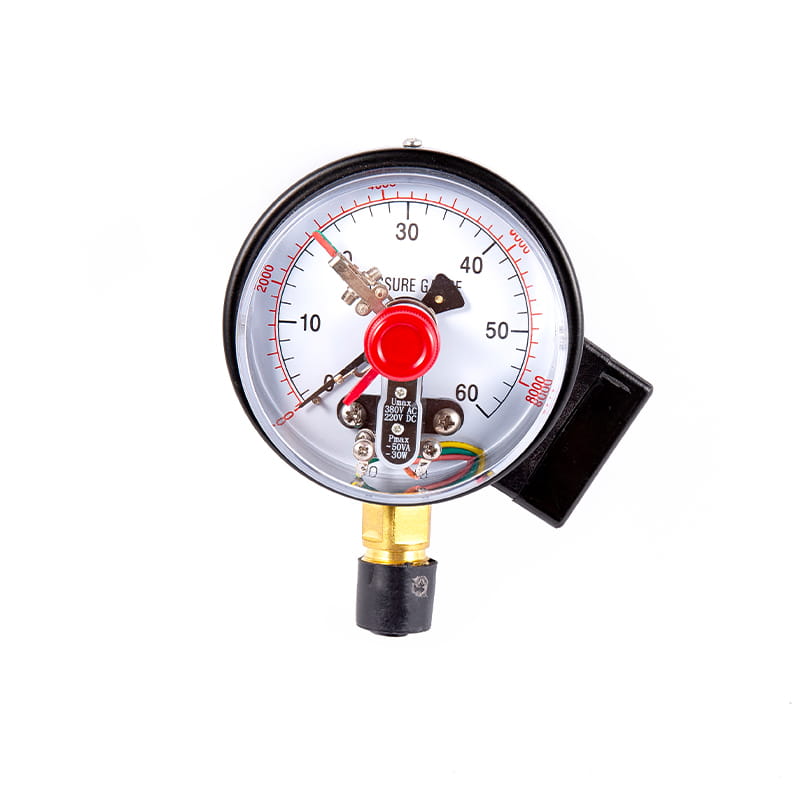
◆ Model: YXC60 YX100 YXC-150 ◆ Application: Magnetic-assisted electric contact pressure gauges is su...
See Details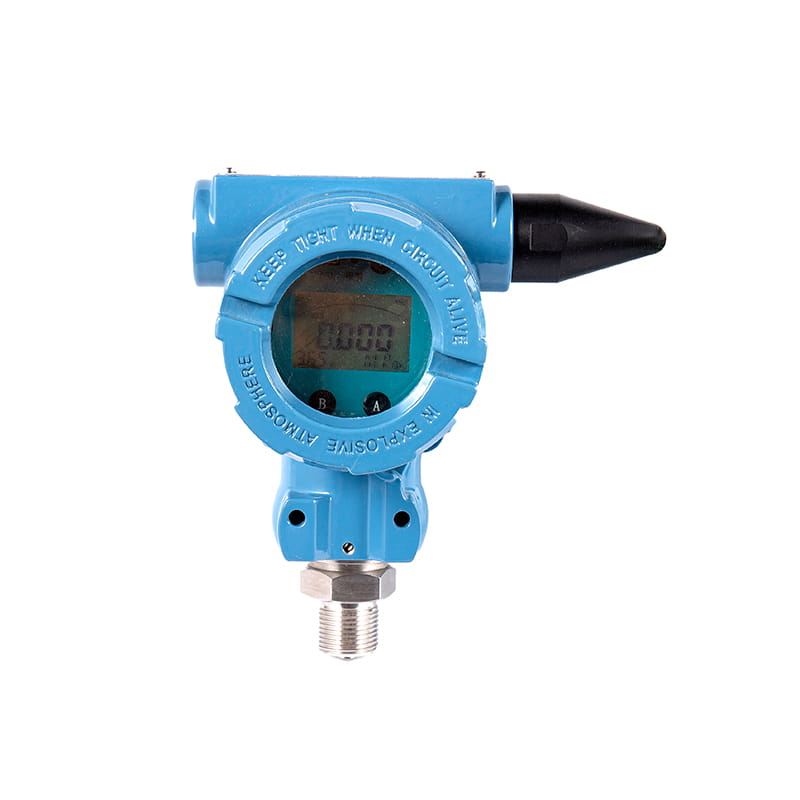
1. Overview This pressure transmitter has high sensitivity, high precision and strong anti-overload ...
See Details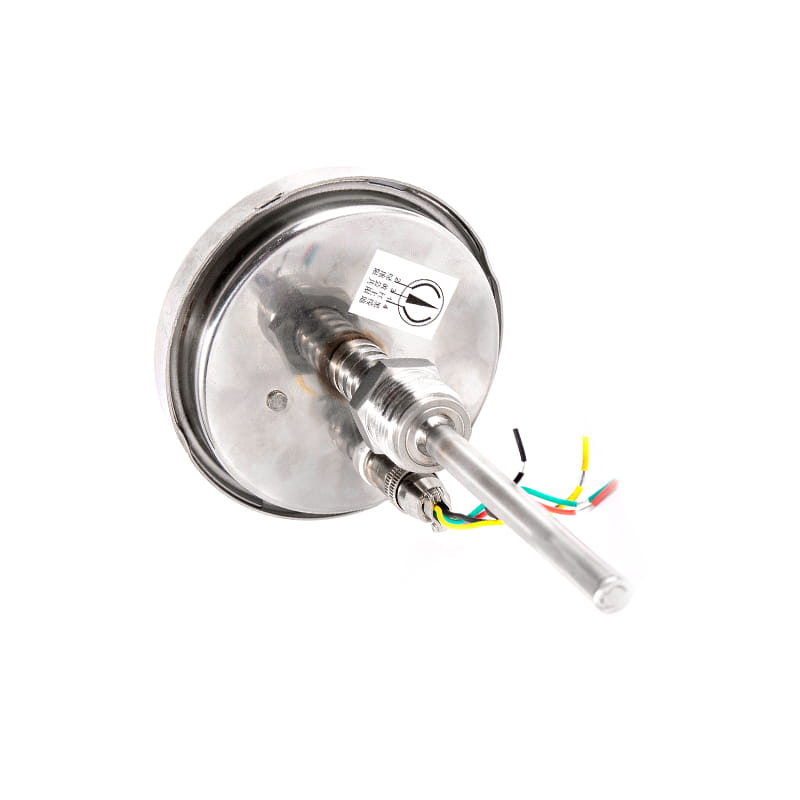
◆ Model: WSSXCh-4, WSSXCh-5 ◆ Application: This series of thermometers has the characteristics of no...
See Details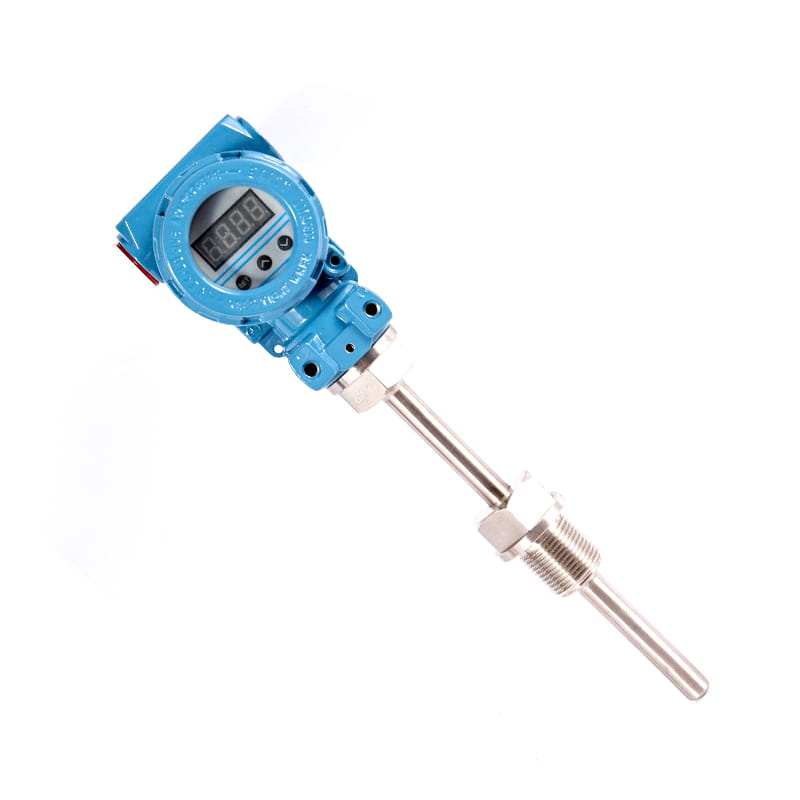
◆ Model: WSZC-2 ◆ Overview: The transmitter is composed of advanced circuit module integration techn...
See Details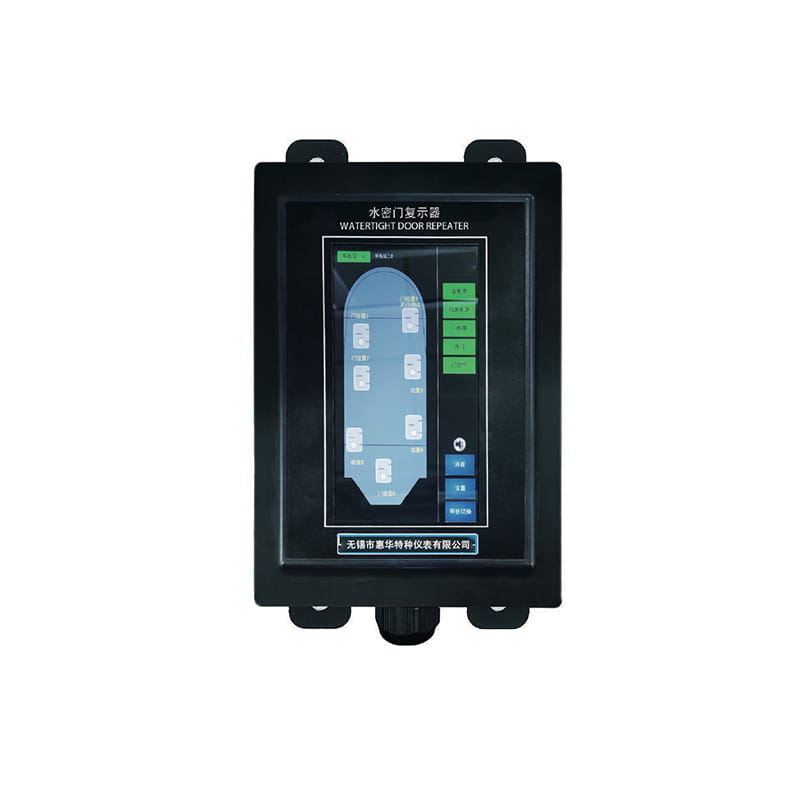
The waterless door alarm system emphasizes the interaction between humans and machines, addressing t...
See Details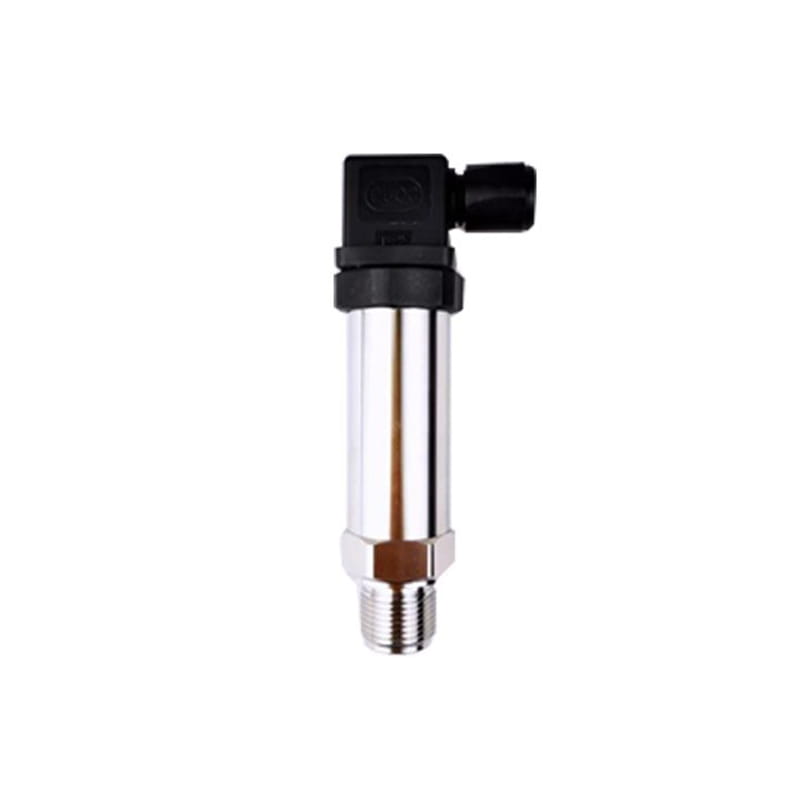
The Pressure transmitter YSZK is designed for demanding environments, operating effectively in tempe...
See Details


