

 English
 русский
 Español
 عربى
عربى
YEB series stainless steel diaphragm pressure gauge
Cat:Pressure Gauge
◆ Model:YEB60 YEB100 YEB150◆ Use: This series of instruments are suitable for measuring the low micr...
See DetailsContent
Pressure measurement is a fundamental requirement across dozens of industries, but not every application can rely on a standard Bourdon tube pressure gauge. When the media being measured is viscous, corrosive, high in solid content, or near the sanitary requirements of food and pharmaceutical production, standard gauges fail quickly — or worse, create safety and contamination risks. The diaphragm pressure gauge was engineered specifically to address these limitations. Understanding why it exists and when it genuinely outperforms alternatives is critical for engineers, procurement specialists, and plant managers making instrumentation decisions.
A diaphragm pressure gauge uses a flexible membrane — the diaphragm — as its primary sensing element instead of the coiled Bourdon tube found in conventional gauges. The diaphragm is clamped or welded between the process connection and the gauge body, creating a sealed barrier between the process media and the internal gauge mechanism. When pressure is applied, the diaphragm deflects proportionally. This deflection is transmitted mechanically to the pointer movement through a linkage system, displaying the pressure reading on the dial.
The critical design advantage here is complete separation. The process fluid never enters the gauge internals. This means corrosive chemicals, thick slurries, hygienic food-grade liquids, and aggressive gases can all be measured safely and accurately without contaminating or damaging the internal mechanism. Diaphragms are available in a wide range of materials — stainless steel, Hastelloy, Monel, tantalum, PTFE-lined, and more — allowing precise material matching to the process media.
There are several well-defined scenarios where a diaphragm gauge is not just preferable but necessary. Each reason corresponds to a real-world limitation of conventional gauges that diaphragm designs directly resolve.
Chemicals such as sulfuric acid, hydrochloric acid, chlorine, caustic soda, and many solvents will rapidly destroy the internals of a standard Bourdon tube gauge. By using a diaphragm made from a chemically resistant material like Hastelloy C-276 or tantalum, the process fluid is kept entirely isolated. The space behind the diaphragm is filled with a compatible fill fluid — typically glycerin or silicone oil — which transmits the pressure to the Bourdon tube inside the gauge body. This configuration allows accurate measurement of highly aggressive media without material compatibility issues.
Processes involving slurries, pastes, paper pulp, food products, adhesives, or media that crystallizes or polymerizes at room temperature present a severe clogging risk for standard gauges. The narrow internal passages of a Bourdon tube gauge can become completely blocked by such media, rendering the gauge useless and creating a maintenance nightmare. A diaphragm gauge eliminates this problem entirely because there are no narrow passages for the media to enter. The flush diaphragm face contacts the media directly, deflects under pressure, and the reading is transmitted without any media migration into the instrument.
In the food, beverage, dairy, and pharmaceutical industries, pressure instrumentation must meet strict hygienic standards. Any instrument that allows media to enter internal cavities creates a contamination risk from bacterial growth. Diaphragm gauges with flush-mounted, crevice-free diaphragm seals and hygienic process connections (such as DIN 11851, SMS, or Tri-Clamp fittings) meet these requirements. The smooth, polished diaphragm face can be cleaned in place (CIP) and sterilized in place (SIP) without removing the gauge from the line, maintaining both hygiene and process continuity.
Bourdon tube gauges lose accuracy and reliability at very low pressure ranges — typically below 0.6 bar (approximately 9 psi). Diaphragm elements, by contrast, are highly sensitive to small pressure differentials and can accurately measure ranges as low as 0 to 10 mbar. This makes them the preferred choice for measuring draft pressures in ventilation systems, filter differential pressures, and low-pressure gas distribution networks where a standard gauge simply cannot provide meaningful readings.
Diaphragm pressure gauges are specified across a wide range of industries, each with distinct demands that standard gauges cannot reliably meet:
The table below highlights the key differences between diaphragm and Bourdon tube gauges to help you determine which is appropriate for your application:
| Criteria | Diaphragm Pressure Gauge | Bourdon Tube Gauge |
| Media isolation | Complete — diaphragm seals media from internals | None — media enters the Bourdon tube directly |
| Corrosive media | Excellent — wide material options available | Poor — limited to compatible wetted materials |
| Viscous/slurry media | Excellent — no internal passages to clog | Poor — prone to clogging and blockage |
| Low pressure range | Excellent — down to 10 mbar full scale | Limited — unreliable below 0.6 bar |
| Hygienic suitability | High — flush face, CIP/SIP compatible | Low — crevices and internal cavities present |
| Cost | Higher initial cost | Lower initial cost |
| Maintenance frequency | Lower in challenging applications | Higher when media is aggressive or viscous |
The diaphragm material is the most critical specification decision in a diaphragm pressure gauge. The wrong material will corrode, swell, crack, or permeate under the process conditions, leading to measurement errors, gauge failure, or even process contamination. The following materials are most commonly used and each suits specific applications:
Specifying a diaphragm pressure gauge requires more detailed application knowledge than purchasing a standard gauge. Before approaching a supplier, you should define the following parameters clearly:
One of the most practical advantages of diaphragm pressure gauges in demanding applications is their reduced maintenance burden compared to standard gauges. Because the process media never contacts the internal mechanism, there is no risk of internal corrosion, clogging of the Bourdon tube, or crystallization of media within the gauge body. In well-matched applications, a properly selected diaphragm gauge can operate reliably for years without requiring cleaning or replacement.
That said, the diaphragm itself is a wear component. Over time, cyclic pressure loading causes metal fatigue, and chemical attack can thin the diaphragm wall. Periodic inspection — particularly in safety-critical applications — is important. When a diaphragm gauge is used with a fill fluid system, check for fill fluid loss, which indicates a diaphragm breach and requires immediate gauge replacement to prevent process media from contaminating or destroying the gauge internals.
Choosing the right gauge from the start — correct diaphragm material, appropriate pressure range, and suitable process connection — dramatically reduces maintenance frequency and total cost of ownership. A diaphragm gauge that costs three times more than a standard gauge but lasts five times longer in a corrosive application is always the more economical choice when the full lifecycle is considered.

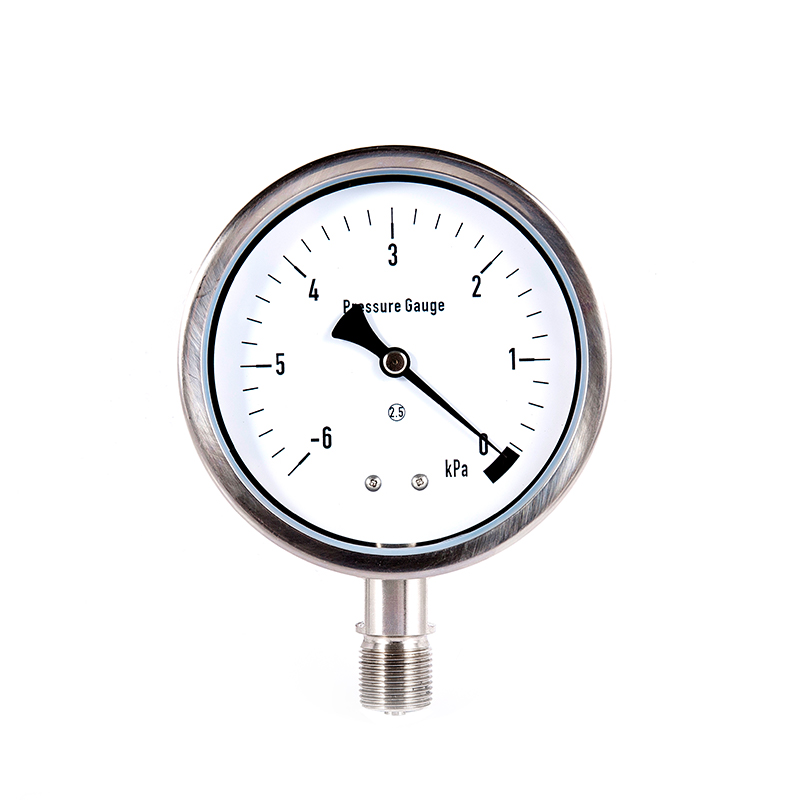
◆ Model:YEB60 YEB100 YEB150◆ Use: This series of instruments are suitable for measuring the low micr...
See Details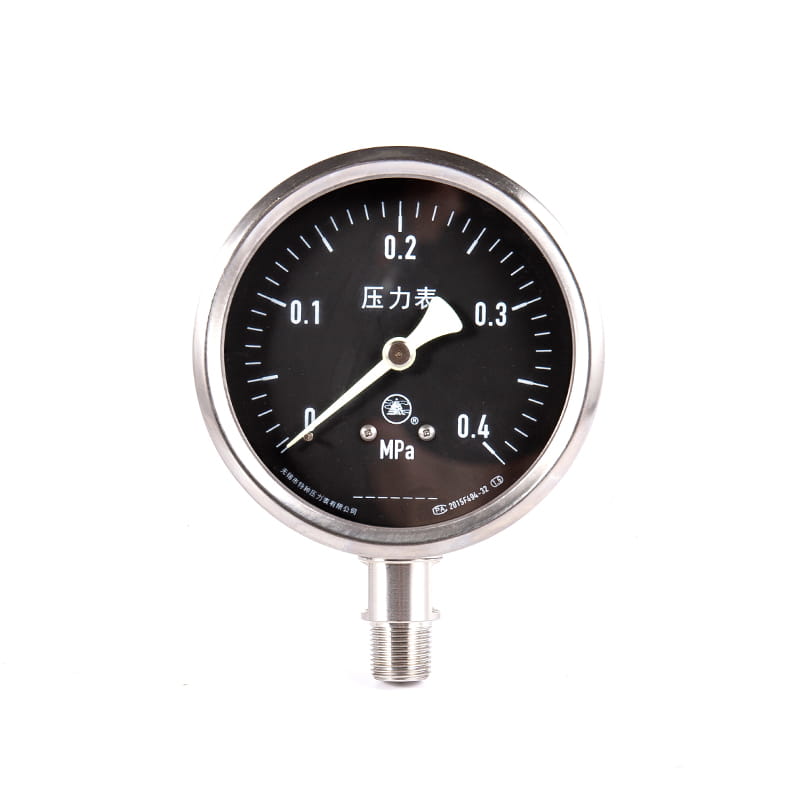
◆ Model: YC40 YC50 YC60 YC75 YC100 YC150◆ Use: This series of instruments are suitable for measuring...
See Details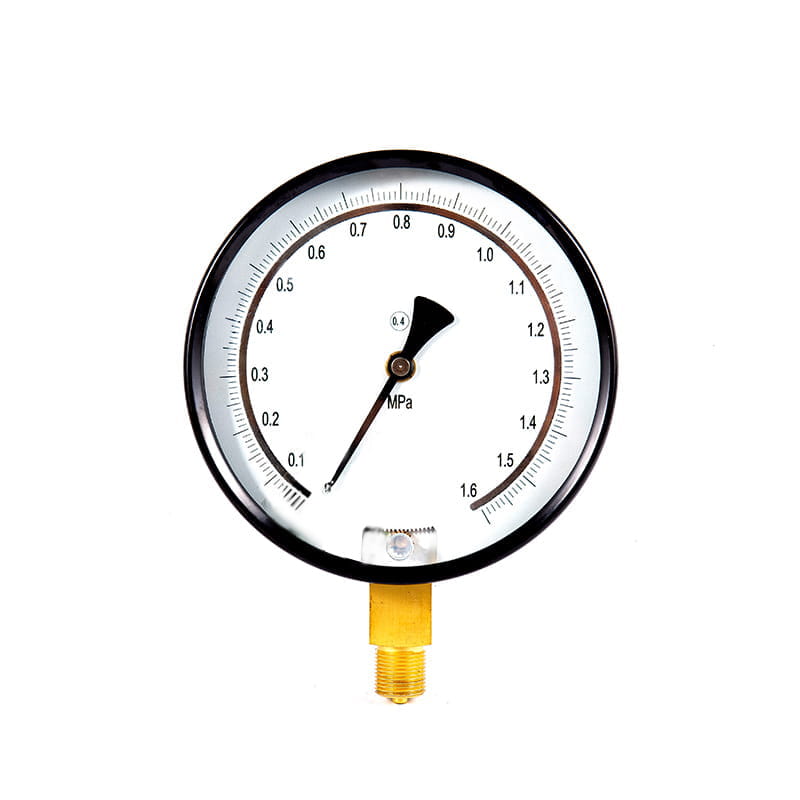
◆ Model: YJ150 YJ150A◆ Use: This series of instruments are mainly used to calibrate industrial or ci...
See Details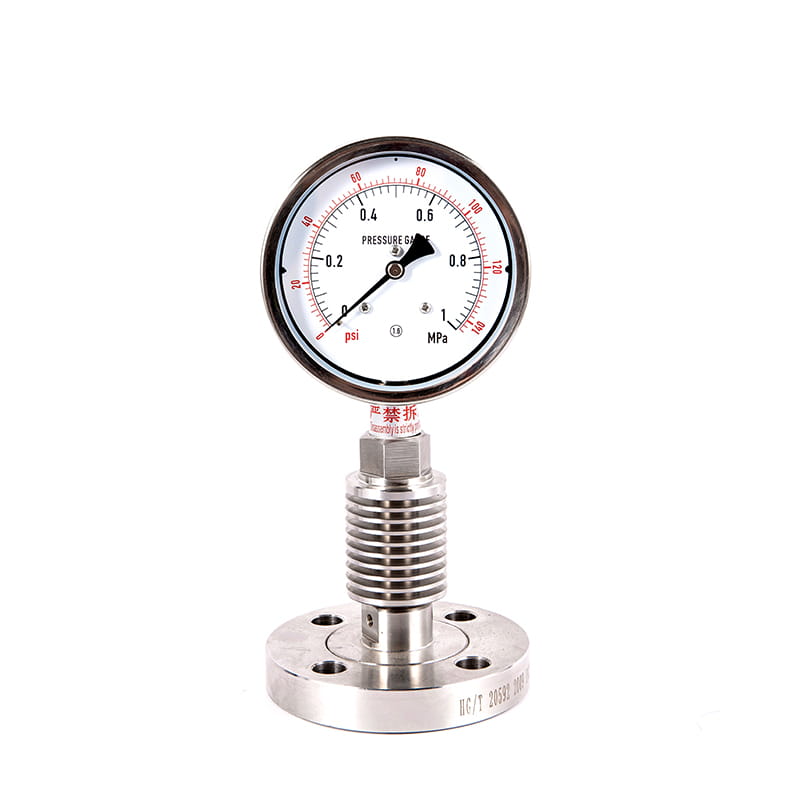
◆ Model: Y¨-ML Y¨-MF Y¨-MG Y¨-MZ Y¨-MK Y¨-MN Y¨-MS◆ Application: Due to the indirect measurement str...
See Details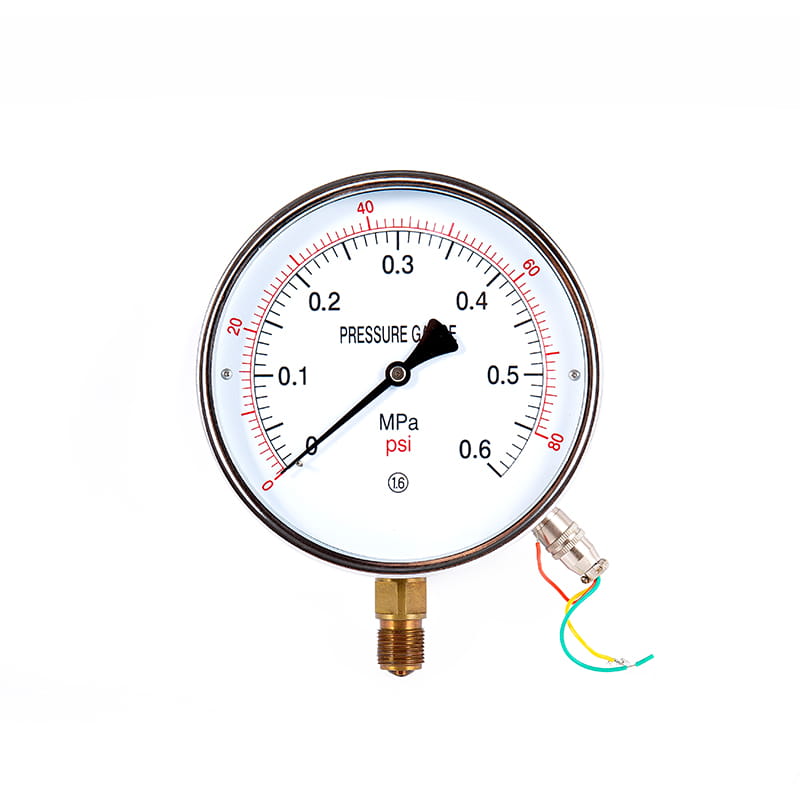
◆ Model: YTT100 YTT100A YTT150 YTT150A ◆ Application: This type of instrument is suitable for measur...
See Details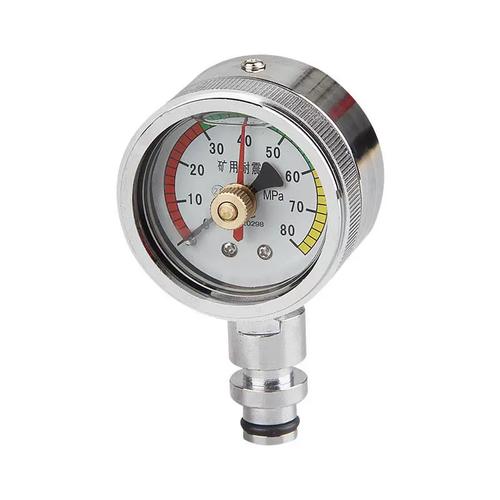
◆ Model: YKY60 ◆ Application: Mining memory pressure gauges is specially designed for underground h...
See Details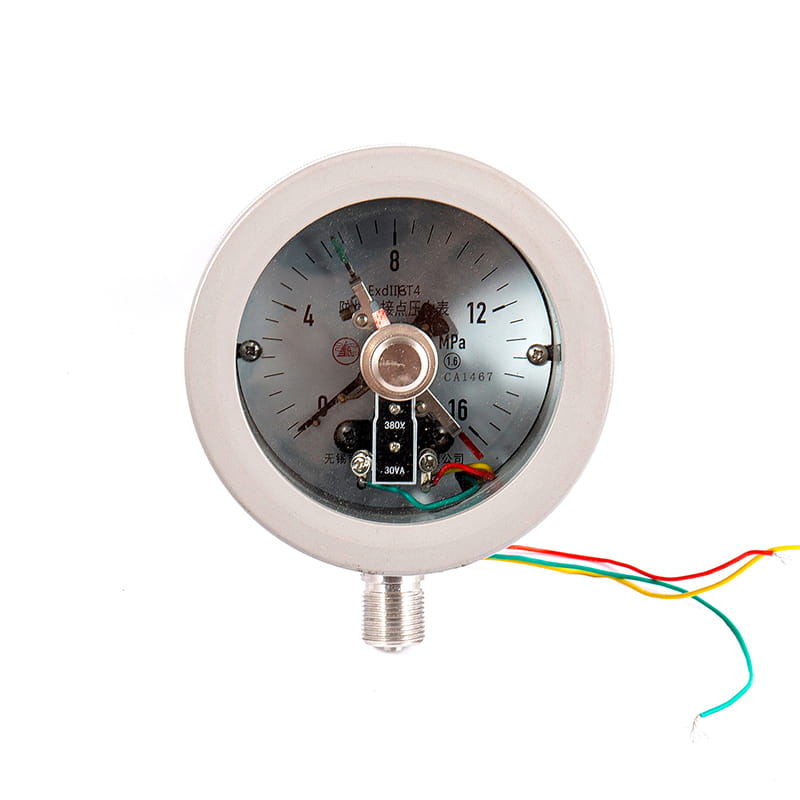
◆ Model: YTX100B YTX150B ◆ Uses: Explosion-proof electric contact pressure gauge is specially used i...
See Details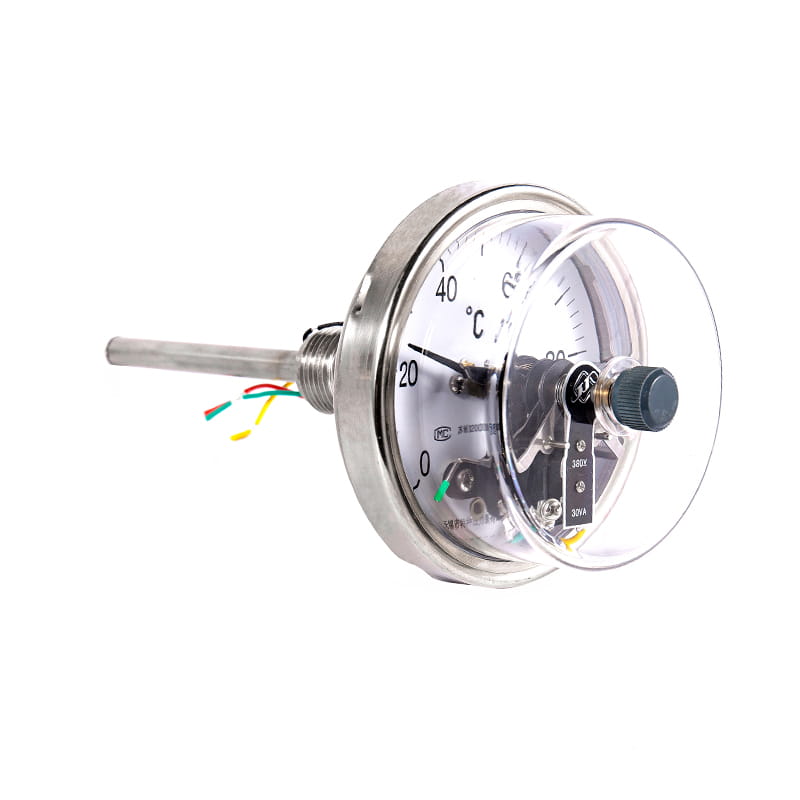
◆ Model: WSSX-4 ◆ Application: The electric contact bimetal thermometer has the characteristics of n...
See Details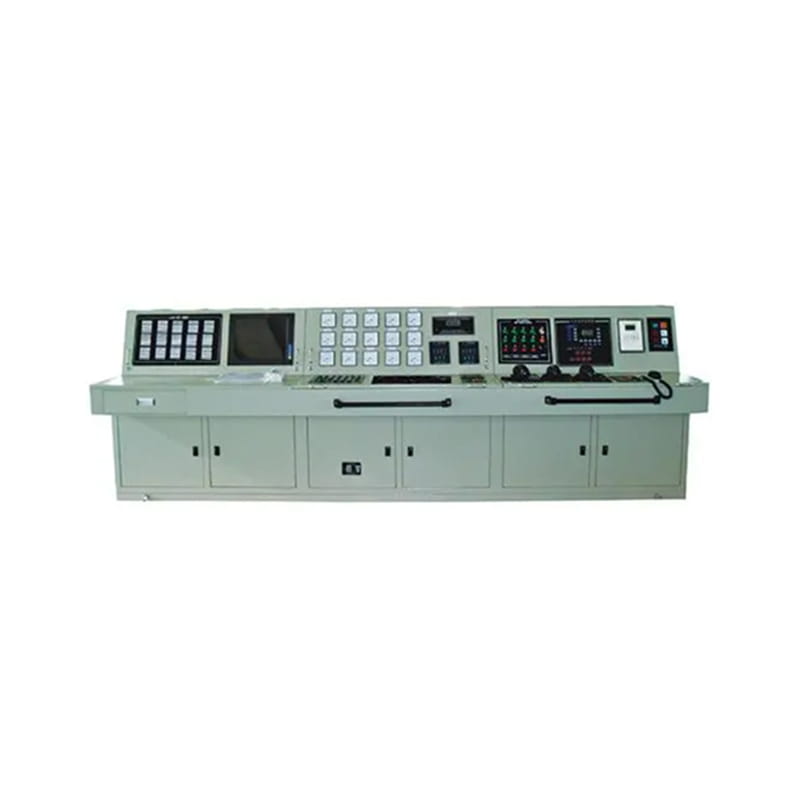
The Engine room monitoring alarm system is crucial for ensuring the safety and efficiency of operati...
See Details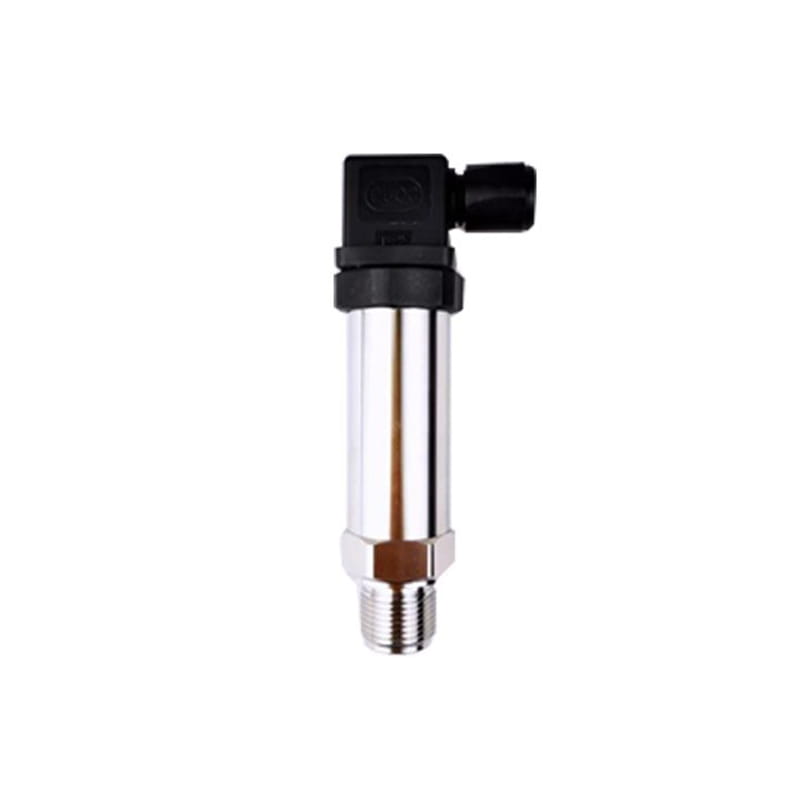
The Pressure transmitter YSZK is designed for demanding environments, operating effectively in tempe...
See Details


