

 English
 русский
 Español
 عربى
عربى
Y series general stainless steel pressure gauge
Cat:Pressure Gauge
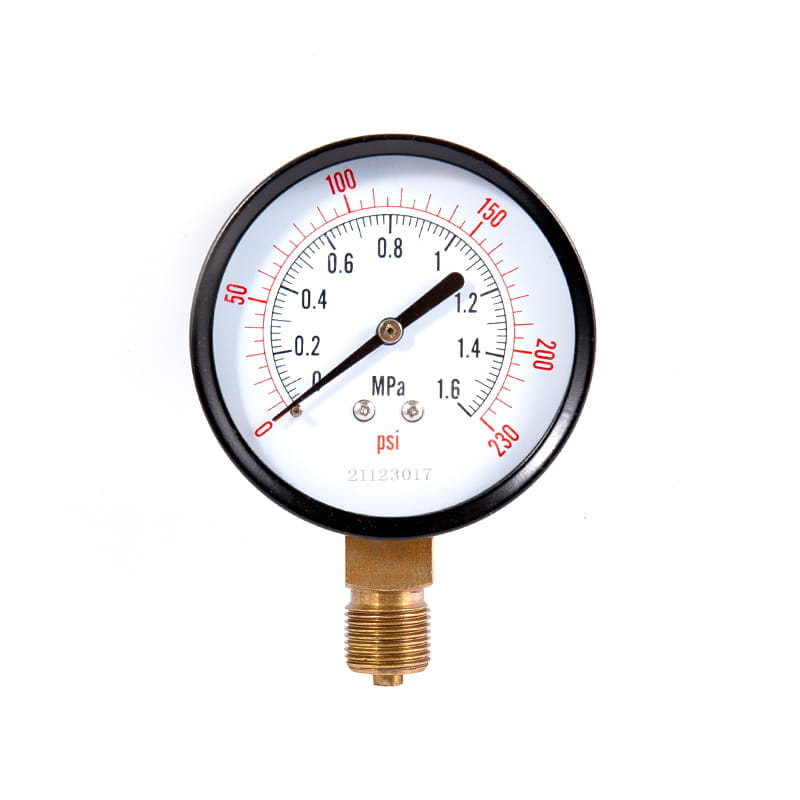
◆ Model: Y40 Y50 Y60 Y75 Y100 Y150 Y200 Y250◆ Use: This series of instruments is suitable for measur...
See DetailsContent
Pressure gauges are essential instruments used across a wide range of industries — from oil and gas to food processing, pharmaceuticals, HVAC systems, and water treatment. They measure the pressure of gases or liquids within a system and provide critical data that ensures operational safety, process efficiency, and equipment protection. Without accurate pressure measurement, systems can fail, products can be compromised, and personnel can be put at risk. Understanding the many types of pressure gauges available in the measurement industry is the first step toward selecting the right tool for the right job.
Pressure gauges vary significantly in their working principles, construction materials, measurement ranges, and intended applications. Whether you are dealing with high-pressure hydraulic systems or sensitive low-pressure airflow monitoring, there is a gauge specifically engineered for the task. This article provides a comprehensive overview of the most common and specialized pressure gauge types, how they work, and where they are best applied.
The Bourdon tube pressure gauge is by far the most widely used type in industrial settings. Invented by Eugène Bourdon in the 19th century, this gauge operates on a simple mechanical principle: a curved, hollow metal tube tends to straighten when internal pressure increases. This mechanical movement is translated through a gear-and-linkage system into a needle reading on a dial.
Bourdon tube gauges are available in three main configurations:
These gauges are robust, cost-effective, and available in a broad range of pressure scales, making them ideal for steam lines, compressors, hydraulic systems, and general industrial pipelines.
Diaphragm pressure gauges use a flexible membrane — the diaphragm — that deflects in response to applied pressure. The deflection is then mechanically or electrically converted into a readable output. These gauges excel in applications involving low pressures, viscous media, or corrosive substances, because the diaphragm can be made from a wide variety of materials including stainless steel, Hastelloy, Monel, and PTFE-coated metals.
Diaphragm gauges are particularly favored in the chemical, food and beverage, and pharmaceutical industries where hygiene and resistance to aggressive media are paramount. They also perform well in environments where pressure pulsations or vibrations are present, as the diaphragm absorbs some of these mechanical stresses.
Capsule gauges are designed specifically for measuring very low pressures, typically in the range of 0 to 600 mbar. They consist of two circular diaphragms welded together at their periphery to form a capsule. When pressure is applied, the capsule expands, and this movement drives the gauge pointer.
These gauges are widely used in gas supply systems, HVAC applications, and laboratory environments where accurate low-pressure readings are required. Their compact size and sensitivity make them a preferred choice for measuring gas pressure in burner management systems and air pressure in cleanrooms.
Unlike standard gauges that measure pressure relative to atmospheric pressure or a vacuum, differential pressure gauges measure the difference between two pressure points within a system. This makes them invaluable for monitoring filter conditions, flow rates, and level measurements in closed tanks.
A common application is monitoring the pressure drop across a filter: as the filter becomes clogged, the differential pressure increases, signaling the need for maintenance. Differential pressure gauges come in mechanical and electronic variants and are used extensively in water treatment plants, HVAC systems, and process industries.
Digital pressure gauges represent the modern evolution of pressure measurement technology. They use electronic pressure sensors — typically piezoresistive or capacitive — to convert pressure into an electrical signal, which is then displayed as a digital readout. These gauges offer several advantages over their analog counterparts:
Digital pressure gauges are increasingly used in calibration labs, precision manufacturing, and automated process control systems where data integration and traceability are required.
Beyond the physical design of a gauge, it is equally important to understand the pressure reference used. This fundamentally affects how readings are interpreted:
| Type | Reference Point | Typical Applications |
| Gauge Pressure (PSIG) | Atmospheric pressure | General industrial use, tire pressure |
| Absolute Pressure (PSIA) | Perfect vacuum (zero pressure) | Vacuum systems, altitude measurement |
| Sealed Gauge Pressure | Fixed reference (often 1 atm) | High-pressure applications, aerospace |
| Differential Pressure | Two process points compared | Filter monitoring, flow measurement |
Selecting the correct pressure reference type is critical. Using a gauge-type instrument where an absolute reading is needed — such as in vacuum distillation — can lead to significant measurement errors and process failures.
Among the oldest and most straightforward pressure measurement tools are manometers. A manometer uses a column of liquid — typically mercury or water — to balance and measure pressure. The height of the liquid column directly corresponds to the pressure applied. U-tube manometers, inclined manometers, and well-type manometers all operate on this principle.
While largely replaced in industrial settings by mechanical and electronic gauges, manometers remain valuable in laboratory calibration, low-pressure gas measurement, and educational demonstrations due to their simplicity and directness. Piezometers, a subset of manometers, are used to measure static liquid pressure and groundwater levels in civil engineering and hydrology applications.
Vacuum gauges measure pressures below atmospheric pressure. They are essential in industries such as semiconductor fabrication, freeze-drying, degassing, and vacuum packaging. Several specialized subtypes exist based on the vacuum range:
Choosing the correct vacuum gauge depends heavily on the pressure range required and the gas composition in the system.
With so many types available, selecting the right pressure gauge requires careful consideration of several key factors:
Taking the time to evaluate these parameters before purchasing can prevent costly mistakes, equipment damage, and safety incidents down the line.
The measurement industry offers a rich variety of pressure gauges, each engineered for specific conditions and applications. From the rugged simplicity of the Bourdon tube gauge to the precision of digital and vacuum instruments, understanding what each type offers is fundamental to making informed decisions in process design, maintenance, and safety management. As industrial systems grow more complex and data-driven, the role of pressure measurement technology will only continue to expand — making it more important than ever to know the tools at your disposal.

◆ Model: Y40 Y50 Y60 Y75 Y100 Y150 Y200 Y250◆ Use: This series of instruments is suitable for measur...
See Details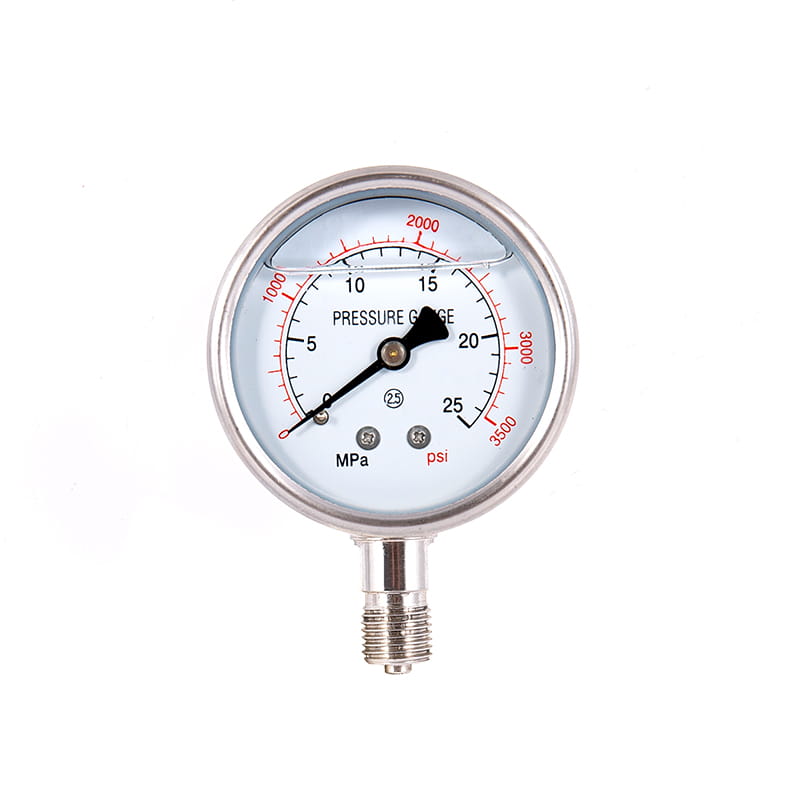
◆ Model: YG60 YG100 YG150◆ Use: All parts of this series of gauges are made of stainless steel, and ...
See Details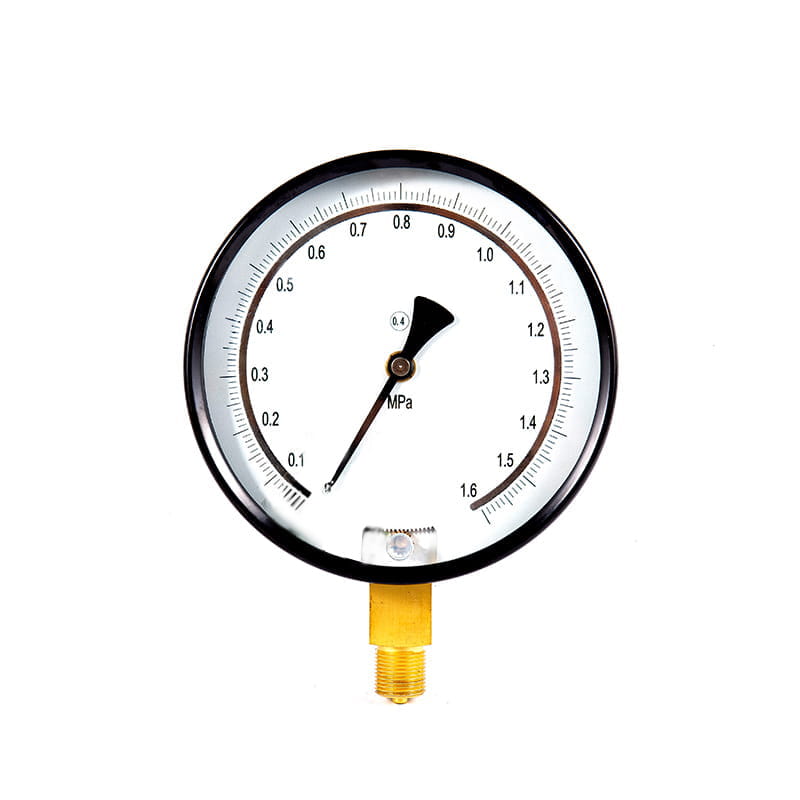
◆ Model: YJ150 YJ150A◆ Use: This series of instruments are mainly used to calibrate industrial or ci...
See Details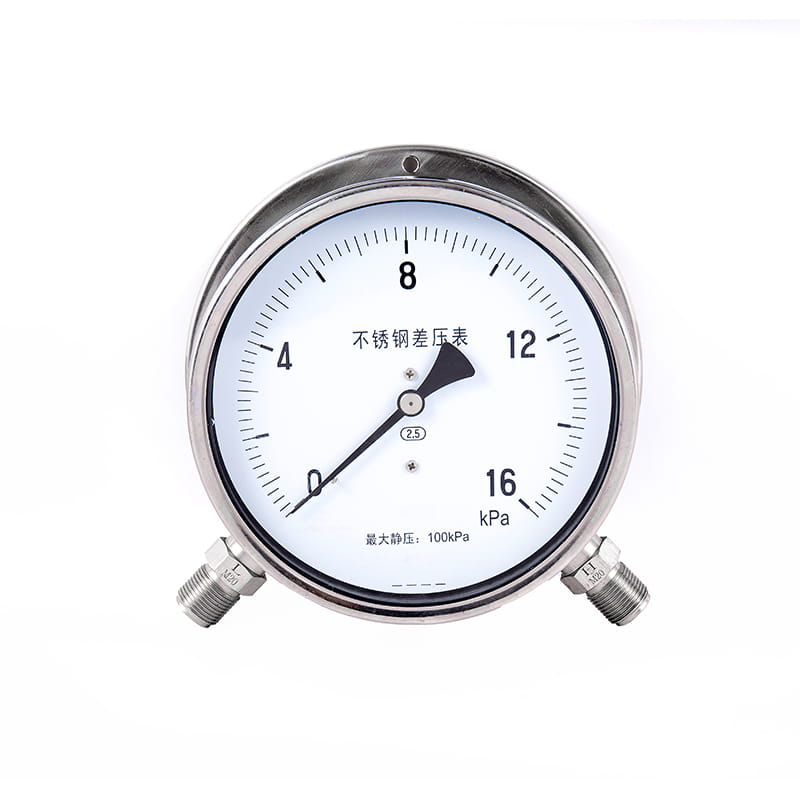
◆ Model: CYB100 CYB150 ◆ Application: Stainless steel differential pressure gauges is suitable for m...
See Details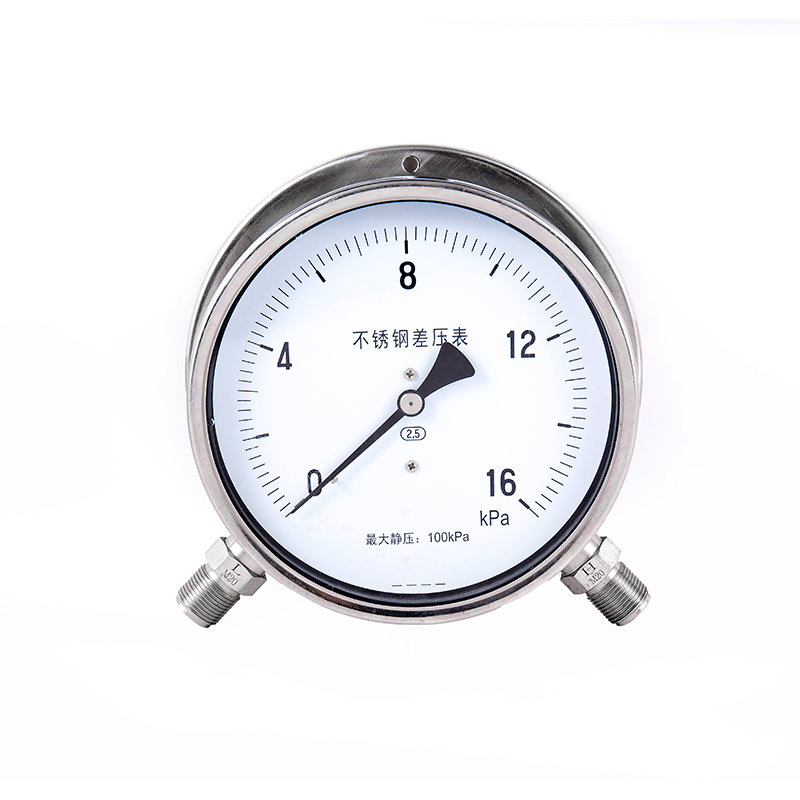
◆ Model: CYBN100 CYBN150 ◆ Application: Earthquake-resistant (seismic) stainless steel differential ...
See Details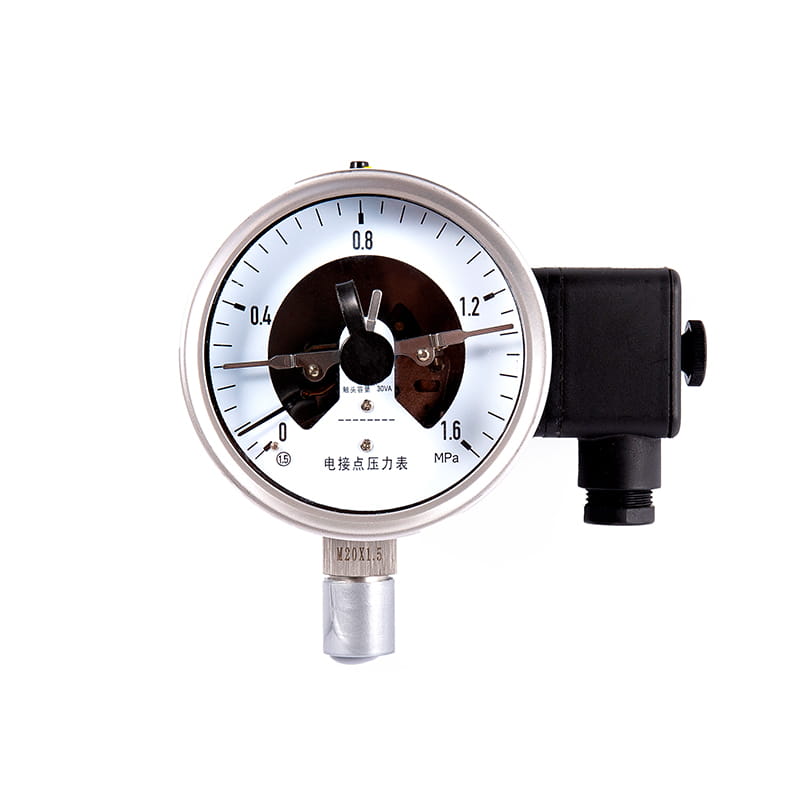
◆ Model: YXD100 YXD150 ◆ Uses: Photoelectric electric contact pressure gauge is a substitute for the...
See Details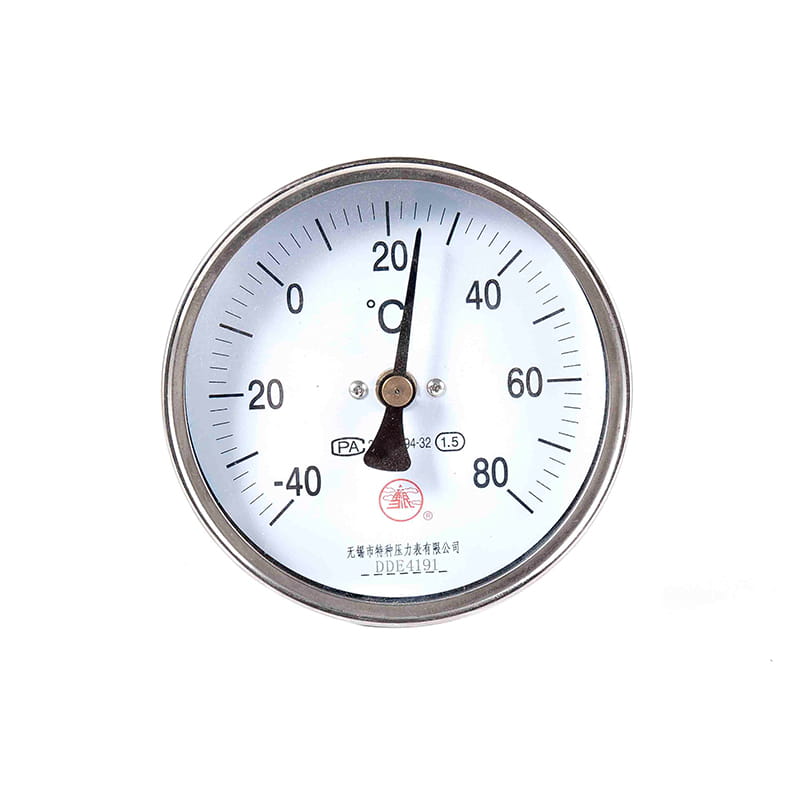
◆ Model: WSS-3 WSS-4 WSS-5 ◆ Application: Bimetal thermometer has the characteristics of no mercury ...
See Details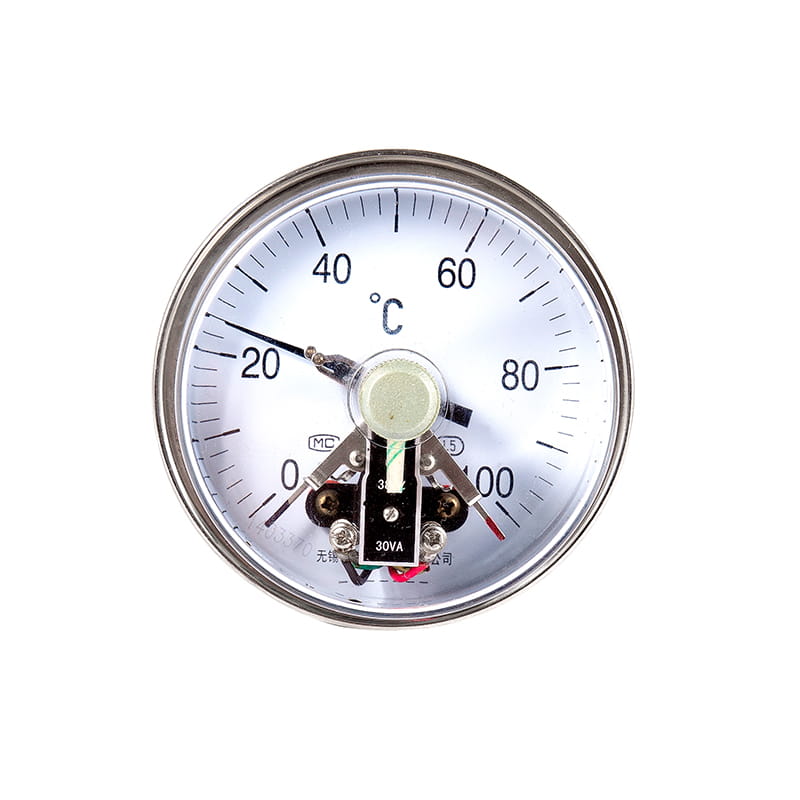
◆ Model: WSSXC-4 ◆ Application: This series of thermometers has the characteristics of no mercury da...
See Details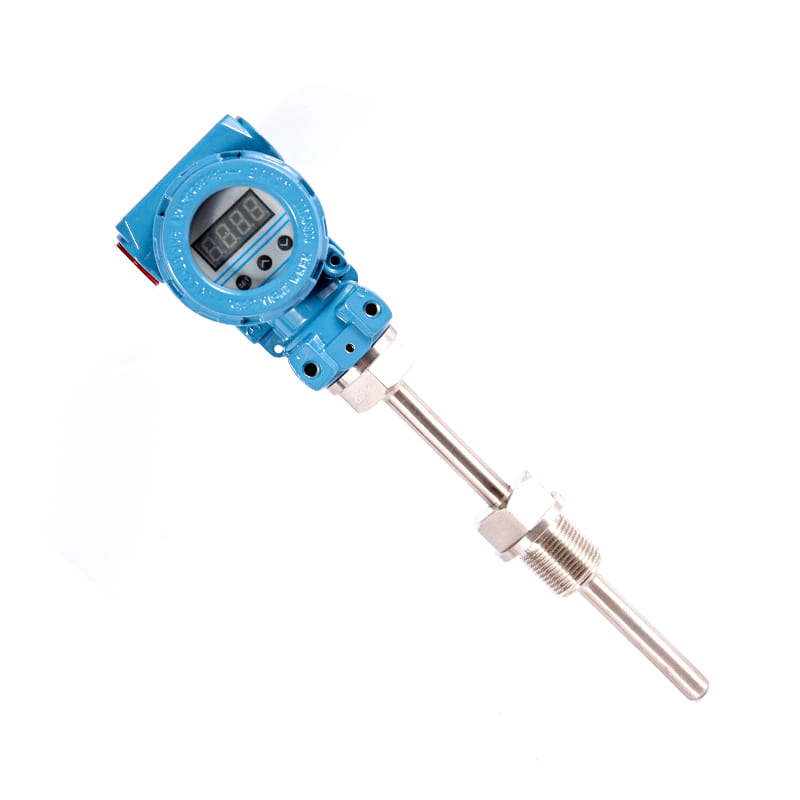
◆ Model: WSZC-1 ◆ Overview: The transmitter is composed of advanced circuit module integration techn...
See Details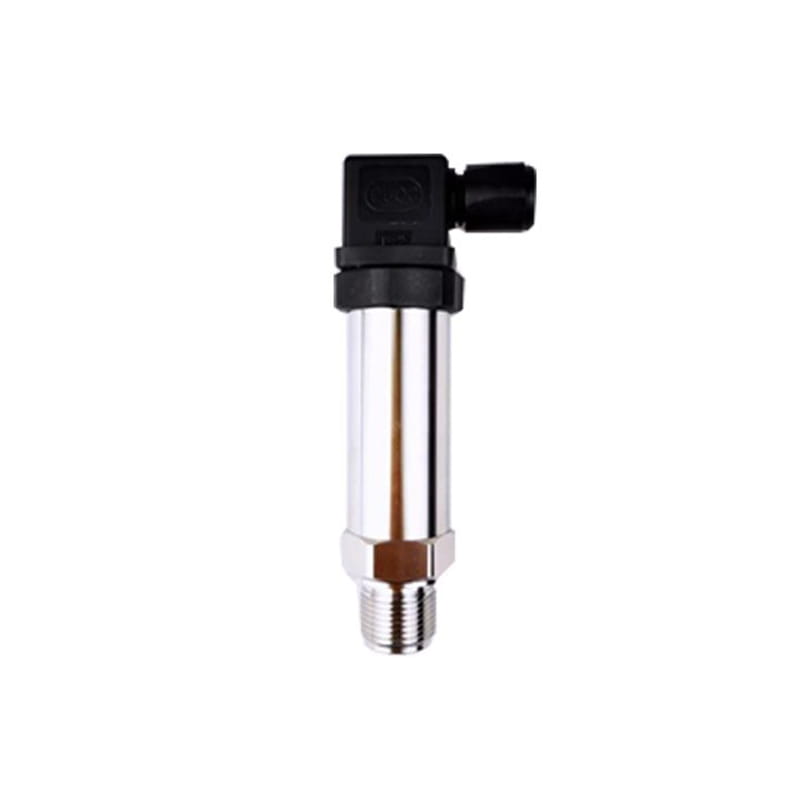
The Pressure transmitter YSZK is designed for demanding environments, operating effectively in tempe...
See Details


