

 English
 русский
 Español
 عربى

Y series general stainless steel pressure gauge
Cat:Pressure Gauge
◆ Model: Y40 Y50 Y60 Y75 Y100 Y150 Y200 Y250◆ Use: This series of instruments is suitable for measur...
See DetailsA chemical research institute recently commissioned a new high-pressure hydrogenation fixed-bed pilot unit for catalyst evaluation and hydrogenation process studies. The unit operates at pressures up to 30 MPa with hydrogen gas and light hydrocarbons as process media, and reaction temperatures ranging from 200 °C to 400 °C. The pressure measurement system was required to deliver high accuracy, long-term stability, and intrinsic safety to support reliable data acquisition and interlock protection.
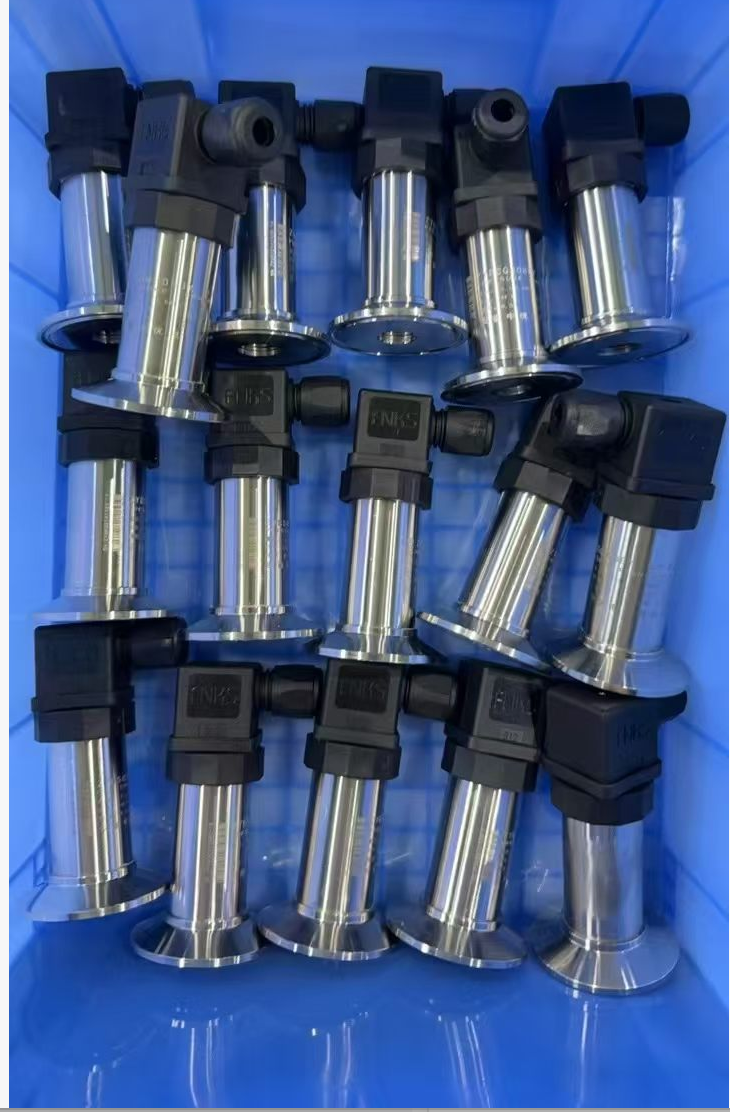
Challenges
·Hydrogen Embrittlement Risk: High-temperature and high-pressure hydrogen environments can cause hydrogen embrittlement in ordinary stainless steels, necessitating hydrogen-resistant wetted materials.
·High Accuracy and Stability: The experimental setup demanded high-resolution pressure readings with minimal drift. Transmitter accuracy had to exceed ±0.5% full scale (FS).
·Sealing Integrity: Preventing hydrogen leaks was critical. The process connections and sealing designs had to be robust enough to withstand frequent assembly and disassembly in a laboratory environment while ensuring zero leakage.
·Explosion Safety: The unit area was classified as Zone 2 hazardous location, requiring appropriate explosion-proof certifications.
Solution & Implementation
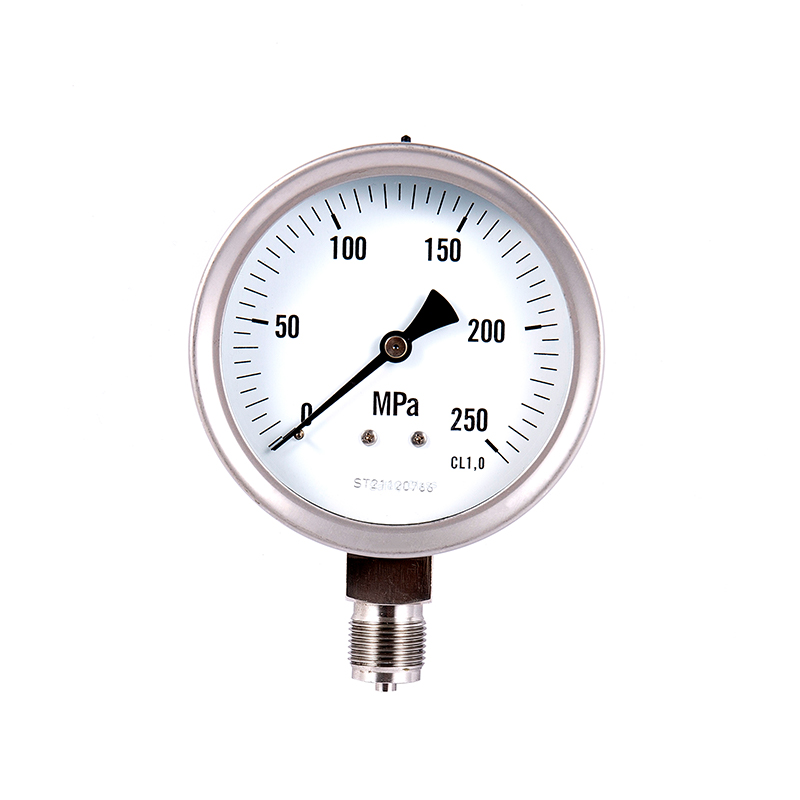
·Local Pressure Gauges: All-stainless-steel vibration-resistant pressure gauges with a 150 mm dial diameter were selected. Range: 0–40 MPa; accuracy: 1.0 class. Wetted parts were manufactured from 316L stainless steel with hydrogen embrittlement-resistant treatment. The gauges were liquid-filled with glycerin to dampen vibrations and used high-pressure cone-seal fittings to ensure leak-tight integrity in hydrogen service.
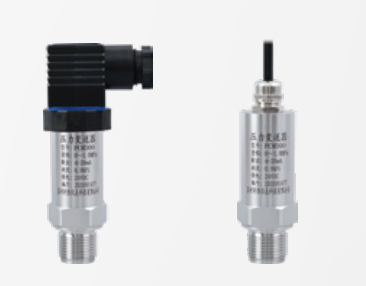
·Smart Pressure Transmitters: Intelligent diaphragm-type transmitters with a 0–40 MPa range and ±0.2% FS accuracy were chosen. The diaphragm was made of Hastelloy C-276 for superior resistance to hydrogen permeation. A 1/2" NPT high-pressure cone-seal process connection was adopted, with isolation valves installed to allow online maintenance.
·Explosion-Proof Design: The transmitters feature intrinsic safety (Ex ia IIC T4) and flameproof (Ex d IIC T4) certifications, operated with safety barriers. Output signals are 4–20 mA HART, 0.1% accuracy , integrated into the DCS, with pressure signals utilized for overpressure interlock logic.
·Installation Details: Pressure taps were installed on the reactor outlet line and the inlet buffer tank. Cooling coils were added to the impulse lines to lower media temperature. Local gauges and transmitters were installed in parallel for easy on-site comparison.
After commissioning, the unit operated continuously for six months. The local pressure gauges showed no pointer oscillation and readings remained stable. Transmitter zero drift remained below ±0.1% FS, and calibration checks against a reference pressure standard stayed within permissible tolerances. Throughout the hydrogen environment testing period, no leaks or hydrogen embrittlement failures were observed. The interlock system responded accurately with no false trips or missed alarms. The client reported minimal maintenance costs and confirmed the solution fully met the demanding requirements of the pilot unit.
Conclusion
By carefully selecting hydrogen-resistant wetted materials, high-accuracy transmitters, strict explosion-proof measures, and reliable sealing connections, the pressure measurement challenges of this high-pressure hydrogenation fixed-bed unit were successfully resolved. The implemented solution balances safety, accuracy, and service life and serves as a reference for similar laboratory and pilot-scale installations.
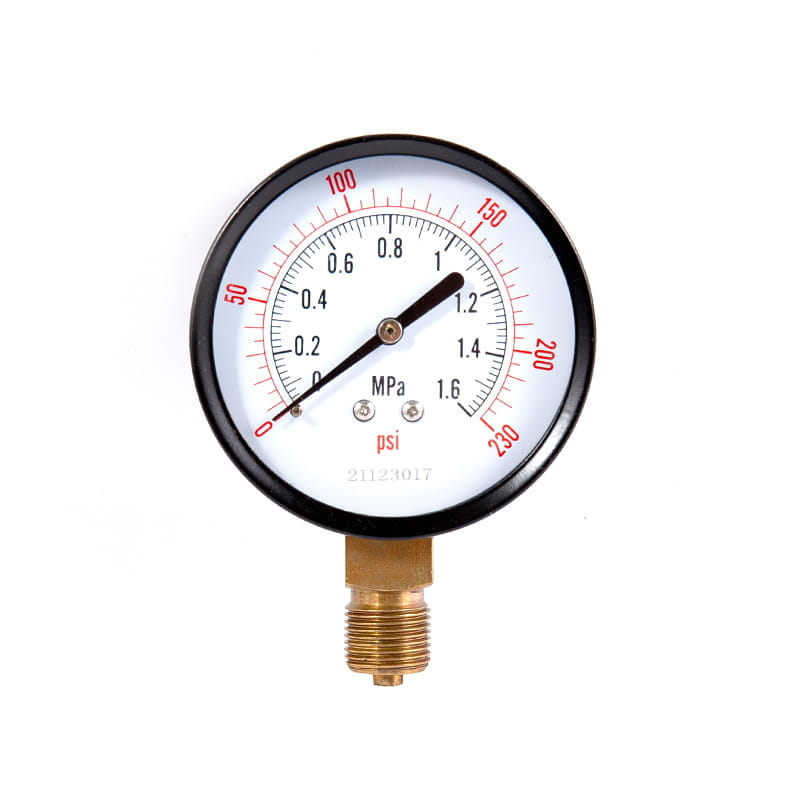
◆ Model: Y40 Y50 Y60 Y75 Y100 Y150 Y200 Y250◆ Use: This series of instruments is suitable for measur...
See Details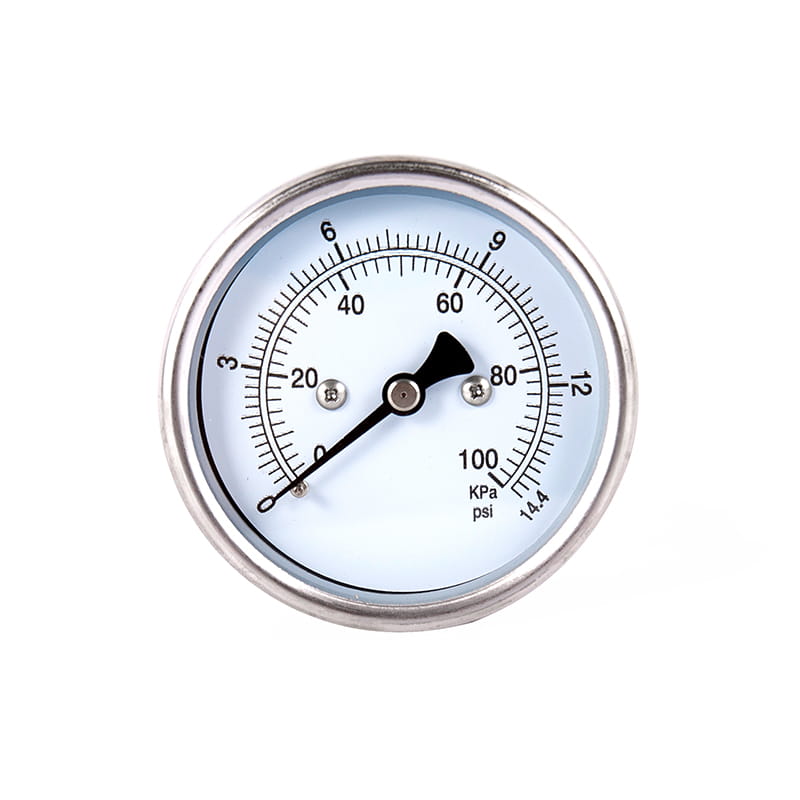
◆ Model:YE60 YE100 YE150 ◆ Use: Membrane box pressure gauge is also called micro pressure gauge....
See Details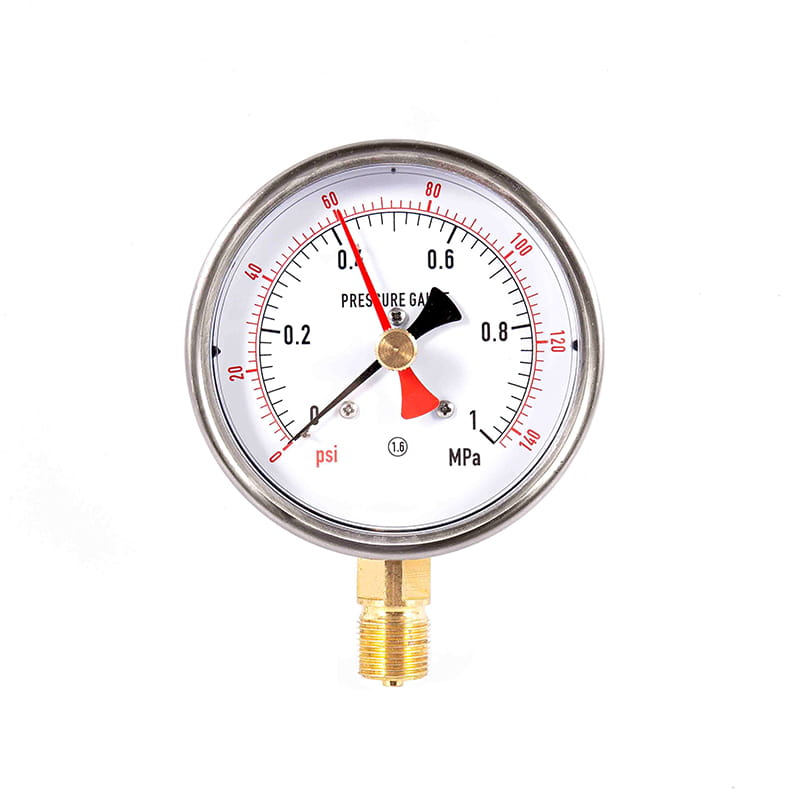
◆ Model: YL40 YL50 YL60 YL75 YL100 YL150 ◆ Needle-retaining pressure gauges is composed of a general...
See Details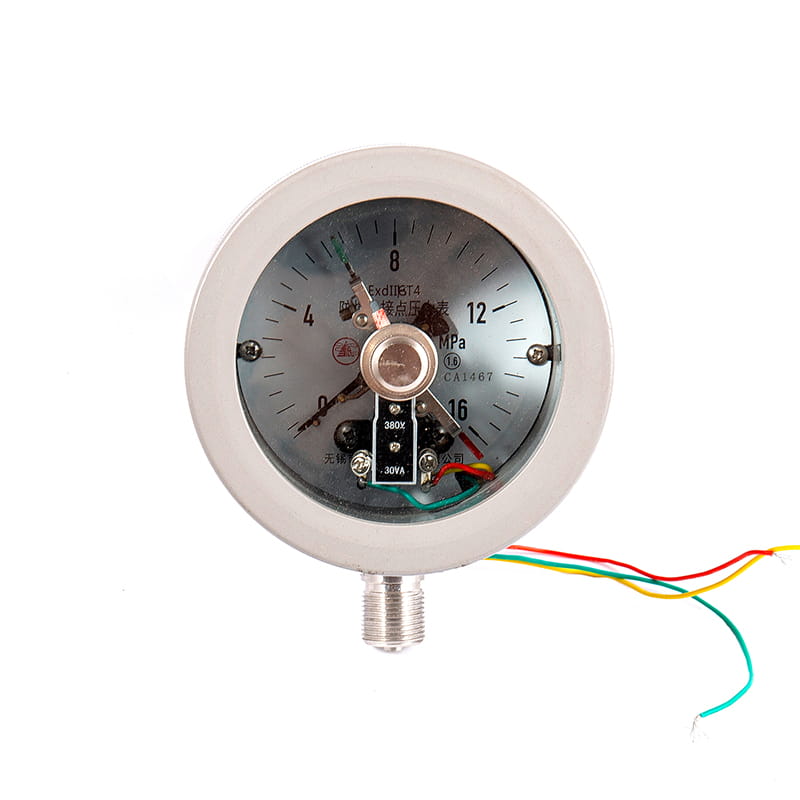
◆ Model: YTX100B YTX150B ◆ Uses: Explosion-proof electric contact pressure gauge is specially used i...
See Details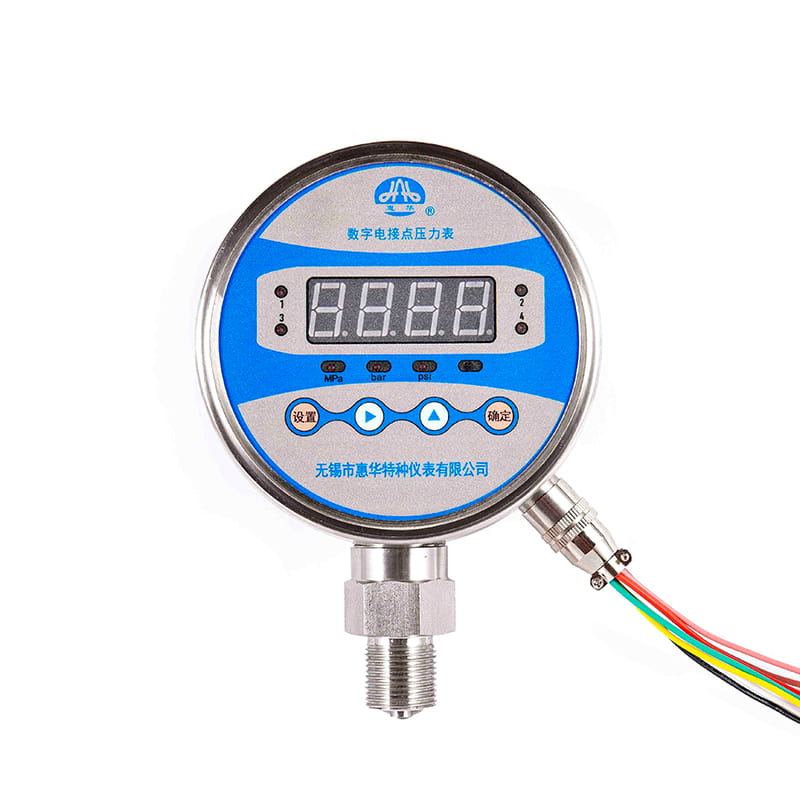
◆ Model: YSX100 ◆ Introduction: Intelligent digital electric word contact pressure gauge is a set o...
See Details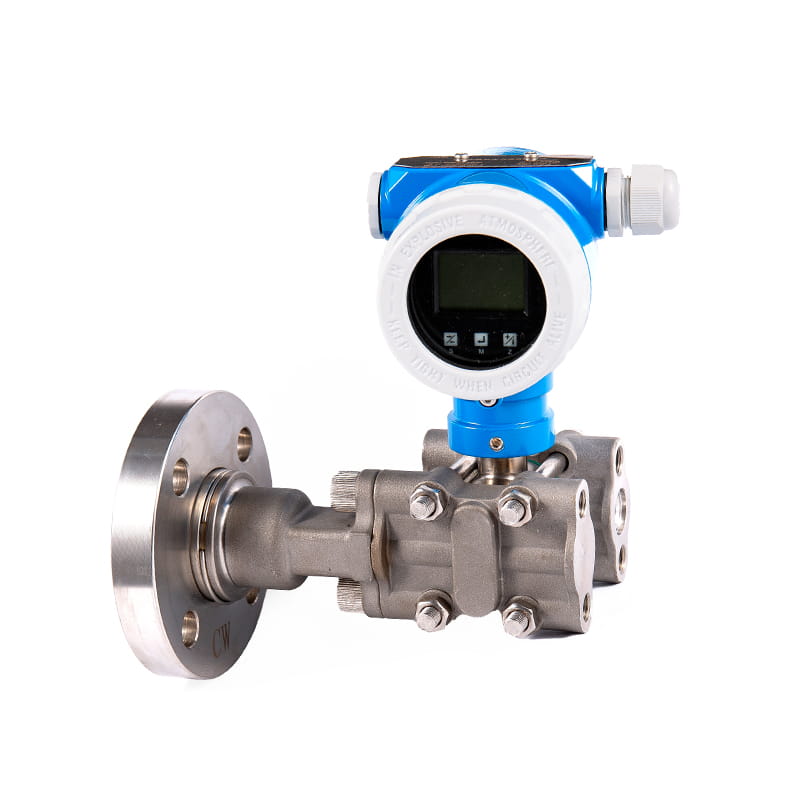
◆ Model: YSZC-8 ◆ Application: This instrument is suitable for precise measurement of liquid level d...
See Details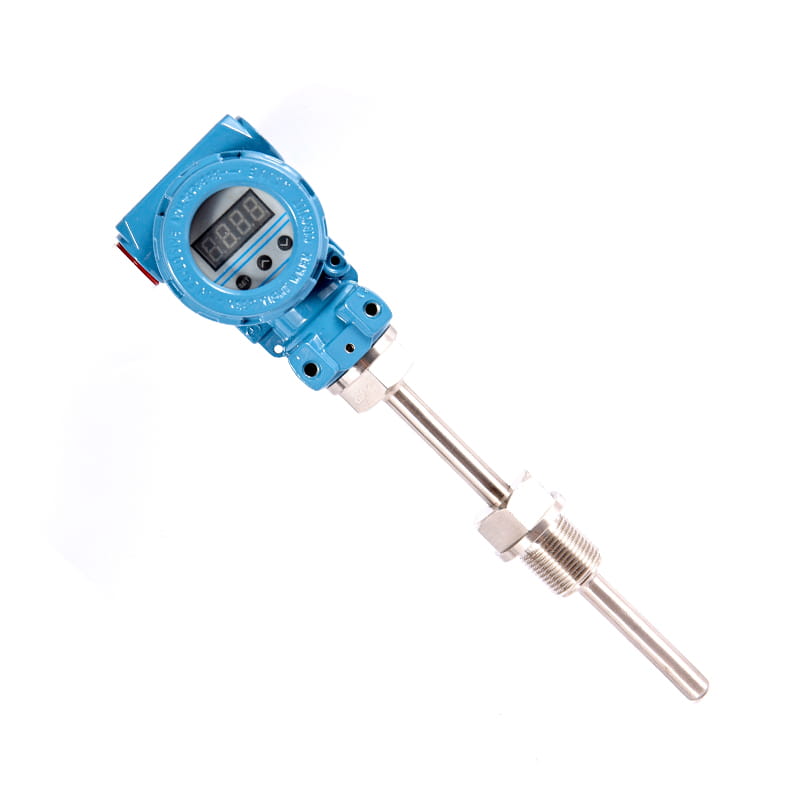
◆ Model: WSZC-2 ◆ Overview: The transmitter is composed of advanced circuit module integration techn...
See Details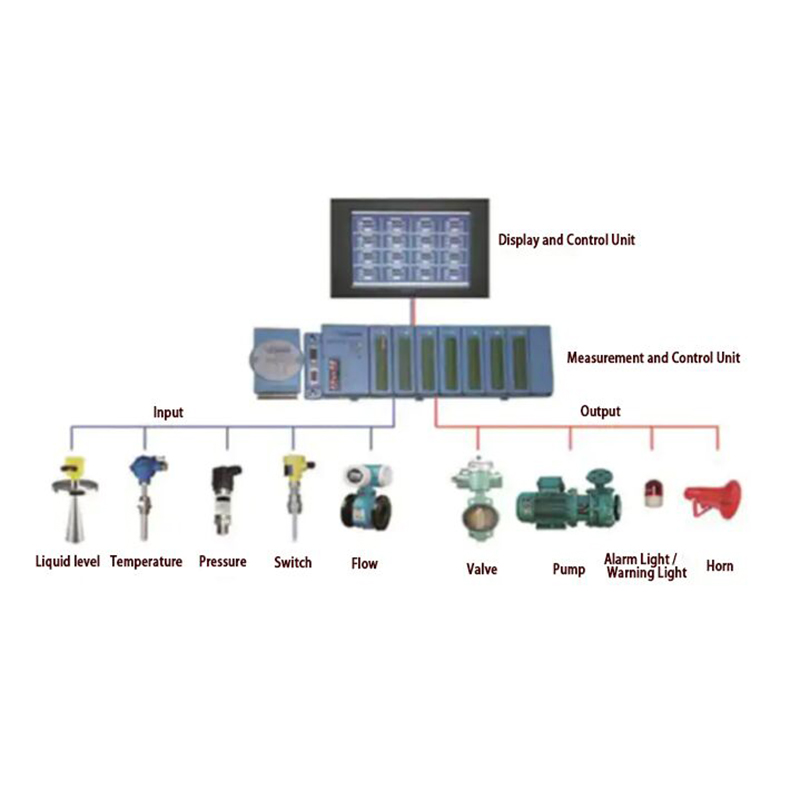
The Liquid cargo monitoring alarm system prioritizes effective agreements, strong security, and stab...
See Details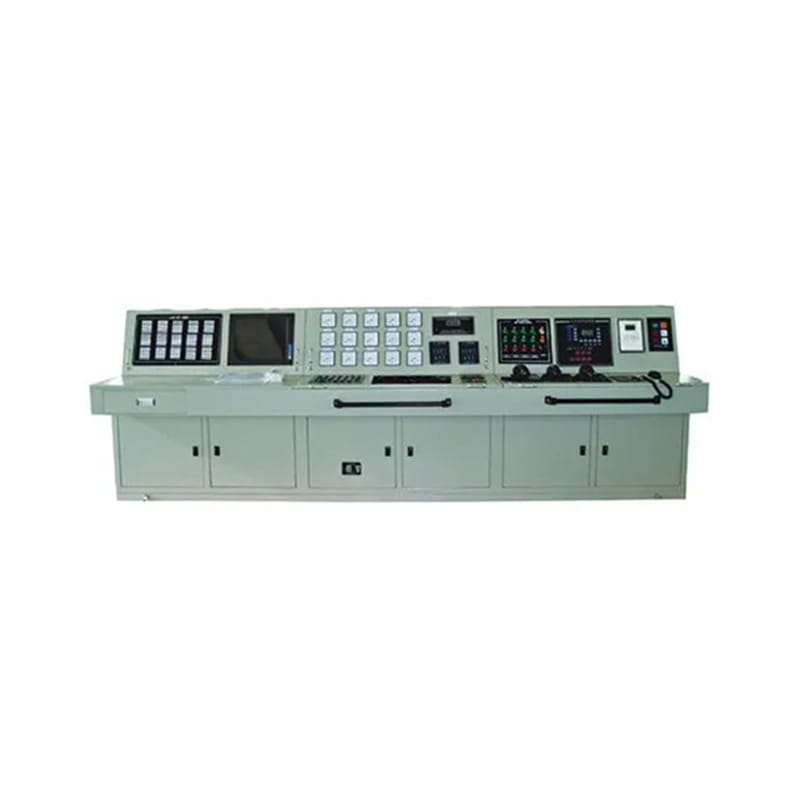
The Engine room monitoring alarm system is crucial for ensuring the safety and efficiency of operati...
See Details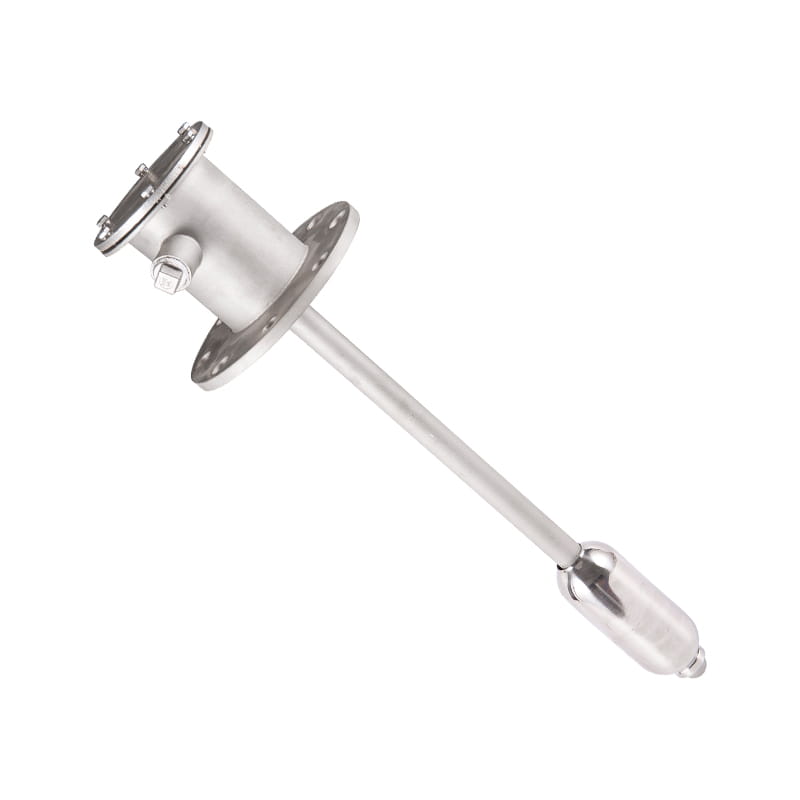
The Float level controller UHK features a simple structure that ensures easy installation and mainte...
See Details


